A Year in Dance – 12 of the best in 2023. Graham Watts’ eclectic year

A year in dance – Graham Watts looks back at the 200 performances he saw in 2023 and chooses 12 of the best.
Although the dreaded covid still seemed to lurk around every corner, 2023 was the year dance finally escaped the pandemic and although face masks in theatres were still in evidence the wearers gradually reduced into a rare and (not so) endangered species!
My own dance experiences in 2023 were certainly back to pre-pandemic levels since I saw over 200 shows during the year, 98 of which I reviewed professionally. This included travel to review performances in Barcelona, Budapest (x2), Dubai (x2), Lucerne, Oslo (x2), Sarasota, Stockholm, Warsaw (x3) and the Yellowstone valley in Montana. 84 of the shows were reviewed with a star rating and my overall output for the year was:
***** 6
**** 19
*** 47
** 12
My average for the year was 3.22 stars.
So, in this eclectic and international year what were the shows that really stood out.
Here, for what it is worth are reflections on a dozen of the most memorable shows from 2023.
1. NOTHING PERSONAL by Alan Lucien Øyen for Norwegian National Ballet, performed at the National Opera House, Oslo on 12 October


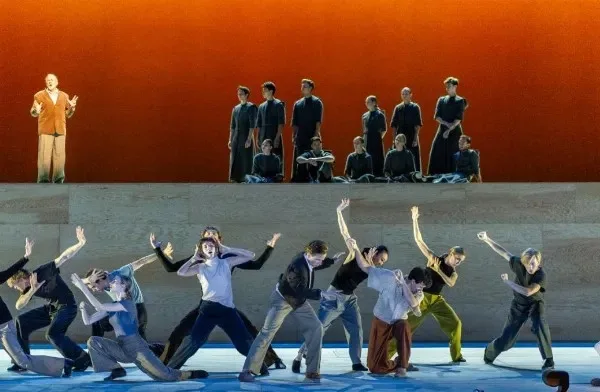
Uppermost amongst considerations in reviewing any performance is how it makes me feel and, on this criterion alone, Alan Lucien Øyen’s Nothing Personal smashed it out of the park. Øyen shines a spotlight on human connection in a world increasingly devoid of empathy, emphasised by the dehumanising rise of Artificial Intelligence. The drama was dominated by an outstanding script (spoken in English and written by Øyen and Andrew Wale) with dance either illustrating the text or showcased in brisk interludes of ensemble movement. Nothing Personal benefitted from a luscious score by Academy Award winning composer, Alexandre Desplat, a sweeping composition that is one of the best new scores for dance theatre in many a year. This courageous performance was an intensely personal experience that will stay with me for a very long time.
2. THE SACRIFICE by Dada Masilo for her own company, performed at the Brighton Dome on 21 February
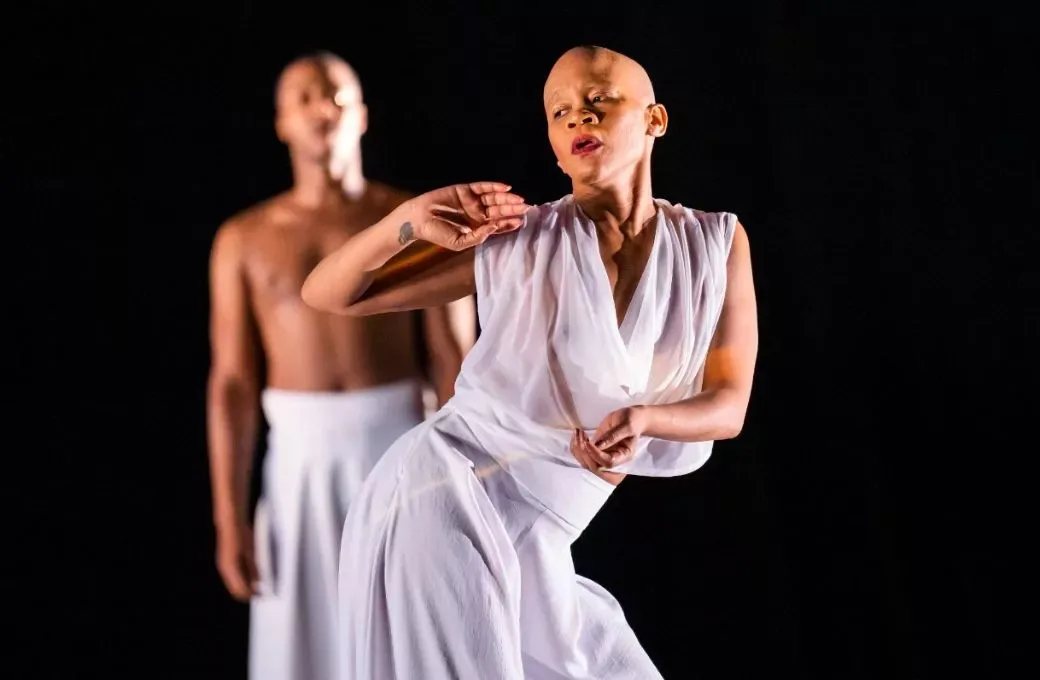
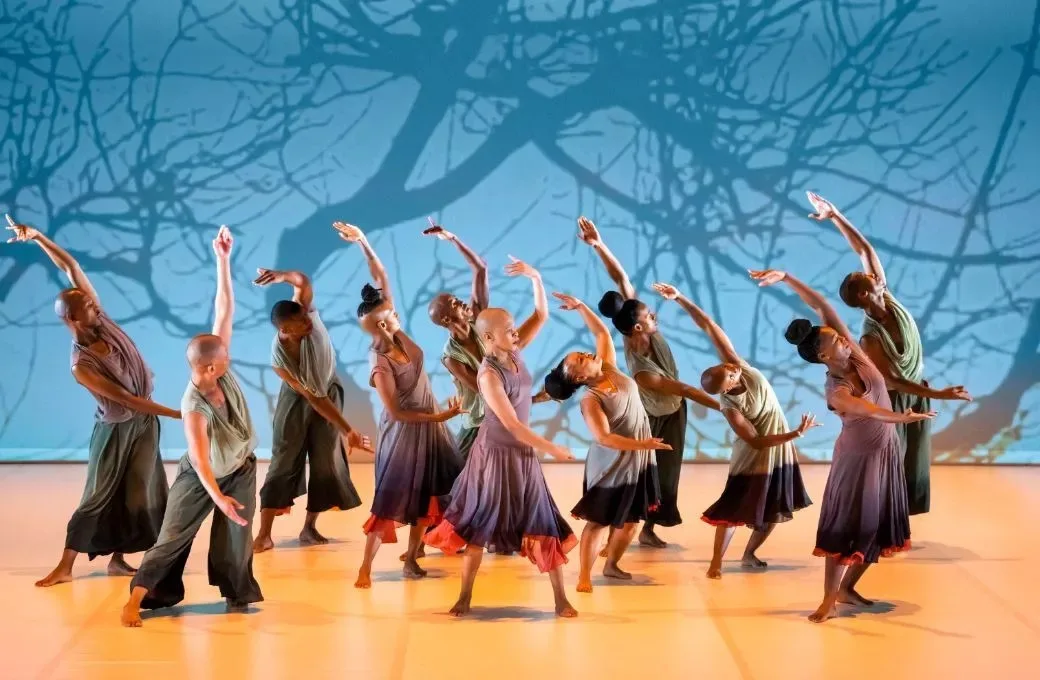
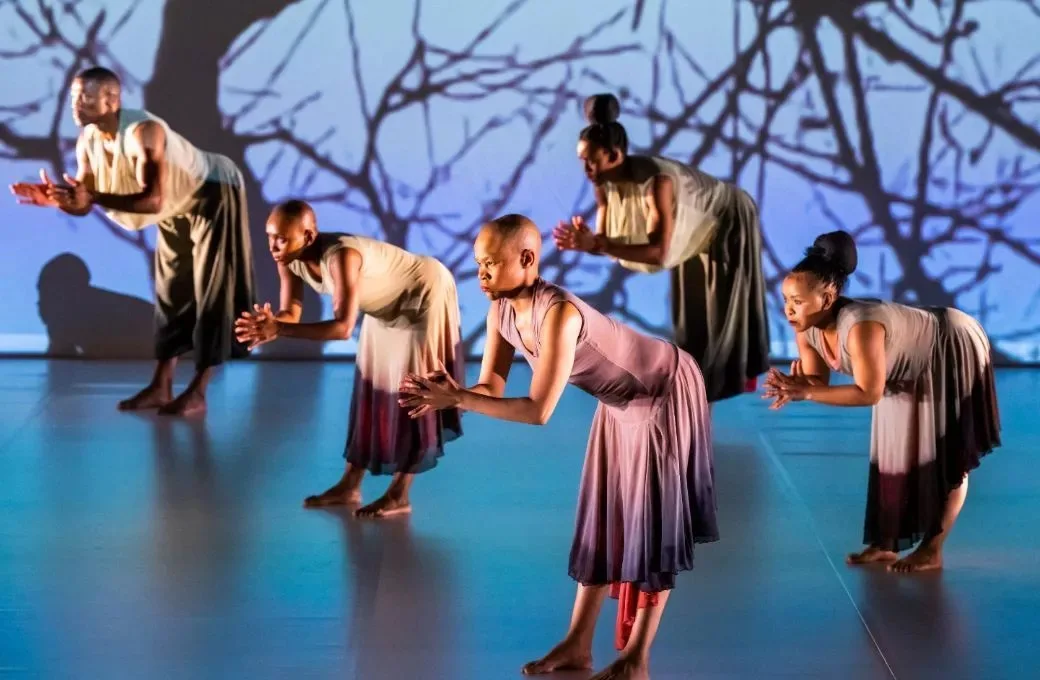
Masilo has choreographed The Sacrifice to a new and compelling score by four African composers, one of whom imitates the winds of the African bush with a homemade instrument made from a length of corrugated tubing ripped from his mother’s washing machine! The eleven dancers, performing in the Botswanan dance form of Tswana, and four musicians are closely integrated on stage with the superb soprano (Ana Masina) and the “chosen one” (Masilo) intimately coordinated as mother and daughter. It concluded with the mother’s beautiful lament, hauntingly sung by Masina as she cradled her violated daughter, gradually lowering her lifeless body to the floor.
3. SÍ, QUIERO by Mercedes de Córdoba (choreographed partly in collaboration with Manuel Liñan) for her own dance company, performed as part of the Flamenco Festival at Sadler’s Wells on 13 July
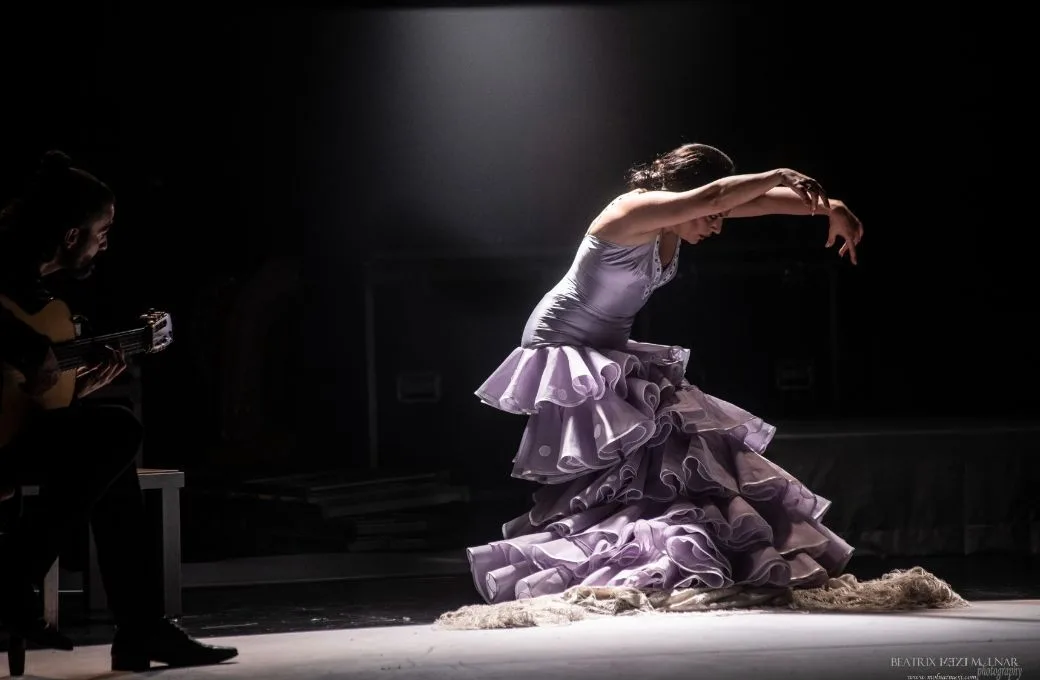

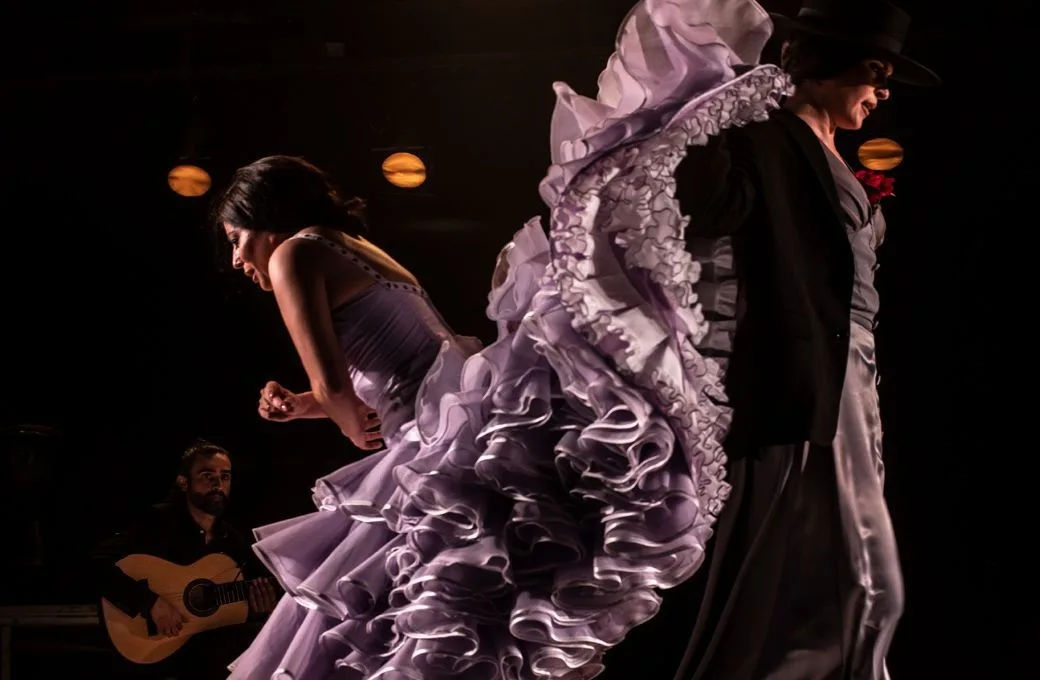
Considered to be one of this generation’s most authentic bailaoras, Mercedes de Córdoba epitomises the purest traditions of flamenco in her steely, urgent, rhythmic footwork, and synthetic upper body flexibility. Her elite artistry is at its zenith in the arresting delivery of the soleá with her dance completely aligned to the powerful singing of Enrique ‘El Extremeño’ and the elegant, lyrical and often tender guitar-playing of her musical director, Juan Campallo. The star was supported by four superb bailaoras and a clutch of outstanding musicians in a masterclass covering all the subtleties in the art of flamenco. At the extended curtain call, when de Córdoba knelt to kiss the stage it seemed to be a cipher for the love of flamenco itself.
4.MESSAGE IN A BOTTLE by Kate Prince for ZooNation, performed at the Peacock Theatre, London on 5 October
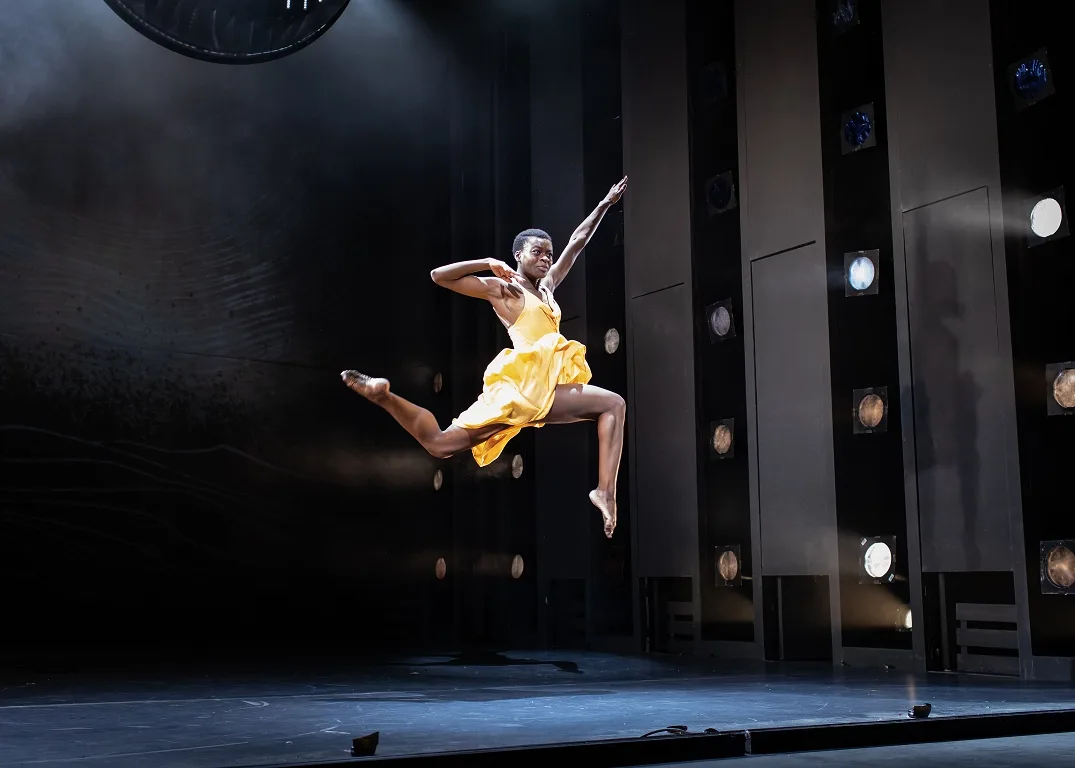
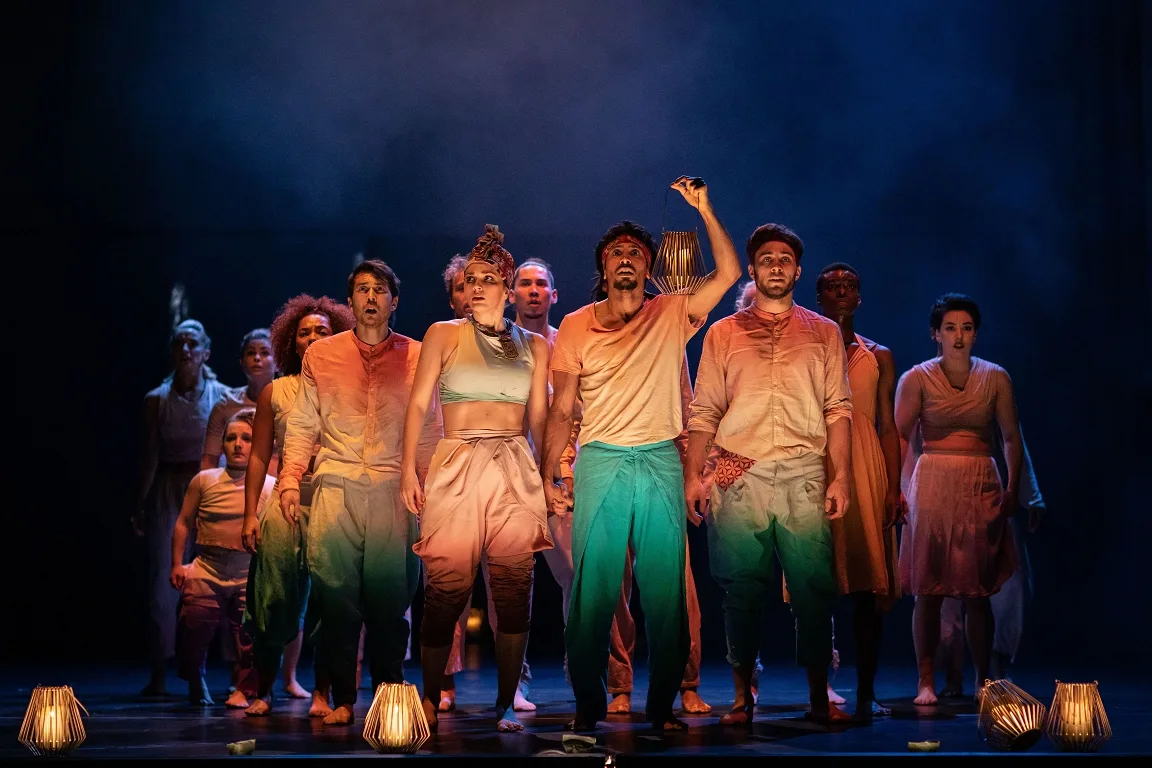
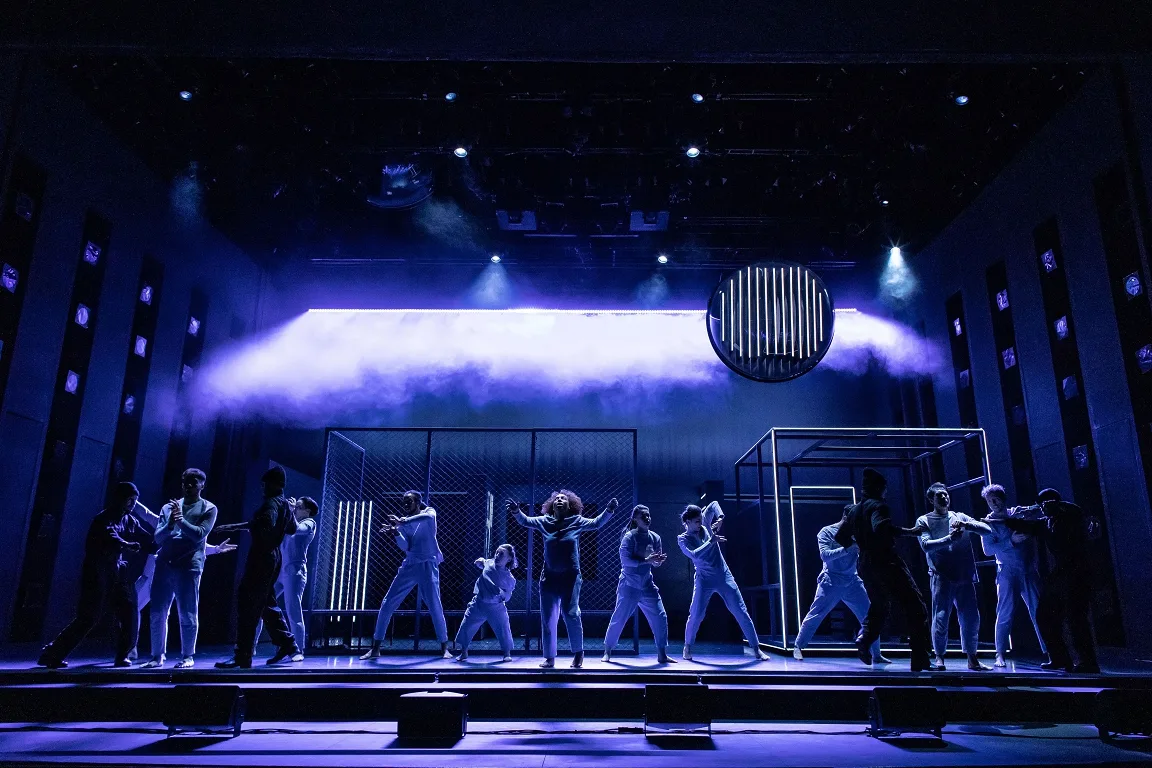
Kate Prince’s production is a show that takes over your unconscious mind, indelibly imprinting Sting’s lyrics and melodies for days afterwards. His prolific output is well represented with 27 songs re-recorded by their composer in new arrangements by Alex Lacamoire (of Hamilton fame). This was hip-hop and contemporary dance theatre presented in an intoxicating cocktail of highly refined choreography, B-boy power moves, speedy multiple pirouettes and flashing fouettés. The show left London for a worldwide tour, taking in Sydney, the Netherlands, Luxembourg, USA, and Canada (to finish in May 2024) and this Message in A Bottle will surely travel well.
5. LIGHT OF PASSAGE by Crystal Pite for Norwegian National Ballet, performed at the National Opera House, Oslo on 22 April

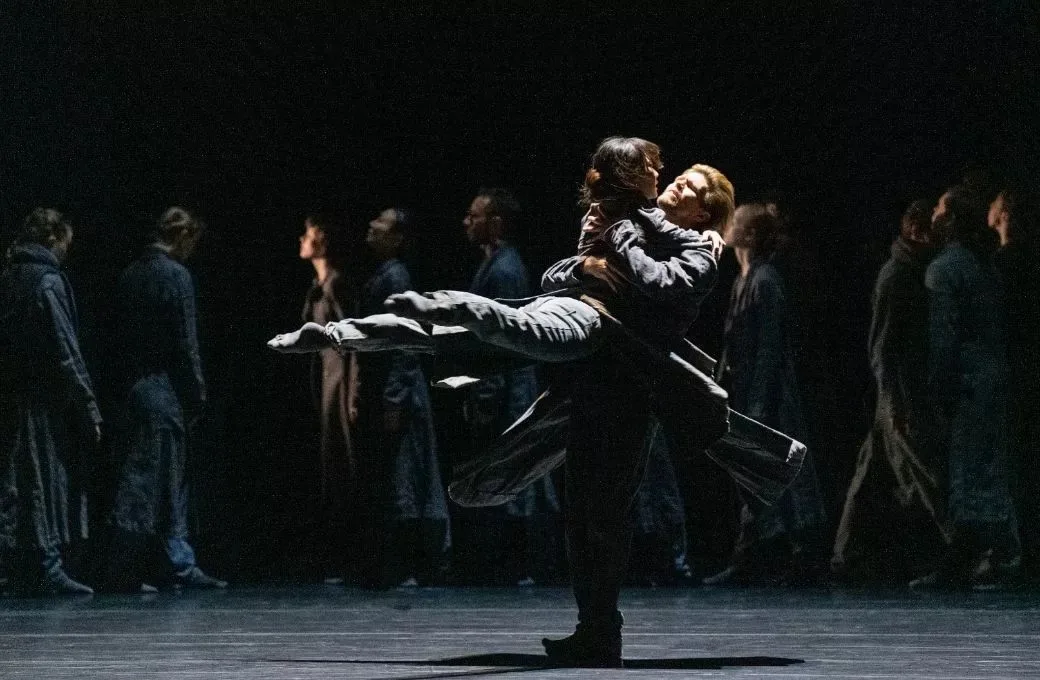
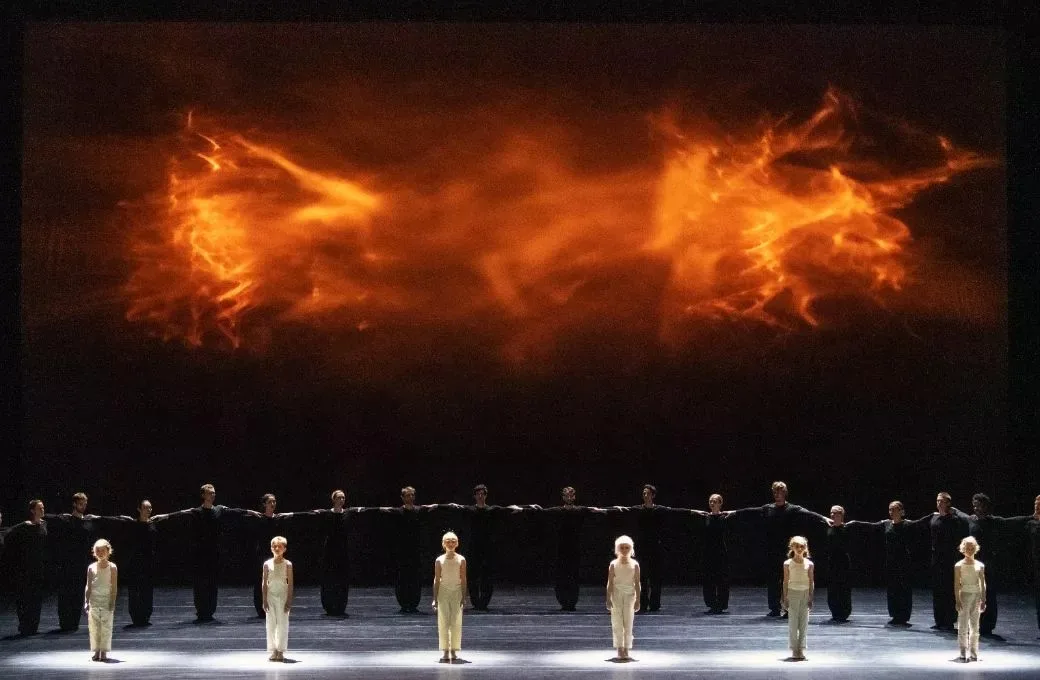
Crystal Pite made this meaningful treatise on the refugee crisis in two sections, created five years’ apart, but joined together in spirit through the common motif of Henryk Górecki’s Symphony of Sorrowful Songs, the live performance of which was enhanced here by the Opera House’s exceptional acoustical quality. Flight Pattern, Pite’s original one-act ballet from 2017, still packs a powerful gut-wrenching punch in its awesome scale where Pite moves large groups of dancers in a symbiotic flow with the billowing patterns of her organic choreography suggesting timelapse plant photography. Throughout each part of the triptych, her fluid, rippling movement possessed moments of breath-taking beauty despite the harrowing subject matter. The Norwegian National Ballet ensemble performed with a rich mix of precision and heightened emotional expressiveness.
6. A double bill of EXODUS by Anna Hop and BIEGUNI-HARNASIE by Izadora Weiss, for Polish National Ballet, performed at Teatr Wielki/ Opera Narodowa on 28 January

This was a spectacular double bill of substantial work by two women choreographers, utilising the music of Wojciech Kilar and Karol Szymanowski, which was also conducted by a woman (Marta Kluczyńska). Anna Hop’s Exodus and Bieguni-Harnasie by Izadora Weiss are contrasting works that enjoy certain similarities. Both choreographers utilised a massive cast of 120, including a sixty-strong opera chorus: Hop framed her dancers with them, fanning the chorus out onto the farthest fringes of this massive stage, while Weiss integrated the chorus choreographically amongst the dancers to great effect. Exodus began with a remarkable coup de theatre as a giant painting hung above the stage comes to life by the movement of the dancers embedded within it. Individualism looms large in Weiss’s choreography with as many as 40 solos happening simultaneously, all in some complex way interlinked through repetition or canon. Hop is a recent revelation whilst Weiss has remained Poland’s best-kept dance secret for several years. If the world seems short of female choreographers, then two of the best are in Poland.
7. NUTCRACKER by Drew McOnie for The McOnie Company, performed at the Tuff Nutt Jazz Club on London’s South Bank on 4th November


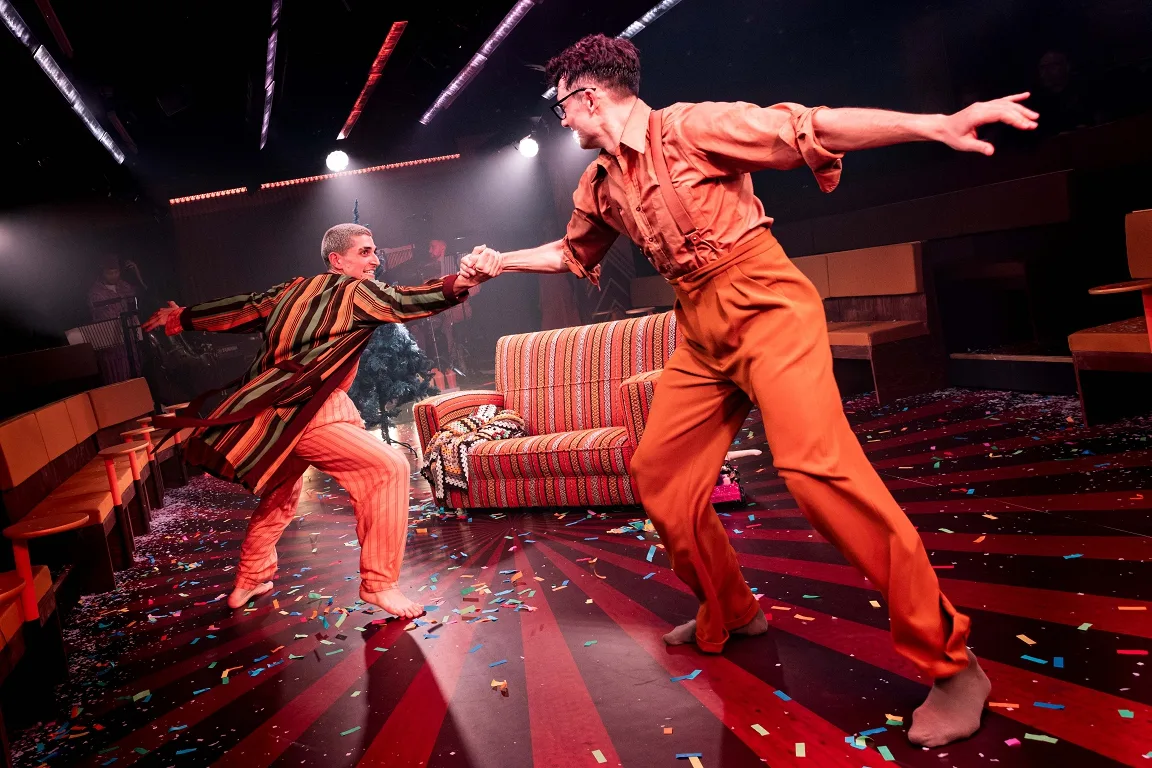
The UK enjoyed a trio of excellent productions of The Nutcracker over this winter season with outstanding interpretations of Sir Peter Wright’s seminal production on offer from both The Royal Ballet and Birmingham Royal Ballet. But it was the much smaller scale reinvention by theatre choreographer, Drew McOnie that makes my list through its remarkable invention. Here is truly a Nutcracker for our times: a version for theatre dancers, created to a reimagined jazz score by Cassie Kinoshi – still the familiar themes of Tchaikovsky but as they have never been heard before; with Clara replaced by Clive, a gay adolescent living in a rundown bedsit with his father. The Nutcracker doll is replaced by an Action Man in a nostalgic work that successfully places queer representation within a family aesthetic. It’s also great fun!
8.PEAKY BLINDERS: THE REDEMPTION OF THOMAS SHELBY by Benoit Swan Pouffer and Stephen Knight for Rambert Dance, performed at Norwich Theatre Royal on 21 January


The great success of this show lay in the capacity to delight both diehard fans of the Peaky Blinders TV show and those who just came to enjoy an evening of dance. Spoken narration by Benjamin Zephaniah (who so sadly died in early December) helped with the storytelling for the uninitiated, explaining the back history of the main protagonists. Moi Tran’s staging was magnificent, providing platforms, trenches and channels for action on many levels and an elevated place for the excellent onstage band, playing a bespoke score by Roman GianArthur mixed with an eclectic range of music from the TV series. The association of Cillian Murphy with the role of Thomas Shelby is so great that it could be a poisoned chalice for anyone else to take on the mantle, but Guillaume Quéau did exceptionally well to portray both sides of this complex character: violence and vengefulness; remorse and redemption. The ensemble was tremendous in all the group dances and fight sequences.
9.CONFLICTED BEAUTY, a triple bill of work by Edwaard Liang (The Art of War), Frederick Ashton (Dante Sonata) and Paul Taylor (Company B) for Sarasota Ballet, performed at the Sarasota Opera House on 17 November
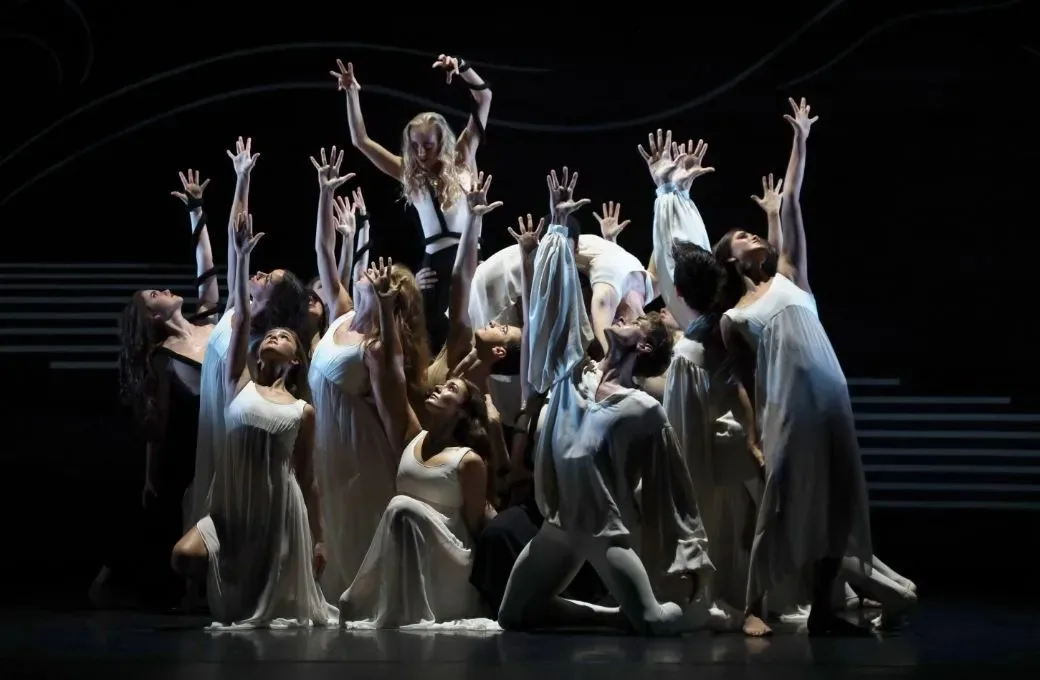
Sarasota Ballet has established a significant international reputation during Iain Webb’s seventeen-year tenure as director. Together with Margaret Barbieri, he has created something akin to The Royal Ballet of Florida with a particular dedication to preserving the choreographic legacy of Sir Frederick Ashton amidst an emphasis on presenting works as a triple bill. Conflicted Beauty exemplified this twin ideal: an excellent and diverse mixed programme with an Ashton gem (Dante Sonata) at its centre, albeit one that has been refashioned and given an extra polish. Ashton’s austere and abstract ballet still seems surprisingly modern, even 83 years after its creation. The programme closed with an outstanding performance of Paul Taylor’s Company B, danced in ten episodes to the songs of The Andrews Sisters, which provided America’s soundtrack to the second world war. Created by Taylor for his own company in 1991, the ballet has been in the Sarasota rep for a decade and it’s a style in which the company excels. Set against these classics of yesteryear, the company premiere of Edwaard Liang’s The Art of War provided an exhilarating opener with its fast-moving choreography punctuated by splashes of unusual movement. Sarasota Ballet will perform at the Royal Opera House from 4th to 9th June 2024, bringing two programmes that will feature works by Ashton, including Dante Sonata. It promises to be a short season to savour.
10.SWAN – A DIFFERENT STORY by Yabin Wang for Tanz Luzern, performed at Luzerner Theater, Switzerland on 5 May

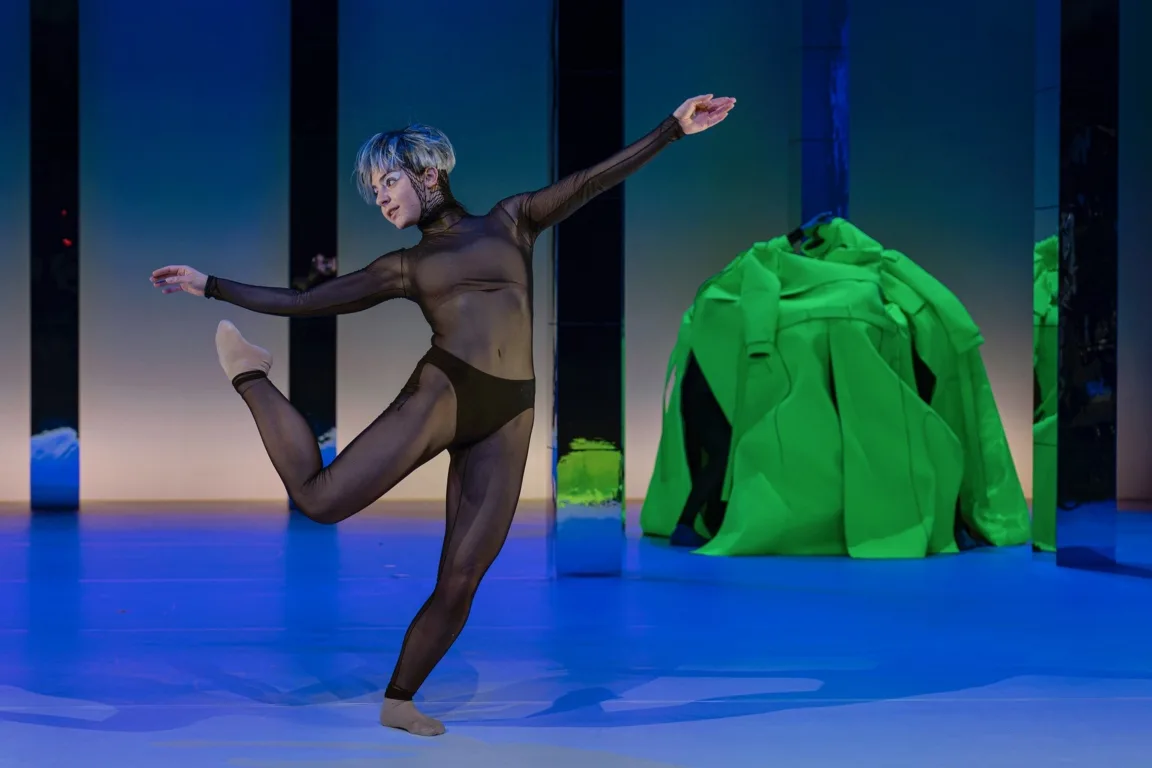
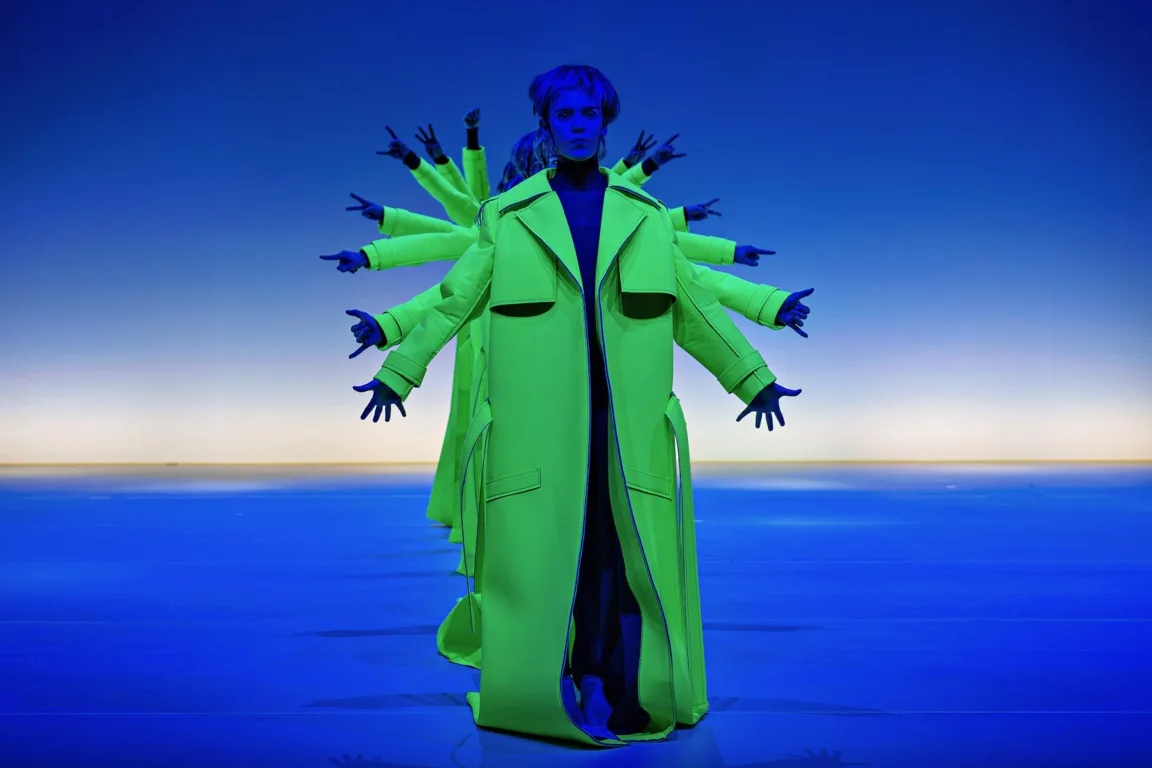
Despite this performance being given next to Lake Lucerne with an opening scene set beside Lake Geneva, this production contained neither lake nor swans. Instead, Chinese choreographer Yabin Wang, has harnessed the rich emotional power of Tchaikovsky’s ubiquitous ballet score – albeit in an unfamiliar arrangement – performed live by the Lucerne Symphony Orchestra, to tell a different but equally well-known story: that of Frankenstein’s Creature, as imagined through the eyes of its creator, Mary Shelley. Wang connects Mary’s real-life tragedies (her husband and three children were all to die before or soon after the book’s publication) with the desolation of the creature she created. performed with a scintillating presence by Zimbabwean dancer Tanaka Roki, particularly in the poignancy of his expressiveness, encapsulating the alienation and loneliness of the lovelorn creature. Wang’s inventive direction and her rich mix of choreographic influences was superbly articulated by Tanz Luzern’s small but highly talented, international dance ensemble.
11.STARS ON THE YELLOWSTONE, performed as part of the Yellowstone International Arts Festival at Yellowstone Hot Springs Resort, Montana on 2 August


What made this international gala unique was its open-air twilight staging in the most spectacular setting alongside the Yellowstone River in Paradise Valley, with performances in a variety of dance styles set against the natural backdrop of the Rocky Mountains and enjoying a sunset and full moon to boot. There was plenty of ballet but also bagpiping, barnstorming dance from the indigenous American culture, superb tap routines, operatic arias, and some tremendous musical interjections by international cellist, Ian Maksin. A unique highlight in the spectacular setting was the dancing of Chitat Killsback, a member of the Northern Cheyenne and Oglala Lakota tribes, delivering arresting performances in the traditional indigenous American fancy feather dance style. As dusk descended, the juxtaposition of this indigenous culture framed by the spectacular natural landscape in which it was created was exhilarating.
12.THE MONGOL KHAN, performed at the London Coliseum on 1 December
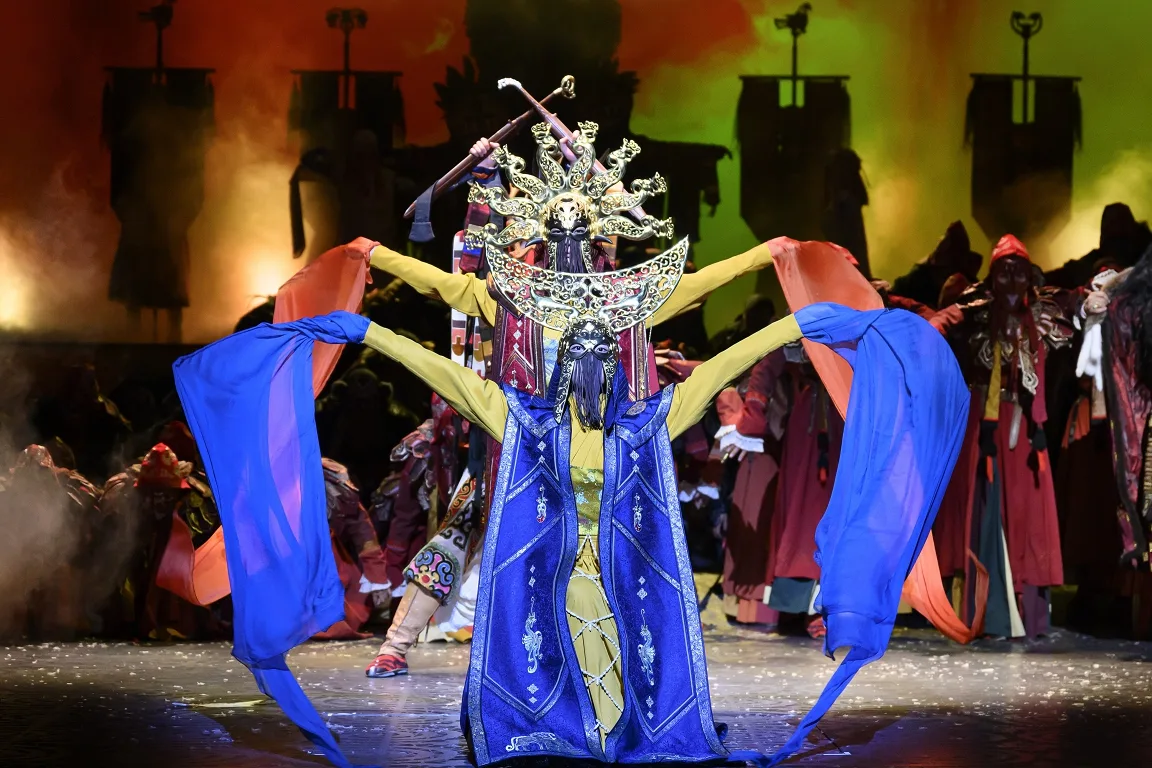
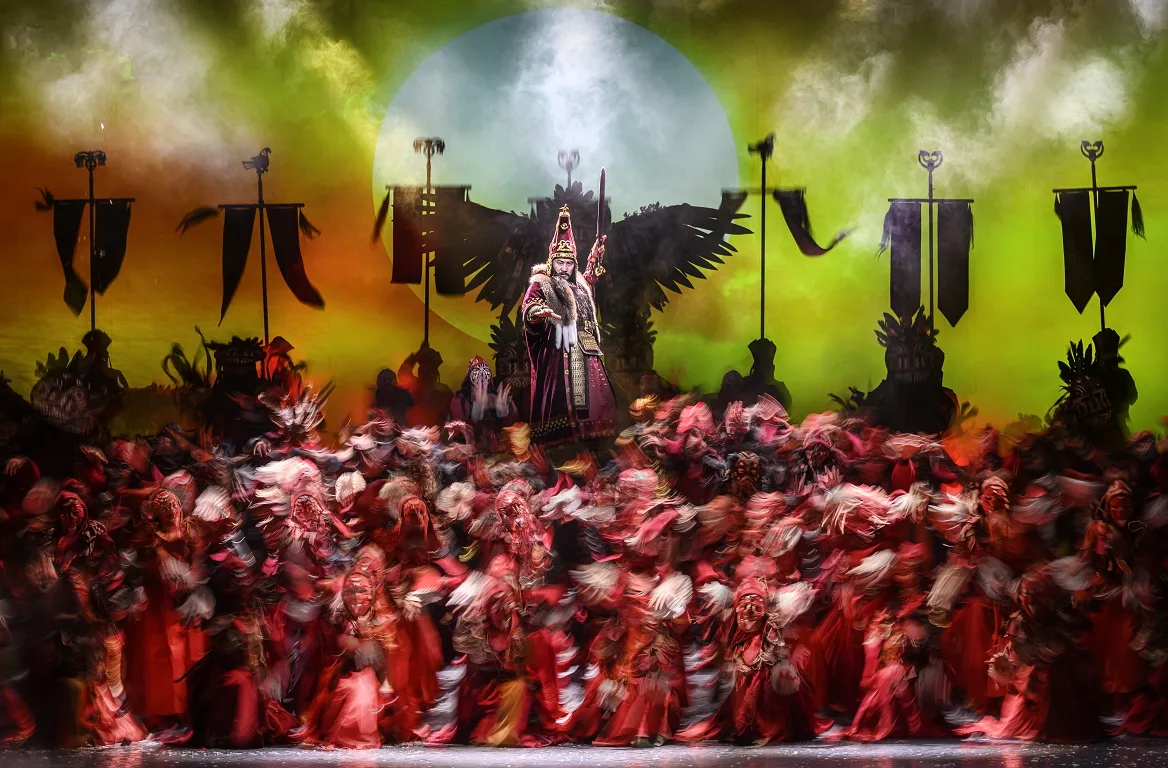
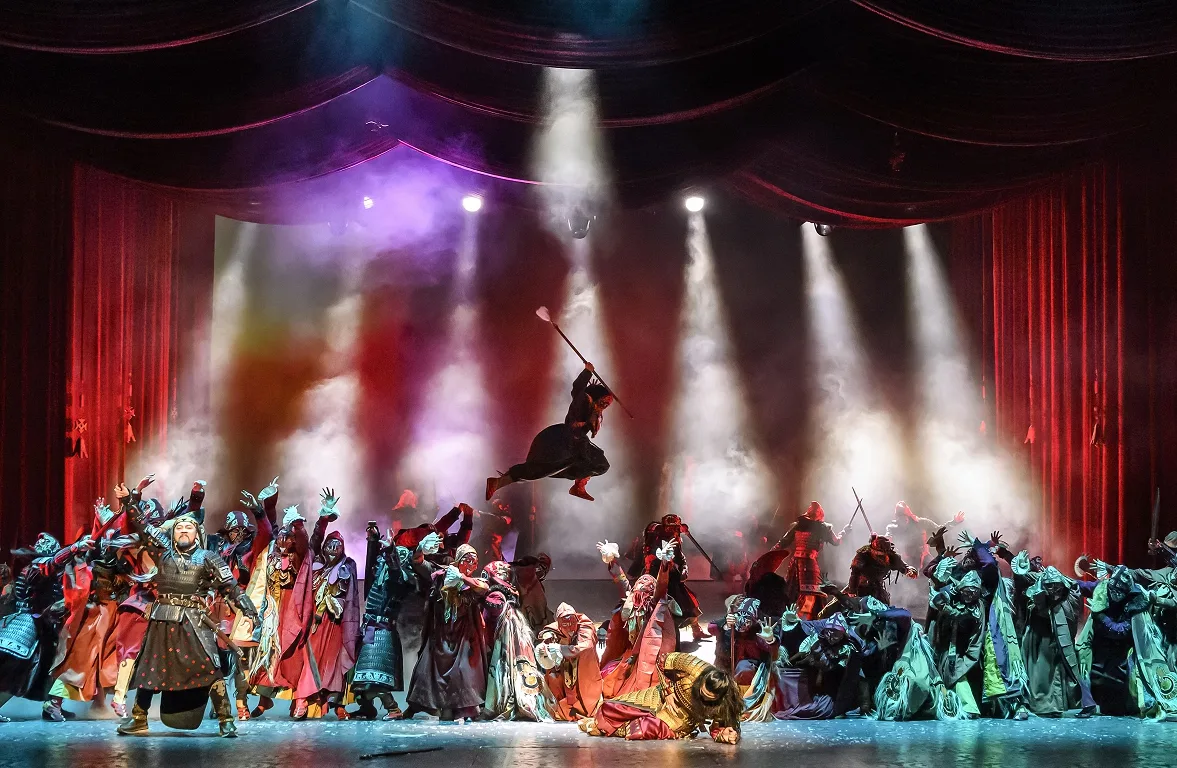

Based upon a 2,000-year-old legend, with spoken text in Mongolian (English surtitles), this was the most spectacular show to be seen in London in 2023, with what seemed like a cast of thousands, some of whom patrolled the public areas of the Coliseum in ancient Mongol battledress. The darkness of the historical drama included babies swapped at birth and Machiavellian deceptions that led to assassination, execution and murder and yet this tragedy was also mixed with childlike humour, stunning ensemble dance, traditional Mongolian instrumental and vocal music, all topped off by extraordinary acrobatics. Embedded within the spectacle was a rich mix of intricate choreography, apparently based on the traditional dances of Mongolian ethnic groups with each movement motif having an association to the spoken text. This was dance theatre on an epic scale.

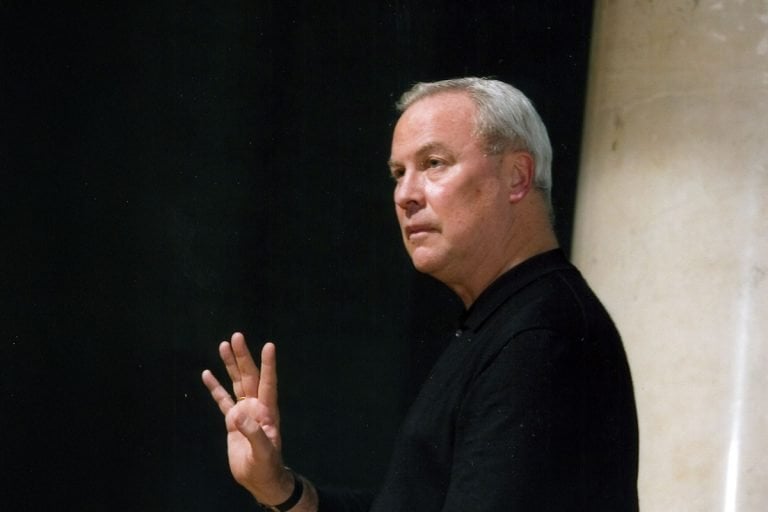
Graham Watts is a freelance writer and dance critic. He writes for The Spectator, Tanz, Shinshokan Dance Magazine (Japan), Ballet Magazine (Romania), BachTrack and the Hong Kong International Arts Festival and has previously written for the Sunday Express, Dancing Times, Dance Europe, DanceTabs, London Dance, the Edinburgh International Festival and Pointe magazine (USA). He has also written the biography of Daria Klimentová (The Agony and the Ecstasy) and contributed chapters about the work of Akram Khan to the Oxford Handbook of Contemporary Ballet and on Shobana Jeyasingh for the third edition of Routledge’s Fifty Contemporary Choreographers.
He is Chairman of the Dance Section of The Critics’ Circle and of the UK National Dance Awards and regularly lectures on dance writing and criticism at The Royal Academy of Dance, The Place and (until the war) for Balletristic in Kyiv. He was a nominee for the Dance Writing Award in the 2018 One Dance UK Awards and was appointed OBE in 2008.