Review: Hopper Variations – a contemporary dance ‘saggio’ at Milan’s Teatro Paolo Grassi School
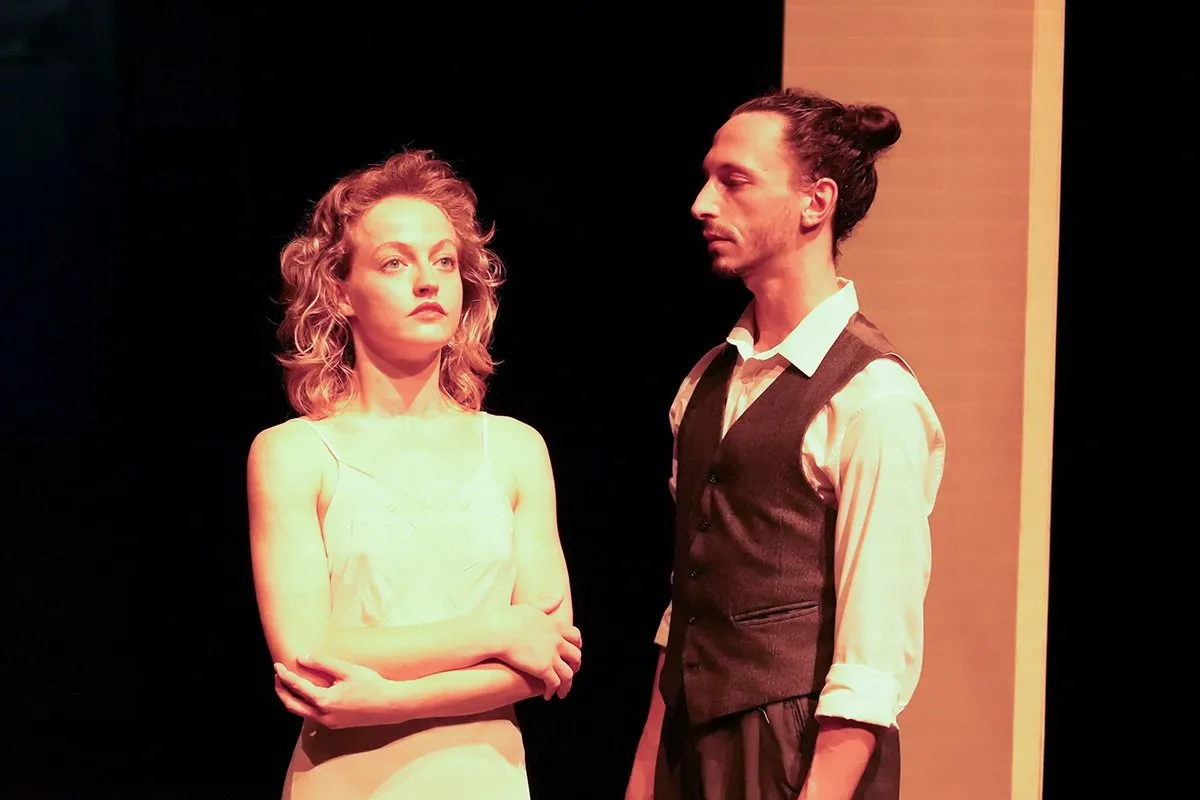
Graham Spicer sees Emanuela Tagliavia’s Hopper Variations at the Teatro Paolo Grassi School in Milan
Well, I’ve been to a lot of ‘saggi’ in Italy, from Ischia to Bolzano. ‘Saggio’, in Italian, can mean ‘wise’ (sage) and as a noun ‘wise man’ (a sage), so while the equivalent of a ‘saggio di danza’ in English would probably be ‘end of year show’, in Italian it means ‘a demonstration of the students’ abilities’.
La Scala ballet school obviously has a lot of resources and features highly selected students who receive a great deal of tuition and their saggi are always fun, and demonstrate much ability. But there was one saggio that I was dragged along to, which was so bad that it made my week – tears ran down my cheeks throughout. It wasn’t because the kids had no talent, but that the teachers were incompetent. Bunheads with neat buns? No way, they looked like Anna Magnani with hair poking out in every direction. There were skinny little boys in enormous tights; a King (presumably a dad) clapping with the backs of his hands together – to make it look regal?; Picasso must have been an inspiration for the crinkly backcloth’s perspective; a follow spot didn’t follow, the stubborn little thing; and getting tiny little girls to go up on pointe is criminal. Trying not to laugh because a dancer’s grandmother is probably nearby made it even harder to hold in the laughter. A delightful evening after all!
However, this trivial lead in is to say that when I received an invitation to a contemporary dance saggio, it made me realise that I’d only ever seen classical ballet school shows, with every now and then a little tango or hip-hop number thrown in.
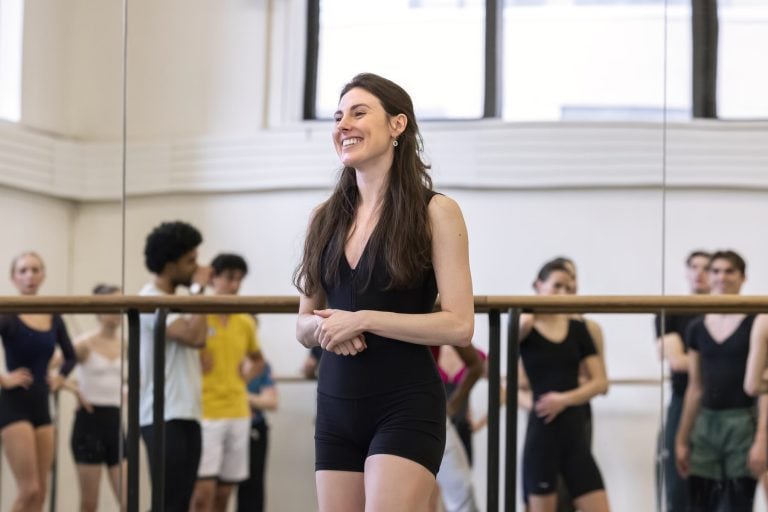
I went to the Teatro Paolo Grassi School in Milan, which has its own studio theatre, where after three years the students were giving an end of year performance as part of their diploma. This is a professional school, so no ill-fitting costumes or dads with crowns. Their alumni work in dance companies worldwide and past guest teachers include Ismael Ivo, Lucinda Childs, Olivier Dubois and Trisha Brown. Marinella Guatterini, who is one of Italy’s leading dance critics and coordinates articles for La Scala’s ballet programmes, is responsible for the academic part of the course, and the choreographer Emanuela Tagliavia – who also works with La Scala’s dance students – is a teacher at the school and choreographed the work that was presented: Hopper Variations.

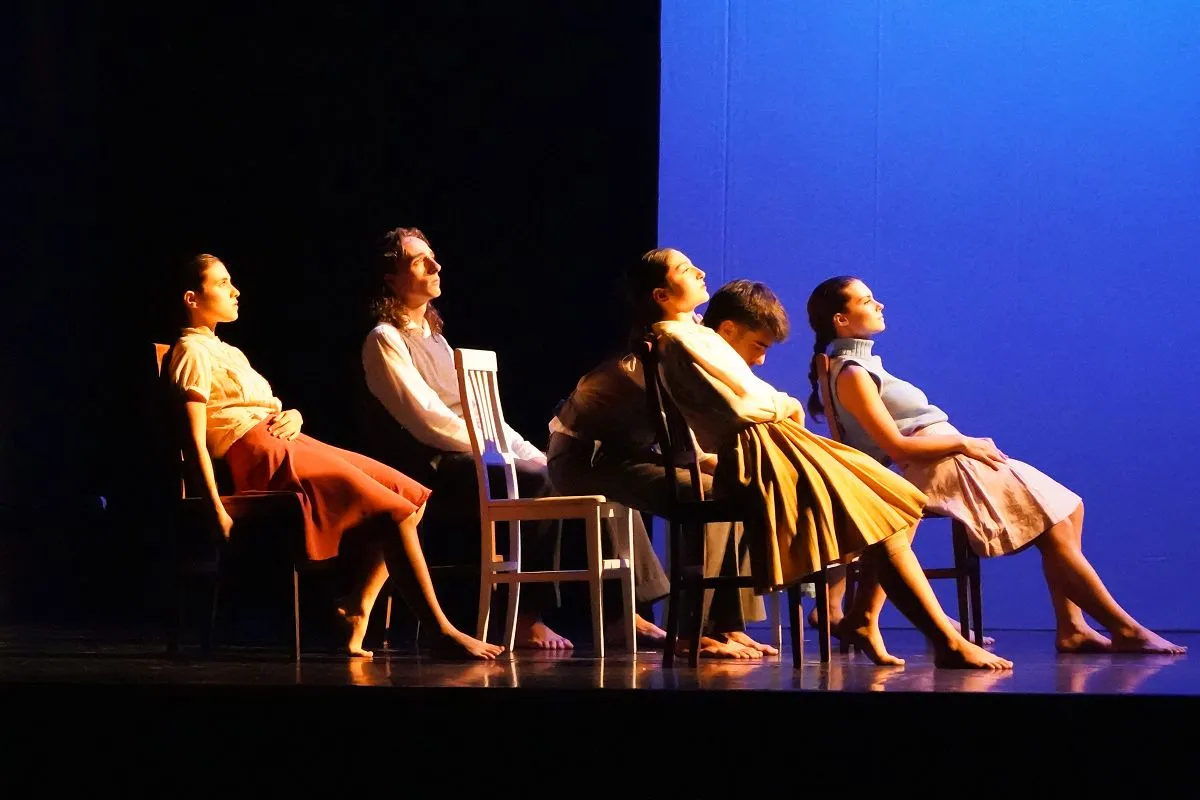

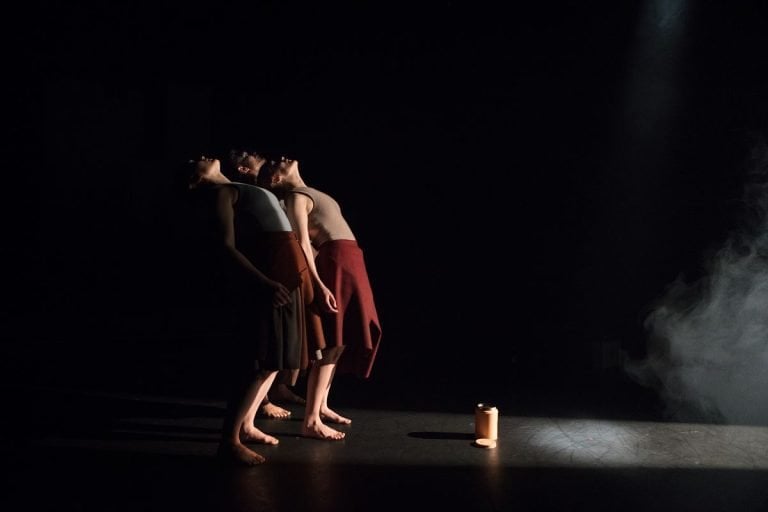
An eclectic, and often haunting score by Giampaolo Testoni drew in other composers, so John Cage was rubbing shoulders with John Coltrane for an evening. It was fascinating from the outset as a single dancer steadily crossed the stage as though on a tightrope and she seemed so off balance that I searched to see whether she was attached to a harness – she wasn’t. Fourteen dancers were continually challenged by Tagliavia, though Hopper Variations worked wonderfully as a unified piece of dance and did not come across as a series of ‘tests’ or showcase moments.
The theatre was opened up to allow the dancers to use half of the seating area as well as the stage, meaning that the eye was continually drawn to various zones on various levels of the studio space, aided by careful lighting. American painter Edward Hopper led his name for the work’s title, and there was a sense of observing the intimate and private, reflecting the isolation that comes through in many of his paintings.
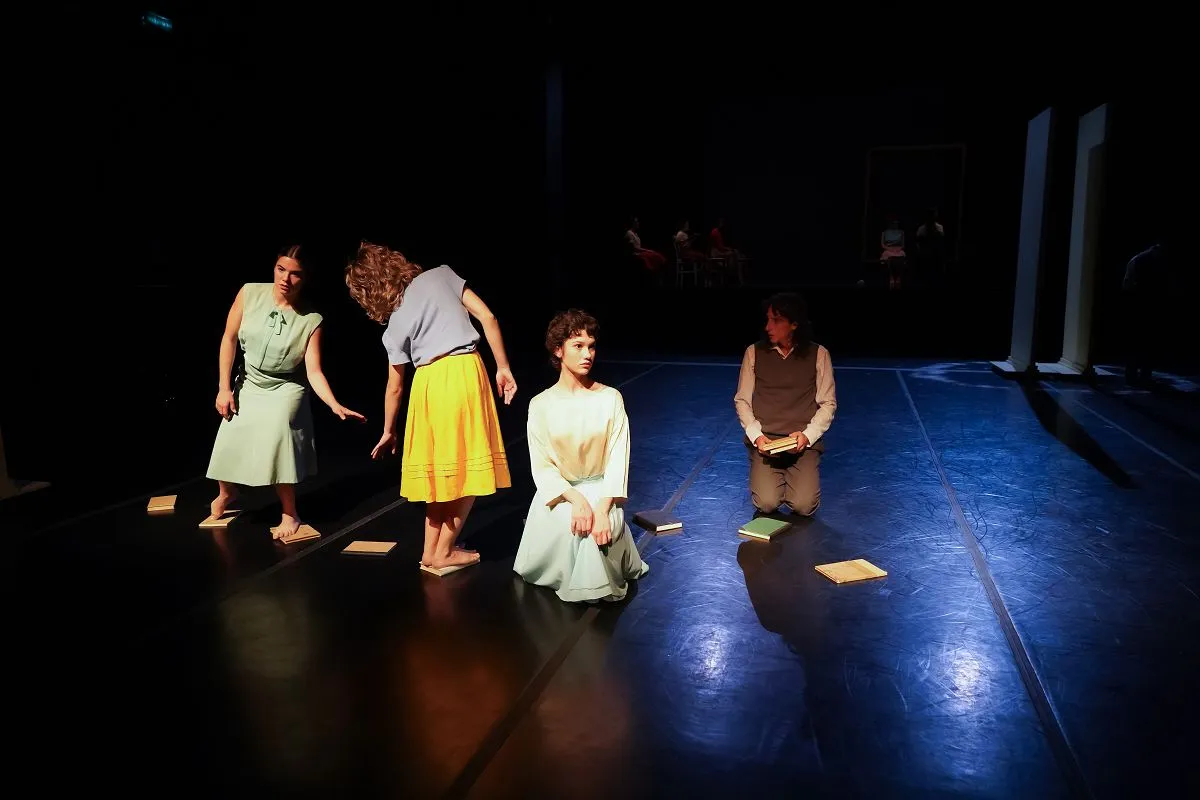
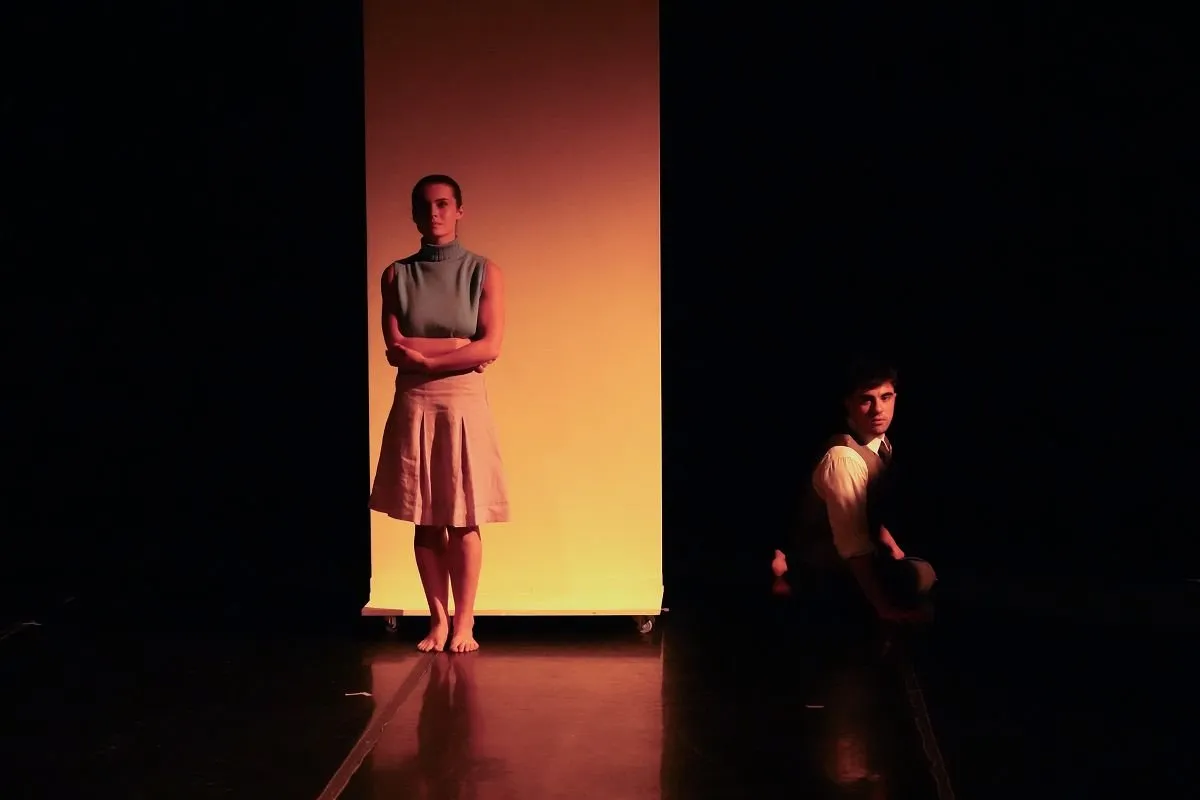
Wheeled panels were moved around to create rooms to unite or separate the dancers. A man walks in a circle letting sand fall from his hand – the sands of time? An eccentric bibliophile spreads books around him, and as he places one by a door a sly foot steps onto it; he continues to place book after book like a series of stepping stones and one, two, three woman tread carefully on them leading them into his room. Figures from his books coming alive in his imagination? Tagliavia’s imagination was brimming with ideas.
Hopper’s paintings continually inspired the grouping of the dancers, and at one point they gazed at a projection of themselves inside a building – presumably the school itself – recalling how Hopper often painted his subjects on the other side of a pane of glass, like in his most famous painting, Nighthawks.
This description makes the work seem dreamy, yet there were moments of great athleticism and lively group interaction, but Tagliavia always maintained believable human connections between her young dancers. They managed to hold that connection even with the audience frighteningly close, as though the fourth wall was in place.
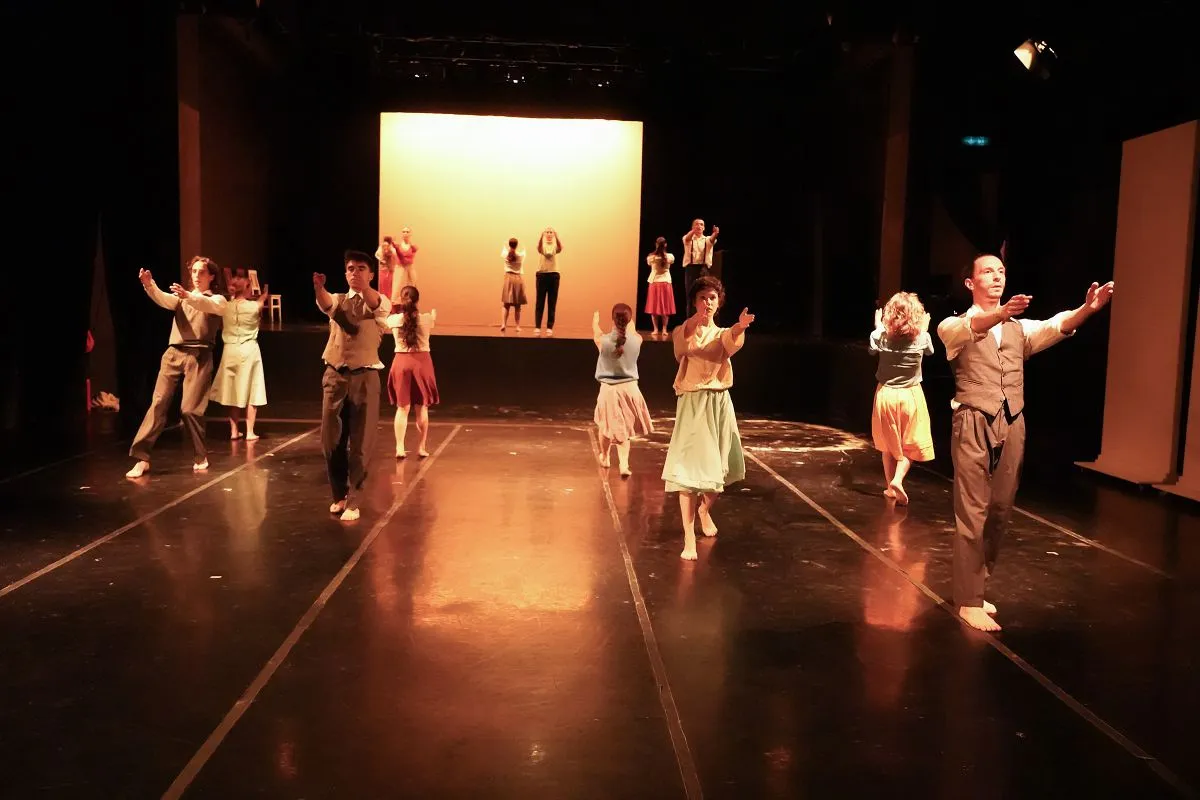


Of course, some performers stood out more than others, so they warrant mentioning, but it would be cruel to take anything away from the genuine group spirit. Those who caught my eye over the hour or so of the performance were Irene Lombardi, Marcello Malchiodi, Daria Golombiievska, Giovanna Seccia, Elia Bucchieri, and Priscilla Cornacchia, though undoubtedly I have left out some of real worth – the dancers can be identified by the photo captions.
I’m looking forward to next year’s invite!
Photos by Mauro Valle


Graham Spicer, aka ‘Gramilano’, is a writer, director and photographer based in Milan. He was a regular columnist for Opera Now magazine and wrote for the BBC until transferring to Italy. His articles have appeared in various publications from Woman’s Weekly to Gay Times, and he wrote the Danza in Italia column for Dancing Times magazine. Graham was the historical advisor on Codice Carla, the 2023 documentary on Italian ballerina Carla Fracci.
Graham also works as a dance photographer, and his photos have appeared in many books, theatre programmes, and magazines, including Dancing Times, Dance Spirit and Ballet2000, as well as all the major Italian newspapers.
He is a member of the Dance Section of The Critics’ Circle.