Review: Ballet to Broadway – it’s all-Wheeldon at The Royal Ballet

Kathrina Farrugia-Kriel sees Ballet to Broadway, The Royal Ballet’s programme of four Christopher Wheeldon works.
| Title | Ballet to Broadway: Wheeldon Works |
| Company | The Royal Ballet |
| Venue | The Royal Opera House, London |
| Date | 9 May 2024 |
| Reviewer | Kathrina Farrugia-Kriel |
British-born choreographer Christopher Wheeldon has moved between ballet and Broadway for the last twenty years. An all-Wheeldon programme, aptly titled Ballet to Broadway: Wheeldon Works, for The Royal Ballet, which opened on 9 May at the Royal Opera House in Covent Garden, reaffirmed two things. Firstly, the Royal Ballet rarely sets a one-choreographer mixed programme, and therefore Wheeldon’s recognition, as a key voice in ballet that emerged and consolidated over the last 25 years, is clearly marked with such prestige. Secondly, the mixed programme explored the variety of works which Wheeldon has thematically evolved over decades: his early ‘contemporary ballets’ as odes to his transatlantic artistic influences (Ashton and MacMillan in England, Balanchine and Robbins in New York), together with his influences from popular music, his periodic curiosity in contemporary dance, and his long desire to follow in the footsteps of his New York City Ballet founding fathers, George Balanchine and Jerome Robbins, on Broadway. Like many of my generation who followed Wheeldon’s early ballets for the School of American Ballet in the late 1990s, through to the then-daring works like After The Rain (2007) for Morphoses: The Wheeldon Company, Wheeldon’s ballets are varied but they have always reflected his desire to move within and beyond the forms and companies that he has worked in. Wheeldon reflects so many aspects of what a choreographer can be: engaged in their artistic past, working within the present forms, and creating spaces for ballet as art to be revisited in the future as a reflection of our times.
The Royal Ballet’s Wheeldon Works programme offers a parallel of sorts to my preamble. A curated evening of Wheeldon’s works offers an insight into Fool’s Paradise (2007), The Two of Us (2022), Us (2020) and an extended and revised version of the dream ballet from An American in Paris (2014). This was as diverse as any company could get.
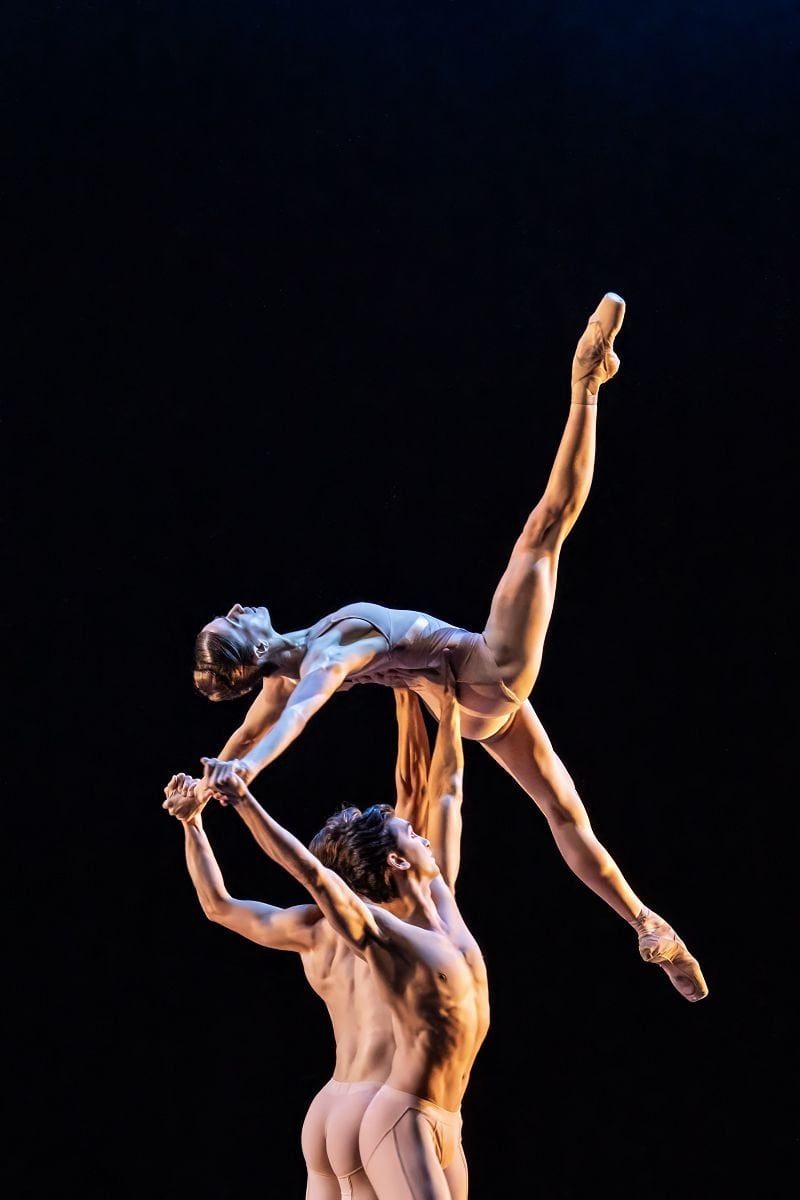

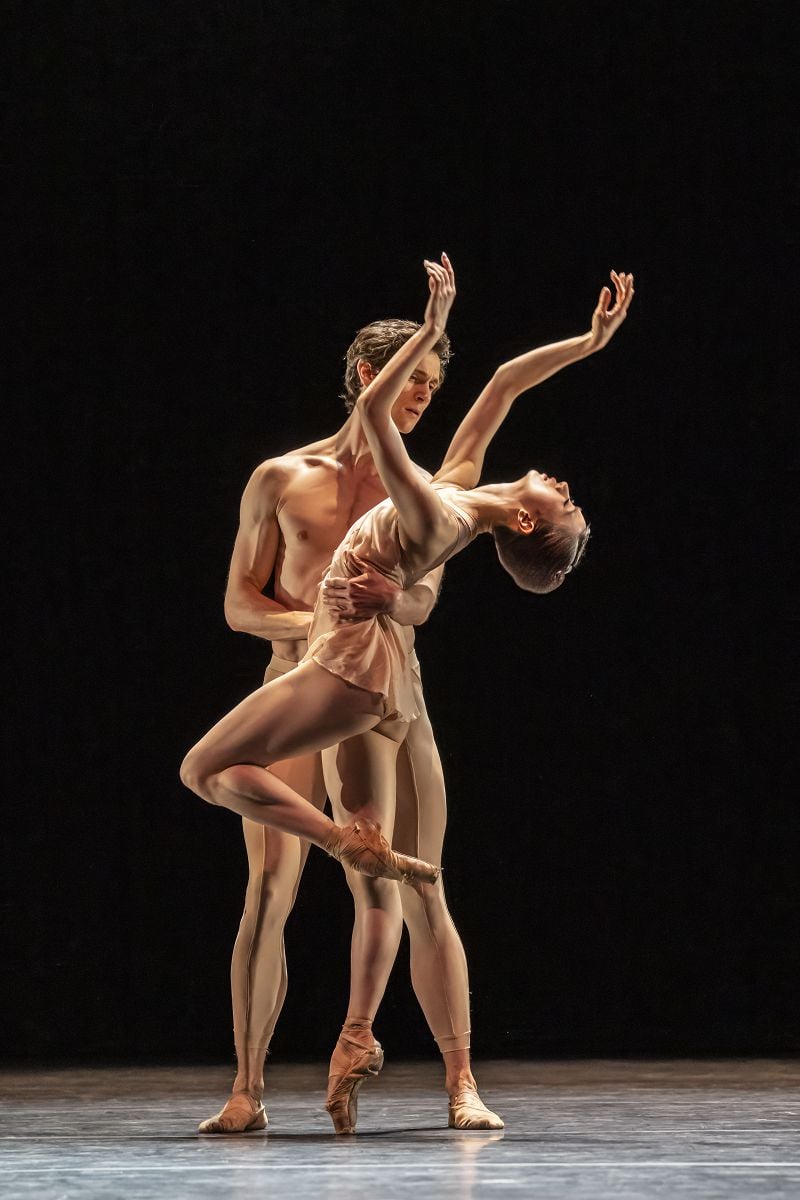
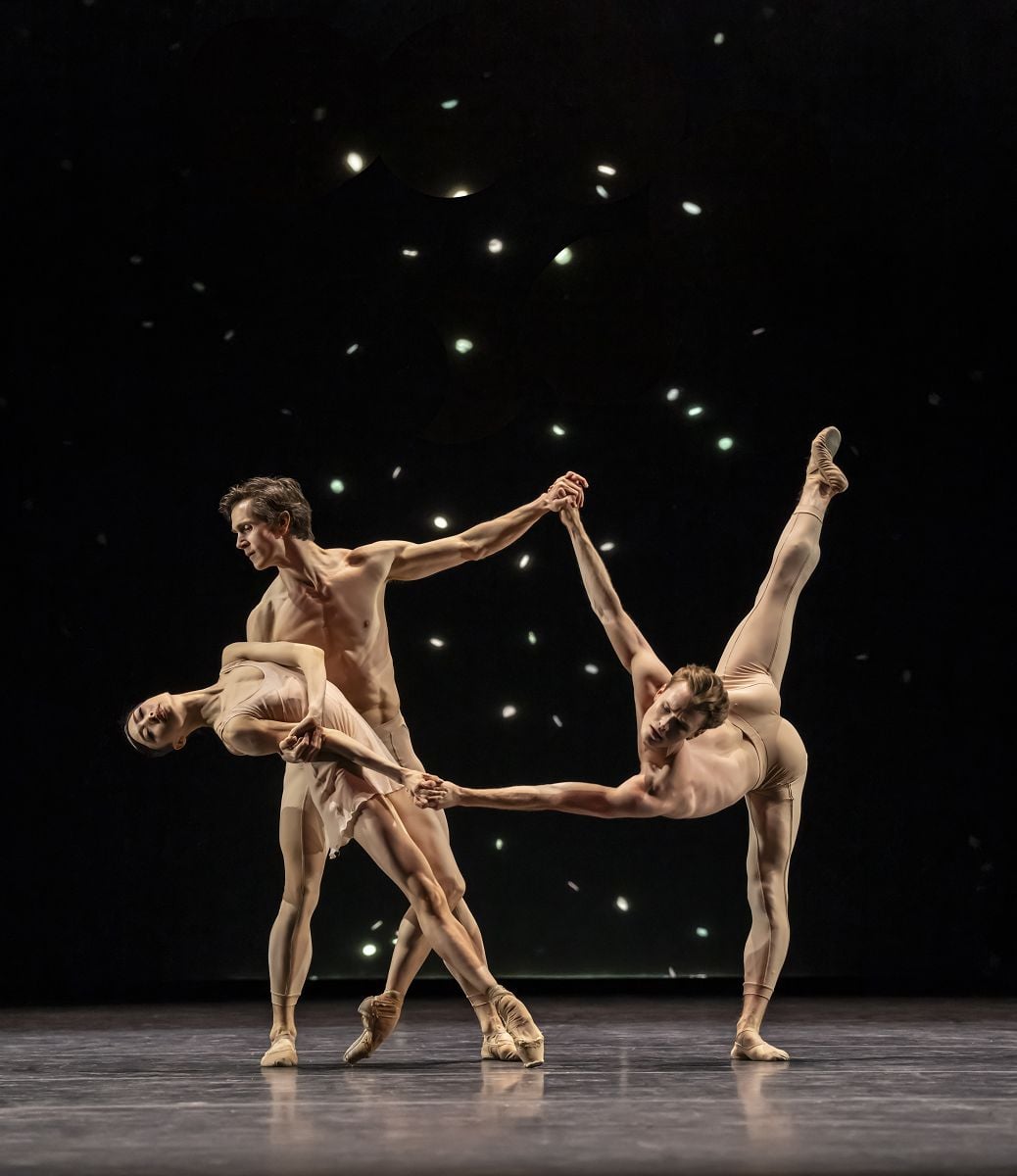

Fool’s Paradise was the most familiar work for the company, albeit the casting offered a wonderful mix of a new generation of dancers performing Wheeldon ballets, with the sublime Marianela Nuñez as a link to the company’s first staging in 2012. From Joby Talbot’s opening musical motif that captures an adaptation of ‘The Dying Swan’, the dancers delivered a fine exploration of Wheeldon’s craft in his early years. There are glimmers of Ashton’s celestial Monotones II (1965), MacMillan’s Triad (1972), and the repeated flexions of wrists that indicate the foundations of the NYCB legacy within his choreography. The cast offered an essay in formalism of neoclassical ballet which highlighted exceptional performances by first artists like Viola Pantuso.


The middle section of the programme offered some more ‘contemporary’ moments. The Two of Us was pleasant, but in this case, one of those forgettable performances set to Joni Mitchell songs. Lauren Cuthbertson and Calvin Richardson were a good match, but both were limited by the dynamics and range of motion. Having watched Robbie Fairchild (who coached the dancers in this staging) and Sarah Mearns (New York City Ballet) perform this ballet, I found Cuthbertson and Richardson lacking a sense of grounded musicality. Again, I wasn’t sure if it was the choice of repertoire (This Bitter Earth could have been a more effective duet this Royal Ballet couple) or the stilted movements, which just didn’t flourish with the somewhat challenging orchestrations under Keon Kessels’ baton.
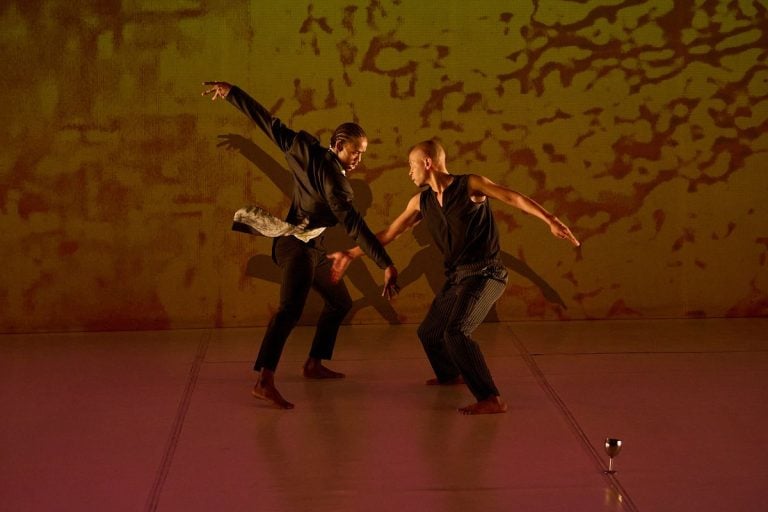
Originally created for the BalletBoyz, Uswas again an interesting choice in the programme. Both Matthew Ball and Joseph Sissens really shone in this sometimes-predictable and repetitive choreography, which highlighted sensitivity and strength in partnership. I thought it was visually (and performatively) effective to have the orchestra on stage for these two pas de deux but it was clear that these duets needed some ‘stage’ padding to fill in a big space and particularly because these choreographies are really more suitable for small performance spaces, not large opera houses. Incidentally, the orchestra moved from the pit and then back to the pit for the final work of the evening – epic transitions! More so, Kessels’ conducting offers a remarkable performance in itself and this added much value to this section of the programme.


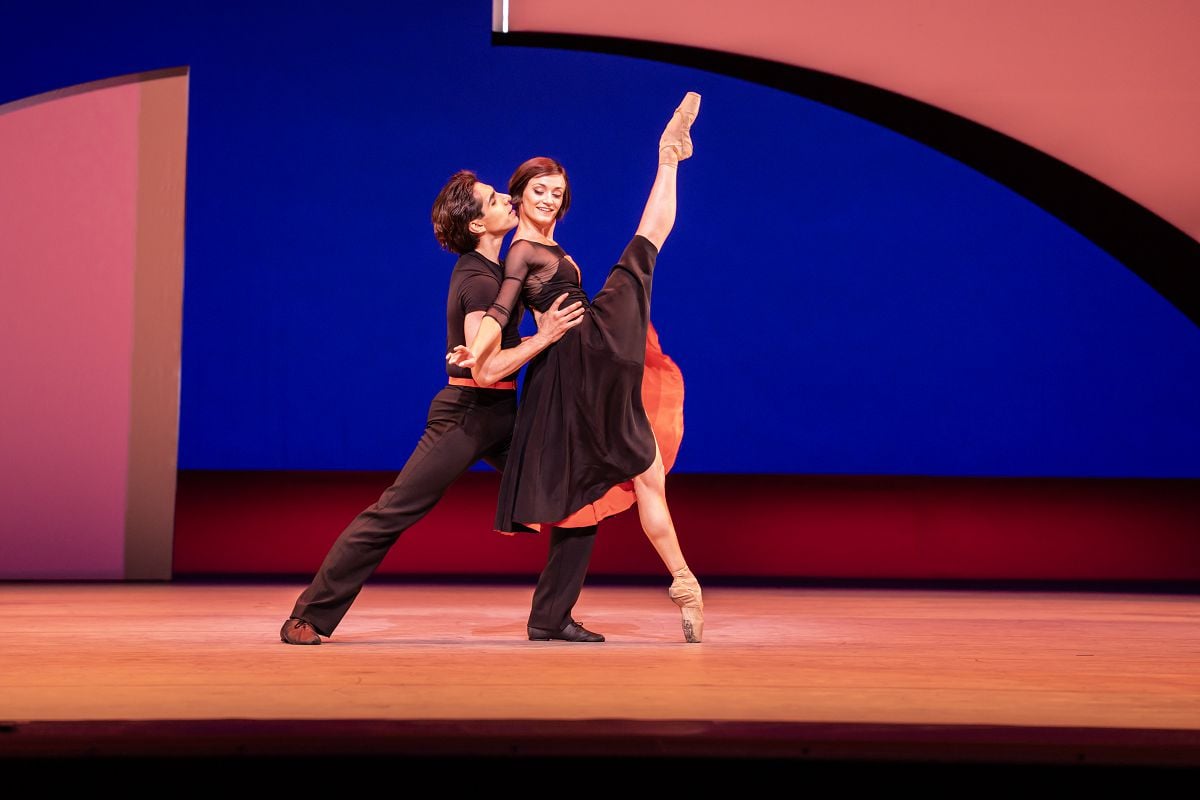
The best was really left until the final part of the programme. Wheeldon’s dream ballet from his Tony award-winning production of An American in Paris (2014) was a highly anticipated part of the evening. With an additional 10 minutes to the dream ballet, this newly enhanced version eloquently summarised the Gershwin score and the attractiveness of the various groups of dancers: ballet dancers and Broadway dancers. The spirit of the ballet captures the jazz vernacular of the 1940s and 1950s Hollywood film dances, and Wheeldon shapes his ballet with much flair. This new version brings all the components that make a good jazz dance: parallel drops, jazz hands, and swaying hips, which Wheeldon merges into this frenzy of colour and vibrancy in the movements and transitions across the different sections. When it came to ‘Lise Dassin’ and ‘Jerry Mulligan’, Anna Rose O’Sullivan and Cesar Corrales were well paired, but I couldn’t help thinking that Corrales was less of ‘Jerry’ and more ‘Danny Zucco’ from Grease. His entry sliding down one of the props felt very out of sorts, even with the Gershwin musical notes. It was the corps de ballet that carried off this piece.
Wheeldon really is a maverick of sorts – he moves with curiosity into different topics, genres, and stages. And that’s what has fed his creativity over the last 25 years. Chapeau to the Royal Ballet and Opera for celebrating one of their own, who has moved between London and New York (and so many more places beyond and in between), but more importantly, between the realms of ballet and Broadway.