
English National Opera’s ENO Breathe programme proven to improve long COVID
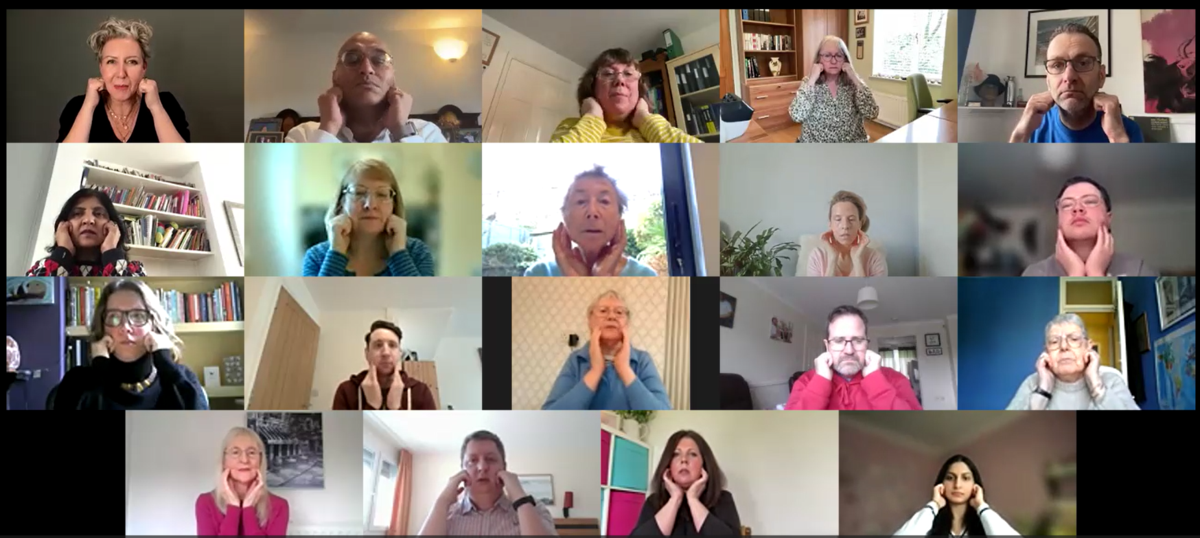
A new study published in The Lancet Digital Health has found that ENO Breathe, a breathing and wellbeing programme developed by English National Opera (ENO) in collaboration with clinicians from Imperial College Healthcare NHS Trust, delivers significant improvements for people living with long COVID.
The research, carried out by Imperial College London, demonstrates measurable benefits in quality of life, breathlessness, anxiety, and respiratory symptoms, providing robust clinical evidence for the programme’s impact on long‑term respiratory and mental wellbeing.
ENO Breathe is a free, live six‑week online breathing and wellbeing programme available nationally through referrals from partnered NHS Trusts. Using singing techniques with a particular focus on lullabies from around the world, the programme aims to improve breathing, wellbeing and quality of life for people living with long COVID and related breathlessness.
The programme combines breathing retraining, singing techniques and wellbeing support, delivered through online group sessions led by specially trained ENO vocal specialists and facilitators, alongside flexible digital resources that participants can access in their own time.
ENO Breathe is designed to complement clinical care and accepts participants following assessment and referral through specialist healthcare pathways.
Suzi Zumpe, Creative Director of ENO Breathe, said:
Creativity is key to our approach: participants don’t just learn techniques, they discover what works for them. By using imagery and imagination, we help people get out of their own way, unlocking a new perspective and restoring a sense of agency.
Singing lullabies builds emotional connections with the wider set of ideas and practices that make up ENO Breathe. Participants finish sessions with a calming song in their hearts and a positive connection to tools, making them more memorable, more meaningful and more usable.

The Stats
Since launching in September 2020, the programme has expanded to take referrals from 85 NHS partners nationally and has supported more than 4,829 participants to complete the programme.
The programme continues to reach patients with breathlessness from long COVID and is now also open to people experiencing similar post-viral symptoms. ENO Breathe’s ongoing evaluation shows strong health and wellbeing outcomes: overall, 87% of participants said that ENO Breathe had a positive impact on their general wellbeing.
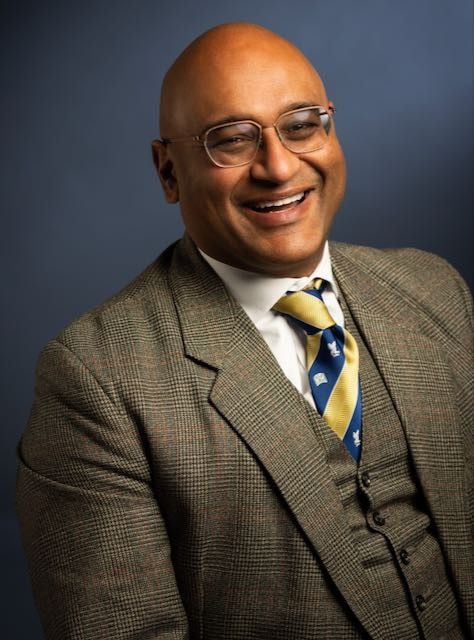
Janardhan Rao is a recent participant in the ENO Breathe programme, having joined to support his recovery from long COVID and ongoing respiratory health. He is also an Orthopaedic Consultant in Chester and an Honorary Clinical Lecturer at the University of Liverpool:
I have been fortunate enough to be referred to ENO Breathe, and I found it transformational. As a doctor who contracted COVID-19 early on, in my line of work, the lasting effects of the disease have been devastating. I had to stop working as I had real difficulty catching my breath. I could not speak for any length of time and was exhausted continuously.
The ENO Breathe programme helped me get back to work in ways that I did not expect. I was not a singer, so I did not think that it would be for me. I was breathless all the time, but with the weekly programme of mindful breathing exercises and simple lullabies, I found that I could speak in sentences again. As my breathing improved, I found that I had the energy to go back to work. I am so grateful for this programme.

The newly published study is one of the largest real‑world evaluations of a creative health intervention for long COVID breathlessness to date. Participants who completed the six‑week programme experienced clinically meaningful improvements across multiple validated health measures, with 61% achieving clinically important improvements in breathlessness.
ENO Breathe continues to accept referrals for people experiencing ongoing breathlessness since having Covid-19, as well as those with similar post-viral symptoms. The programme demonstrates ongoing clinical relevance and capacity to operate at scale. NHS services and clinicians are encouraged to refer eligible patients, with the programme ready to meet growing demand and support recovery alongside clinical care.

Graham Spicer, aka ‘Gramilano’, is a writer, director and photographer based in Milan. He was a regular columnist for Opera Now magazine and wrote for the BBC until transferring to Italy. His articles have appeared in various publications from Woman’s Weekly to Gay Times, and he wrote the Danza in Italia column for Dancing Times magazine. Graham was the historical advisor on Codice Carla, the 2023 documentary on Italian ballerina Carla Fracci.
Graham also works as a dance photographer, and his photos have appeared in many books, theatre programmes, and magazines, including Dancing Times, Dance Spirit and Ballet2000, as well as all the major Italian newspapers.
He is a member of the Dance Section of The Critics’ Circle.


