“The main reason for making music is so that it can move people as much as it moves me.”
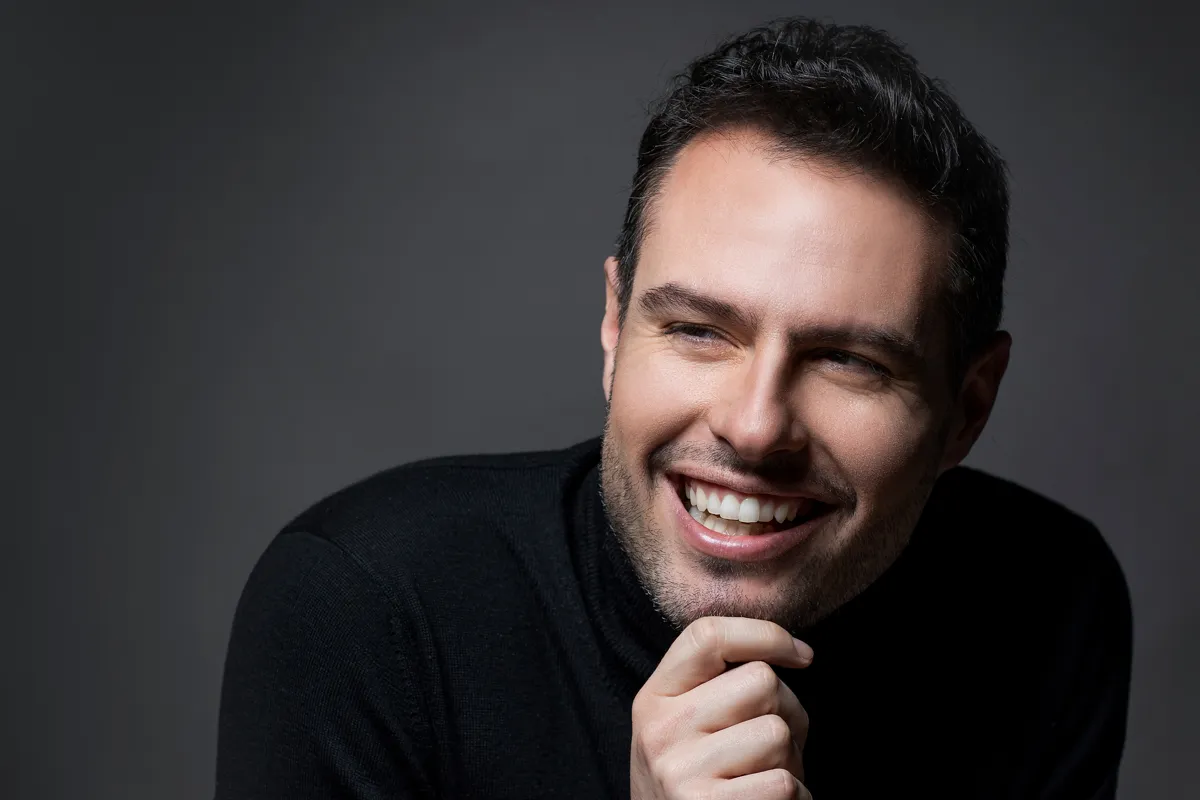
Italian countertenor Raffaele Pe returns to the Wigmore Hall this evening, singing Vivaldi. His debut there was two years ago in an all-Monteverdi programme.
I had been to the Wigmore Hall many times as a spectator, but when I made my debut there, on that stage for the first time, and singing Monteverdi, a composer so dear to me and who represents so much of our Italian culture, it was very exciting.
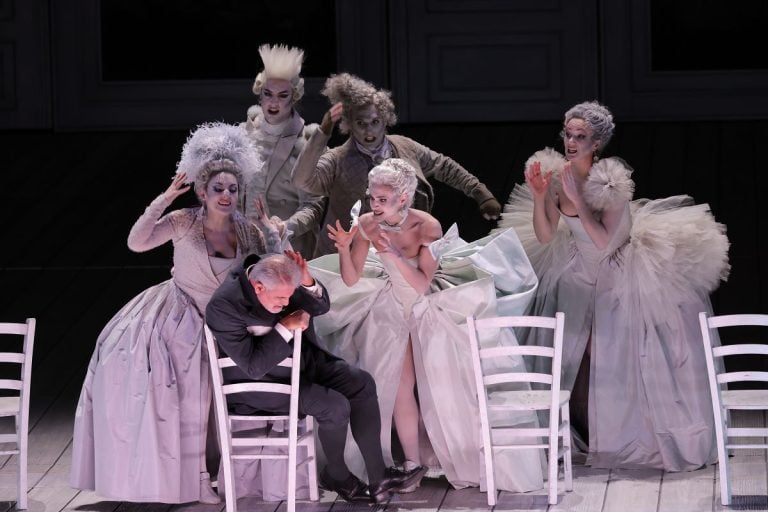
To return now, of course, is to arrive with a greater awareness, and a greater maturity in interpretation, I believe, and also with a group [La Lira di Orfeo that he founded in 2015] that over the years has grown together with me. It is continuing to grow, taking on greater and greater challenges, like [Handel’s] Rodelinda that we are performing in Vienna in November, then to Rome in the Saint Cecilia Concert Hall on Saint Cecilia Day [22 November, feast day of the patron saint of music], so an honour given to us by one of the most important musical institutions in our country.
Passing from all Monteverdi in 2022 to all Vivaldi in 2024 gives London two very different experiences of Italian music, from the early to late Baroque.
Well, they are certainly two worlds apart. The musical language that Vivaldi uses very much benefits from some of Monteverdi’s extraordinary and ingenious insights. Hence Vivaldi’s ability, using very simple instruments and melodies that are easy to listen to, but also majestic, to communicate without pretention – uncomplicated means that manage to create something truly spectacular.
You’ll be singing five Vivaldi cantatas.
With Vivaldi, his instrumental writing, especially for the violin, when reflected in his writing for the cantatas might seem less suitable for a voice. In reality, delving into the text and how his music unfolds, we realise that Vivaldi was an attentive connoisseur of the poetic text, and he himself would make changes to the librettos. We do not know the author of texts, sometimes mistakenly considered second-rate, but they are perfectly suited to be set to music. That’s why I think Vivaldi might even be the librettist of these cantatas, which is precisely why they become so effective for the voice when they are performed.
When you founded La Lira di Orfeo did you ever imagine that it would accompany you on European tours?
Never, and in just a few years we have been able to achieve these wonderful goals – a very welcome surprise. I try to invest all my energy and inspiration in its projects. The beautiful thing in my opinion is that an orchestra is always an asset to a country, to a society. And even more beautiful is when you really feel that people you are growing with share this project with you… have the same attitude toward music. This is really a great fortune because I am no longer a lone artist expressing himself but knowing that I can pass ideas through the minds of others – art squared. I think we are succeeding and that’s what I wish for my Lira musicians in the coming years.
When you sing you sometimes come close to dancing as the music invades your body.
Ah yes, dance is fundamental. I am very honoured to sing baroque music, but sometimes it needs to be heard in unexpected contexts. Concert halls and opera houses oblige the audience to listen in a certain way, but at times this music does not need this seriousness… this rigidity. It is music designed sometimes to entertain listeners, sometimes to be moving, and to do so in the most direct way possible. This is a power of baroque music, and its roots are so much in its rhythms, which lie in dance, popular song, and even the ‘less noble’ forms of composition, but no less involving.
What would be the best comment to hear after your Wigmore concert?
After a performance in Spoleto, [Italian writer] Alessandro Baricco came back to say that when I first came on stage it seemed that I was just going for a coffee. Yet when I started to sing – music that no one knew – everyone was bewitched. He said, “Everyone was open-mouthed with the magic you created and wanted to dance and sing with you.” I think that’s it. It made me very happy because for me the main reason for making music is so that it can move people as much as it moves me.
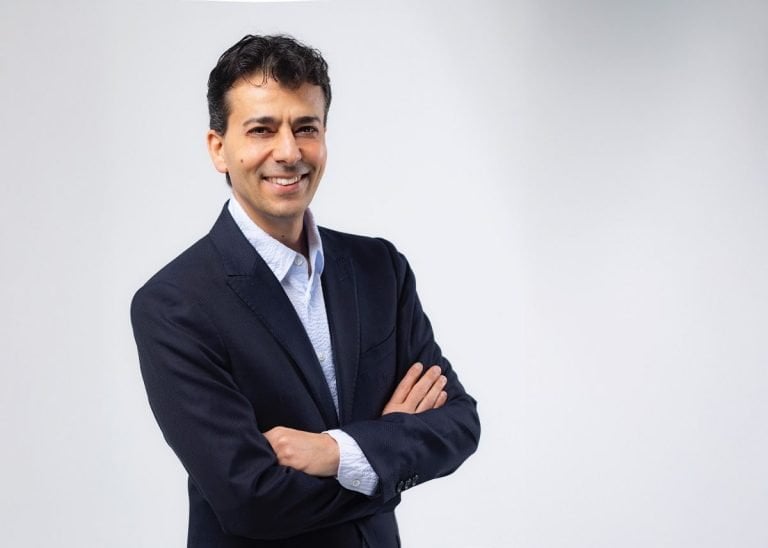
Graham Spicer, aka ‘Gramilano’, is a writer, director and photographer based in Milan. He was a regular columnist for Opera Now magazine and wrote for the BBC until transferring to Italy. His articles have appeared in various publications from Woman’s Weekly to Gay Times, and he wrote the Danza in Italia column for Dancing Times magazine. Graham was the historical advisor on Codice Carla, the 2023 documentary on Italian ballerina Carla Fracci.
Graham also works as a dance photographer, and his photos have appeared in many books, theatre programmes, and magazines, including Dancing Times, Dance Spirit and Ballet2000, as well as all the major Italian newspapers.
He is a member of the Dance Section of The Critics’ Circle.