
Italian choreographer Amedeo Amodio receives a lifetime achievement award at the Italian Parliament
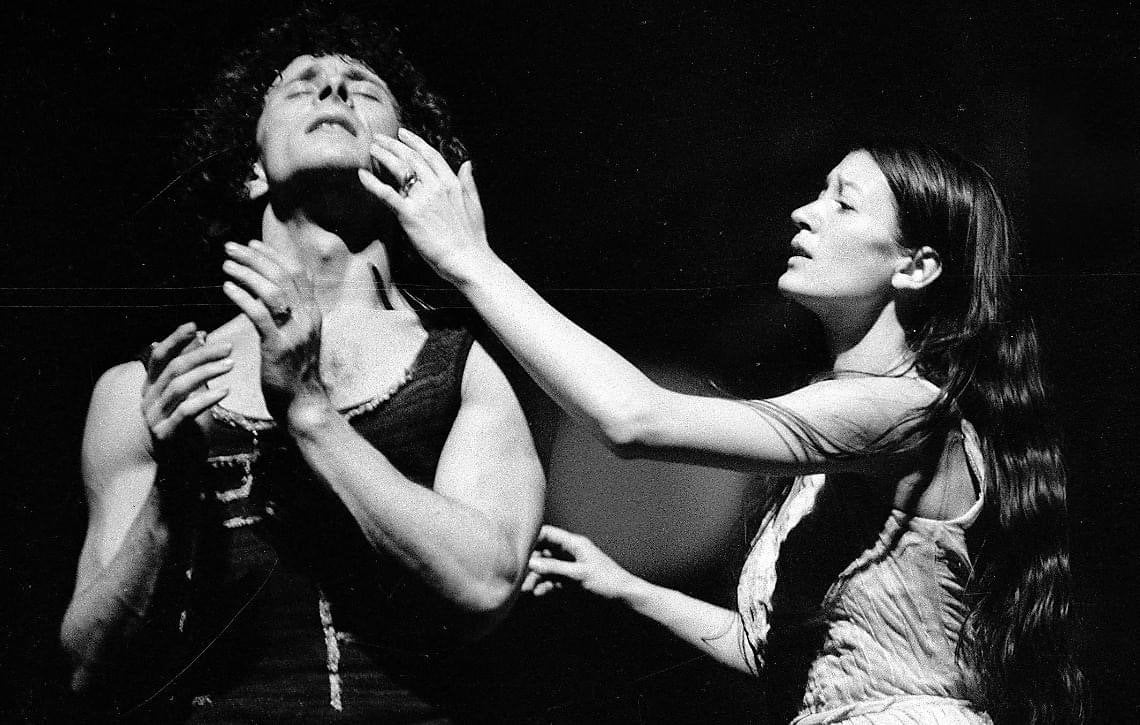
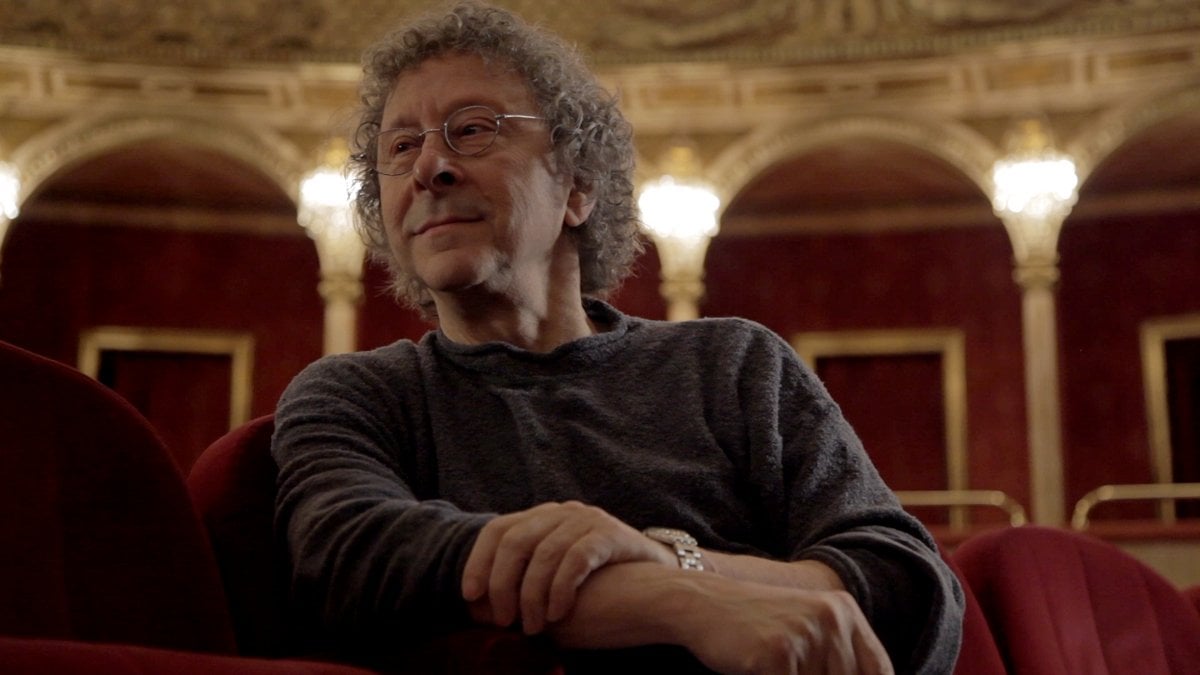
The career of dancer and choreographer Amedeo Amodio was celebrated on 2 July at the Nilde Iotti Library in the Chamber of Deputies – the lower house of the Italian Parliament. Amodio, in conversation with the journalist Baba Richerme, was evocative in his recollections, showing his great ability as a storyteller in front of an audience of some of the most important names in Italian dance and beyond.
The event included a preview of the recently completed docufilm Amedeo Amodio – Il segno in movimento (Amedeo Amodio – Designs in Movement) by director Antonella Giovampietro.
President of the Culture Commission, Federico Mollicone, presented Amodio with a Lifetime Achievement Award from the Chamber of Deputies “for having represented, during a more than sixty-year career, an excellence in the field of choreographic art; for having been able to continually evolve without ever losing his creative identity; and for his contribution to the formation of generations of dancers”.
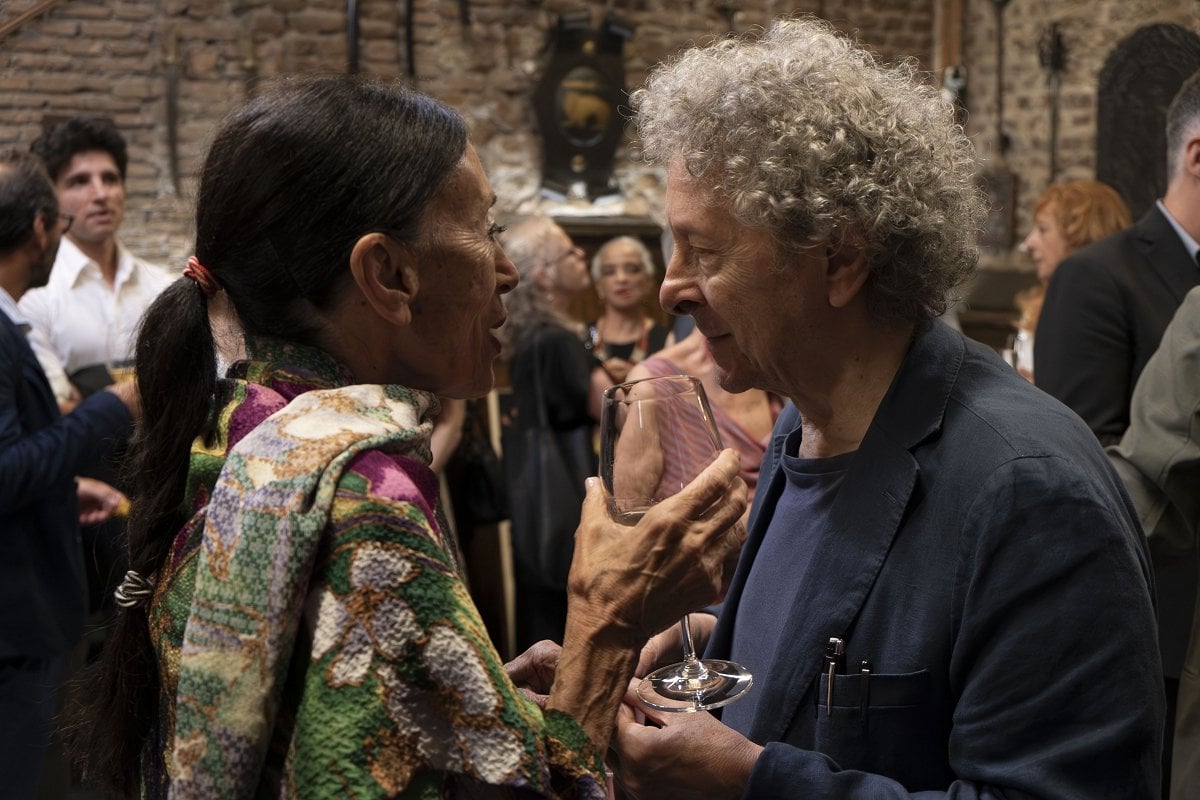
Attending the ceremony were his children, grandchildren and partner Silvana Ravone, the director Liliana Cavani (he appeared in some of her films, including 1974’s The Night Porter) and two “glories of Italian ballet”, La Scala dancers Liliana Cosi and Luciana Savignano.
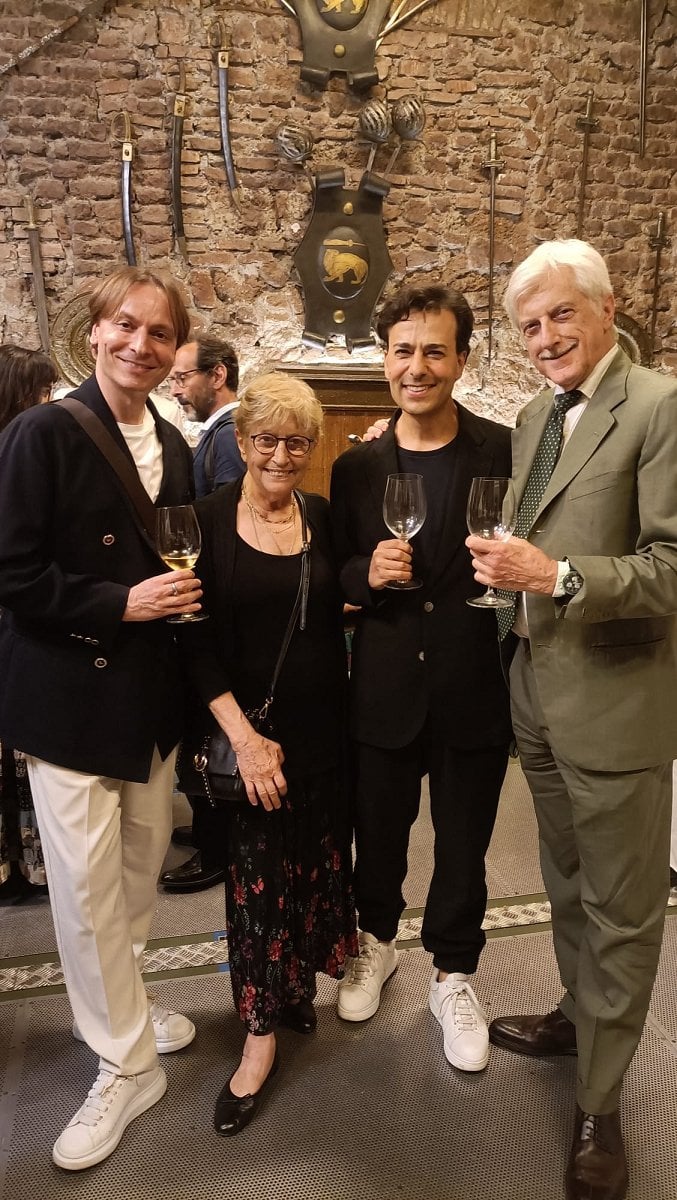
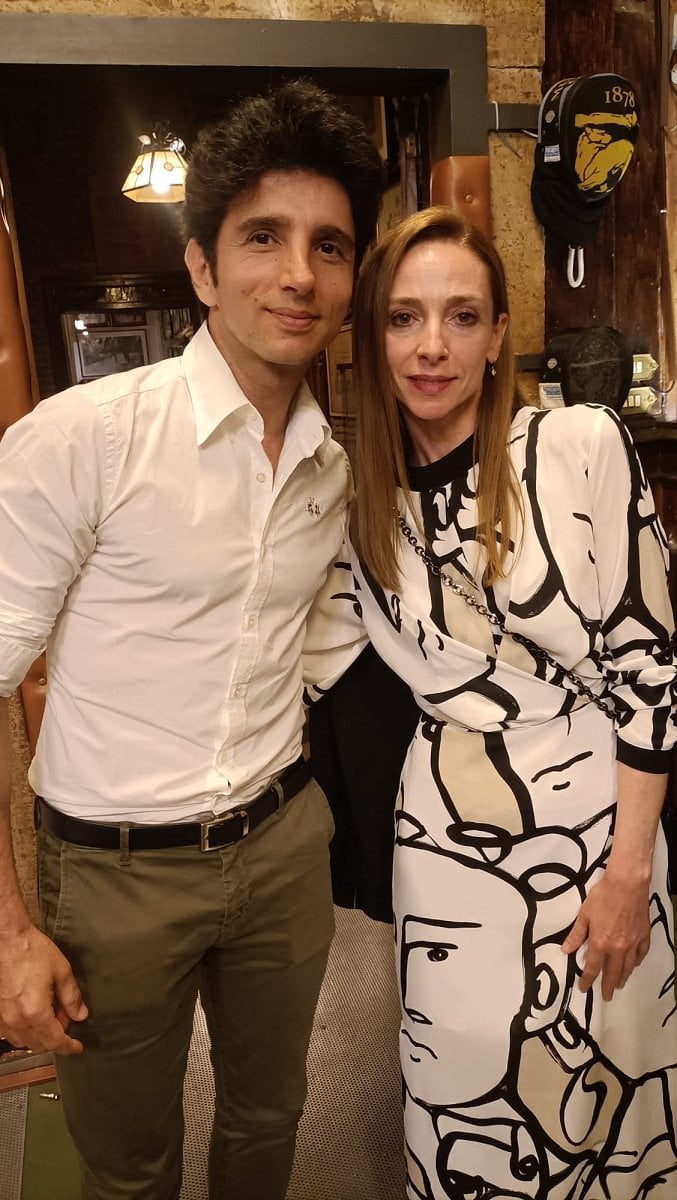
Also present was the newly appointed artistic director of the Spoleto Festival, Daniele Cipriani, who in recent years has presented many of Amodio’s ballets around Italy, together with the stars of these productions, Anbeta Toromani and Alessandro Macario. Other dance names were the choreographers Daniela Malusardi and Mvula Sungani (Sungani is also Dance Advisor to the Minister of Culture), and Gerardo Porcelluzzi, ballet master at Teatro dell’Opera School in Rome.
The late afternoon event was a small tribute to the man who was able to “design dance not only with movement but also with imaginative and creative vision, marking a fundamental turning point in the Italian artistic panorama”, as stated at the opening of the award ceremony by the Vice President of the Chamber of Deputies, Fabio Rampelli.

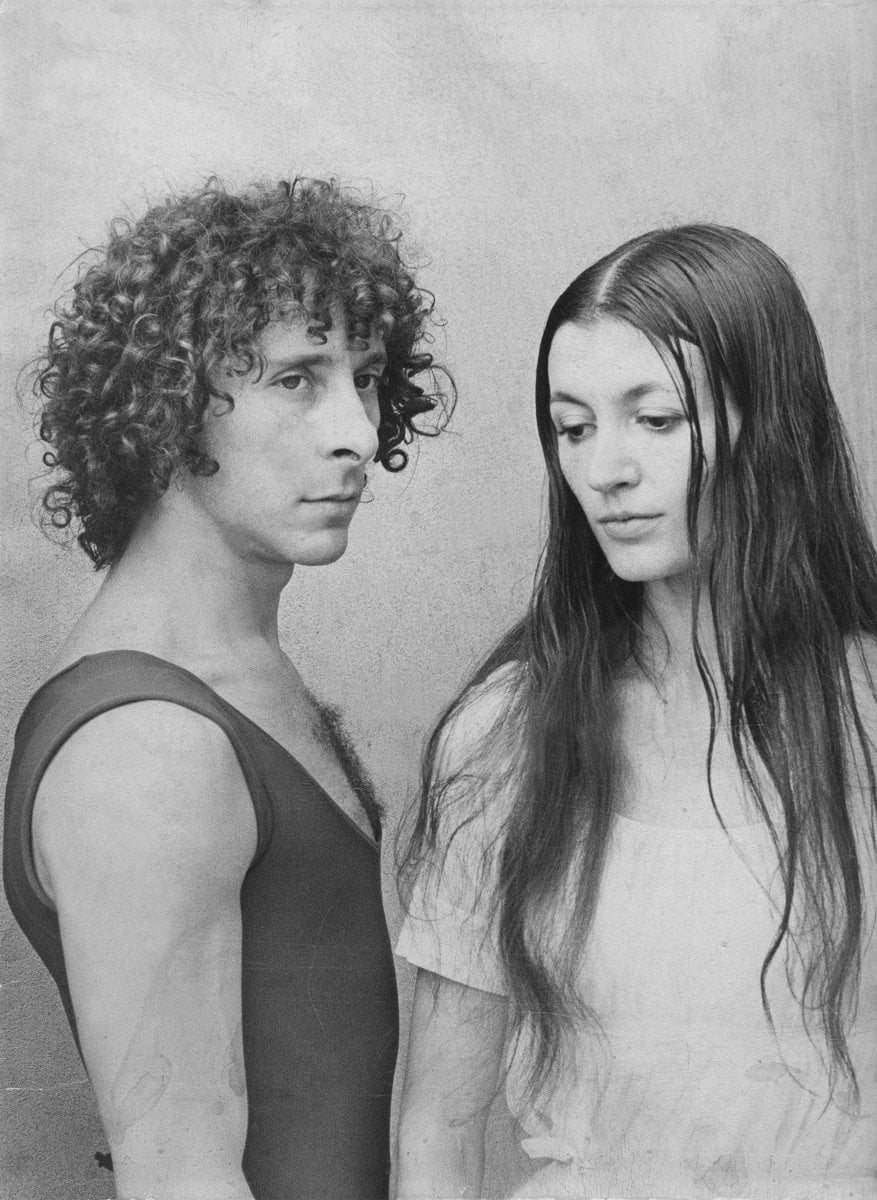
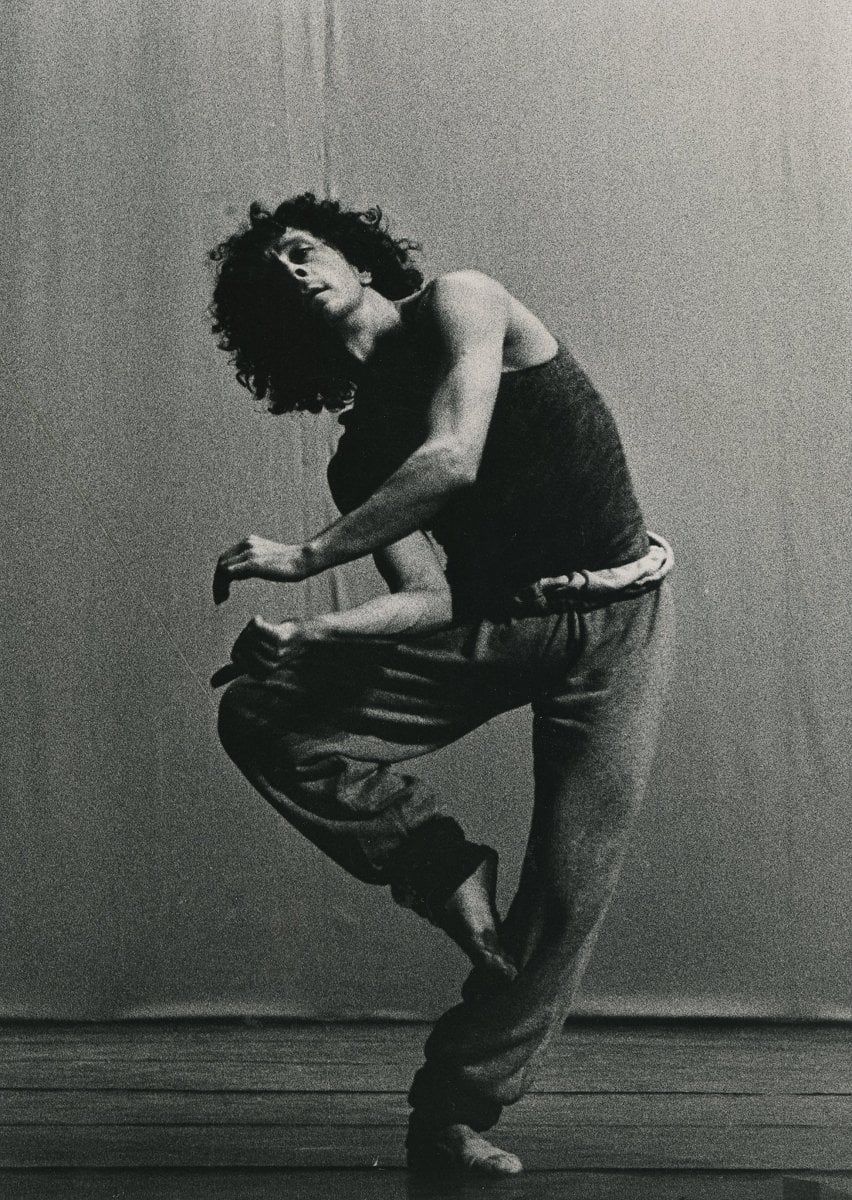
Amedeo Amodio was born in Milan in 1940 and trained at the city’s famed La Scala Ballet School, later joining the company where he interpreted ballets by Léonide Massine, George Balanchine, and Roland Petit; attended rehearsals with Igor Stravinsky; encountered Giorgio De Chirico, Pablo Picasso, and Renato Guttuso; and was stunned on hearing Maria Callas in Anna Bolena directed by Luchino Visconti. In Milan, he was able to see plays directed by the Piccolo Teatro’s Giorgio Strehler and admire the works of Lucio Fontana.
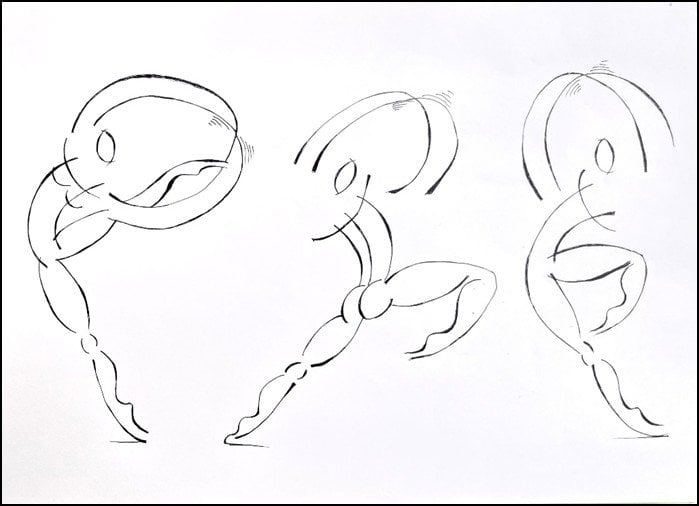
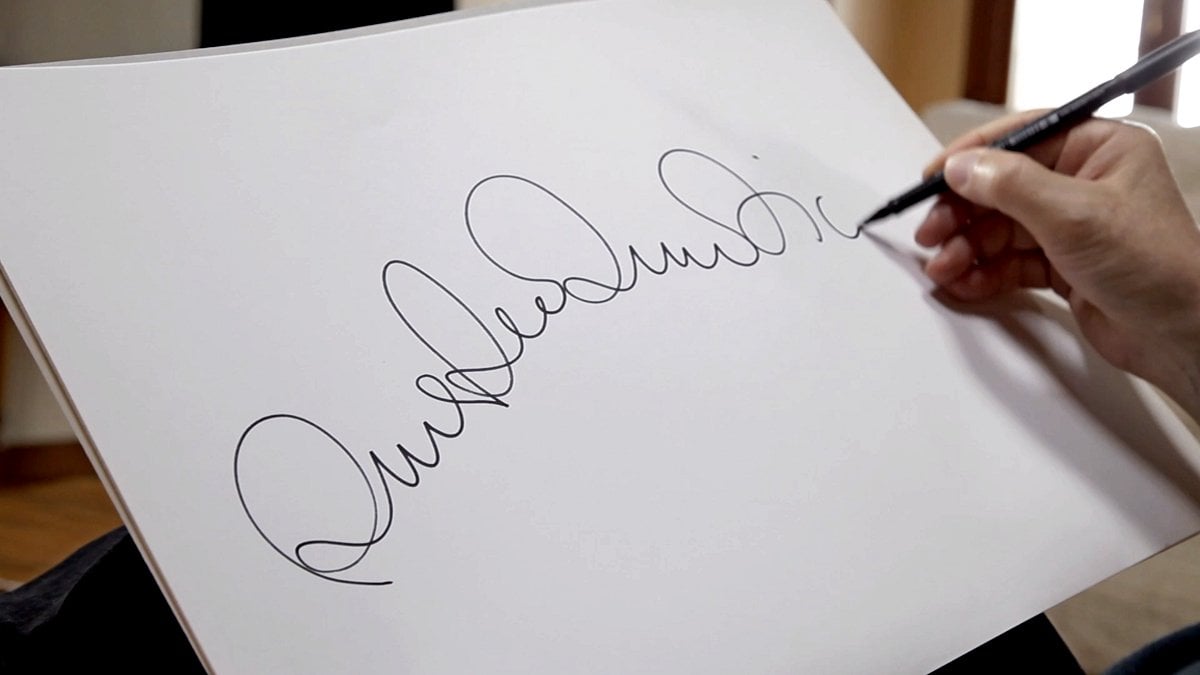
Amodio also showed a genuine curiosity for costume and set making, developing skills that would later prove useful to him as a choreographer. And he began to paint, or rather to fix his ideas in paintings, sketches and drafts. In 1962, there was an exhibition of his designs in Milan where he was presented with great enthusiasm by the then director of stage design at La Scala, Nicola Benois. Amodio was certainly an heir to the concept of the synthesis of the arts that animated Diaghilev’s Ballets Russes.
He began choreographing early, from the end of the ’60s, immediately developing his own unique style, and participated in numerous projects for cinema and television. Then in 1979, he became artistic director of the first large Italian company that was independent of the opera houses, Aterballetto.
Perhaps the most fitting definition of Amodio was the one given by the critic Vittoria Ottolenghi, who defined him as “a visionary”. The director of the docufilm, Antonella Giovampietro, a dancer herself, wanted particularly to underline this quality of the choreographer. In the film, we see Amodio in his studio leafing through old photos with suggestive scenes from his L’après-midi d’un faune with its reference to Nijinsky, Carmen and her search for freedom, a Hollywood-style Coppélia, a Romeo and Juliet where there was also a narrator, and a Nutcracker inspired by shadow theatre.
A small tribute to a key figure in the history of dance in Italy from the second half of the twentieth century onwards. “Dance is the language of a thought in continuous movement, in continuous transformation, like the flow of life in the universe,” says Amodio.
A curious ending…
Renzo Musumeci Greco invited everyone to continue the celebrations at Rome’s Arms Academy, which was established by his father, Enzo, who taught sword fighting to Richard Burton, Errol Flynn, and Charlton Heston, among hundreds of others… Enzo and Renzo were also responsible for the great swordfights in Amodio’s ballet, Romeo and Juliet.

Graduating with honours in “Literary and Linguistic Studies” at La Sapienza University of Rome with a thesis on ballets inspired by Alexander Pushkin’s works, Marta Mele subsequently specialised in “History and Theory of Choreographic Art” at the Vaganova Academy in St Petersburg.
She translated from Russian the autobiography of the dancer Natalia Makarova for Gremese publishing house, and edited the Italian edition of the book Swans of the Kremlin by the scholar Christina Ezrahi.
After participating in two conferences dedicated to the bicentenary of the birth of Marius Petipa, she won the La Sapienza University’s PhD competition in Music and Performing Arts, and in 2022 received her doctorate with ‘eccellente’, her thesis entitled Ballet in Leningrad between avant-garde and ideology.
Marta participates in national and international conferences in performing arts research and writes for scientific reviews such as Danza e Ricerca, Biblioteca Teatrale and SigMa. As a dance journalist, she began by collaborating with the Russian dance magazine PROTanec, and she also writes for GBOpera.



Fascinating article about a choreographer I had never heard of, and I consider myself a balletomane and Italophile. I don’t think many of Amodio’s works have been performed in the US.