
Interview: Theatre designer Jérôme Kaplan – Be yourself! Always be curious and dream.
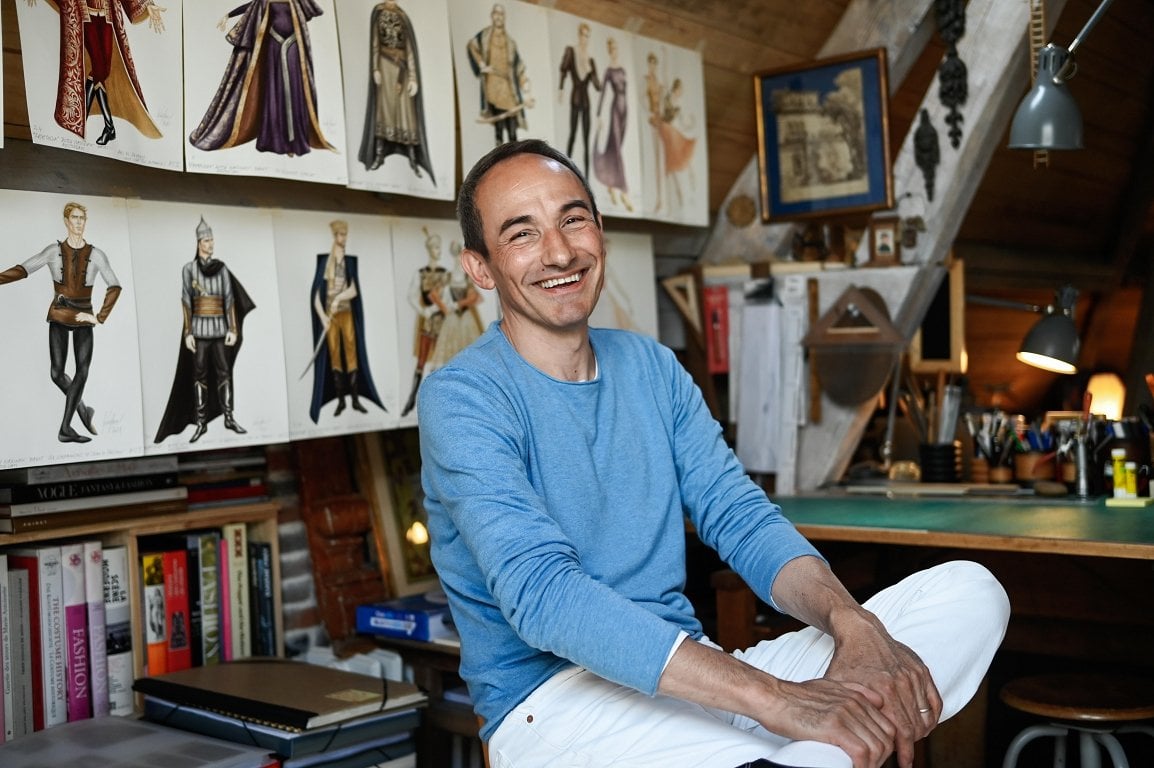
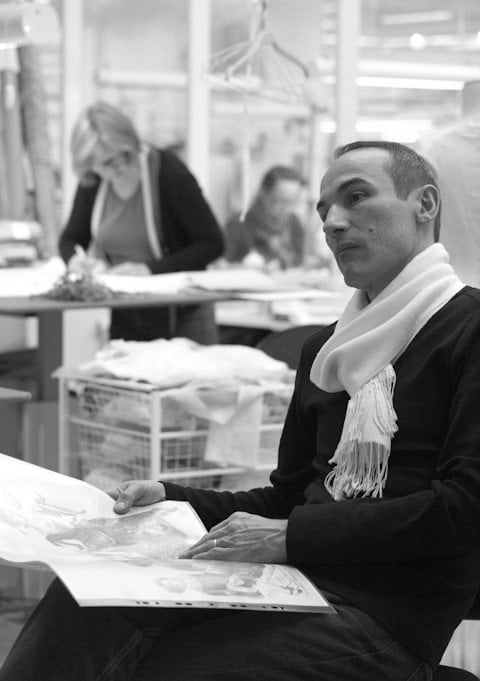
Between projects in New York, Copenhagen and Monaco, theatre designer Jérôme Kaplan finds time to talk to Paul Arrowsmith.
It’s ten years since we last spoke – what have been your highlights?
When I look back – which I never do because I tend to rush forward – I tell myself that I’ve done a lot… But as Yannis Kokkos, the famous theatre and opera scenographer, said: ‘We are architects of winds and paper,’ which means that all our productions disappear very quickly…
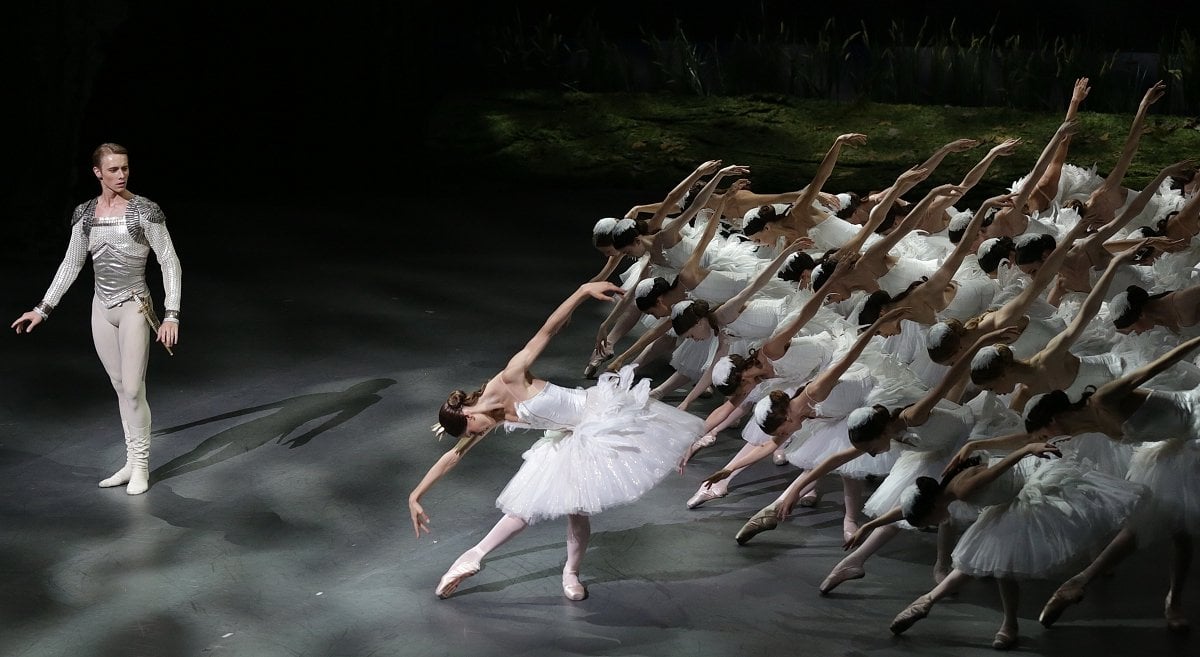
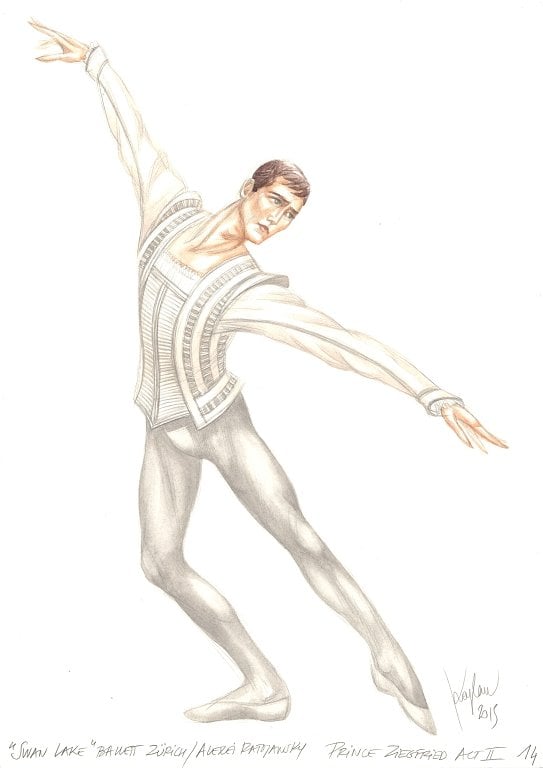
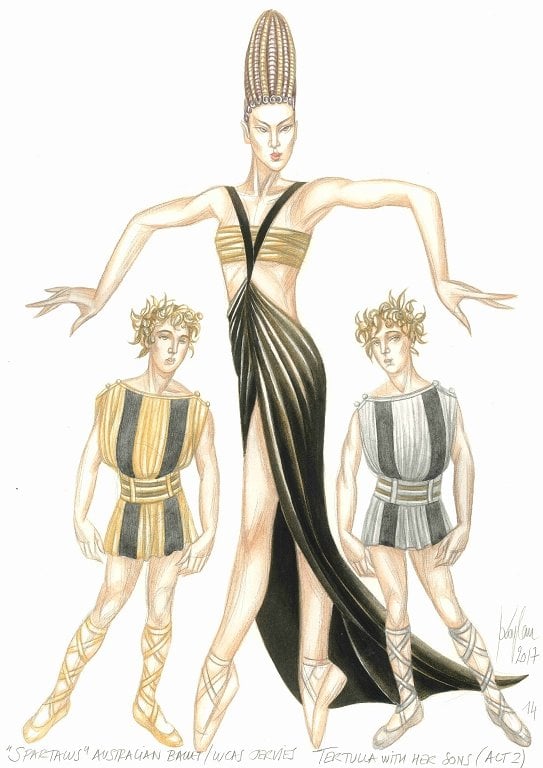
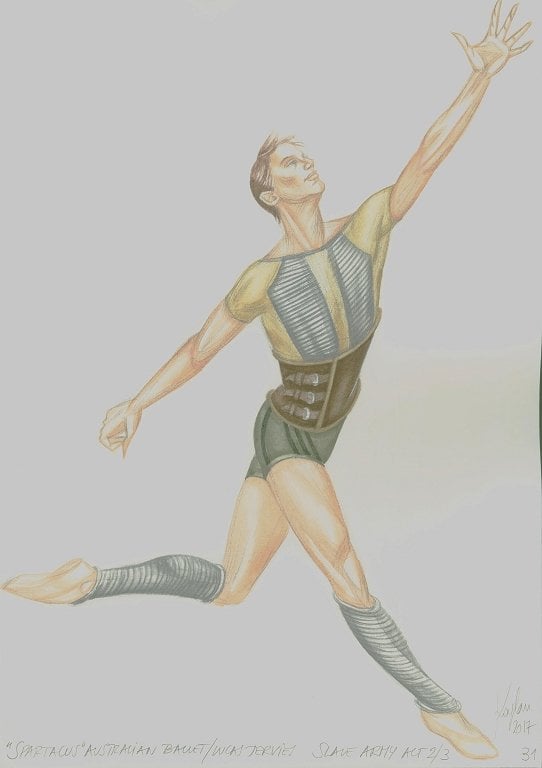
But here are the shows that I think are maybe worth keeping in mind: Alexei Ratmansky’s Swan Lake [in Zurich and Milan] and his Bayadère in Berlin; Lucas Jervies’ Spartacus [Melbourne and Helsinki], Stanton Welch’s Sylvia [Houston and Australia]. Also David Dawson‘s Romeo and Juliet [Dresden] and Rachel Beaujean’s Raymonda in Amsterdam.
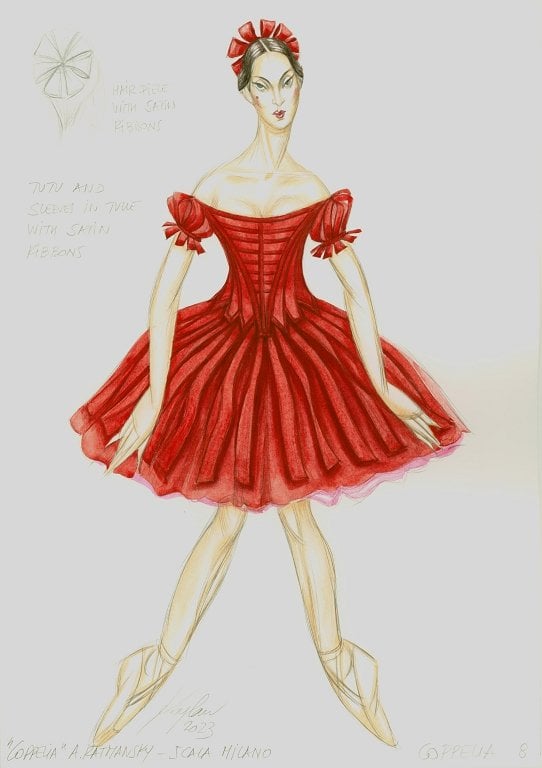
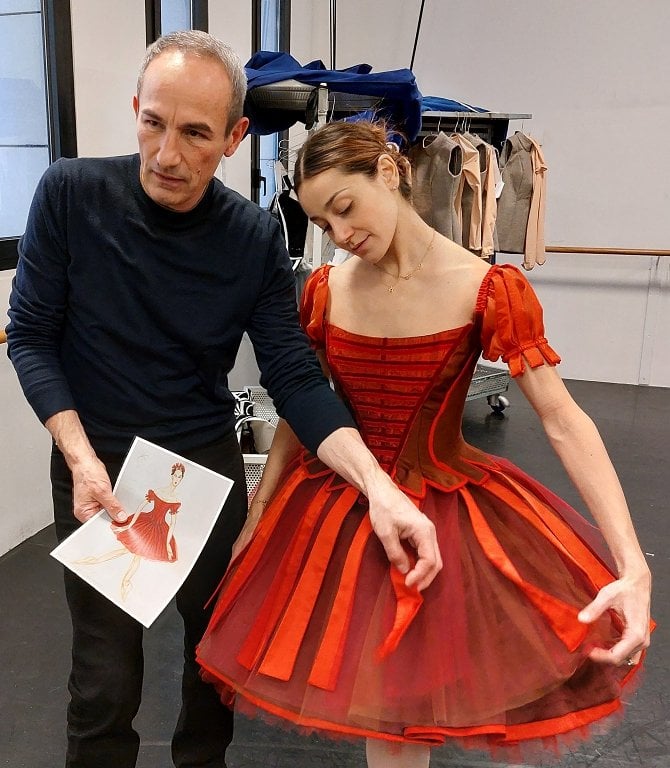
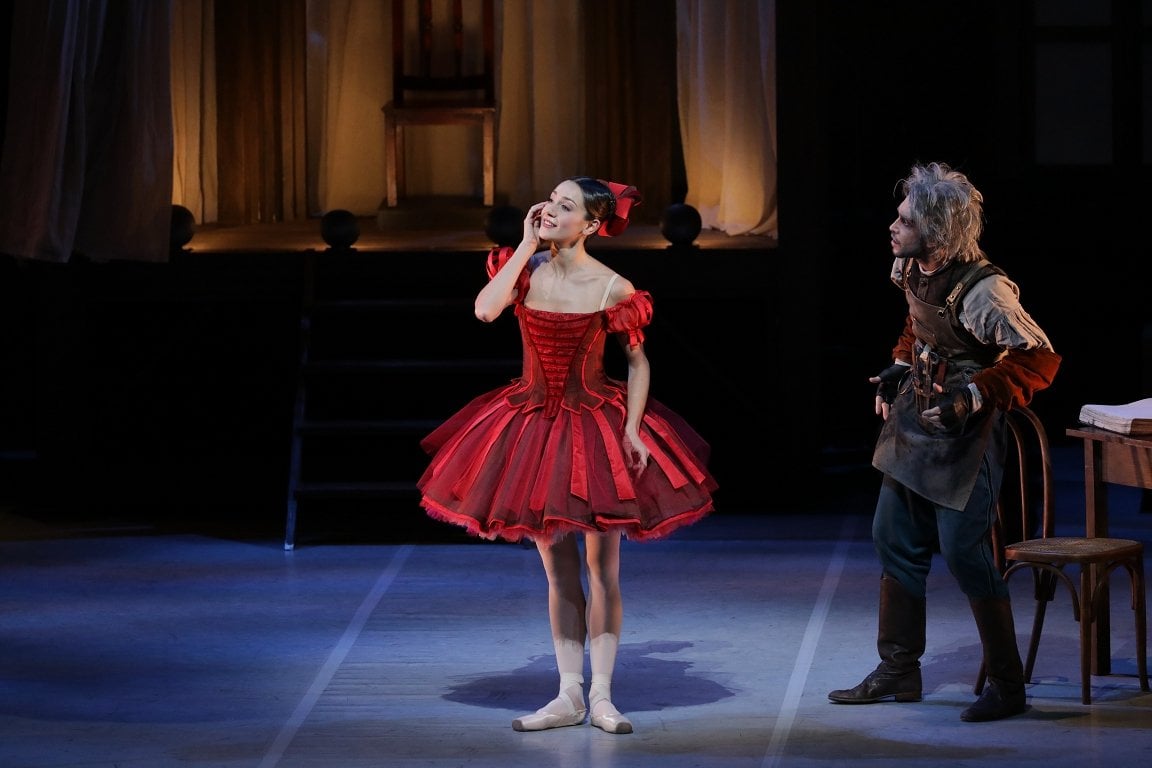
My highlight of 2024 was seeing on French TV a production of Maurice Ravel’s opera L’Enfant et les sortilèges. Even before I saw your name in the credits I recognised you as the designer. A horrible question, but do you have a style?
This question of style is quite recurrent! I am often asked about it! In fact, I have never tried to build an artificial style for myself, as some artists or directors do, which is quite laughable and [can be] caricatured sometimes. I have always fought against it. I’ve always thought that style comes with age and here I am at 60! Oops!
My style, if I have style, is perhaps underlying, and not easily perceptible. It would perhaps be in the answers that I provide. Something more intellectual than visual perhaps? Giving a strong impression, clarifying a story, highlighting the music, the choreography, and above all revealing the vision and wishes of the choreographer, or director are my main objectives.
Also, I work a bit like the composer Michel Legrand. That is to say that I appropriate a style, an era, and I try to synthesise it. That is why my productions are so different visually and that is precisely what interests me. I hate doing the same thing. A good scenographer is above all a good storyteller, who knows how to tell a story visually.
Very important for the question of style, I like to surprise my collaborators and also to surprise myself. Not to be where I am expected.
L’enfant et les sortilèges
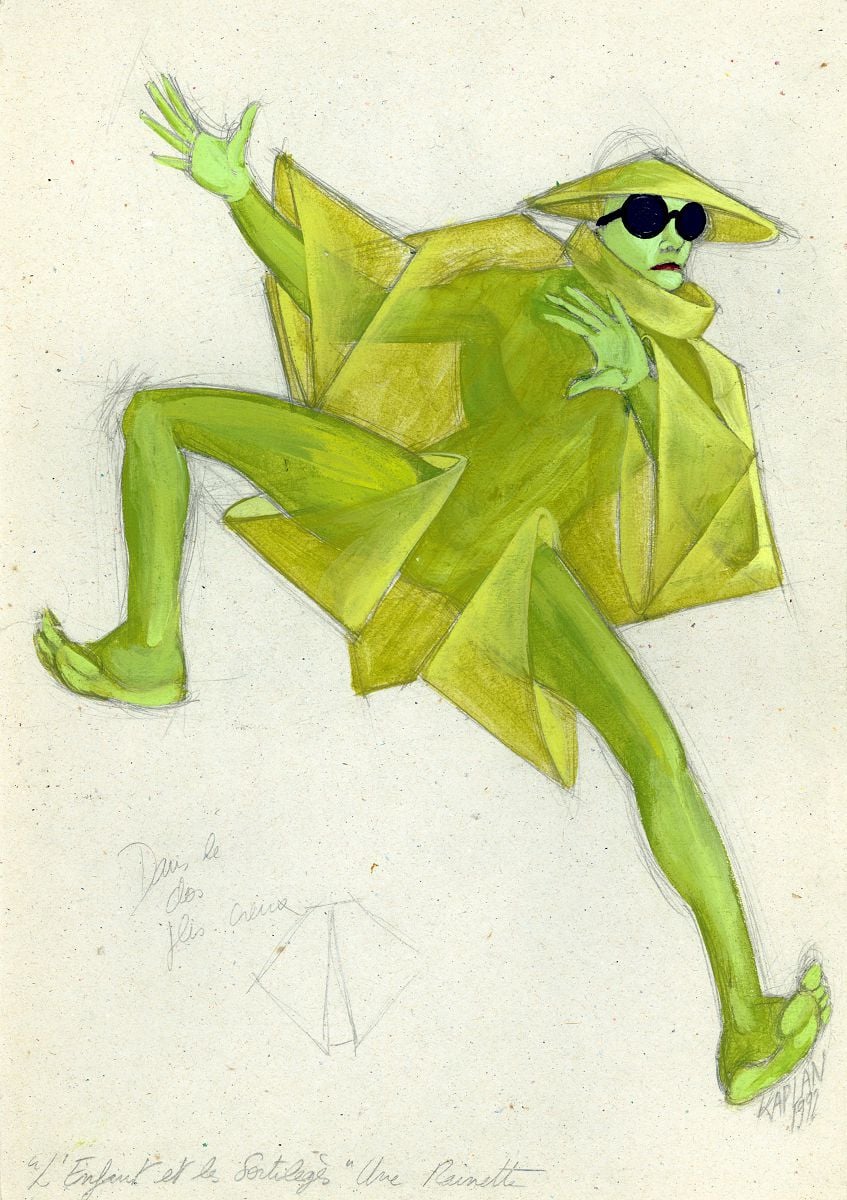
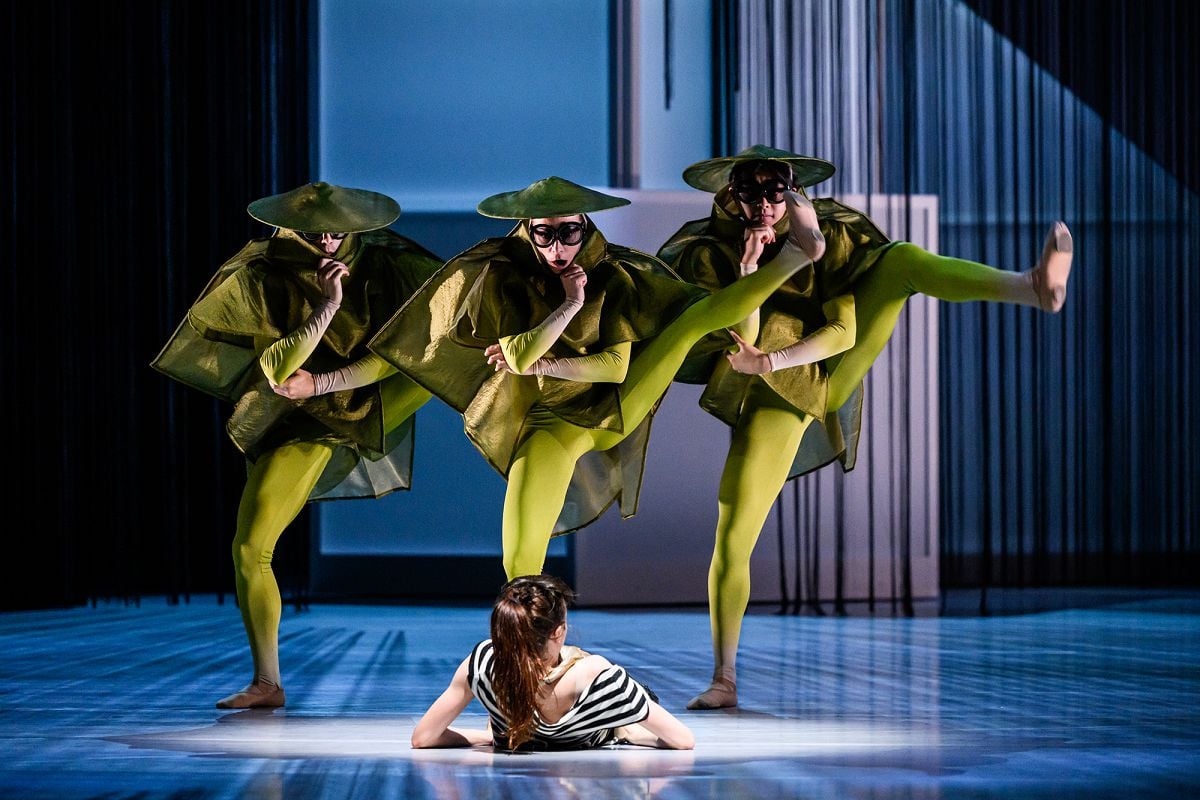
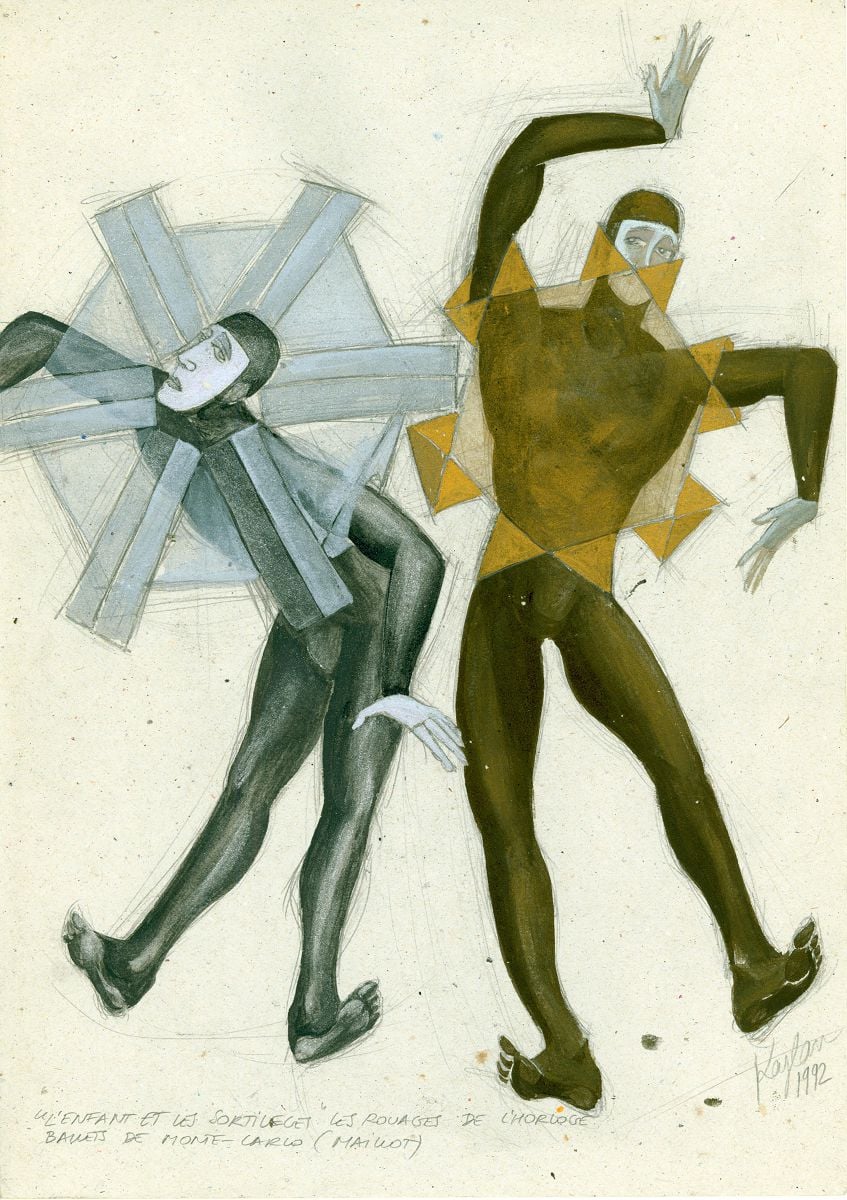
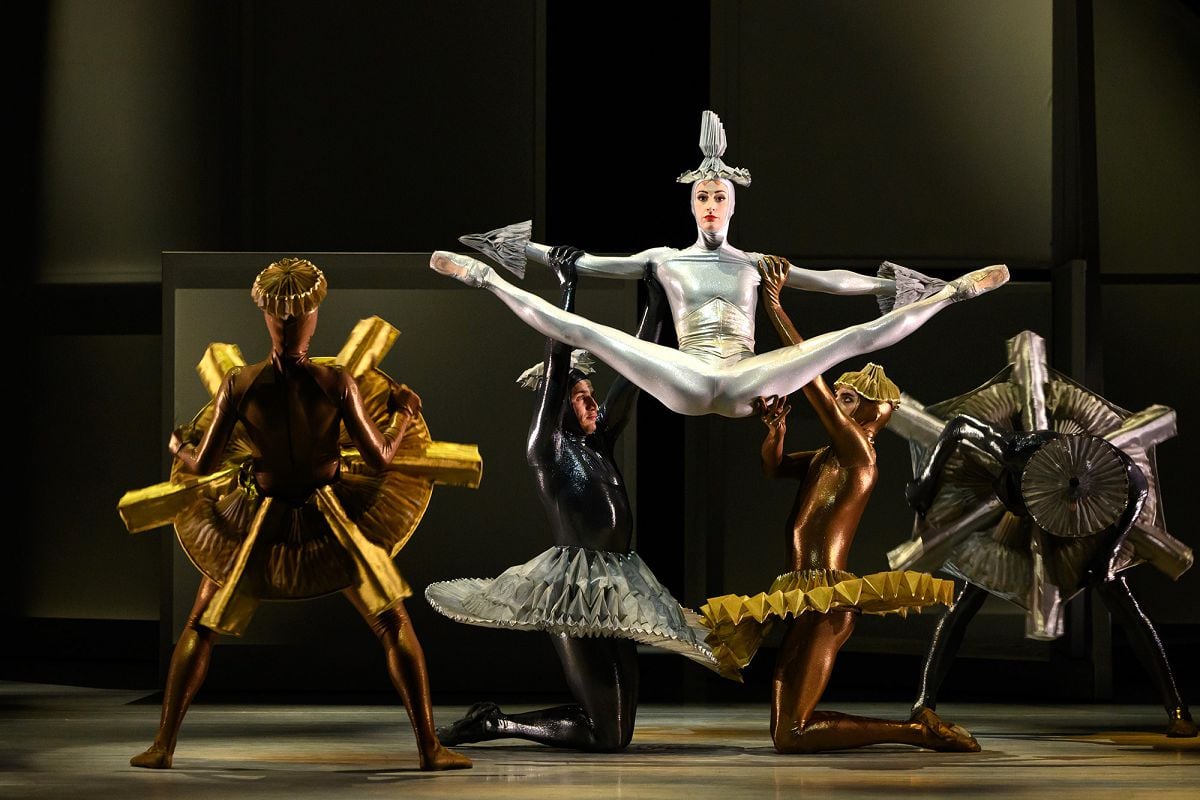
Describe how this Enfant grew from an opera into a ballet, imagined by Jean-Christophe Maillot for Les Ballets de Monte Carlo.
L’Enfant et les sortilèges with Jean-Christophe is a long story that goes back more than 30 years. Our first version was created in 1992 in Monaco. I had known Jean-Christophe for a year then. It was a big challenge for me at the time because it was my first international creation, and also because Jean-Christophe became director of the Ballets de Monte-Carlo partly because of its success.
For years, I asked Jean-Christophe to revive L’Enfant, without success. Then at the beginning of 2023, he called me to tell me that we were going to rework it… what joy!
We re-explored the idea of origami that we had explored in 1992. A way of transposing reality and developing a timeless and modern aesthetic, which could represent the imagination of a child of today and tomorrow.
Some 40 years ago, I saw other Enfants, designed by David Hockney and Maurice Sendak. Do you study or avoid what others have done with a piece in the past?
I really like David Hockney’s work, but in fact, I am very careful not to look too much at other artists’ productions. If I do, I try to quickly forget them and keep only the overall memory. This is to avoid being influenced. It is very important to try to start to create from a blank page. Listening to the music and reading Colette’s text carefully were the main sources of inspiration, with of course the continuous exchanges with Jean-Christophe.
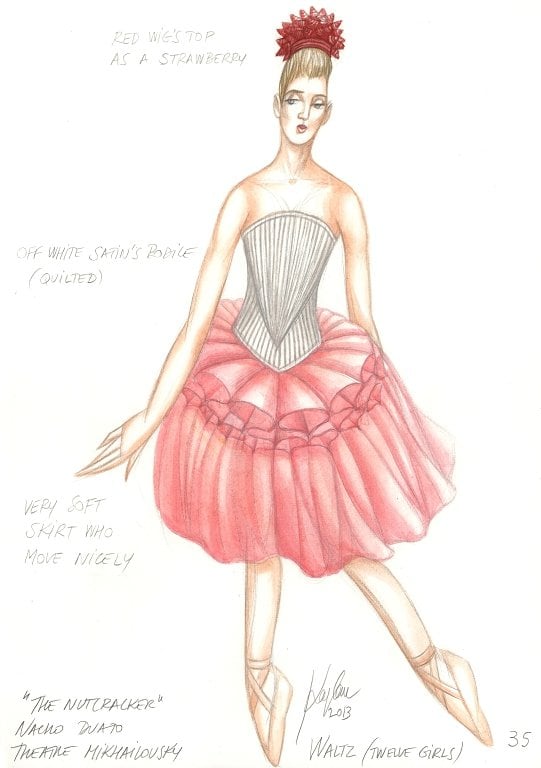
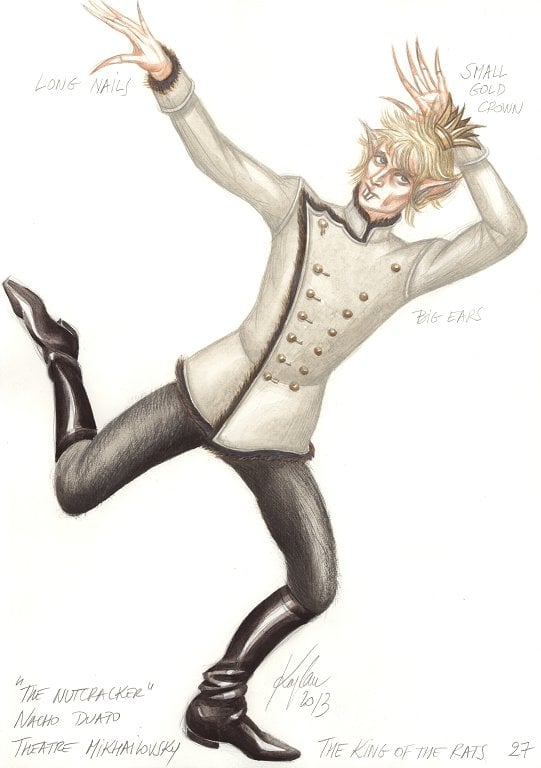
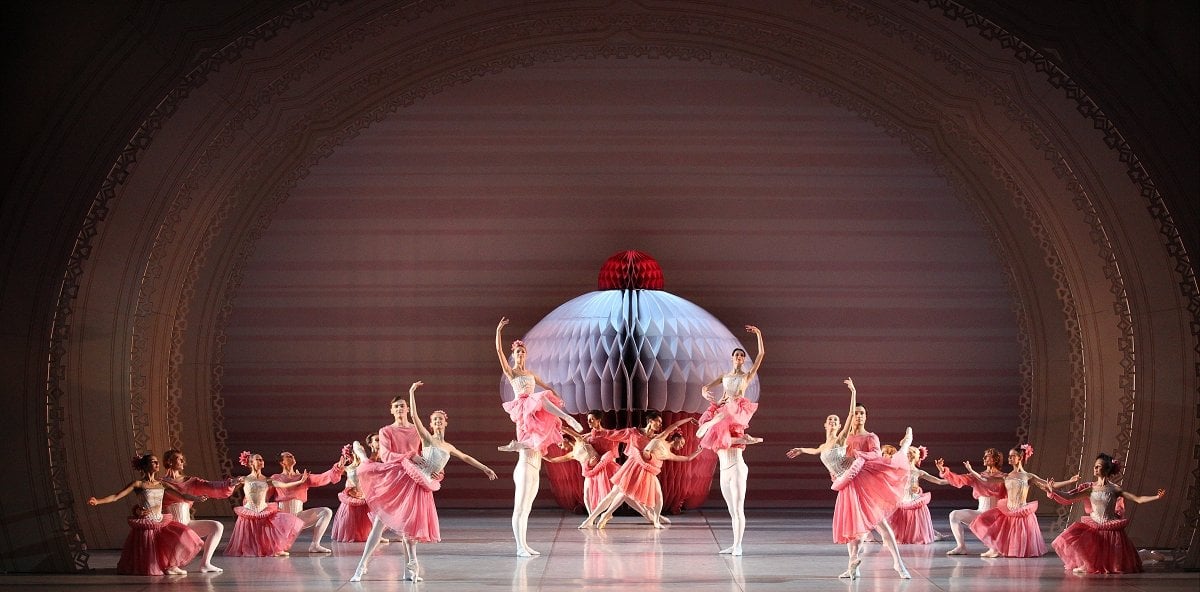
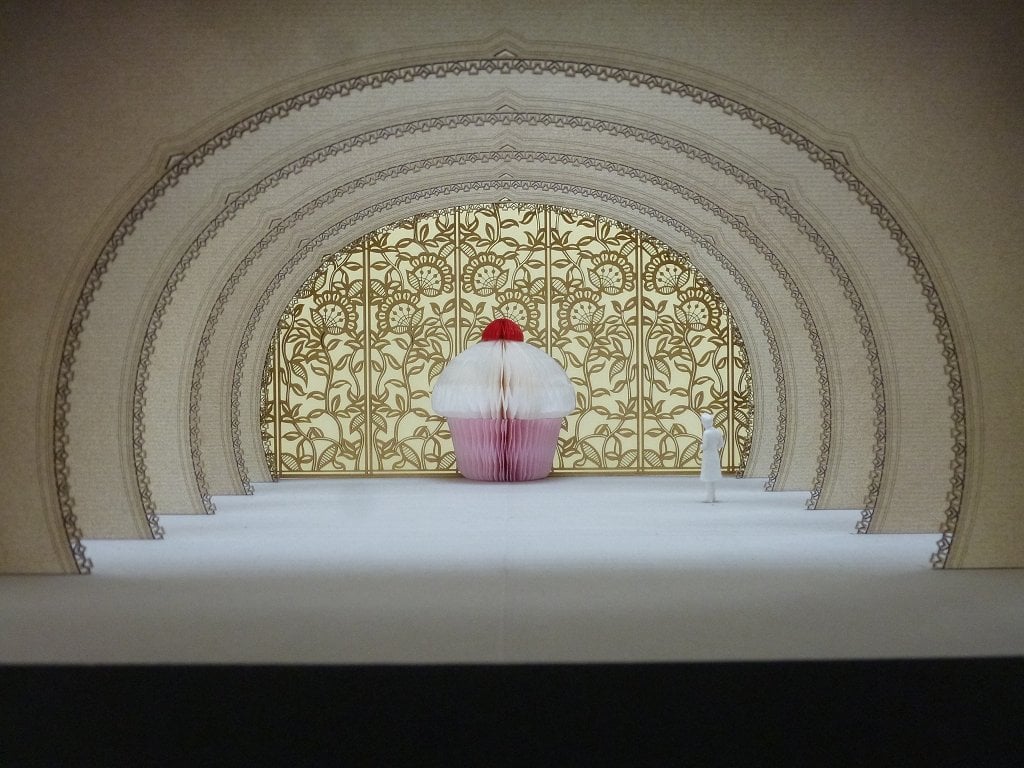
Nutcracker – Nacho Duato
Another highlight of the past decade for you was Coco Chanel, choreographed by Annabelle Lopez Ochoa. How intimidating was it to put such a defining designer onstage?
At the beginning, I was very excited! Then I realized the trap, the difficulty for a designer who would necessarily be compared to the great creator. That’s why I moved towards a scenography that was as simple and pure as possible, exactly what Chanel always aspired to – simplicity, practicality, stripping down. The collaboration with Annabelle was not always easy, but ultimately friendly and very inspiring.
Annabelle knows what she wants and pushes you to surpass yourself. Of course, I looked at the archives on Chanel a lot and had the chance to see the Chanel retrospective in Paris several times at the Palais Galliera, and with Annabelle in particular, which was exciting. It allowed us to see how the Chanel style is stainless… so timeless and modern. It was almost easy to pay tribute to her with this ballet.
What can you say about your next projects?
Hard to say! I don’t really like to talk about my in-gestation projects and it always stresses me out… Maybe I’m afraid of formatting my creation too much with words and future intentions? I work a lot on intuition and things come to me little by little, like when developing a photo in silver print.
[Kaplan’s current commissions include Paquita with Ratmansky next month for New York City Ballet, a Giselle in Hong Kong this May, a Nutcracker in Zagreb in November, and a Bayadère in Amsterdam, March 2026].
La Bayadère – Alexei Ratmansky
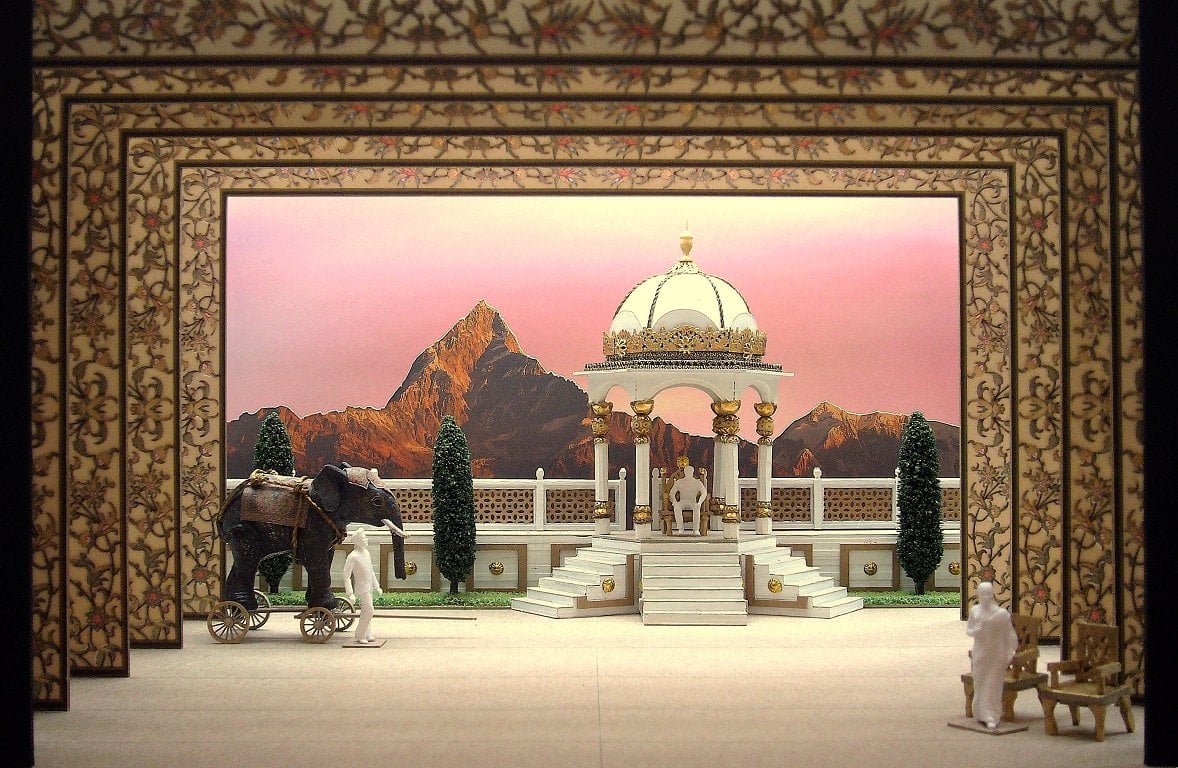
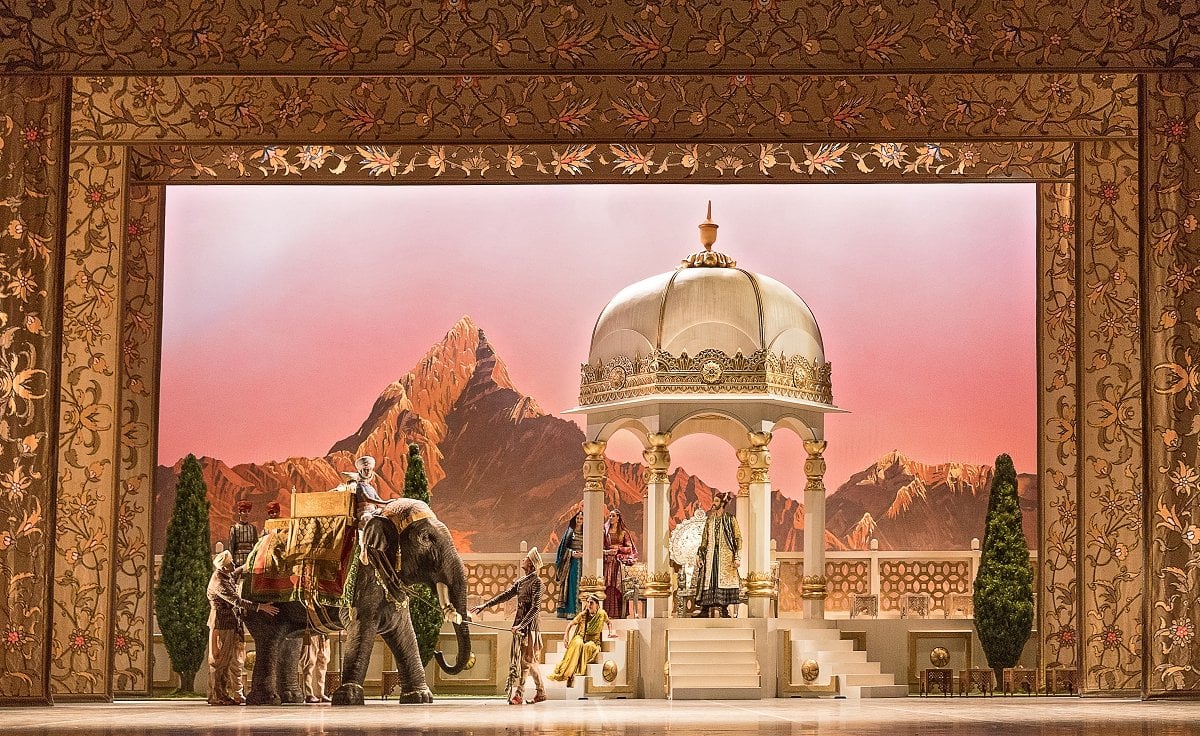

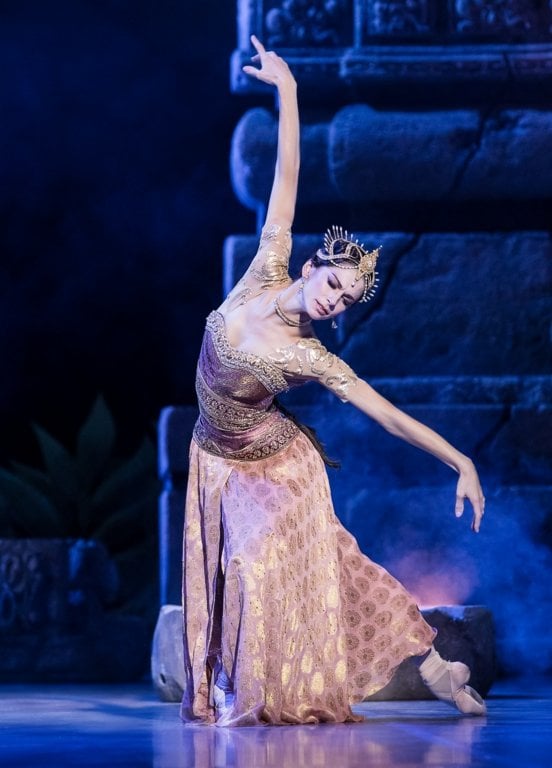
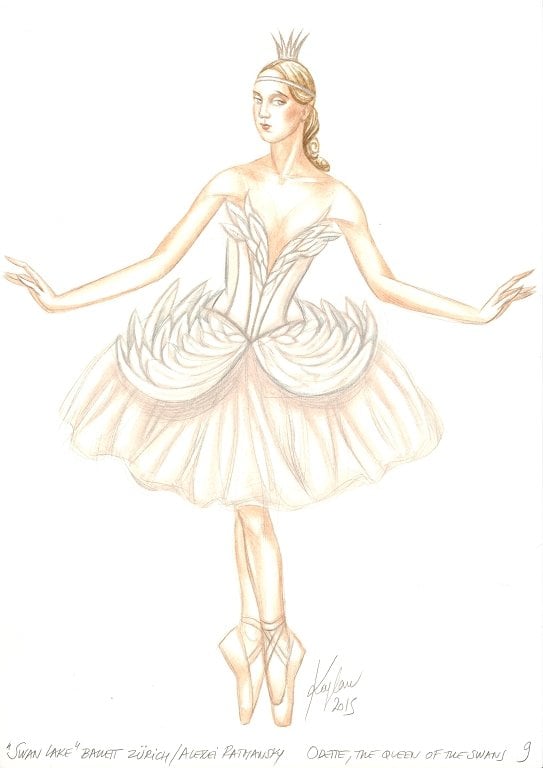
You have said working with a choreographer is a soft ping-pong game.
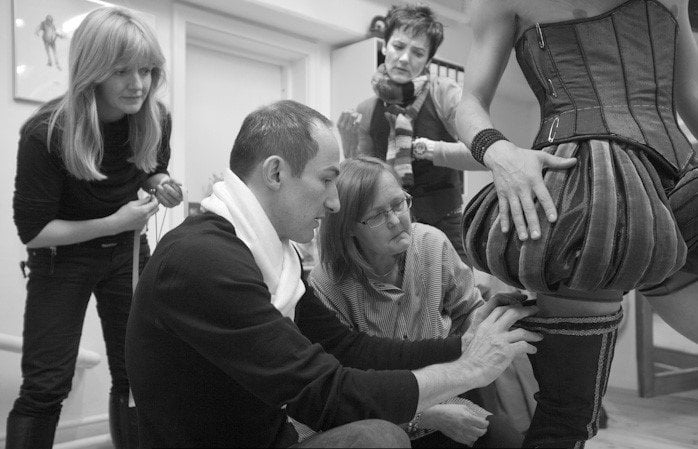
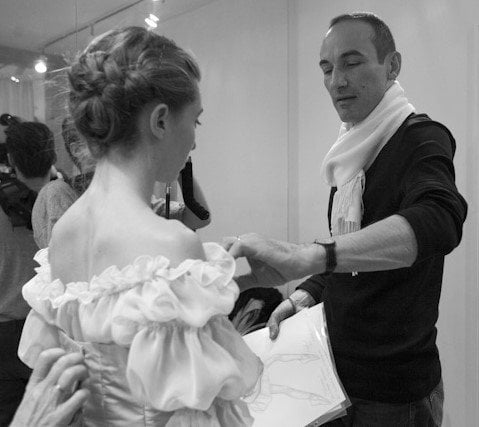
Yes, absolutely! The whole point of my work is to create as a team. The choreographer or director gives ideas, directions, and questions that I try to answer visually as best I can. When I start working on a project, I never really know what I’m going to create, and I’m surprised by what I’ve done! That’s the magic of teamwork, the renewal of choreographers, places, performers, all that prevents you from always doing the same thing.
Is it the same process in opera?
More or less… in fact, operas are often very spectacular and ultimately less inventive than ballets. There are more financial resources, which is not always a good thing. Did you know that the American government had reduced NASA’s budgets realising that the teams were less creative with too much money?
You studied fine arts originally in Paris before you moved to stage design.
Yes! I have always drawn since childhood. As far back as I can remember, I have always created something. I played a lot with construction games, wooden blocks, and LEGO. I built imaginary cities and palaces. Then, after my general studies, I studied art and drawing seriously.
I tried, by chance, to gain a place at what is now ENSATT [École nationale supérieure des arts et techniques du théâtre] – very competitive in the scenography department. I was lucky to be accepted. It was a revelation. That is why I always say the theatre profession chose me, not the other way around. The school taught us a lot of different things – creating scenography and designing costumes, but also painting large sets, model making, and creating masks and props. This allowed me to be extremely versatile in my work.
Very quickly, after two years of training in this school, I started working for small theatre companies, then opera and finally dance. I have never been anyone’s assistant, despite the fact that I tried! The problem is that I didn’t want to be someone’s assistant without being paid, at least as much as a cleaning lady!
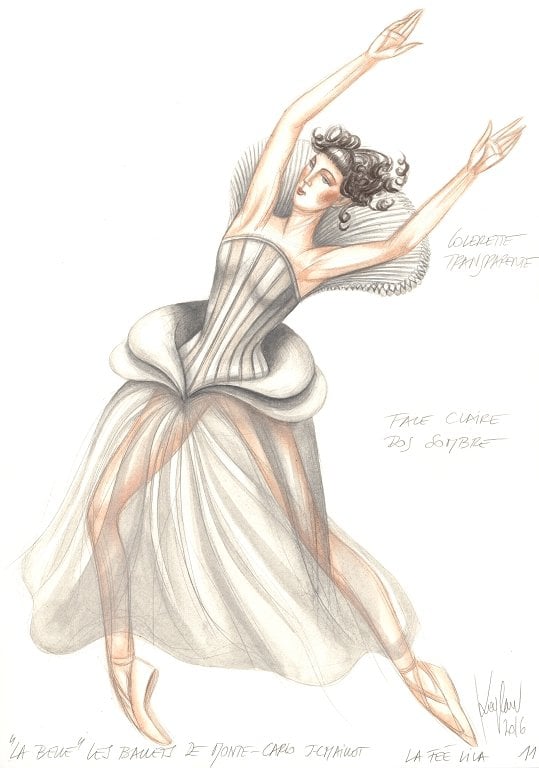
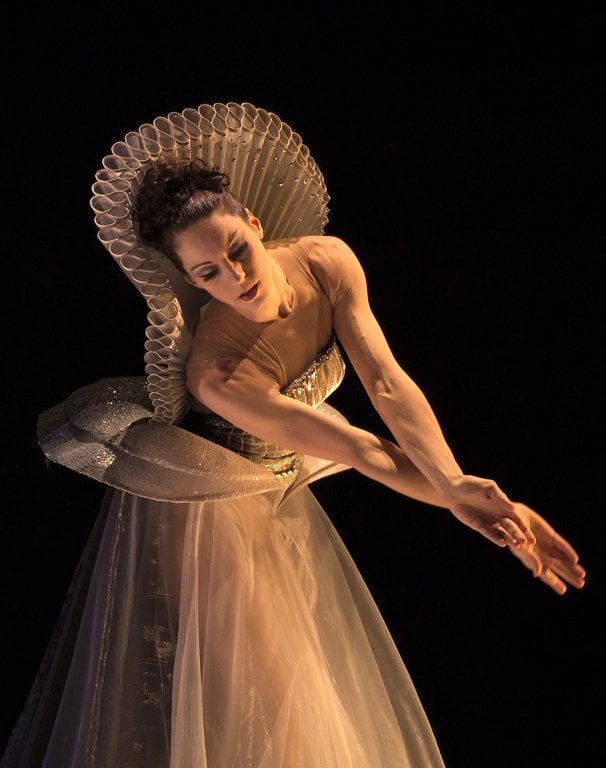
La Belle – Jean-Christophe Maillot
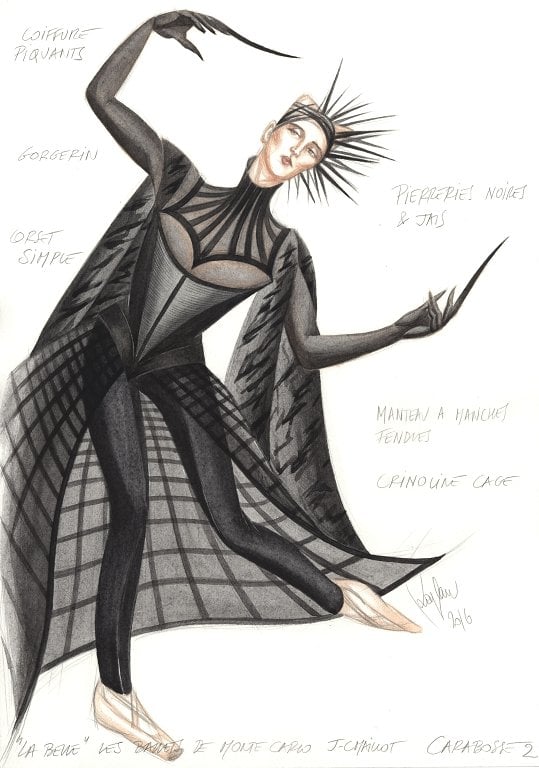
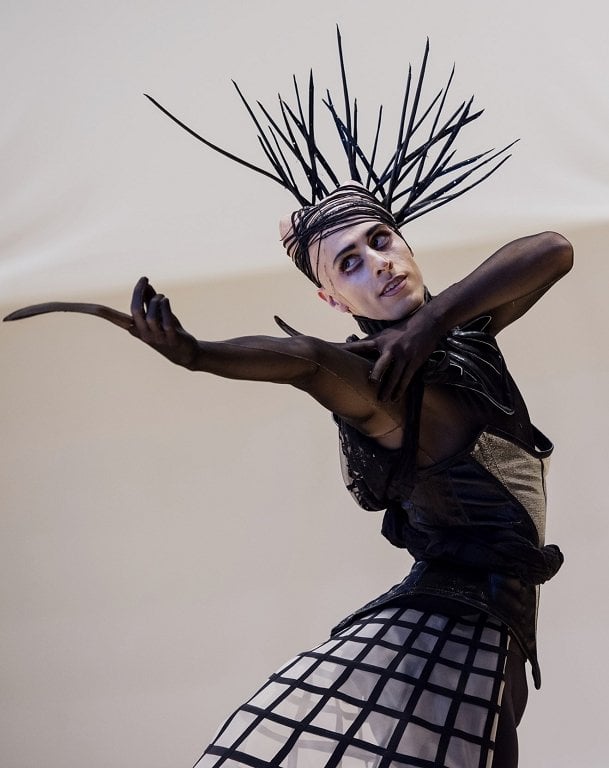
Your scenography teacher was Pierre Hardy, who later designed for Christian Dior and Hermès. What did you learn from him?
Maybe Pierre gave me a touch of modernity and elegance? Pierre was very young at the time, about 30, and already worked at Hermès – I was 21. He fascinated us in a way – always very well dressed, with long hair, and an ivory convertible car. He was more like a big brother to us, who pushed us to be more radical and simpler. To give meaning to our creations, to find strong ideas, not to get lost in technique… Pierre drew very well, and that clearly pushed us to try to equal him.
Yet you distrust fashion designers working for the stage. Why?
Creating costumes for the stage is very different from fashion. Of course, there are many designers who have made very beautiful things for stage, like Yves St Laurent and Karl Lagerfeld, for example. But most of the time, designers create things that are not visible from afar and that are not very suitable for movement.
Also, creating costumes for a show is above all working on characters and stories. Defining an aesthetic, and finding a style that is representative of an era without literally copying history, are problems that we stage designers must solve. Also, we try to create costumes that will not go out of fashion, because productions that cost a lot of money will sometimes last for decades. Fashion goes out of fashion – shows must be more timeless.
The fashion designer is often asked to design for a show, above all for the advertising and the image that it brings. Unfortunately, it is often a failure and without much interest.
You have designed several different stagings of the big beasts of the operatic and balletic repertoire – how do you prevent classic works from looking stale or predictable?
I try to create what I would like to see! I try to simplify and clarify the space, removing the unnecessary as much as possible, the same thing for the costumes and the characters. I try to clarify the dramaturgy visually as much as possible. As Gabrielle Chanel said – I remove, I remove, I remove.
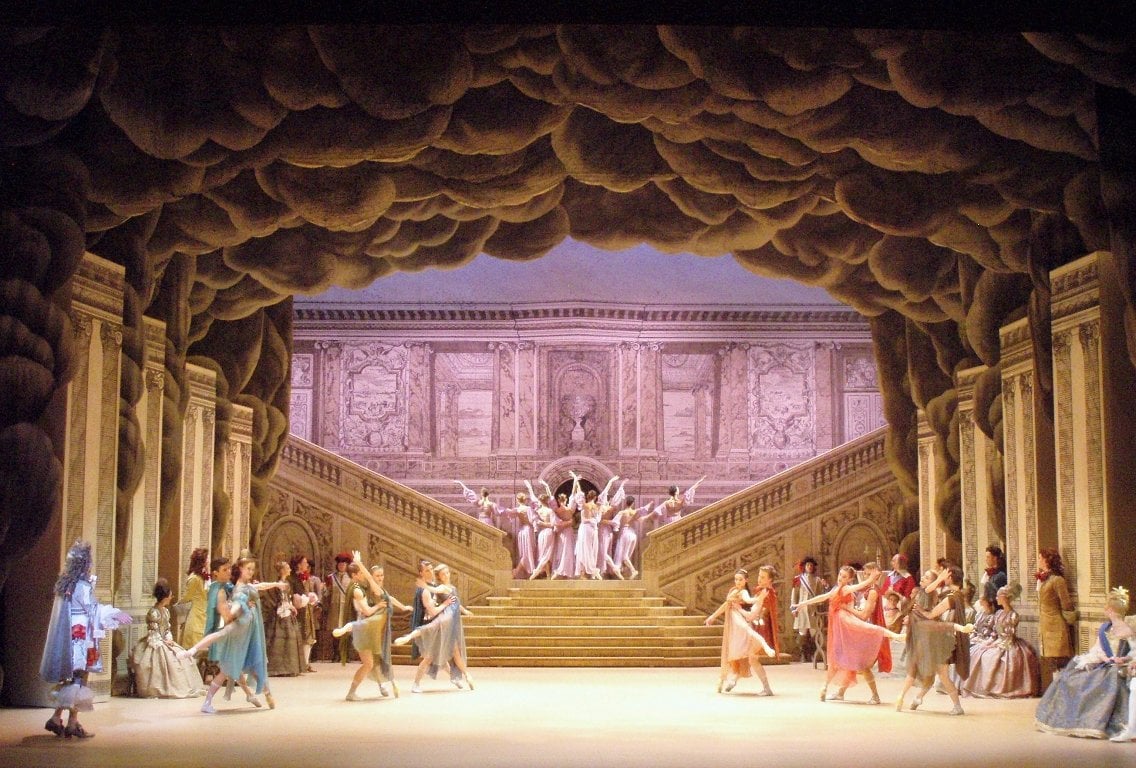
Sleeping Beauty – Christopher Wheeldon
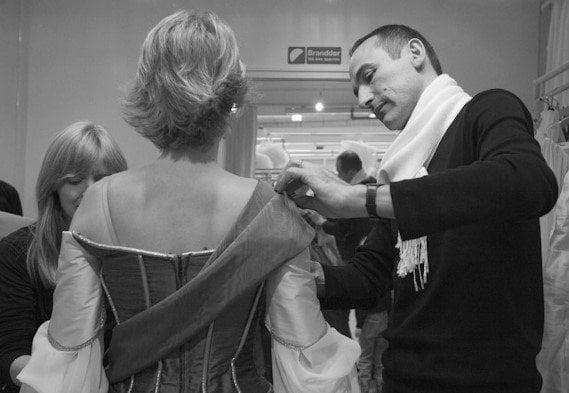
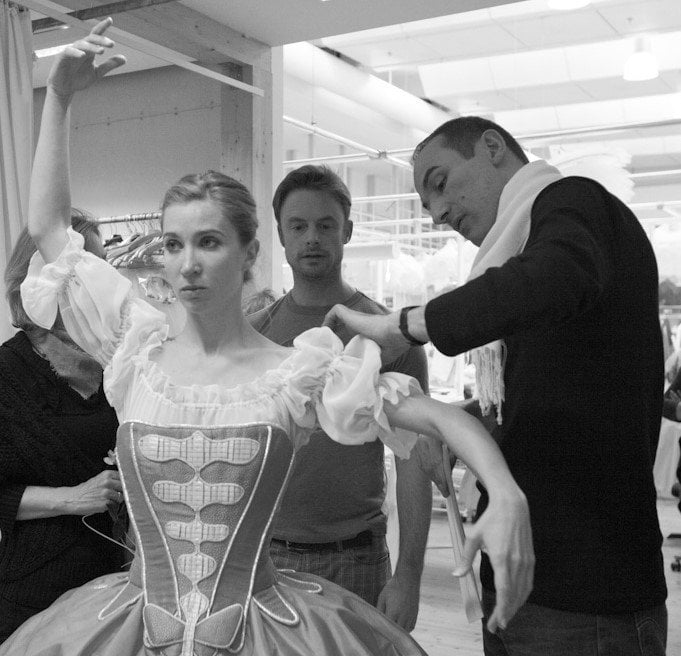
Who are the designers that you particularly admire – and why?
They are many – Léon Bakst, Christian Bérard, Jürgen Rose, Ezio Frigerio… I love them because they have managed to create their own world, their universe, each with a very different personality. It is their work as a whole that inspires me and pushes me to try to equal them. I still have a long way to go!
Where does design fit in the equation between the music, the performer and the audience?
Design comes after the music and the performer of course. Beautiful scenography does not save a bad show! On the other hand, a beautiful play or beautiful choreography can be really sublimated by beautiful and clever scenography. We scenographers are there to highlight the music and performers. I always make sure to help the performers so that they feel good, that they feel beautiful. This is the duty of a good stage and costume designer.
And for anybody considering a career in stage design, what is your advice?
Be yourself! Learn how to draw first, educate yourself, open your eyes, always be curious and dream. You must always have a vision, a personal point of view, and when it exists the work reveals itself and comes to you.
It’s a great job, which has few chosen ones, but you have to try your luck!
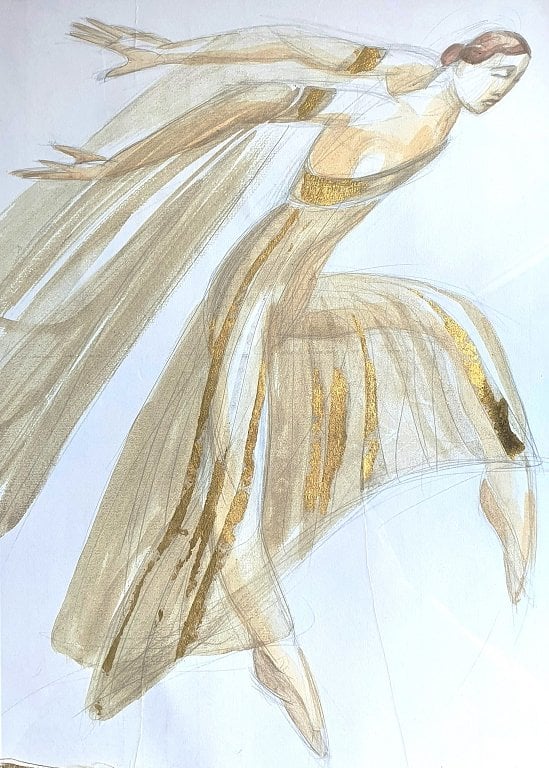
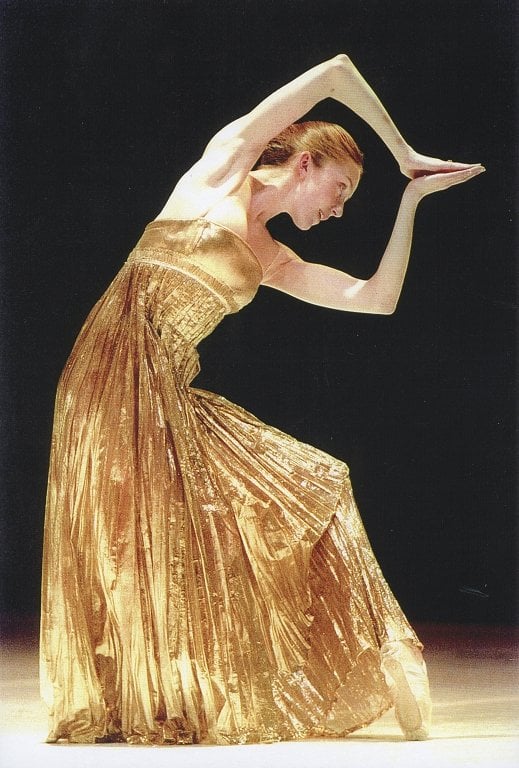
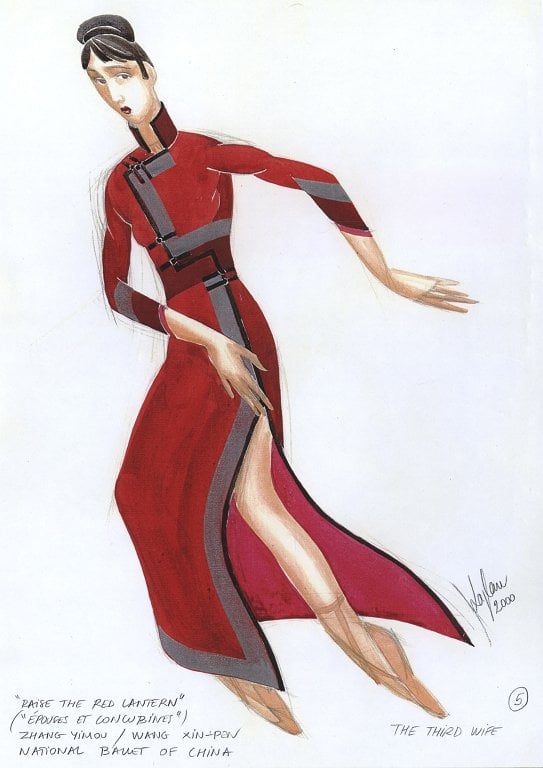
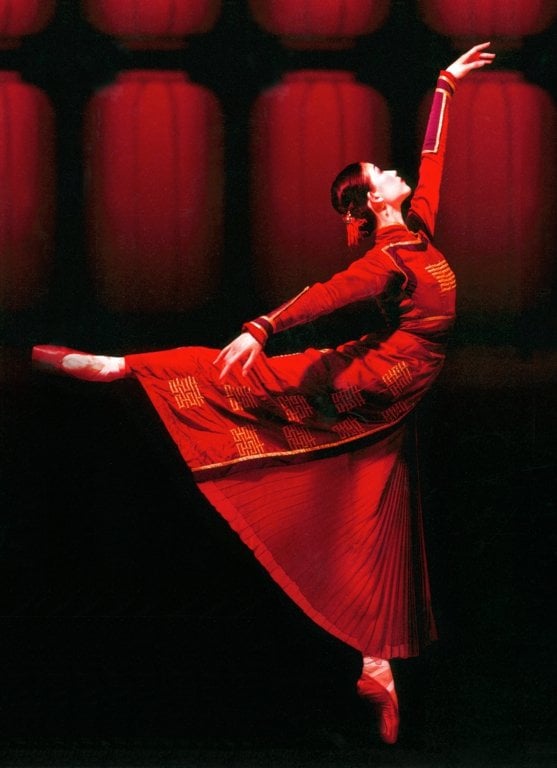
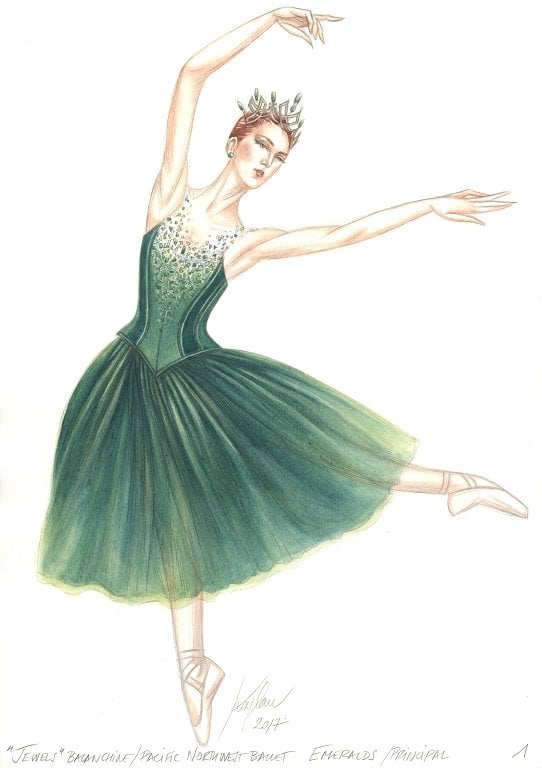
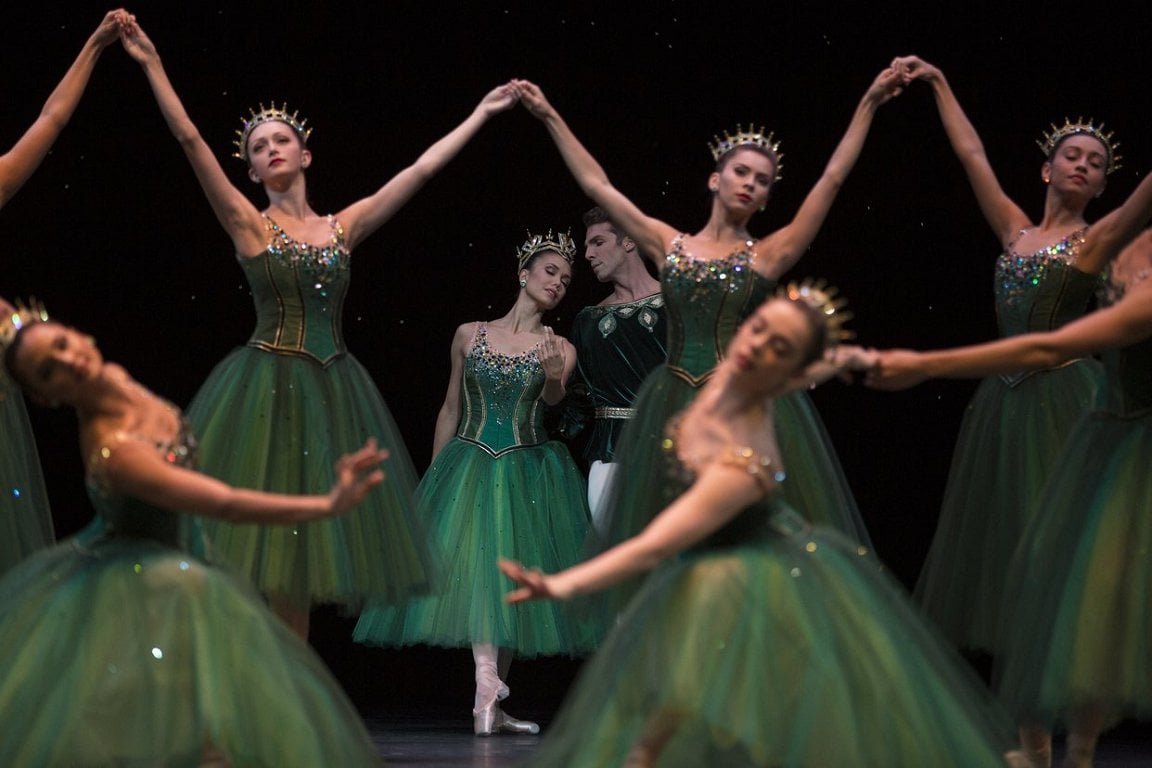
Roméo et Juliette (Jean-Christophe Maillot) – Raise the Red Lantern (Zhang Yimou) – Jewels (George Balanchine)
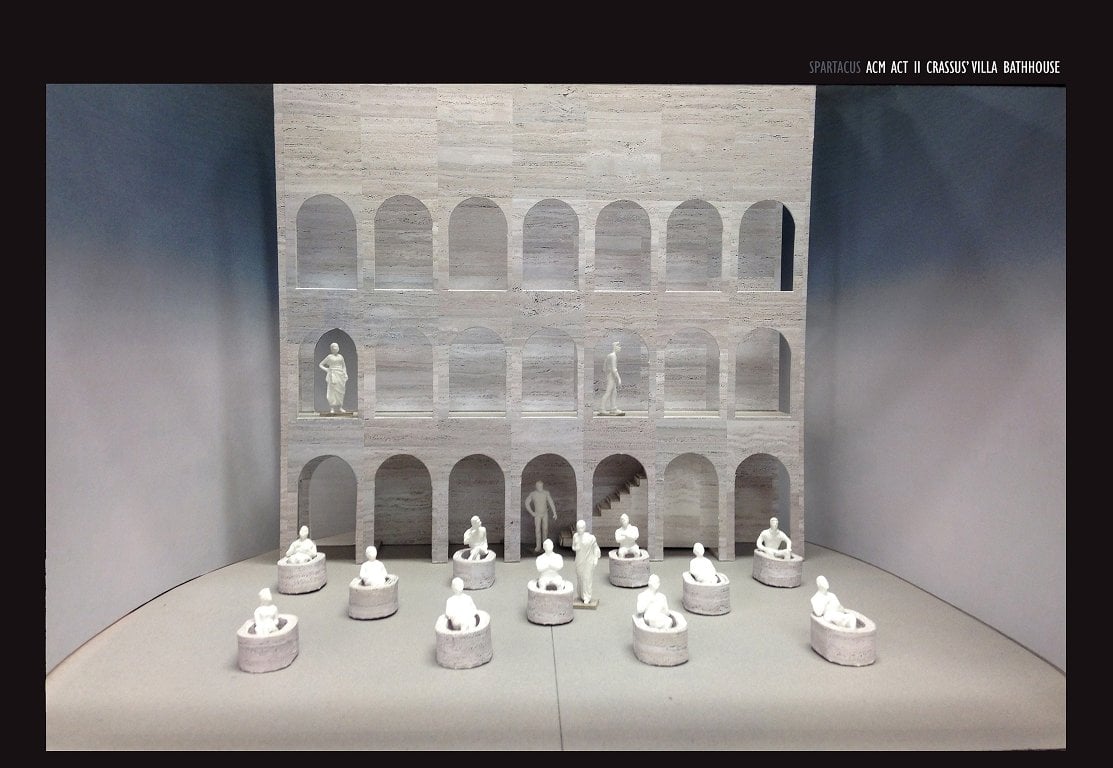
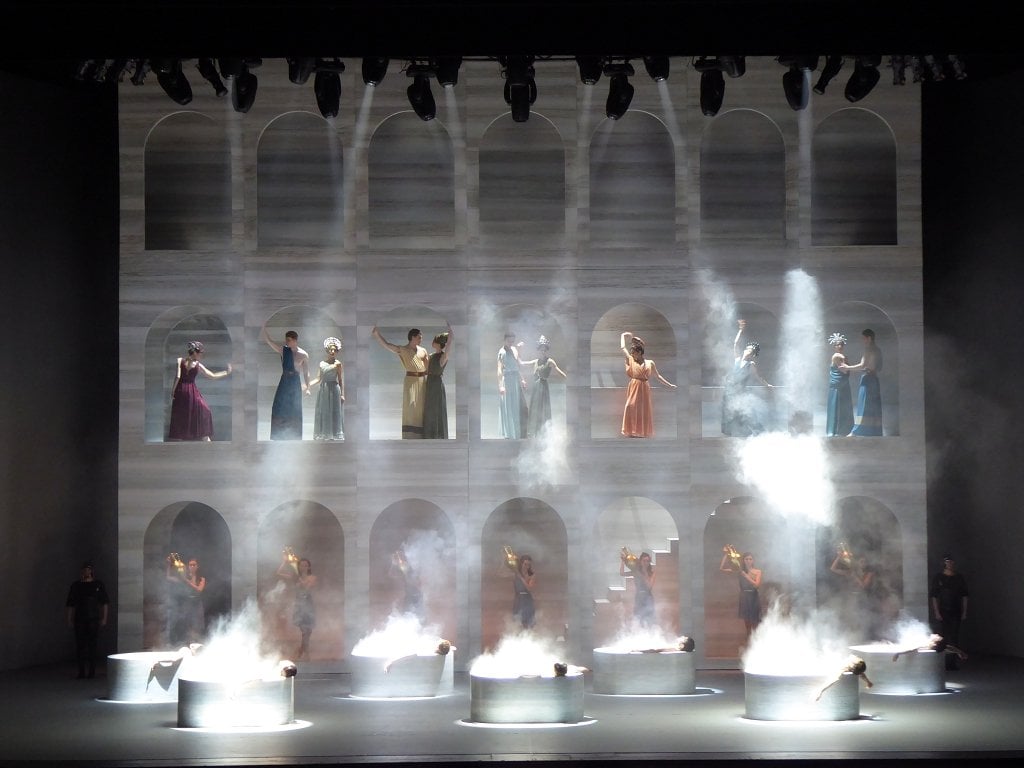
Spartacus – Lucas Jervies


Paul Arrowsmith has been watching dance for 45 years after Peter Wright’s Sadler’s Wells Royal Ballet was his baptism in dance in the UK. He wrote for Dancing Times between 2010-22, reporting from China, Greece, Italy, France, Switzerland, Germany and Denmark, along the way interviewing Alessandra Ferri, Akram Khan and Miyako Yoshida among many. He has a particular interest in design for dance and has profiled the work of Natalia Goncharova, Jürgen Rose, John Macfarlane and Anthony McDonald. Paul collaborated with Sir Peter Wright on his memoires Wrights & Wrongs and in 2016 was programme consultant for the BBC documentary, The Ballet Master: Sir Peter Wright at 90.


Great to know more about those offstage. I know Kaplan’s brilliant work with Ratmansky, but the Maillot collaboration seems fruitful. I’d like more interviews like these.
Mr. Kaplan has a thriving career . Having seen some of his designs in the theater , I would characterize is work for the ballet as uneven , to say the least. His “Paquita’ sets for the Munich State Ballet of Munich ; wonderful costumes – the first and second act sets are wonderful – but not the third.. “Swan Lake ” – only the costume for von Rothbart as the “owl” is good – the rest ? Meh ! The sets ? Not very good …lacking in imagination . “La Bayadere ” for the Berlin State Ballet – gorgeous costumes ,the first act set is very evocative – but the rest are feeble …