[Interview] Tamas Detrich’s first five years as director of Stuttgart Ballet
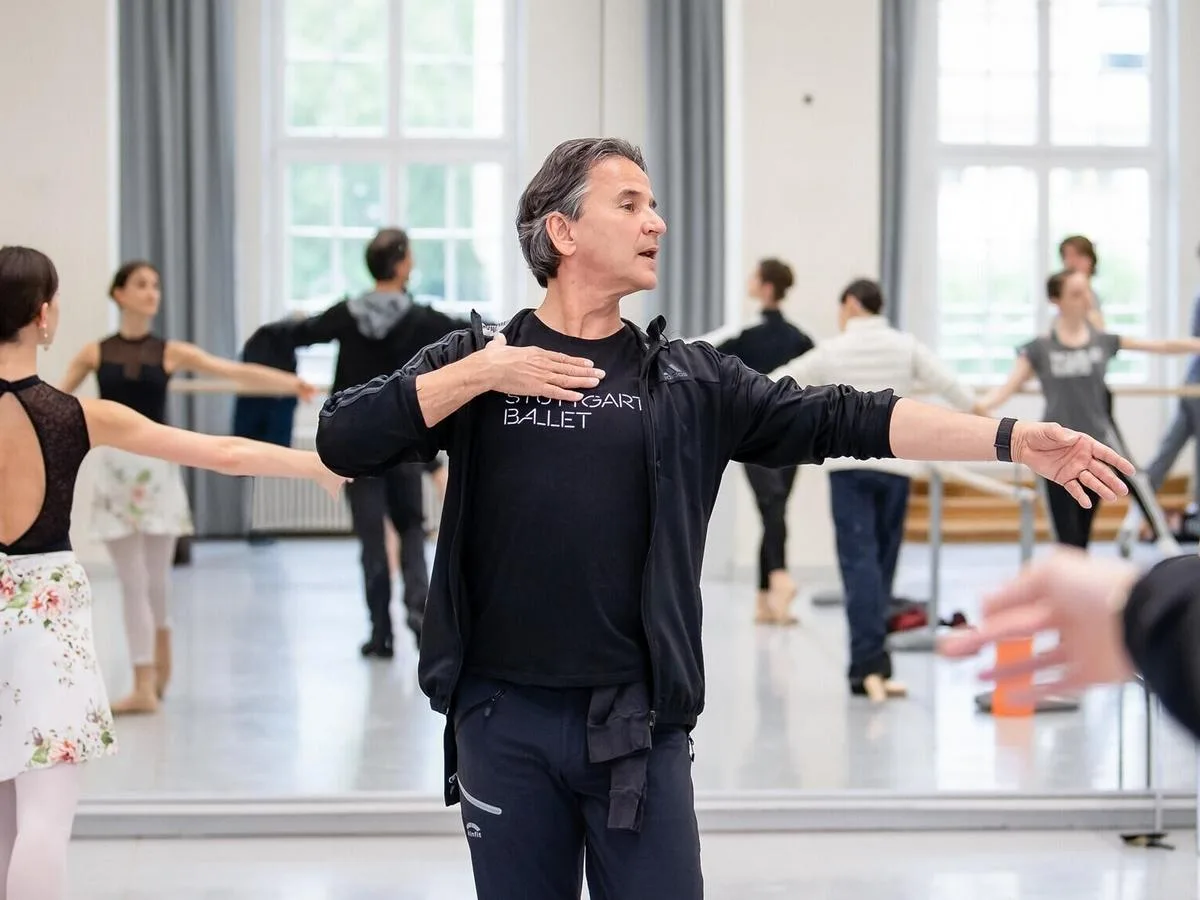
Tamas Detrich’s career with Stuttgart Ballet spans over 45 years, first as a dancer, later as a ballet master, artistic associate then associate artistic director. He became artistic director of the company in 2018. Here Detrich – and four of his company – talk to Paul Arrowsmith.
Five years as director and your contract renewed for a further five – what have been your major achievements so far?
First and foremost, to have brought our dancers through the pandemic in good mental and physical health. Then, managing to present 30 world premieres in the last five years – in spite of the pandemic. And lastly, we are back to being completely sold out for pretty much every single performance. We made great efforts to maintain contact with our audiences at all times and it has paid off. They are back.
How did you and the company survive the pandemic?
During the lockdown, I went right up to the minister-president of our state, Winfried Kretschmann, to negotiate special exemptions and working conditions for our dancers. I insisted he rank them with Olympic and other top athletes in order to get them back into the studio and not taking class in their kitchens. Luckily, Ministerpräsident Kretschmann regularly attends our performances, so he understood right away. This helped us get back into the studio quickly albeit with massive distancing and safety precautions.
Then I acquired sponsorship for livestreams and tried to keep as much as was originally planned on the schedule so the dancers always had a goal to work towards – we had quite a few premieres via livestream. Most importantly, the German theatre system is so strong and well-organised, culture is so valued here that not one person had to take a cut in pay or was let go. I think this is amazing when I see what happened in other parts of the world.
As bad as it was, I feel that all of us – dancers, staff and especially the audience – have realised how special and irreplaceable live performance is. If anything, it has strengthened our belief in what we do. When I see the audience euphoric after a performance and leaving the theatre animatedly talking to each other or sunk in thought or even crying, then we have achieved our goal to reach people and touch their lives.
How healthy is your funding regime here?
Our funding remains extremely high and very stable. The State Theatre Stuttgart is subsidized up to 80 percent. Half [of that] comes from the state of Baden-Württemberg and the other 50 percent from the city of Stuttgart. [The remaining] 20 percent of our budget is generated through ticket sales. As mentioned, the German theatre system as a whole is unique and it provides an incredible environment for producing new work. It is what allows us to present so many world premieres.
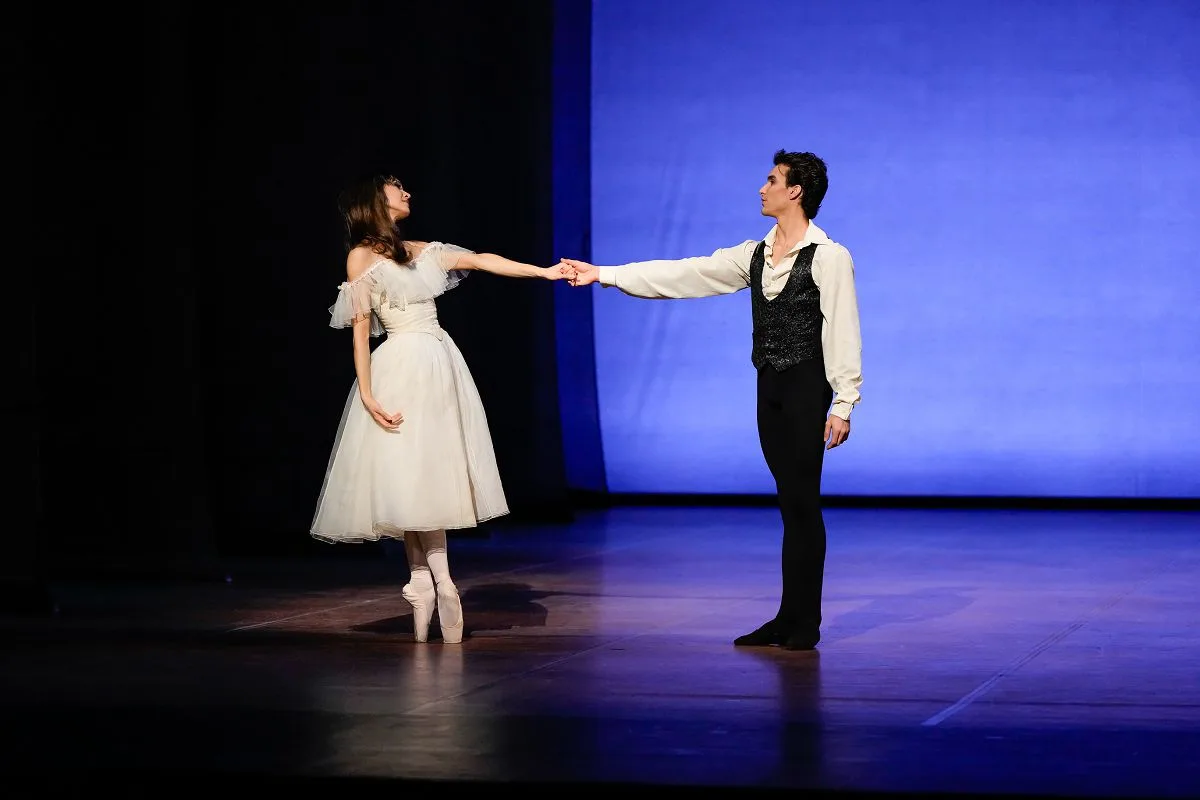


What is happening about the redevelopment of the theatre?
The renovation of the opera house in Stuttgart is a long term, multi-step process. First, we will need to build an interim opera house and then renovate this one. The planning for the interim has only just begun. Cost estimates are up to €900 million.
Sharing the opera house must limit what the company can do?
We work very closely with our colleagues from the Stuttgart State Opera on scheduling, no question. We share a stage and the orchestra, so compromises always have to be made. But it always works out.
Does the company perform enough?
To be honest, with the number of dancers we have – 70 – we couldn’t perform more even if we wanted to. Including touring, we average almost 100 performances a season, depending on the schedule.
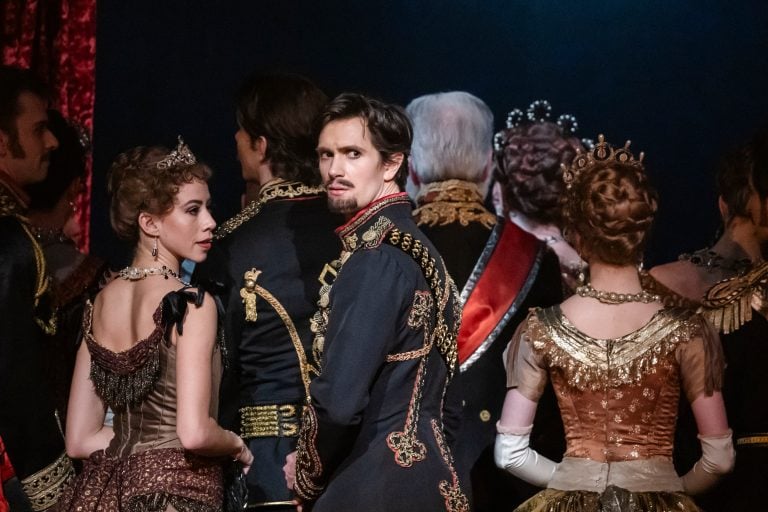
I work intensively on touring as I feel it is essential for us to be present around the world. I would love to bring our [2019] production of [Kenneth MacMillan‘s] Mayerling on tour. That said, since the pandemic, costs of touring full-length productions have skyrocketed. Without a sponsor, it seems almost impossible.


How do you recruit dancers currently – from the John Cranko Schule only? Or more widely?
At the moment our school is producing such good dancers that in some years I am hard pressed to give all the ones I would love to take into the company a contract. I have a special programme and can take up to seven apprentices, which has helped. That said, we also have dancers from all over the world audition individually and every season at least one or two dancers who did not attend the Schule join the company.
What has been the impact of the new Schule building?
For one thing we can now accept more students, including in our residence hall for foreign students or students from cities all over Germany. We are also able to offer a short summer school. This year 160 students from all over the world attended. Most importantly for the company, we have a rehearsal stage with the dimensions of the opera house stage, and this makes our lives so much easier when rehearsing full-lengths or new works.
What is your guiding principle in balancing the rep?
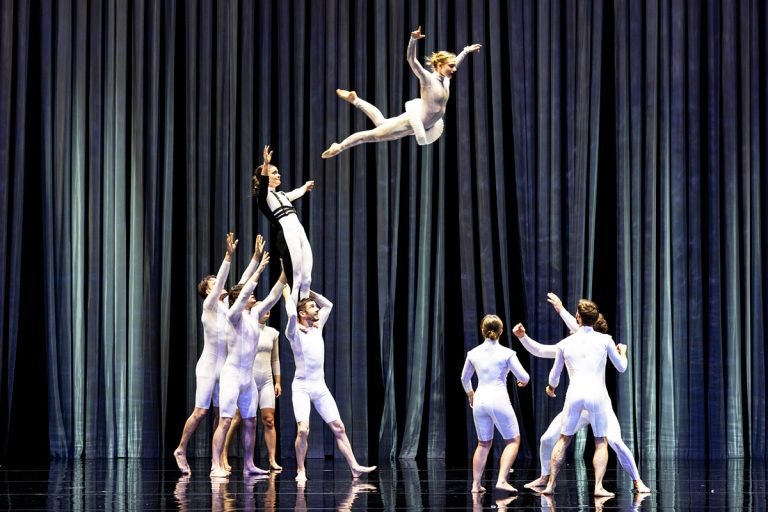
At least two classics per season in order to keep up the dancer’s technique. At least one major work by our founder John Cranko. As many world premieres as possible. This is in our DNA. It’s what the Stuttgart Ballet has done since 1961 and it has provided us – and our audience – with one of the most diverse repertoires in the world. Lastly, to add existing masterpieces that are missing in the repertoire.
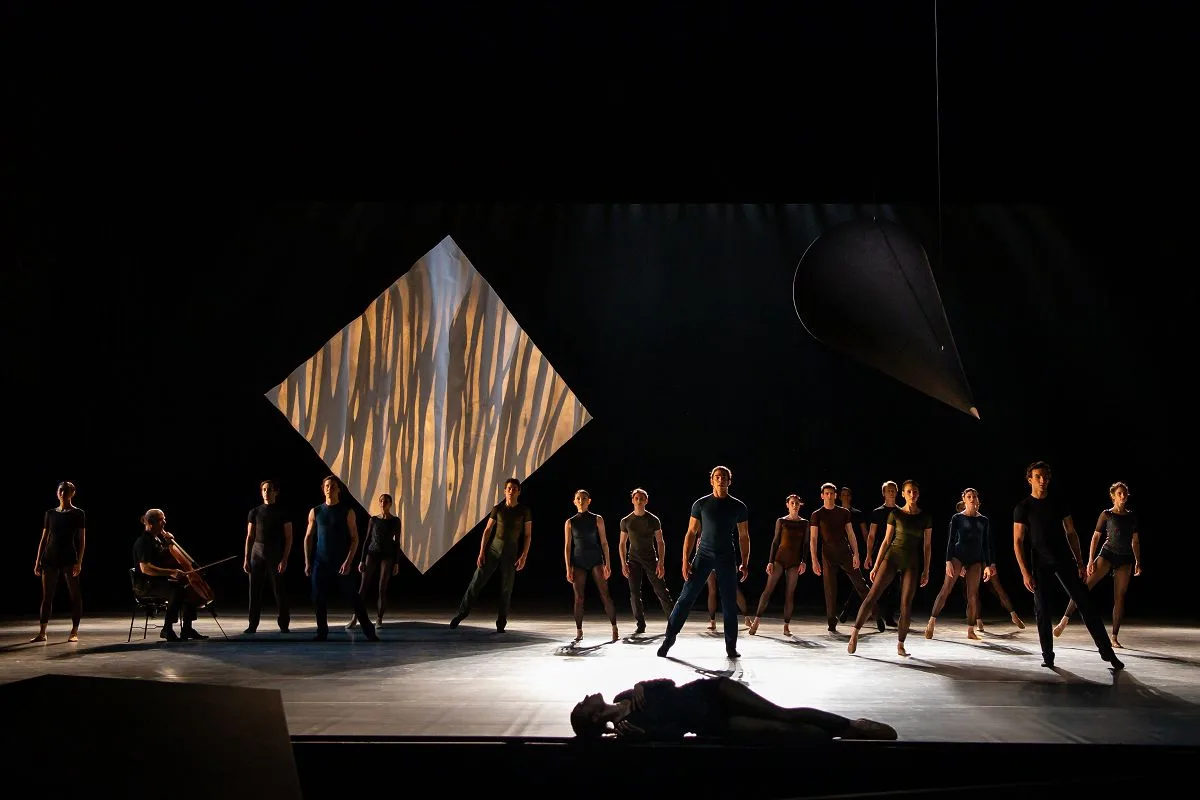


Talk us through your choices for your 23/24 season…
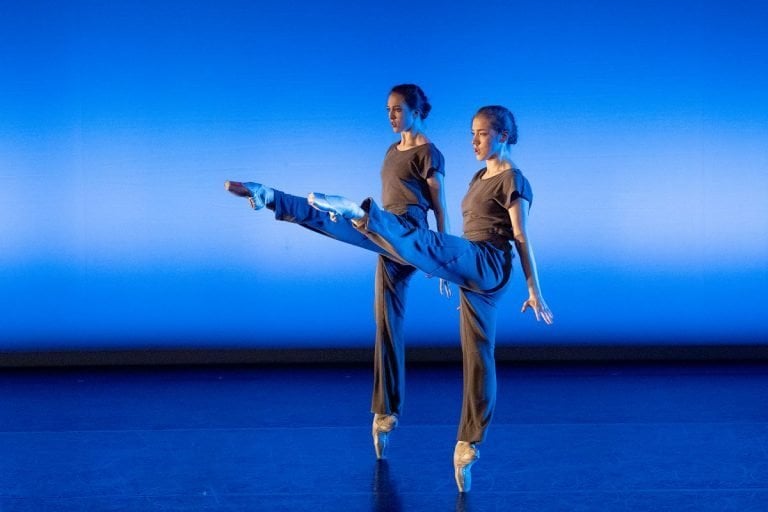
First of all, five world premieres. For the fifth edition of our ‘Creations, series [for which] I have commissioned Vittoria Girelli from within the company, Samantha Lynch from Norway, and Morgann Runacre-Temple from the UK. For a double bill in June 2024, our artist in residence Roman Novitzky will create his first work for the opera house stage and David Dawson will create his first for Stuttgart.
We will revive John Cranko’s Romeo and Juliet, his Swan Lake and will present a triple bill combining Natalia Makarova’s The Kingdom of the Shades with William Forsythe‘s Blake Works I and a revival of Uwe Scholz’s glorious Seventh Symphony.
I know Cranko’s Romeo and Juliet always sells out here when booking opens, but surely, it’s time for a new production here by a contemporary choreographer?
Should an interesting choreographer offer a convincing and intelligent alternative, why not?
There has always been an emphasis in Stuttgart on new work, but how many new works get revived?
Admittedly of the one-acts by younger choreographers, not so many. More so the works Jiří Kylián or John Neumeier made here – and of course, Hans van Manen‘s many works.
Or is that not the point?
Exactly. Dancers like to (need to!) have work created on them. Our audience loves to see new work and choreographers can only grow and develop if they continuously create… Eventually you get a work which stays in the repertory, but those are, indeed, few and far between.

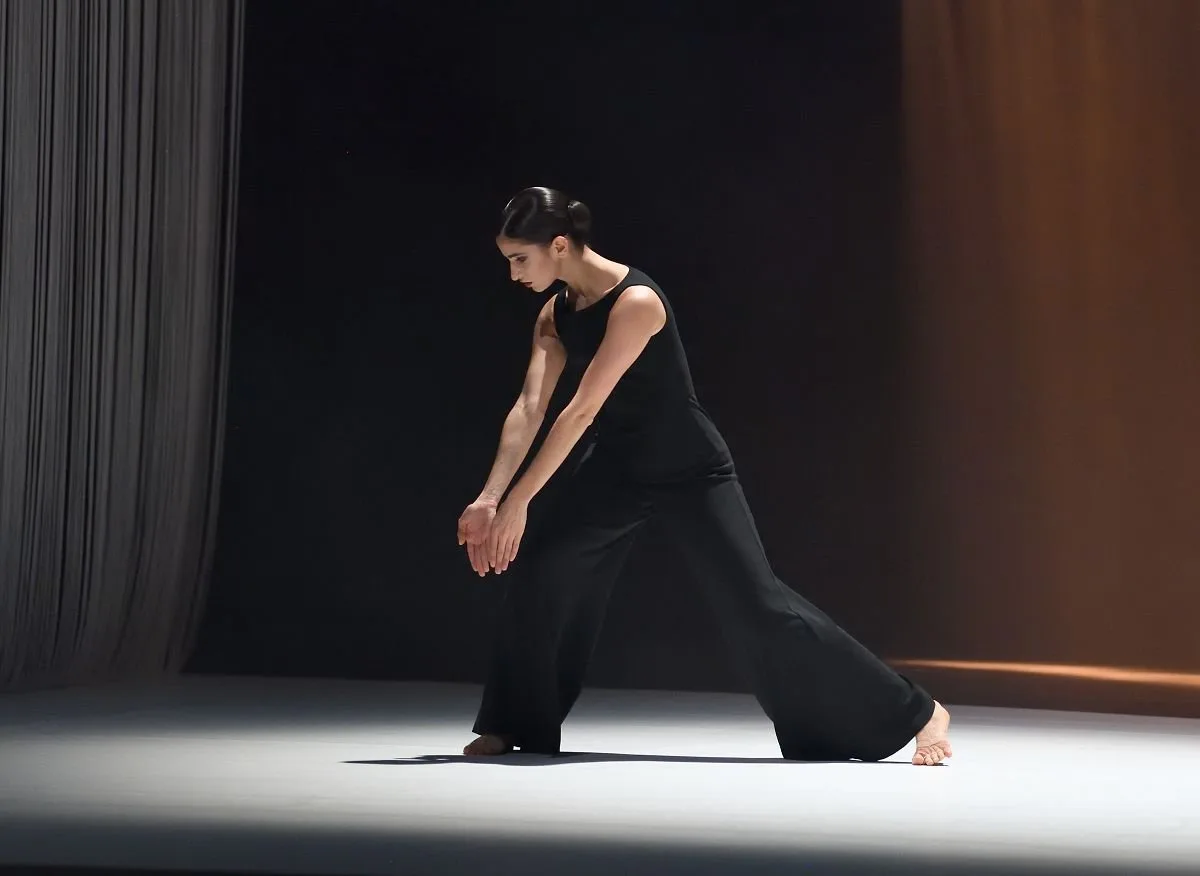

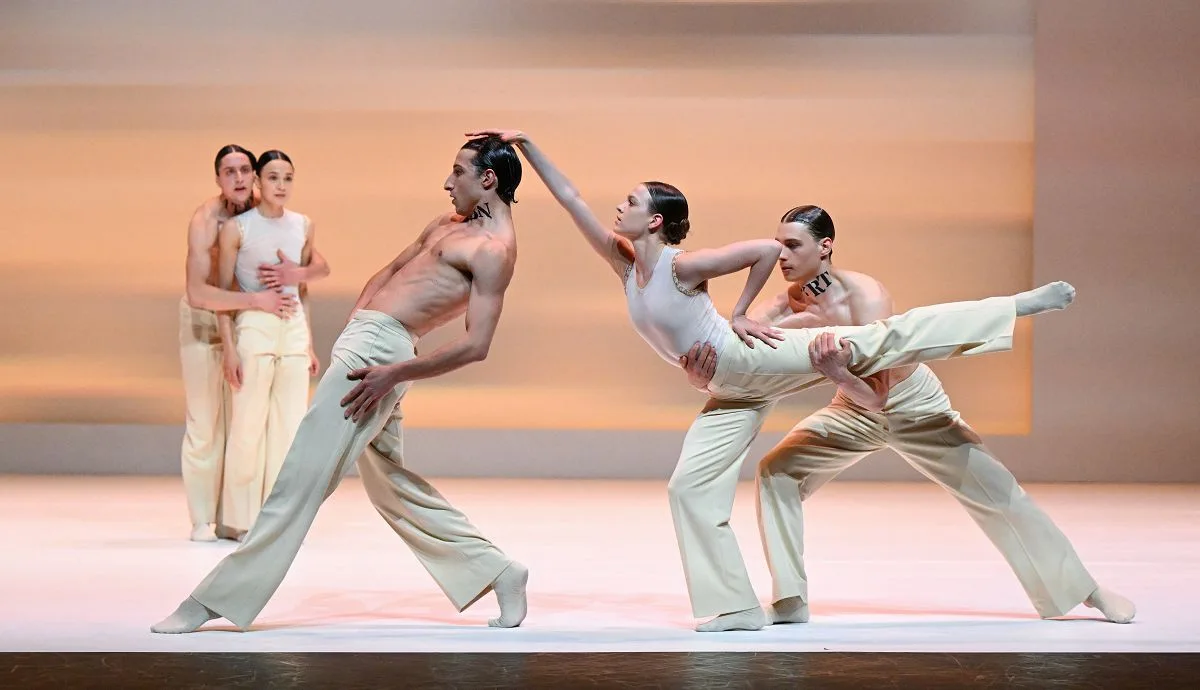
What’s happening with what was the Noverre Society and development of new choreographic talent?
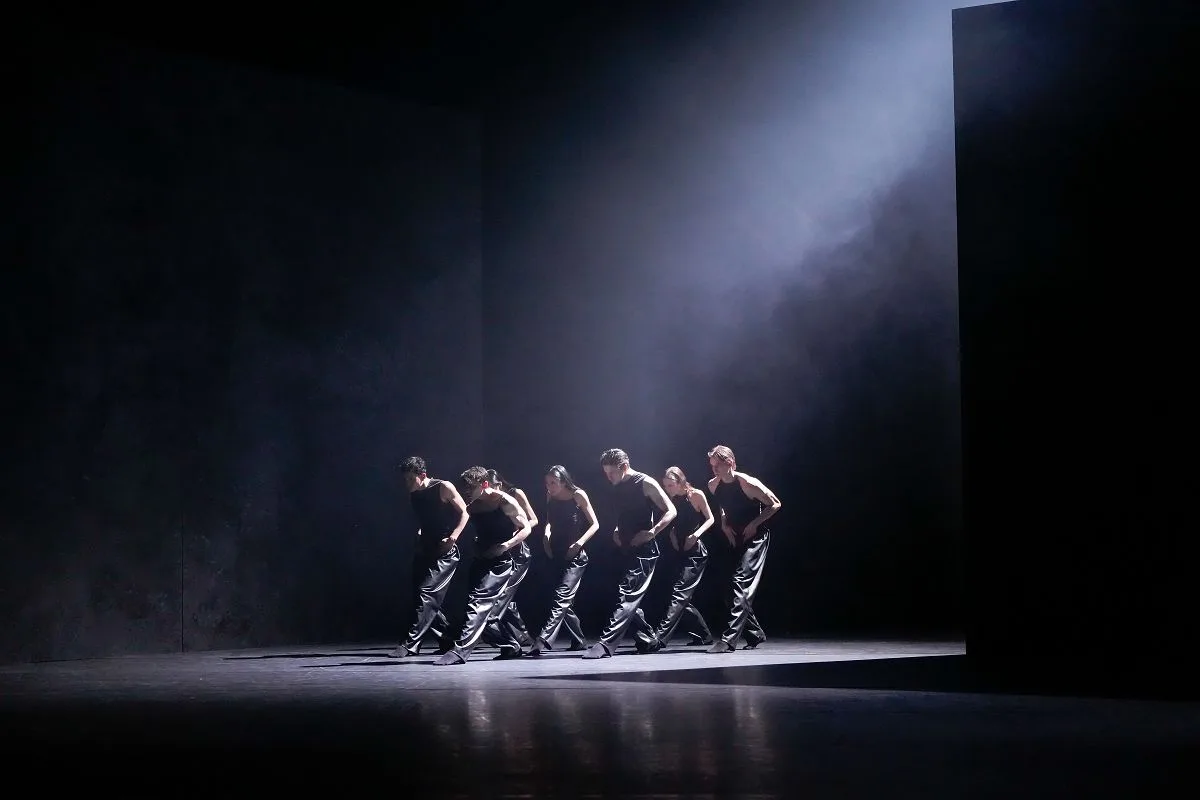
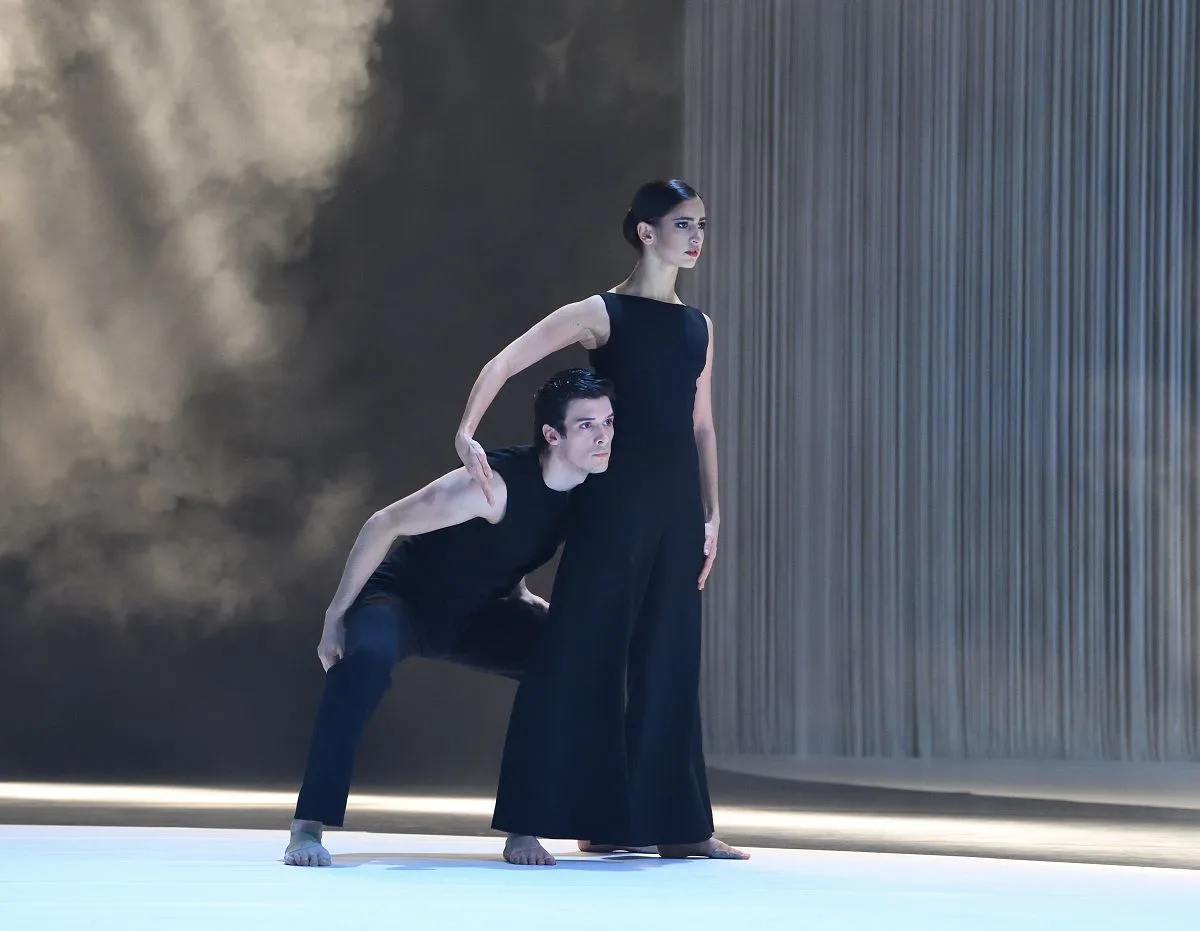
The Noverre Young Choreographers has been incorporated into the Stuttgart Ballet since 2019 after the Society, sadly, disbanded. This platform – one of the first of its kind in the world – is just too valuable and so I decided to save it by bringing it into the fold. I found a sponsor, and this enables us to not only continue giving chances to [emerging] choreographers, including guests from outside the company, but also to livestream their efforts. [So] Noverre Young Choreographers will take place for the 53rd time next season!
From the outside, how does a young choreographer attract your attention?
Every director has an individual taste. There is no formula. I generally look for interesting aesthetics or movement vocabulary and, of course, would it be challenging enough for my dancers?
Back in 2019, in the pre-pandemic world, word on the street was that Jürgen Rose would love to design MacMillan’s Manon here – any chance of that?
Not in the very near future, but … never say never!

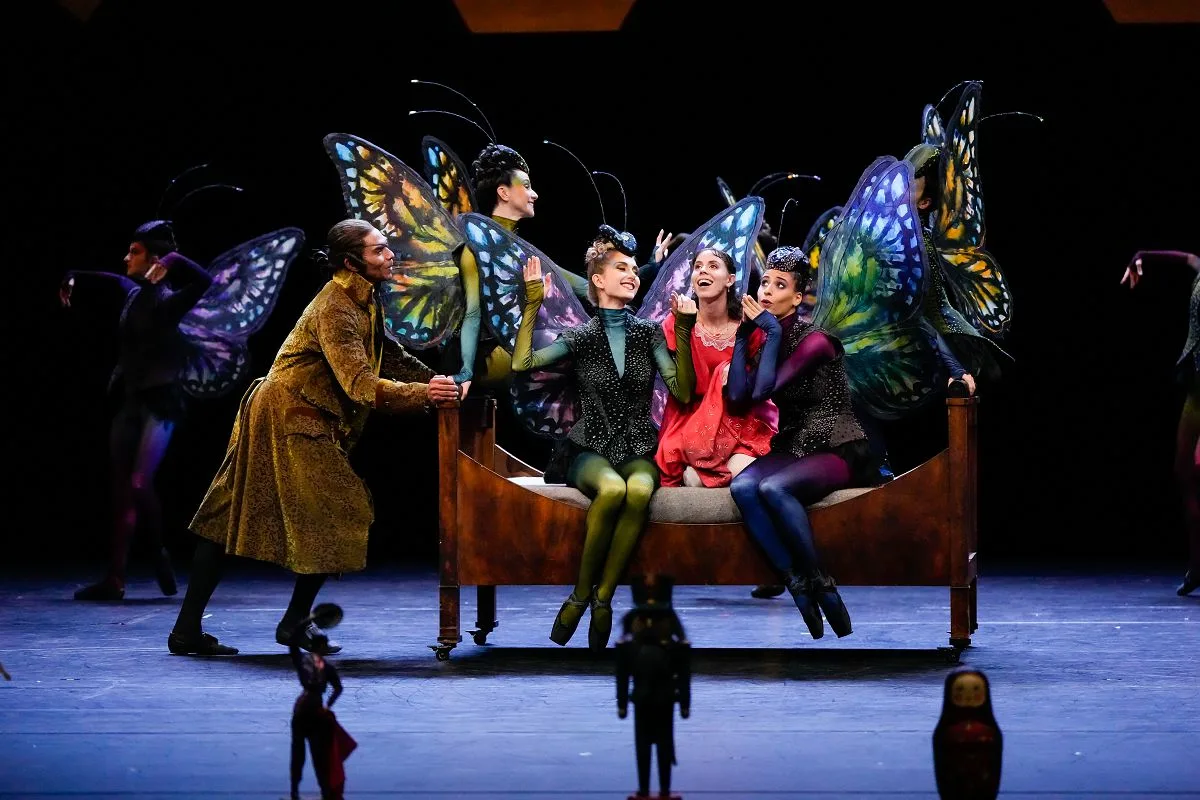

Jürgen brought his usual wit to Edward Clug’s Nutcracker last season, which you are reviving in December too, but what were you thinking of? Does the world really need yet another Nutcracker?
The world certainly doesn’t but – believe it or not – Stuttgart did. The Stuttgart Ballet had not performed The Nutcracker in over 50 years! Seriously, we must have been the only major ballet company in the world without a Nutcracker. But as we all know, it is such a wonderful ballet with which to introduce children to our art form. And let’s be honest – the music is simply marvellous. But for me it was clear – if a Nutcracker, then our own!
Fifty years on since John Cranko’s early death, if he had still been with us, what would he have been doing?
Goodness, I can’t really take it upon myself to answer that but I am sure he would have developed tremendously as a choreographer and possibly have given the world further masterpieces such as Onegin.
What can you tell us about the forthcoming Joachim Lang film about Cranko?
The film is a biopic. Lang researched for two years. He read every interview Cranko ever gave, spoke to all the people who worked directly with Cranko. The film basically tells the story of Cranko’s life from his arrival in Stuttgart until his death 12 years later but with some flashbacks to his childhood and his time in London. Joachim interweaves Cranko’s life and work. From what I have gathered from the script and the scenes I saw during shooting, it will be very poetic. It was filmed in German; no idea if it will make it to cinemas outside of Germany but of course I hope so.
[In the film, which comes out in 2024, Elisa Badenes plays Marcia Haydée with, among others, Rocio Aleman as Birgit Keil, Jason Reilly as Ray Barra, and Martí Fernández Paixà as Richard Cragun].
How did dancers here prepare for their roles in the film?
They were given quite a bit of coaching for acting in front of a camera. They had readings. They were helped with their lines and scenes although Joachim wanted them to be as natural as possible. Probably the best experience for them was working with Sam Riley, the actor who plays Cranko. He has made films in Hollywood but knew next to nothing about ballet or choreographing. He helped the dancers, and they helped him. Interestingly enough, all the originals – such as Marcia Haydée or Egon Madsen or Birgit Keil, so all those who knew and worked with John – were very taken with Sam. They felt he was perfect for the role.
The big Crankos have been filmed in recent years – any other works to be captured commercially?
We are in discussions with Unitel, which produced the three Cranko films… nothing concrete yet though.
There has been a recent but overdue flurry of books about Cranko – tell me about the Stuttgart Ballet’s new book about Cranko, how it came about, and its scope?
The foundation for this book [to be published in October 2023] was laid down by two local journalists, Petra Olschowski and Julia Lutzeyer, who, over the course of several years, conducted interviews with people who knew or had worked with Cranko. Thank goodness too, as some of them – Richard Cragun, Fritz Höver [founder of the Noverre Society], Heinz Clauss [former principal and director of the Cranko Schule] – have passed away in the meantime.
The intention was to make a book out of the interviews but for diverse reasons this did to come to pass and Olschowski and Lutzeyer gave the texts to our dramaturg Vivien Arnold. She in turn commissioned a third writer – Angela Reinhardt – to conduct further interviews and is now editing the book. Next to 18 interviews with contemporaries of Cranko, the book includes a concise biography, an essay about his legacy as seen 50 years after his death, a very detailed catalogue of Cranko’s works, and many, many photos.


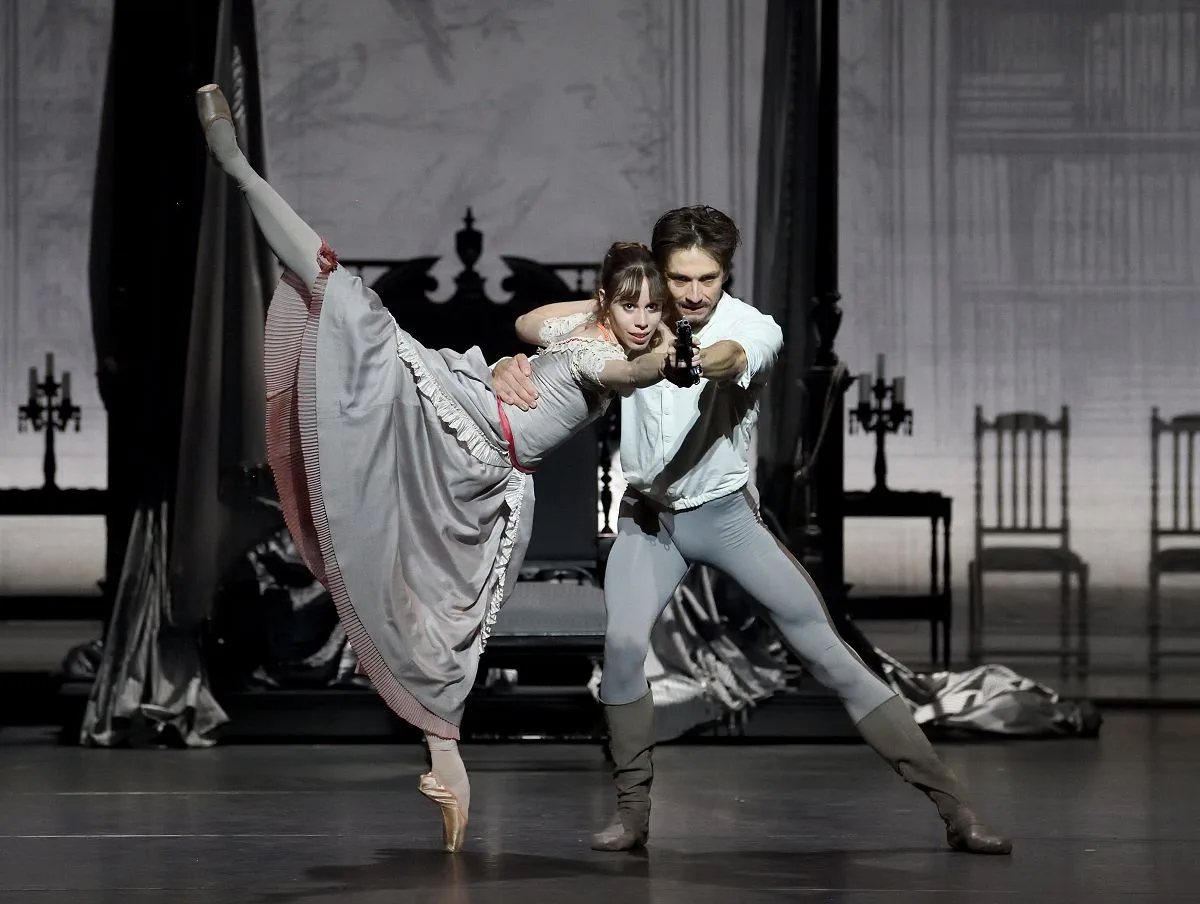
Does the Cranko heritage burden you as director?
How could it? I grew up dancing his work. And what director wouldn’t want such amazing ballets which challenge dancers while at the same time allowing their individual interpretations? I consider myself lucky actually. The Cranko heritage includes the emphasis on new work, on encouraging young choreographers and on diversifying the repertory. These are all seeds which Cranko planted, and they continue to bear fruit.
Your programming has lent on Cranko’s three-acters, much less on his one-act works. Why?
In the last years of my predecessor Reid Anderson’s tenure, we danced a lot of the one-act Crankos quite frequently, so I wanted to wait a while before reviving them again. That said, the very first piece danced under my directorship was Cranko’s Concerto for Flute and Harp.
And now for the 50th-anniversary programme you have selected Initials, alongside MacMillan’s Requiem. Why those works and not another Cranko in memoriam ballet, Glen Tetley’s Voluntaries?
Stylistically I feel Initials and Requiem fit better together. I adore Voluntaries though and will surely bring it back at a fitting moment.
Meeting you five years ago in your office, with the portrait of Cranko over your shoulder, I wonder how palpable the spirit of Cranko is among the company.
Almost all the dancers who join the company – or choreographers or guest ballet masters who come to work here – say the same thing: there is such a warm, supportive atmosphere. It’s very international and very relaxed in terms of rank. And this goes back to Cranko, to how he envisioned a company can be.
I often give young dancers the chance to dance leading roles and in this they are helped and encouraged by their peers and the ballet masters. I also take as many rehearsals as possible so that I can pass on what I learned from all the dancers who worked with John.
Parallel to that, my door is always open and the dancers can come to me at any time to talk about what is on their minds. In addition, I have yearly meetings with each of them to talk about where they stand, what do they want or need. In other words, I see the person, not just the dancer.
Given the enormous changes over the past 50 years – in storytelling, audiences’ attention spans, multimedia techniques, in film, theatre, and perhaps more latterly in ballet – do Cranko’s story ballets still earn their place on stage?
I think the answer to that question lies with the audience: do these works still move and impact people, do they still want to see them? I’d say emphatically yes. Mainly because his characters are so utterly human, often flawed and thus, believable.
Last but not least, find me a ballerina on the planet who doesn’t want to dance Tatiana in Onegin. This is a powerful woman who makes her own choices. She sends the supposed hero of the ballet – these days we would call him a narcissist – packing. What could be more modern than that?
Rocio Aleman

Rocio Aleman, a principal, whose repertoire includes Tatiana, describes the appeal of working in Stuttgart:
It’s super nice to work here at the Stuttgart Ballet. It is a wonderful company, not only because of the huge variety in the repertoire but also because of the atmosphere and the working environment that we have. We all are like a big family and I think that is also visible on stage. I think Cranko plays a big role in that, it was always so important for him to show the human side.
I also am very happy with the repertoire. We can go from something modern into something completely classical within weeks. Of course, it’s challenging, but I think it’s important as a dancer to be able to adapt to these things. It helps you to grow and to develop as an artist. Always exploring something new. I find also at Stuttgart Ballet the ballet masters are more than just our teachers. Like us all, they are a part of this family, so it has this sense of parenthood. I like it that you can feel very comfortable with them and they bring the best out of you.
Our daily life is very busy, but of course it’s part of our job. When I am not dancing, I always try to explore new things, discover the city, and enjoy free time. Because that’s also very important as a dancer: to always remember that we are humans first and after that comes, of course, our career. To grow as an artist, we also must grow personally. And those experiences outside the theatre are also very important.
Martí Fernández Paixà

Martí Fernández Paixà, principal, says:
I personally identify with the repertory that we have. I love interpreting romantic and dramatic roles such as Onegin or Armand in [John Neumeier’s] Lady of the Camellias, but at the same time having some challenging ballets like Initials, Kingdom of the Shades, Swan Lake… Then of course new works are being created. These sessions are special and having a choreographer creating from zero – on you – is always very exciting.
As a dancer, I find that one of the most important moments in the process of learning or reviving a ballet is the coaching. Here we have the luxury that sometimes we are coached by the people they were created for, such as Marcia Haydée, Birgit Keil, Egon Madsen… and they can pass on the information they got from Cranko,
Neumeier, MacMillan, or Tetley to name a few. Or to work directly with Jiří Kylián or Neumeier or Hans van Manen – this is also amazing.
I find the working environment in Stuttgart is very special: I always feel welcome and at home when I enter the theatre. I am supported and that helps to make it a passion not work.
Vittoria Girelli

Vittoria Girelli, demi-soloist and choreographer, says:
In Stuttgart, I got the opportunity to work with several great choreographers and meet wonderful people. I feel I have grown as an artist year by year with the fantastic opportunities that our artistic director Tamas Detrich and this entire theatre gave me.
I have also been able to cultivate my passion for choreography. Tamas always supported me as a choreographer, and this has made me feel free to experiment and express my art. Another thing that I love about the company and that makes Stuttgart Ballet special is the relationship we have with one another and the support between us as colleagues. I’m looking forward to seeing where my journey as a dancer and choreographer is heading.
Fabio Adorisio
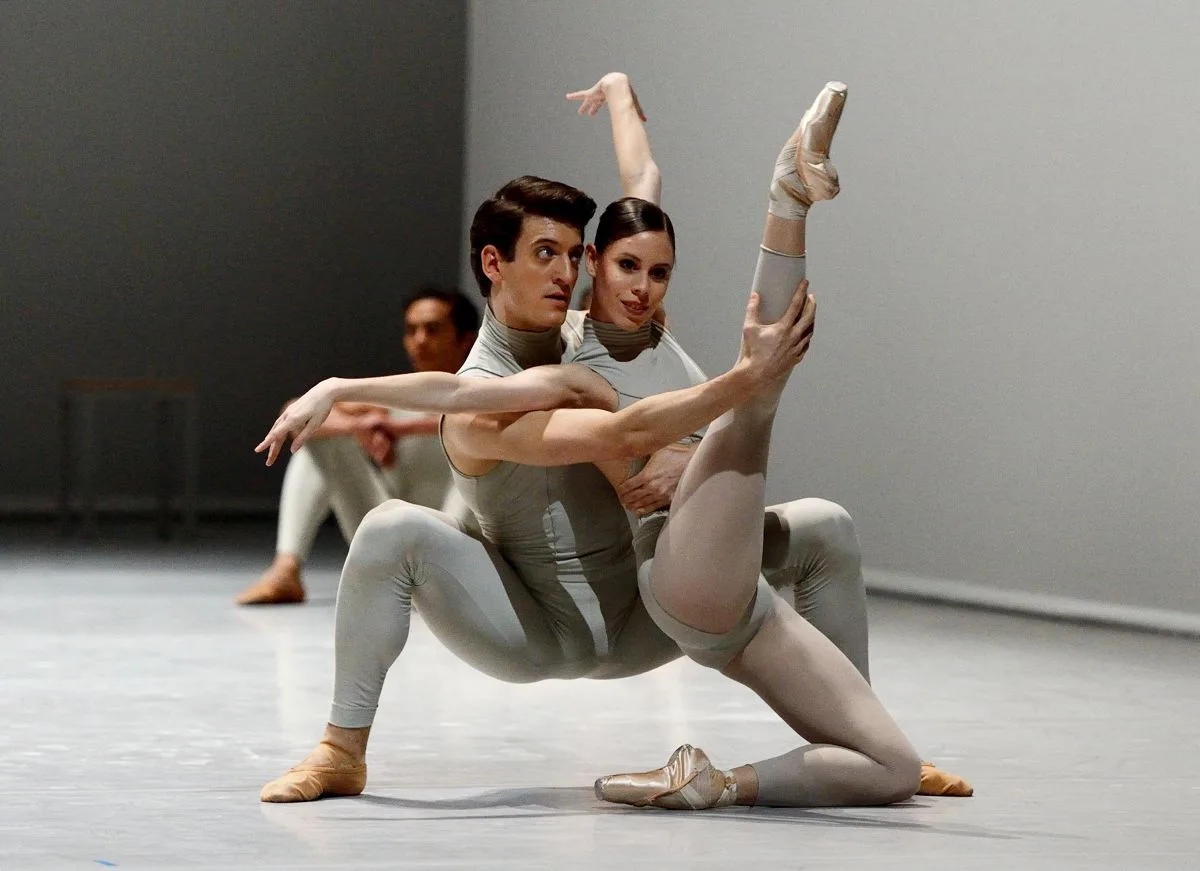
Fabio Adorisio, soloist and choreographer, says:
After 12 years here – two in the Schule and ten in the company – I can say that Stuttgart is like home. When you are in the studios [here] you really feel something special between those walls. You feel the spirit of the Stuttgart Ballet. I’m sure Cranko left something unique behind which will live forever.
I always say that Stuttgart Ballet is so special because of the people who are inside. During my 10 seasons with the company, I got the chance to dance a lot, to work with incredible choreographers and to perform ballets from this huge repertoire which made me the artist and person I am today. The repertoire is so varied. I have danced everything from Cranko’s unique ballets to the very modern and innovative pieces of Marco Goecke and many other great choreographers of our century.
For me, the studio is a sacred place, where I connect with my coaches, where they guide me through the role or the choreography and yet allow me to be myself and put in my own artistry. We get inspired not only by our coaches and their knowledge but also by our colleagues. It’s amazing, you can learn so much just by watching them. Stuttgart Ballet is inspirational, and this pushed me to explore the world of choreography. It’s amazing the support I received when I first started choreographing. I was only 17 years old when I made my first piece and doors were opened for me to continue. And it’s still amazing now, after 10 years, that Tamas still supports my art, my dance, and my voice.

Paul Arrowsmith has been watching dance for 45 years after Peter Wright’s Sadler’s Wells Royal Ballet was his baptism in dance in the UK. He wrote for Dancing Times between 2010-22, reporting from China, Greece, Italy, France, Switzerland, Germany and Denmark, along the way interviewing Alessandra Ferri, Akram Khan and Miyako Yoshida among many. He has a particular interest in design for dance and has profiled the work of Natalia Goncharova, Jürgen Rose, John Macfarlane and Anthony McDonald. Paul collaborated with Sir Peter Wright on his memoires Wrights & Wrongs and in 2016 was programme consultant for the BBC documentary, The Ballet Master: Sir Peter Wright at 90.