Review: Detention – Gary Clarke Company’s brave, politically themed work
Jonathan Gray sees Gary Clarke Company’s Detention reminding its audience that the freedoms we enjoy today shouldn’t be taken for granted.
| Title | Detention |
| Company | Gary Clarke Company |
| Venue | Brighton Corn Exchange, UK |
| Date | 15 October 2025 |
| Reviewer | Jonathan Gray |
It is rare, in the UK, for dance companies to tackle works with overtly political subject matter. Political timidity or indifference might be a factor in this, as well as superficiality, or the fear of losing financial support from the Arts Council, but none of that has deterred choreographer Gary Clarke from bravely creating strong, politically themed work for his own company during the past decade.
Clarke, a veteran of such idiosyncratic dance companies as DV8 Physical Theatre, Candoco and The Featherstonehaughs, is now a highly accomplished dance maker who has never been reticent in proclaiming his political beliefs in his own work, and his Detention, which I saw at Brighton’s Corn Exchange at the end of a 2025 tour, is no exception. The work forms the final part of a trilogy that explores the impact made on sections of the population in the UK by the policies of Margaret Thatcher and her Conservative government during the 1980s. His first piece was the superb COAL, which dealt with the miners’ strike in 1985, followed by Wasteland, which investigated unemployment and the marginalised working-class communities affected by Thatcherite policies that stated there was “no such thing as society”.
I reviewed both works positively for the Dancing Times when I was that magazine’s editor, and was therefore eager to take a look at what Clarke has devised for Detention, with its central theme of Section 28, a controversial law brought in by the Thatcher government in 1988, at the very height of the AIDS crisis, that prohibited local authorities (and therefore schools) from “promoting homosexuality” or teaching “the acceptability of homosexuality as a pretended family relationship”. This discriminatory law was only repealed in 2003.
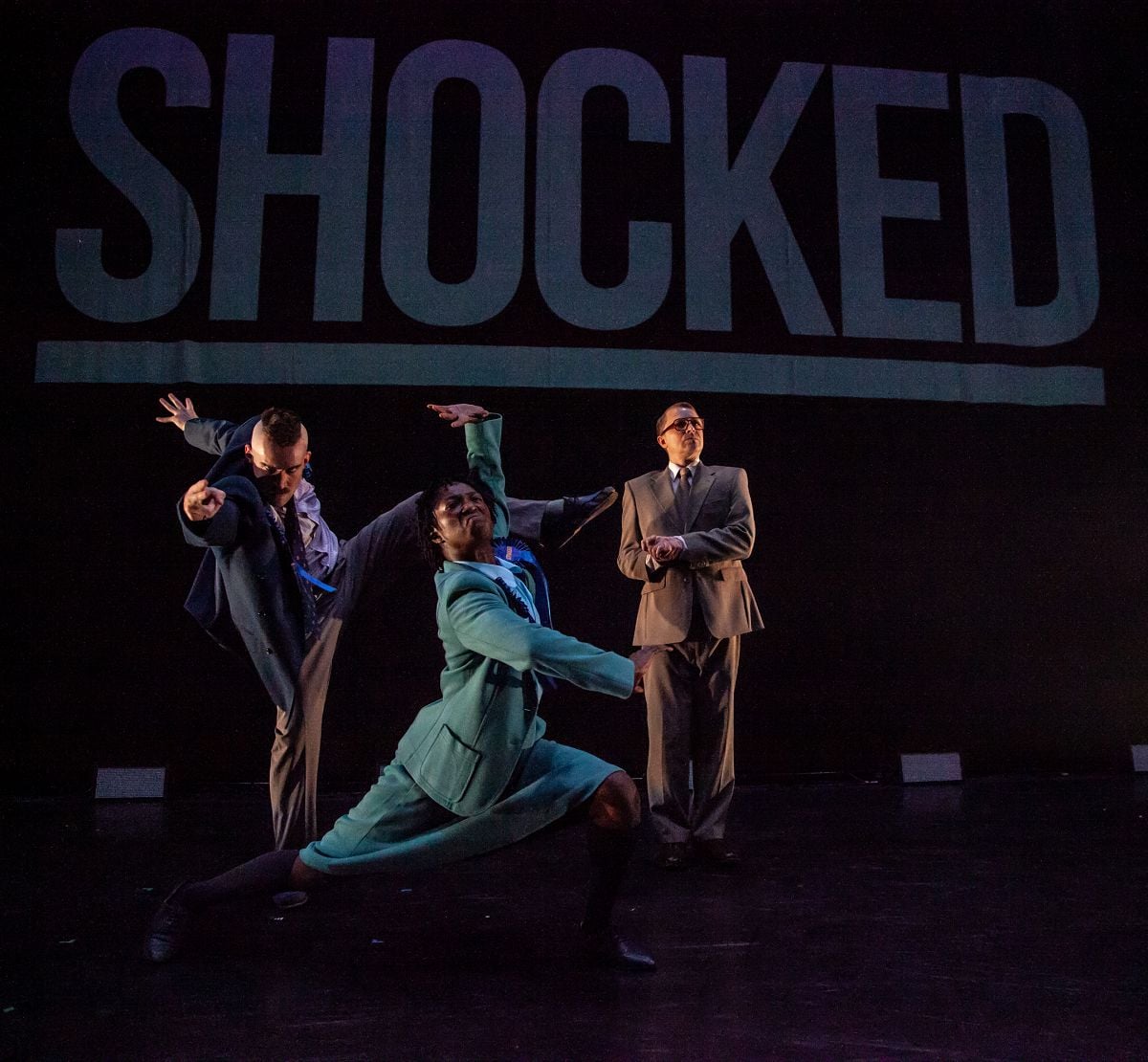
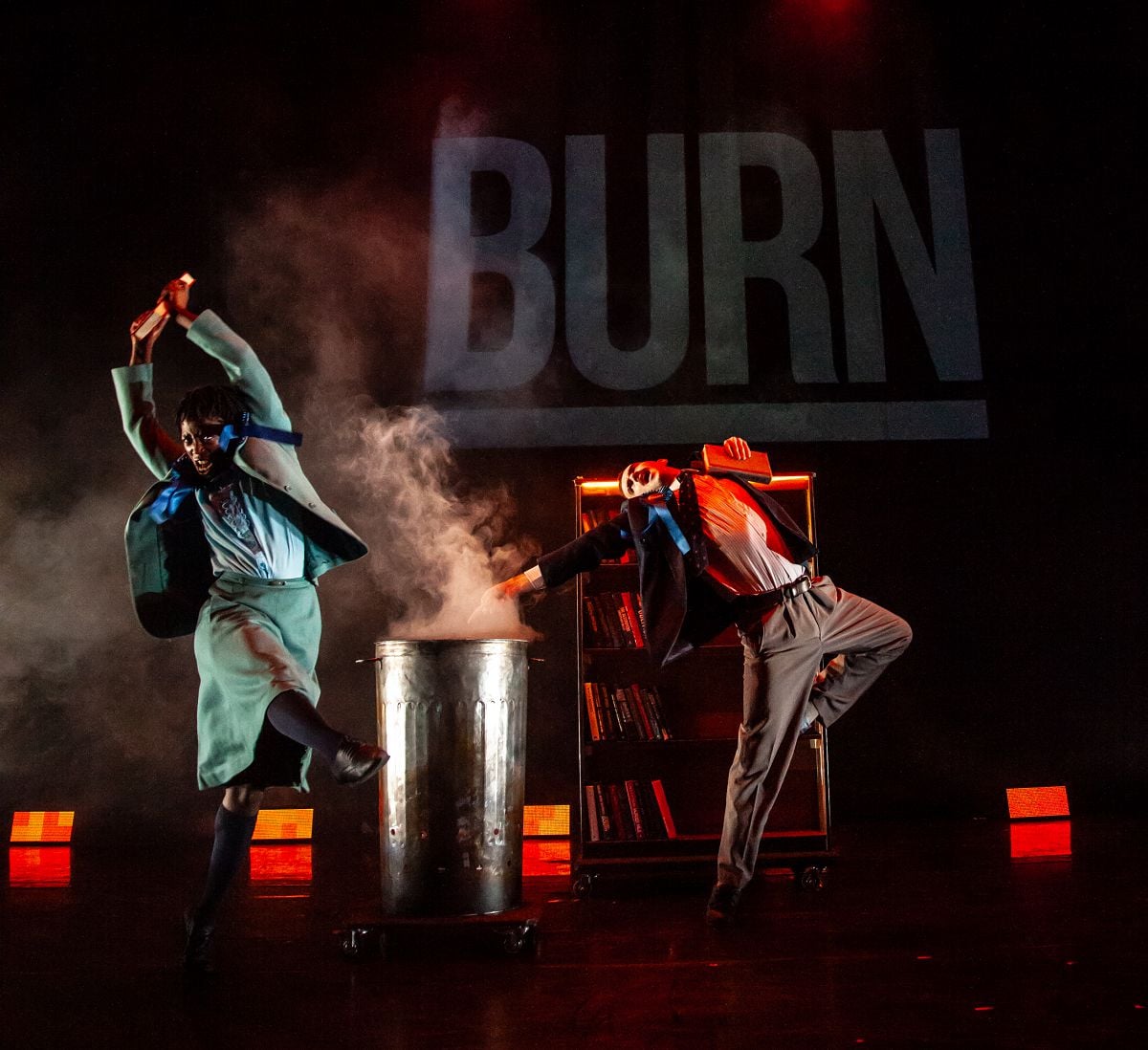
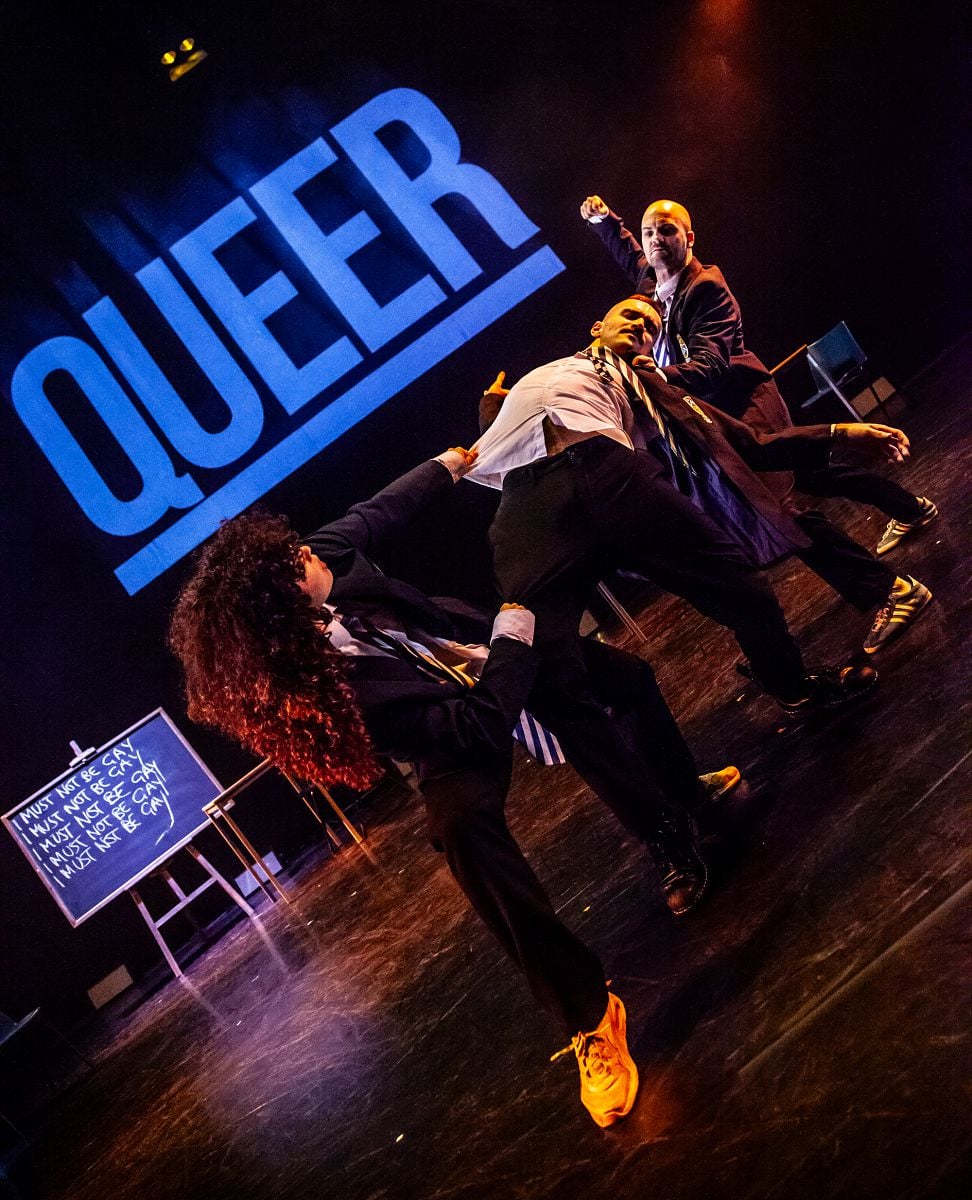
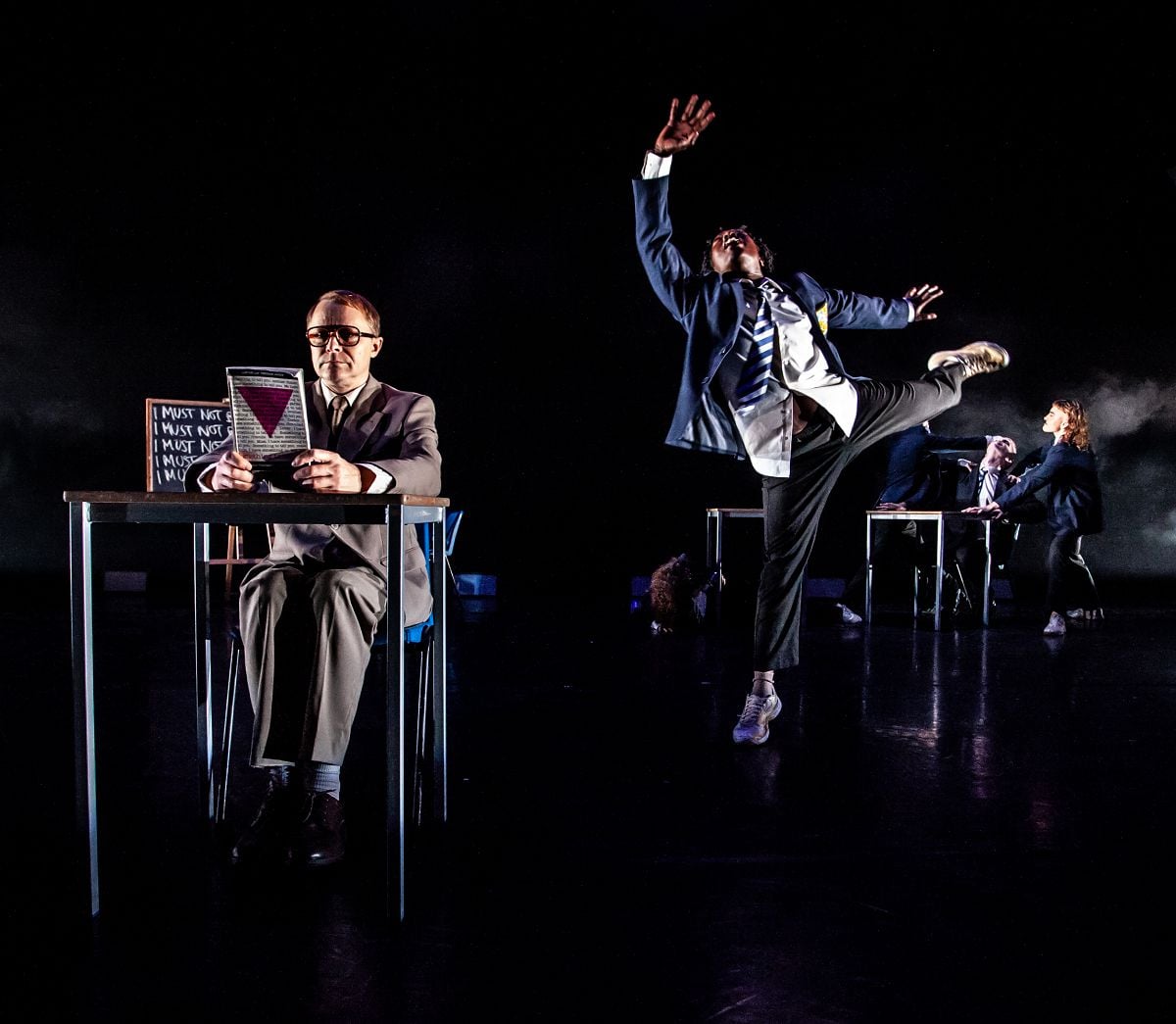
Drawing on his extensive research into the subject, including information drawn from LGBT+ Switchboard Logbooks of the time, Clarke has created an angry, sometimes diffuse danced evocation of the experiences of people from the Queer community. The 90-minute work includes spoken commentary by a Narrator, played by Lewey Hellewell, film montages and imagery from Kamal Macdonald, a soundscape created by Torben Sylvest, and recordings of Thatcher’s speeches spoken by Steve Nallon, famous for his impersonation of the woman on Spitting Image. The sets and costumes, which are inspired by 1980s Queer fashion and visuals, are by Ryan Dawson Laight. At the heart of the work, however, is dance.
In a series of powerful danced vignettes, Clarke skilfully evokes the fear and discrimination suffered by members of the Queer community, many of whom were often at a loss as to where to turn for help, as well as their personal resilience, and the inventiveness of Queer resistance. Clarke has devised visceral, punchy, highly physical choreography that is simultaneously heartbreaking and horrifying, particularly in sections that include a male couple dealing with the contraction of AIDS, a female couple who have their baby taken away from them by the authorities because they are considered an “unsuitable family”, and a young schoolboy viciously assaulted and beaten by his classmates. Detention is a vivid reminder, for those of us in the Queer community who lived through those times (and there were many in the audience at Brighton Corn Exchange), just how terrible the 1980s were. I would also like to hope that Detention educates those not born at the time about the truth of what life was like for Queer people not so very long ago, and that the freedoms we enjoy today shouldn’t be taken for granted. Times can change, and not always for the better.
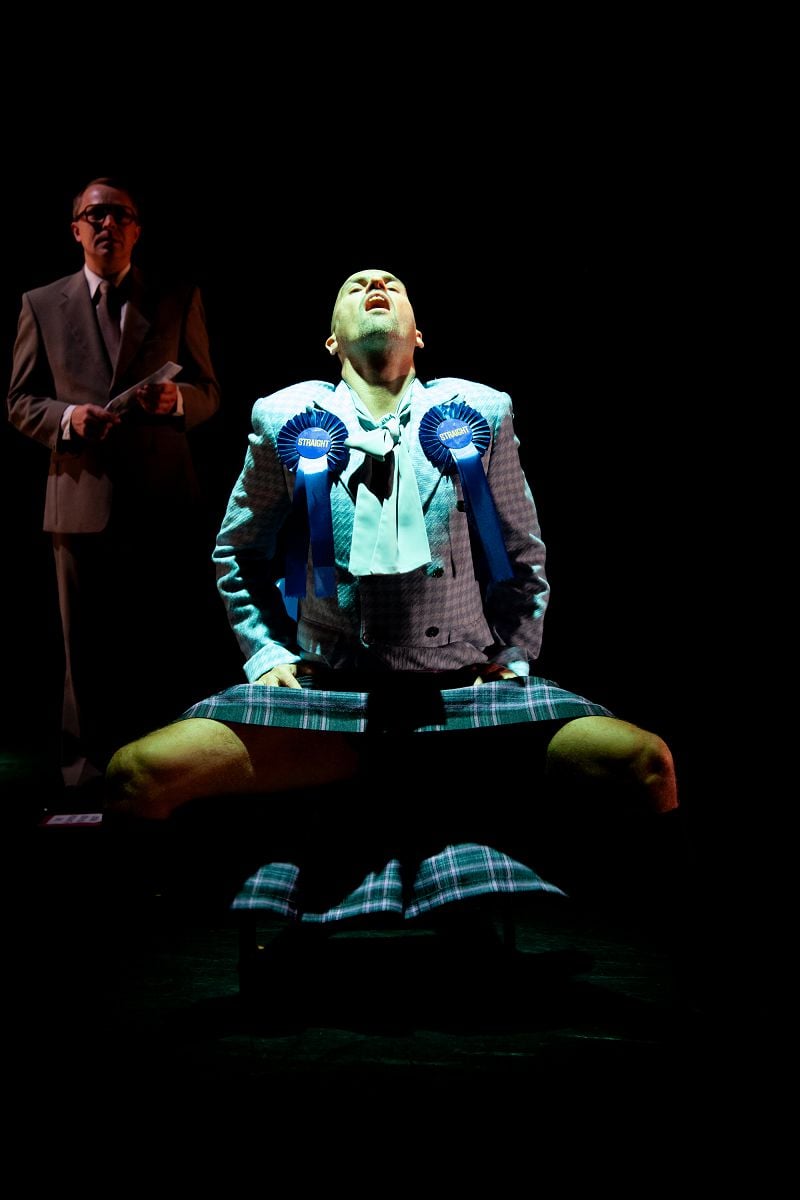

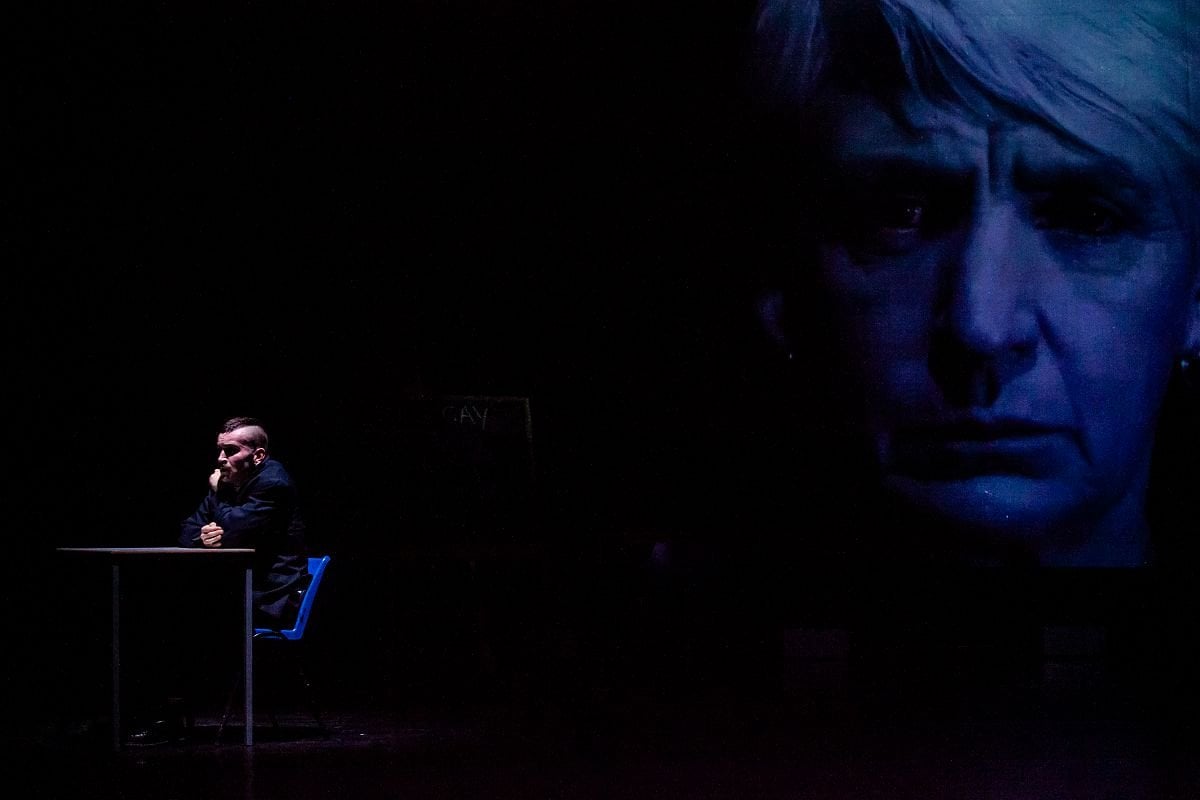
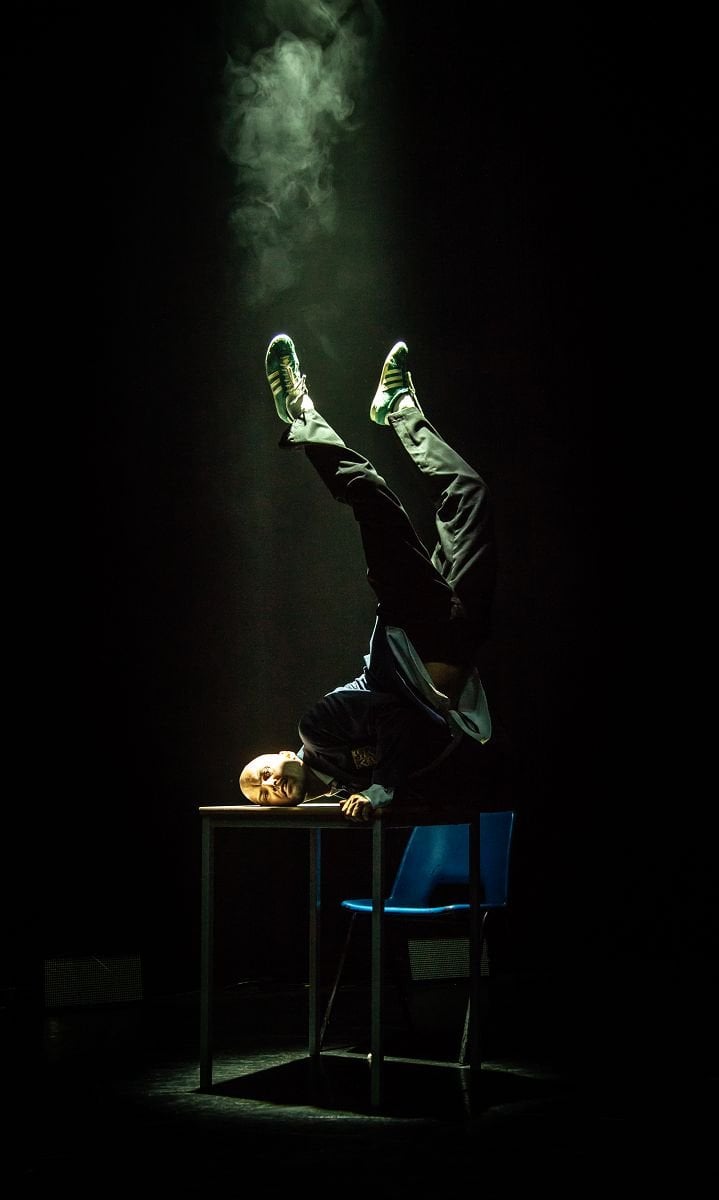
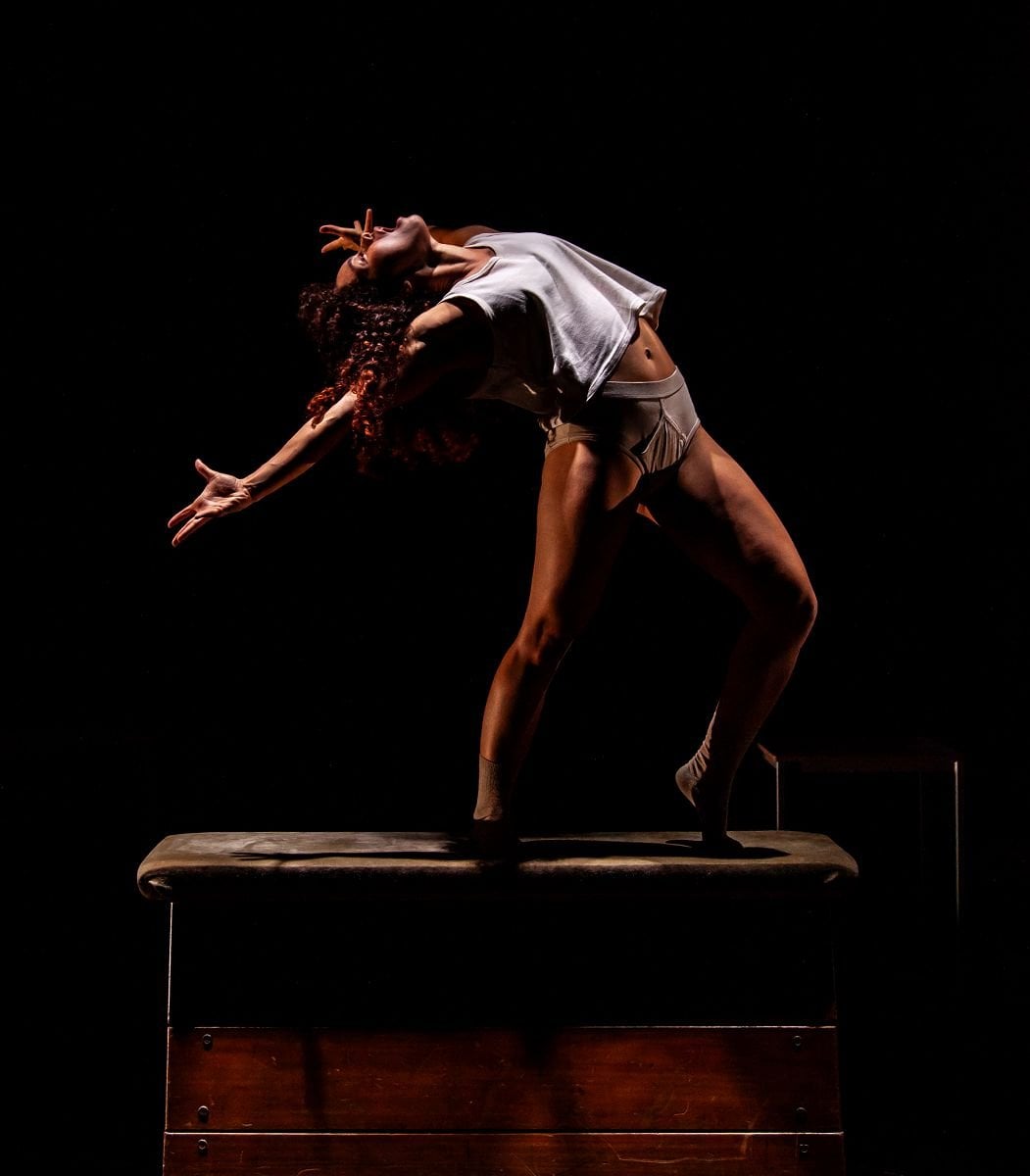
The impact of Detention is heightened by the tremendous dancing of Alexandra Bierlaire, Gavin Coward, Alex Gosmore, Mayowa Ogunnaike and Imogen Wright, who were joined on stage by Carole Britten-Hepper, Beth Gardner, Silvio Grasso, Bob Kingsley and Chris Williams, members of the local Brighton Queer community, who took on supporting roles, including the heroes of the LGBT+ Switchboard, people who brought comfort and vital help and information to those who found themselves in the most impossible of situations.
Once again, Clarke has scored highly with his new work. I tip my hat to him and hope he continues to stimulate audiences with his dances for years to come.

Jonathan Gray was editor of Dancing Times from 2008 to 2022.
He studied at The Royal Ballet School, Leicester Polytechnic, and Wimbledon School of Art where he graduated with a BA Hons in Theatre Design. He was on the Curatorial Staff of the Theatre Museum, London, from 1989 to 2005, assisting on a number of dance-related exhibitions, and helping with the recreation of original designs for a number of The Royal Ballet’s productions including Danses concertantes, Daphnis and Chloë, and The Sleeping Beauty.
Jonathan Gray has also contributed to the Financial Times and The Guardian, written programme articles for The Royal Ballet and Birmingham Royal Ballet, and is co-author of the book Unleashing Britain: Theatre gets real 1955-64, published in 2005. He is a member of the Dance Section of The Critics’ Circle.