
[Review] Contemporary dance triple bill at La Scala – Simone Valastro’s spectacular Memento will not be forgotten

Graham Spicer sees La Scala’s “Smith/León and Lightfoot/Valastro” contemporary dance triple bill in Milan
| Title | Smith/León and Lightfoot/Valastro |
| Company | La Scala Ballet |
| Venue | Teatro alla Scala, Milan |
| Date | 18 February 2024 |
| Reviewer | Graham Spicer |
La Scala’s contemporary triple bill saw Garrett Smith’s Reveal and Sol León and Paul Lightfoot’s Skew-Whiff, sharing the programme with a world premiere from Simone Valastro called Memento. Smoke, dramatic lighting and a compelling cast were the only things linking the three works. Smith’s piece was seductive and mesmerising to a Philip Glass score; León and Lightfoot used Rossini’s The Thieving Magpie overture for a work full of irony and fun; and Valastro revealed a highly gymnastic language with a romantic heart.

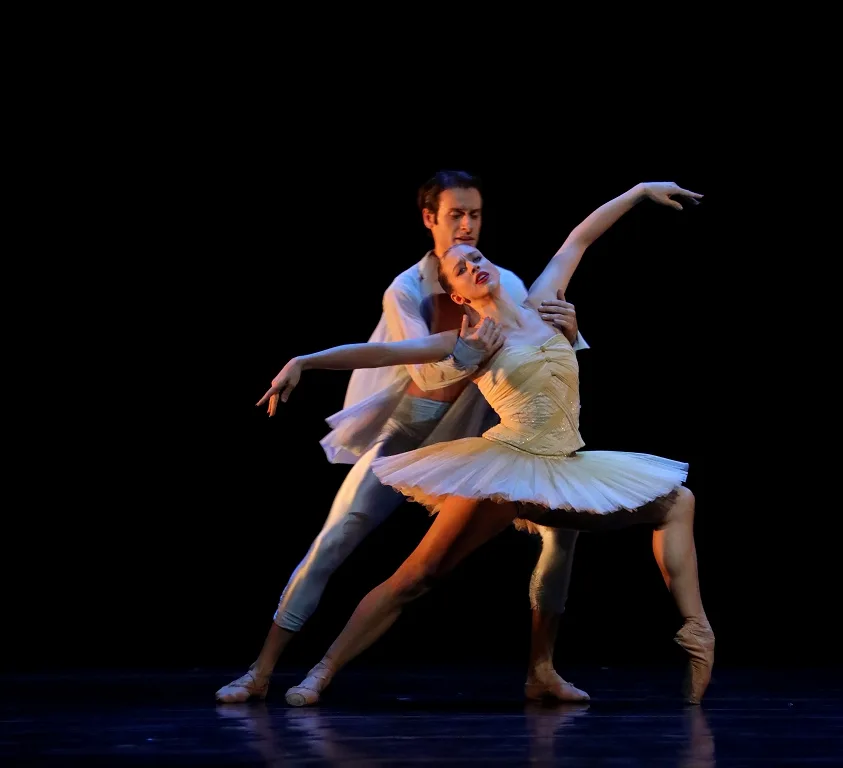
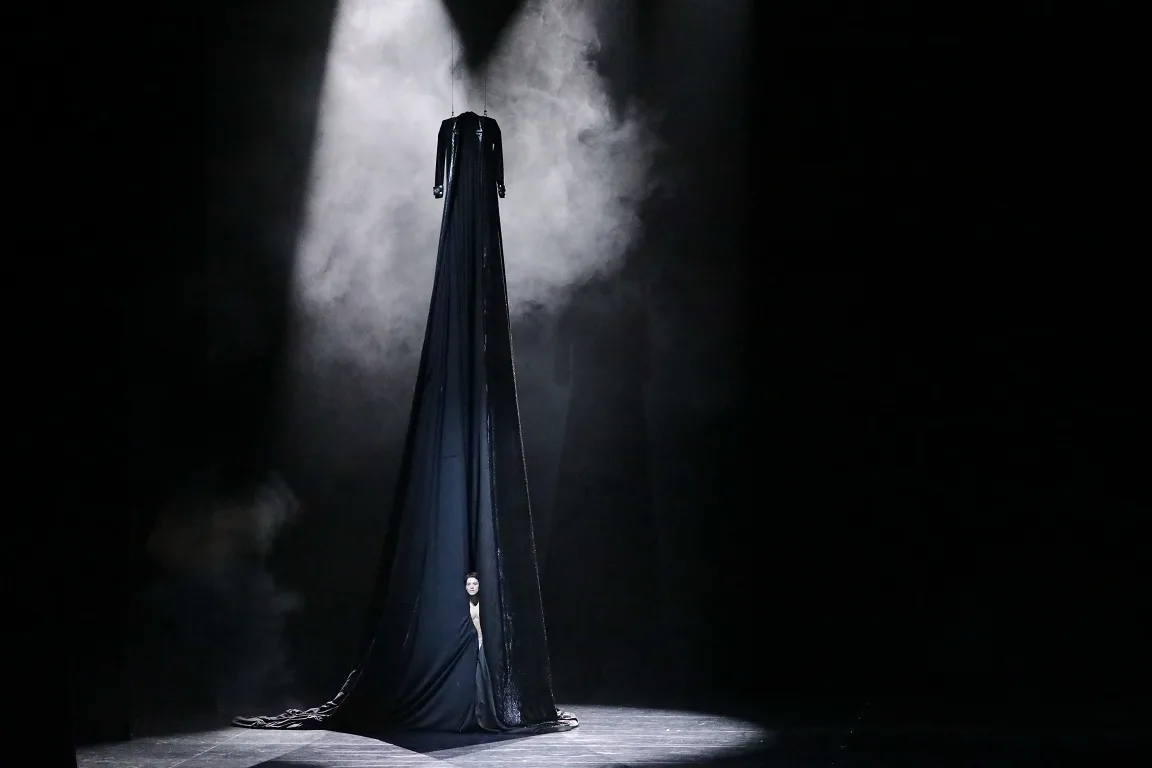
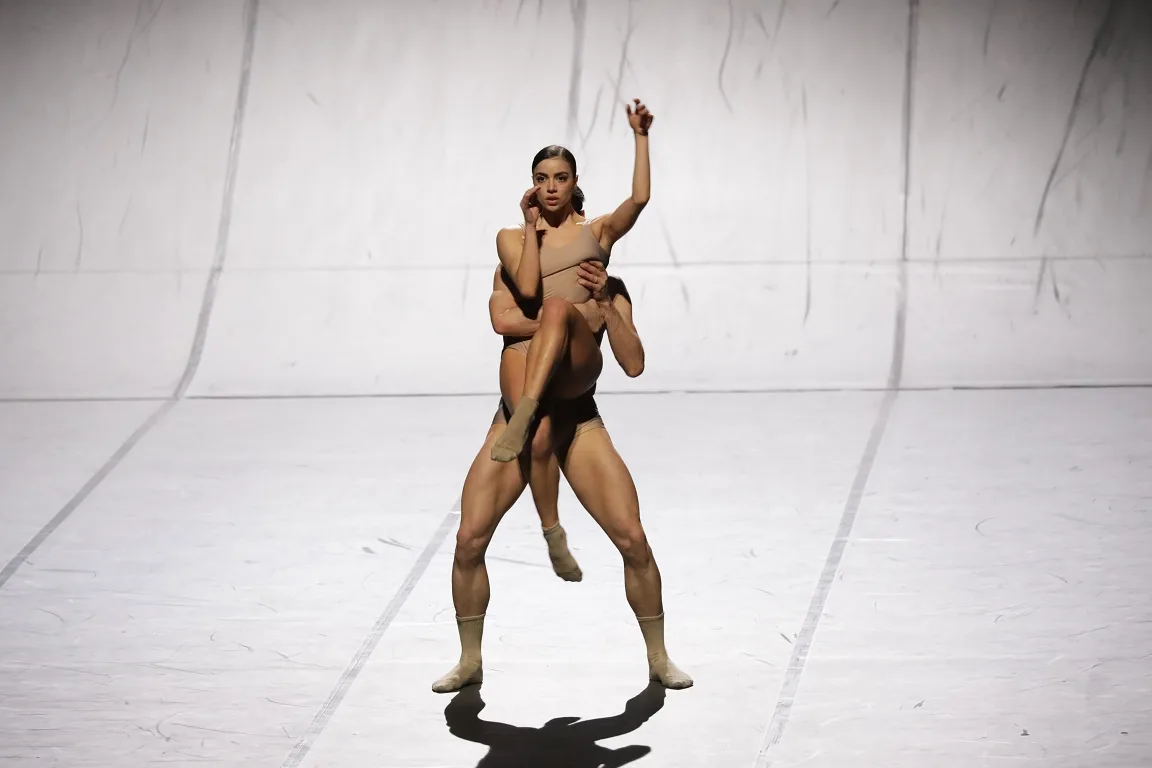
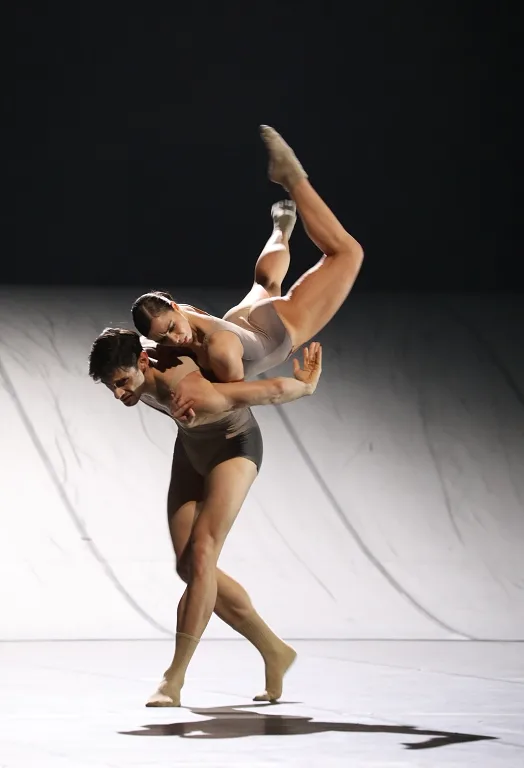
Smith’s Reveal was created for Houston Ballet in 2015, and this is the first time that it has been seen outside the US. Michael Mazzola’s lighting is meticulous and stunning. There is a giant ‘mothership’ affair with lights pointing in all directions that descends from the flies, whether to simply backlight dancers in a ‘door’ before the blacks slide out to real the stage-wide cyclorama, or to appear majestically like a deus ex macchina. Mazzola also uses pools of overhead lighting that dancers move in and out of, which is hardly new but always effective.
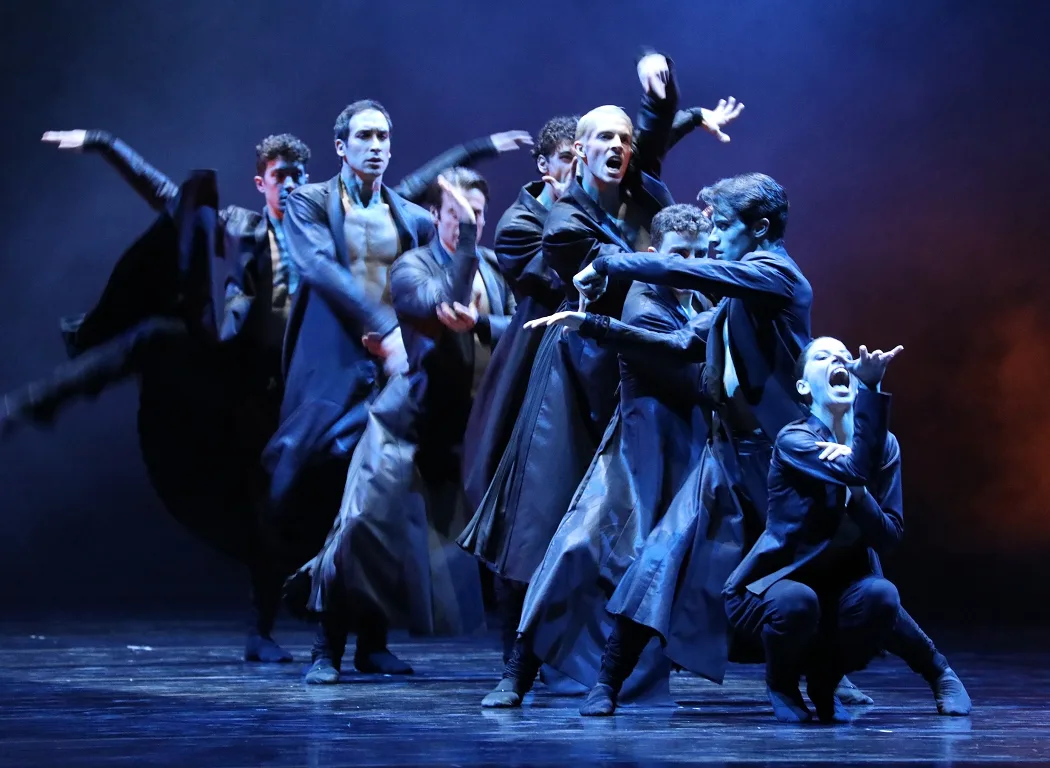
Sections of Glass’ Double Concerto for Violin, Cello and Orchestra and Tirol Concerto are used to create a work in two parts. There is a constant mirroring of movements, especially from the ‘white’ Martina Arduino and the ‘black’ Alice Mariani, though, as the piece proceeds, we see that nothing is black and white. Although it is easy to spot stories in the choreography based on yin and yang, two-sides-of-the-same-coin, good and evil, and so on, Smith then pulls the rug out from under your feet as ambiguity is key to this work – nothing is clean cut. There are male dancers in tutus, and the women get to try on some rather gorgeous black leather trench coats (first worn by the men), though there is nothing preachy about genderfluidity or other zeitgeist themes.
A busy first part gives way to a gentler, meditative section, with duos and trios – Virna Toppi in a classical tutu and Marco Agostino were notable, as well as Agnese Di Clemente, and Domenico Di Cristo and Andrea Crescenzi in their duo. The slow exiting of the men in a column of light leading to the darkness at the back of the stage was intriguing as Arduino and Marianni weaved in and out, completing their magnificent performances.
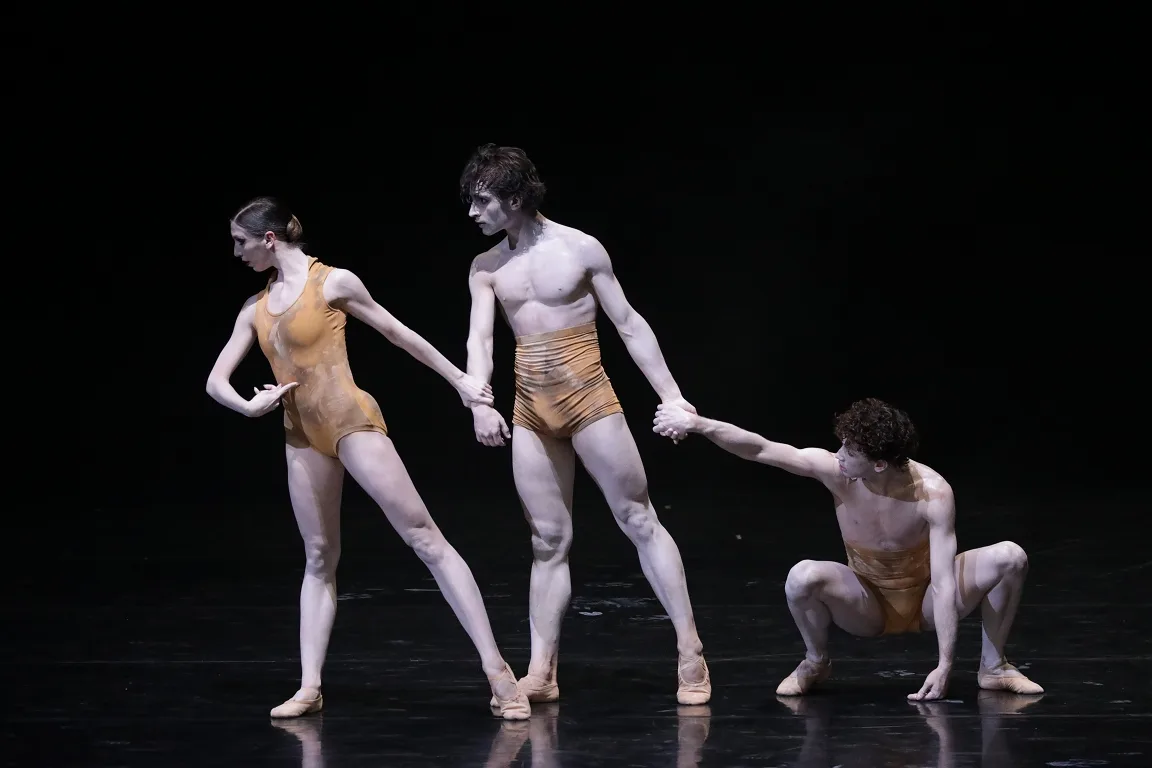
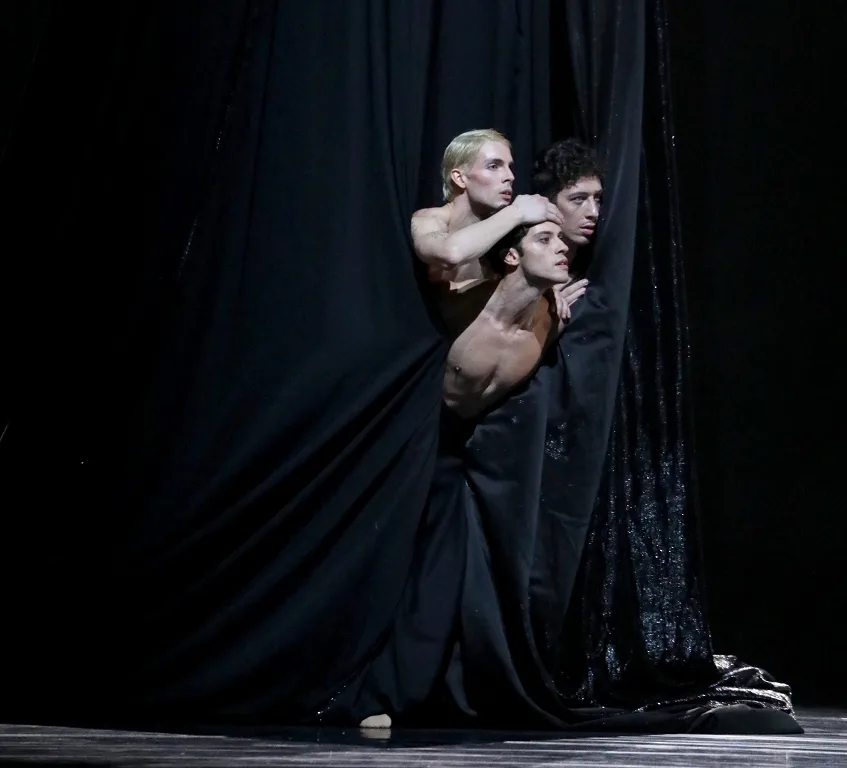
León and Lightfoot’s Skew-Whiff (created for Nederlands Dans Theater in 1996) was Reveal‘s perfect companion for the first part of the programme. So witty, as well as being physically challenging for the four dancers – Maria Celeste Losa, Darius Gramada, Rinaldo Venuti and Navrin Turnbull. Gramada was a joyous discovery, with his crotch-cupping and angular, eccentric movements, and Turnbull excelled in a touching solo. León and Lightfoot occasionally give the impression that a section is improvised and then the dancers all come together in perfect and complex synchronisation. Skew-Whiff lasts little more than ten minutes, but boy, what stamina it demanded. It brought the house down.

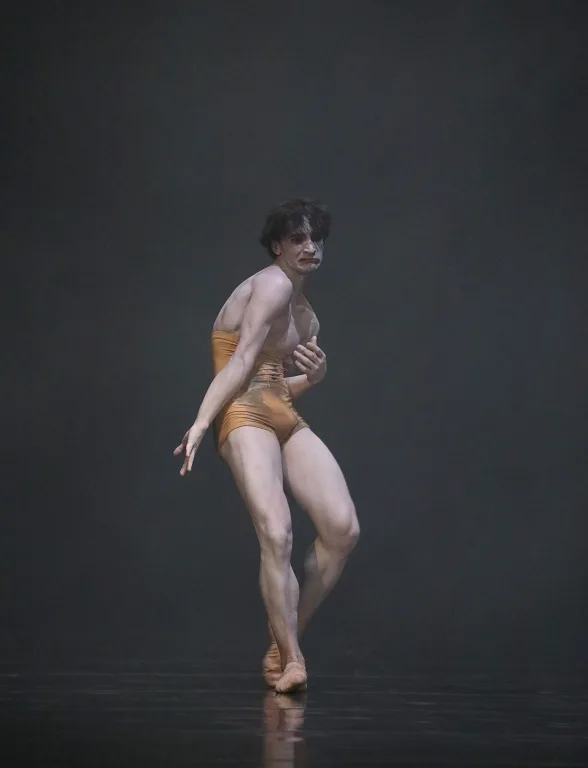
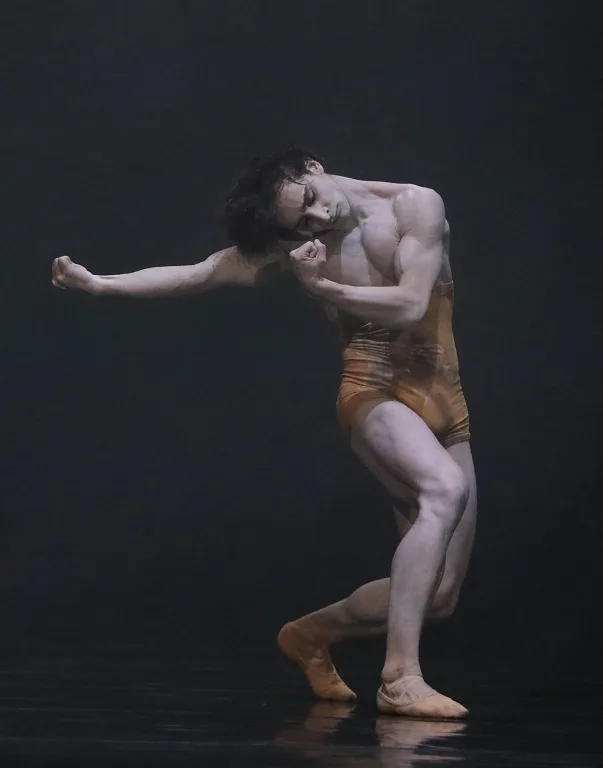
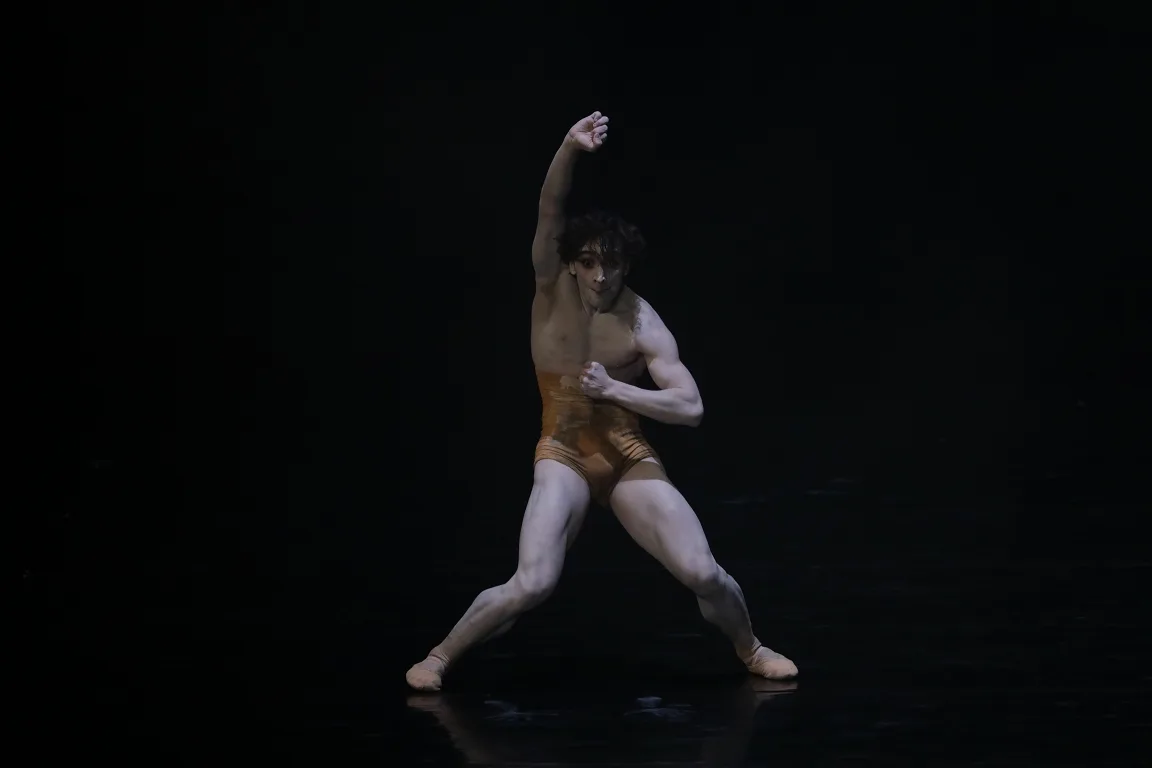
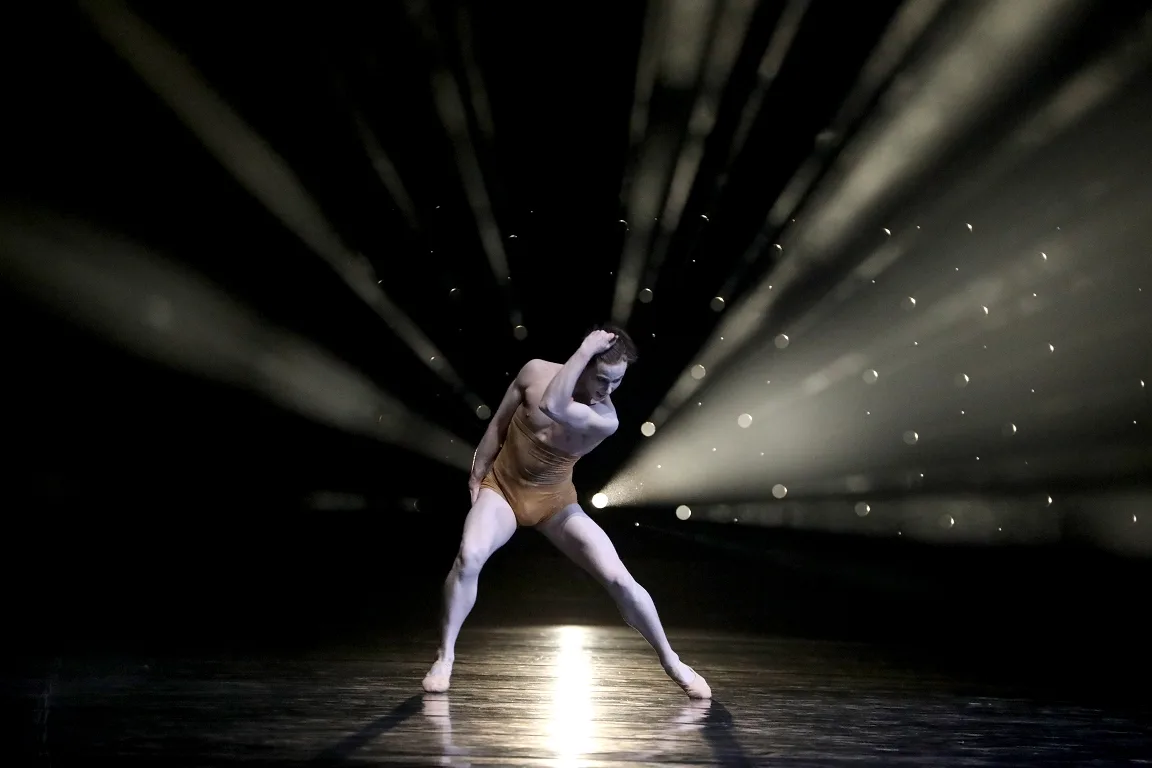
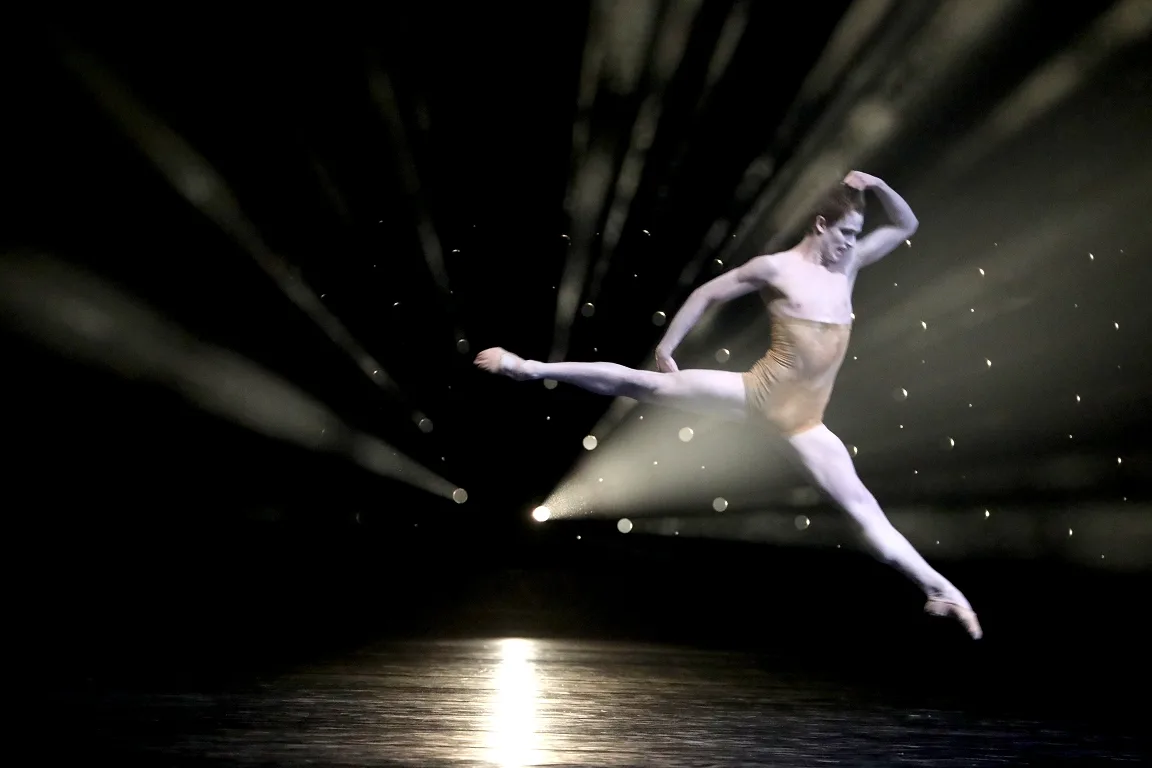
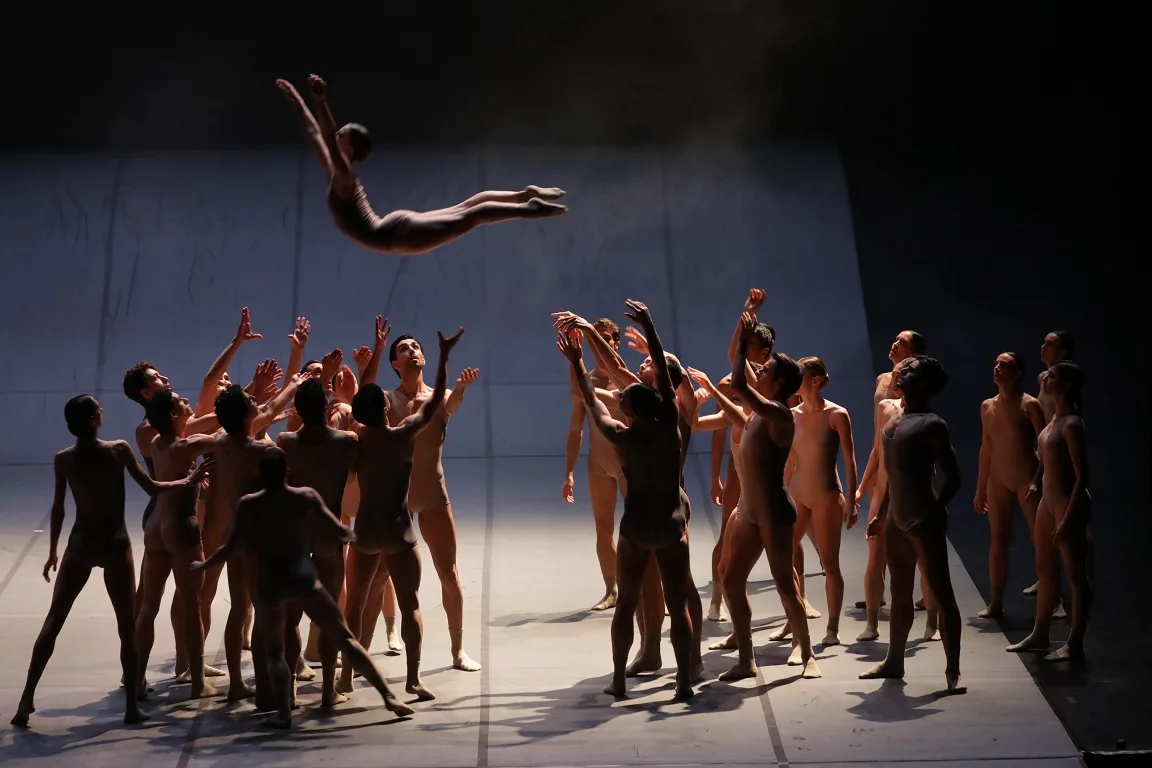
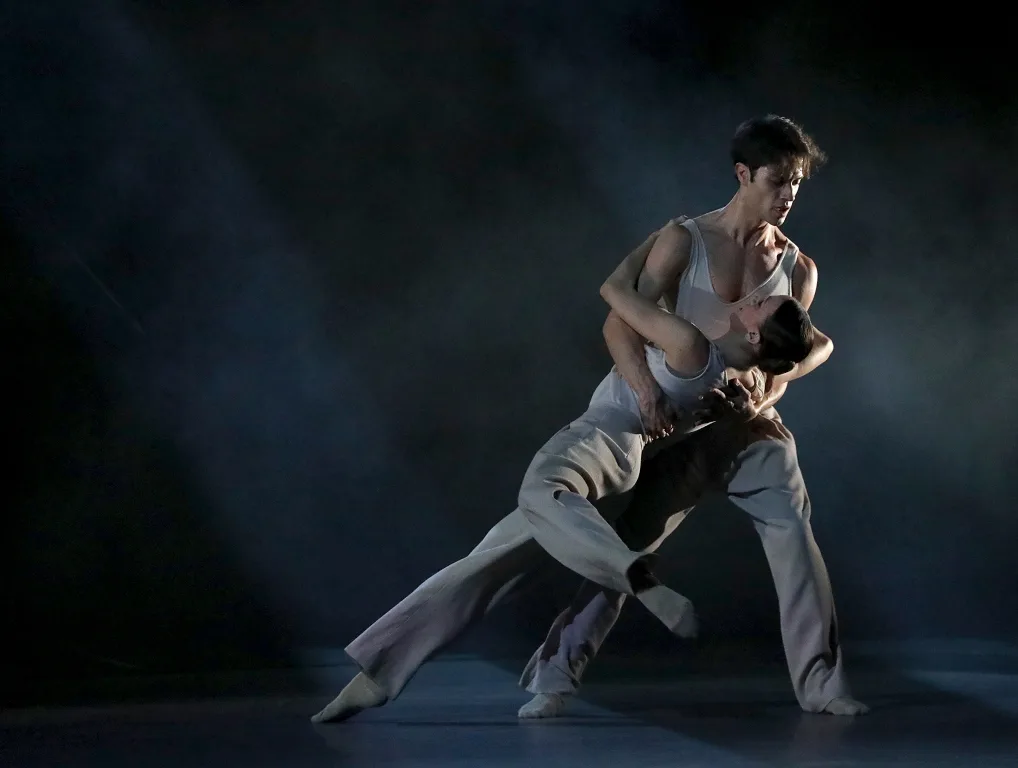
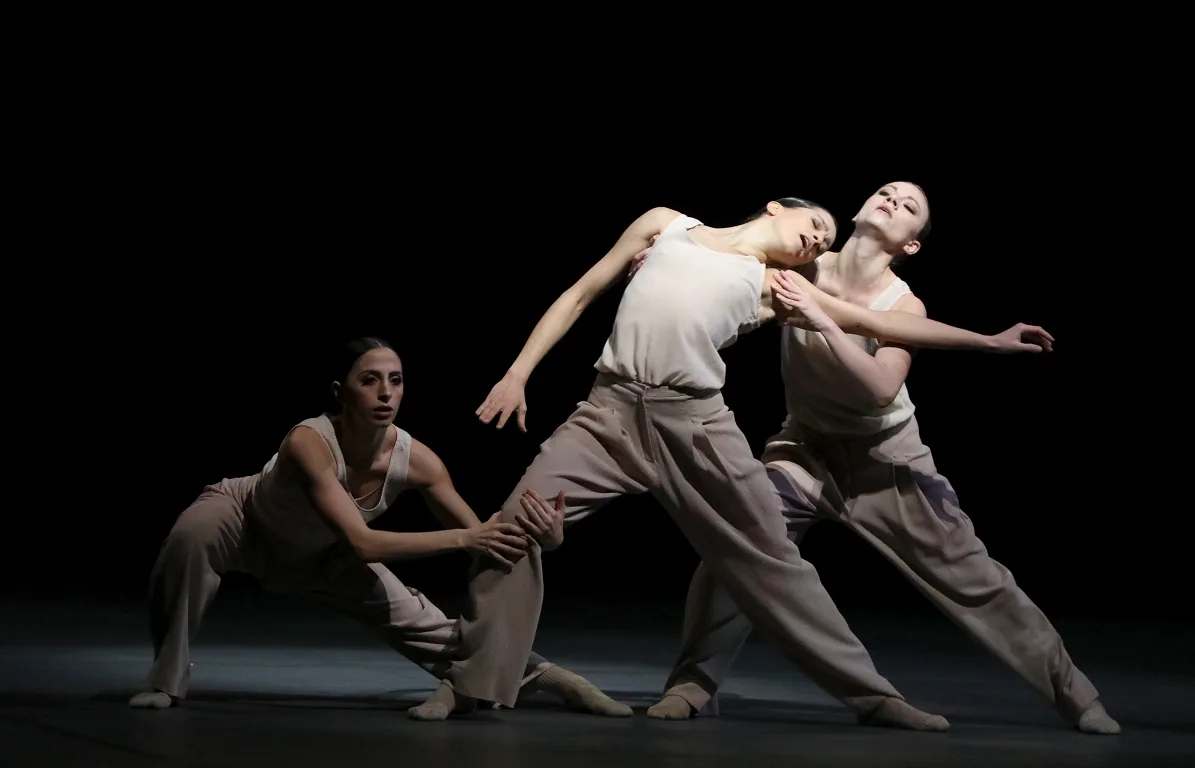
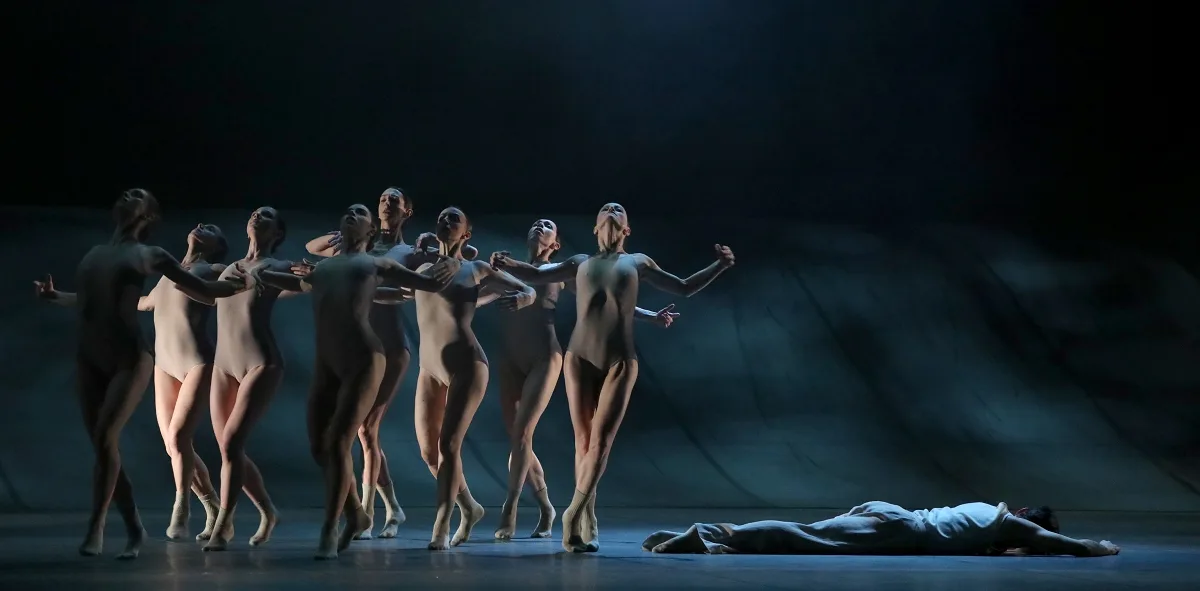
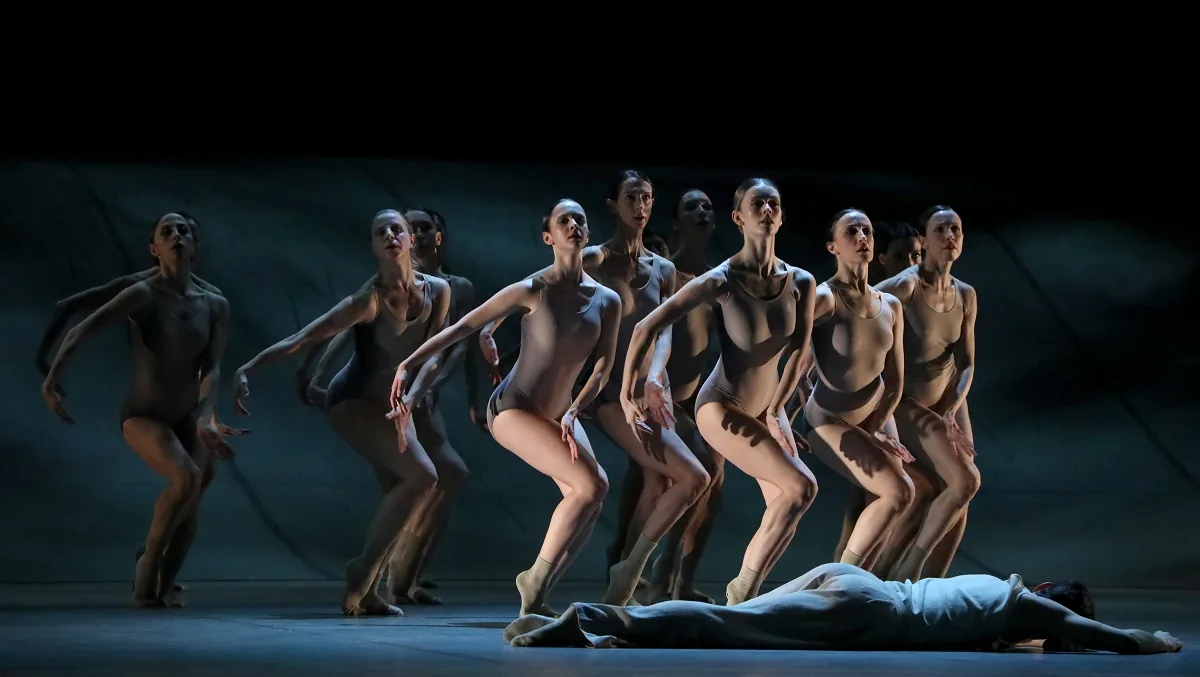
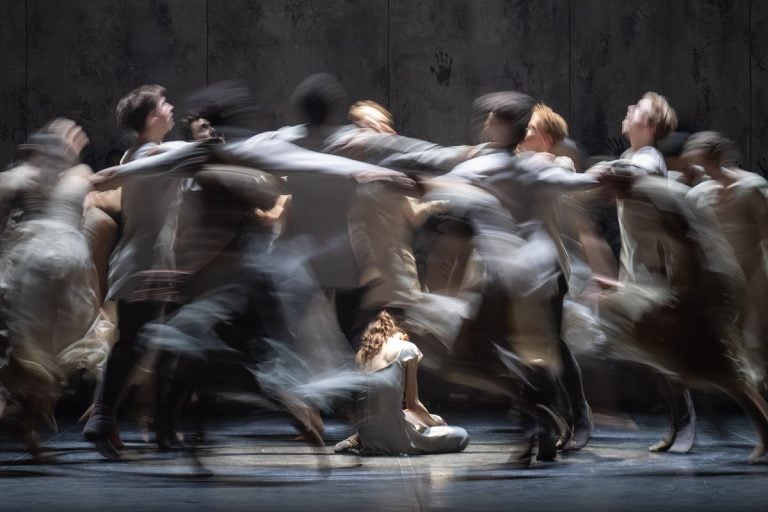
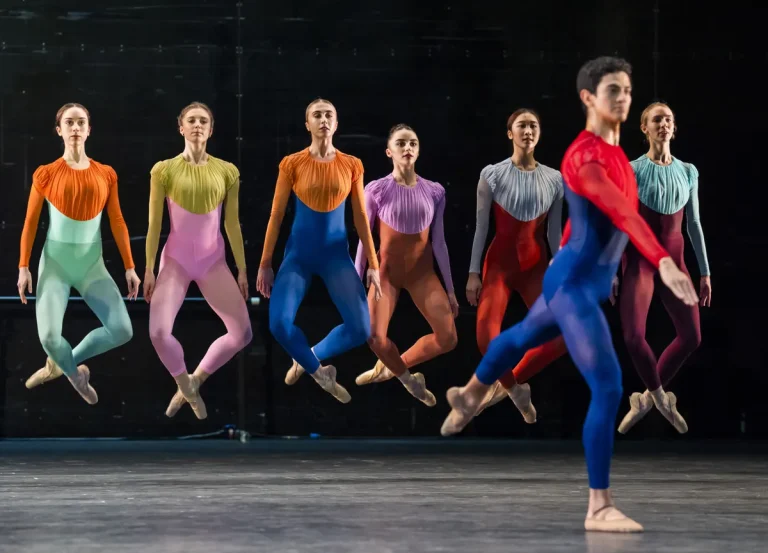
Simone Valastro’s Memento uses music by Max Richter and David Lang to create a dialogue between the two composers. Valastro has thrown everything into the mix, but he does not overplay his hand, and the sensation is of a rich choreography, not an overcrowded one – though with a 40-minute work, he has time to spread out his ideas. One of the biggest of these, created together with designer Thomas Mika, is to have a dance floor that curves down into the orchestra pit and curves upwards toward the backdrop, allowing dancers to slide in and out of the scenes as well as climb or stride onto or off the stage. The rear curved ‘wall’ also acted like the steep banking of a velodrome so the dancers could sprint sideways along it, giving a running ménage another dimension.
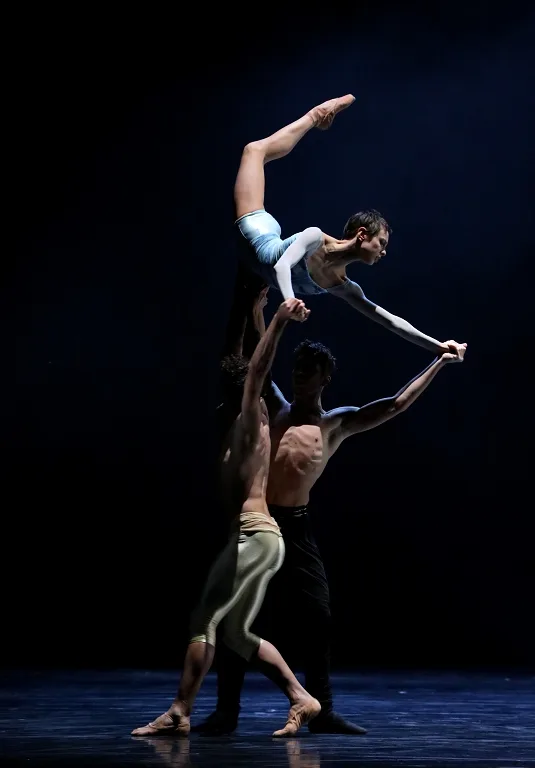
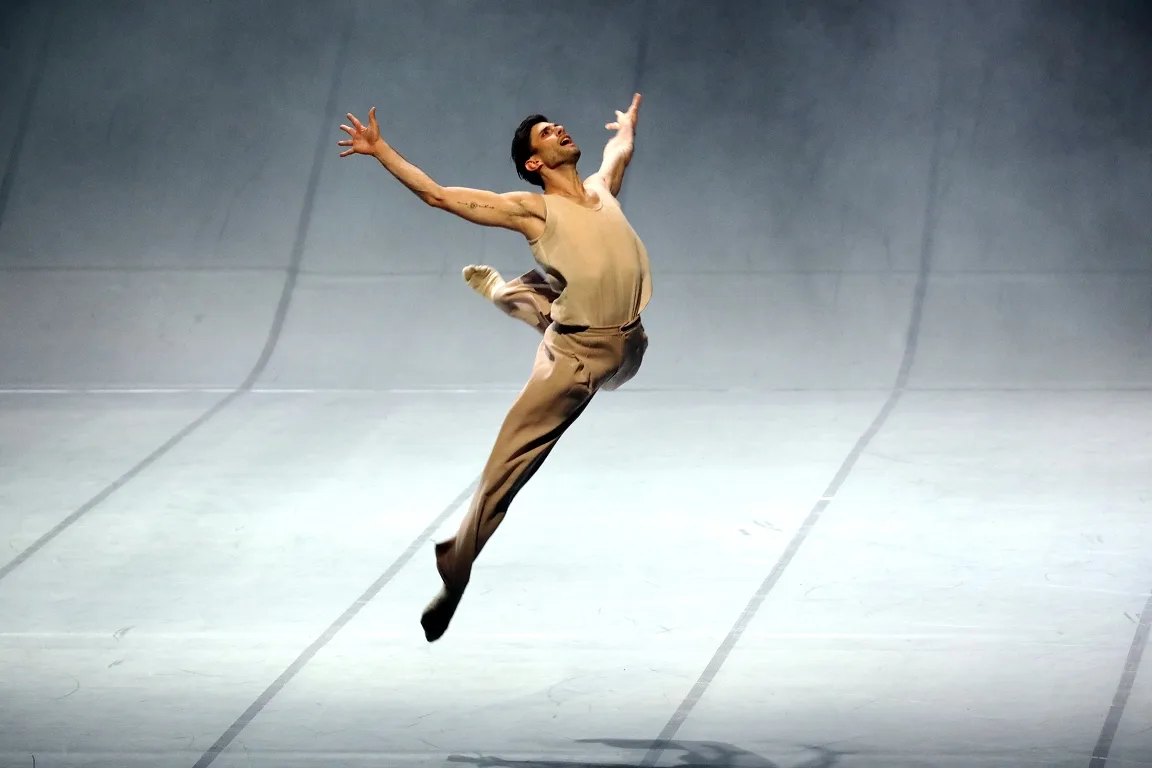
Out of the smoke and detailed lighting (Konstantin Binkin) emerged a company of 34 dancers led by Nicola Del Freo (principal dancer) and Benedetta Montefiore (corps de ballet), so presumably Valastro was given free rein when it came to casting. However, many were given a chance to shine, including corps dancer Frank Aduca who – without the aid of a safety net, ladies and gentlemen – threw himself Manon-like through the air, twisting until caught by Gioacchino Starace. Audible gasps.
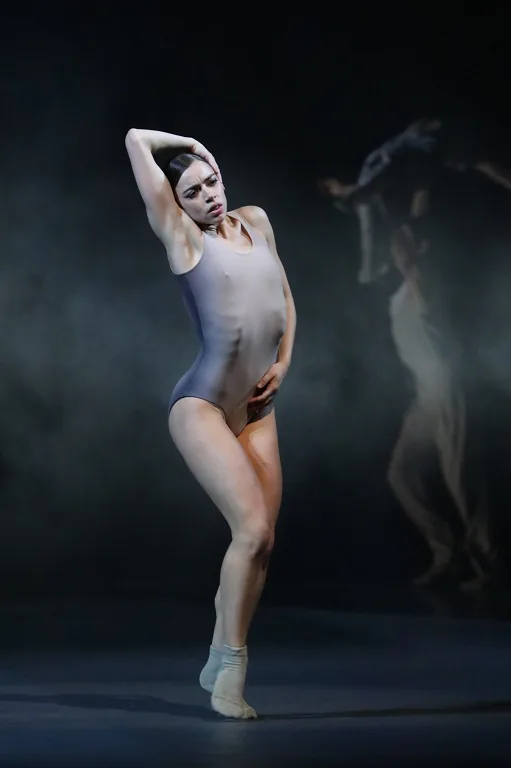
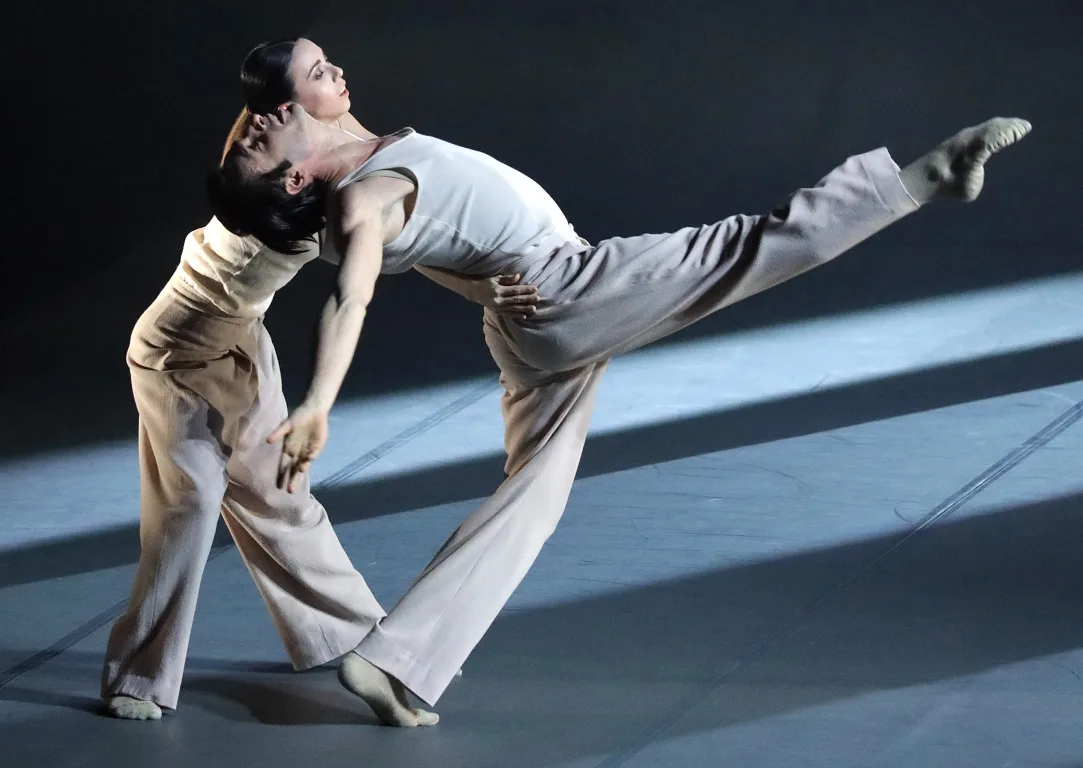
Much of the dance was athletic and the company certainly gave its all, until the frenetic climax of what seemed like a first part. The mood then changed and became introspective. The following poetic moments were beautifully judged, particularly those between Del Freo and Montefiore, but also the duos with Linda Giubelli and Marco Agostino, and Antonella Albano and Claudio Coviello, and Said Ramos Ponce showed once again why he is one of the most compelling dancers in the company. The use of Lang’s Oscar-nominated Simple Song #3, written for Paolo Sorrentino’s film Youth and sung by Sumi Jo, was especially haunting played in the vast space of La Scala’s auditorium.
The work’s title is taken from the Genesis verse, “Memento, homo, quia pulvis es, et in pulverem reverteris,” (Remember, man, you are dust and to dust you will return.) The piece feels more like a celebration of life, maybe saying that life should be lived to the full before it is transformed into dust – so jump, run, fly through the air, and love tenderly and passionately before it is too late.
The closing scene has the dancers walking one by one onto the stage from the pit and moving slowly upstage until they disappear. It’s spinechilling. Del Freo moves among them… is it his time to join them for the final stage exit? As the lights lower, and the music finishes, Del Freo drops to the floor but the dancers continue their relentless march. Ashes to ashes, dust to dust, but life goes on. Memento will not be forgotten.
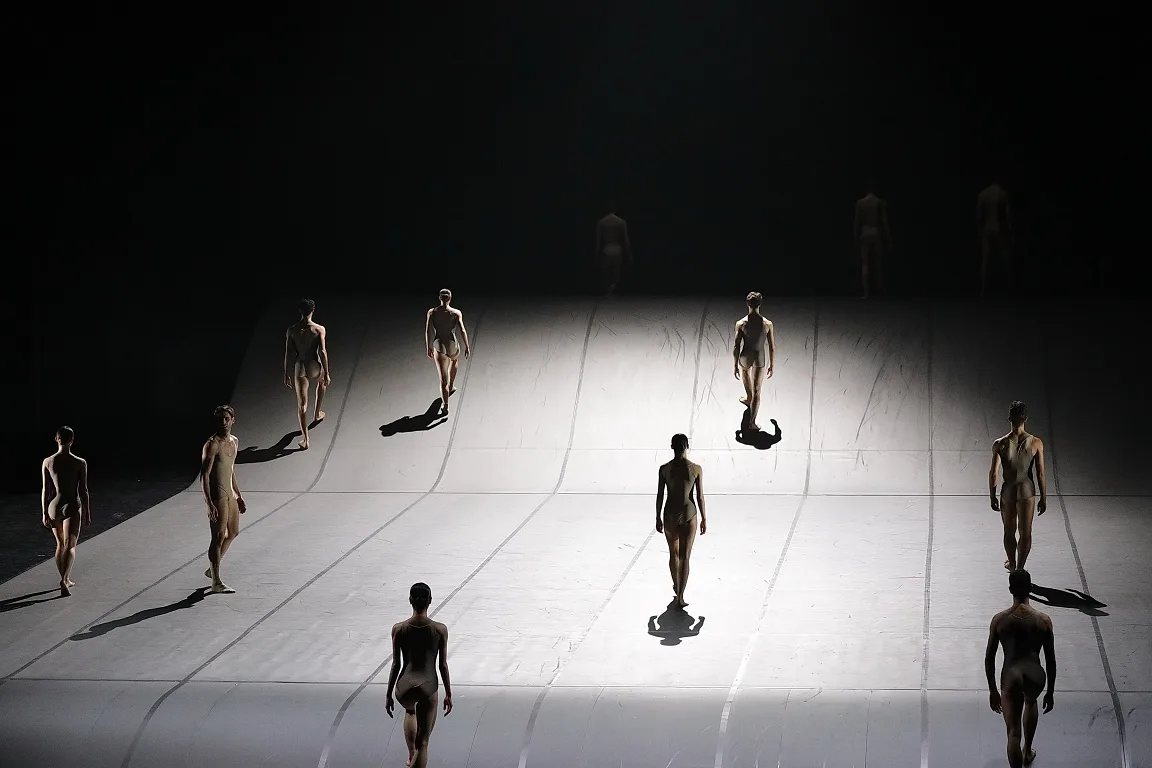
Photo Album – Smith/León and Lightfoot/Valastro
REVEAL – choreography by Garrett Smith









SKEW-WHIFF – choreography by Sol León and Paul Lightfoot

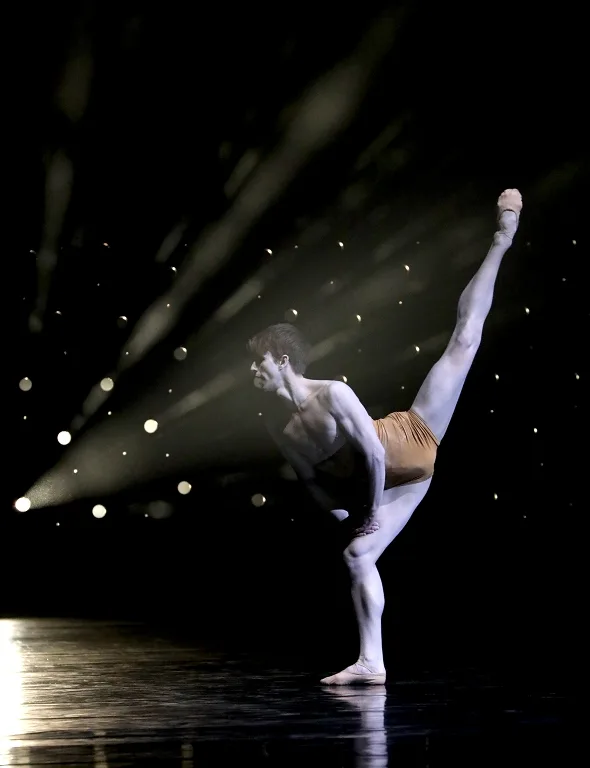


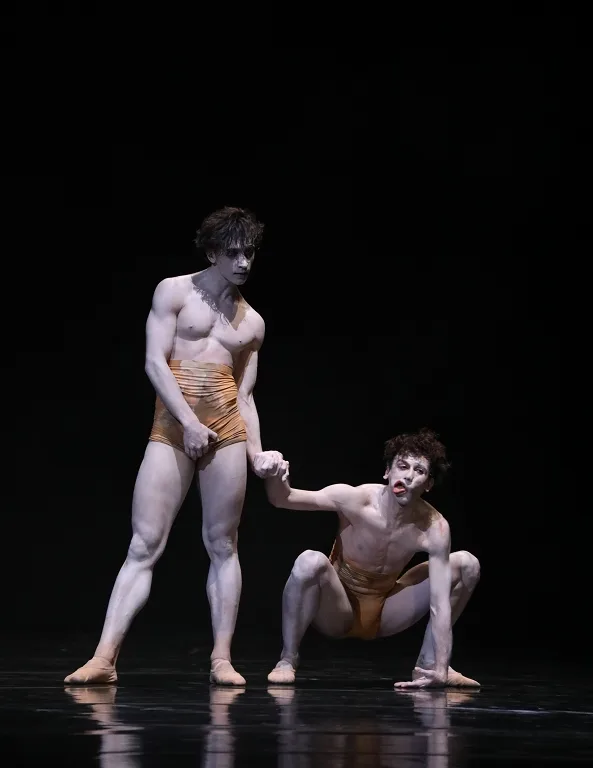
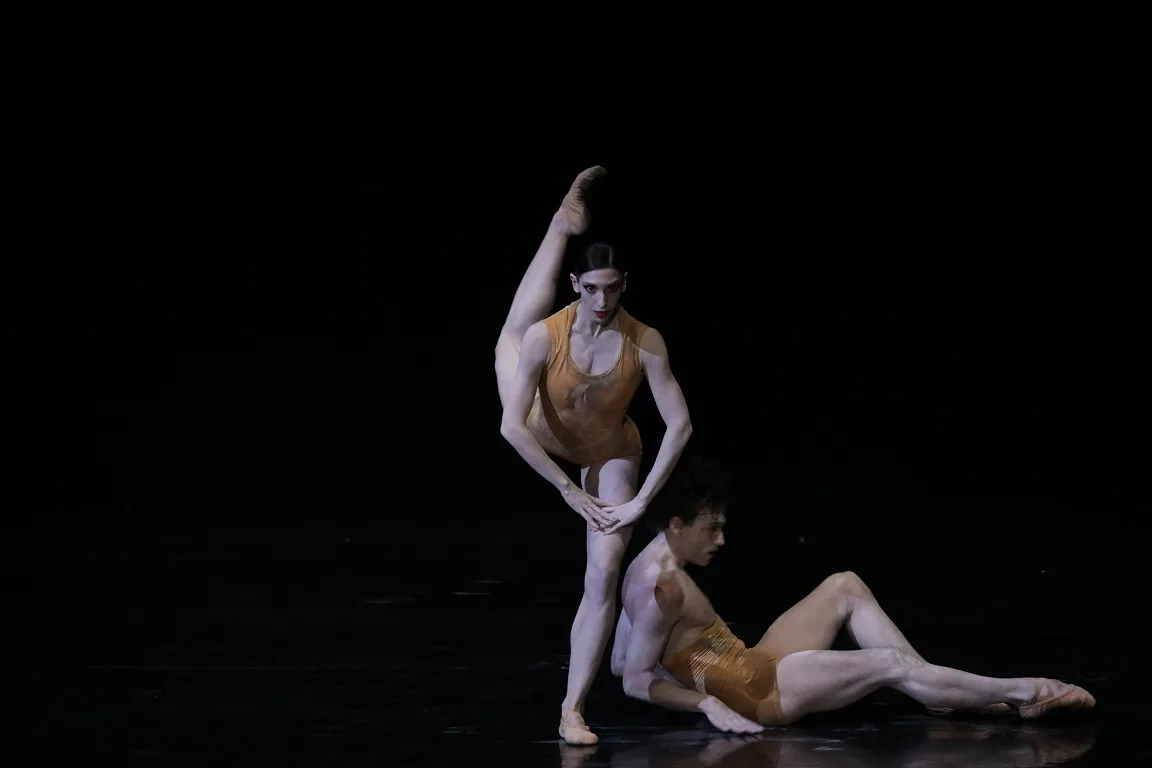


MEMENTO – choreography by Simone Valastro

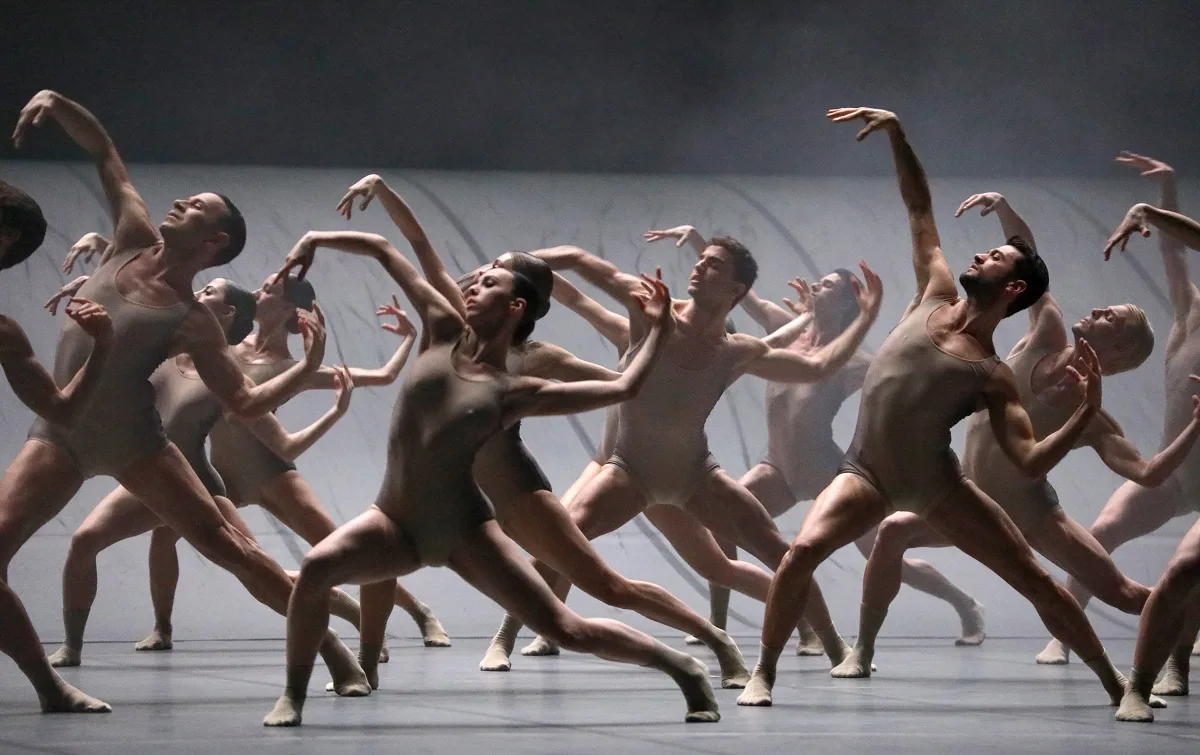






Graham Spicer, aka ‘Gramilano’, is a writer, director and photographer based in Milan. He was a regular columnist for Opera Now magazine and wrote for the BBC until transferring to Italy. His articles have appeared in various publications from Woman’s Weekly to Gay Times, and he wrote the Danza in Italia column for Dancing Times magazine. Graham was the historical advisor on Codice Carla, the 2023 documentary on Italian ballerina Carla Fracci.
Graham also works as a dance photographer, and his photos have appeared in many books, theatre programmes, and magazines, including Dancing Times, Dance Spirit and Ballet2000, as well as all the major Italian newspapers.
He is a member of the Dance Section of The Critics’ Circle.



Valastro? To watch? I wish that there was more biographical information here (in a brilliantly written review, BTW).
As for the León and Lightfoot piece, I just wish that more pieces were recorded. It sounds ‘my cup of tea’ but there are only fragments online.