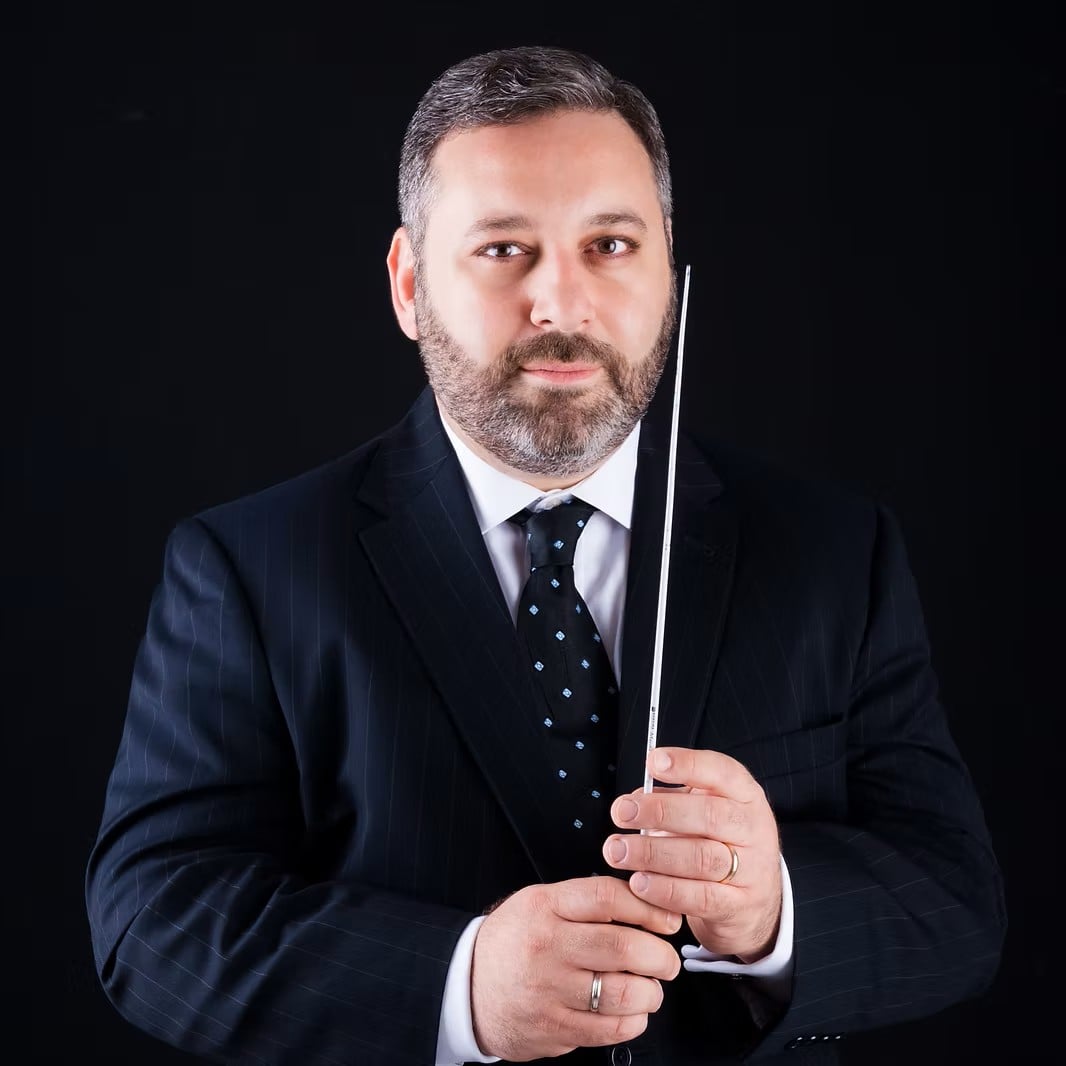
Conductor Antonino Fogliani dies at 50
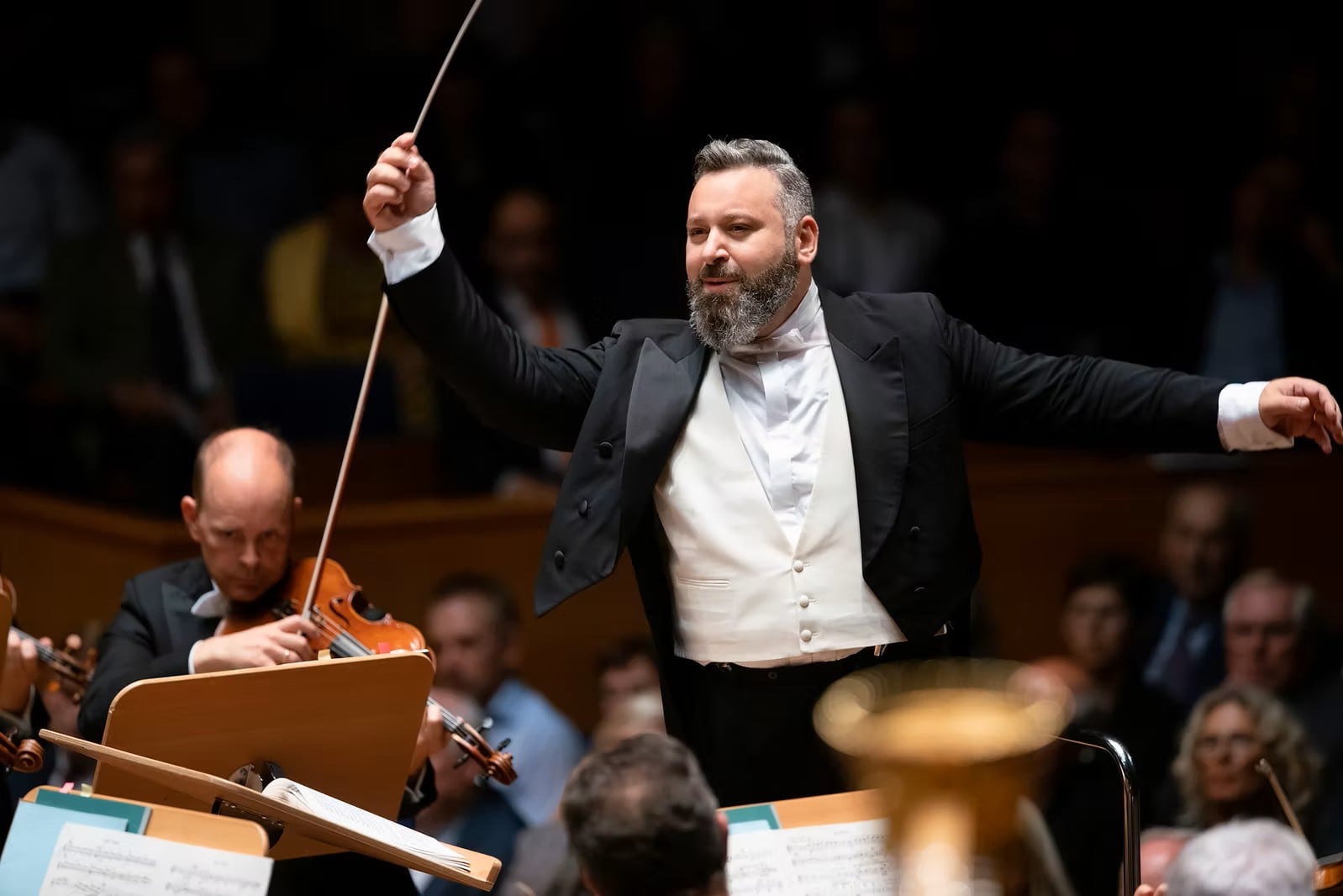
Antonino Fogliani 1976–2026
The conductor Antonino Fogliani has died at the age of 50 after a long illness, even though his death comes just days before he was due to conduct two performances at the Puccini Festival in Torre del Lago; he had already had to step back from Madama Butterfly there on 22 August, with Leonardo Sini taking over the podium in his place.
Fogliani was born in Messina on 29 June 1976. He studied composition at the Conservatorio “G. B. Martini” in Bologna, and later graduated with honours in orchestral conducting from the Milan Conservatory under Vittorio Parisi. He went on to the Accademia Musicale Chigiana in Siena, where he studied conducting with Gianluigi Gelmetti and composition with Franco Donatoni and Ennio Morricone.
His professional career began in 2001, with his debut at the Rossini Opera Festival conducting Il viaggio a Reims. From there, he built a career centred on Rossini and the wider bel canto repertoire, conducting at Teatro alla Scala – including Donizetti’s Ugo, conte di Parigi and Maria Stuarda – as well as at Teatro Regio di Parma, Teatro dell’Opera di Roma, La Fenice, and Teatro San Carlo. His repertoire extended to Donizetti, Bellini, Verdi and Puccini, alongside extensive work across European opera houses.
In the United States, he made his debut in 2011 at Houston Grand Opera, conducting Lucia di Lammermoor. That same year, he was named Music Director of the Rossini in Wildbad Belcanto Opera Festival in Bad Wildbad, Germany. From 2017, he served as Principal Guest Conductor of the Deutsche Oper am Rhein in Düsseldorf, and from 2021 he taught orchestral conducting at the Conservatorio “Alessandro Scarlatti” in Palermo.
In 2018, President Sergio Mattarella made Fogliani an Ufficiale dell’Ordine al Merito della Repubblica Italiana.
Fogliani was set to open the 2026–27 season at Deutsche Oper Berlin with Tosca in September, and later this autumn was due to conduct a new production of Maria Stuarda at the Bayerische Staatsoper.
He is remembered, above all, as a conductor attentive to the voice and to the demands of the stage – equally at ease moving between the core repertoire and its lesser-known corners, and one who found in Rossini and bel canto some of his most natural territory.