Fabrizio Maria Carminati takes over Donizetti Opera’s opening night after Fogliani’s sudden death
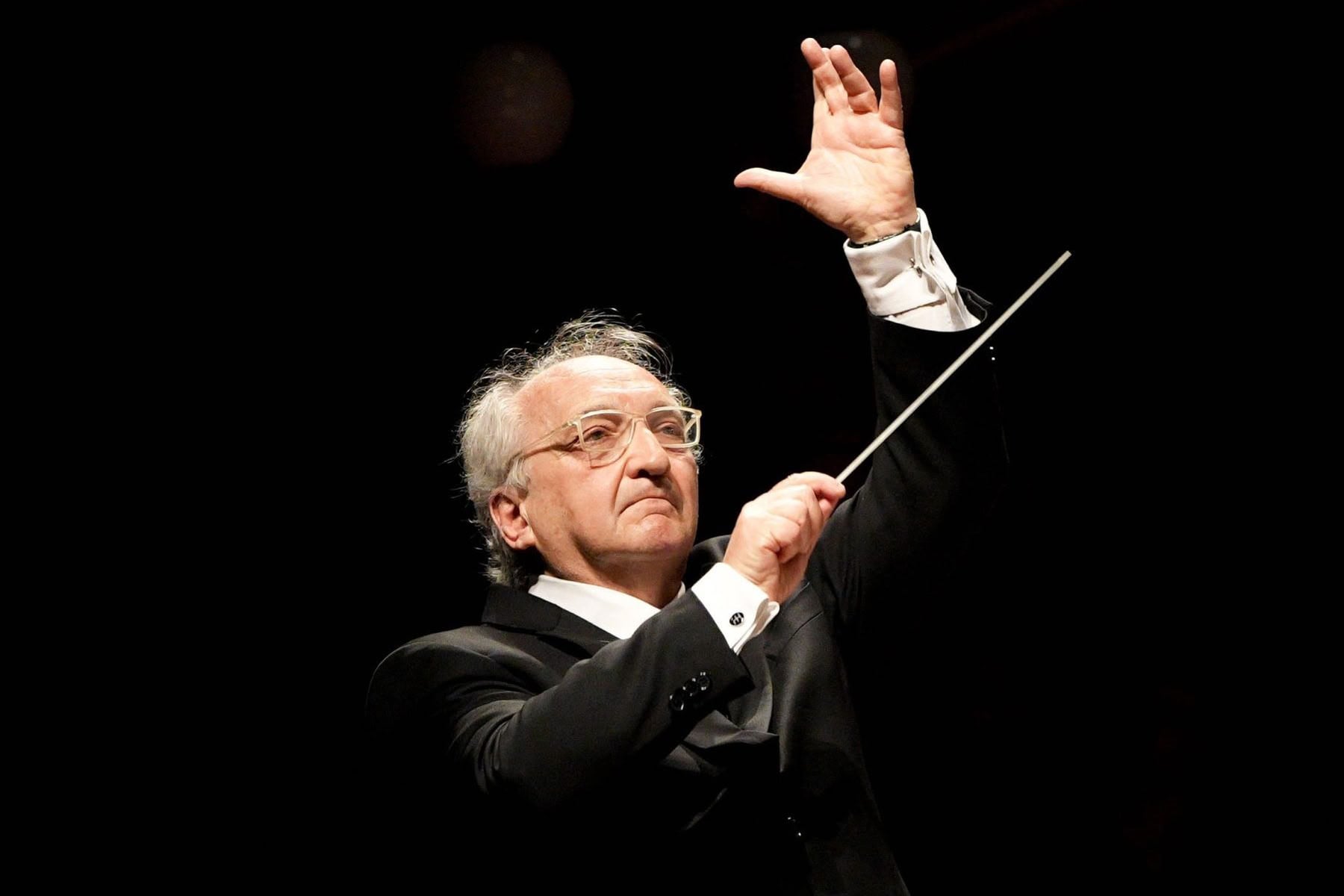
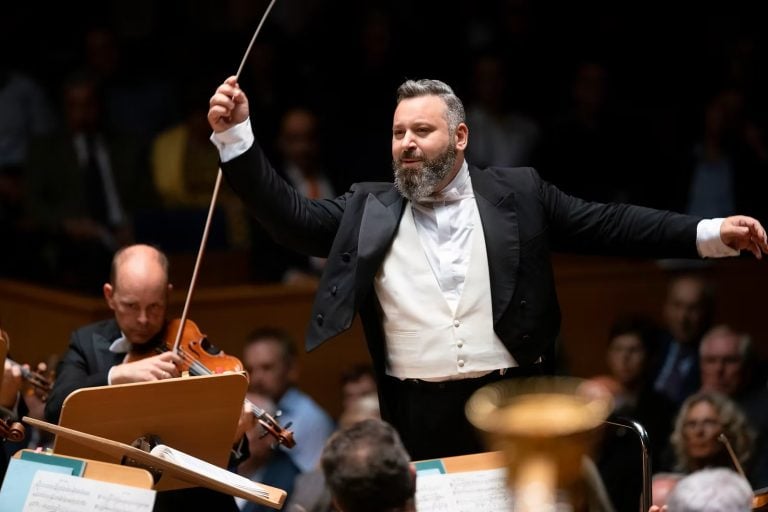
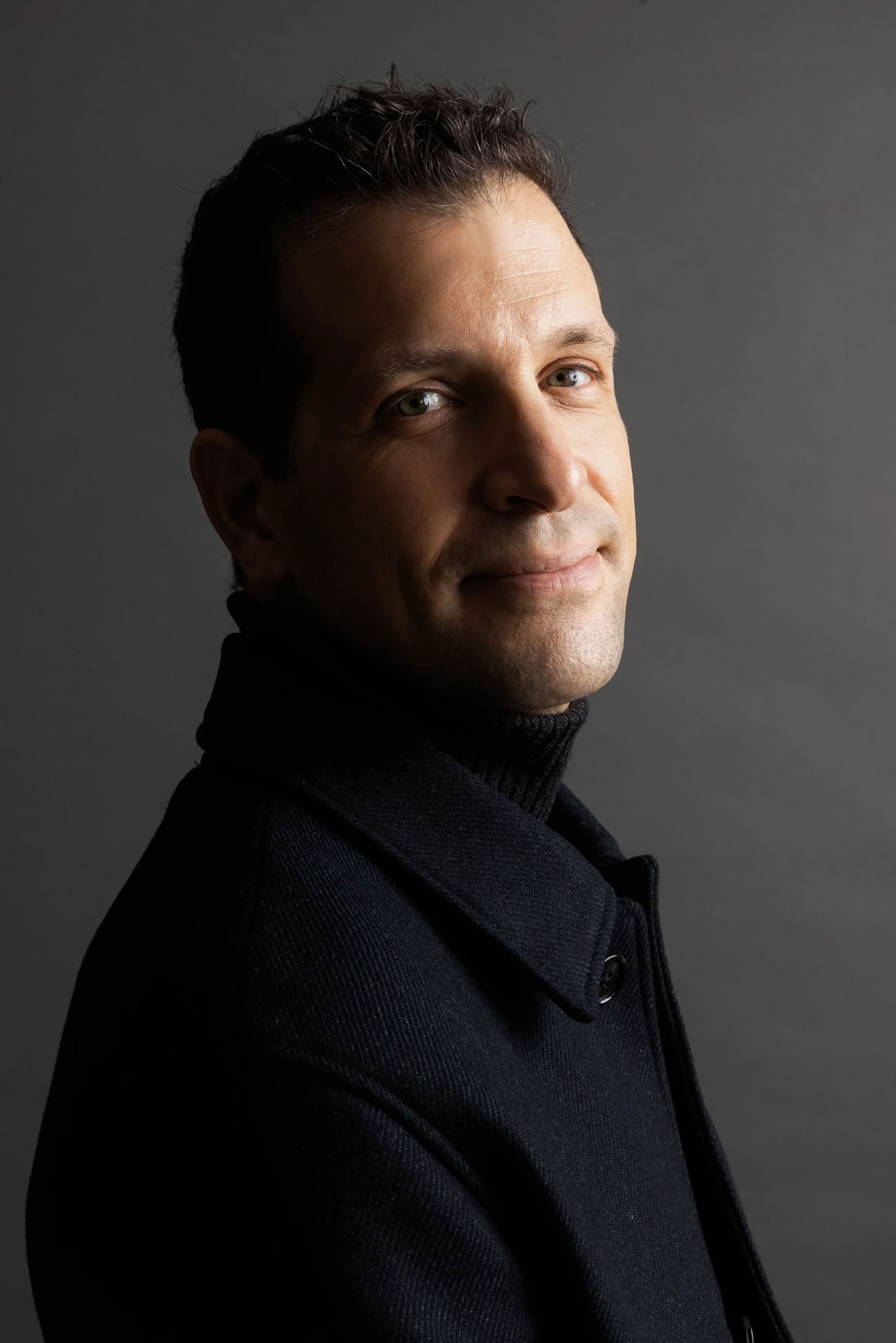
Riccardo Frizza has handed the podium for L’esule di Roma to Fabrizio Maria Carminati, a Bergamo native who once invited Antonino Fogliani to conduct at the Teatro Donizetti – and to whom the opening night will now be dedicated.
The conductor Antonino Fogliani died suddenly at the end of August. Riccardo Frizza, Donizetti Opera‘s artistic and musical director, has now entrusted the podium for the festival’s 2026 opening production, L’esule di Roma, to Fabrizio Maria Carminati.
“The loss of Antonino Fogliani was a terrible blow, first of all a personal one,” said Frizza. “Finding someone who could take his place was an emotionally complex operation, as well as a professionally difficult one: the choice of Fabrizio Maria Carminati – whom I thank for accepting the role only weeks before rehearsals began – was in the end the most natural one, also because of the bond between him and Antonino, to whom the opening night will be dedicated.”
Frizza pointed to Carminati’s expertise in bel canto and his deep knowledge of the 1830s repertoire, which he continues to expand as artistic director of Catania’s Bellini festival, as well as his Bergamo roots, which give him a profound connection to both Donizetti and the theatre he is returning to after more than twenty years.
Carminati made his conducting debut in 1992 with La bohème at the Teatro Regio di Torino. Since 2018, he has been principal guest conductor at Teatro Verdi di Trieste, and since January 2020 he has been artistic director of Catania’s Teatro Massimo Vincenzo Bellini, a role recently renewed to 2027. He has conducted more than 61 opera titles at opera houses including Rome Opera, La Fenice, Maggio Musicale Fiorentino, Teatro Regio di Torino, Teatro Massimo in Palermo, the Arena di Verona and Teatro Petruzzelli in Bari, as well as internationally in Marseille, at the Royal Opera House Muscat, and in Tokyo and Osaka. He was previously artistic director of Teatro Donizetti from 2000 to 2004 and of the Fondazione Arena di Verona from 2004 to 2007.
“I am absolutely thrilled to be returning to Bergamo, and for this I would like to thank the artistic director, Riccardo Frizza, for inviting me to the Donizetti Opera,” says Fabrizio Maria Carminati. “Even during these years when I have been artistically away from my city, I have always felt that Bergamo is my home. Donizetti holds a place of honour in my heart, and my repertoire is clear proof of this: I am deeply attached to bel canto, and Donizetti and Bellini are indeed amongst my favourite composers, alongside the other great Italian composers – from Verdi to Puccini – whose works I have the honour of performing all over the world.”
But the return is shadowed by tragedy: he and Fogliani shared years of memories tied to the Teatro Donizetti, going back to when Carminati, as the theatre’s artistic director in the early 2000s, invited Fogliani to conduct Ugo, Conte di Parigi there, and later toured Japan together with the company, talking long into the night in hotel lobbies. “I will bring to the podium all the friendship and esteem I have for Antonino,” Carminati said, “and my main aim will be to transform the sadness caused by the closing of this circle into a great expression of affection for him.”

L’esule di Roma
L’esule di Roma opens the festival on Friday 13 November at the Teatro Donizetti, with further performances on Saturday 21 November and Sunday 29 November, plus an under-30s preview on Tuesday 10 November.
Donizetti’s two-act heroic melodrama, composed to a libretto by Domenico Gilardoni, premiered at Naples’ Teatro San Carlo on 1 January 1828; the critical edition being used is edited by Roger Parker and Ian Schofield for Casa Ricordi.
Set in imperial Rome under Tiberius, the opera follows the general Publio, back victorious from a campaign against the Sarmatians, as he becomes caught up in a plot of betrayal and nobility centred on the love between Argelia and the tribune Settimio – unjustly exiled by her own father, Murena. Remorse, redemption and courage steer the story towards a happy ending that restores justice to everyone involved.
The production is directed by the German director Katharina Thoma, making her Donizetti Opera debut after work at Glyndebourne, the Royal Opera House and theatres in Frankfurt, Cologne, Leipzig and Malmö. She is joined by set designer Devin McDonough, costume designer Irina Bartels, lighting designer Fiammetta Baldiserri and video designer Luca Scarzella.
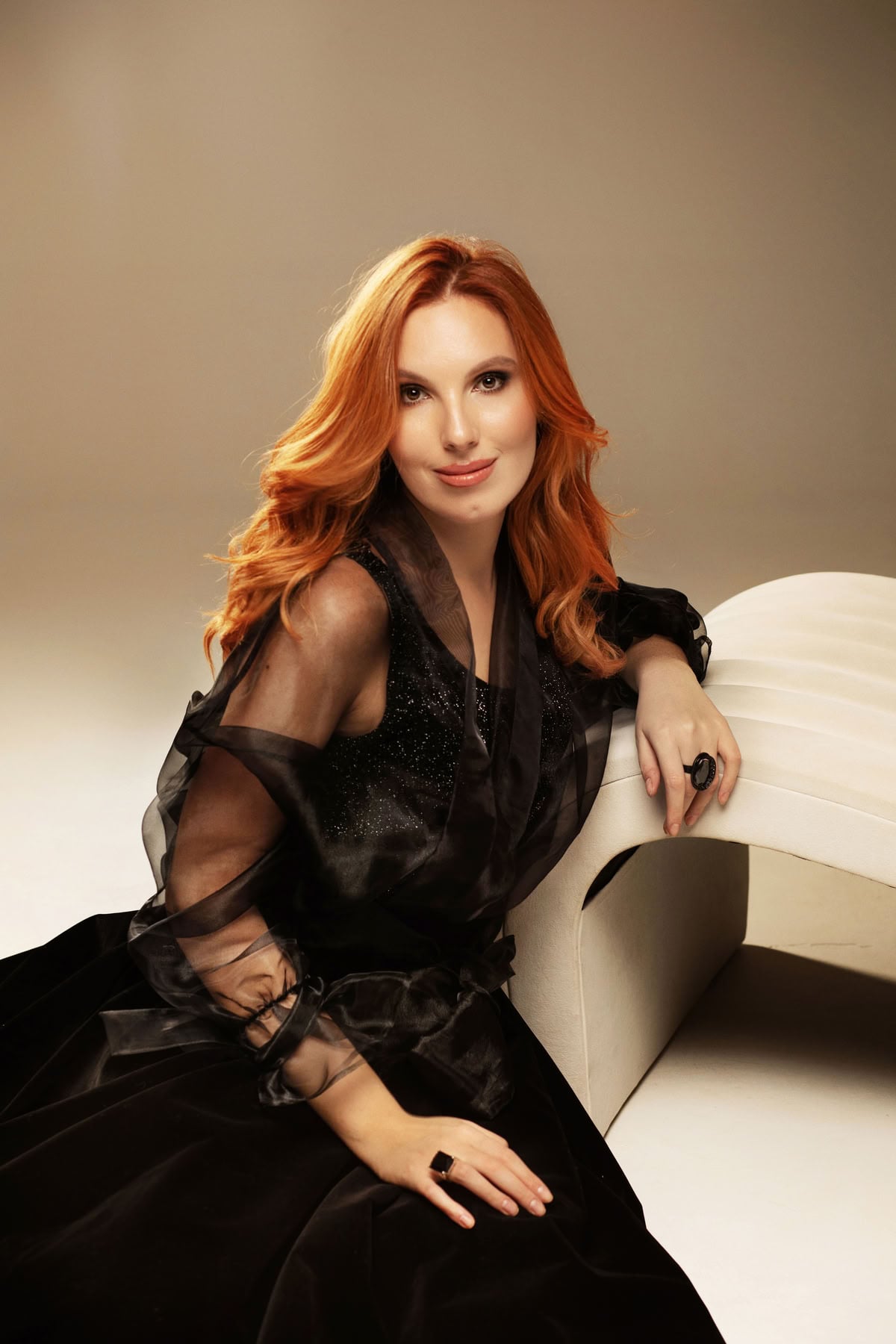
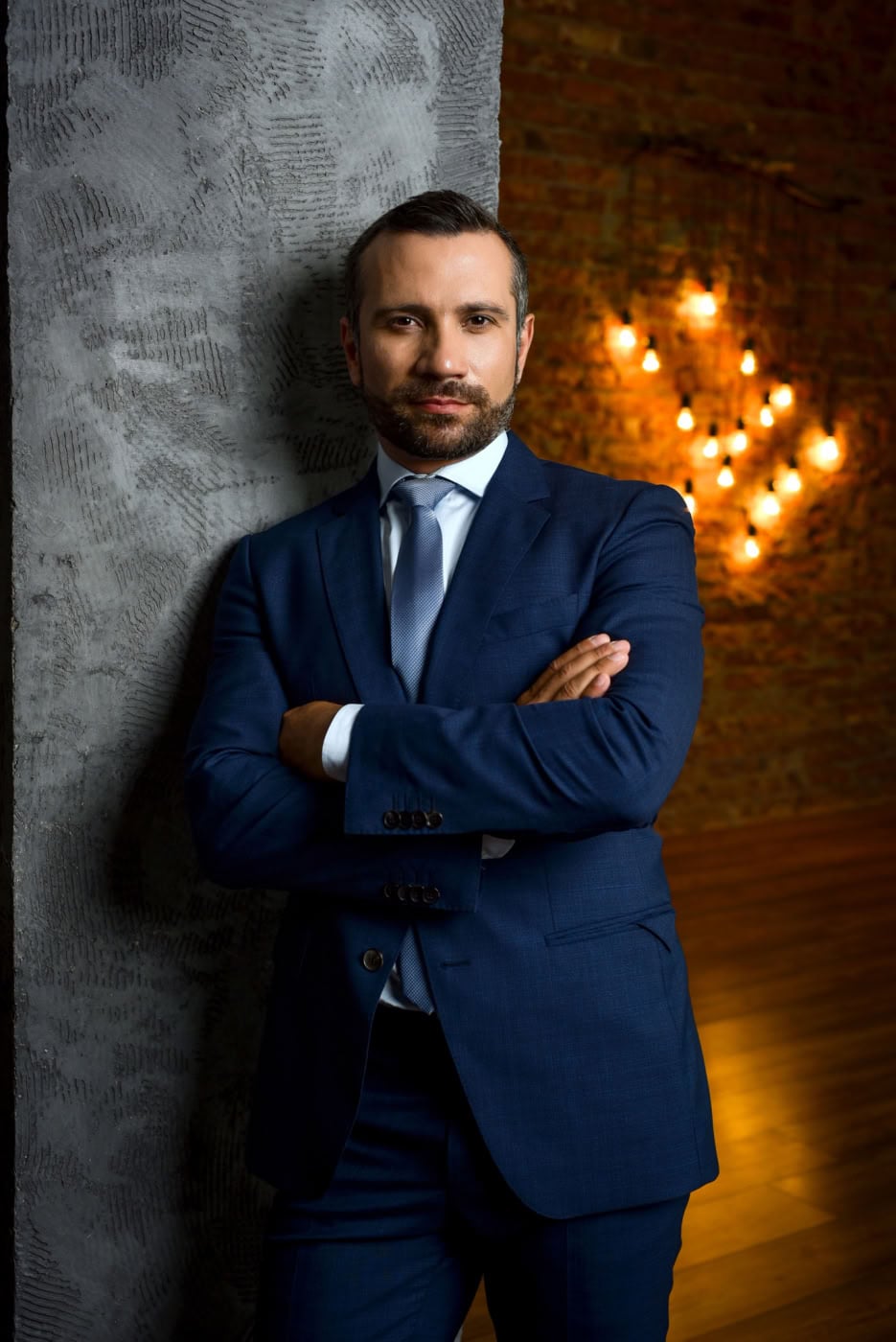
An exciting cast is led by soprano Lidia Fridman as Argelia, tenor Sergey Romanovsky as Settimio and bass-baritone Luca Pisaroni as Murena, with the Accademia Teatro alla Scala chorus.

Graham Spicer, aka ‘Gramilano’, is a writer, director and photographer based in Milan. He was a regular columnist for Opera Now magazine and wrote for the BBC until transferring to Italy. His articles have appeared in various publications from Woman’s Weekly to Gay Times, and he wrote the Danza in Italia column for Dancing Times magazine. Graham was the historical advisor on Codice Carla, the 2023 documentary on Italian ballerina Carla Fracci.
Graham also works as a dance photographer, and his photos have appeared in many books, theatre programmes, and magazines, including Dancing Times, Dance Spirit and Ballet2000, as well as all the major Italian newspapers.
He is a member of the Dance Section of The Critics’ Circle.