Review: Carlo Vistoli in Amori e danze – an all-Handel evening at Pavia’s Teatro Fraschini
With a seductive vibrato and a rare, perfect trill, the countertenor made Handel dance alongside Giulio Prandi’s players, closing with a quiet aria from Deborah that felt like a benediction.
| Title | Amori e danze |
| Company | Orchestra Ghislieri |
| Venue | Teatro Fraschini, Pavia |
| Date | 1 October 2026 |
| Reviewer | Graham Spicer |
Carlo Vistoli is an exciting ‘new’ countertenor who, until the last five years, has been quietly flying under most people’s radar, performing with important specialist groups, such as William Christie‘s Les Arts Florissants and the English Baroque Soloists, which took him to international theatres and concert halls, including the Salzburg Festival in 2018.
Yet Vistoli made his stage debut back in 2012 and will turn forty next year, and maybe his slower rise to fame will be a benefit in the long run – many countertenors burn out quite quickly under the inhuman demands they make on their voices.
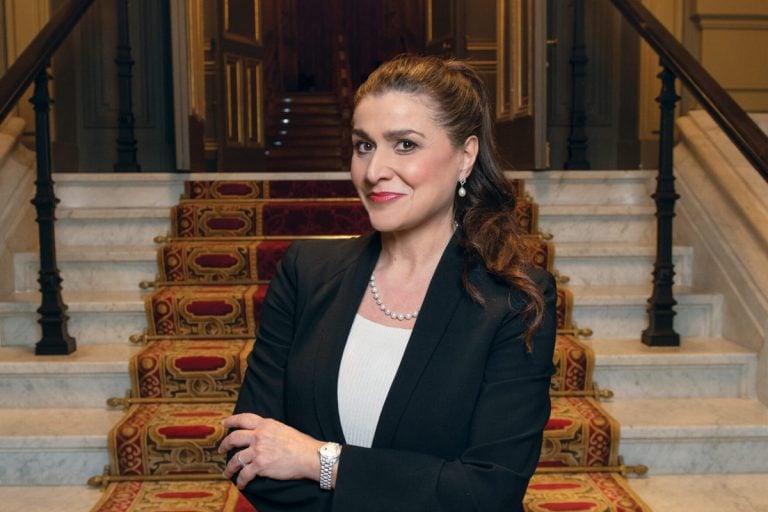
It was perhaps Cecilia Bartoli who helped propel his visibility when he sang Pergolesi’s Stabat Mater with her on tour in 2021. A year later, he shared the stage with her again in Damiano Michieletto’s production of Alcina in Florence, followed by an extensive concert tour of Handel’s Giulio Cesare in Egitto in 2023, and a stage production of the opera in Monte Carlo in 2024.
The last couple of years have witnessed his debuts at the Staatsoper in Vienna, La Scala in Milan, and the Royal Opera House in London.
His many discs include recent recordings for Harmonia Mundi: the music of Vivaldi on 2024’s Sacro furore with the Akademie für Alte Musik Berlin; Nei giardini d’amore, a recording of Baroque arias with fellow countertenor Hugh Cutting and Les Arts Florissants, conducted by Christie (2025); and the recently issued album of music for castrati from Handel’s oratorios, Handel’s Italians, with Le Concert d’Astrée and Emmanuelle Haïm.
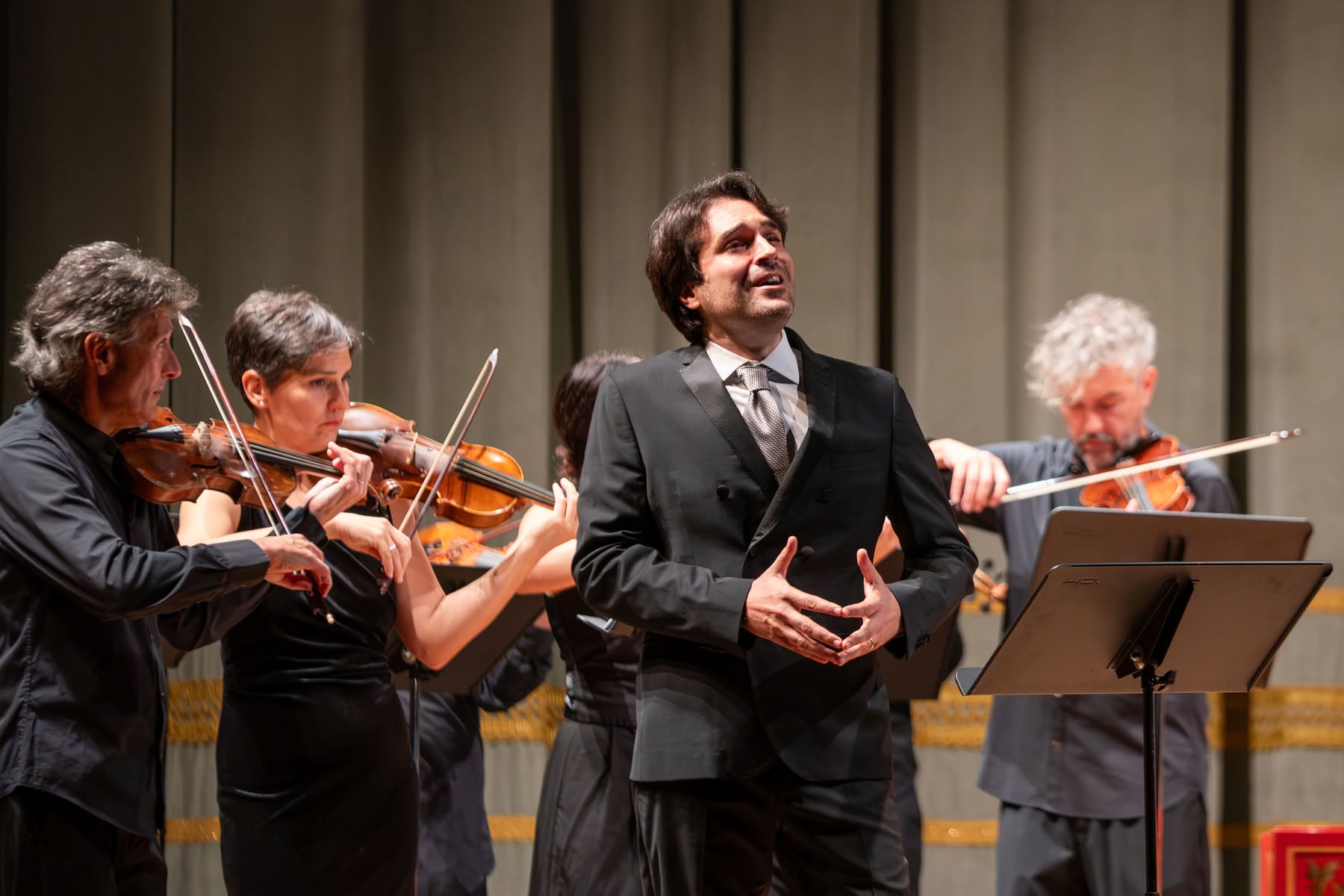
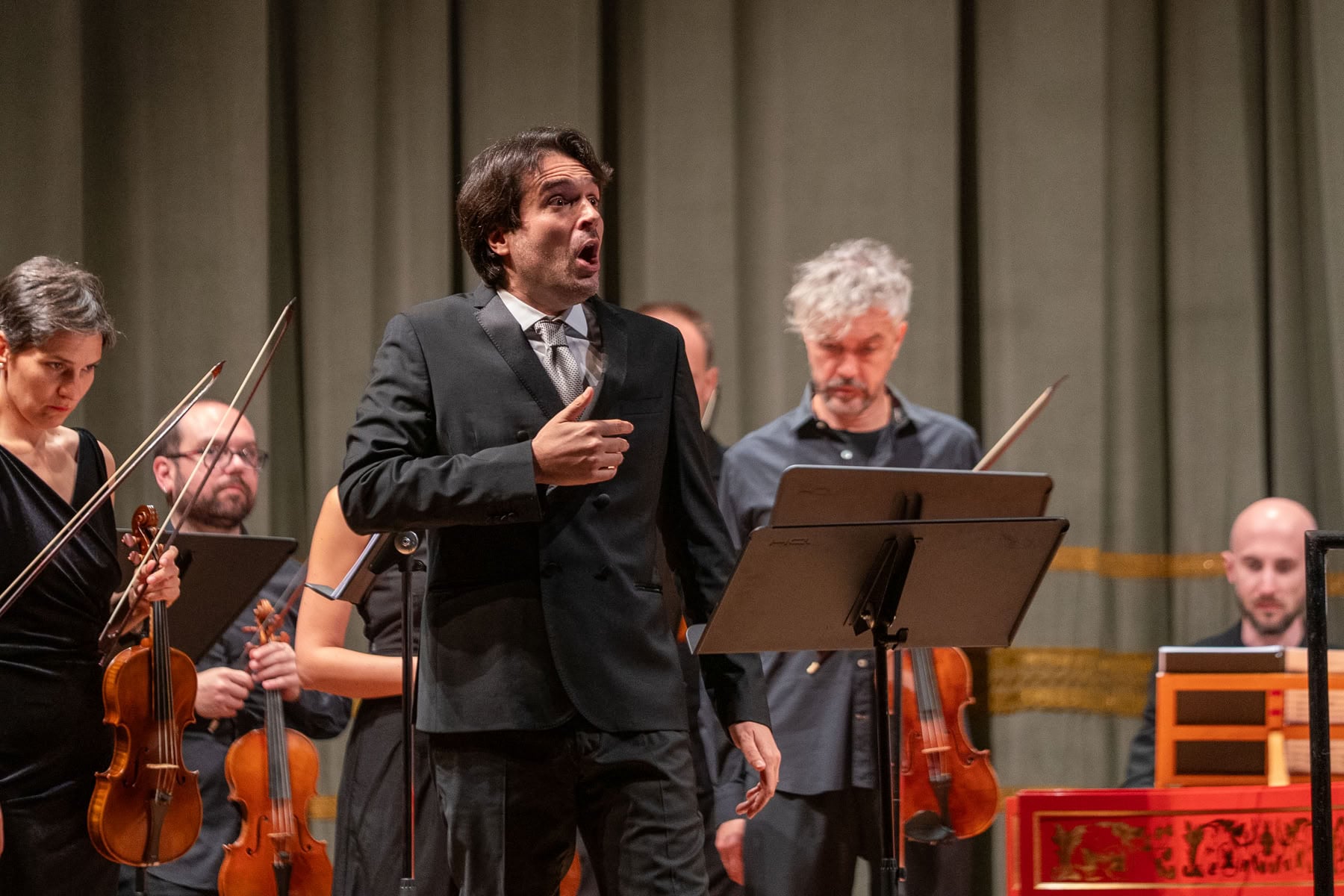
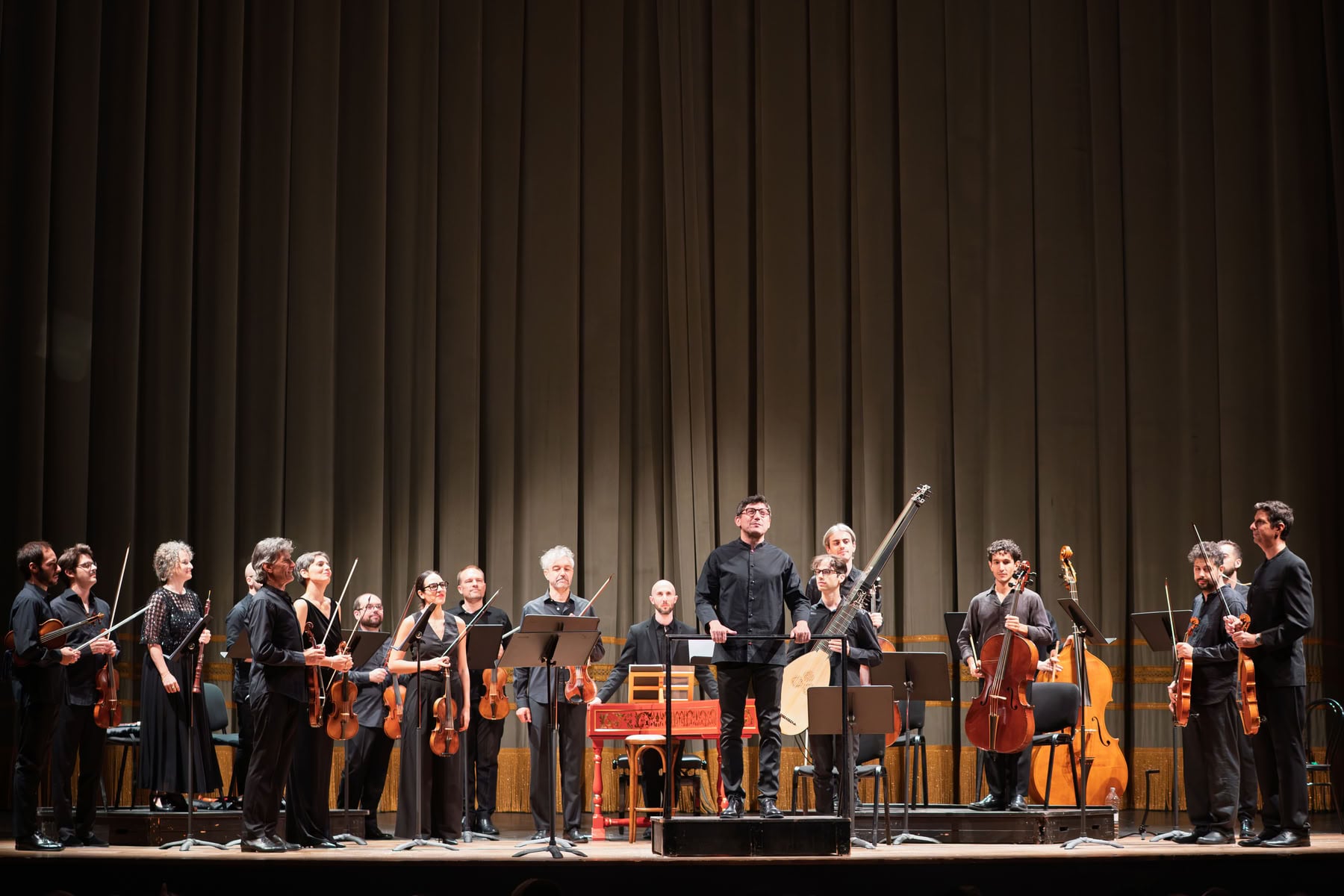
It was with an all-Handel programme that Vistoli came to Pavia’s glorious Teatro Fraschini, together with conductor Giulio Prandi and his Orchestra Ghislieri.
Visibly troubled by a cold (though this wasn’t announced), he navigated a demanding and generous programme. Amori e danze was its seemingly odd title, but a programme note by Rosa Franciamore explains: “Beneath the arias, within the symphonies, even where the drama seems to be falling apart, there is in Handel almost always the sense that someone is dancing.”
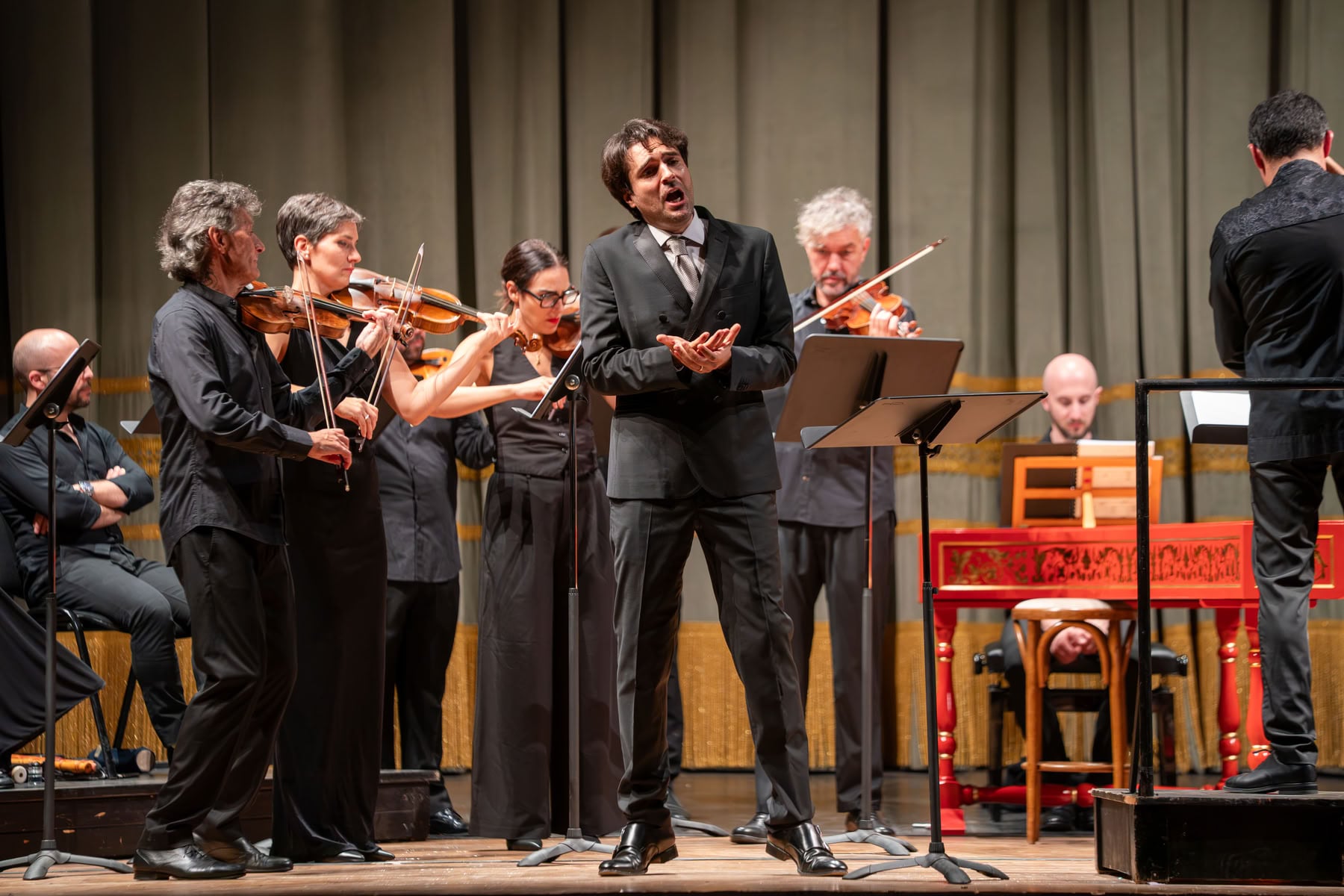
And the music indeed danced through the many intricate coloratura passages that Vistoli throws off with apparent ease. However – rather like Bartoli – it is his way of making piano passages come across as strongly and intensely as dramatic fortissimo phrases that is truly magical and moving. This comes together with a seductive vibrato and a rare, perfect trill; ‘Scherza infida’ from Ariodante was spine-tingling.
A programme of an hour and forty minutes (without interval) touched on Partenope, Agripina, Ariodante, Alcina and Rinaldo as well as a favourite: ‘Pena tiranna’ from Amadigi di Gaula.
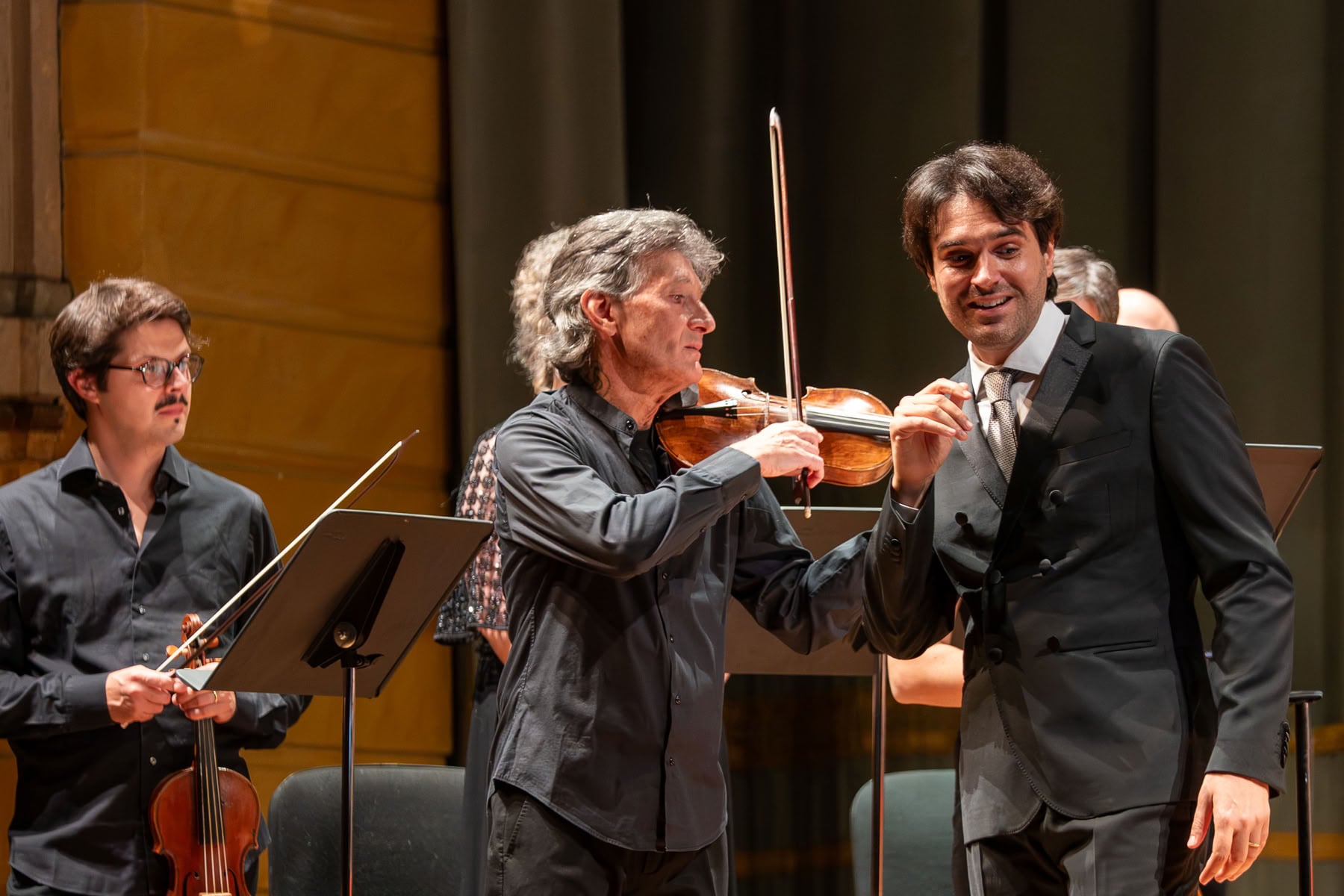
The ‘official’ part ended triumphantly with ‘Se in fiorito ameno prato’ from Giulio Cesare, with Vistoli and the orchestra leader, Marco Bianchi, duelling in an ‘anything you can do, I can do better’ concertante competition. The theorbo of Giulio Falzone was another instrument given the chance to shine, and it was impossible not to appreciate the nimble Priska Comploi moving around the orchestra, switching between her various wind instruments along the way. They were led by the animated Giulio Prandi, who showed a childlike enthusiasm as he pointed out members of the orchestra for particular applause. The sound he encourages isn’t biting and is softer than that of many Baroque ensembles, creating a warm cushion to coddle the voice.
The encores included a mesmerising interpretation of ‘Lascia la spina, cogli la rosa’ from Il trionfo del tempo e del disinganno and concluded with a piece from Vistoli’s latest album – ‘Più bella spoglia sarà fral’ from Deborah. The aria was translated into Italian in 1734 for the castrato Giovanni Carestini, who was uncomfortable singing in English. Although Vistoli demonstrates excellent, clear English on the recording, he sings a few of these Italian translations captured for the first time on disc. It is a simple, beautiful two-minute aria. Rather than going out in a blaze of virtuosity, the concert ended with disarming simplicity, feeling less like an ending than a benediction.