
Review: Ivan Putrov’s Dance for Ukraine gala – raising funds to support ballet students
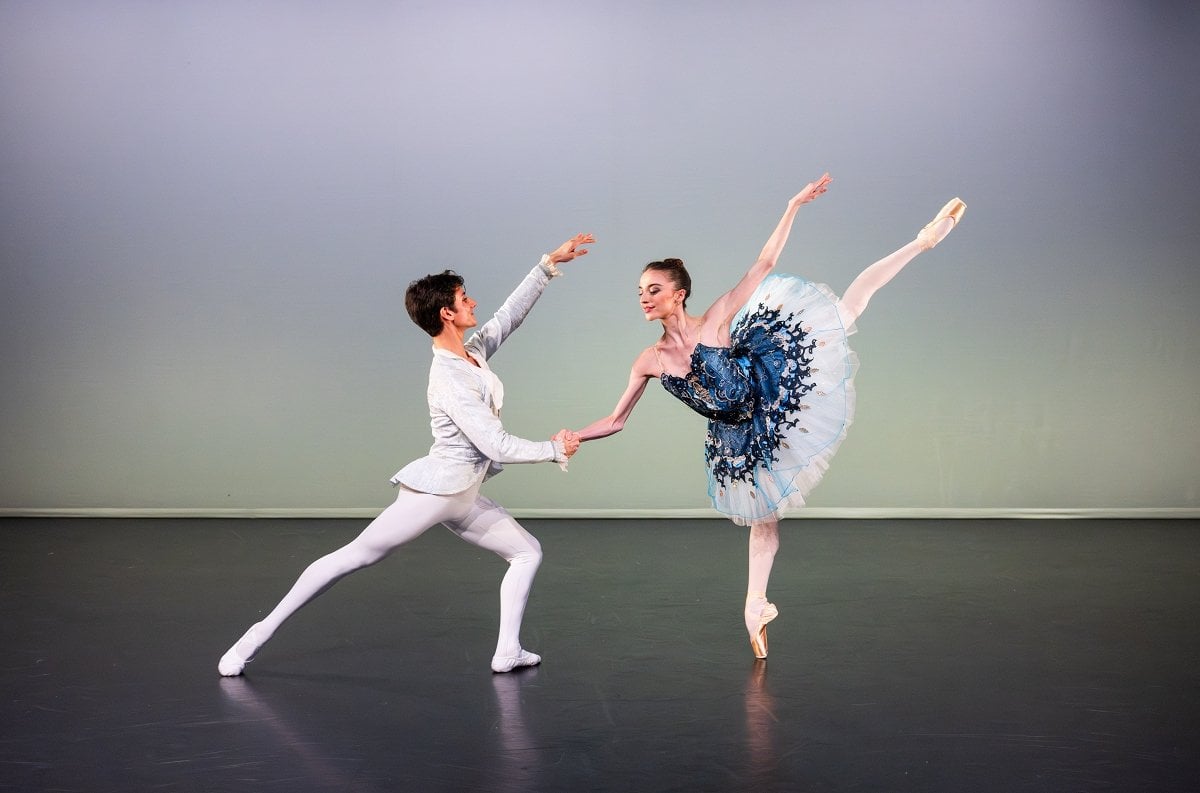
Graham Watts praises Dance for Ukraine – a very fine show, worthy of fulsome support.
| Title | Dance for Ukraine |
| Company | Inspiration in Motion |
| Venue | Aud Jebsen Studio Theatre, Royal Academy of Dance, London |
| Date | 26 March 2026 |
| Reviewer | Graham Watts |
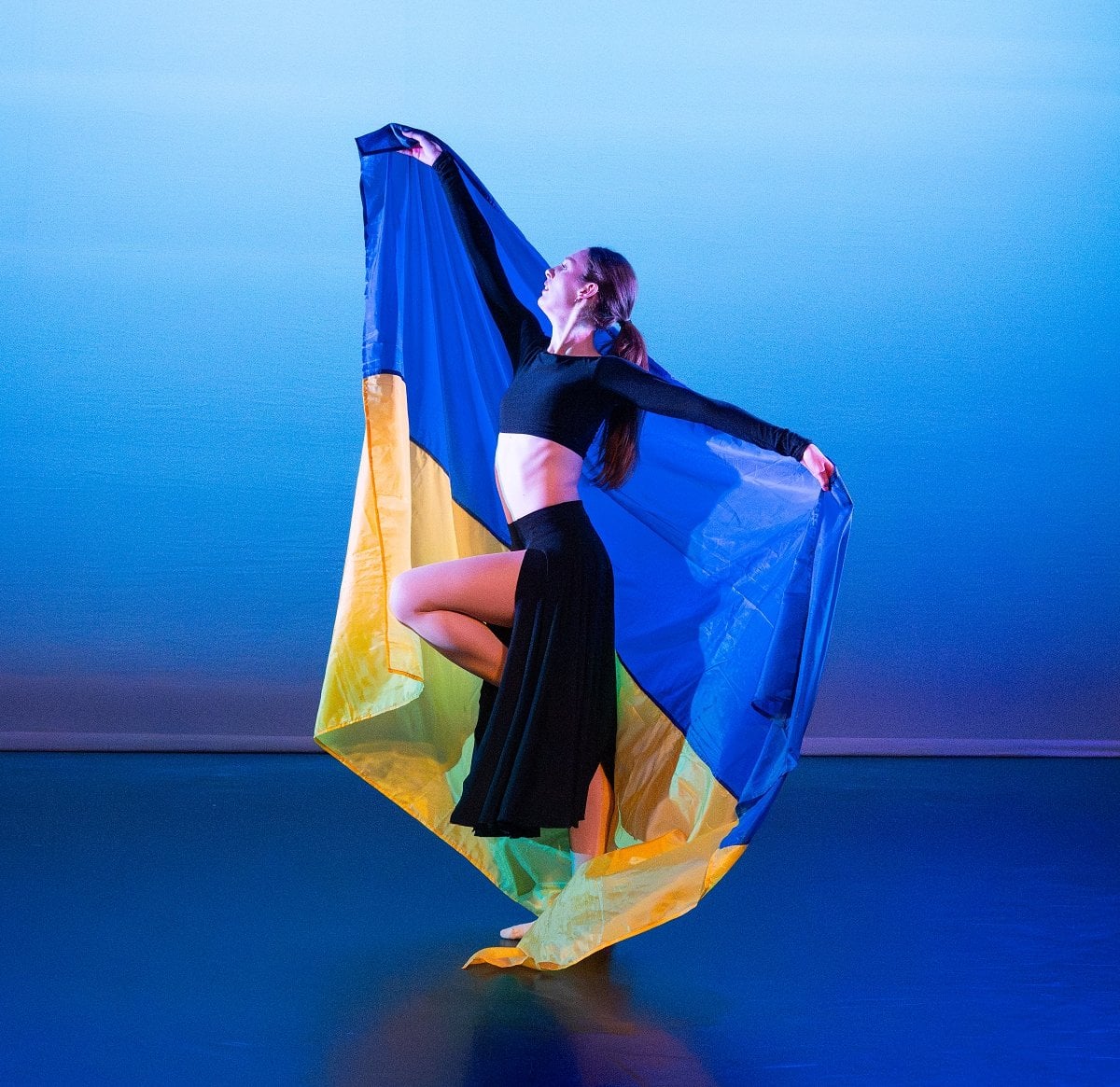
This Dance for Ukraine Gala was always going to be worthy of fulsome support, but the dreadful impact of the Russian invasion was amply illustrated by a poignant solo performed by Mariia Shapoval, a graduate of the Brighton Academy, concluding with her leaving the stage hurriedly wrapped in the Ukrainian flag. Her brief piece entitled Forever in the Heart was an intensely moving tribute to her father, Oleksandr, a ballet dancer and choreographer who was killed in battle in September 2022.
Ivan Putrov has campaigned tirelessly over these past few years to keep our attention focused on the plight of his homeland, bringing his special expertise and contacts to bear on providing support for ballet. Having raised funds for Frederick Ashton’s La Fille mal Gardée to be exported to Kyiv, amongst many other initiatives, he has curated this gala in association with his Inspiration in Motion* team and with the support of Dame Darcey Bussell and the Royal Academy of Dance, with the aim of raising at least £50,000 to support the training of 30 ballet students in Ukraine.

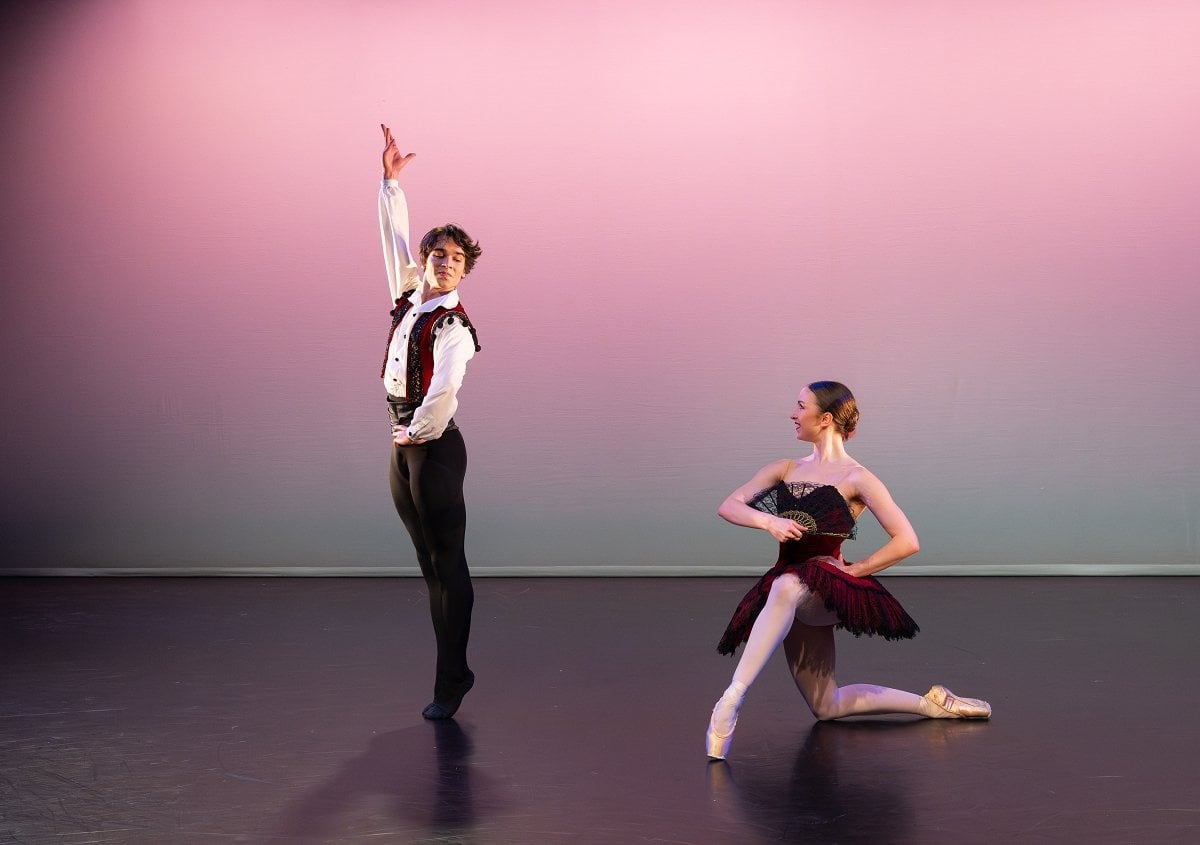
The dancers performed on a bare stage that is wide but not deep, with only costumes and enthusiasm to project their roles, something that was achieved outstandingly by Alisa Garkavenko in Kitri’s Entrance from Don Quixote. Usually, of course, that arrival would be to a crowded market square, but here we had to imagine the throng at whom her engaging expressions were directed. Don Q topped and tailed the first act since Garkavenko returned for the Grand pas de deux, partnered by Denis Teixeira, currently in his graduate year at the Royal Ballet School. These two Ukrainian dancers gave a fine account of this thrilling duet, conquering an unforgiving, slippery floor along with this challenging choreography.
Apart from Garkavenko, from Birmingham Royal Ballet, and Shapoval, the other dozen dancers were all from The Royal Ballet, and so one must applaud them and their director, Kevin O’Hare, for giving their time, in a very busy period, to this worthy cause.


Three days earlier, Marianna Tsembenhoi and Joseph Sissens had given performances as Giselle and Albrecht that attracted widespread acclaim, and for those of us not privileged to have been in the audience at The Royal Opera House, here was an immediate opportunity to savour a smidgeon of their emotional and technical excellence in the Second Act pas de deux.
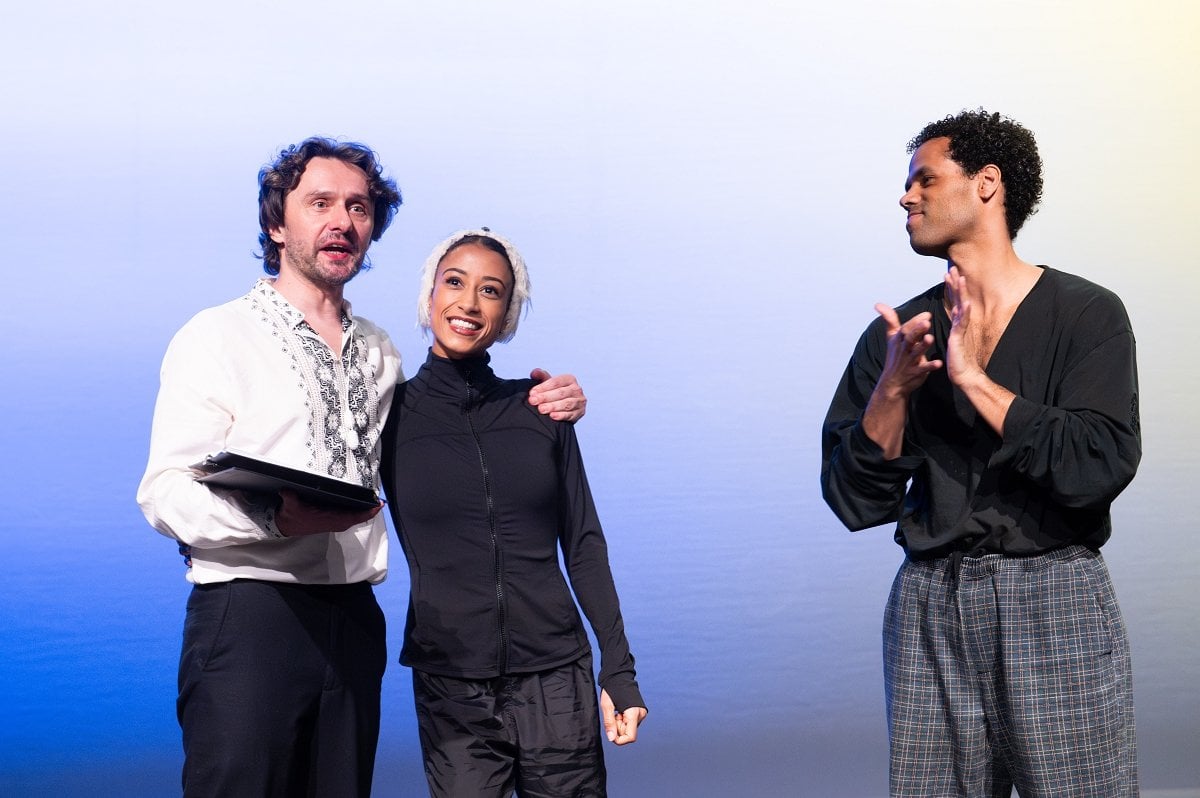
Tsembenhoi returned later in the programme to dance the Dying Swan. I have seen many performances of Fokine’s much-used choreography, but I doubt that I have witnessed such mesmerising, rippling arms and wrists as in Tsembenhoi’s compelling cameo. There is no doubt that she is a mega star for the future and is already building a great partnership with Sissens. Both dancers had their mothers present in the audience and, in an onstage interview by Putrov, they gave meaningful expression to the value of philanthropic support in their own development.

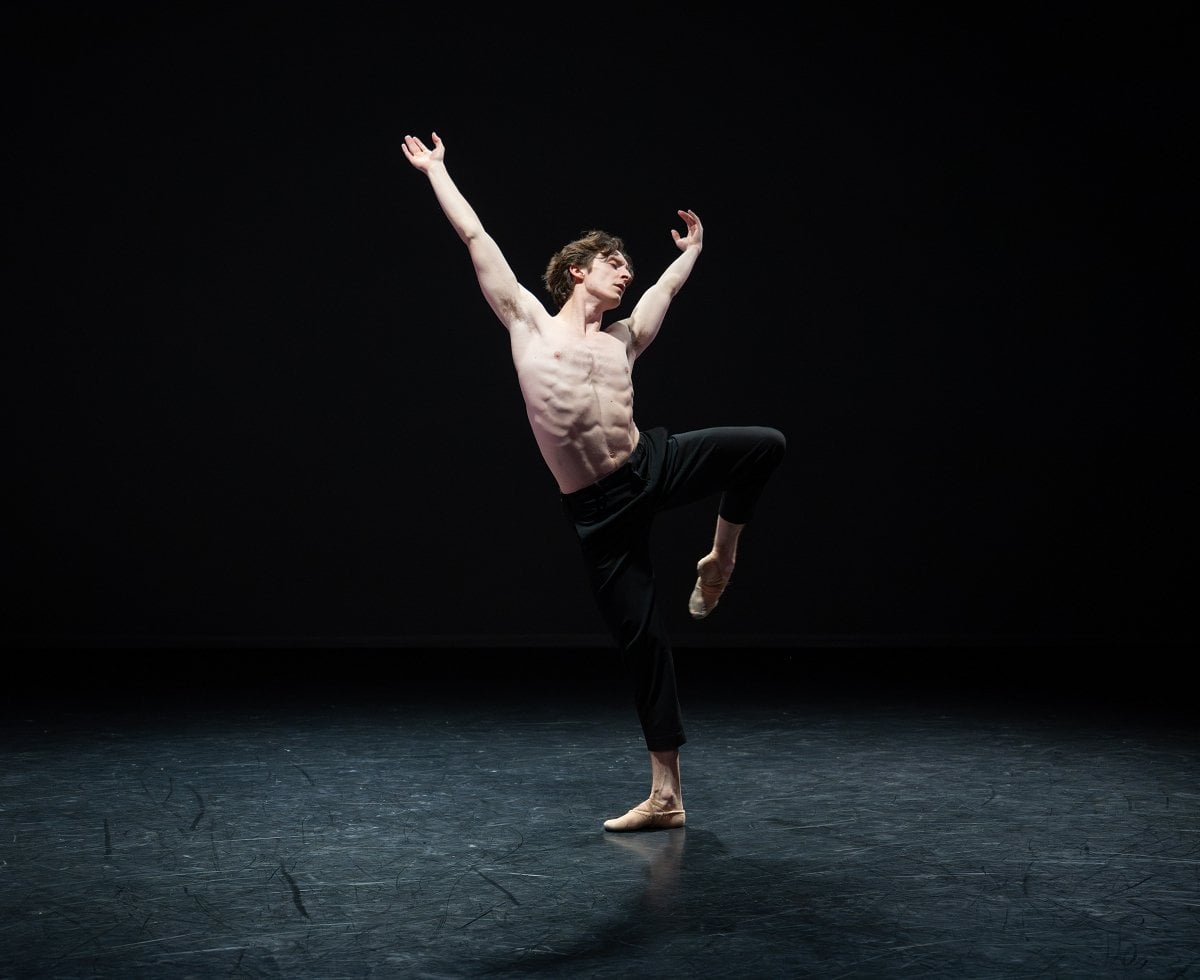
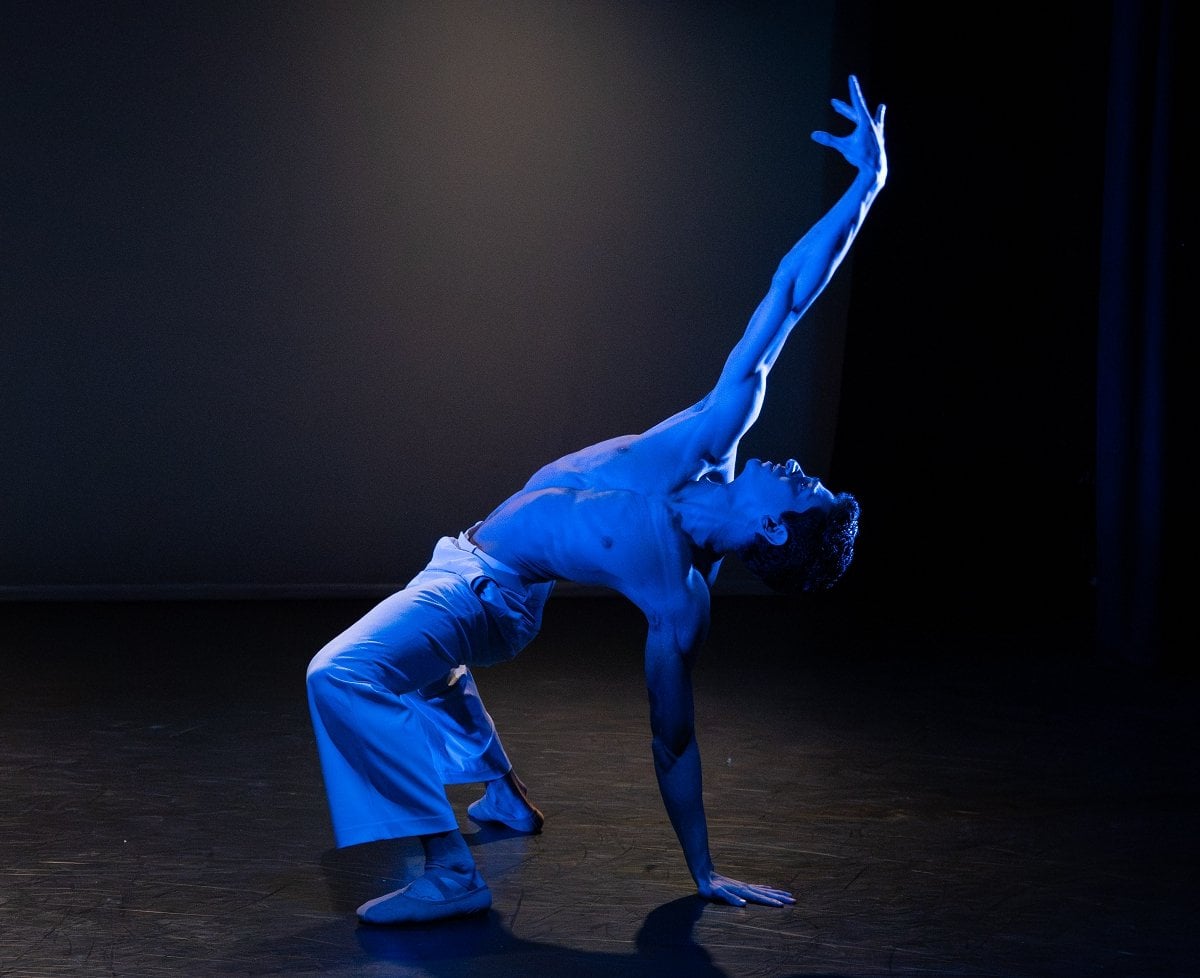
We got two doses of the swan’s death throes, since Denilson Almeida had earlier danced Calvin Richardson’s modern interpretation for a male dancer, giving full vent to the required expressiveness. He followed another solo, an extract from Jonathan Watkins’ A Single Man, danced with extraordinary feeling by Edward Watson to a recording of John Grant singing the most haunting song from that score. Astonishingly, Watson will be 50 in just over a month’s time, but the flexibility and range of his movement seem undiminished by the years.
Another very strong performance came in an adapted grand pas from Coppélia, danced with elan and charm by Viola Pantuso and Caspar Lench, both clearly on an upward trajectory in their careers. Pantuso has refinement, control and charisma in spades, and Lench is developing upper-body strength for seemingly effortless lifts to equal his supreme virtuosity. After the interval, Hannah Park and Martin Diaz tackled the adage and coda from Victor Gsovsky’s complex Grand Pas Classique with excellent technique.

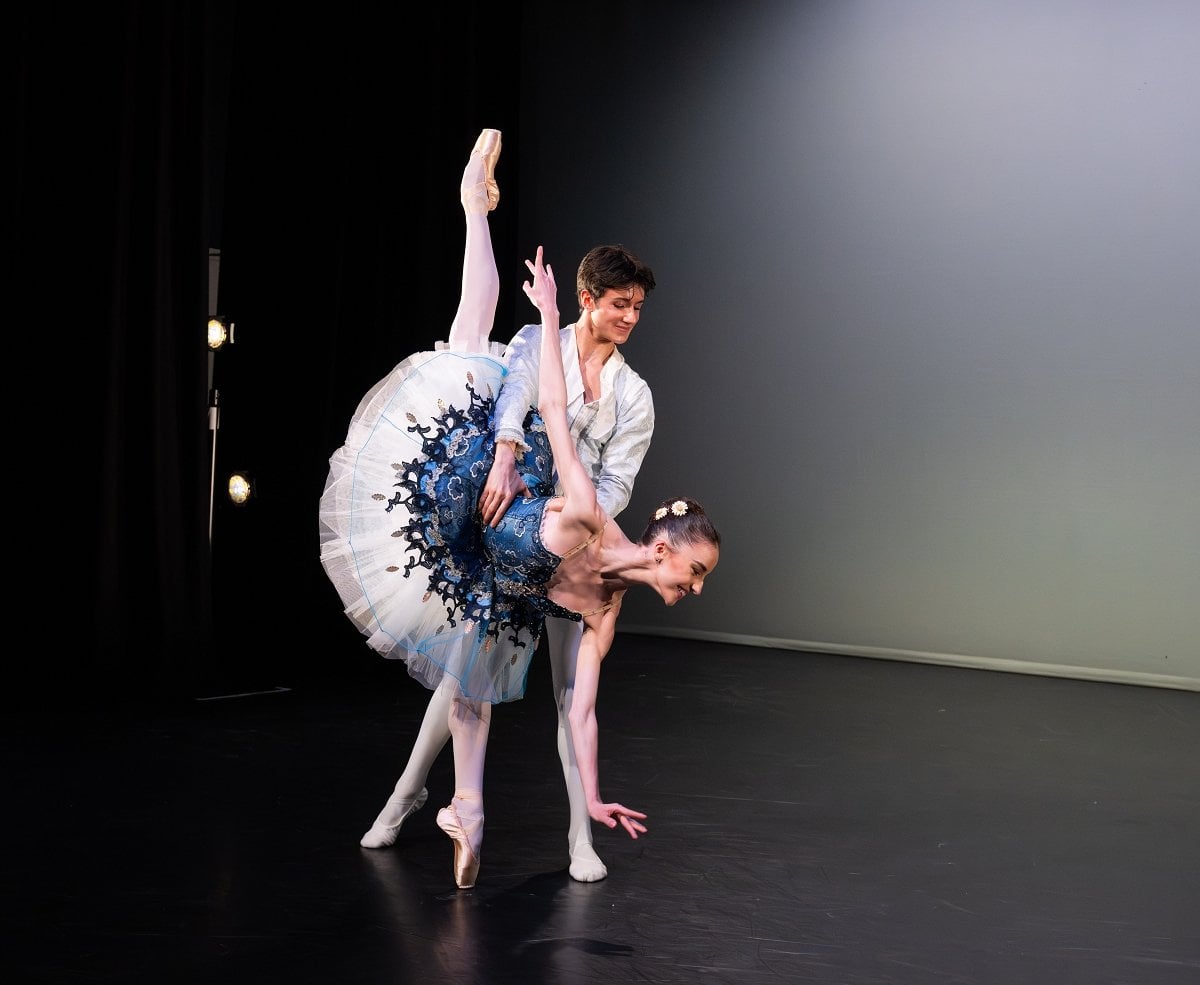
Thanks to the Frederick Ashton Foundation, the audience was treated to a delicious extract from Rhapsody by Akane Takada and Patricio Revé, a spell-bindingly memorable cameo by this exquisite and well-matched pair. Joshua Junker performed his yearning, highly physical solo, 324A, which he choreographed to great and lasting effect during lockdown.
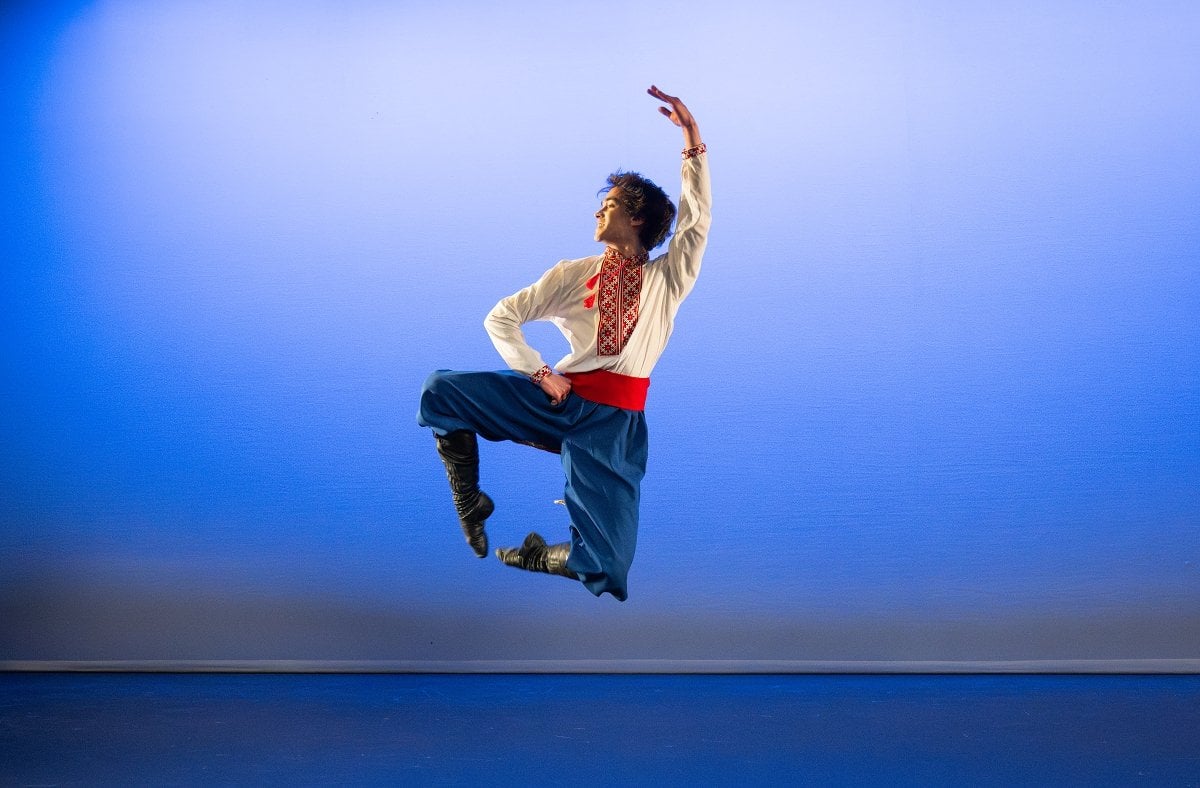
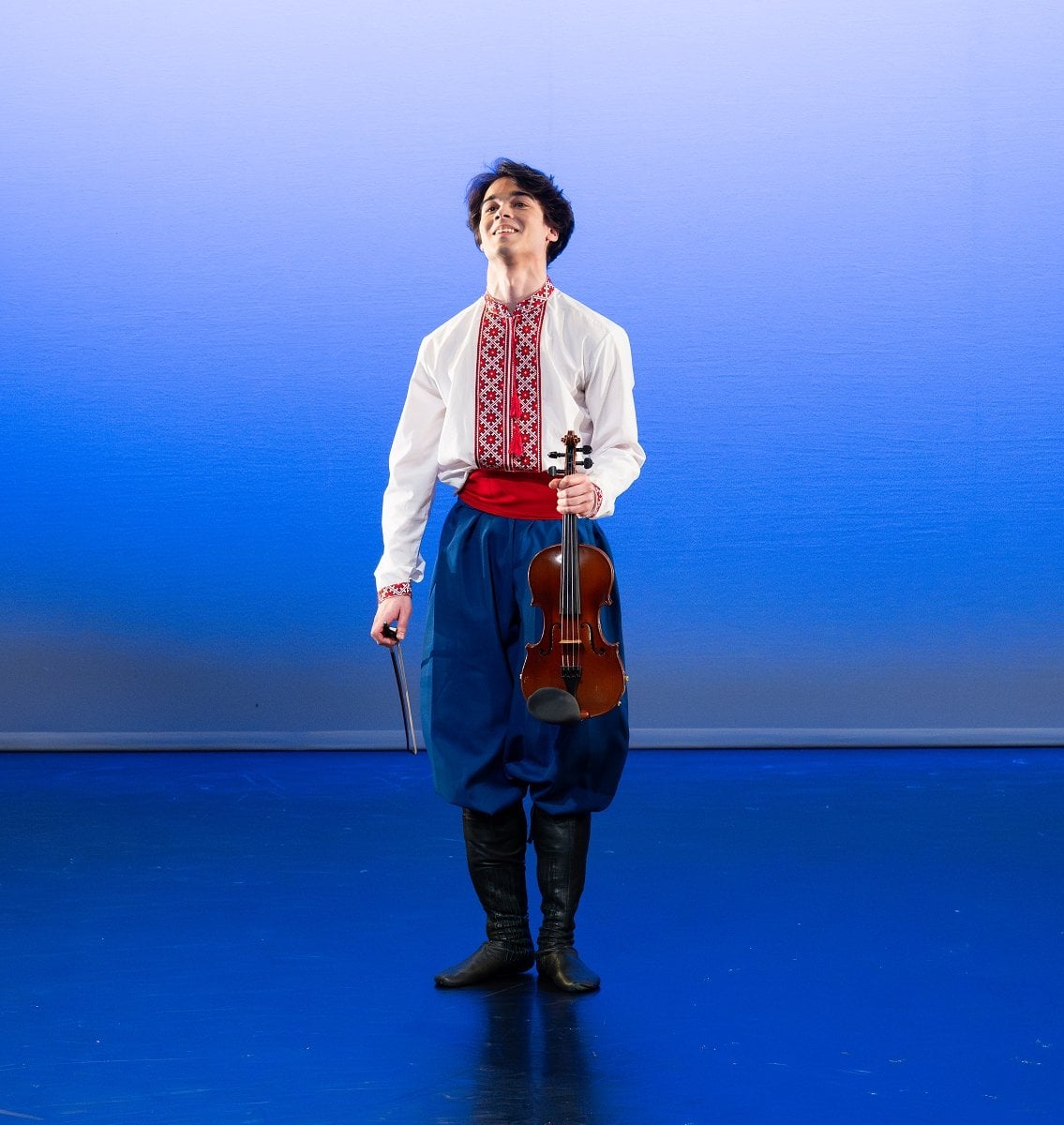
The finale was a fascinating example of Teixera’s polymathic talents, for offstage he accompanied Tsembenhoi’s Dying Swan on the violin, unknown to the audience until he walked onstage and handed her the instrument before embarking on the high-energy leaps and kicks of Gopak, the Ukrainian folk dance ascribed to the ballet Taras Bulba, choreographed by Rotislav Zakharov. I have never seen the ballet but have enjoyed this explosive excerpt many times, and it was a rousing way to end a very fine show.

There is still time to support this excellent charitable venture.
Anyone can do so by visiting inspirationinmotion.org.uk or via dance.for.ukraine on Instagram.
* Inspiration in Motion is a registered charity, founded and led by Ivan Putrov, that promotes dance and supports Ukrainian dancers amid the ongoing war.


