Michele Mariotti conducts both versions of Rossini’s Petite messe solennelle in Rome
Emőke Baráth, Carlo Vistoli, Dmitry Korchak and Michele Pertusi sing the orchestral version at the Teatro Costanzi, then the original for two pianos and harmonium in the Basilica di San Vitale.
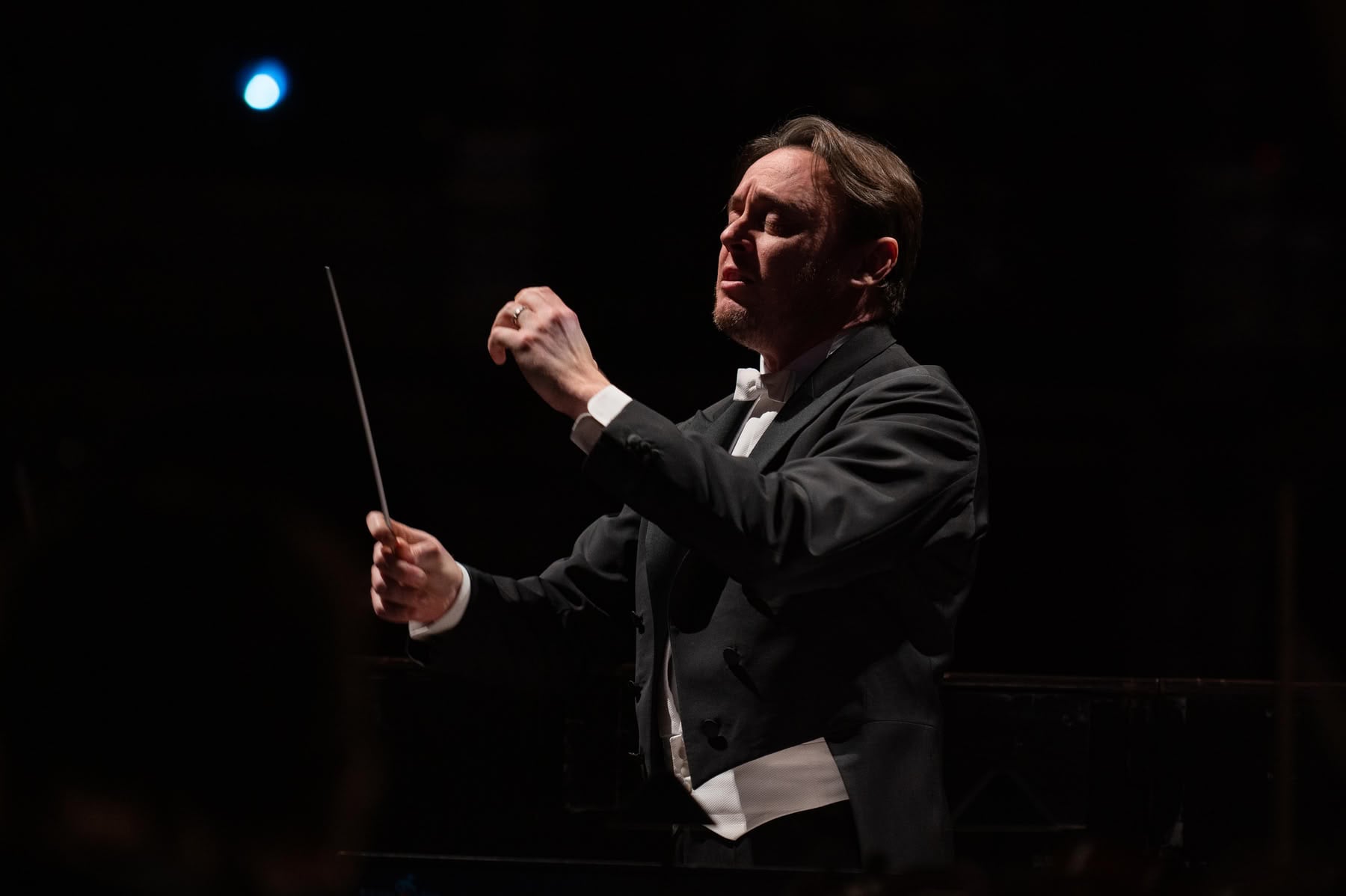
Rossini’s late masterpiece comes to Rome in both its guises this month, with Teatro dell’Opera di Roma music director Michele Mariotti conducting each version of the Petite messe solennelle a few days apart.
On Saturday 17 October, Mariotti leads the company’s orchestra and chorus at the Teatro Costanzi – Rome’s opera house – in the second version, for soloists, chorus and orchestra. On Thursday 22 October, he moves to the Basilica di San Vitale for the first version, scored for soloists, chorus, two pianos and harmonium. Marco Forgione and Michele Reali are the pianists and Alessia Capoccia plays the harmonium.
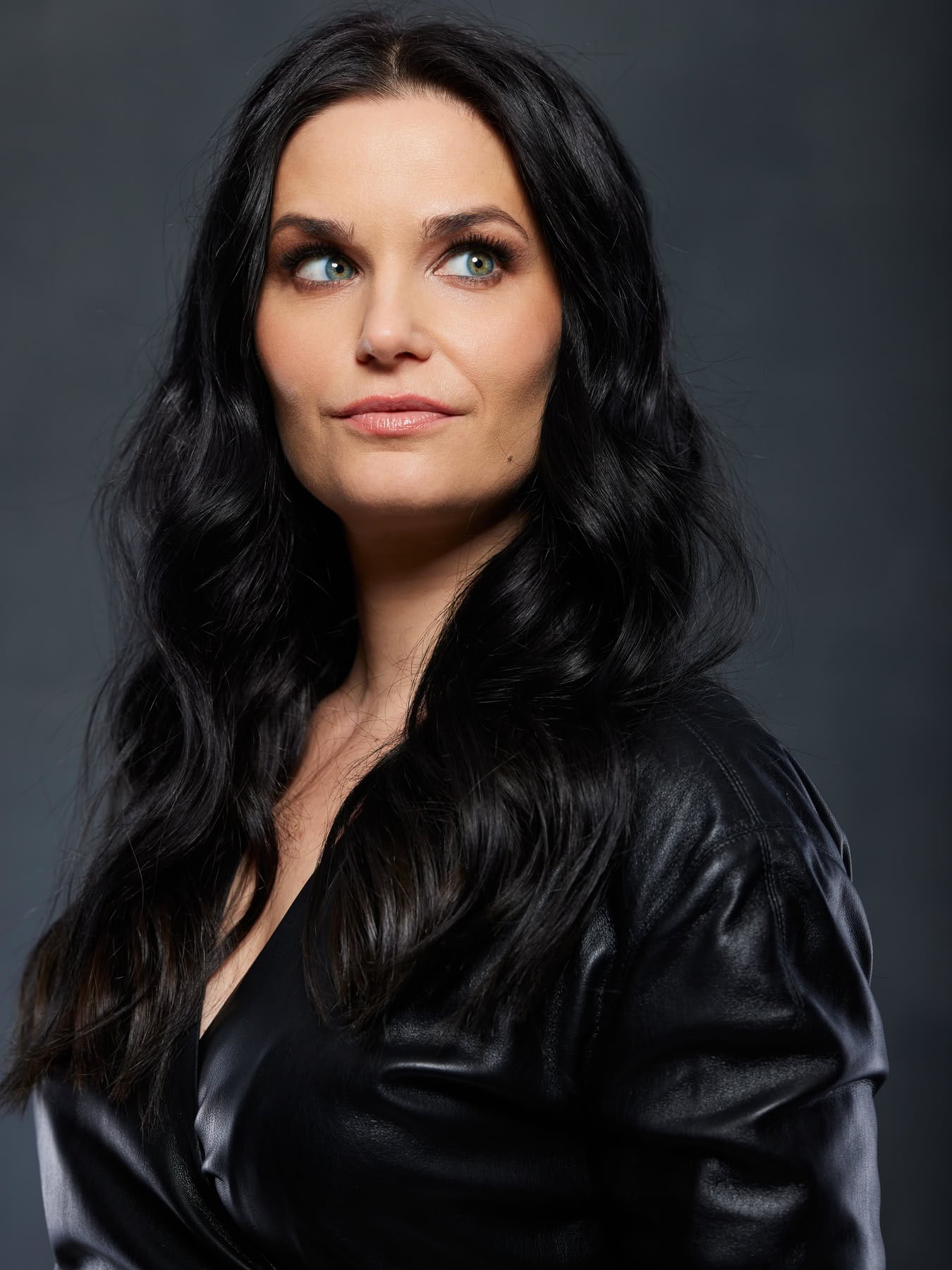
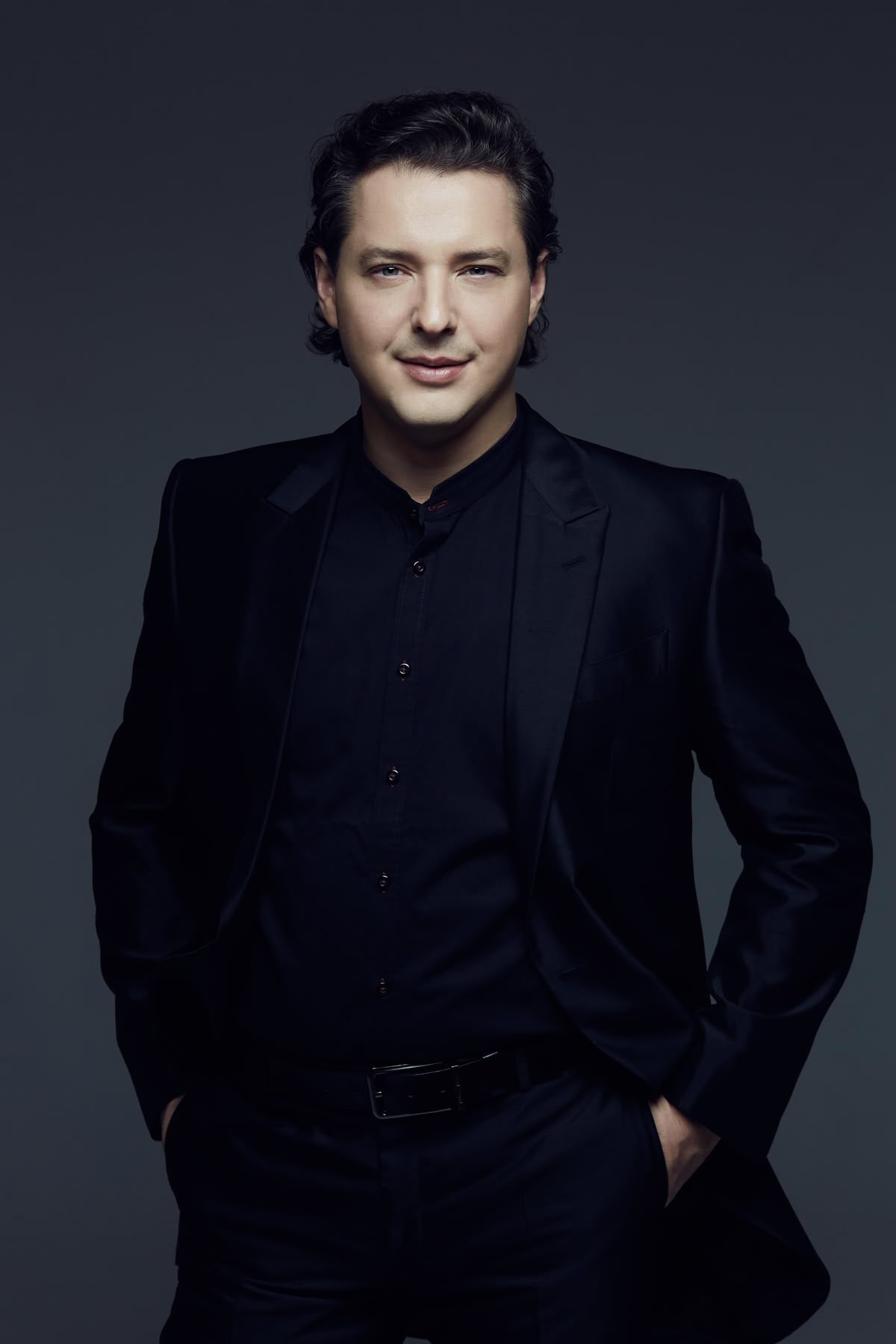
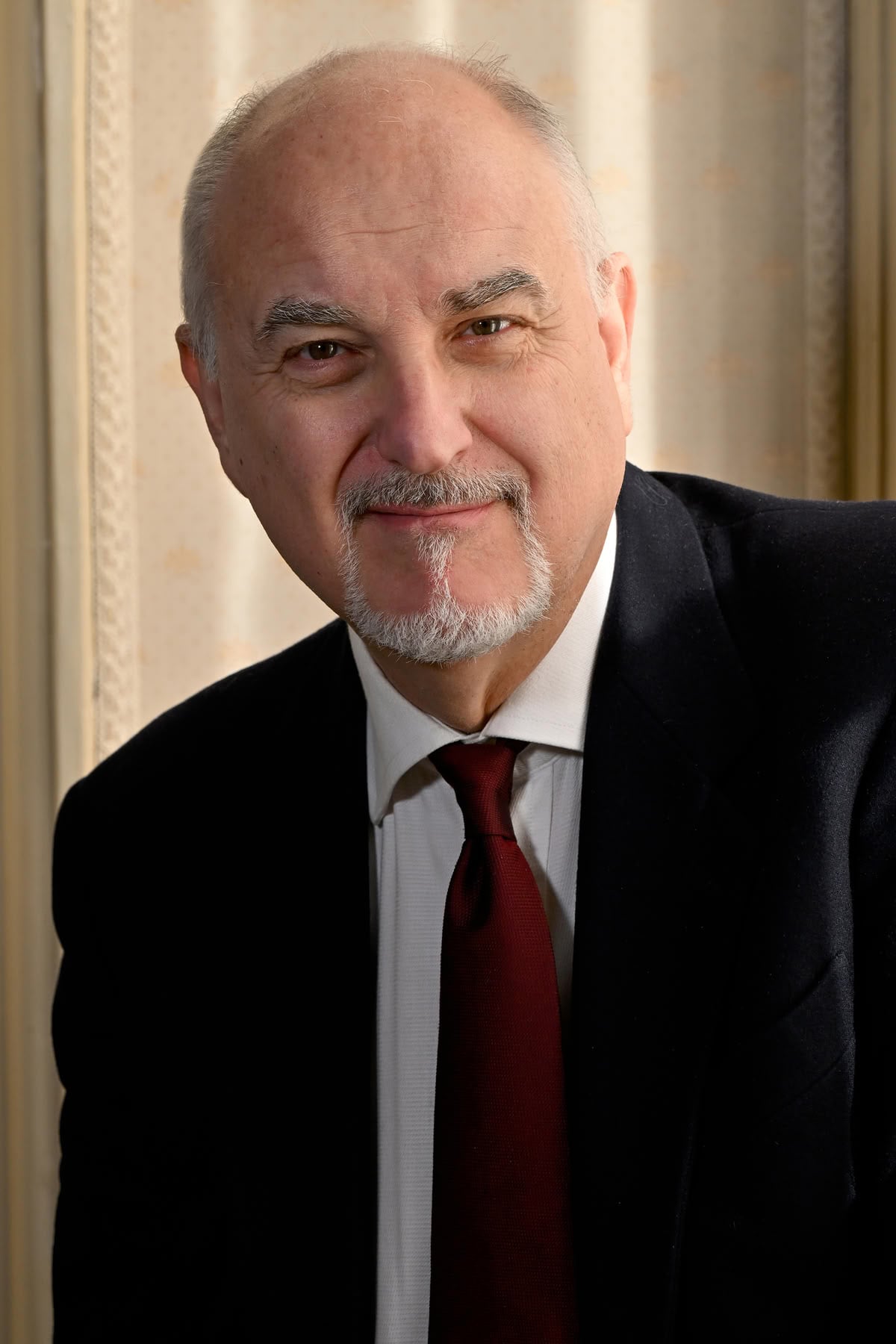
Both evenings share the same solo quartet – the soprano Emőke Baráth, the countertenor Carlo Vistoli, the tenor Dmitry Korchak and the bass Michele Pertusi.
Sacred and profane
For Mariotti, the work is “the highest, deepest and most sublimated expression of the relationship between man and God”, with all that it implies, from the comfort of entrusting oneself to Him to the experience of pain, fear and unease. Rossini, he says, had never gone so far in portraying humanity, drawing on an extraordinary range of languages that runs from liturgical severity to lyrical outbursts of rare Romantic intensity.
It is precisely this ambiguity between sacred and profane that makes the work an absolute masterpiece and, at the same time, enigmatic and mysterious.
The Petite messe solennelle belongs to Rossini’s final creative period and is linked to the Péchés de vieillesse, the pieces he wrote in Paris after retiring from opera. The first version was performed on 14 March 1864 in the Paris home of Count Alexis Pillet-Will and his wife, Louise, to whom the work is dedicated. Rossini later returned to the score to make the orchestral version – it was first performed in Paris on 28 February 1869, after the composer’s death.
A Rossini specialist
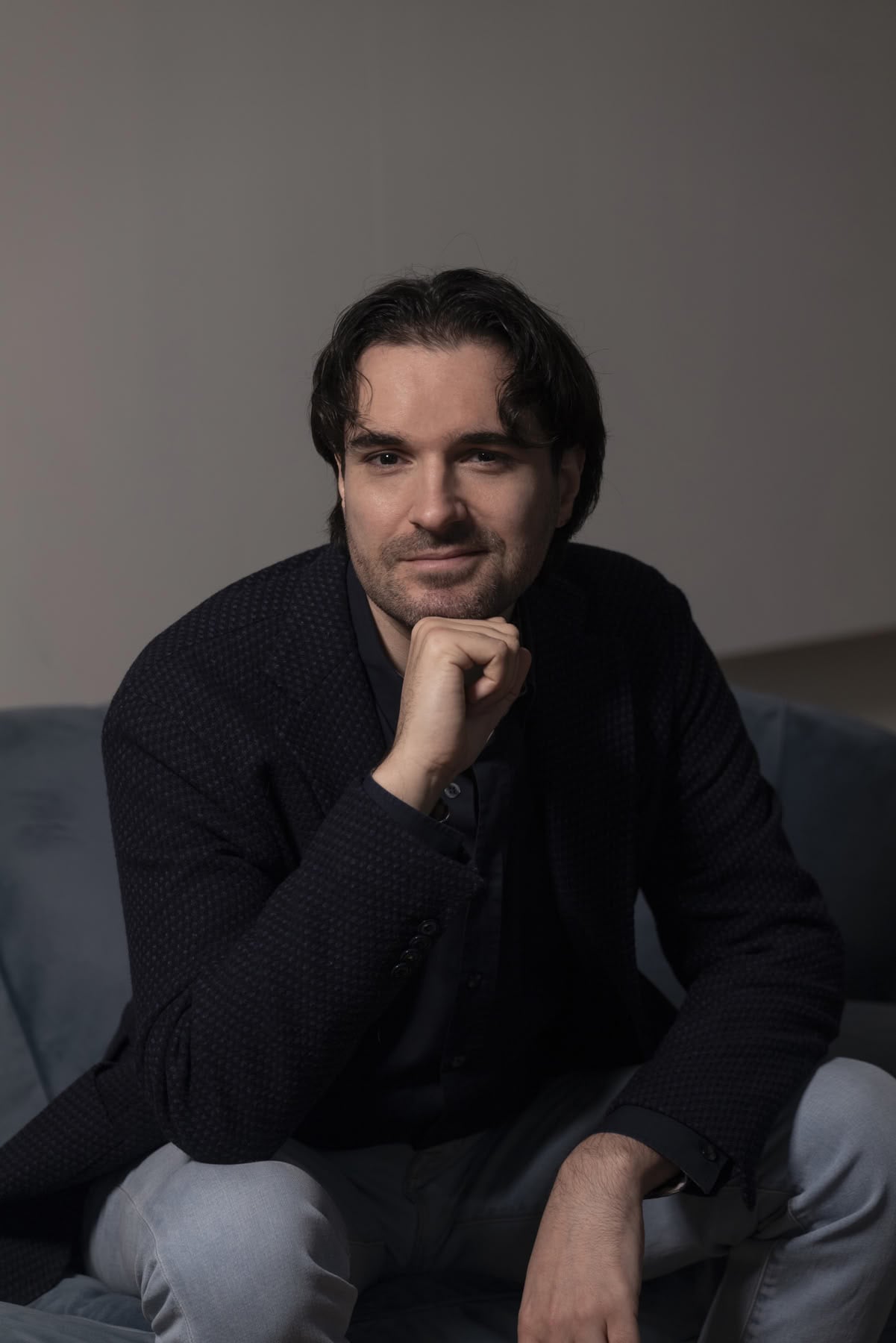
Rossini has been central to Mariotti’s career. Most recently, he conducted Tancredi at Teatro Costanzi in May, directed by Emma Dante, and his Rossini titles also include Il barbiere di Siviglia, La donna del lago, Guillaume Tell, Moïse et Pharaon, Maometto II and Ermione.
Music director of the Rome house since 2022, Mariotti has also been principal conductor of the Orchestra Sinfonica Nazionale della Rai since October 2026. In June 2026 he was elected a full member (Accademico Effettivo) of the Accademia Nazionale di Santa Cecilia, and he has received the 36th Premio della critica musicale Franco Abbiati as best conductor.
Familiar faces
Vistoli returns to Rossini after singing the title role in Dante’s Tancredi, also under Mariotti. Korchak comes back to Rome after his debut in Lohengrin, which opened the 2025/26 season, and after singing Alfredo Germont in Sofia Coppola’s production of La traviata.
Baráth continues a relationship with the company that began in 2019, when she sang Amore in Robert Carsen’s production of Gluck’s Orfeo ed Euridice, which won that year’s Abbiati award for direction. She has since been Sœur Constance in Poulenc’s Dialogues des Carmélites, which opened the 2022/23 season, Pamina in Mozart’s The Magic Flute in 2024, and the soprano soloist in Pergolesi and Scelsi’s Stabat Mater, staged by Romeo Castellucci in the Basilica di Santa Maria in Ara Coeli in October 2025.
Pertusi returns to the Costanzi stage having sung Count Walter in Damiano Michieletto’s Luisa Miller in 2021/22 and Jacopo Fiesco in Simon Boccanegra, conducted by Mariotti and directed by Richard Jones, which opened the 2024/25 season.
Performance details
Petite messe solennelle (second version, for soloists, chorus and orchestra): Teatro Costanzi, Rome, Saturday 17 October 2026 at 8pm.
Petite messe solennelle (first version, for soloists, chorus, two pianos and harmonium): Basilica di San Vitale, Rome, Thursday 22 October 2026 at 8pm. Entry is free until seats run out, but booking on Ticketone is compulsory: ticketone.it.
Information and tickets: operaroma.it and at the box office during opening hours.