Patti Smith opens the first winter edition of Spoleto’s Festival dei Due Mondi: Racconti
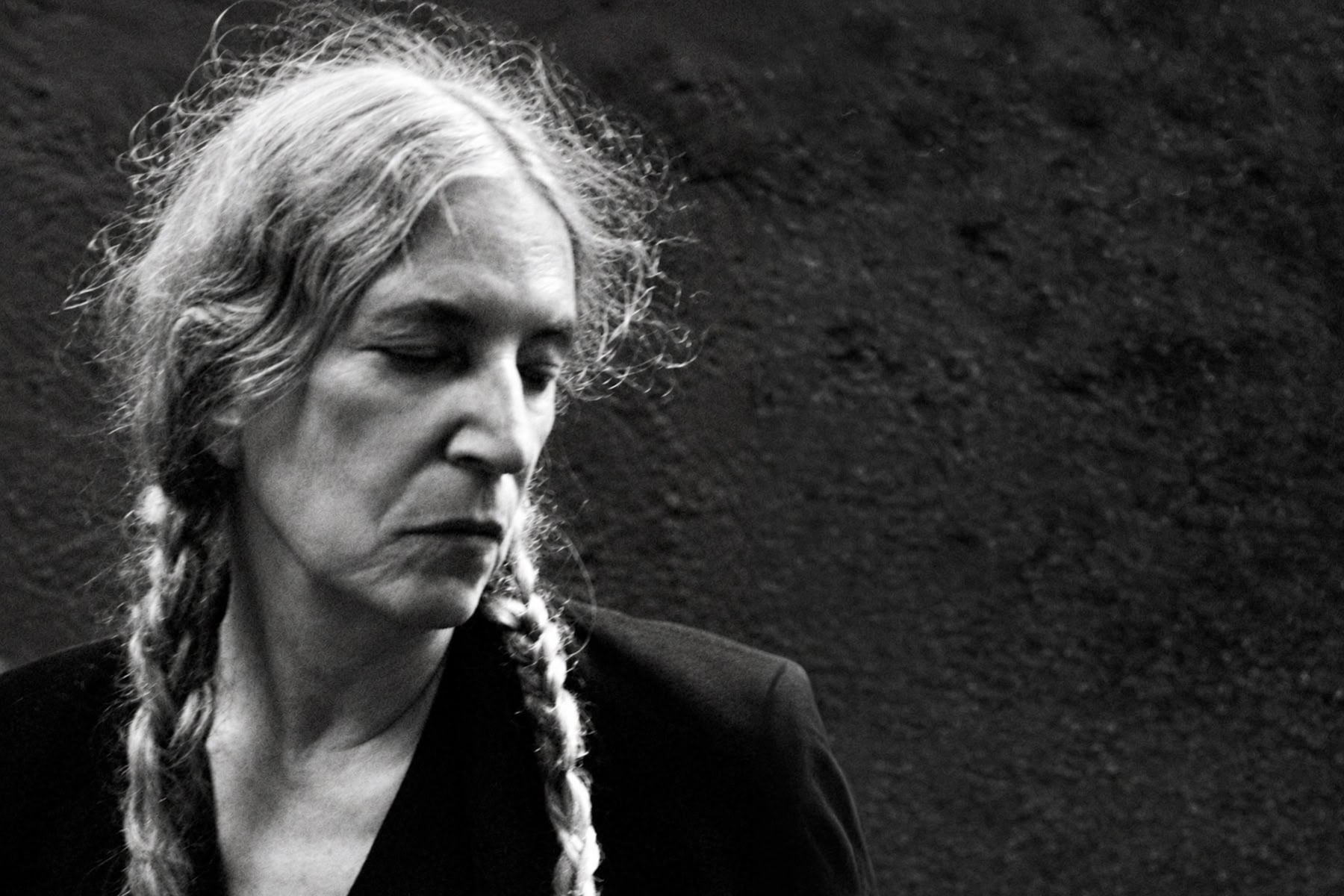
Under artistic director Daniele Cipriani, Spoleto’s first off-season series pairs afternoon literary talks with evening concerts, closing with Simone Cristicchi’s musical reading on St Francis.
The Festival dei Due Mondi is stepping outside its summer season for the first time.
Racconti (‘Stories’), a new winter series, runs in Spoleto from 4 to 8 December, combining literature, music and theatre, with Patti Smith headlining the opening night. It follows a record-breaking summer edition and comes at the close of the Festival’s 69th year.
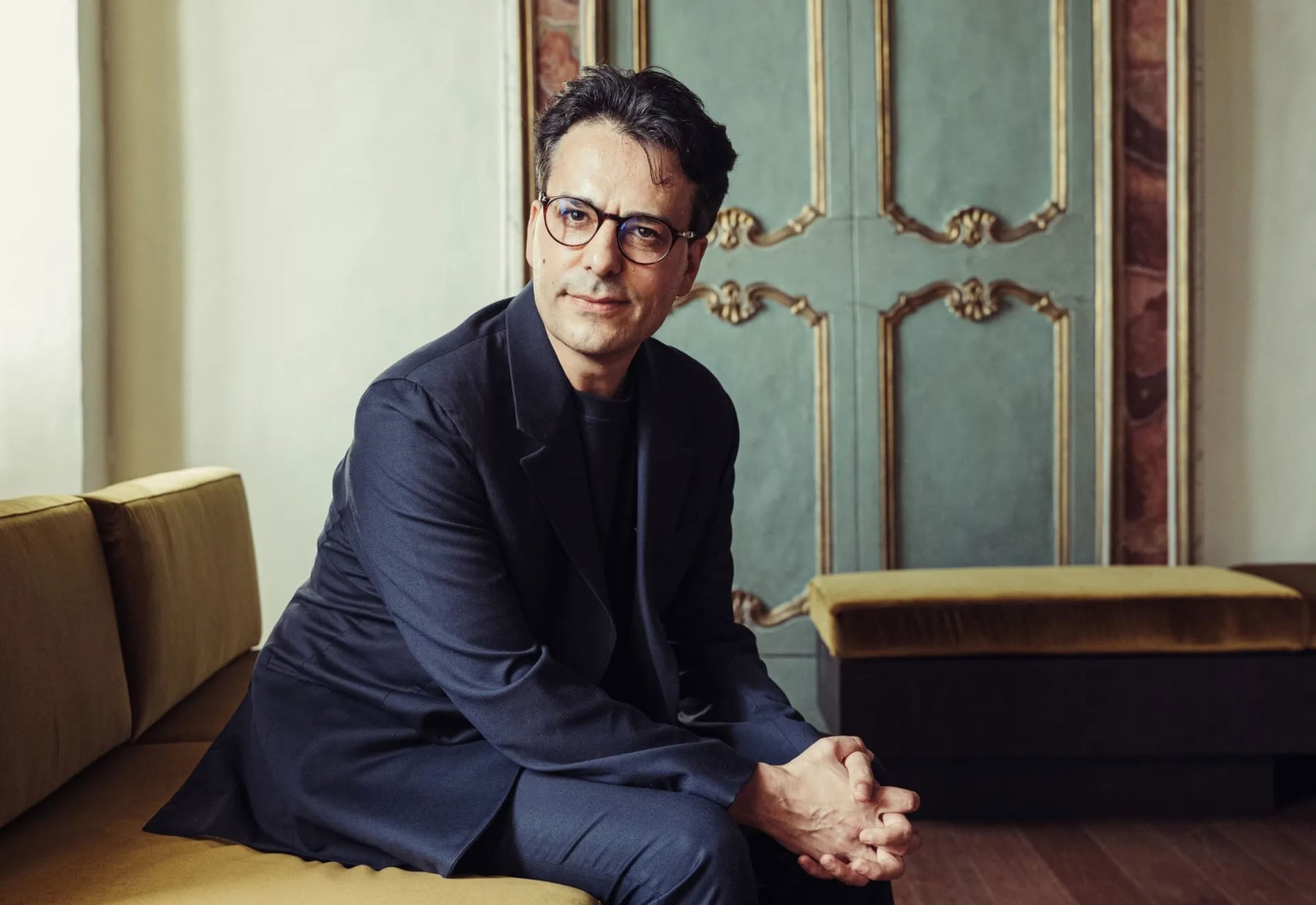
Under the artistic direction of Daniele Cipriani, the series offers afternoon talks on the great literature of yesterday and today at the Teatro Caio Melisso Carla Fendi, and evening shows of ‘notes and words’ at the Teatro Nuovo Gian Carlo Menotti, named after the Festival’s founder. The project takes its inspiration from Menotti himself, whose pioneering approach made dialogue between writers, artists and intellectuals a defining trait of the Festival. Over five days, the winter edition looks at Italy today and its historical memory, using the written and performed word to explore the foundational themes of contemporary society: love, family, politics and spirituality.
Cipriani explains the thinking behind the title:
The Festival can also live at a different time of year from the one we are used to: it is a way of rediscovering Spoleto, its theatres and its audience in a new guise. I wanted to call this winter edition Racconti (‘Stories’) because I like the idea that the Festival can speak to everyone, offering each person the chance to approach literature and the arts with fresh eyes. To tell a story means choosing what to remember and finding the words to describe our times, but also listening, questioning oneself and, sometimes, changing one’s mind. The programme was born from precisely this desire: to have deep conversations about the literature of yesterday and today, about the great authors of our culture, and about current issues.
Evening shows at the Teatro Nuovo
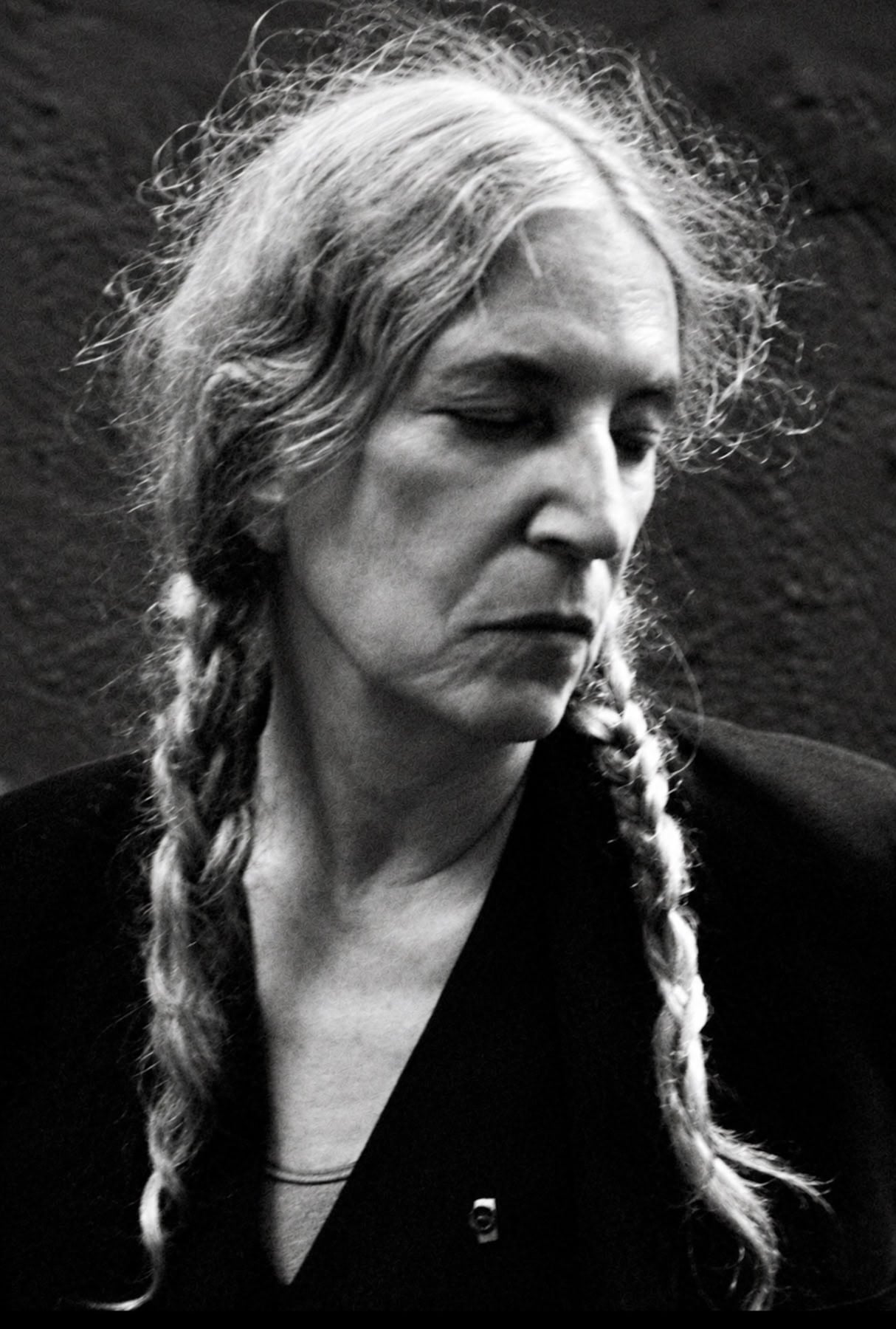
Patti Smith, the ‘Priestess of rock’, opens the series on 4 December with Words and Music – Where Francis Walked, a concert of songs, poems and memories that pays tribute to St Francis on the 800th anniversary of his death.
On 6 December the actor Rocco Papaleo and the poet Franco Arminio present Siamo ancora qui (‘We Are Still Here’), described as a dialogue of irony, melancholy and song about community and the value of time and place. The following evening turns to the Neapolitan tradition with Era di Maggio (‘It Was May’), conceived and directed by Stefano Reali, which traces two centuries of Neapolitan song with the singer Clotilde Sabatino and the performer Leandro Amato.
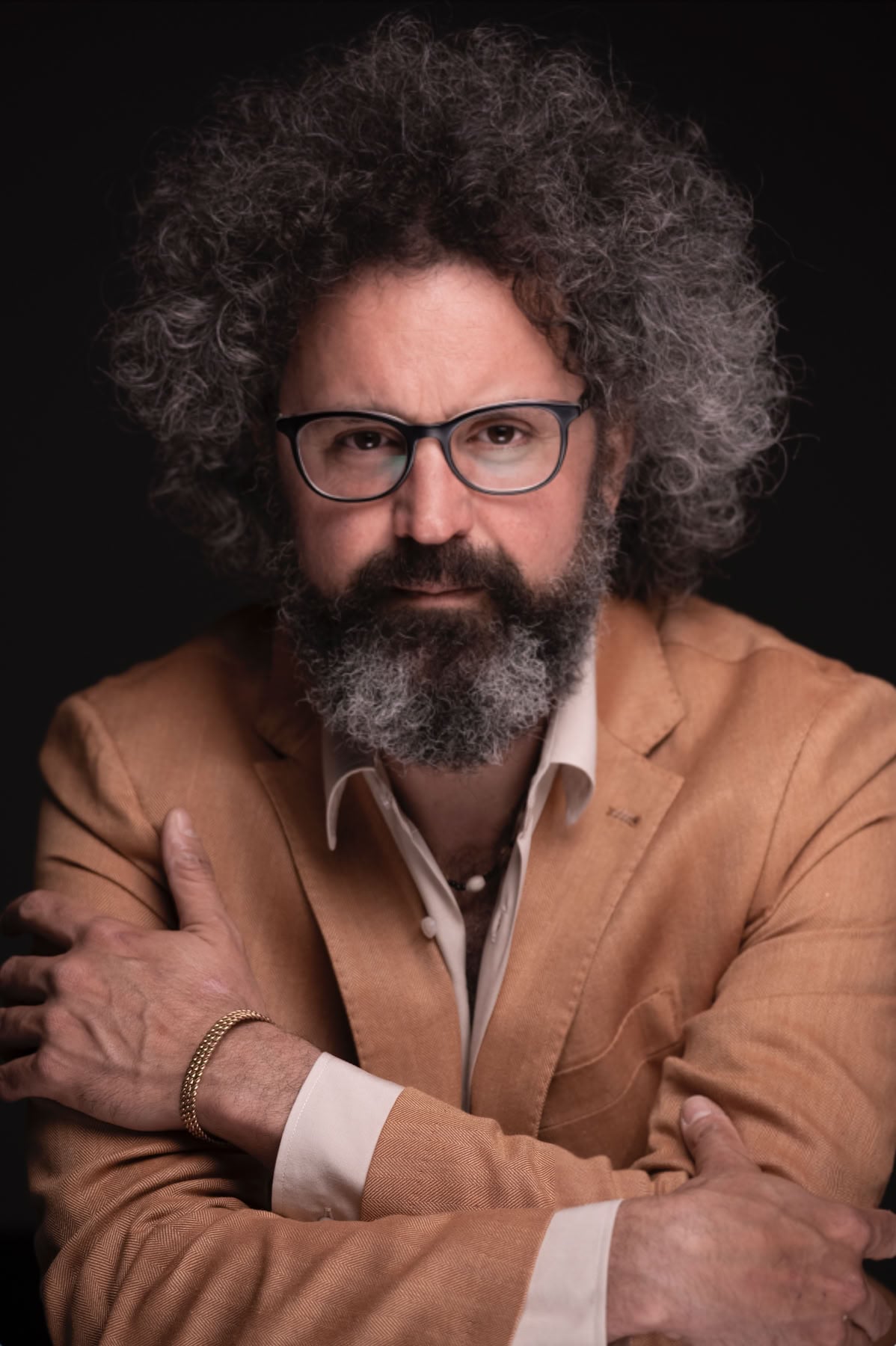
The series closes on 8 December with the singer-songwriter Simone Cristicchi in Noi che fummo con lui – Sulle tracce di Francesco (‘We Who Were with Him – In the Footsteps of Francis’). This musical reading reinterprets the teachings of the ‘Poverello’ (‘Little Pauper’), offering a poetic and practical guide to navigating the present day.
Great Italian literature at the Caio Melisso
The afternoon talks, which begin at 4pm, are curated by Angelo Mellone, journalist, writer and Rai’s Director of Daytime Entertainment, together with Andrea Caterini, Andrea Di Consoli and Perla Tortora. “The aim of this first winter edition of the Festival,” Mellone explains, “is to bring together writers, intellectuals, journalists and artists around one question: how to tell the story of Italy, today and yesterday. The great figures of our past, the great themes of today, what still makes us identify as a nation. That is why we chose the formula of ‘The great Italian story’.”
The talks aim to offer an organic reflection that interweaves the foundation texts of Italian fiction with leading present-day authors.
5 December: family, fiction and faith
The day opens with Paolo Crepet’s reflections on the fragilities of the modern family. Michele Mari follows with his novel I convitati di pietra (‘The Stone Guests’), winner of the 2026 Strega Prize, and Marilù Oliva looks at the work and sensibility of Grazia Deledda, the first and only Italian woman writer to win the Nobel Prize (1926). The afternoon closes with Paolo Del Debbio and his essay Dio. Può dare senso alla vita un mistero incomprensibile? (‘God. Can an Incomprehensible Mystery Give Meaning to Life?’), a reflection on faith and the mystery of the divine.
6 December: society and the classics
The next day takes a close look at strong, highly topical themes in Italian society. Maria Grazia Calandrone presents La luce del sistema (‘The Light of the System’), a legal mystery of storytelling and denunciation on the subject of human trafficking. Francesca Barra and Simonetta Sciandivasci discuss the birth-rate crisis and the challenges of parenthood. The day continues with the rediscovery of great authors: Davide Rondoni re-reads the characters and themes of Alessandro Manzoni’s I promessi sposi (The Betrothed, 1840), a mainstay of Italian literature, while Marcello Veneziani discusses the work of Giovannino Guareschi (1908–68), author of the ‘Don Camillo’ books.
7 December: love, Virgil and a legal thriller
The final session explores feelings and literary memory. Barbara Alberti analyses the ambivalences of contemporary love with her free, ironic and disenchanted approach, and Arnaldo Colasanti guides the audience through the verses of Virgil’s Aeneid, whose relevance to the present is ongoing. Aurelio Picca explores the intellectual legacy of Ugo Foscolo (1778–1827), a central figure in Italian literature at the transition from Neoclassicism to Romanticism, celebrated for his passionate patriotism, materialist philosophy and classical beauty.
The series of talks concludes with Gianrico Carofiglio, who presents his latest novel, La confessione di Elsa (‘Elsa’s Confession’), a profound and surprising new chapter in his legal thrillers featuring the criminal lawyer Guido Guerrieri.