Lilian Hochhauser at 100: the impresario who opened the door to Russia’s greatest artists
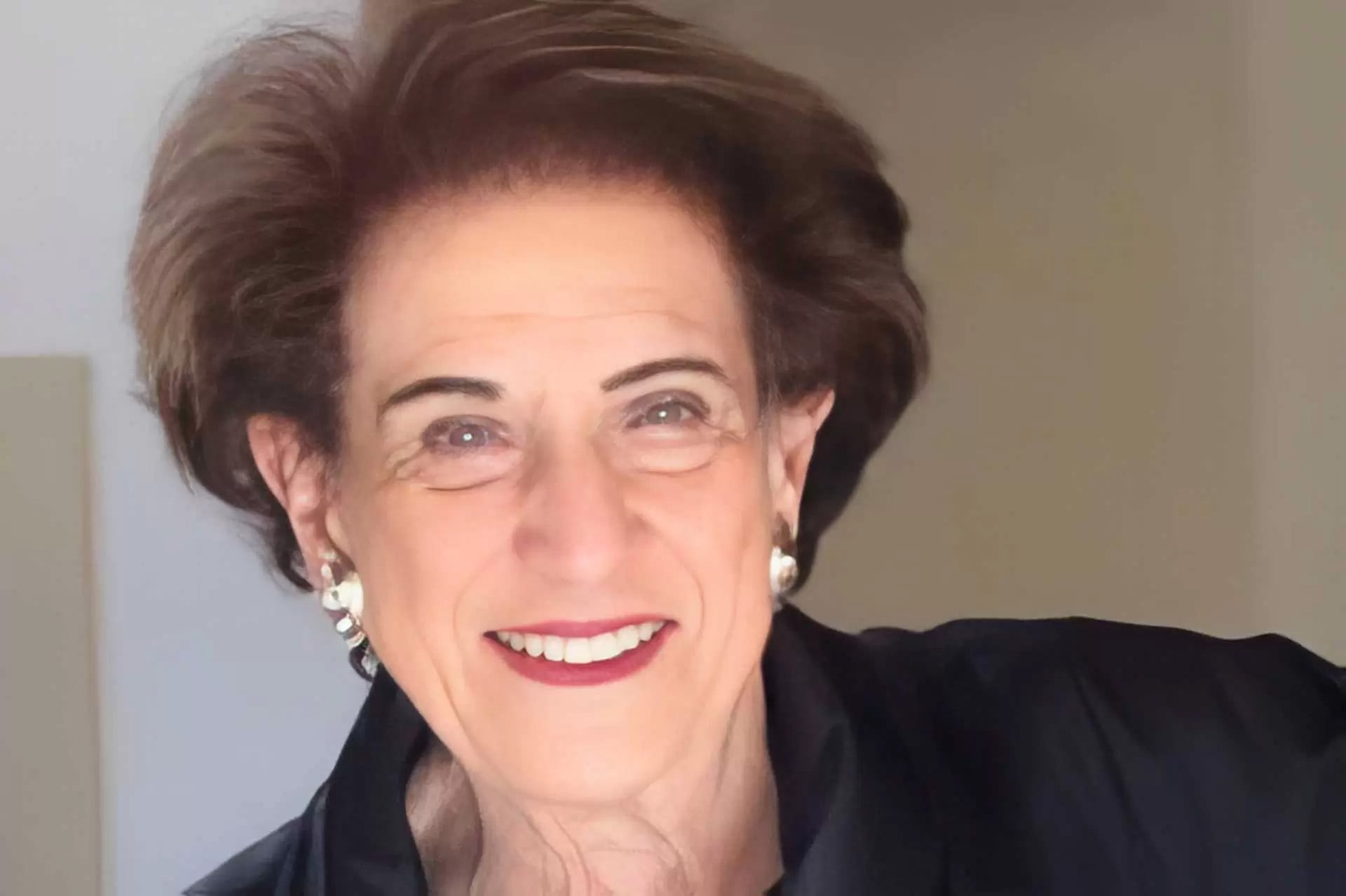
Born in Bethnal Green, Lilian Hochhauser went on to negotiate with Soviet ministries, shelter Rostropovich and fill the Royal Albert Hall – all without a penny of subsidy.
Lilian Hochhauser, who has celebrated her 100th birthday, has spent more than 75 years putting great music and dance within reach of British audiences. With her husband Victor, who died in 2019, she coaxed Dmitri Shostakovich, David Oistrakh, Emil Gilels, Sviatoslav Richter and Mstislav Rostropovich out of the Soviet Union, along with the Bolshoi and Kirov ballets, the Red Army Choir and the Moiseyev dancers. Rupert Christiansen, writing in The Spectator, calls it a ‘unique ability to negotiate with stonewalling Russian bureaucracy’.
From Bethnal Green to the Albert Hall
She was born in Bethnal Green on 14 November, 1926, the youngest of six children. Her father was a cabinetmaker from Poland; her mother had come from a village in Ukraine and never went to school. A grammar school scholarship followed, then wartime evacuation to Bishop’s Stortford, from which the young Lilian promptly took herself home.
By 15 she was earning £2 a week at the British Film Producers Association. She wanted to learn the piano, but there was no money for one, so she learnt shorthand instead. Asked by the Jewish Chronicle where her confidence came from, she said: “I knew how to negotiate. I really did. What I didn’t know is what would happen if it didn’t work.”
After recovering from tuberculosis, she took a part-time job in the office of Rabbi Solomon Schonfeld, who had rescued Jewish children from Nazi Europe. There she met Victor, who was organising benefit concerts; they were engaged within months and married in 1949. Once the youngest of their four children started nursery, Lilian joined the business full-time. Victor looked after the money and had the nerve to risk it, while she became the fearsome negotiator.
Opening the door to Russia
The slight thaw in the Cold War after Stalin’s death in 1953 gave the Hochhausers their way in. A visit to London by Igor Oistrakh that year led to talks with the Soviet authorities, and in 1954 his father David Oistrakh came to Britain, the first of a long line of Russian musicians they brought over. Their dealings were mostly with Gosconcert, the official export agency for Russian culture, and with the culture minister Ekaterina Furtseva, whom Lilian remembers as “rather beautiful, and someone with genuine sympathy for artists and their ambitions”.
Victor spoke excellent Russian, but they always used an interpreter, never discussed politics and never pretended to admire the Soviet system. “We certainly gave no sign that we approved of the Soviet way of life,” she told Christiansen, “because we didn’t: it clearly wasn’t working.” She estimates that she made some 100 trips to Moscow. The hotels were “pretty ghastly”; at the Metropol, the so-called Lenin suite “had a fridge in the middle of the room, but no bath plug”.
The artists became friends. She speaks with particular affection of Oistrakh, whom she saw almost monthly for years, and she was photographed with him and Shostakovich at Abbey Road in 1971, putting the finishing touches to a recording of the First Violin Concerto. Richter, who was terrified of flying and liked to play with the score spotlit in total darkness, was a habitual last-minute canceller who could not be insured – yet they always went ahead, because he was a genius. She once spent three days getting him to London from a village on Lake Como.
The Rostropovich years and Nureyev
When Rostropovich defected in 1974, the Hochhausers gave him a flat in their Notting Hill home, rent-free, for nearly a year. “He was really lost,” she recalls. The Kremlin’s response was swift: the couple were blacklisted, partly too for their support for Israel, and the Russian visits stopped until perestroika.
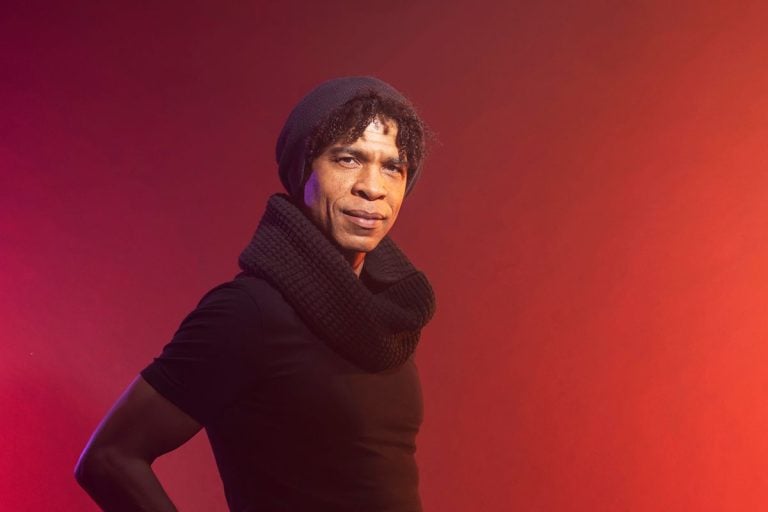
They turned instead to another celebrated defector, Rudolf Nureyev, and promoted 12 seasons of ballet at the London Coliseum with him. Lilian is characteristically frank about the experience. “Did I like him? Well, no, and yes. He was highly intelligent and had amazing energy.” Nureyev, she said, was also so busy that it was often impossible to get his full attention, and his programming ideas would not always sell seats.
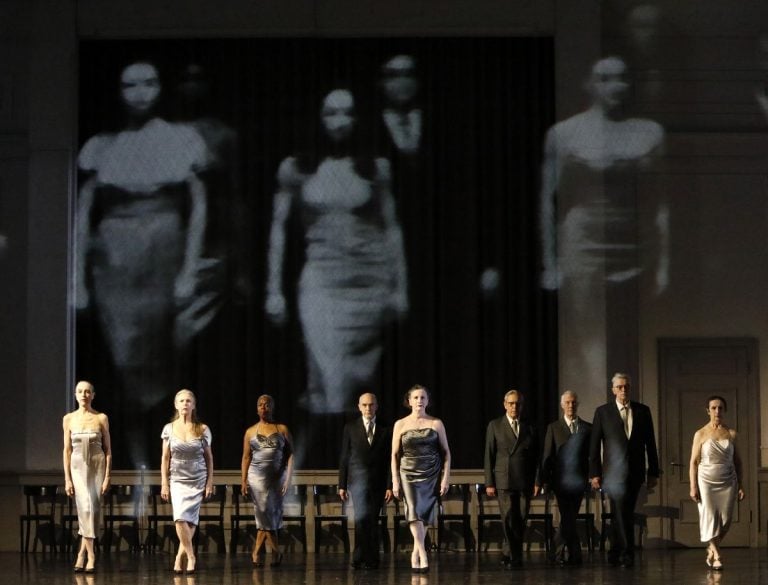
Ballet had been part of their story for much longer. In the 1950s they staged what they called ‘ballet for the masses’ at the Empress Hall, with dancers including Svetlana Beriosova, Léonide Massine, Alexandra Danilova and Frederic Franklin. In 1960 they brought dancers from the Bolshoi to London, and in 1961 the whole Kirov company. After perestroika, the Bolshoi and Mariinsky returned to Covent Garden in alternate years. The last Bolshoi visit was in 2019, the year Victor died; the Mariinsky’s 2020 season fell to Covid, and her hopes for 2022 ended when Russia invaded Ukraine.
Without subsidy
What Christiansen finds most remarkable is that the business paid its way with no public money or private investment. The Hochhausers kept a minimal staff, charged or received flat fees rather than profit shares, and only broke even at 90 per cent of capacity. There were no champagne receptions or goody bags, and complimentary tickets were handed out sparingly. “I had to drive a hard bargain everywhere,” she says. “Hotels, airlines, coaches, restaurants, rehearsal rooms. Nothing was wasted.”
The aim was never profit. They kept Royal Albert Hall tickets affordable – the Voices of British Ballet archive counts 1,460 of their events at the hall alone – and trusted a big audience with the best artists they could find. Posters for their ten-week seasons of ballet and opera at Covent Garden read ‘Victor Hochhauser presents’, with Lilian’s name nowhere on it, though she had done much of the work that brought the companies from London, St Petersburg, Moscow, Milan and San Francisco.
Faith, family and a lifetime in music
The Hochhausers kept Shabbat and a kosher home, which they managed even with a whole ballet company in town. With the Bolshoi in town, she told the Jewish Chronicle, you could hardly tell the dancers not to dance because it was Shabbos; she and Victor simply walked miles to performances. Her family took the name Shields in the 1930s because of antisemitism. Today it is scattered across the world, including Israel; there are great-grandchildren and the prospect of a great-great-grandchild.
She was made a CBE in 2018; Victor had received his in 1993. He died in 2019, aged 95, in their 70th year of marriage. The foundation they set up funds scholarships at the Royal College of Music, and one of her scholars has become a conductor. “It’s in a way a selfish thing,” she says. “It gives me so much pleasure.”
Dancer Xander Parish told Christiansen that she could make ‘even small talk after a performance seem inspiring and genuine’, but behind the charm lies the hide of a tough negotiator. Asked about her legacy, she is unsentimental. “I was never interested in making money. If I had been, there would have been easier ways to make it. I worked hard, I loved music and I loved what I was doing. It’s as simple as that.”
A celebration of her centenary took place in the Linbury Theatre at the Royal Opera House on 14 November.
Her conversation with Hilary Condron for the Voices of British Ballet podcast is summed up there in words that have guided her for almost a century: “As long as I can keep going, and enjoy it, I will.”