Interview: Ernesto Petti, from water polo to Valentin in Faust at La Scala
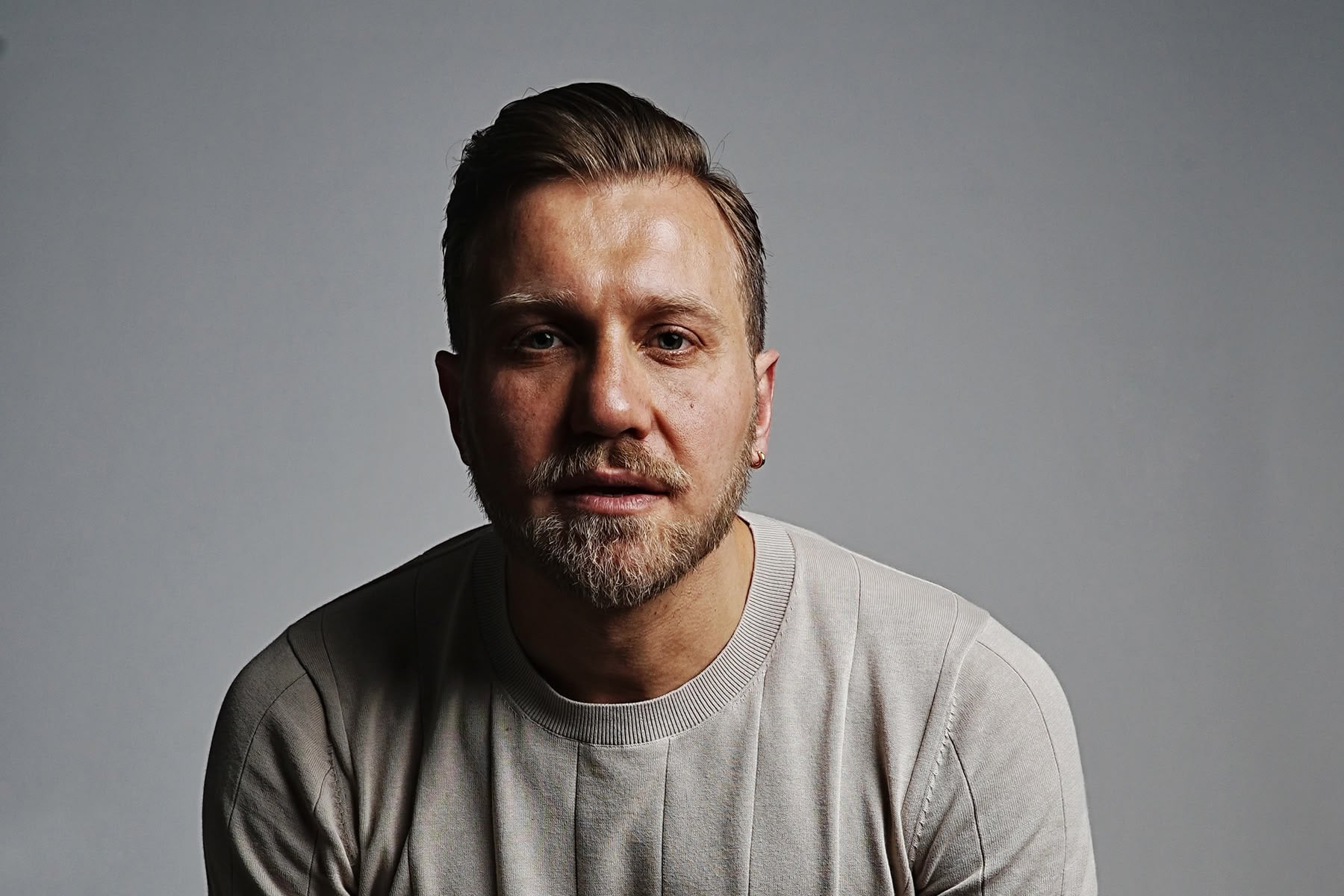
Thirteen years after singing a single line in La traviata, the Salerno-born baritone is back at La Scala as Valentin in Faust, and talks about his journey from water polo to opera.
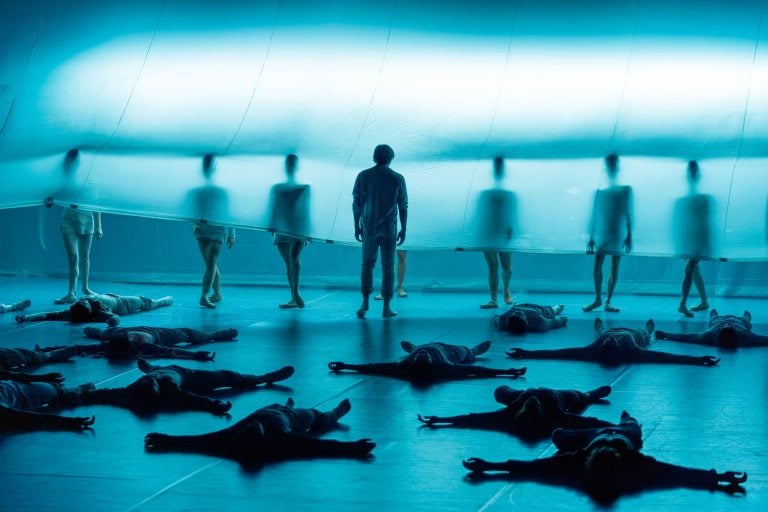
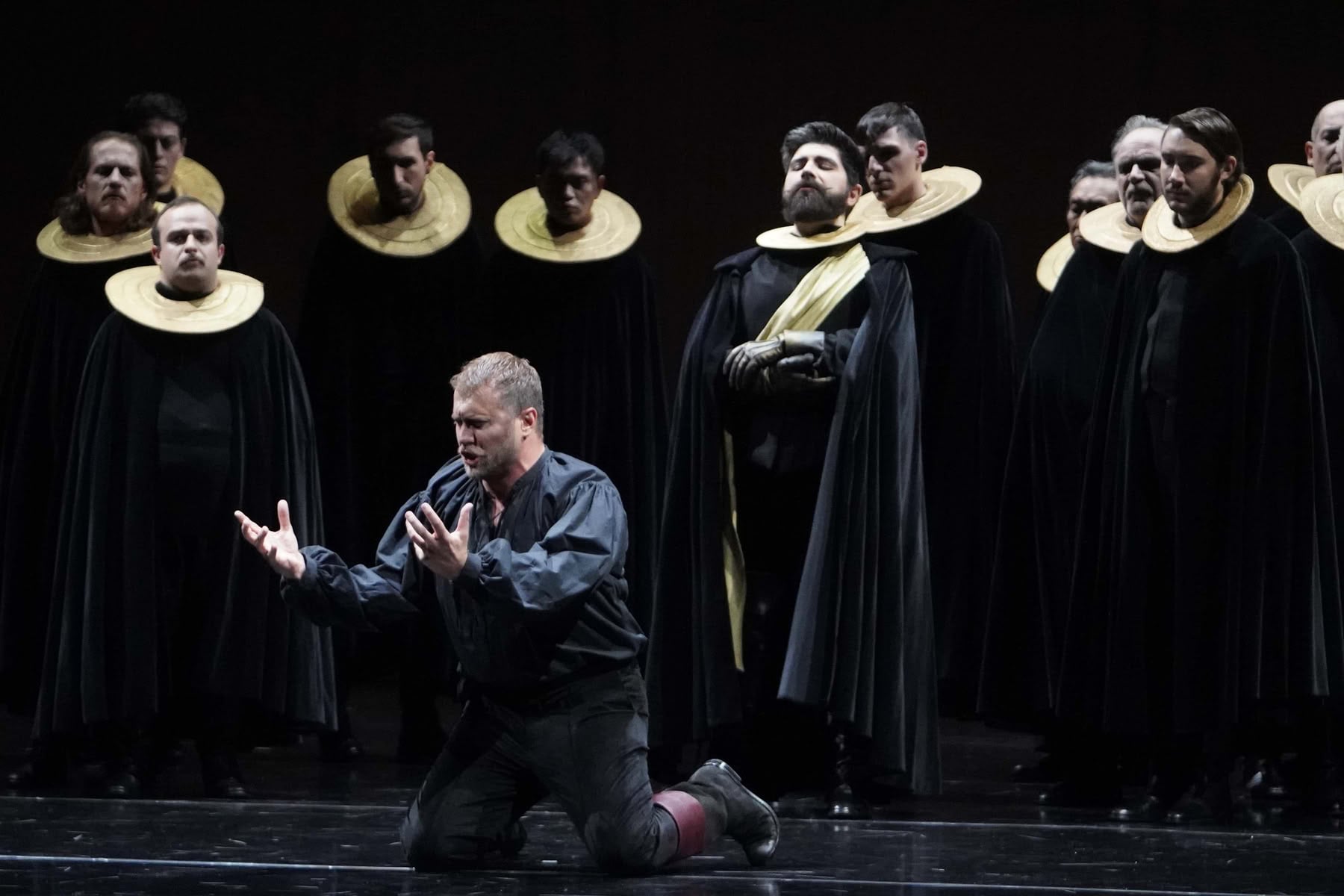
Ernesto Petti‘s first appearance at La Scala lasted a matter of seconds: in 2013 he walked on in La traviata to announce that dinner was served. Thirteen years later, the Salerno-born baritone is back on the same stage as Valentin in Johannes Erath’s new production of Gounod’s Faust, an opera La Scala had not staged since 2010. Daniele Rustioni conducts, with Marina Rebeka as Marguerite and Alex Esposito as Méphistophélès, and the production has its final performances on 3, 5 and 8 November.
Petti’s road to Milan has been anything but conventional. As a teenager he played water polo in Italy’s Serie A2, he briefly enrolled in law school – he comes from a family of lawyers, judges and politicians – and in 2019 he survived a motorcycle accident that, for a time, threatened his ability to walk. Now 40, and living in the south of France with his wife, also a singer, and their young son, he talks about Valentin’s crisis of faith, why dramatic intensity should never mean pushing the voice, and the role he is waiting for someone to offer him.
After the opening night of Faust at La Scala, I asked him about Valentin, swapping water polo for opera, life in the south of France, and the roles still ahead of him.
You first sang at La Scala in 2013 – a single line in La traviata. Now you’re back as Valentin in Gounod’s Faust. What does that mean to you?
Returning to La Scala after thirteen years, this time in a significant role like Valentin, is a source of great personal and professional satisfaction.
That’s quite a journey.
In 2013, I had just one line to sing, “La cena è pronta,” and now I find myself on the same stage with a role of an entirely different complexity. Inevitably, it makes me think about the journey I’ve made over these years, the experience I’ve gained, and all the work that has brought me here.
Does La Scala feel different from other theatres?
Of course, singing at La Scala is a great honour, although I’ve always tried to approach every theatre with the same seriousness and artistic commitment.
What do you remember of that first time?
What I remember most is how terrified I was! I could hardly believe I was standing on that stage, and I felt an enormous sense of responsibility, even though my appearance lasted only a few seconds.
And now, with a leading role?
Today, paradoxically, I feel much more relaxed, despite having to perform a considerably more demanding role. Over time, I’ve learned to concentrate on the work itself rather than on the place where I’m performing. The excitement is still there, of course, but it’s very different from the fear I felt back then.
A man of faith who curses his sister
Valentin is often described as noble and virtuous – how do you bring him to life?
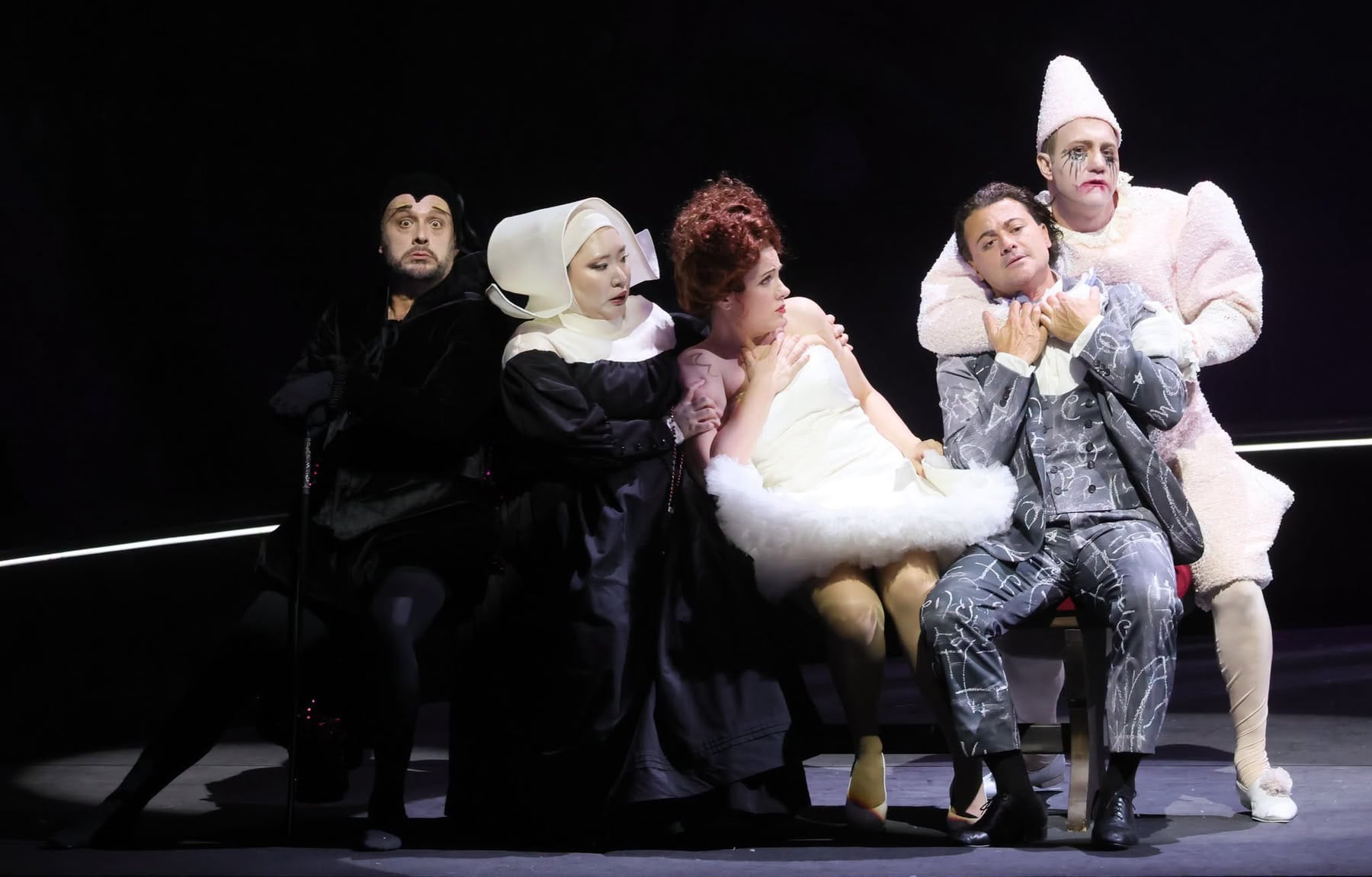
Valentin is a much more complex character than he might initially appear. At the beginning, we see a deeply religious man, devoted to honour and family, almost someone of unquestionable moral integrity.
But that isn’t the man who comes back from the war.
When he returns from the war, he’s a profoundly changed man. Discovering what has happened to his sister triggers a violent transformation in him. He even goes so far as to throw away the sacred medal Marguerite had given him and curse her. It’s almost as though, at that moment, the devil enters his mind.
Is that what draws you to him?
What interests me most is this contradiction: a man who leaves for war placing all his trust in his faith, only to find himself, when confronted with suffering and dishonour, rejecting the very values on which he had built his identity.
How do you approach ‘Avant de quitter ces lieux’?
‘Avant de quitter ces lieux’ is a prayer, and it requires a noble, intimate vocal line, with great control over dynamics and nuance. In the central section, we also hear the soldier’s character emerge, with a more determined expression, before returning to the prayer, which I imagine almost whispered, conveying all the vulnerability and fear of a man about to leave for war.
And the death scene?
That’s completely different. Here Valentin is overwhelmed by anger and pain, and his aggression culminates in the curse he pronounces upon his sister.
What makes it so difficult?
Well, Gounod, even in moments of the greatest dramatic tension, maintains an elegant vocal style, often written in a rather high tessitura. You have to convey all the emotional violence of the scene without losing the quality of the sound or the refinement of the musical line.
Inside Erath’s Faust
What has it been like working with Daniele Rustioni?
With Daniele Rustioni, we worked extensively on dynamics, phrasing and musical nuances, always trying to maintain a close relationship between what happens in the orchestra and what we express on stage.
And with the director, Johannes Erath?
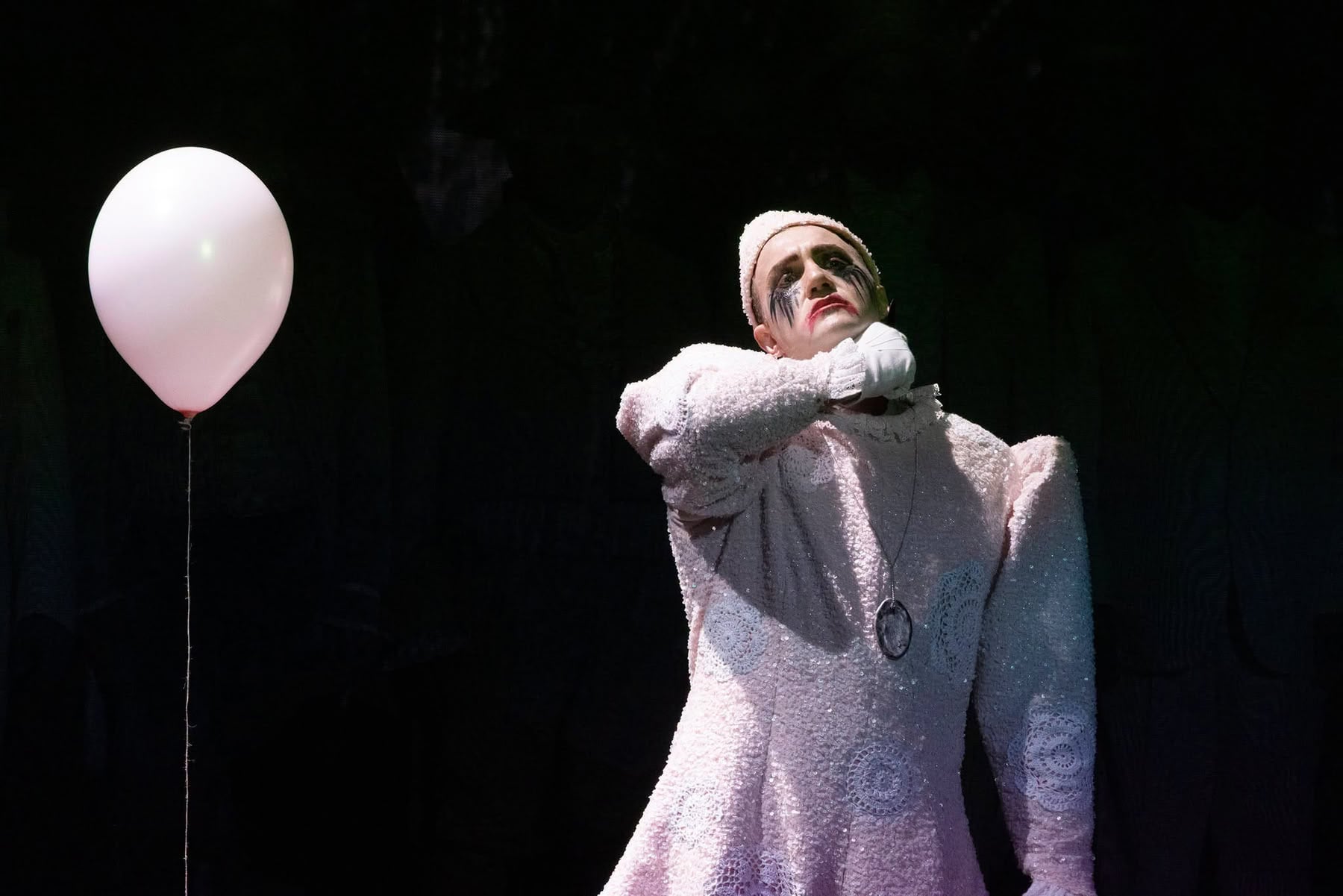
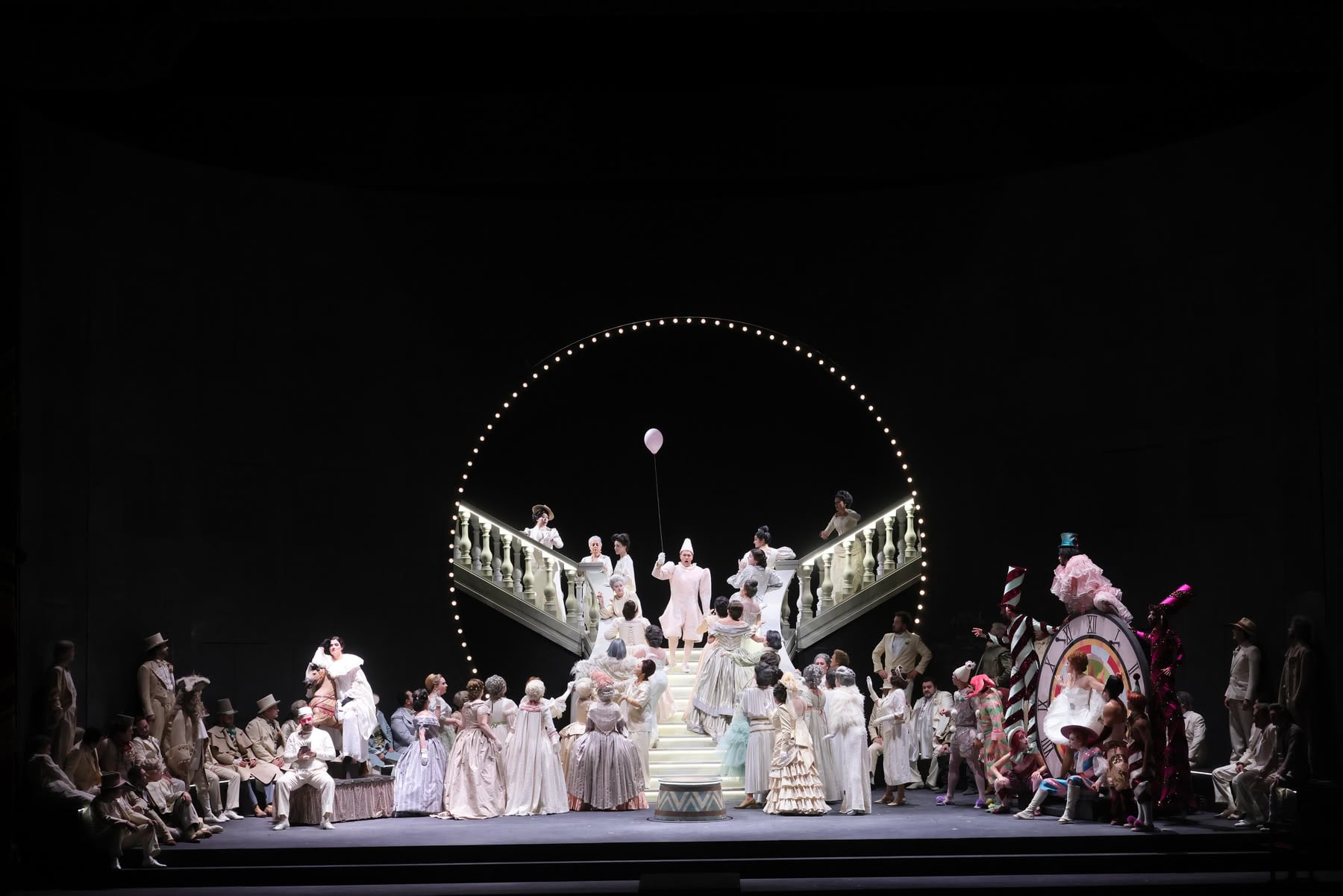
I was particularly enthusiastic about working with Johannes Erath. I love his approach to theatre: it’s modern, at times even surreal, yet deeply respectful of the music and the libretto. He manages to make emotions visible that would otherwise remain merely suggested.
Did anything in his staging surprise you?
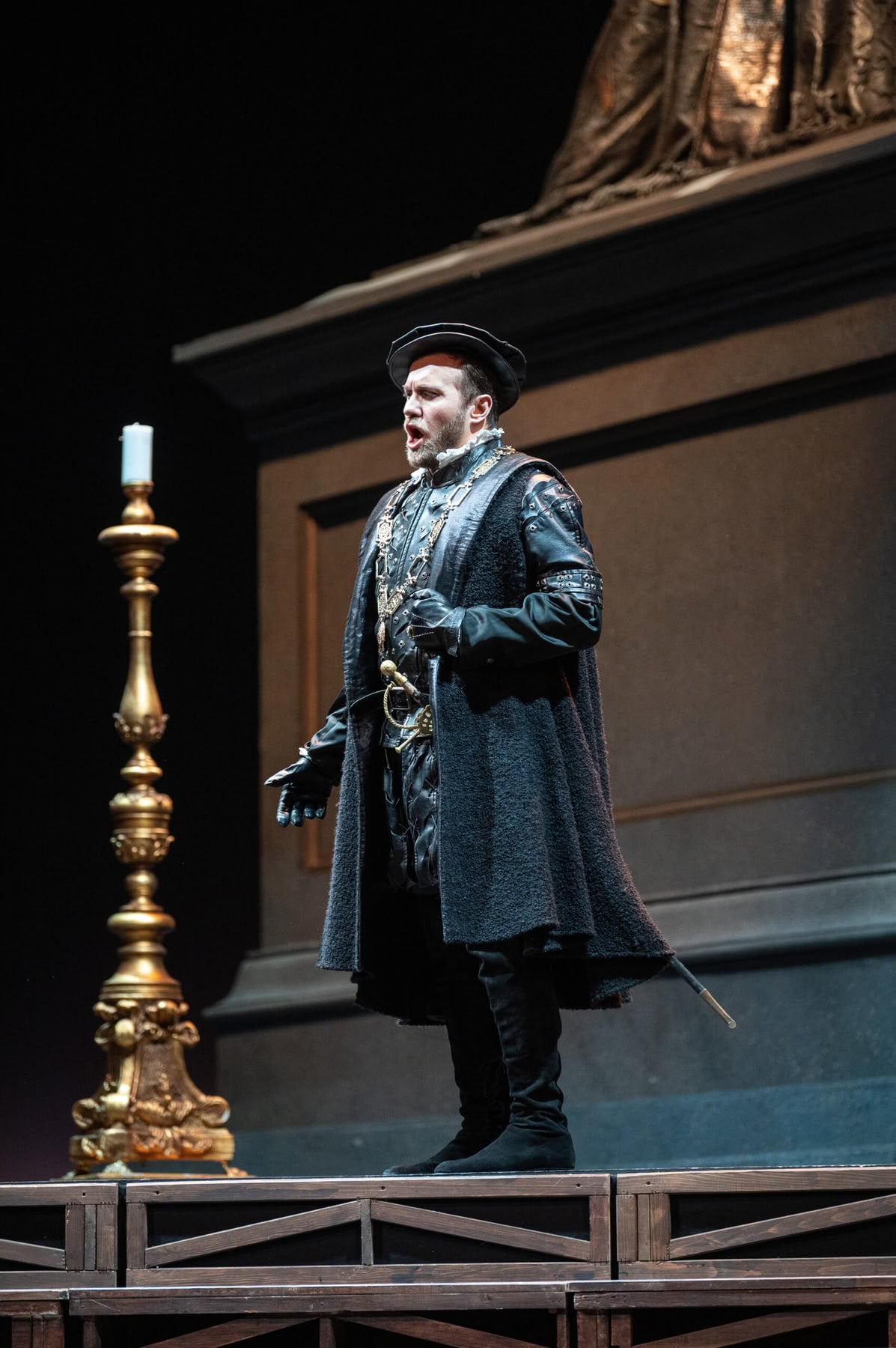
For Valentin, for example, we worked a great deal on the consequences of war. When he returns, the character is physically transformed, with makeup that makes him look more worn and exhausted, and an entirely different way of moving. You can sense that he’s been through something that has changed him profoundly, even before he begins to sing.
I find this production genuinely intelligent, because every theatrical choice comes from a very careful reading of the characters.
How do you prepare a new role? Do you start with the music, the text or the history?
I generally begin with the music and the text, first trying to understand the relationship between what the composer has written and what the character is expressing.
I devote a great deal of time to studying the music and the vocal demands of the role, but also to understanding the words, the intentions and the dramatic situations. When necessary, I explore the historical and literary background of the opera.
So you arrive at rehearsals fully prepared?
I like to arrive at rehearsals with a very solid knowledge of the role, because that gives me greater freedom when working with the director and conductor, without constantly having to worry about musical difficulties.
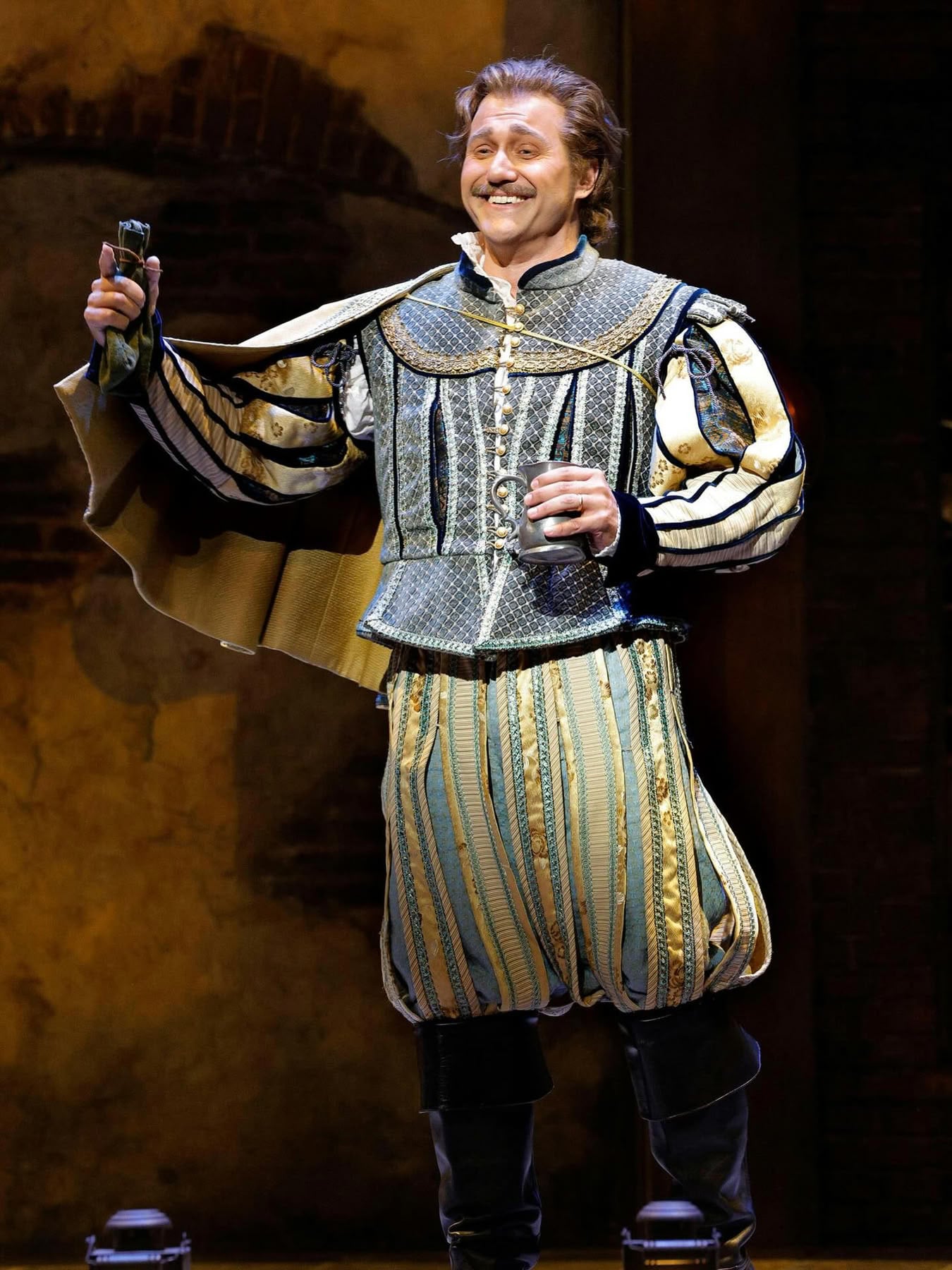
Gounod, Verdi and verismo
Does your vocal approach change when you move from Gounod to Verdi?
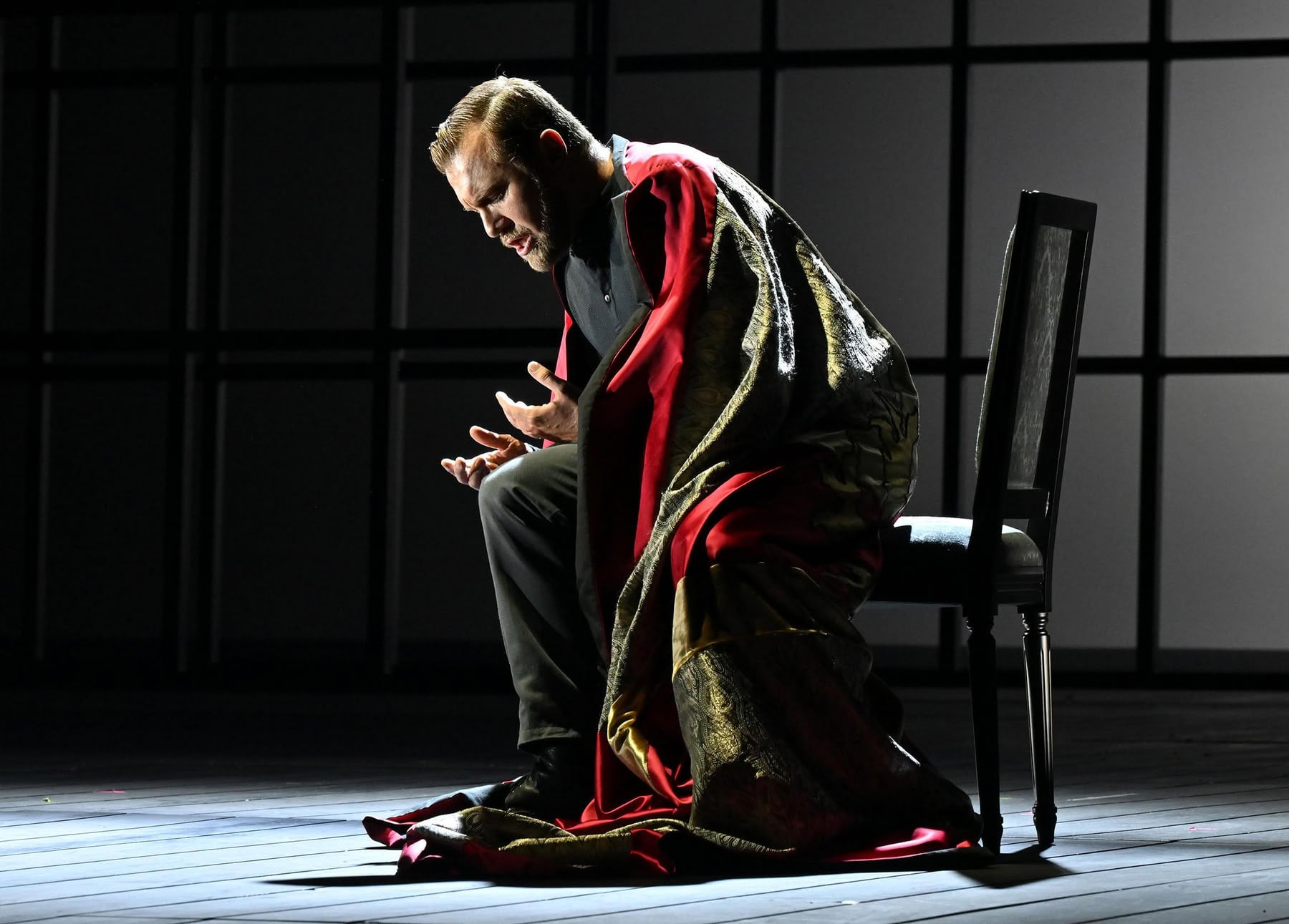
For me, the vocal technique remains the same. What changes is how you use your voice according to the style, language and musical writing of each composer.
Is French harder to sing than Italian?
French requires particularly precise pronunciation, because it has a wide variety of open, closed, rounded and nasal vowels that we don’t find in Italian. You have to articulate everything correctly without compromising the naturalness of the vocal production. Italian, in this respect, generally allows greater freedom.
And Verdi compared with verismo?
There are also important stylistic differences between Verdi and verismo. But I think it’s a mistake to assume that singing certain dramatic characters necessarily means pushing or hardening the voice. The intensity should come through vocal colour, the words and the interpretation, not at the expense of good singing.
You live in the south of France. How important is it to know the language you’re singing in? Would you take on a Russian role without speaking Russian?
Living in France has allowed me to deepen my knowledge of the language considerably, also thanks to daily exchanges with French musicians and pianists.
For me, understanding the text is essential. I couldn’t build a character without truly understanding what he’s saying, including all the subtleties of the words. If I were to take on an opera in Russian, I would first try to acquire a sufficient understanding of the language.
Though plenty of singers manage without.
Of course, I know extraordinary colleagues who sing beautifully in languages they don’t speak, including Italian. It’s simply a matter of personal approach: I need to get as deeply as possible into the text.
The water polo years
Before you sang, you played water polo at a professional level, reaching Serie A2. How did that start?
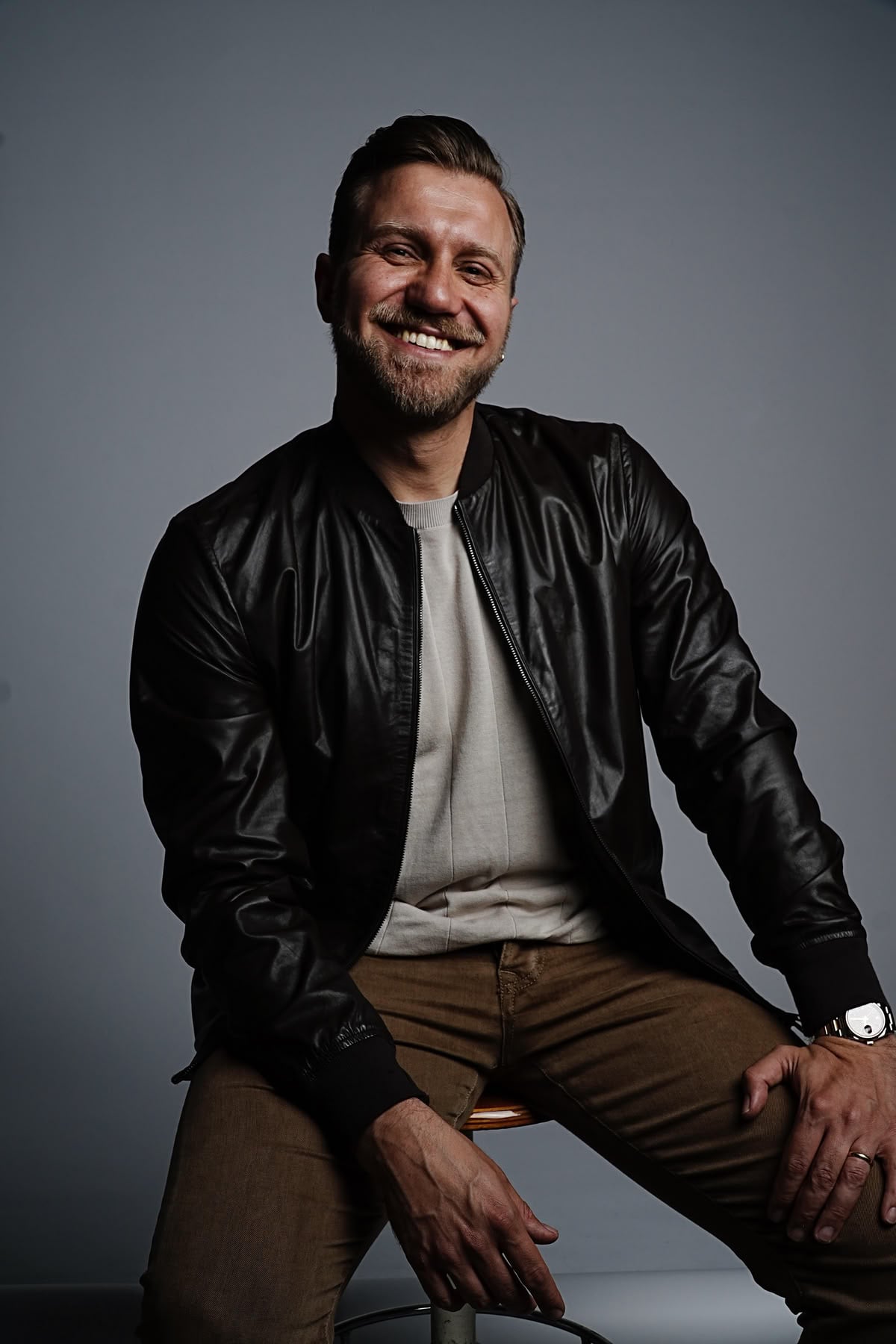
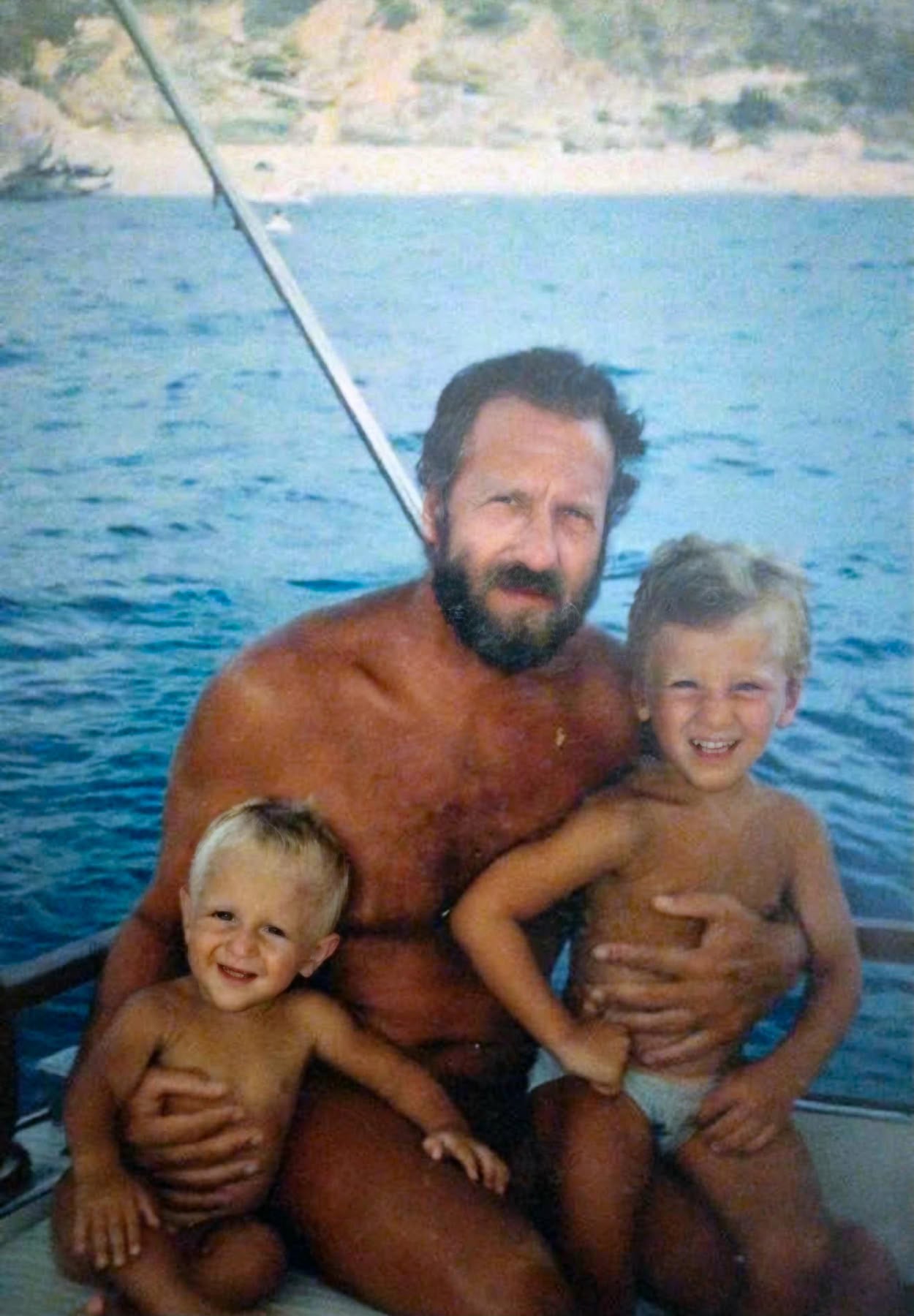
I started swimming when I was two or three years old. There were four children in our family, and we all practised swimming and water polo. My father, who comes from Sanremo, had also played for Andrea Doria when he was young.
And you were clearly good at it.
I had a certain natural ability, and by the age of thirteen I was already playing some matches in Serie A2. At eighteen, I also attended training camps with the Italian national team, and for a long time I seriously considered making water polo my profession.
Was there room for anything else?
I trained constantly and was completely immersed in that world. Then, around the age of seventeen, I discovered my passion for opera, which gradually began to occupy more and more space in my life.
Where did the opera come from?
My father was a tremendous opera enthusiast, and my curiosity about singing began largely thanks to him. I still remember the first time I heard Franco Corelli in Il trovatore: I was absolutely overwhelmed by his voice.
So when did you realise singing would take the place of water polo?
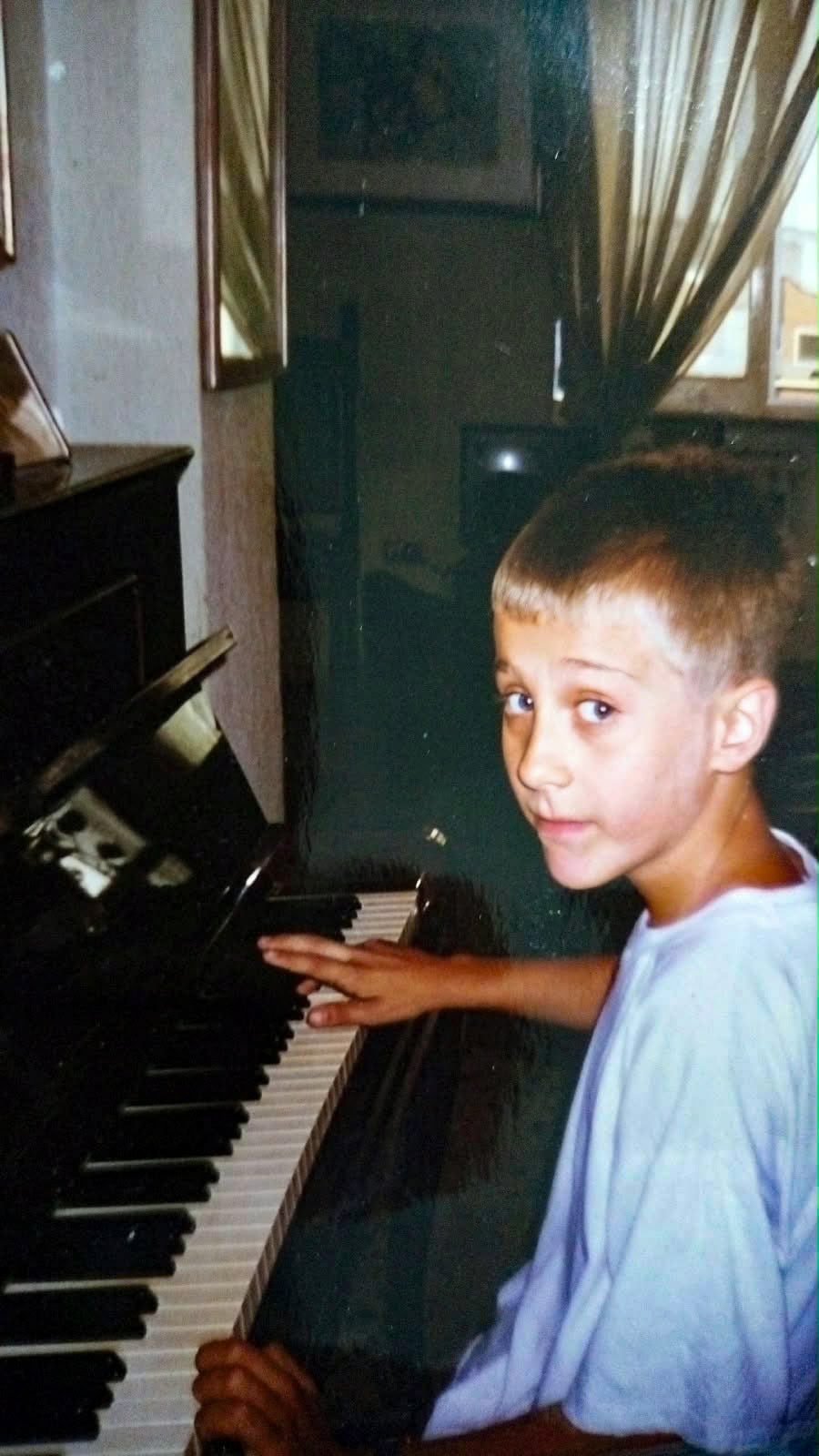
At seventeen or eighteen, I began studying piano and singing, and little by little I realised that this was what I wanted to do.
At nineteen, I decided to leave Serie A2 and continue playing in Serie C, where the commitments were much less demanding. That allowed me to devote far more time to music.
Was it a difficult decision?
Well, I didn’t stop playing overnight. I simply chose to make singing my priority, even though, not long before, I had imagined a completely different future for myself.
Can an athlete’s training help an opera singer? Breath control, stamina and discipline come to mind.
Sport gave me, above all, a very strong awareness of my body. When you spend so many years training at that level, you learn to recognise physical sensations that would normally go unnoticed. That ability has been extremely useful in my study of vocal technique.
Naturally, it also taught me discipline and the habit of working every day.
Is there a downside?
There’s another aspect that’s often overlooked: competitive sport, particularly when you push your body to its limits, can create muscular tension and stiffness that aren’t particularly compatible with the freedom you need for singing.
Water polo develops strength, but also considerable flexibility. I continued practising sport intensively for many years, including CrossFit until 2019. Over time, I’ve learned to understand which activities benefit me and which might interfere with my singing.
Senators, lawyers and a brush with politics
You come from a family of lawyers, judges and politicians. How did they react when you decided to become a singer?
My family has always supported me, both emotionally and practically. I never had to fight to have my choice accepted.
My great-grandfather, Raffaele Petti, was a senator of the Italian Republic representing the Socialist Party, and one of the founders of the Socialist Party in Salerno. Politics and law have always been part of my family’s history, but nobody ever tried to push me in that direction.
And your father?
In fact, my father was delighted that I’d developed a passion for opera. Music had always been something that brought us together, and when I started singing, it became a passion we could share even more closely.
Did you ever consider studying law?
I actually enrolled in law school, but I soon realised that I wouldn’t be able to pursue my university studies and singing with the same level of commitment.
Why not do both?
That’s just the way I am: when I decide to dedicate myself to something, I tend to put all my energy into it. At that point, I’d chosen music, and I didn’t want to do things by halves.
I have no idea what kind of lawyer I might have become, but I’ve never regretted that decision!
You also had some involvement in politics in Salerno. What happened?
It was a fairly brief chapter in my life, something I became involved in more out of curiosity than any real intention of pursuing a political career.
Coming from a family where politics had always been present, it was a world I knew and found interesting. But I never had any ambition to follow that path. My main interest was already music.
Is there a connection between public life and the stage – the ability to communicate with and persuade an audience?
In both cases, you need to know how to communicate, but there’s an important difference: when I portray a character, I’m not trying to convince the audience that he’s right.
Instead, I try to understand why he behaves in a certain way, even when his choices are completely different from the ones I would make. If I can truly understand him, I can make him believable without having to justify his actions.
First steps on stage
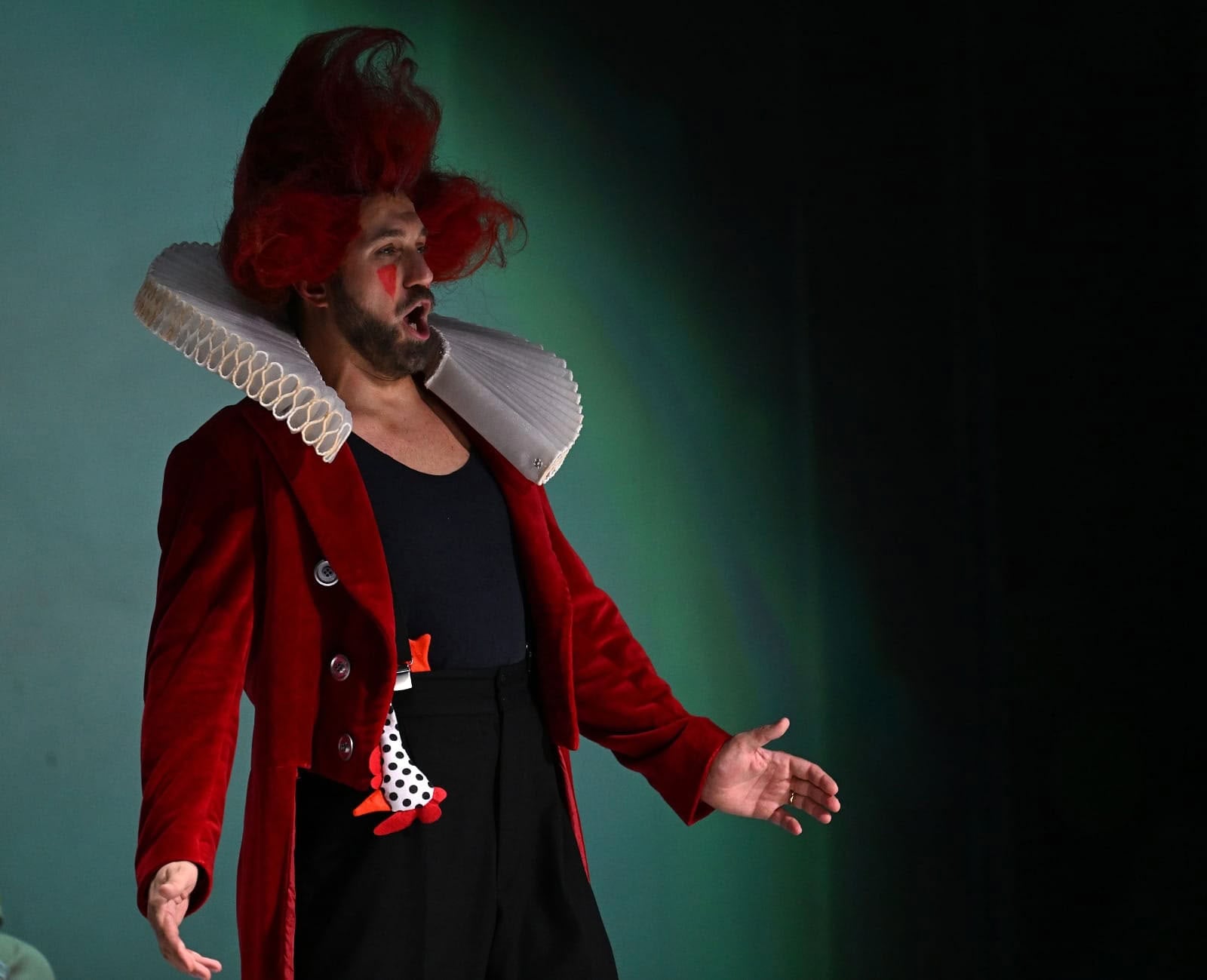
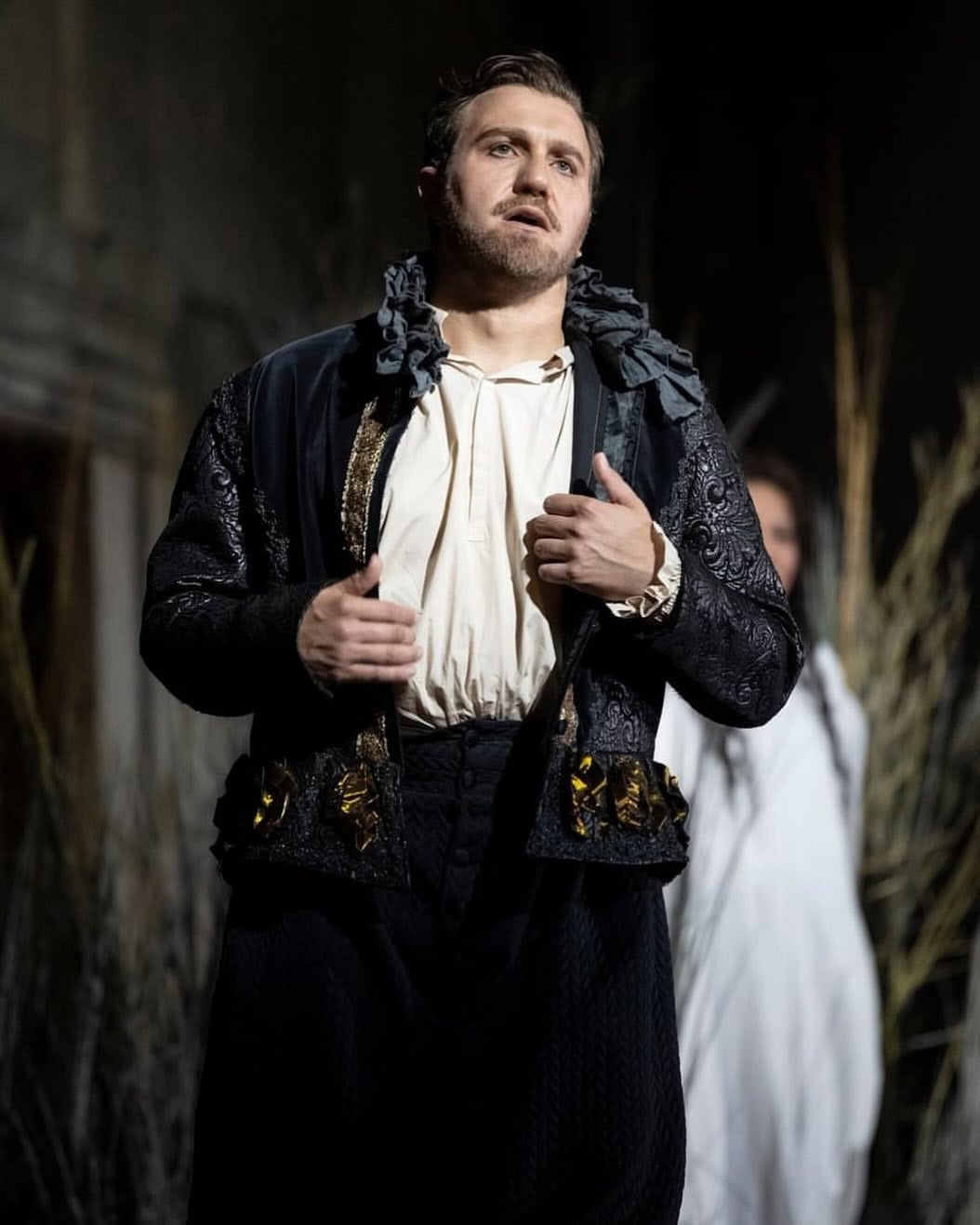
You made your debut as Eagro in Orfeo ed Euridice at the Festival della Valle d’Itria, and later sang Dancaïre in Carmen at the Teatro San Carlo. What do you remember of those early days?
I remember perfectly the moment I stepped onto the stage to perform my first role, Eagro, in Orfeo ed Euridice at Martina Franca. Looking back now, I almost have to laugh, because at the time I had absolutely no idea what it really meant to be an opera singer. I was so carried away by enthusiasm that I naively imagined everything should revolve around me and that everyone else should follow my lead!
Who helped you find your feet?
Fortunately, I met people who believed in my potential and helped me take my first steps in this world. I remember Sergio Segalini with particular gratitude. He was the artistic director of the Festival della Valle d’Itria at the time.
And Naples?
My debut at the Teatro San Carlo in Naples, as Dancaïre in Carmen, was another important moment. I had already gained a little more awareness, but I was still a long way from the artistic and professional maturity that would come only in the following years.
Back then, opera almost felt like a dream. I was passionate, full of enthusiasm, but also rather inexperienced and naive. Over time, I came to understand that our profession requires not only talent and preparation, but also a great ability to listen and work with others.
You also trained at the Festival Puccini Academy in Torre del Lago and at Plácido Domingo’s centre in Valencia. What did they give you?
Both were very important experiences, above all because they gave me the opportunity to work with great artists and observe their approach to the profession at close range.
Being around people who already had many years of stage experience helped me understand aspects of theatre that you simply can’t learn by studying a score.
I was able to observe how an interpretation is developed, how artists work together, and how important it is to listen to what’s happening around you during a performance. Those experiences taught me a great deal.
Your Germont in Lecce in 2015 was your first leading role. Did that evening change the course of your career?
I wouldn’t say that evening was a real turning point in my career, but it was certainly an important opportunity. I owe that debut to Carlo Antonio De Lucia, an Italian stage director who had recognised my potential and decided to put his trust in me by offering me such a significant role.
Singing Germont was a very valuable experience, not least because it’s a character that demands considerable musical and interpretative maturity. But after that debut, there were still many years of study, work and sacrifice ahead of me.
I have wonderful memories of that production and, above all, a deep sense of gratitude towards someone who believed in me when I still had a long way to go.
Who have been your most important teachers or mentors?
My training followed a rather personal path, and I didn’t study with many teachers. In some respects, I consider myself almost self-taught, having spent a great deal of time reading treatises on vocal technique, studying and exploring my own voice.
Was there anyone in particular?
One fundamental figure was certainly my father, a passionate opera lover and a very demanding listener. His observations, often quite critical, helped me enormously in developing my own vocal identity and searching for a personal sound, rather than simply imitating the singers I admired.
Macbeth, Amonasro and the Circus Maximus
Are there roles your voice isn’t ready for yet – or that may never suit it?
There are roles I prefer to postpone because the voice is an instrument that continues to evolve, and something that may be premature today could become perfectly suitable in a few years. Other roles, on the other hand, may never correspond to the natural characteristics of your instrument.
I try to choose repertoire that follows this evolution, without forcing my voice in a direction that doesn’t belong to it. Knowing your own instrument also means understanding when the time has come to take on a new role and when it’s better to wait.
Which role do you feel most at home in?
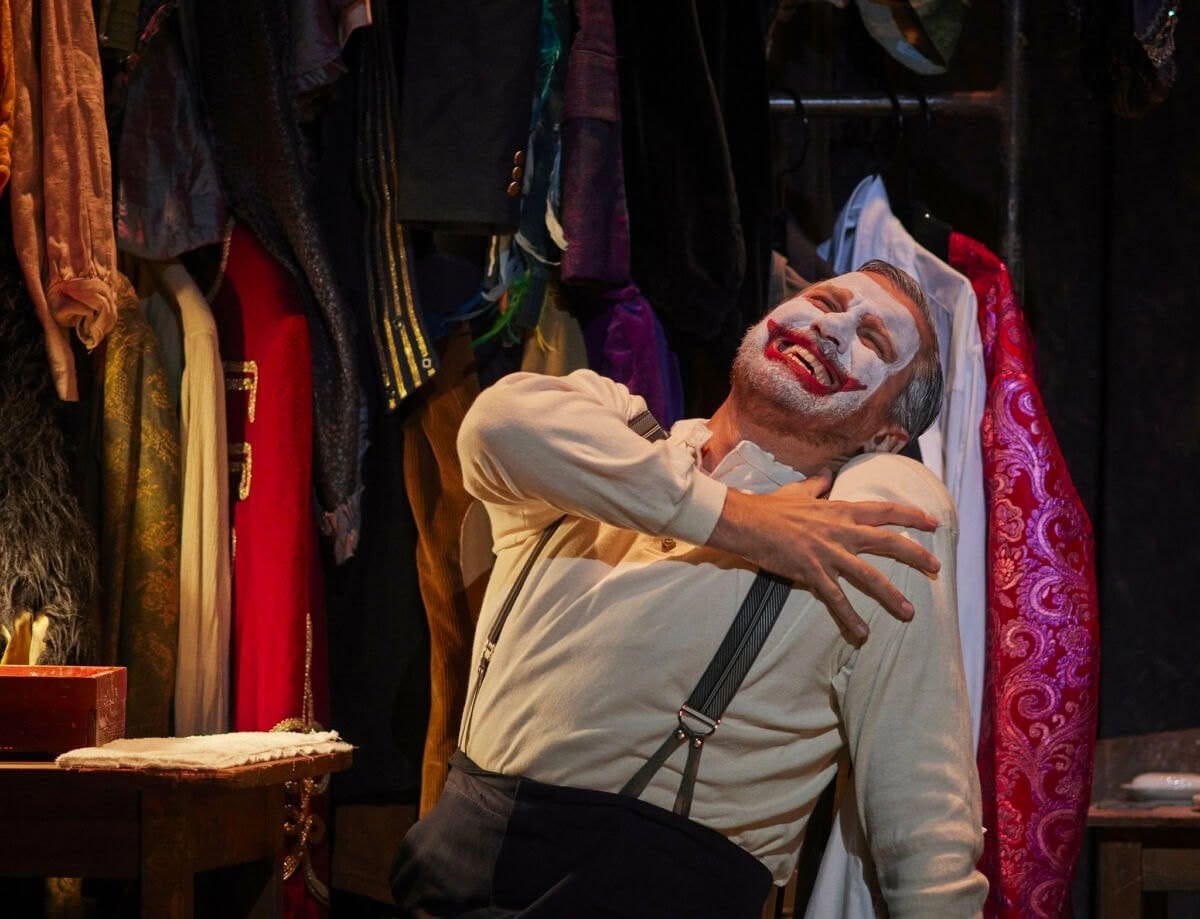
One of the characters I feel the greatest affinity with is certainly Macbeth. I’m particularly fascinated by his psychological complexity, and by the way ambition, fear and guilt gradually destroy him.
Vocally, the role offers extraordinary expressive possibilities. You can use an enormous range of nuances, moving from moments of great authority to situations of extreme vulnerability.
And a character you’ve found particularly difficult?
As for interpretative difficulties, no particular character comes to mind. I generally try to find a logic even in behaviour that’s very far removed from my own personality. Sometimes that’s precisely the most interesting part of the work: managing to understand someone with whom, in real life, you’d probably have nothing in common.
You’ve sung Ford in Los Angeles and Amonasro in Seville and Rome, and Scarpia in Atlanta and Macbeth in Tokyo are coming up. Do audiences differ from country to country?
Every country has its own theatrical traditions, and that is reflected in the audience’s relationship with opera.
In Italy, you can sense a very deep knowledge of the repertoire, especially Verdi, and often a particularly critical attitude.
And elsewhere?
In the United States, I’ve found audiences to be very warm, expressing their enthusiasm with great spontaneity. In Spain, on the other hand, I’ve encountered audiences very similar to those in Italy, both in their knowledge of the repertoire and in the way they experience and respond to a performance.
What was it like singing Amonasro in Aida at Rome’s vast Circus Maximus? Does singing outdoors change your approach?
Singing at the Circus Maximus, in a place so rich in history, was a truly special experience. Since it isn’t a space naturally designed for opera, microphones are necessary, and personally I’m not particularly fond of that solution, because I prefer the direct relationship between the voice and the natural acoustics of a theatre.
But the setting makes up for it?
Yes, the Circus Maximus is a magical place, and being able to sing in such a setting is a wonderful experience.
And dramatically?
From an interpretative point of view, such a vast space also requires gestures and stage presence that can adapt to the scale of the production. You have to find a way to reach even the audience members furthest away, without losing the naturalness of your movements and interpretation.
You’ve recorded Iris with the Berliner Operngruppe and Macbeth for Dynamic. How does singing for a recording compare with a live audience?
Both recordings were made during live performances, so I haven’t yet had the experience of recording an opera in a studio. It’s something I’d very much like to do in the future.
In the case of Iris and Macbeth, what you hear on the recordings is the reality of a theatrical performance, with all the spontaneity, energy and unpredictability that come with performing live.
Family life by the calanques
You’re a father, and your career often takes you far from home. How do you balance the two?
Being away from my family is certainly one of the most difficult aspects of my profession, especially since my son was born.
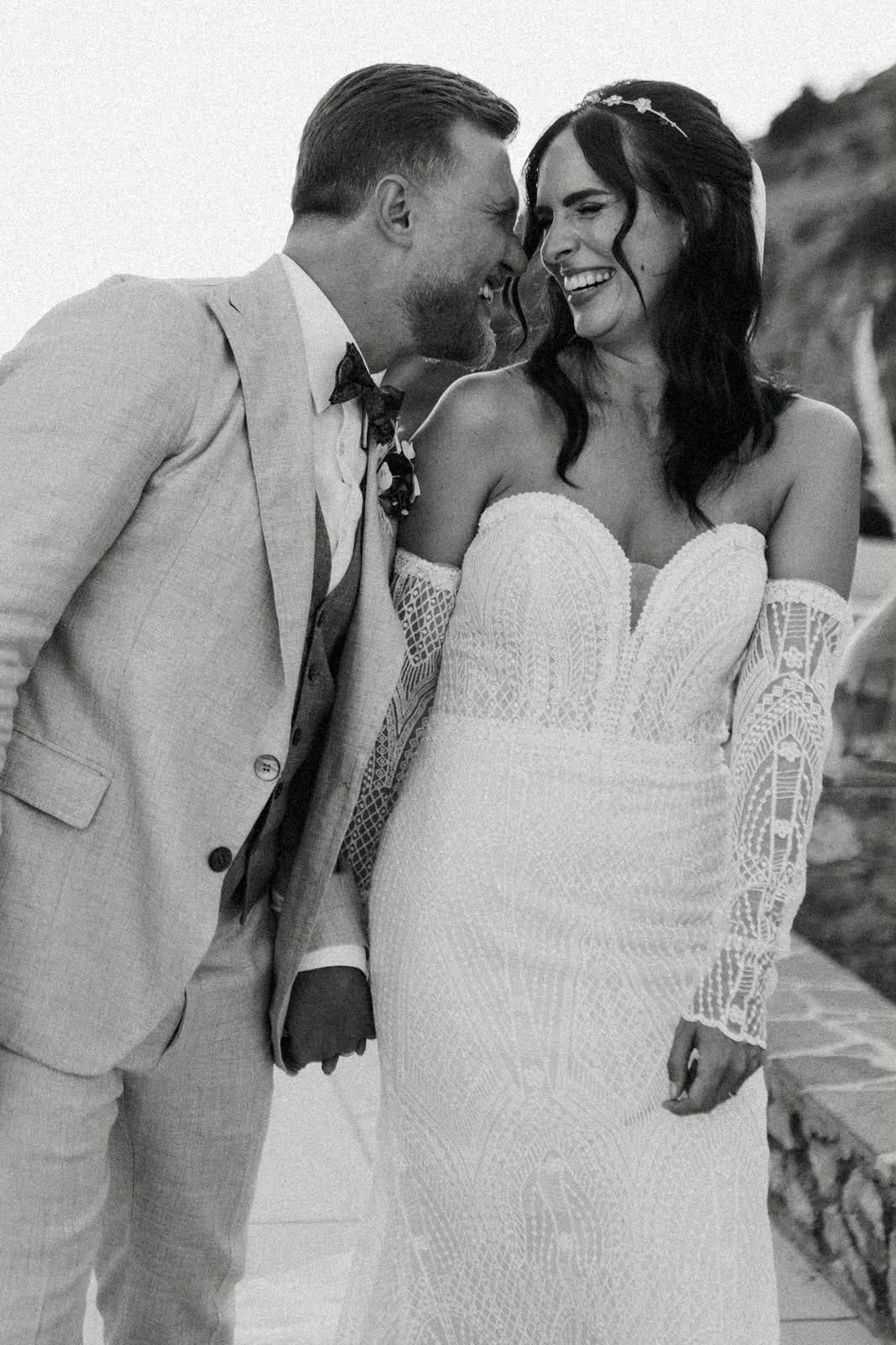
Fortunately, my wife is also a singer, so she understands the demands of this profession very well. We try to organise our schedules to spend as much time together as possible, and whenever our commitments allow it, we’re even willing to catch a flight just to spend a couple of days together.
What’s the hardest part?
It’s missing those small moments of everyday life which, especially when you have a young child, are constantly changing and never come back. It’s a sacrifice I don’t think you ever really get used to.
Why did you choose to live in the south of France?
My wife is originally from Marseille, and we decided to settle on the French Riviera, by the sea, in a beautiful area surrounded by nature and the rocky coves known as calanques.
Does your home influence the way you work?
For an opera singer who spends much of the year travelling, it’s important to feel good when you finally come home. We wanted somewhere we could almost feel as though we were on holiday, surrounded by nature and the sea, away from the hectic pace of work.
We’re genuinely very happy with our choice. It’s a place where we can enjoy some peace and quiet, spend time as a family and, in my case, study and prepare new roles in a relaxed atmosphere.
Has becoming a father changed the way you interpret Rigoletto or Germont?
Becoming a father has certainly changed the way I experience certain emotions, especially those connected with the relationship between a parent and a child.
Characters such as Rigoletto and Germont experience fatherhood in very different ways, often quite far removed from my own idea of what it means to be a father. Nevertheless, today I can understand their fears more deeply, their need to protect their children, and how strongly that feeling can influence their decisions, even when those decisions are wrong.
So your interpretations have changed?
I wouldn’t say my interpretations have changed radically, but they’ve certainly gained a sensitivity that I could previously only imagine.
Looking back, looking ahead
You’ve just turned 40. Looking back, what are you most proud of?
Above all, I’m proud that I never gave up. I’ve been through some very difficult moments. In 2019, I had a serious motorcycle accident, and initially there was even a risk that I might never walk again. I managed to recover and return to the stage. Experiences like that profoundly change the way you look at life.
What’s coming up next?
I have several engagements ahead of me that I’m very excited about, including my debut as Scarpia in Tosca in Atlanta and Macbeth in Tokyo.
And the roles you still dream of?
One role I’d certainly love to take on in the future is Jack Rance in La fanciulla del West. He’s a character I find fascinating, both musically and theatrically. As for everything else, we’ll see what comes along, depending on what theatres offer me. After all, it’s not enough to dream of making your debut in a particular role: someone has to be willing to offer it to you!
What advice would you give the young man who had just left Serie A2 to pursue singing?
I wouldn’t give much advice to the young man I was at twenty. I’d simply tell him to keep following his own path, without allowing himself to be too influenced by other people’s opinions.
But come to think of it, he was already a very determined young man, so he probably wouldn’t have needed that advice anyway.