Piero Cappuccilli centenary: Kabaivanska, Carreras and Nucci at La Scala
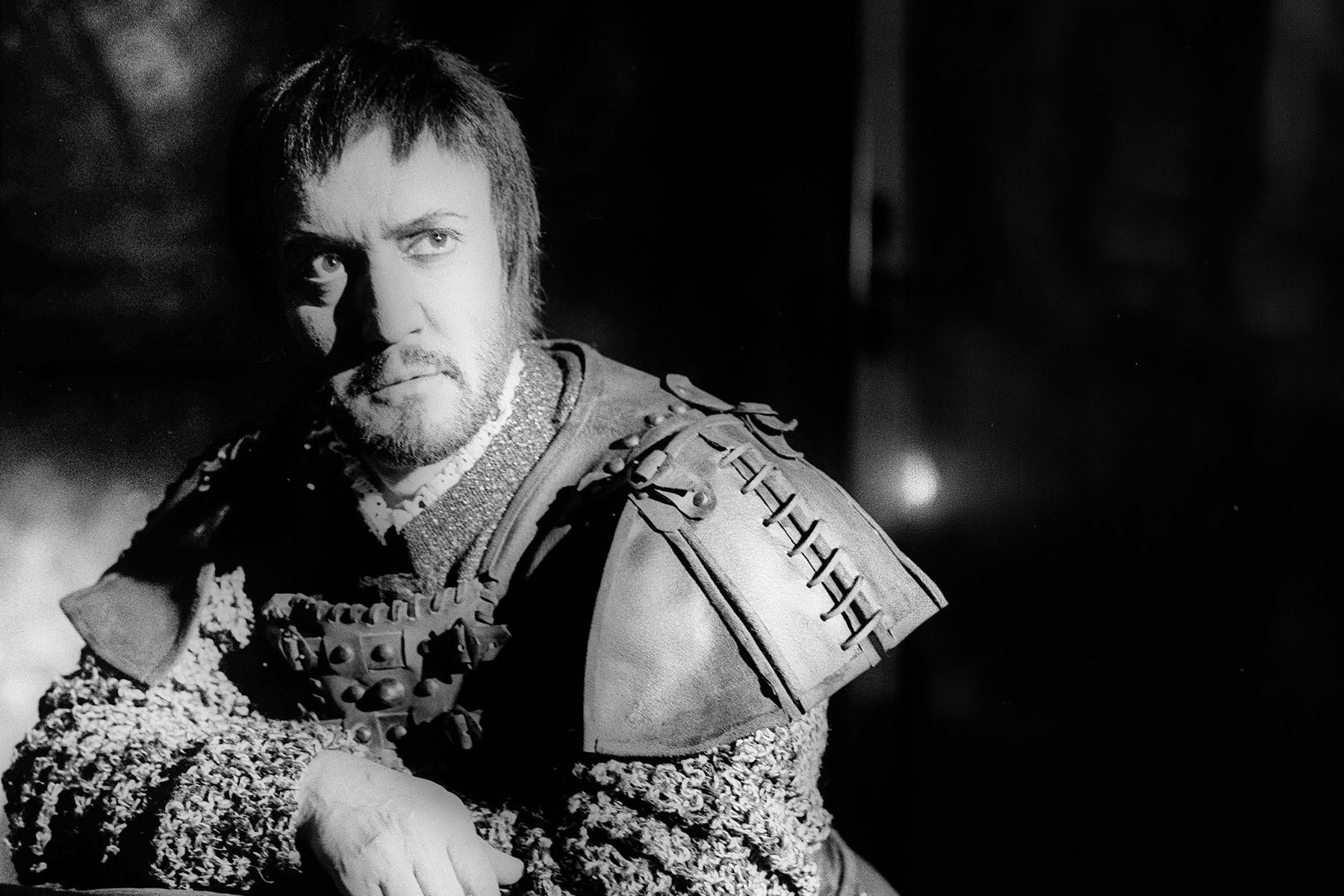
He wanted to design buildings and ended up opening La Scala’s season 13 times. Colleagues recalled the seemingly endless breath, the mastery behind the naturalness, and the man who never showed nerves.
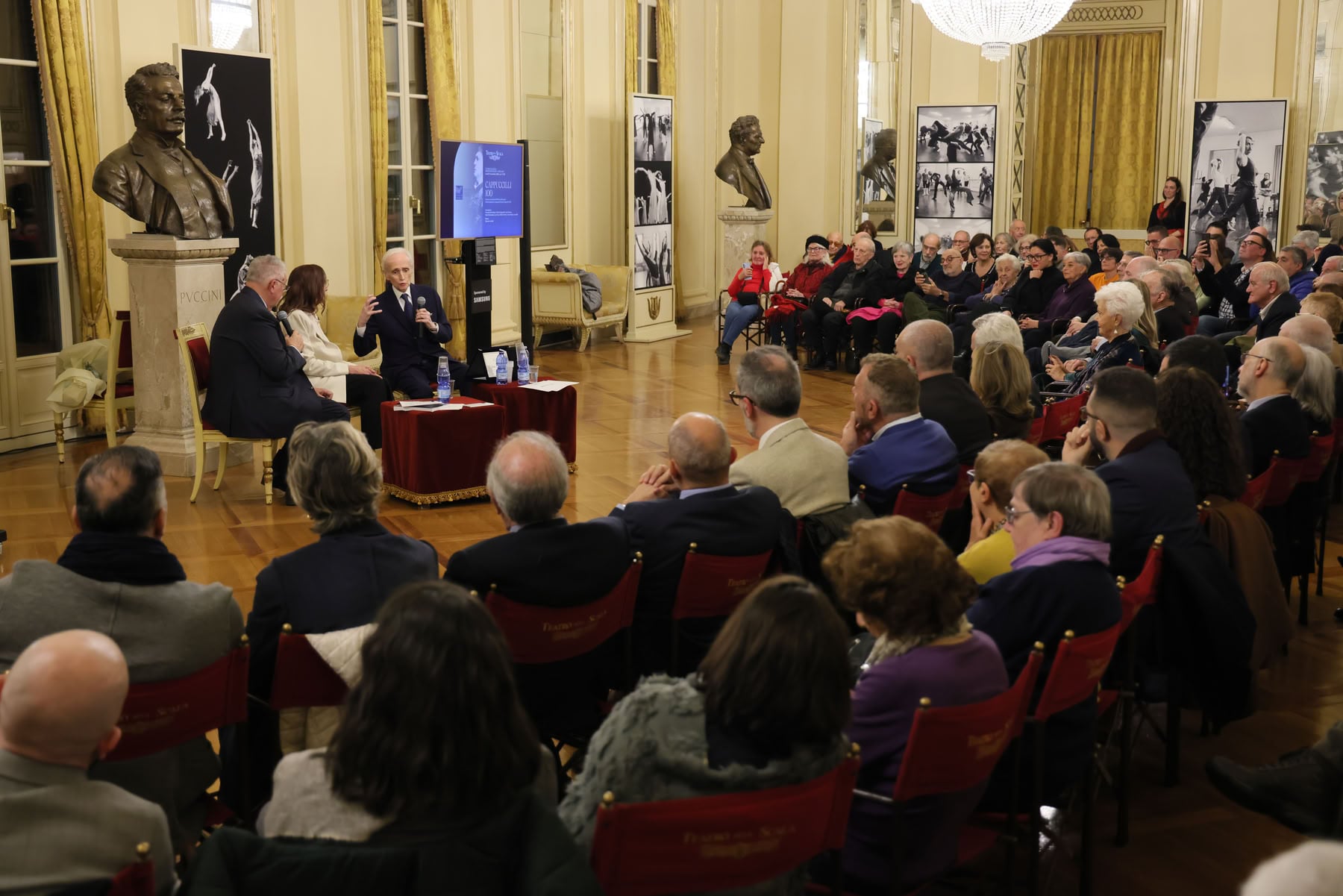
Piero Cappuccilli was born in Trieste on 9 November 1926. Exactly a hundred years later, Teatro alla Scala marked the centenary with an encounter in the Toscanini Foyer of film, recordings and recollections devoted to the baritone who sang more performances at the theatre than anywhere else, and who sang in the opening opera of the Milan season thirteen times.
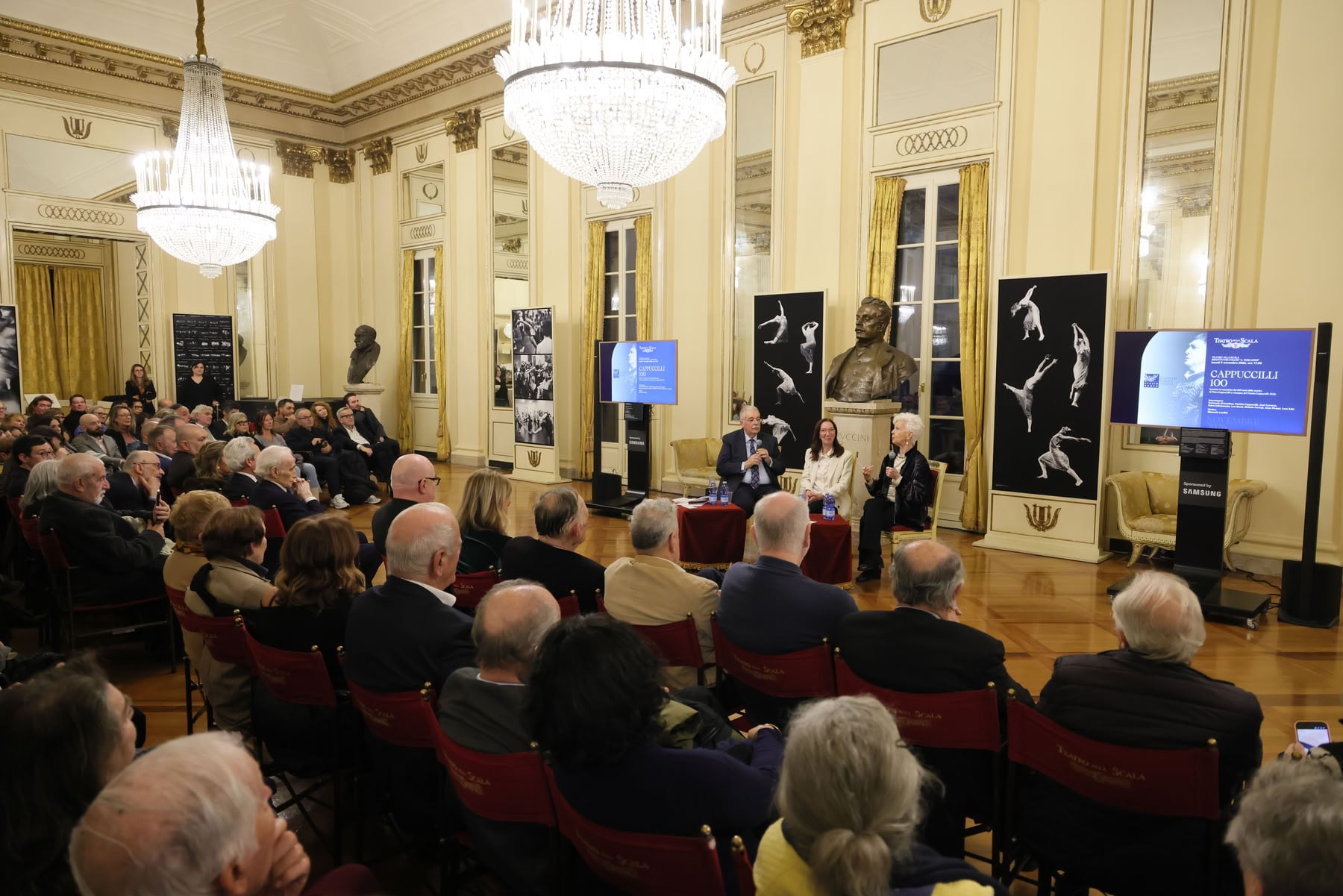
Superintendent Fortunato Ortombina welcomed the audience, and the critic Giancarlo Landini guided the evening. Alongside Cappuccilli’s daughter Patrizia, who has kept her father’s memory alive through the Fondazione Piero Cappuccilli, were four singers who knew him on stage – Raina Kabaivanska, José Carreras, Leo Nucci and Michele Pertusi – as well as Carlo Fontana, the theatre’s former superintendent. The tenor Brian Jagde, who sings Otello for the opening of the 2026-2027 season on 7 December, was also present.
“I sang alongside him”
Ortombina opened with a personal observation:
I can claim a rather unusual distinction: I believe I am the only opera house director who actually sang alongside Piero Cappuccilli. I was singing in the chorus when I took part, in Parma, in a performance of I vespri siciliani during one of the first editions of the Verdi Festival.
But, he went on, the evening was about something larger, not just anecdotes: “We are speaking about the history of Italian opera, about a great artist whose career is inseparable from the history of this theatre. We have all, in one way or another, passed through these doors and been shaped by what happened here.”
Landini said that La Scala was “in every sense, Piero Cappuccilli’s theatre”. For those old enough to remember the baritone’s great years at La Scala, he said, “the memory remains extraordinarily vivid”:
Cappuccilli was one of La Scala’s defining artists. Not simply because of the number of performances he gave here, nor because of the length of his association with the theatre, but because of the mark he left on generations of listeners.
Cappuccilli in his own words: the Enzo Biagi interview
Cappuccilli, in an archive television interview with the journalist Enzo Biagi, saw him preparing in his dressing room:
Enzo Biagi: How did you become one of the world’s great baritones?
Piero Cappuccilli: The truth is that becoming a singer was never really my intention. Not that the voice arrived by chance. I always had a voice. But singing was not part of my plans. I was studying architecture at university and imagined an entirely different future for myself.
Biagi: Who first recognised your talent?
Cappuccilli: A relative who was passionate about opera heard me singing Neapolitan songs at home and said, “Why don’t you study seriously? You have a beautiful voice.” I let myself be heard, though quite reluctantly. At first my family wasn’t enthusiastic. Ours was a family of graduates and professionals, and the idea of becoming an opera singer did not immediately seem the most sensible path. Later, however, they realised it could become a genuine career.
Biagi: What did arriving at La Scala mean to you?
Cappuccilli: When I arrived at La Scala in 1964 it was, naturally, a great satisfaction. But I considered it the logical consequence of my apprenticeship. I’d spent six years learning my profession, achieving successes in very demanding theatres, especially those of Emilia-Romagna. After that, the doors of La Scala opened naturally.
Biagi: Is La Scala still the ultimate destination?
Cappuccilli: Like any theatre, it has its faults. But for me it remains the greatest opera house in the world. Every singer dreams of performing here.
Biagi: How many opening-night performances have you sung?
Cappuccilli: From 1964 until today, sixteen seasons. Thirteen opening nights.
Biagi: Is there anything you look back on with nostalgia?
Cappuccilli: Not really. I don’t regret the choices I’ve made. If I feel nostalgia for anything, it is for architecture. It was a genuine passion.
Biagi: Do you consider yourself fortunate?
Cappuccilli: In a sense, yes. I reached the top of my profession. But it wasn’t easy. It wasn’t simply luck.
Biagi: What is the greatest flaw of singers?
Cappuccilli: Vanity.
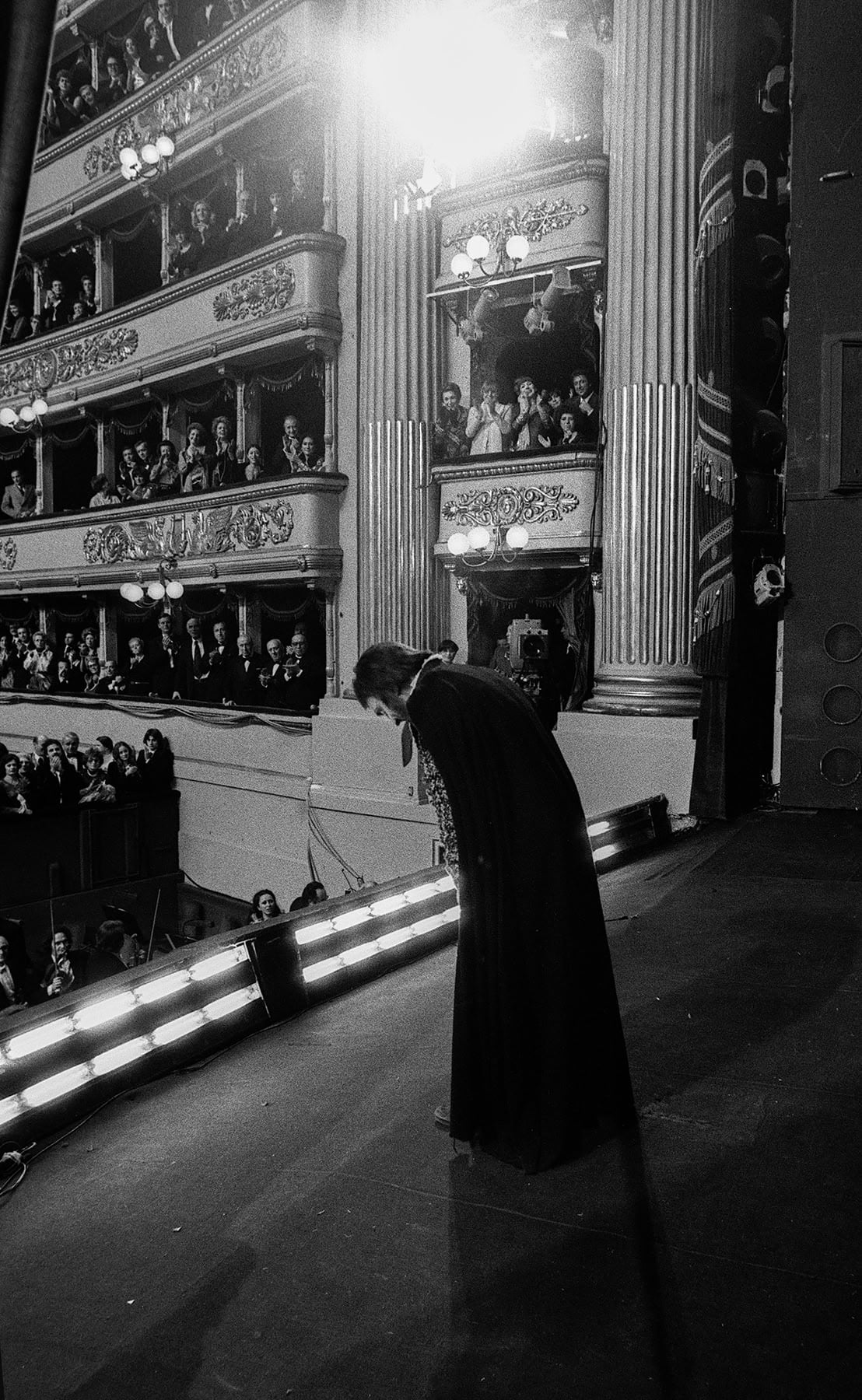
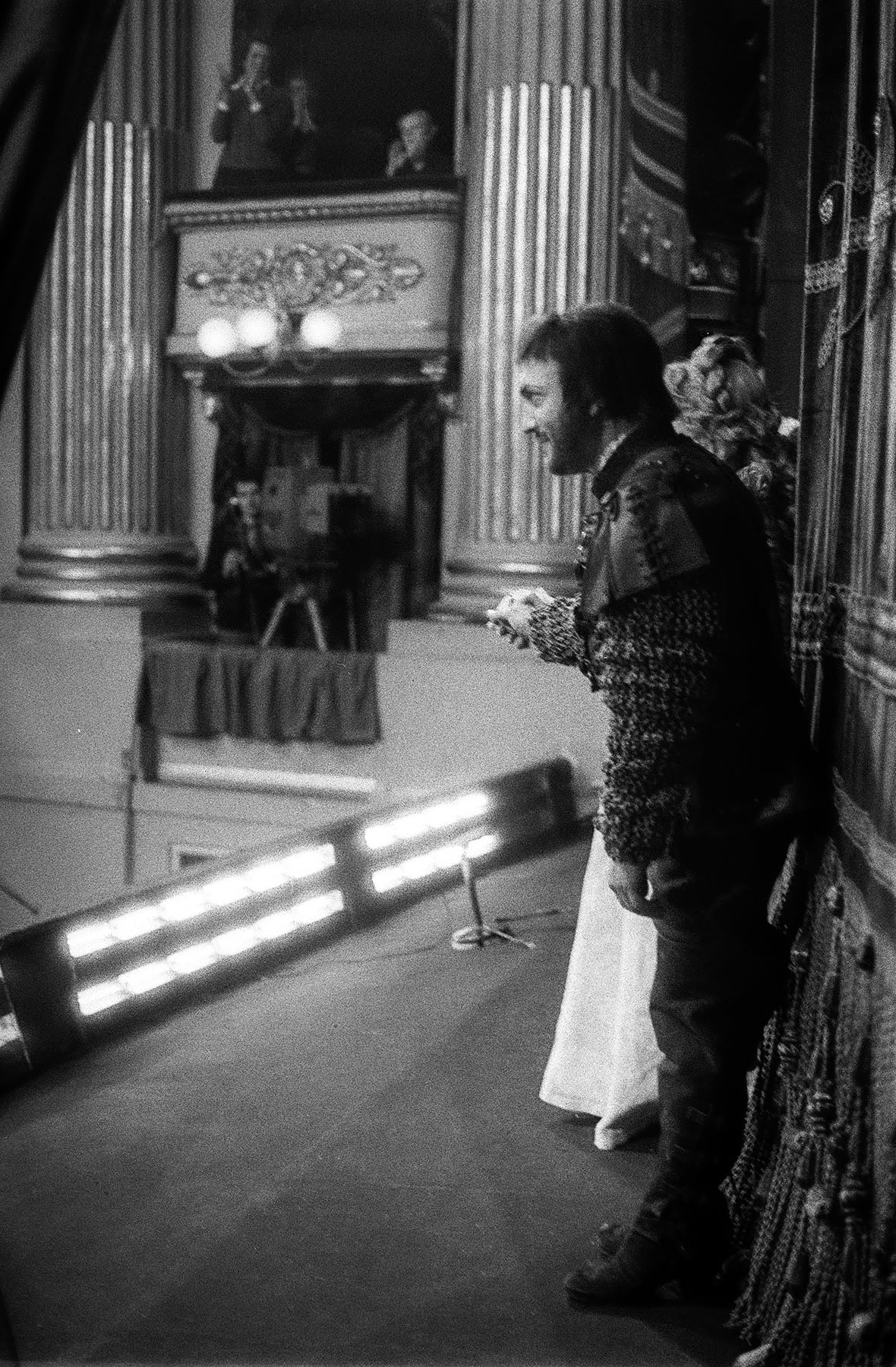
A serious apprenticeship
“This reveals so much about him,” said Landini. “His responses are direct, unmistakably his own, without embellishment.” About Cappuccilli’s admission that his real regret was not becoming an architect, Landini notes: “He says it without posing, without trying to sound intellectual. One senses complete sincerity… I am also struck by his refusal to indulge in self-congratulation. He acknowledges feeling fortunate, but there is no hint of vanity.”
“This was his theatre”
Patrizia Cappuccilli said:
This was the theatre my father loved more than any other. This was his theatre. He spent the greater part of his career here and sang at La Scala more than anywhere else. From 1959, when he took part in the recording with Maria Callas [La Gioconda], until his final years on this stage, La Scala was always at the centre of his artistic life.
She had travelled with him and followed much of that life, and she described a man who was “extremely demanding, above all with himself”:
He possessed enormous discipline, and he brought that discipline into family life as well. For him, singing was a profession. Of course he became a star and an internationally celebrated artist, but he never lost sight of the fact that it was work.
She remembered “a strong man, a courageous man, and someone who possessed extraordinary self-confidence”, whose presence reassured people at home and in the theatre alike.
I never saw him nervous. I never saw him anxious before a performance. He would walk into the dressing room making jokes, chatting with colleagues, completely relaxed.
As a child she went backstage with him. “Wait here behind the scenery,” he would tell her. “I’m going to sing.” Afterwards he would come back and ask: “Well? Did you like it? Did you like how Daddy sang?”
“A miracle of nature”
“I must try not to become emotional,” said Raina Kabaivanska, who knew Cappuccilli “from the very beginning” – she believes the two made one of their debuts together in Il tabarro. “I remember standing beside him and being terribly nervous. He, however, was completely calm.”
What stayed with her most was his bearing:
Even the way he stood revealed something extraordinary. He looked like someone born to be a singer. Always upright, elegant, perfectly composed. Then he would open his mouth and beauty emerged. Not merely vocal beauty. Beauty of colour. Beauty of phrase. Beauty of expression.
She often asked him how he did it. “He never really answered. And yet one sensed that singing came to him as naturally as breathing.” Kabaivanska said she calculated every note, “whether to cover it, adjust a phrase, modify a vowel”.
Piero seemed to do none of that. He simply sang. The voice was immediately in place. The colour was already there. The character was already there. How? I still cannot explain it. It was a miracle of nature.
He was also, she said, a wonderful colleague. Recalling performances of Pagliacci when both were young, she spoke of “that extraordinary wave of beauty that arrived every time he sang. That is the memory I carry with me.”
Thirteen opening nights
Landini traced Cappuccilli’s long relatio and Landini traced Cappuccilli’s long relationship with La Scala. He made his debut in Lucia di Lammermoor, (1964 with Renata Scotto and Carlo Bergonzi) a role he also sang on the company’s tour to the Bolshoi.
La Scala’s opening night of the season is a big deal. His first opening night was La forza del destino the following year. Don Carlos followed in 1968 conducted by Claudio Abbado, I vespri siciliani (1970) under Gianandrea Gavazzeni, and Giorgio Strehler‘s famous production of Simon Boccanegra with Claudio Abbado and Mirella Freni, Nicolai Ghiaurov and Gianni Raimondi in 1971.
“It is impossible to overstate the importance of Simon Boccanegra in Cappuccilli’s career,” Landini said. With Freni, Ghiaurov and Abbado, the baritone helped to change the fortunes of an opera that had long had an uncertain place in the Verdi canon:
Today Simon Boccanegra is universally recognised as one of Verdi’s masterpieces. That was not always the case, and this production played an important role in changing its fortunes.
There followed Franco Zeffirelli‘s Un ballo in maschera (1972), and Strehler’s 1975 Macbeth with Abbado and Shilrey Verrett. Landini singled out the partnership with Strehler: “Though very different men, they recognised something in one another and established a creative understanding that enriched every collaboration.” In 1978, the Strehler production of Simon Boccanegra opened the season a second time – one of very few productions in La Scala’s history to do so – and then came Zeffirelli’s Otello in 1976 conducted by Carlos Kleiber with Placido Domingo and Freni, “another milestone in his career and in the history of the theatre.”
“Relax. I know you’ve got it”
For Leo Nucci, Cappuccilli’s birth date carries its own weight: 9 November was also his mother’s birthday, and his granddaughter’s. “Speaking about Piero as a baritone is difficult,” he said. “Speaking about him as a friend is perhaps even more difficult.”
He first heard Cappuccilli as Rigoletto at the Teatro Duse in Bologna in 1958 – “I can still hear the A flat in ‘Sì, vendetta’”. La Scala’s chorus master of those years, Romano Gandolfi, he recalled, once wrote that he had never heard a voice with richer harmonics or greater fullness of sound. “I believe he was right… let us remember that he was one of Herbert von Karajan’s preferred Verdi baritones. That did not happen by accident.”
Listening again to the excerpts this evening, and even listening to him speak in the Biagi interview, one notices something remarkable: there is not a single sound produced outside the proper vocal position. The moment he emitted a note, everything was already in place. That fascinated me.
As his own career developed, Nucci watched closely and took notes. In Un ballo in maschera he wrote down Cappuccilli’s breathing points, his phrasing, his vocal colours and his expressive choices – “Not because I wanted to imitate him, but because I wanted to learn from him.”
One memory is especially vivid: Simon Boccanegra in Brussels in 1977. “I was preparing to enter as Paolo when he approached, tapped me on the shoulder and said: ‘Relax. I know you’ve got it.’ That was Piero.” People often spoke of his directness, Nucci acknowledged: “It is true that he could be blunt. But he was also profoundly human.”
Nucci also owes him a more practical debt. Because of an unforeseen change in Cappuccilli’s own schedule, the chance arose for Nucci to sing Luisa Miller in London. “In a sense, one of the major opportunities of my career came indirectly through him. So I owe him a debt of gratitude.”
People associate Cappuccilli with heroic figures yet, Nucci pointed out, the role that accompanied him throughout his career was Rigoletto:
That says something important. Rigoletto contains everything: fatherhood, suffering, irony, cruelty, tenderness and tragedy. When I first heard him in the role, I realised what the role could become in the hands of a truly great artist.
And he believes Cappuccilli studied far more than he let on:
He would joke about vocal exercises and claim they were unnecessary. But voices do not remain that consistent by accident. Nature alone is never enough. Technique, discipline and intelligence are indispensable. And he possessed all three… He never stopped working. Even when people assumed he was relying on natural gifts, he was listening, refining and learning. That is one of the reasons his singing remained so consistent throughout an exceptionally long career.
“Almost the voice of a soul”
For Michele Pertusi, any discussion of Cappuccilli arrives sooner or later at his breath control. “His breath seemed limitless,” said the bass, who swam competitively when he was young and knows what extraordinary breath control means – “but what Cappuccilli could do was on another level altogether.”
Think of Rodrigo’s death scene in Don Carlo. Those endlessly sustained phrases cease to sound like the voice of a man. They become almost the voice of a soul. That may sound poetic, but it is exactly what happened in the theatre.
His interpretation, Pertusi said, came directly from the way he produced sound:
Everything passed through the sound itself. Of course there was talent. Great art always involves talent. But talent alone never explains greatness. What impressed me was the absolute mastery behind the naturalness.
He first heard Cappuccilli at the Arena di Verona in 1978, in a cast that included Luciano Pavarotti, Katia Ricciarelli and Fiorenza Cossotto. “Yet what remains most vivid in my memory is Piero. I can still hear certain notes today. Particularly the great phrases from Il trovatore. They had a physical impact. Some sounds seem to go directly from the stage into your chest. His did.”
Asked whether such natural gifts can become a danger, Pertusi said that for some singers they can – “There are artists who possess so much natural vocal wealth that they become careless” – but not for Cappuccilli, whose technical foundation was far too solid:
Take the excerpts we heard this evening. Certain notes appear spontaneous, almost reckless. In reality, every one of them is controlled and perfectly placed. That degree of accuracy is one reason his voice lasted so well.
He recalled Cappuccilli’s Nabucco in Verona: the most demanding music comes near the end, “yet that was often where he sang best. That can happen only when a singer possesses absolute technical mastery. And yes, I agree with Leo. He studied much more than he admitted.”
Speedboats, motorcycles – and Rodrigo
José Carreras, who performed with Cappuccilli many times, remembered a man who was not simply a great singer but “an extraordinarily modern man”:
He loved life. He loved speedboats, motorcycles, cars and sport. Yet the moment he stepped onto a stage, everything changed. He became the character. Completely… Many singers have beautiful voices; few possess such total identification with a role.
Carreras’s most vivid memory is Don Carlo, Rodrigo’s death scene: when Cappuccilli reached “Per me giunto è il dì supremo”, “time seemed to stop. The audience stopped breathing. The entire theatre became focused on a single line of music.”
His confidence was immense, but it rested on preparation and ability.
Every singer requires technique. But technique must serve the individual instrument. Piero had found the perfect balance between his natural gifts and his technical method. That is why everything appeared effortless.
“Too bright for Verdi”
Carlo Fontana heard Cappuccilli as a boy, at the very start of his career, in roles he later dropped, including Marcello in La bohème and De Siriex in Fedora. “Even then the voice was unmistakable.” What many forget, he said, is that the baritone was not universally understood at first:
Some critics claimed his voice was too bright for Verdi. They were accustomed to darker baritones and could not immediately recognise what was before them. History proved otherwise.
Fontana also praised Cappuccilli’s self-knowledge. Late in his career, offered opportunities that did not fully suit him, he knew how to say no. “That self-knowledge is rare. It was one of the reasons for the remarkable coherence of his career.”
Otello, fifty years on
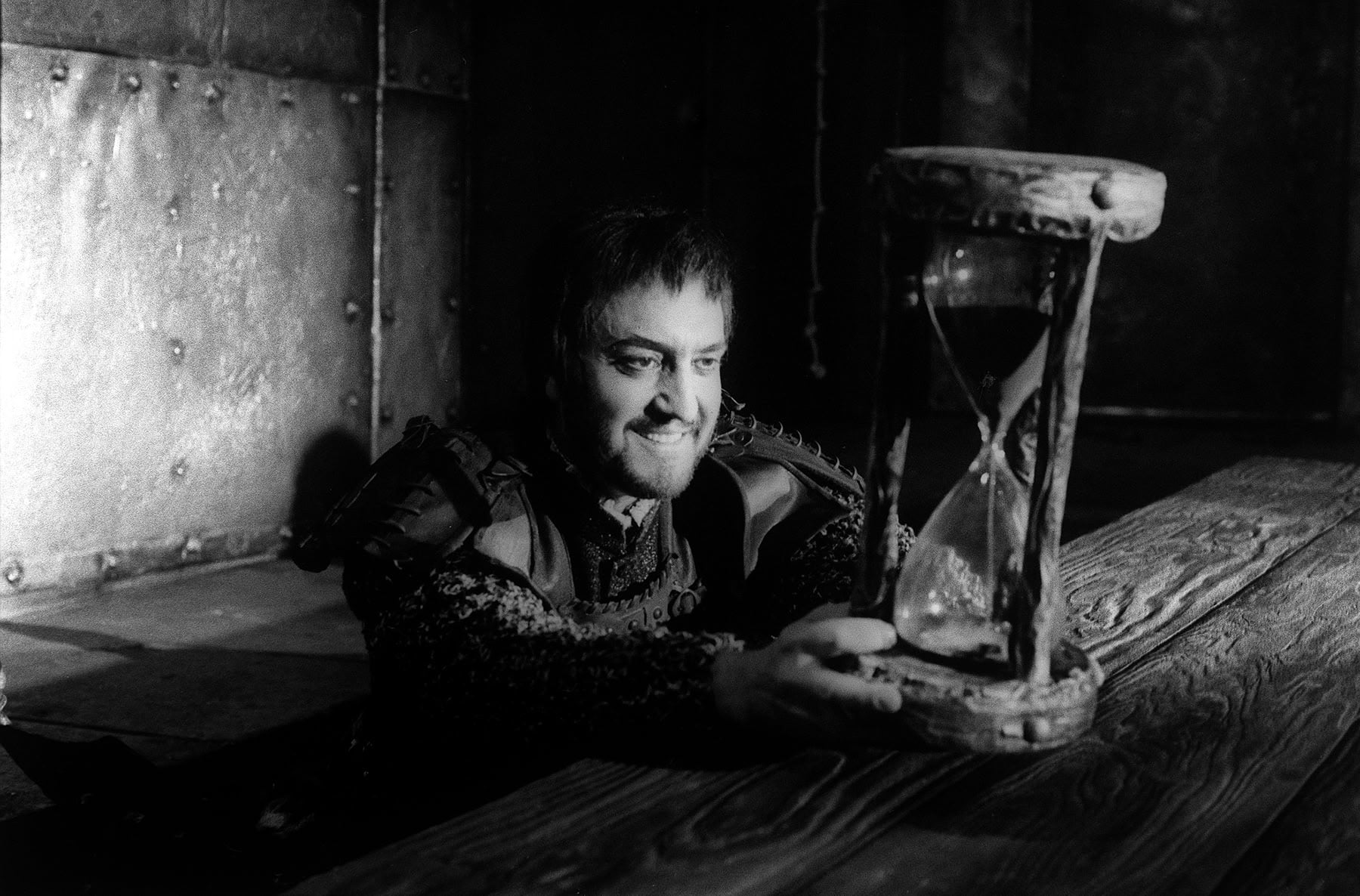
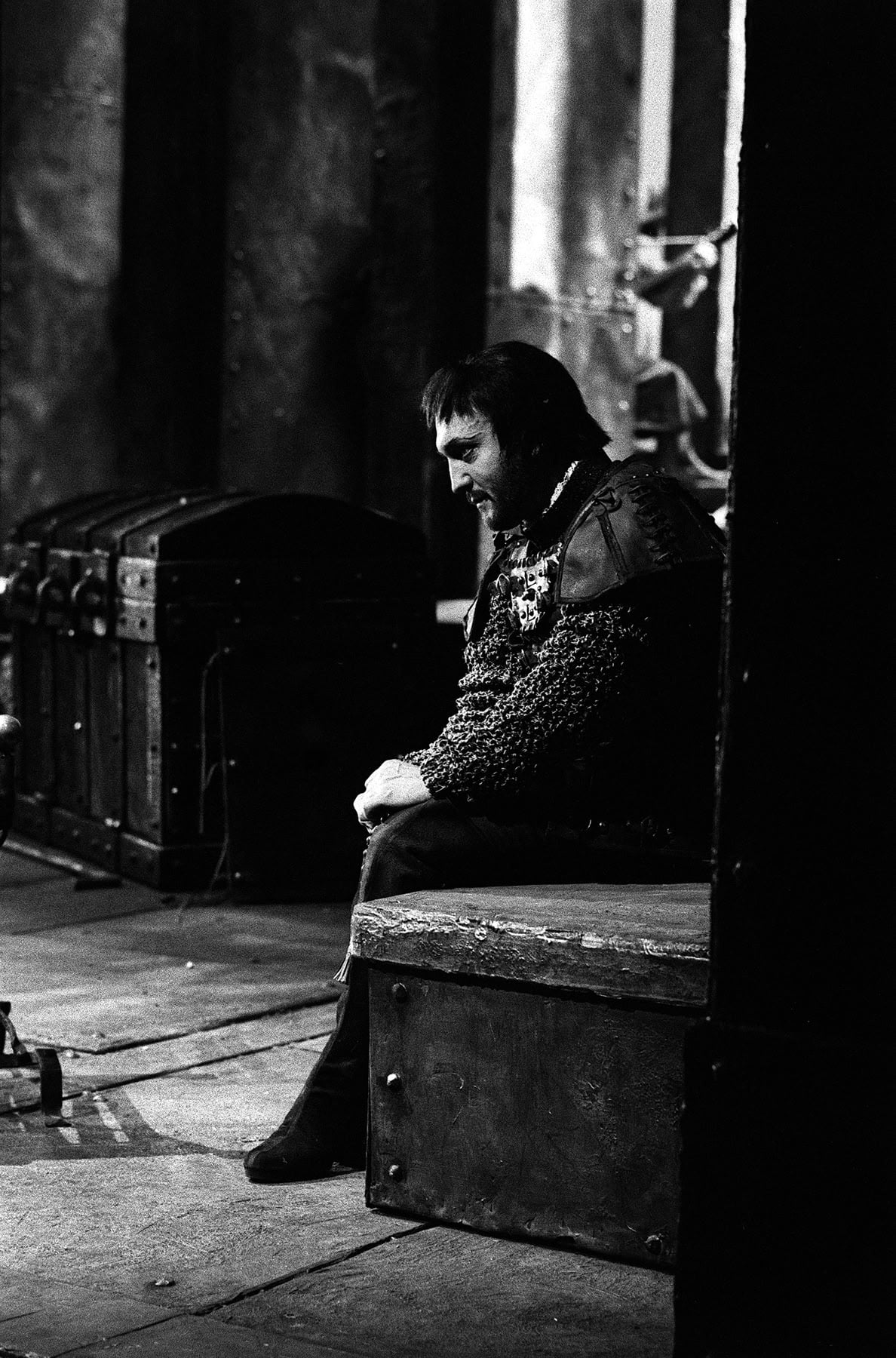
Ortombina recalled that this year marks fifty years since La Scala’s famous 1976 opening-night Otello, conducted by Kleiber with Cappuccilli as Iago – it was La Scala’s first live television broadcast. Fifty years on, the theatre is preparing Otello once again for 7 December, and Ortombina introduced the American tenor who will sing the title role: Brian Jagde.
“Patrizia! Lunch!”
The last word went to Patrizia Cappuccilli, with a memory of her father’s voice away from the theatre. At home, when he called one of the family, he could be heard throughout the house, and she could always tell from his tone whether he was happy, annoyed or giving an order.
During the years when he sang often at the Arena di Verona, the family spent summers in Grado, further up the coast from Venice towards Slovenia. Like any teenager, she preferred staying on the beach with her friends to going home for lunch. Her father disagreed:
At lunchtime he would step onto the balcony and call me. Usually me first, because I was the eldest. And with that enormous voice that everyone has spoken about this evening, he would shout: “Patrizia! Lunch!” The entire beach could hear him. People would turn around. My friends would laugh. “Patrizia, your father is calling you!” At the time I wanted to disappear beneath the sand. I was mortified.
Today, however, I would give anything to hear that voice calling me once again.