Mezzo-soprano Anita Rachvelishvili sues the Met over cancelled contracts
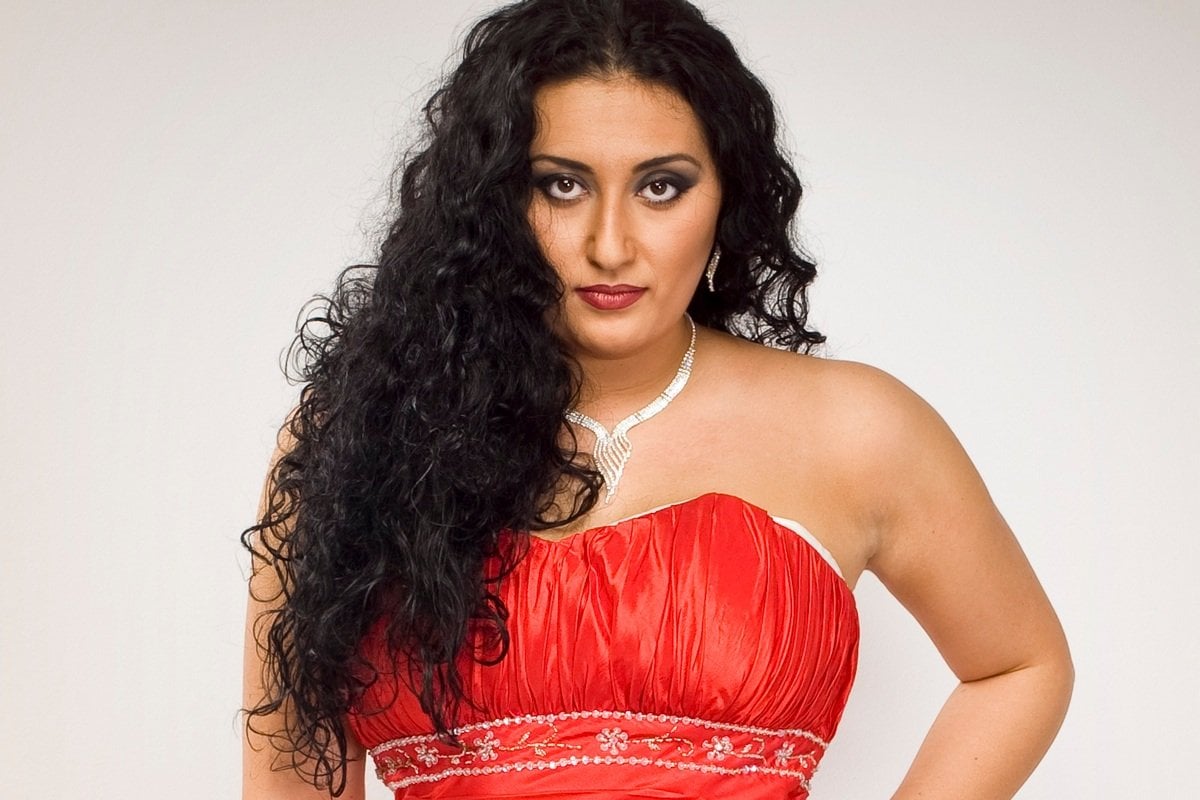
Georgian mezzo-soprano Anita Rachvelishvili started experiencing problems with her voice during her pregnancy in 2021. When she returned to sing with the Metropolitan Opera, the management said that she was not up to the standard they expected and cancelled her future contracts.
Rachvelishvili is now suing the Met and her trade union to compensate for lost income. She has alleged that the Met violated its contractual agreements and claimed that her union, the American Guild of Musical Artists, had not adequately advocated on her behalf. She is pursuing over $400,000 in damages.
Rachvelishvili’s lawsuit states that the Met was aware that she had “suffered complications from her pregnancy and birth affecting her voice and vocal range,” adding that she was “disabled due to her pregnancy” and accuses the Met of discrimination. “I was shocked that I was not given a chance to recover,” said Rachvelishvili in a statement, “And all of my contracts for the next two years were immediately cancelled without pay.” The lawsuit also states that the American Guild of Musical Artists failed “to file a grievance and proceed to arbitration relating to discrimination based upon plaintiff’s pregnancy or other applicable law”.
A contractual arrangement called “pay or play” obligates institutions to compensate contracted performers regardless of whether they ultimately choose to cast them. However, the Met does not have to compensate singers it sees as “vocally or physically unfit for performance”.
Rachvelishvili attended Milan’s Conservatorio Giuseppe Verdi and then the prestigious Accademia della Scala di Milano where she started participating in operas while still on the opera course. She became well known overnight when La Scala‘s then musical director, Daniel Barenboim, invited her to open La Scala’s 2009 season as Carmen, with Jonas Kaufmann – a performance that was streamed on television in Italy and then made available throughout the world.
Before her appearances in Aida in Chicago in 2019, Riccardo Muti said, “Rachvelishvili was for me a revelation. She is without doubt the best Verdi mezzo-soprano today on the planet. Without. Doubt.”
Yet the problems were very real, as revealed in an interview with Zachary Woolfe for The New York Times at the end of 2023. Woolfe writes:
In the past, her muscular support had originated down by her pelvis, but that was disrupted by the pregnancy and birth. While she searched for a new approach, her next engagement, Adriana Lecouvreur at the Teatro alla Scala in Milan in early 2022, was disastrous. The Princesse’s high notes, once easy for her, refused to come. At the premiere, Rachvelishvili fled the theater in despair before her curtain call, something she had never done.
“It was the most horrible experience of my life, not being able to sing the way I wanted,” she said. “I couldn’t go out after a performance like that. It’s not the old Anita they’re used to, or I’m used to. I’m not going out; it’s insulting to them, to La Scala.”
In Rachvelishvili’s complaint, she says that she was “temporarily limited in her very highest vocal range as a result of giving birth” but she was “at all times ready, willing and able to perform the roles for which she was contracted”, and that since she has made a full recovery.
Her future engagements have been drastically reduced – in July she will sing for one performance of Carmen at the Verona Arena on 18 July.