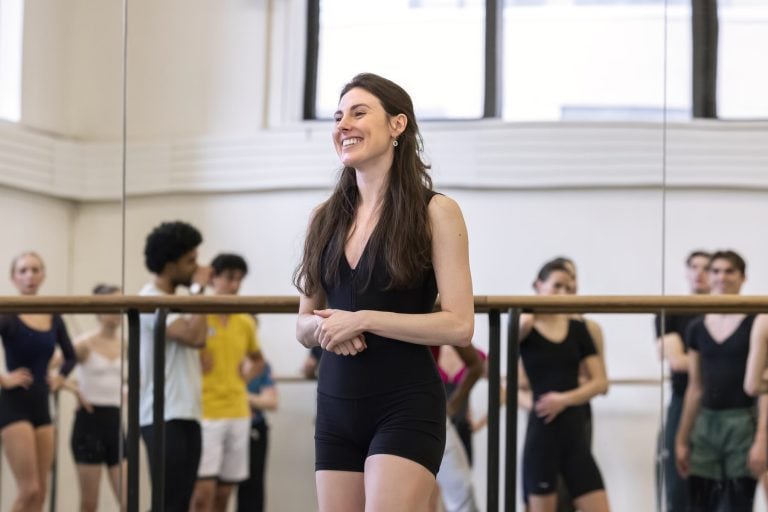
Tatjana Gürbaca makes her Italian debut with a new Falstaff for the Opera di Roma
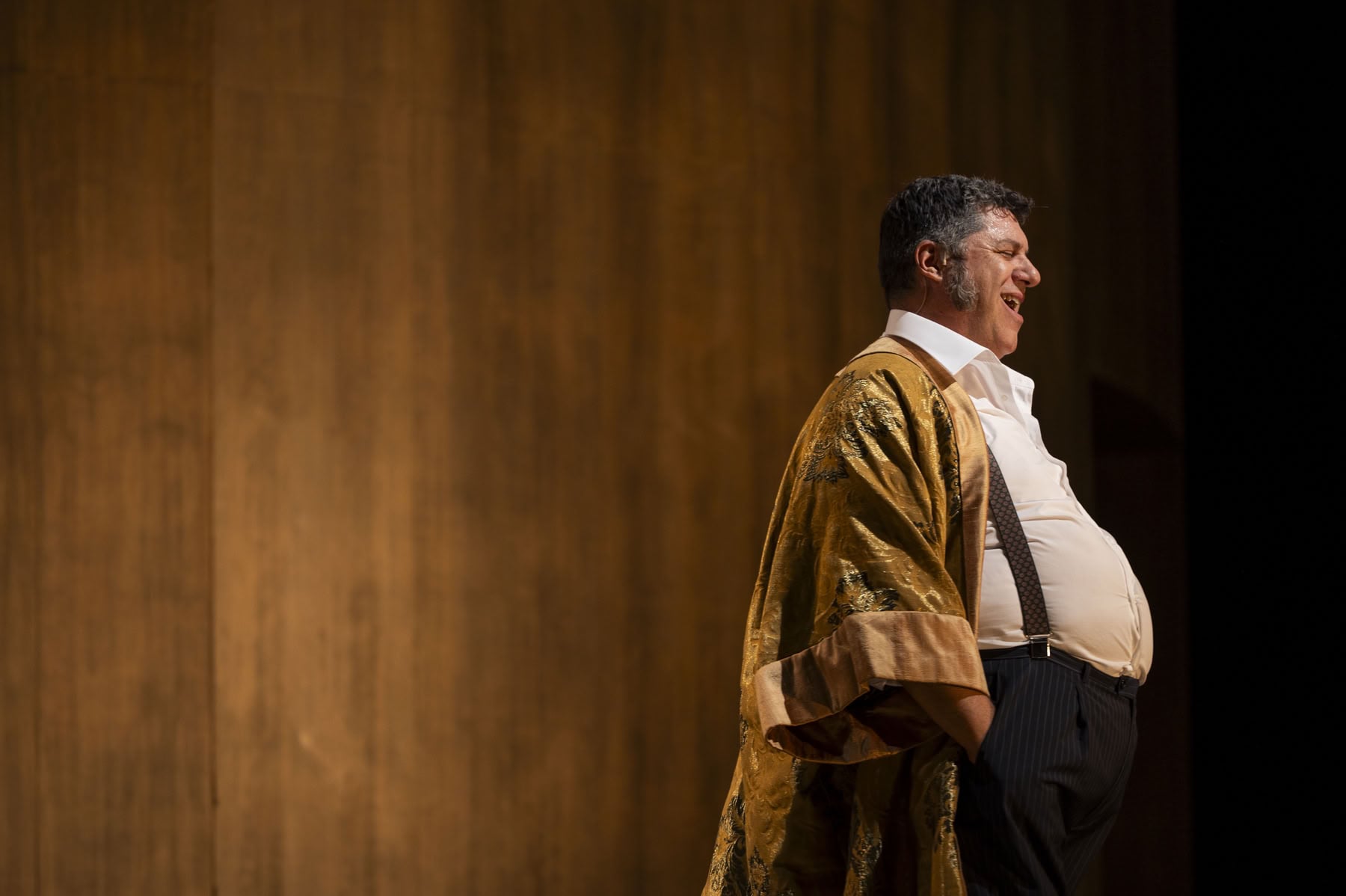
Verdi’s last opera moves to a dreamlike, half-abandoned version of Milan’s Grand Hotel et de Milan, the composer’s second home in his final years, with Luca Salsi as Sir John and a live Rai 3 broadcast on 1 November.
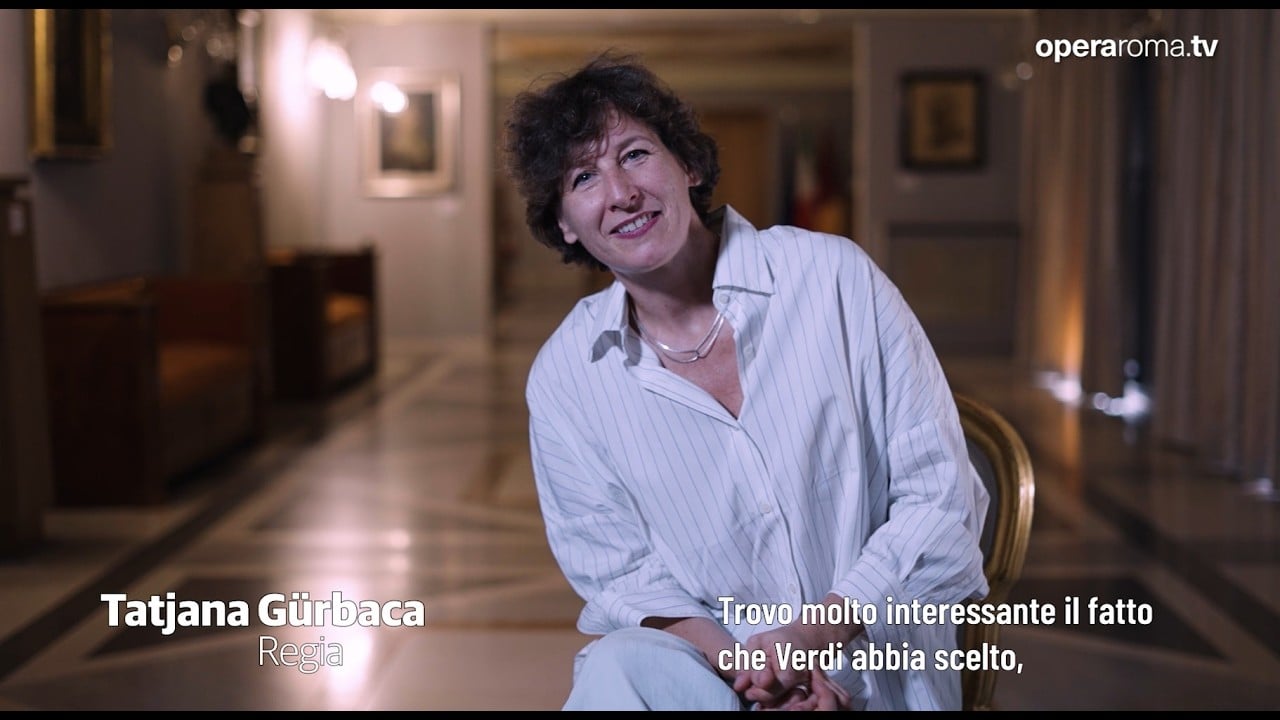
The German director Tatjana Gürbaca, whose productions have been seen in Berlin, Vienna, Amsterdam and Zurich, makes her Italian debut on Sunday 11 October with a new Falstaff at Rome’s Teatro dell’Opera. Michele Mariotti, the company’s music director, conducts, and Luca Salsi sings the title role.
“Falstaff is not a comedy about an old man who fails, but about humanity itself,” says Gürbaca, “about our illusions, our desires, our weaknesses and our tireless attempt to turn the brief miracle of life into something meaningful.”
A hotel between past and future
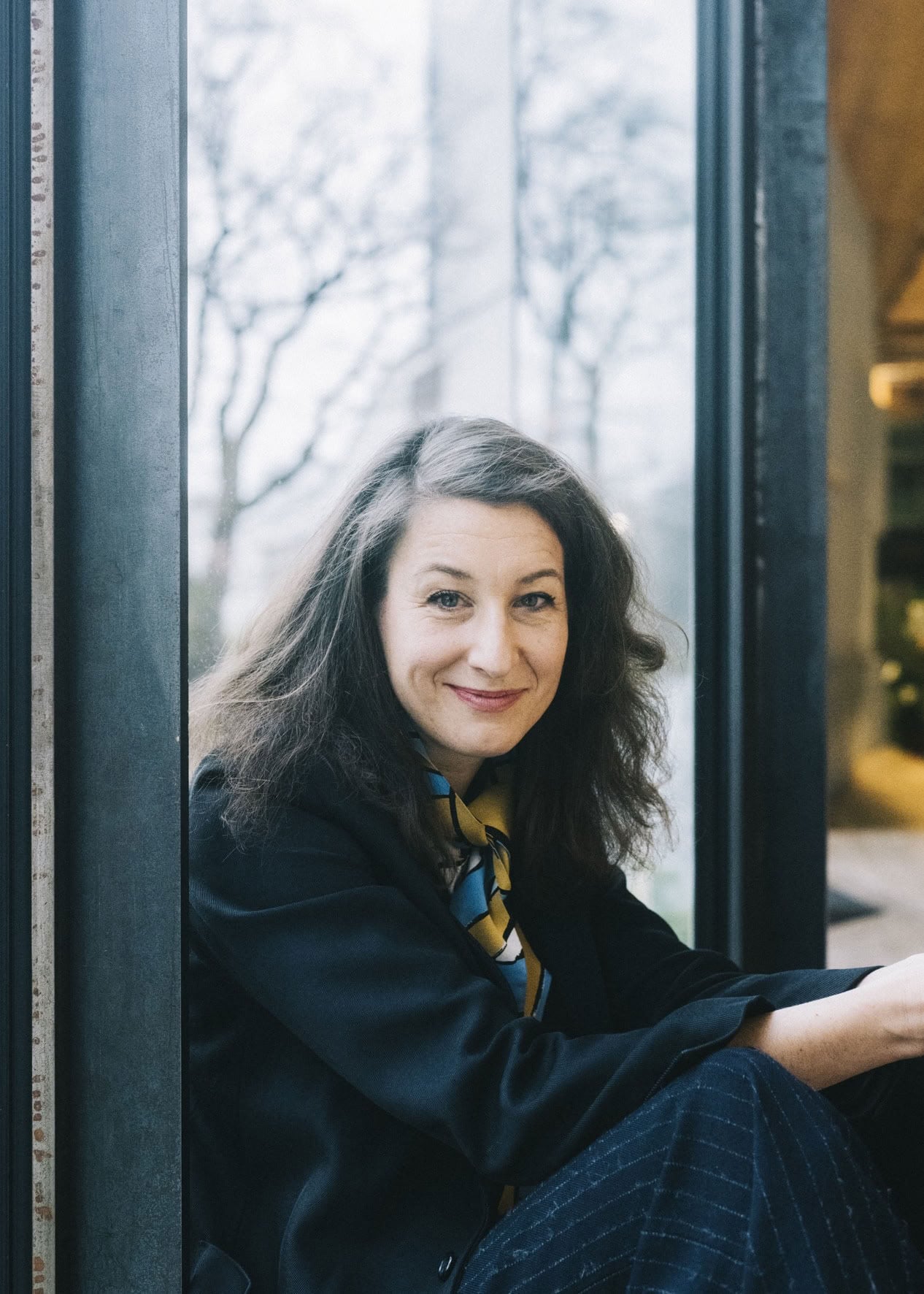
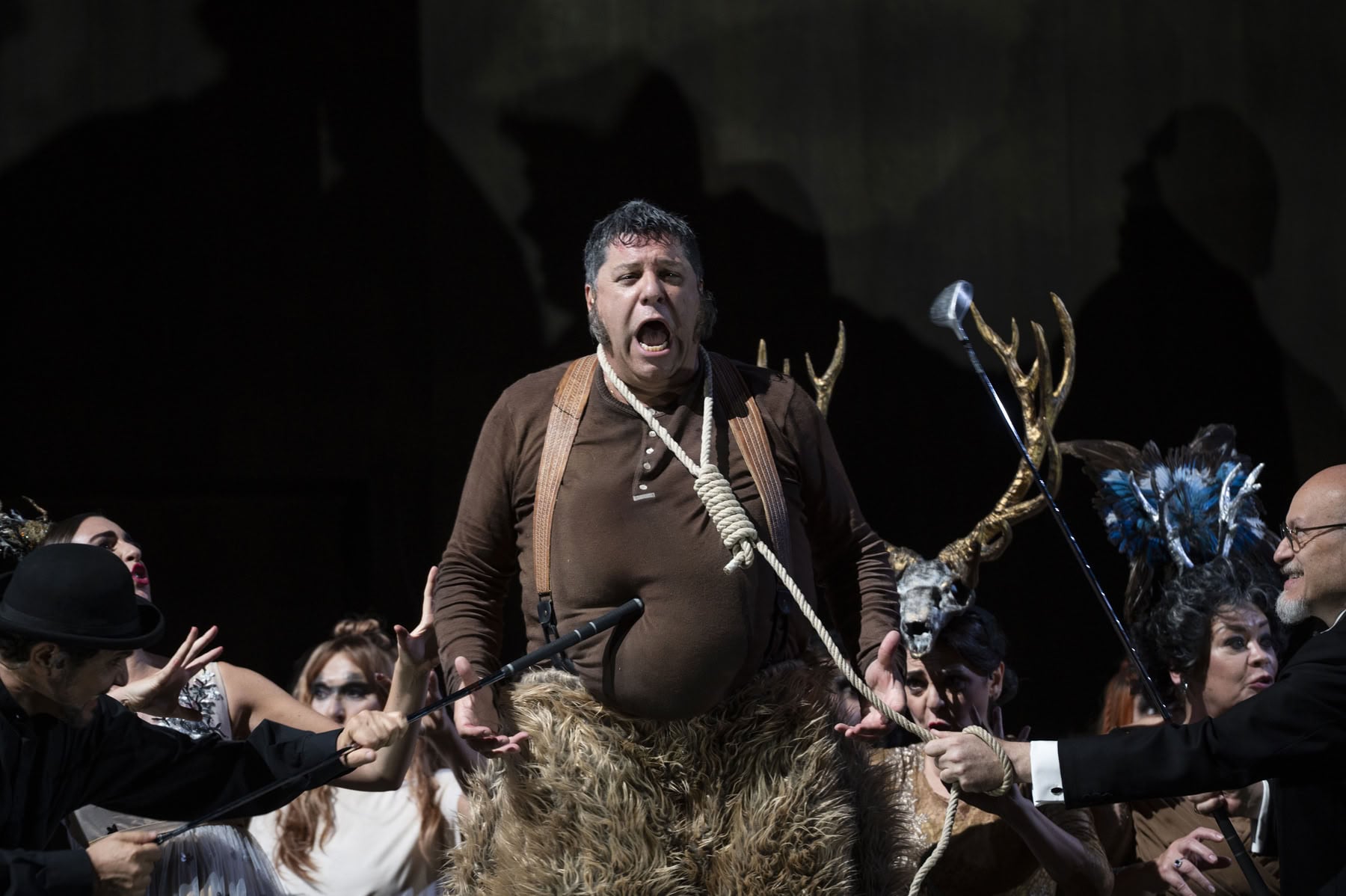
Gürbaca has set the action in a fantasy version of the Grand Hotel et de Milan, which became Verdi‘s second home in the last years of his life and where he composed his last opera. “But this hotel exists in a dreamlike state,” she says. “It is a space that belongs to another era, already partly abandoned and partly reclaimed by nature – a world suspended between past and future, between memory and dissolution.”
The director, whose father is Turkish and whose mother is Italian-Slovenian, calls Falstaff “a philosopher of life, a subversive hedonist, a man of radical freedom and profound self-irony”. In her reading, he embraces everything society tries to regulate or repress – eating, drinking, sexuality, idleness, pleasure – and is immoral but never wicked: he lies, cheats and manipulates, yet is driven by neither cruelty nor a hunger for power: “He isn’t interested in dominating; he’s interested in existing.”
The world around him, she argues, has lost its generosity towards life, ruled by calculation, social ambition and the fear of failure. Verdi wrote the opera on the threshold of a new century, as a world shaped by industrialisation, economic progress and the power of money was emerging – and Falstaff stands for everything that no longer seemed to have a place in it: abundance, imagination, sensuality, artistic freedom and beauty beyond mere usefulness.
Mariotti’s first Falstaff with an audience
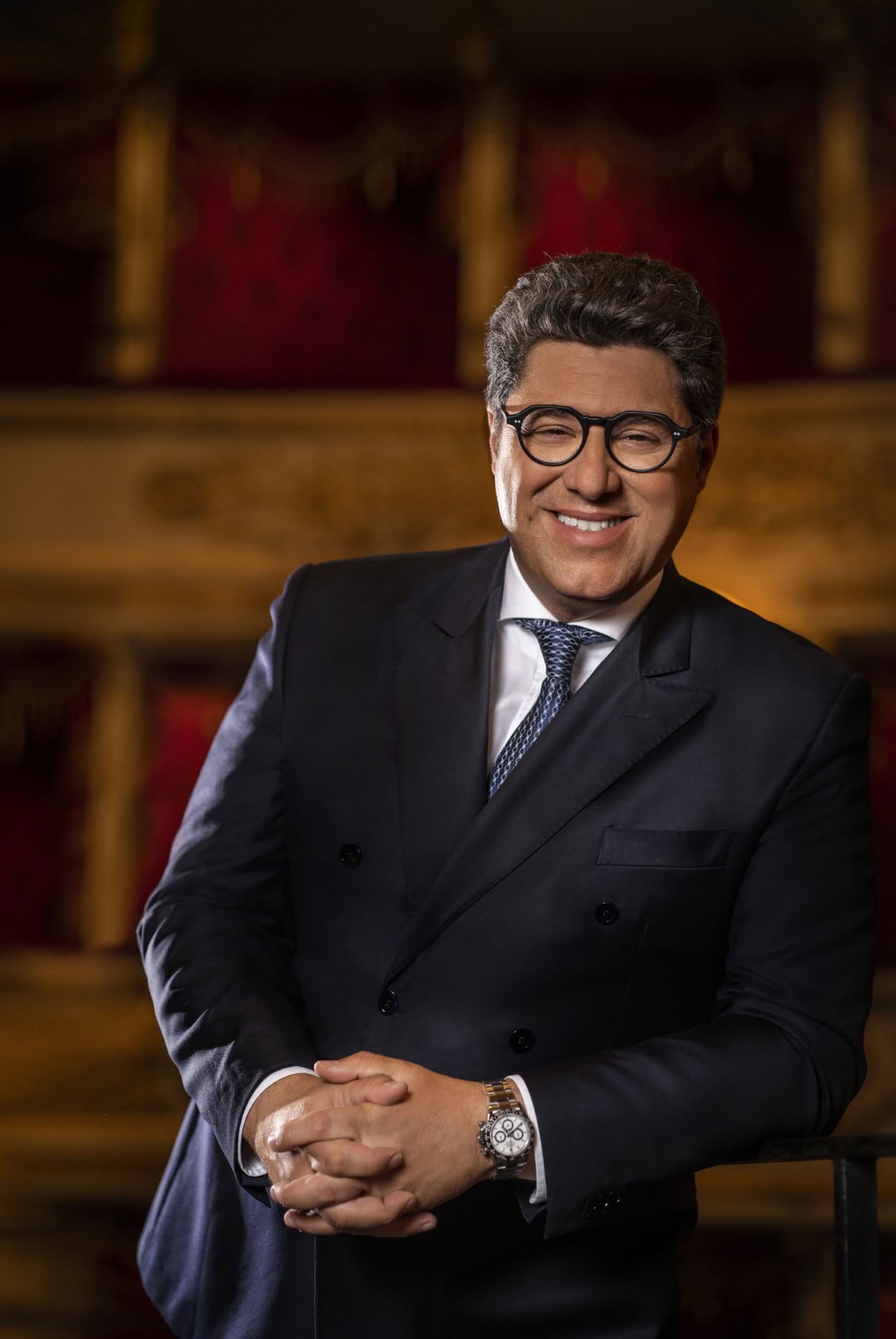
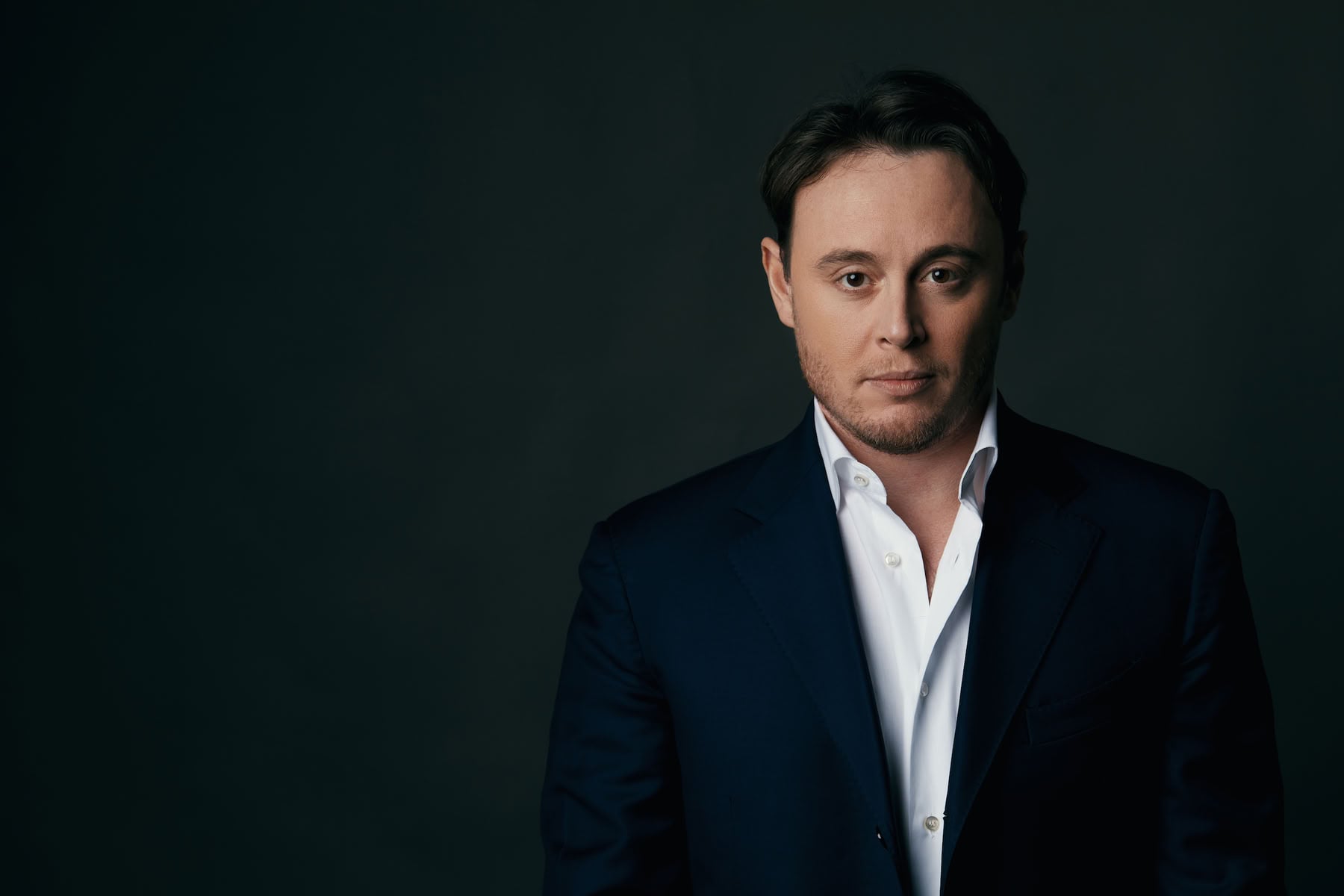
Mariotti has conducted the opera before, at the Bavarian State Opera in Munich in December 2020, but that performance was streamed because of the pandemic; Rome gives him his first Falstaff with an audience in the hall. “With Falstaff you enter a perfect theatrical laboratory,” he says.
It is, he explains, a comedy in which no one ever really laughs, though one smiles with Verdi’s characteristic disenchantment. For the orchestra it is one of the most demanding challenges in the repertoire, its virtuoso writing full of solo passages and calling for brilliance, precision and imagination in colour. “But it is precisely the structural freedom and the unique bond between pit and stage that make this opera the first great masterpiece to look towards the 20th century.”
The cast
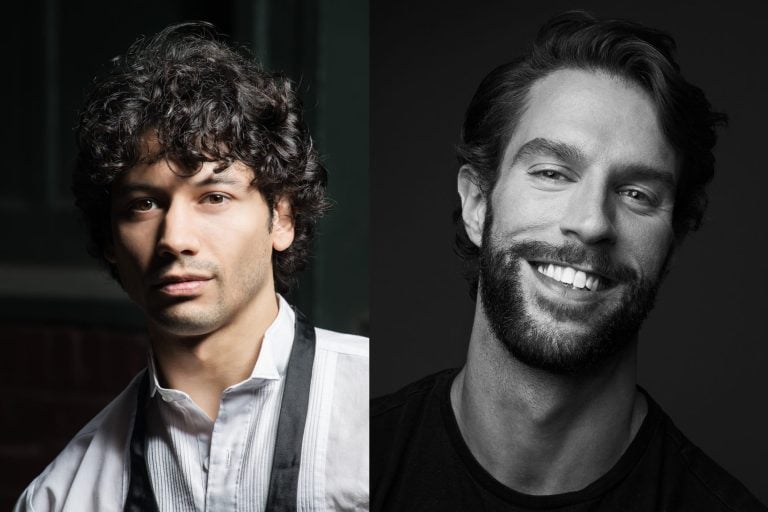
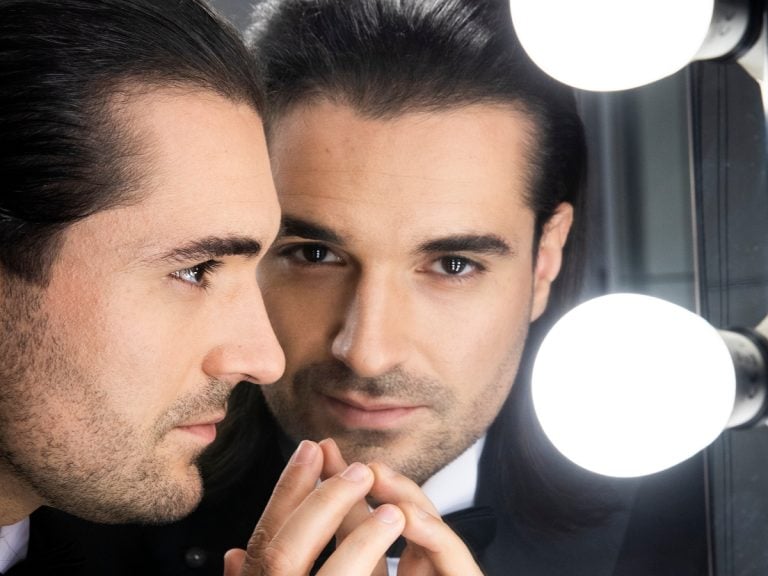
Salsi has become a reference Falstaff in recent years, singing the role at the Vienna State Opera and the Liceu in Barcelona. Maria Agresta is Alice, George Petean is Ford, Violeta Urmana is Mistress Quickly, Marina Monzò is Nannetta and Carmen Artaza is Meg. Dave Monaco sings Fenton, alternating with Pietro Adaini on 13, 15 and 20 October. Carlo Bosi (Cajus), Paolo Antognetti (Bardolfo) and Gabriele Sagona (Pistola) complete the cast.
Henrik Ahr designs the sets, Silke Willrett the costumes and Stefan Bolliger the lighting.
On air
Rai Radio 3 broadcasts the opening night live. The final performance, on 1 November, is filmed by Rai Cultura and shown live in prime time on Rai 3, as part of a Ministry of Culture-backed project in which the Opera di Roma and Rai Cultura broadcast a performance live every 1 November; the production will also be on RaiPlay.
Dates and booking
Falstaff, Teatro Costanzi, Rome. Preview for under-30s: Friday 9 October, 19.00. Opening night: Sunday 11 October, 19.00 (live on Radio 3). Further performances: Tuesday 13 October, 20.00; Thursday 15 October, 18.00; Sunday 18 October, 16.30; Tuesday 20 October, 20.00; Sunday 1 November, 20.15 (live on Rai 3). Tickets online at operaroma.it and from the theatre box office during opening hours.