
Interview with dancer Jacopo Bellussi, the new Artistic Director of the prestigious Nervi Festival

On Saturday 28 June, the Nervi International Ballet Festival opens its doors for a month of dance events, most of them under the summer sky. Hamburg Ballet’s principal dancer Jacopo Bellussi is the Festival’s new artistic director. The 32-year-old ‘Genovese’ may seem young for such a responsibility – companies like The Royal Ballet and Paris Opera Ballet certainly don’t come cheap so the budget must be generous – but his formation has already been six years in the making.
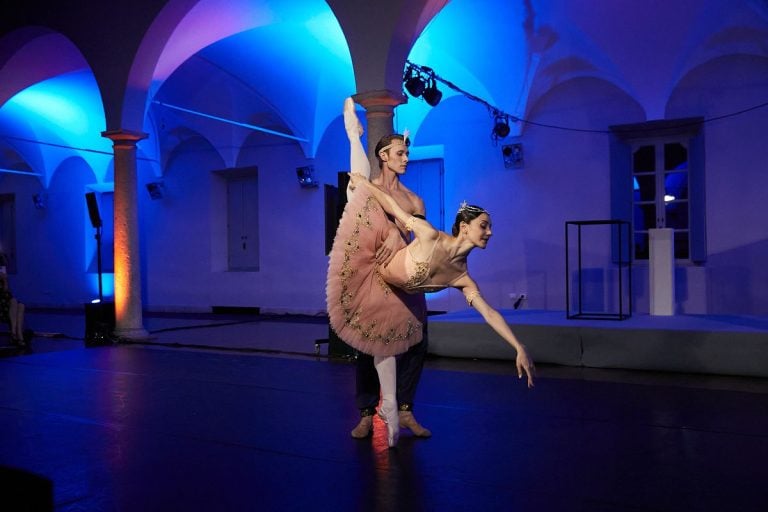
I first met, and indeed photographed Bellussi at Nervi five years ago, on a stage set in the glorious park on the coast near Genoa, his hometown. I talked with him about his new challenge.
Directing the Nervi Festival is a big responsibility – how did it come about?
It certainly is a responsibility, but also a profound honour.
The road to this role really began in 2019, after the tragic collapse of the Morandi Bridge in Genoa. I felt a deep need to do something meaningful for my city, and so I organised a charity gala to support the families affected by the disaster. The response was overwhelming – the event sold out, and I was humbled to be named a Talento della città. From that moment, I made it my mission to bring great dance back to Genoa, not as a one-off gesture, but as an ongoing commitment.
Is it right to say that you are very attached to your hometown?
Yes, absolutely. Genoa is not just where I’m from – it’s part of who I am. My family still lives here, and the city has always remained what I call home. It’s also where I first discovered dance. I left Genoa at a very young age – just 11 – to study at the Accademia della Scala and then moved to London at 13 to continue my training at The Royal Ballet School. Even so, Genoa has never left me. When I dance, I still feel the colours of this land, the scent of the sea, the air of this coastal city. I carry it with me, always.
After the charity gala, how did you continue to bring “great dance” back to Genoa?
Over the following years, I curated and produced several benefit galas and dance events – at the Teatro Carlo Felice, the Politeama Genovese, the Teatro Sociale in Camogli, and even a unique summer event at the Port of Genoa with dancers from Hamburg, Copenhagen and Antwerp.
These projects grew in scale and public support. In 2024, I was appointed Senior Consultant per la valorizzazione del Nuovo Festival del Balletto di Nervi 2025. Then in November 2024, I won the call for expressions of interest from the Fondazione Teatro Carlo Felice and was appointed Responsabile artistico of the 2025 edition. So, this responsibility is not something I pursued lightly – it’s the result of a long and very personal journey rooted in love for my city and for dance.
And Nervi?
I grew up hearing stories about Nervi and the legendary artists who performed here. My earliest memories of dance include the name Nervi spoken with a kind of reverence. This festival is not just part of Genoa’s cultural heritage, it’s a cornerstone of Italian dance history. I feel a deep responsibility to honour that legacy and to open it up to new generations of audiences and artists.

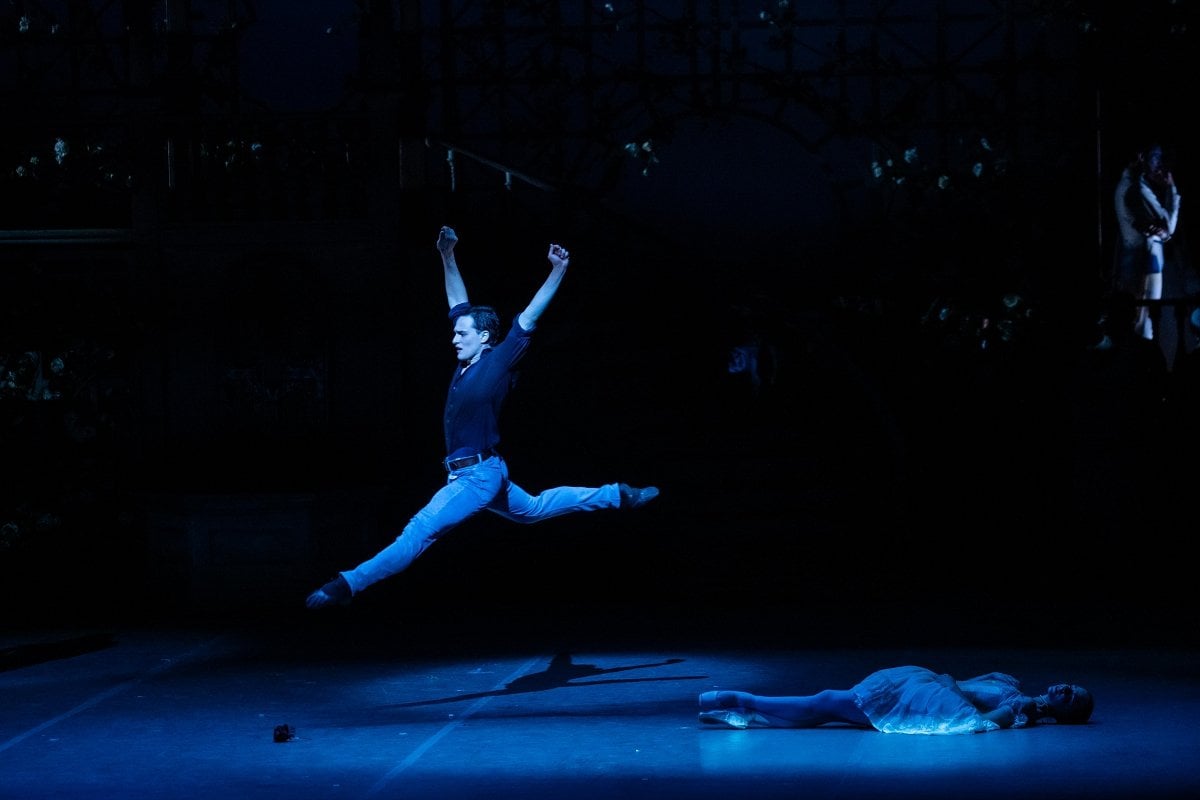
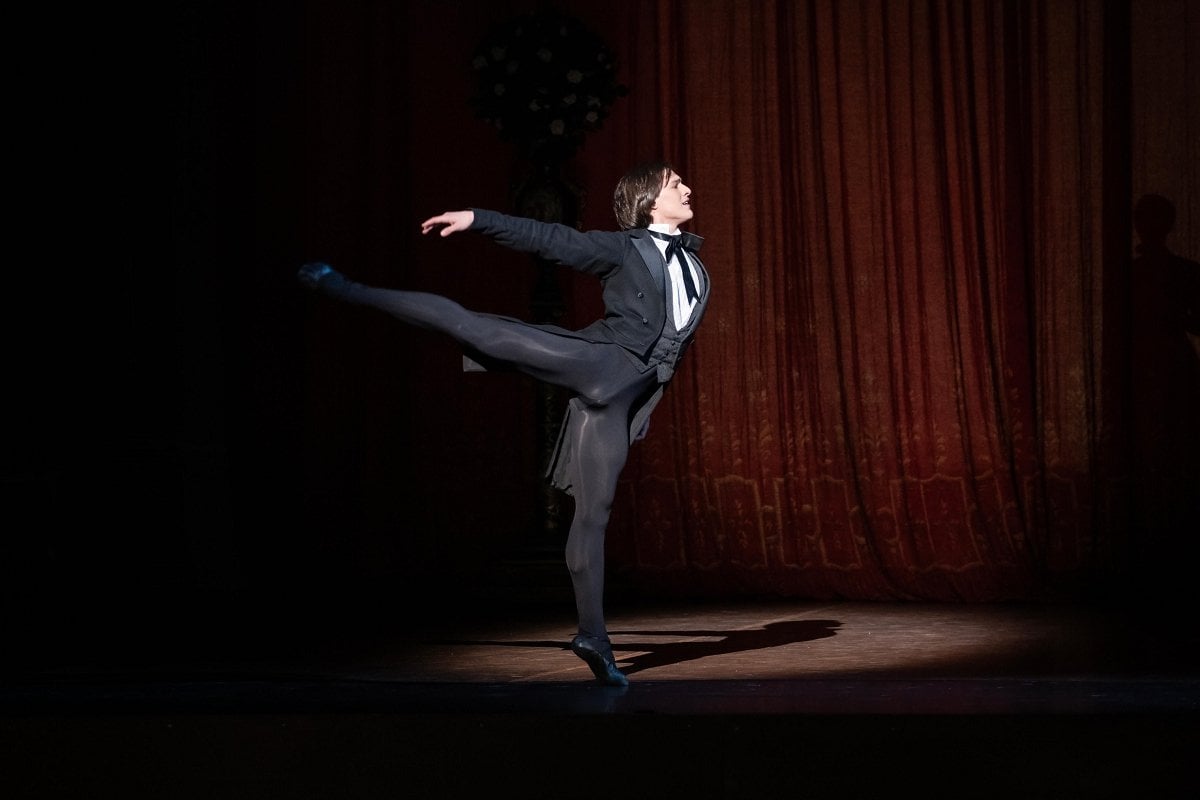
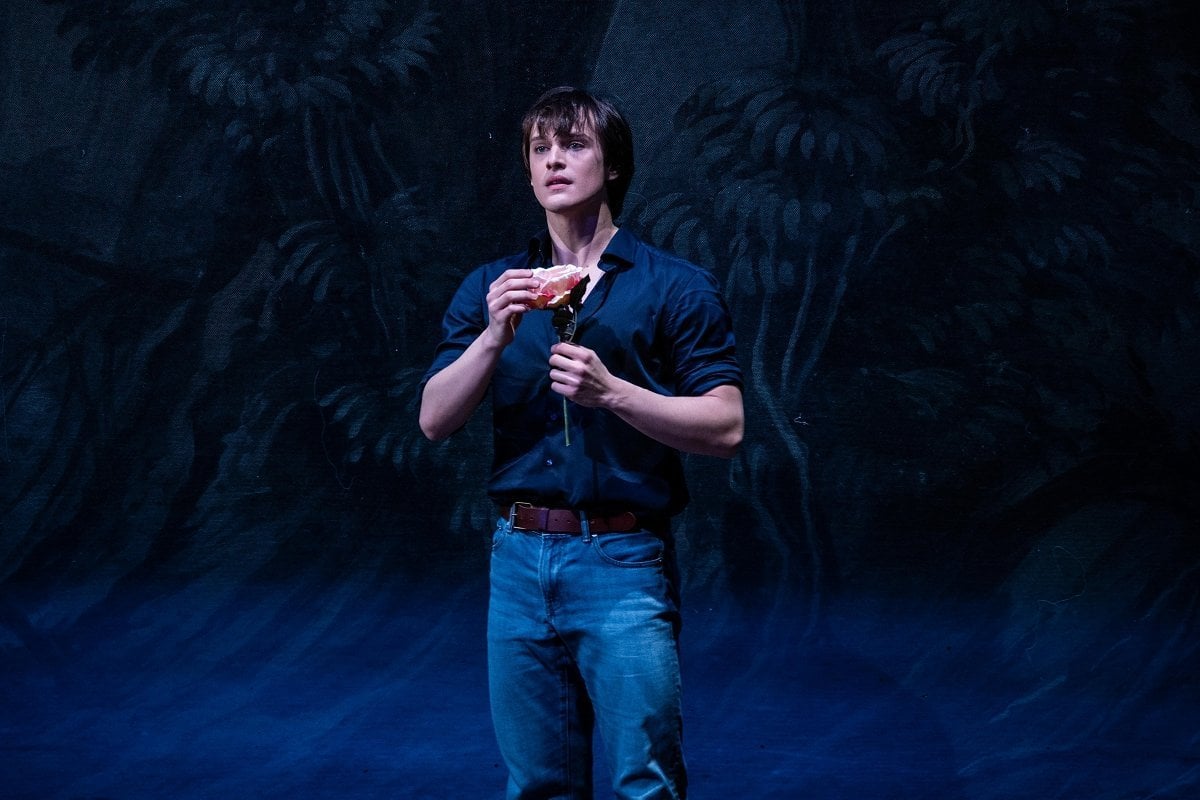
In recent years, the Festival started to drift away from its origins, with pop music and orchestral concerts being added to the dance programme. You have restored the Festival’s original intentions – dance, featuring some of the most prestigious companies.
That’s very true. While I respect the idea of broadening the audience base, I believe Nervi’s strength lies in its unique dance legacy. This year’s programme is deliberately dance-focused – not out of nostalgia, but because I believe in the enduring power of movement as a universal language. I wanted to honour the festival’s roots while inviting some of the world’s most compelling artists and companies to create something alive, current, and ambitious.
For how many seasons is your contract?
My contract is initially for this first edition.
But are you thinking ahead and how it might develop?
Yes, I’m very much thinking ahead. A single edition of a festival is like a snapshot, but what excites me is building a narrative across the years. I hope to continue this work for my city and to bring more prestigious companies to Nervi. I have many ideas, but there will be a new selection process.
I see Nervi evolving into a platform not just for performance, but also for creation, education, and exchange. Genoa is a port city – a place of transit and meeting. That spirit should be reflected in the festival’s growth.
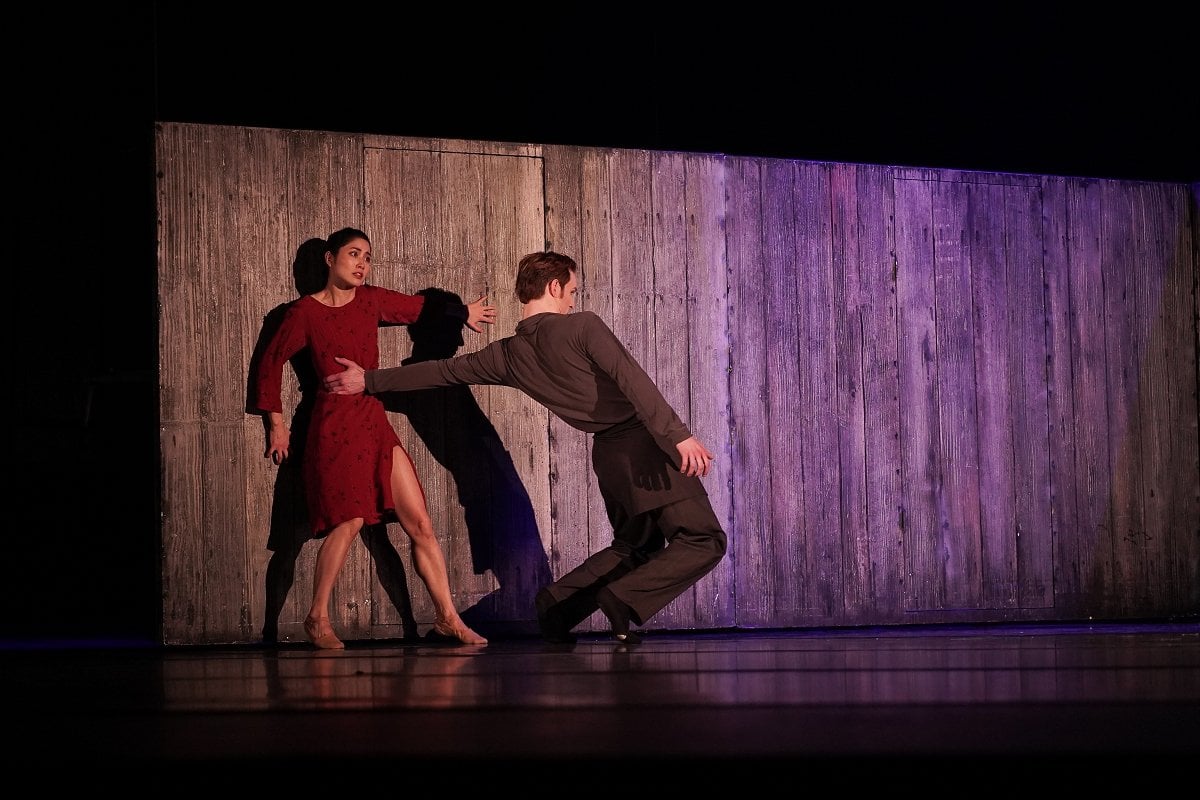
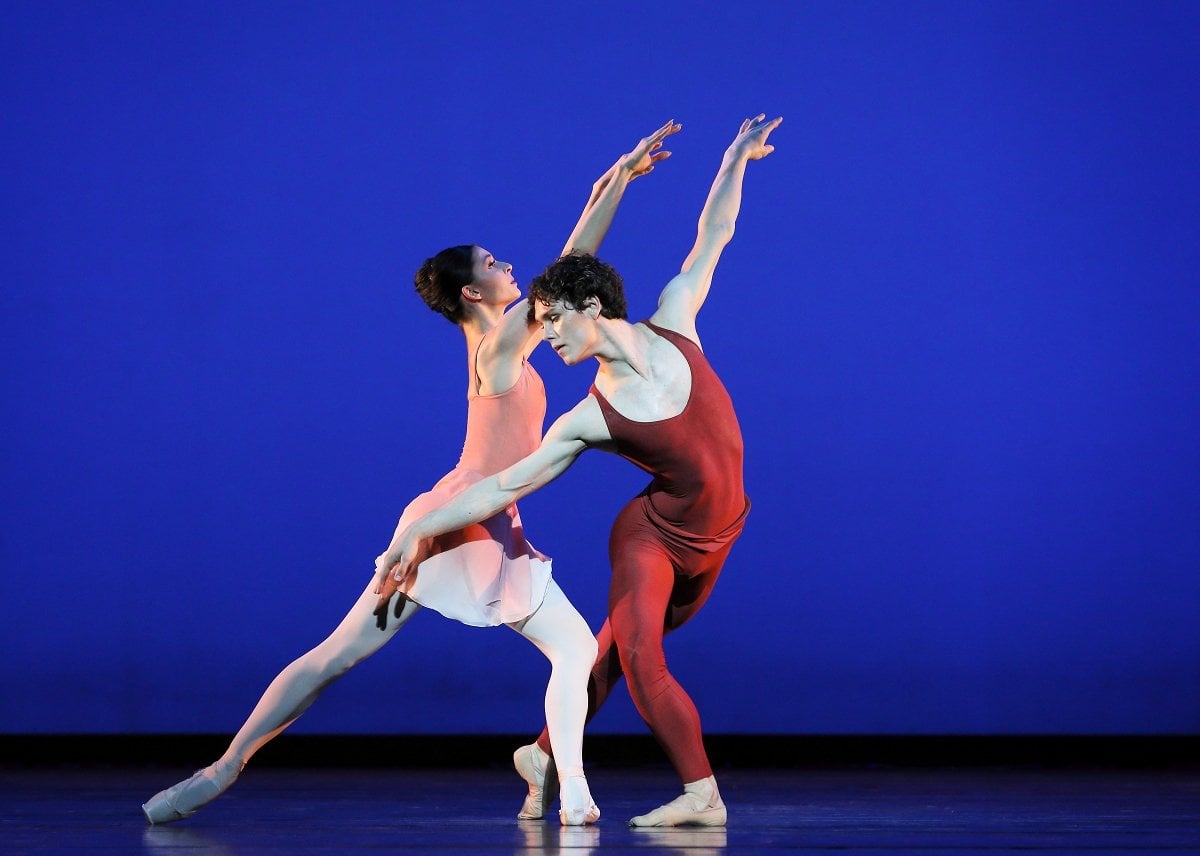
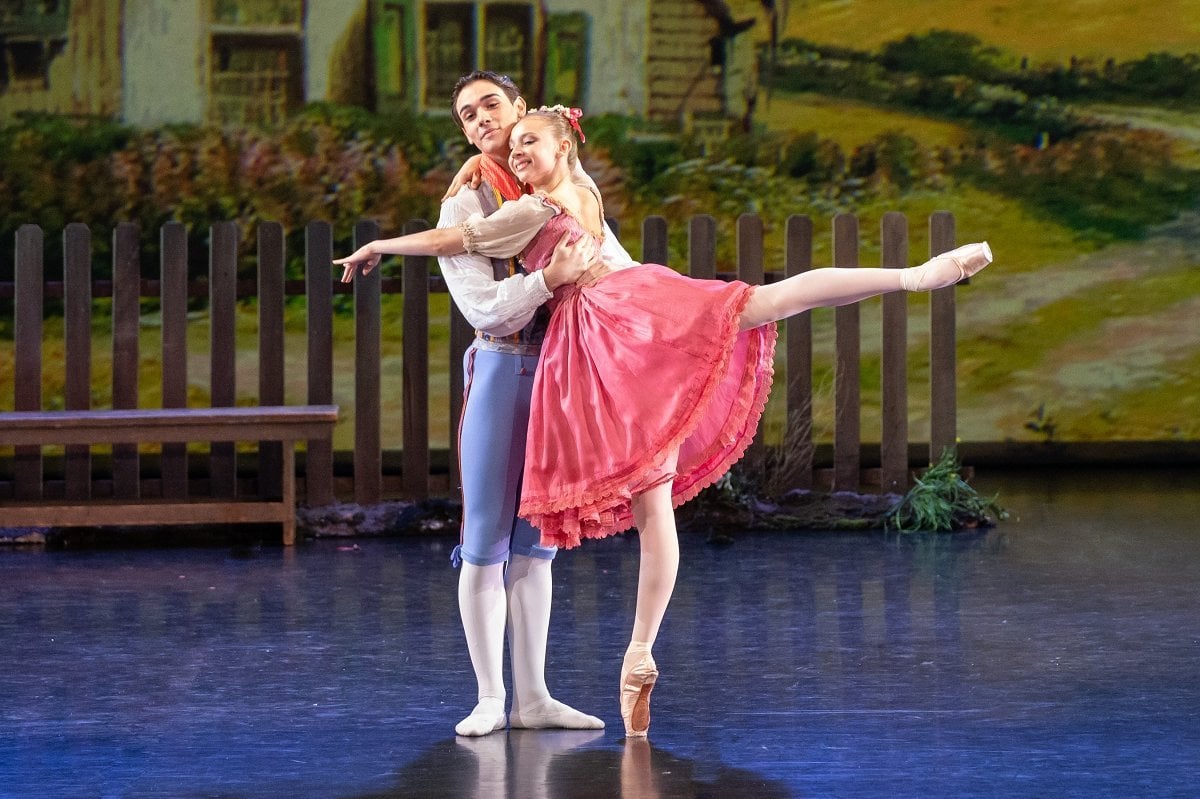
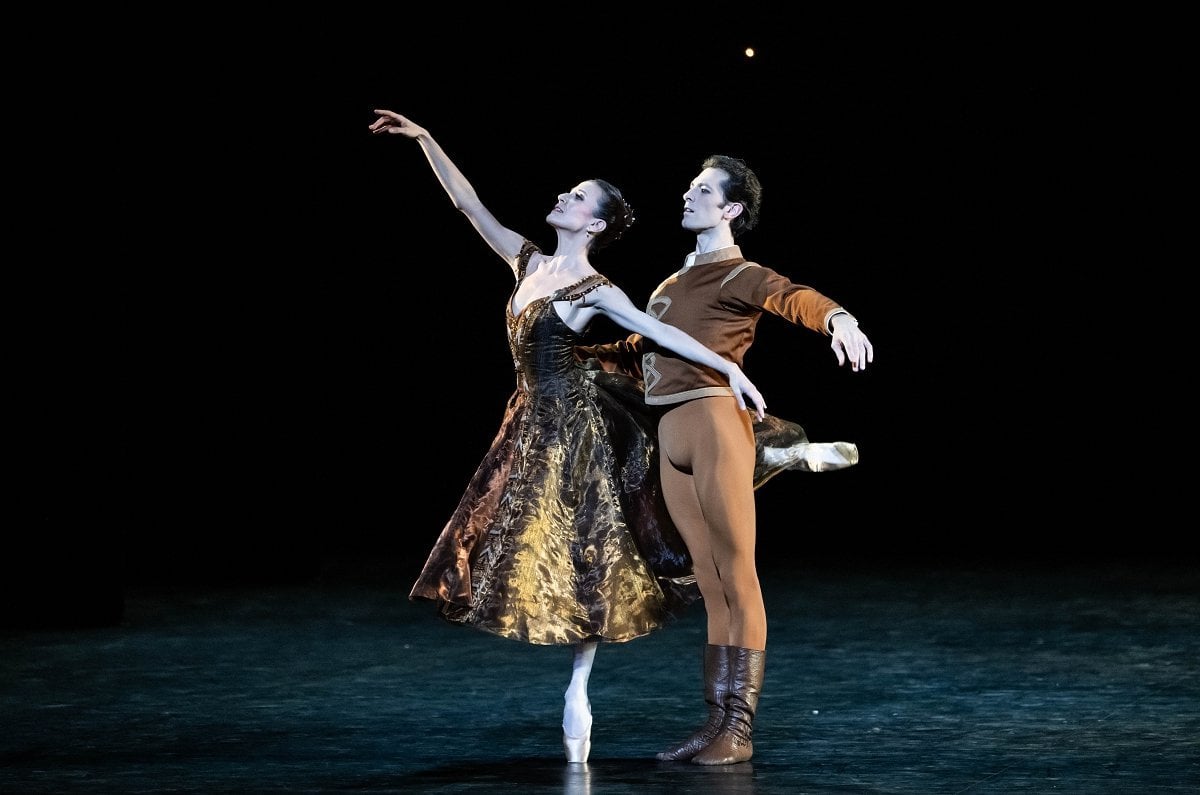
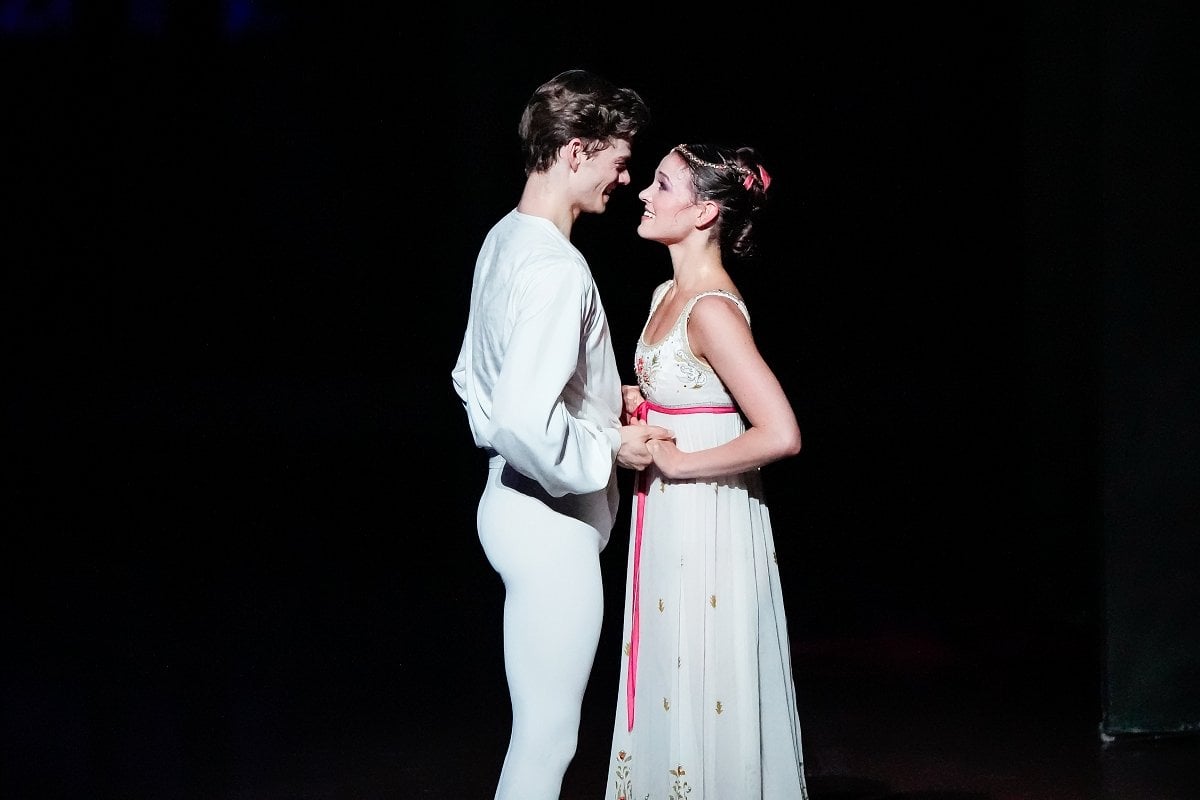
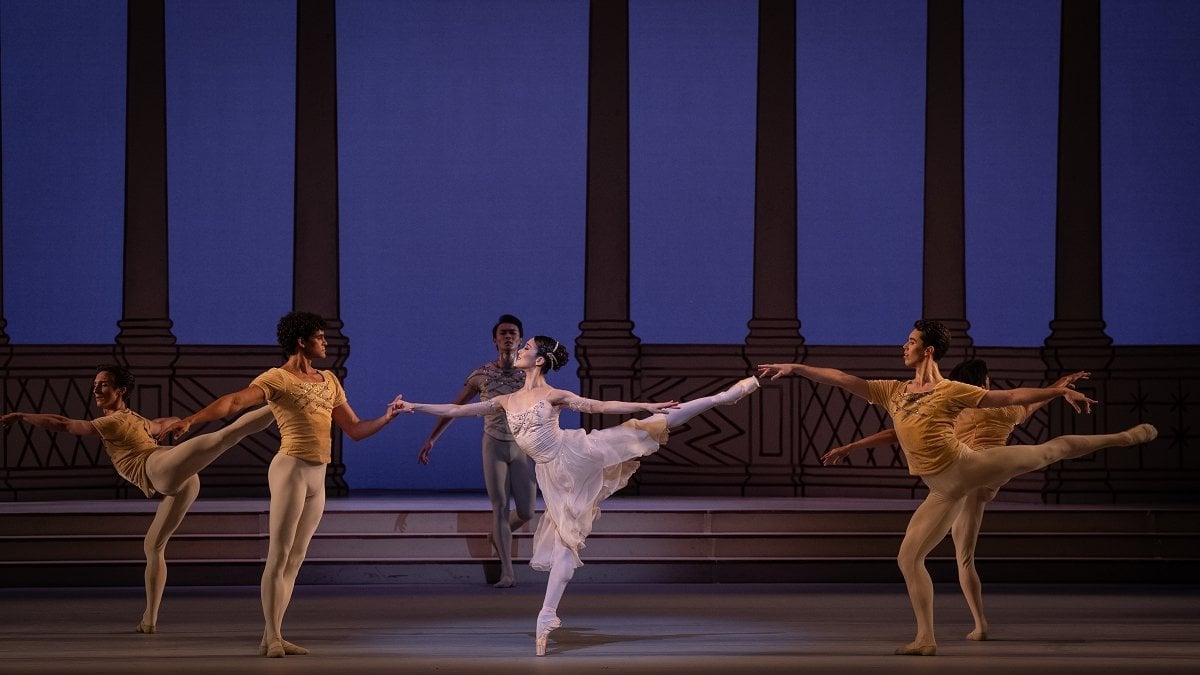
I think it’s an exciting programme – established companies like The Royal Ballet, Stuttgart Ballet and Paris Opera Ballet, but also emerging companies such as Ballett Kiel and Lucia Lacarra Ballet… from classical to contemporary. Though The Royal Ballet isn’t bringing a Greatest Hits evening, but an all-Ashton programme, and Frederick Ashton isn’t so well known in Italy as Kenneth MacMillan, for instance. It’s going to be a great evening, but it must also be more difficult to sell tickets.
That’s a very fair point. The choice of programme was my idea, and I then discussed it with the company, who were very open to a conversation about the repertoire. For me, that’s also what the role of an Artistic Director is about – not just inviting a company, but also shaping the programme, and ensuring it resonates with the place and the context, which in our case is Nervi.
Frederick Ashton may not be widely known in Italy, but he is a master of poetic form, and I felt there was great value in presenting that kind of beauty here. It’s about introducing audiences to something timeless they might not otherwise encounter.
You have a closing gala that is dedicated to the Festival’s founder, Mario Porcile, who oversaw its opening in 1955.
The Gala Mario Porcile is a tribute to the man without whom none of this would exist. Porcile was a visionary – he brought Nureyev, Béjart, Petit, all to Nervi. But more than that, he understood that ballet could live outdoors, in nature, under the stars. His dream gave us a blueprint. Using his name is not just symbolic – it’s a way of showing that we’re aware of our foundation, and that we carry it forward with both gratitude and purpose.
Some of the repertoire in the gala – Pas de Quatre, Song of a Wayfarer – is closely associated with Nervi and Genoa.
Absolutely – those works are part of Nervi’s DNA. Pas de Quatre was performed here in 1957, and Song of a Wayfarer has a deep resonance, both visually and emotionally, with this place.
Did you have anyone assisting you with the choice of repertoire?
I worked closely with Maina Gielgud as my personal Artistic Advisor as well as Principal Coach for three of the pieces presented in the gala. She has been a muse of Maurice Béjart and has danced with the Genoese dancer Bortoluzzi, Nureyev, and Jorge Donn.
And indeed, Béjart created Song of a Wayfarer on Paolo Bortoluzzi and Rudolf Nureyev…
… so her insight into the repertoire and the history surrounding it has been invaluable.
You’re only just into your 30s and still have a lot of dancing time ahead. But is producing and directing something that interests you for the future?
I’m still very much in love with dancing, and I don’t feel done with the stage just yet. But yes, I do think more and more about how to shape experiences, how to bring artists together, how to create space for art.
Directing allows me to think more broadly – not just about roles or works, but about impact, community, and legacy. I didn’t expect to love this part of the process as much as I do, but I truly do! And all the experiences I’ve had so far have shown me not only that I’m capable of doing it, but that I can also contribute something meaningful to this art form from this perspective. So yes, I’d love to keep learning and growing in this field.

Graham Spicer, aka ‘Gramilano’, is a writer, director and photographer based in Milan. He was a regular columnist for Opera Now magazine and wrote for the BBC until transferring to Italy. His articles have appeared in various publications from Woman’s Weekly to Gay Times, and he wrote the Danza in Italia column for Dancing Times magazine. Graham was the historical advisor on Codice Carla, the 2023 documentary on Italian ballerina Carla Fracci.
Graham also works as a dance photographer, and his photos have appeared in many books, theatre programmes, and magazines, including Dancing Times, Dance Spirit and Ballet2000, as well as all the major Italian newspapers.
He is a member of the Dance Section of The Critics’ Circle.


Stupendo Jacopo!!!