The Porselli ballet boutique next to La Scala closes after 55 years

The historic Porselli shop on Via Filodrammatici, opposite La Scala‘s artists’ entrance, has closed after 55 years – yet another piece of Milan’s cultural fabric has quietly disappeared.
The refined miniature boutique supplied dancewear for more than half a century and was also a ‘salotto’, a place where dancers, critics, and enthusiasts could linger, try on a pair of pointe shoes, or exchange news from the ballet world.
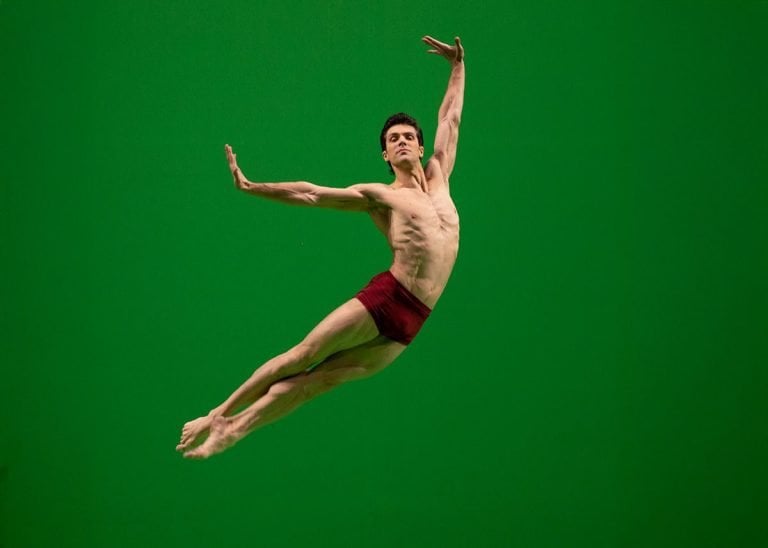
Vanna Porselli is heir to the company founded by her grandfather Eugenio in 1929. She told the Corriere della Sera: “Everyone came through here – Carla Fracci, Rudolf Nureyev, Luciana Savignano, and Roberto Bolle, whom we’ve known since he was a boy. Even Roland Petit, despite owning our French competitor Repetto, admitted ours were the best men’s shoes.”
The closure came abruptly when Teatro Filodrammatici, owner of the building, issued an eviction notice, forcing the boutique to shut its doors.
“Teatro Filodrammatici informed us of the eviction some time ago. It was a bolt from the blue. Our contract was to be renewed in March, but after the eviction notice, we brought it forward to January to close after exactly fifty-five years of activity,” said Vanna Porselli.

“My grandfather Eugenio was employed by Nicolini, a factory of pointe shoes. When the owner ceased activity, my grandfather and my grandmother took over the Nicolini factory, with great sacrifice, in 1929. At that time, the most famous shoe was, in fact, Bianca Gallizia’s favourite Nicolini model – very small with a very narrow toe that no one would wear today.
“We had Carla Fracci make a cast of her foot to create ad hoc shoes, from which our F model was born. Luciana Savignano wore our W model, standard”.
Tutus and dance shoes, yes, but Liliana, Vanna Porselli’s mother, who died in 2010, was a generous patron of the arts, giving scholarships, and she created the Porselli Prize, which has been awarded, among others, to Margot Fonteyn, Rudolf Nureyev, Maya Plissetskaja, and Serge Lifar.
The brand Porselli continues its activity from Viale Stelvio in Milan and a shop in Piazza Ferrari, and in its workshop there are twelve artisans producing shoes, most destined for export, even to China. “We export everywhere, to Europe, China, the United States, Korea. That’s the way the world goes.”

Graham Spicer, aka ‘Gramilano’, is a writer, director and photographer based in Milan. He was a regular columnist for Opera Now magazine and wrote for the BBC until transferring to Italy. His articles have appeared in various publications from Woman’s Weekly to Gay Times, and he wrote the Danza in Italia column for Dancing Times magazine. Graham was the historical advisor on Codice Carla, the 2023 documentary on Italian ballerina Carla Fracci.
Graham also works as a dance photographer, and his photos have appeared in many books, theatre programmes, and magazines, including Dancing Times, Dance Spirit and Ballet2000, as well as all the major Italian newspapers.
He is a member of the Dance Section of The Critics’ Circle.