Review: Les Étoiles in Milan – staging galas is not for the faint-hearted

Graham Spicer sees the Milanese edition of Daniele Cipriani’s Les Étoiles gala and enjoyed its varied offerings, with Natalia Osipova and Aurélie Dupont stepping in at the last minute.
| Title | Les Étoiles |
| Company | Daniele Cipriani Entertainment |
| Venue | Teatro Arcimboldi |
| Date | 11, 12 April 2026 |
| Reviewer | Graham Spicer |
| Les Étoiles in Milan with Sergio Bernal, Davide Dato, Aurélie Dupont, Motomi Kiyota, Hugo Marchand, Tatiana Melnik, Natalia Osipova, Simone Repele, Sasha Riva, Luciana Savignano, and Cassandra Trenary. |
Daniele Cipriani, the Italian dance producer, has staged galas all over Italy, brought companies from abroad (Martha Graham, Twyla Tharp, Trisha Brown), restaged ballets, and commissioned new full-length works, as well as shorter pieces, since 2015. His expertise as a businessman, as well as a dance lover, has rewarded him with last year’s appointment as the new director of the prestigious Spoleto Festival.
Cipriani’s entrepreneurial skills were recently tested to the limit. His Les Étoiles gala format was set for performances in Rome with the ‘special participation’ of the Bolshoi ballerina Svetlana Zakharova, but then, politically, he was forced to back down at the last minute, and Zakharova didn’t arrive. And again, for the Milan dates, where the poster girl was Marianela Nuñez, but the Royal Ballet dancer’s physiotherapists thought that four pas de deux in two days was pushing it, as she was rehearsing for La bayadère in Oslo after recovering from an injury during a performance of Giselle in London. Zakharova and Nuñez were both in Cipriani’s first-ever Les Étoiles gala.
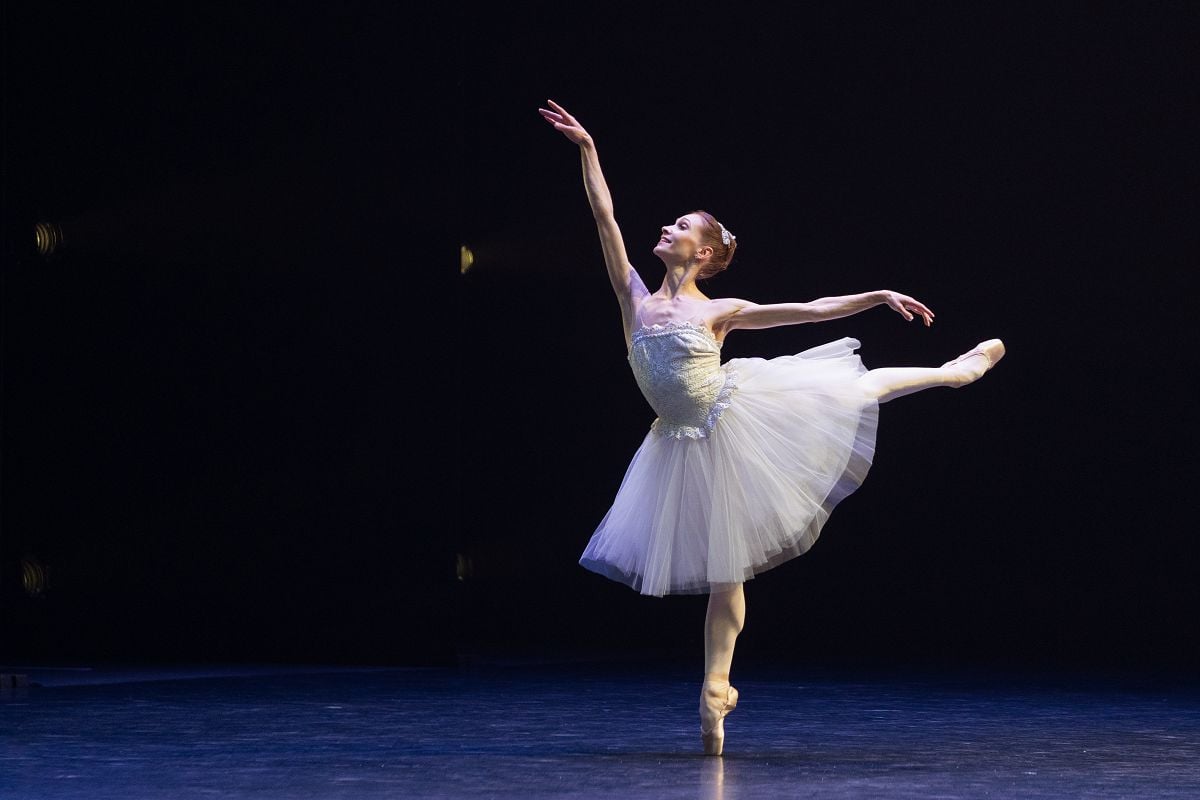
For the Milan dates, Cipriani got out his little black book and called former Paris Opera Ballet étoile Aurélie Dupont, who has appeared at Les Étoiles in the past. She flew over to dance the ‘flying kiss’ pas de deux from Le Parc with current étoile Hugo Marchard, who was already in the line-up.
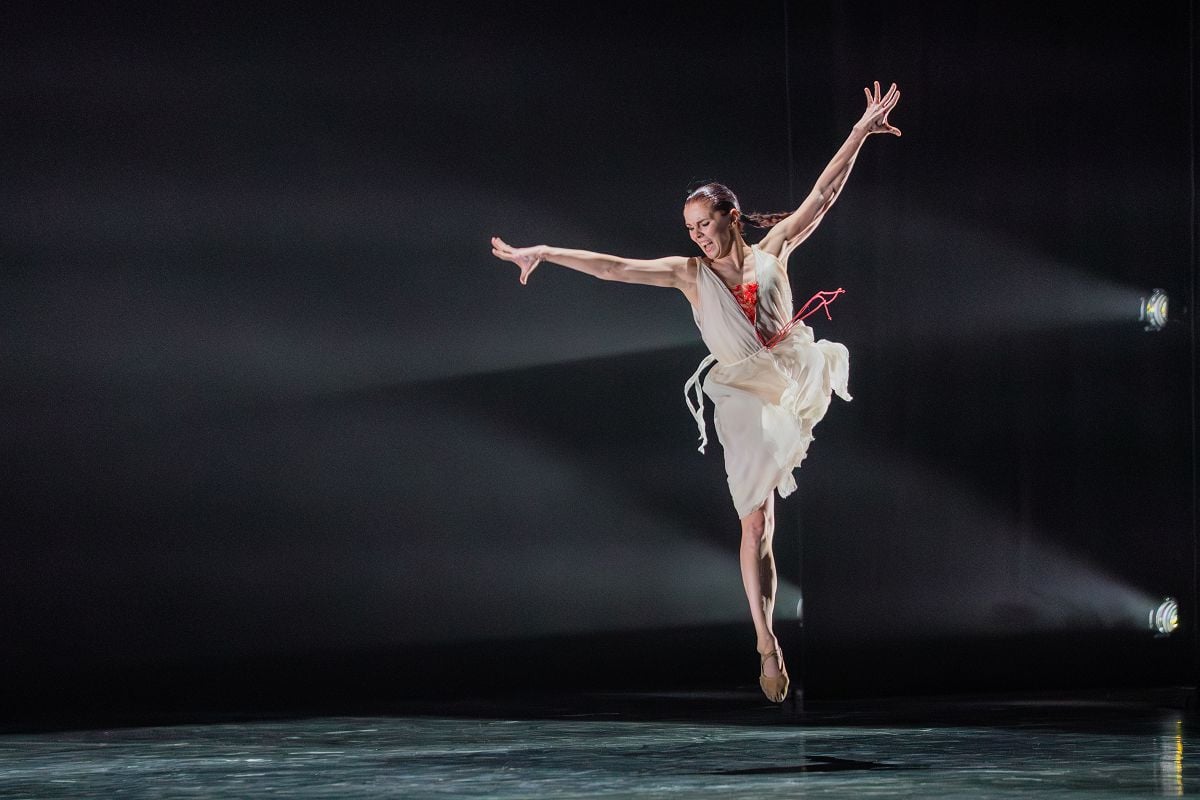
Then he called Natalia Osipova, who was dancing in Mayerling with The Royal Ballet the evening before the gala, but gamely caught an early plane to arrive for the matinée performance. Offering to dance Frederick Ashton’s Five Brahms Waltzes in the Manner of Isadora Duncan was generous, but organising a pianist, piano hire, and performance rights last-minute proved impossible – so she danced Jason Kittelberger’s Ashes.
Before the curtain opened (enchantingly, they are La Scala’s old tabs, that once framed Callas and Fonteyn, from when the company was in residence at Teatro Arcimboldi during a major refurbishment), Nuñez’s absence was announced… groans. A message from ‘Nela’ was read out, and the organisation wished her a speedy recovery… applause. The replacement names were revealed… cheers.
Putting on this form of entertainment is not for the faint-hearted.

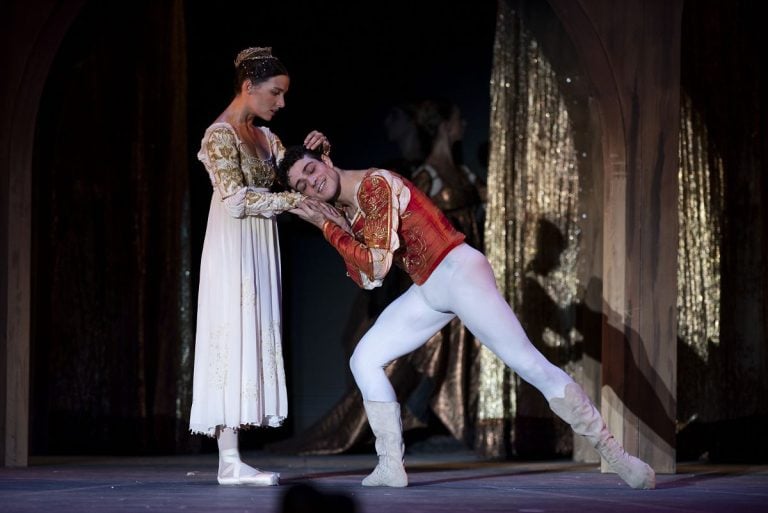
Cassandra Trenary, former principal with American Ballet Theatre (ABT), joined Alessandra Ferri at Vienna State Ballet at the beginning of this season, and she danced with Davide Dato, who has been a principal at Vienna for the past decade. They made an attractive couple and danced the pas de deux from the second act of Giselle quite beautifully – she was soft and remote, and showed astonishly high jumps, and Dato was an attentive partner with an affectingly haunted and pained expression. In the second part, they danced a section of Marcelo Gomes’ short 2013 ballet for ABT, Aftereffect, originally for nine male dancers. Trenary first approached the central role when it was adapted a couple of years later, and the duet works superbly in the context of a gala – concise, yet emotionally powerful.

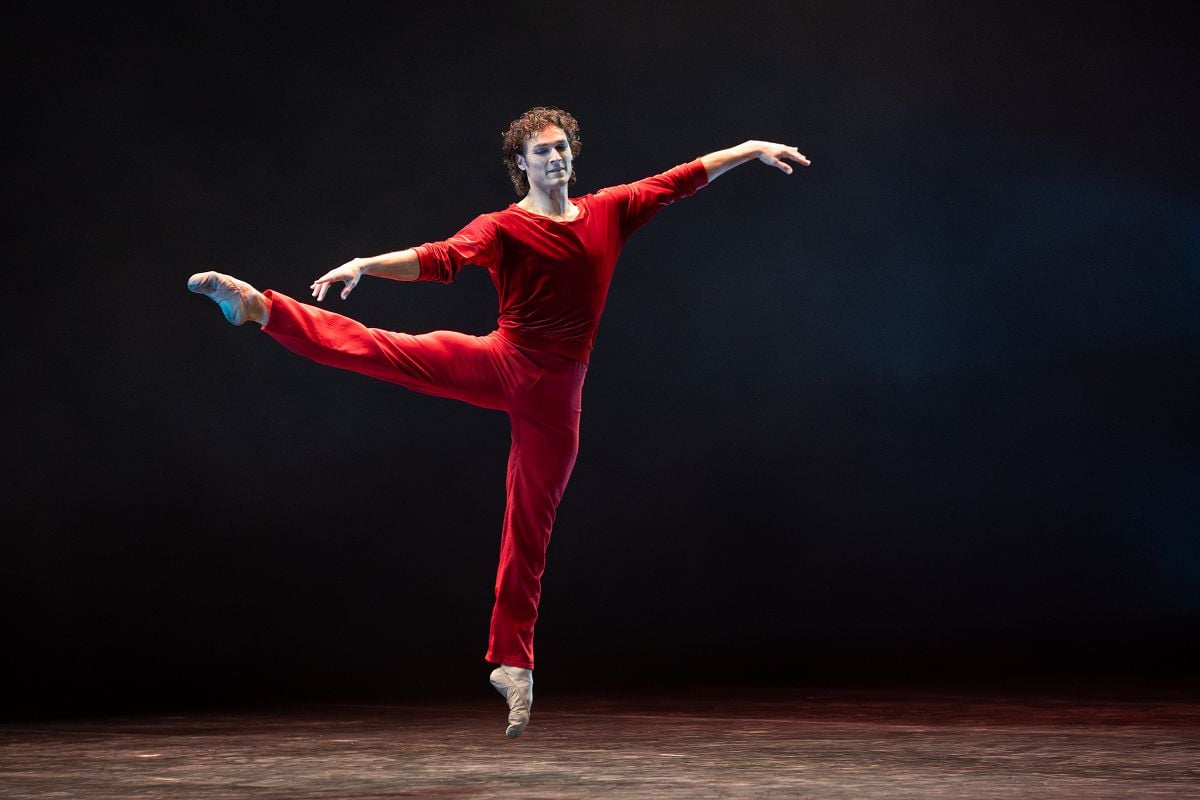

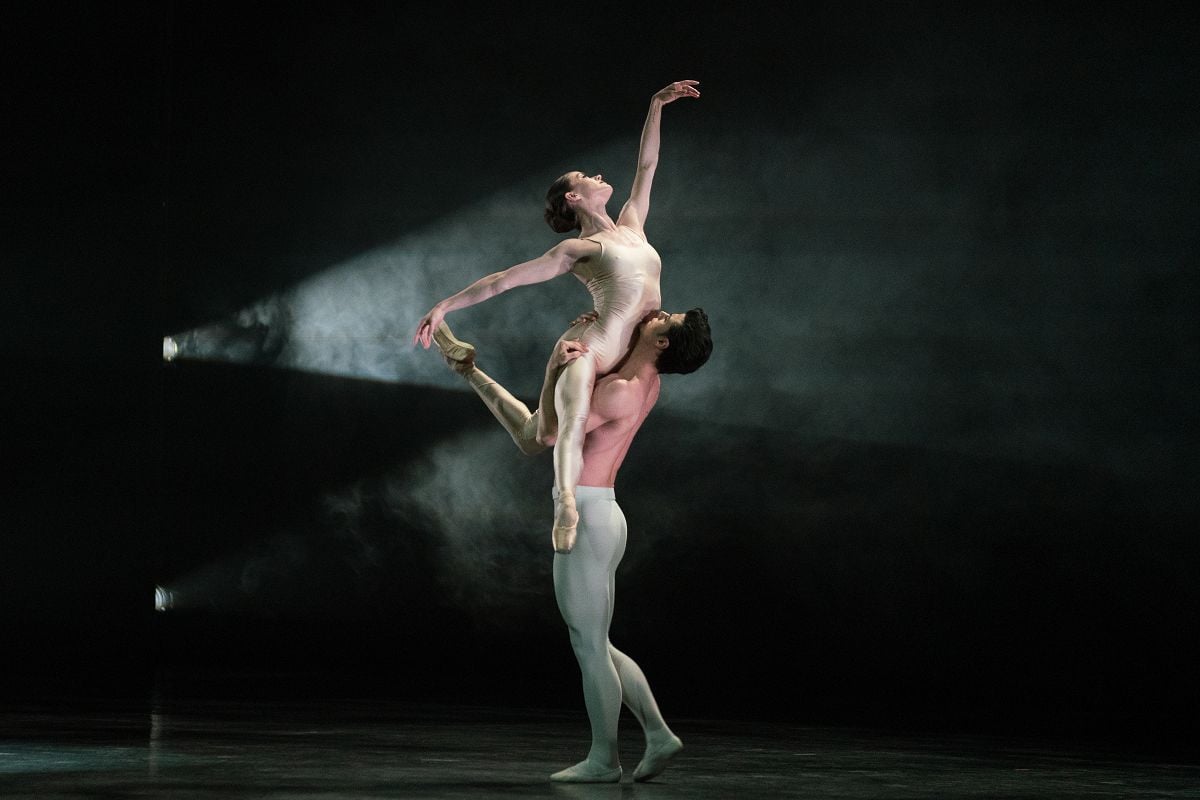
Hugo Marchand danced Jerome Robbins’ A Suite of Dances. I saw him dance this miniature masterpiece in the open air at the Nervi Festival – it was his first time back on stage since the first lockdown of 2020. Marchand, lean and tall, has no trouble with the virtuosic sections, created for the compact physicality of Mikhail Baryshnikov. His cheeky, playful grins at the audience and onstage cellist (La Scala’s Martina Lopez Smuraglia), together with the whimsical sections of the choreography, were perfectly judged. What a magnificent dancer. It was a bonus to see him appear again with Aurélie Dupont in Le Parc. It is extraordinary that Dupont, now 53, retired from the Paris Opera Ballet in 2015 (at 42, as is required of its ballerinas) and directed the company for six years, yet remains in formidable shape. I believe she will dance for the last time later this year. Dupont was held aloft in the ‘Dirty Dancing’ lift, and however reassuring Marchand’s strong arms may be, the pose’s success relies on the strength of her back. Touching, too, her interpretation of a work she knows intimately.
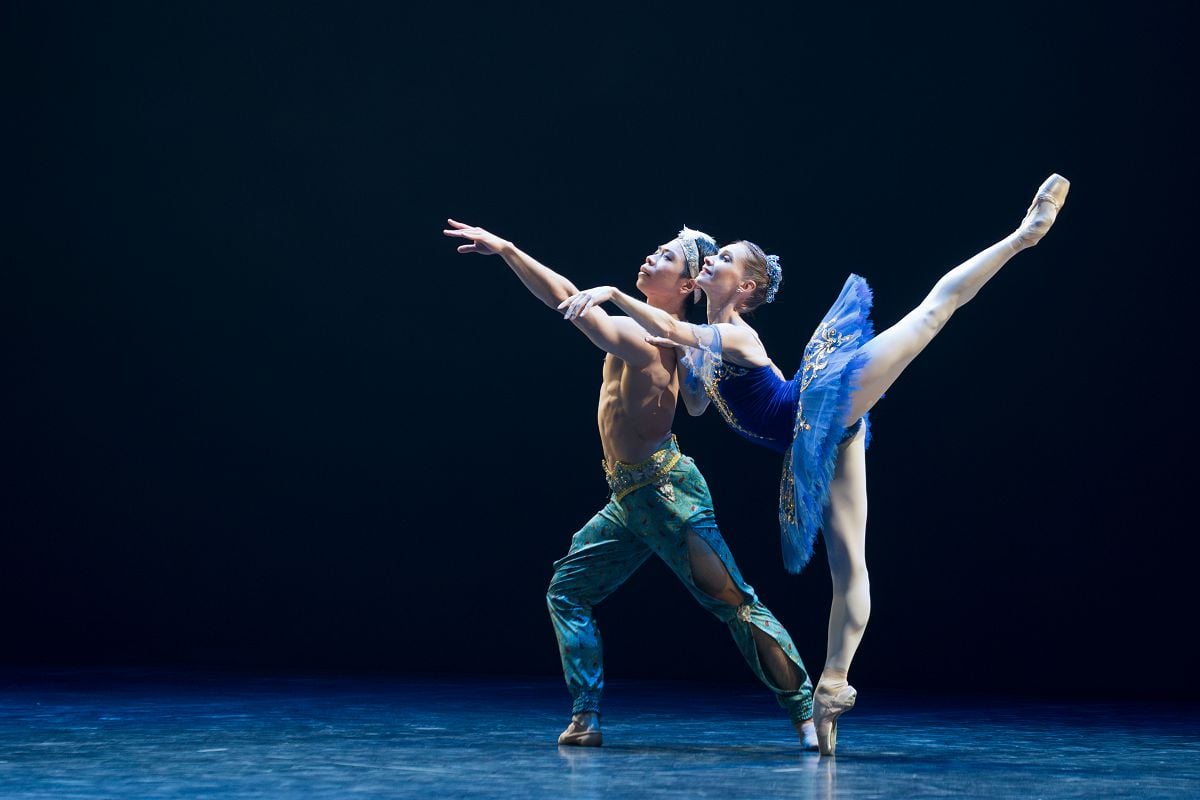
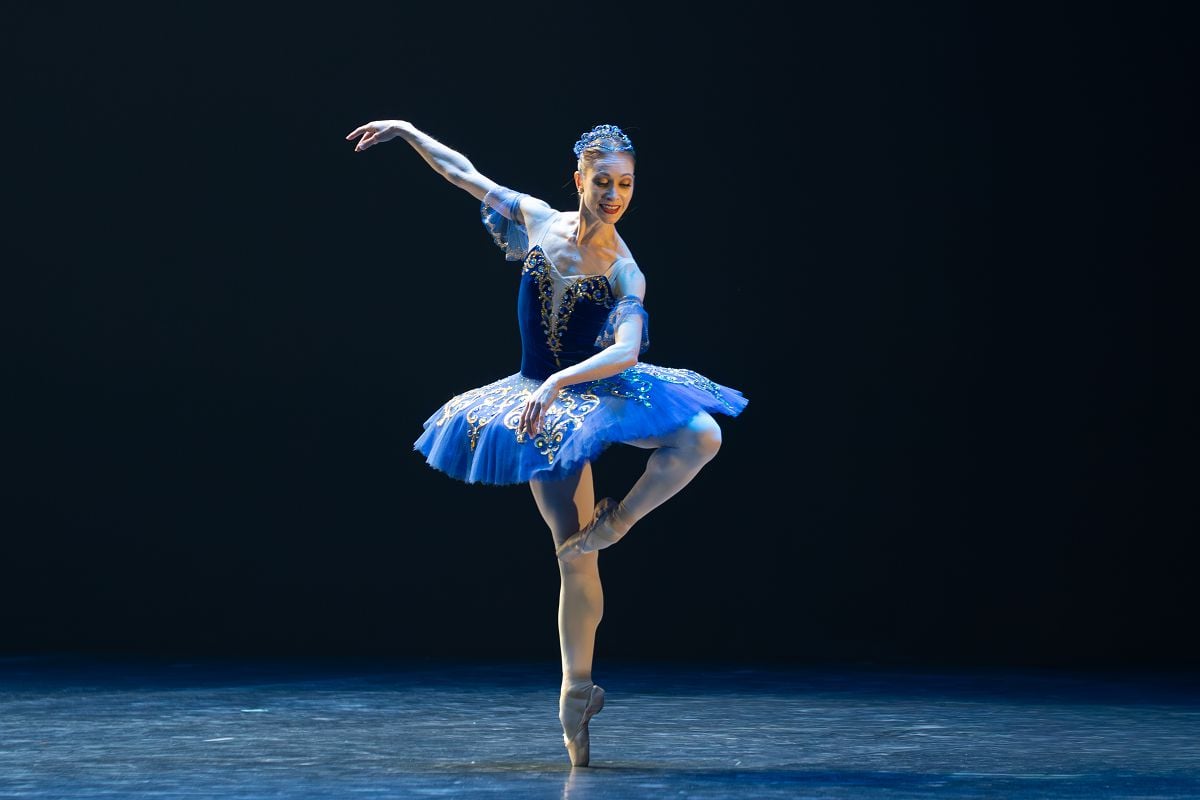

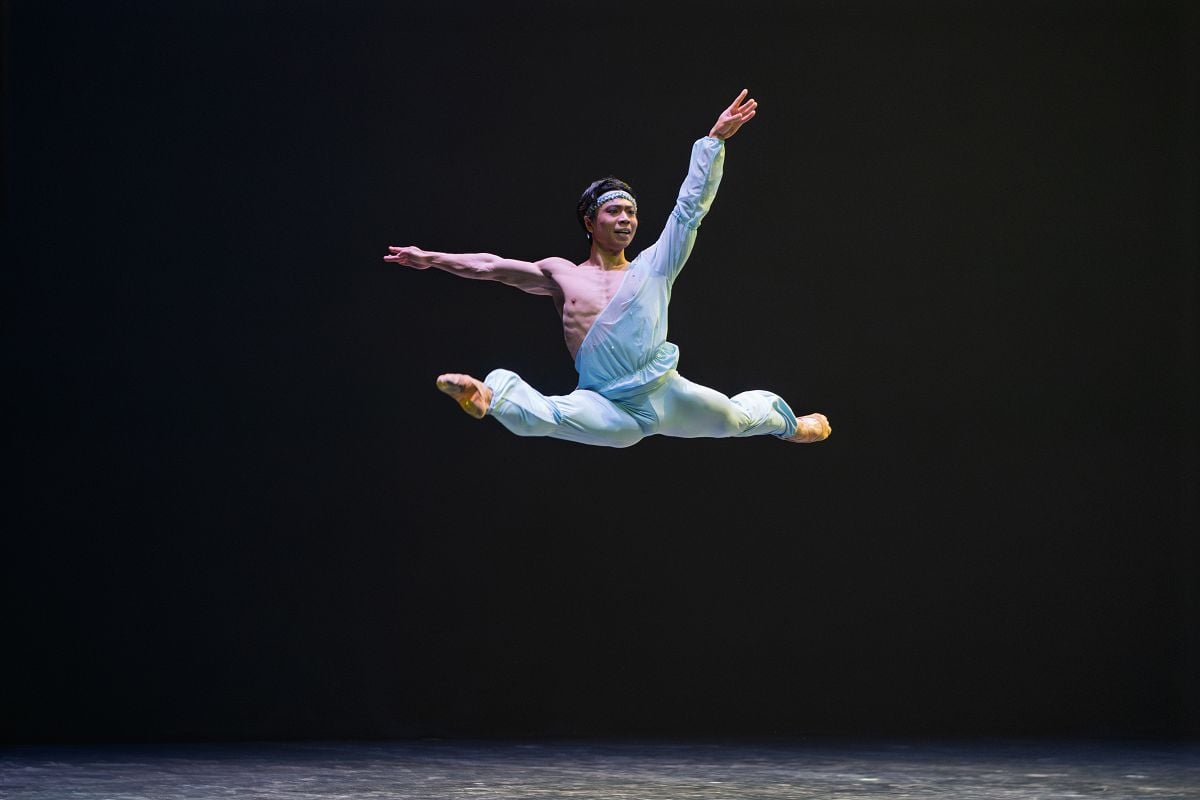
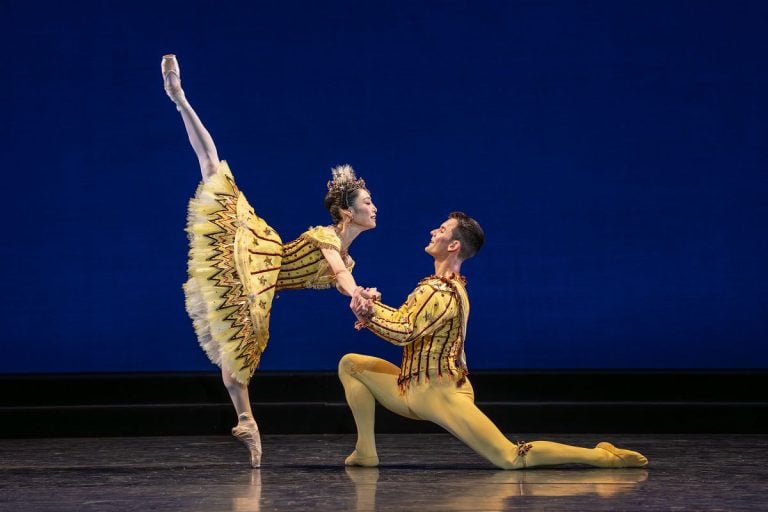
Tatiana Melnik and Motomi Kiyota, from the Hungarian National Ballet (she, Principal; he, First Soloist), were thrilling in the Talismano pas de deux and the Le Corsaire pas de deux, which concluded the programme. I have long appreciated her secure, clean technique and her perfect musical-box ballerina proportions. And Kiyota is a find. He has soaring jumps and is a master of all manner of technical wizardry, yet each step was executed elegantly and seemingly without force.
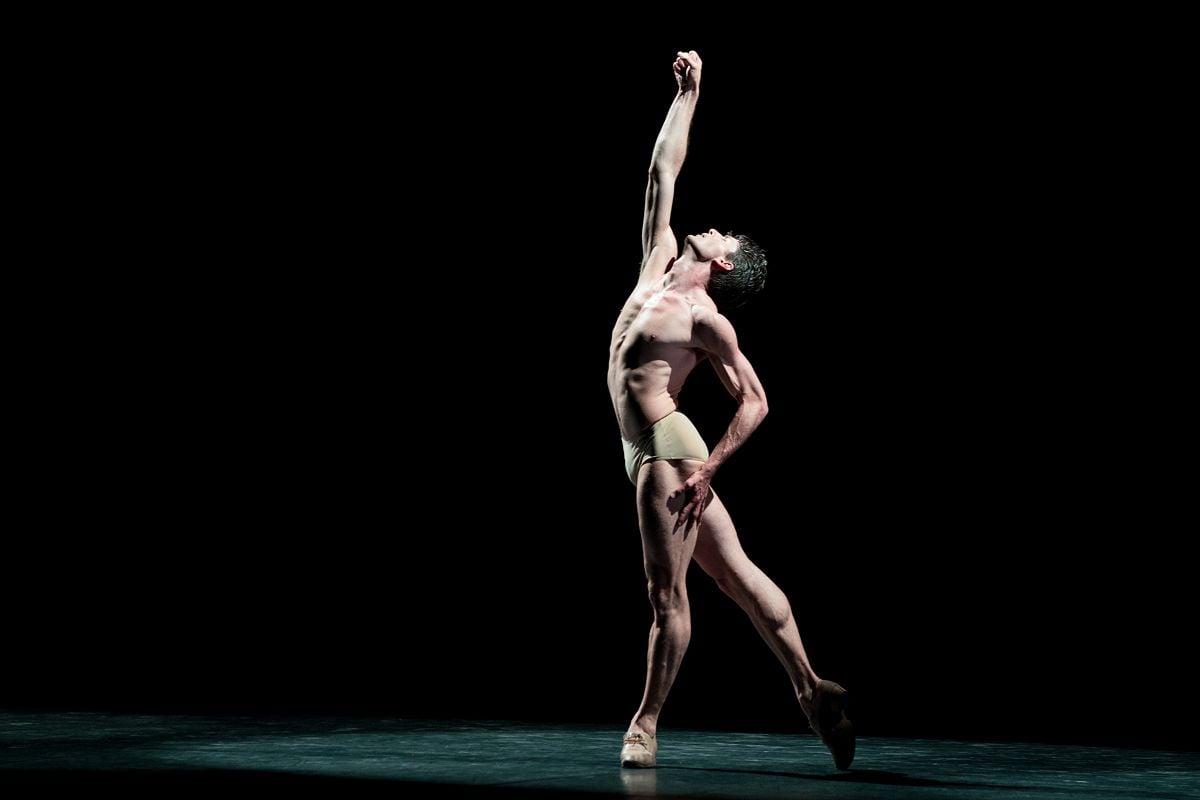
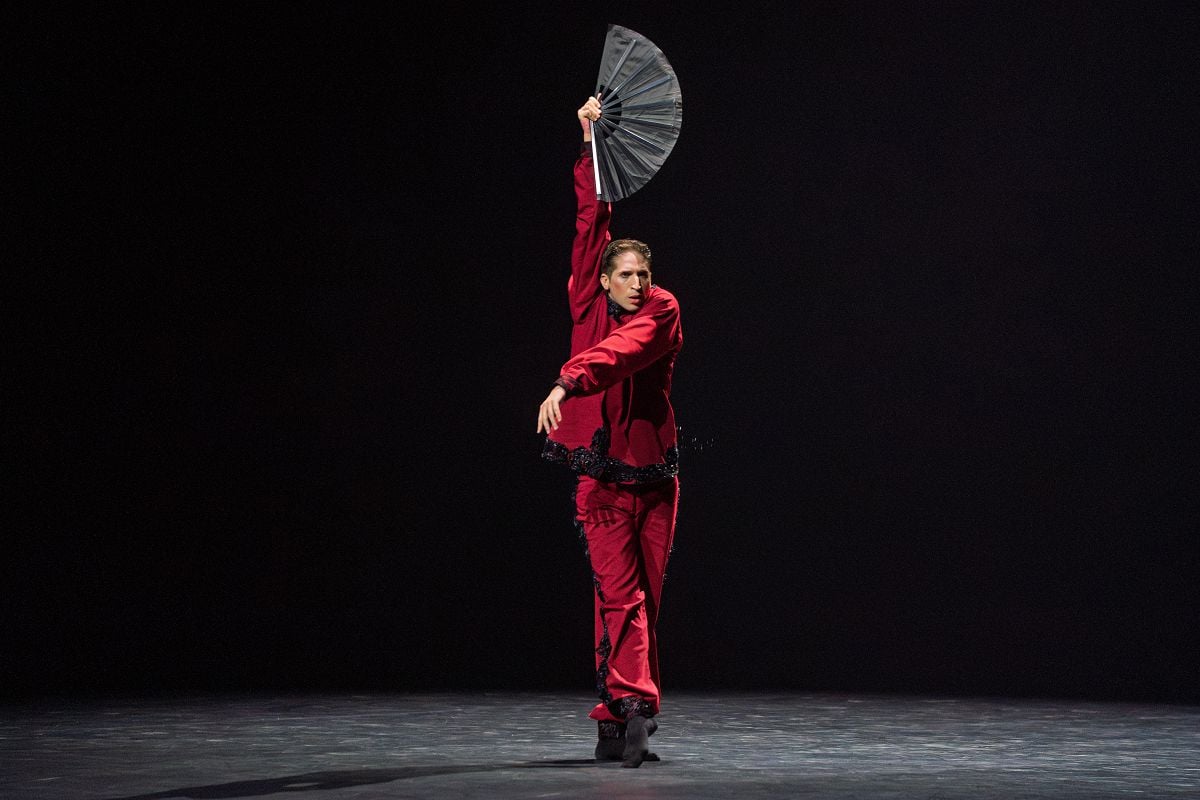
Sergio Bernal is a guaranteed crowdpleaser, and both the works on show here – Rodin and Racheo – came with his own choreography. Of course, he plays to his strengths, and while both pieces worked well, they were firmly within his comfort zone, combining his trademark poses and flamenco strut, with the elegance of classical ballet, as well as his nude-look ‘costume’ of skin coloured lycra trunks. A valid choreographer could have given him new challenges and introduced some fresh colours into his palette. He’s a magnetic interpreter, but he can surely do more.

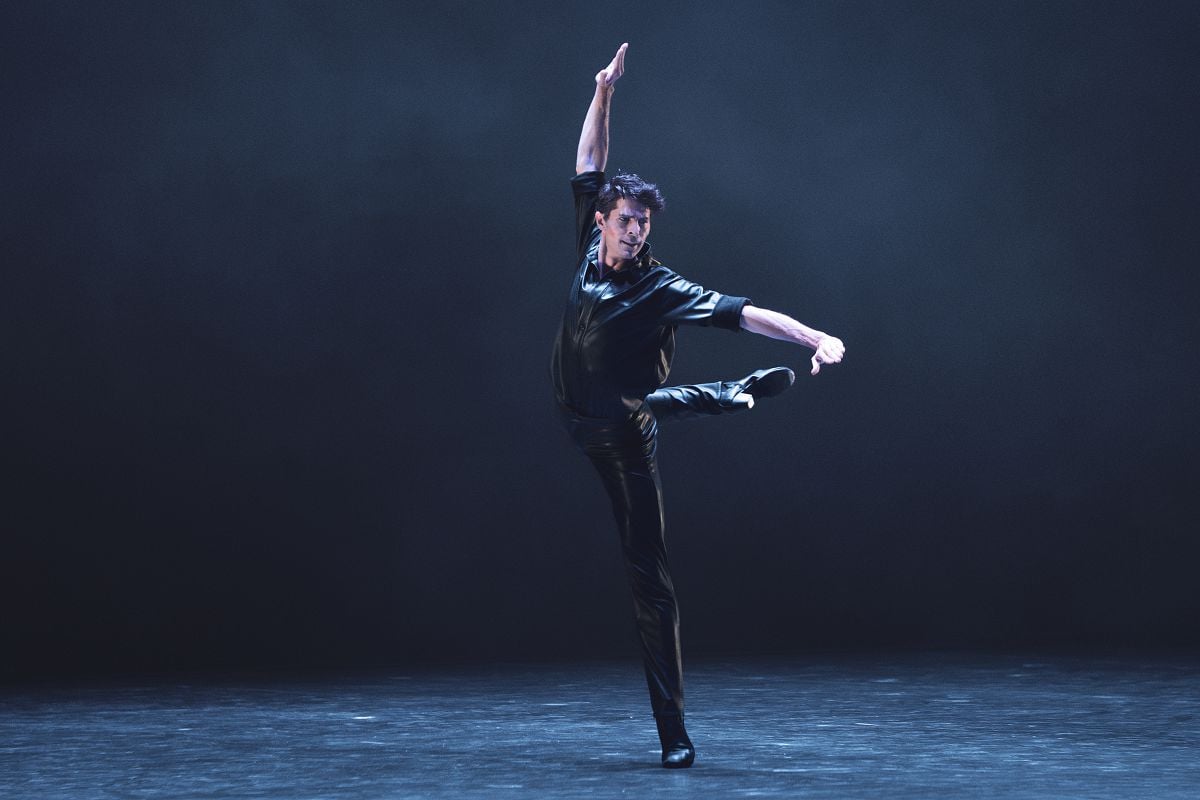
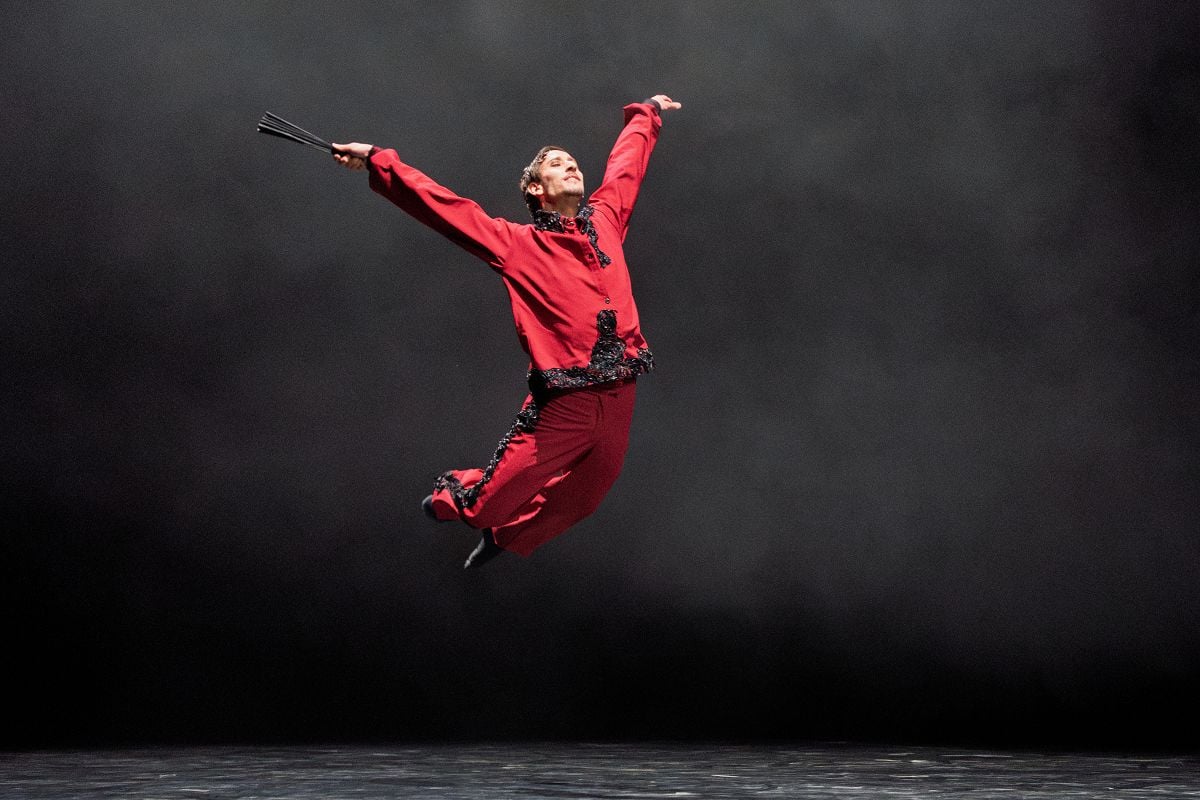
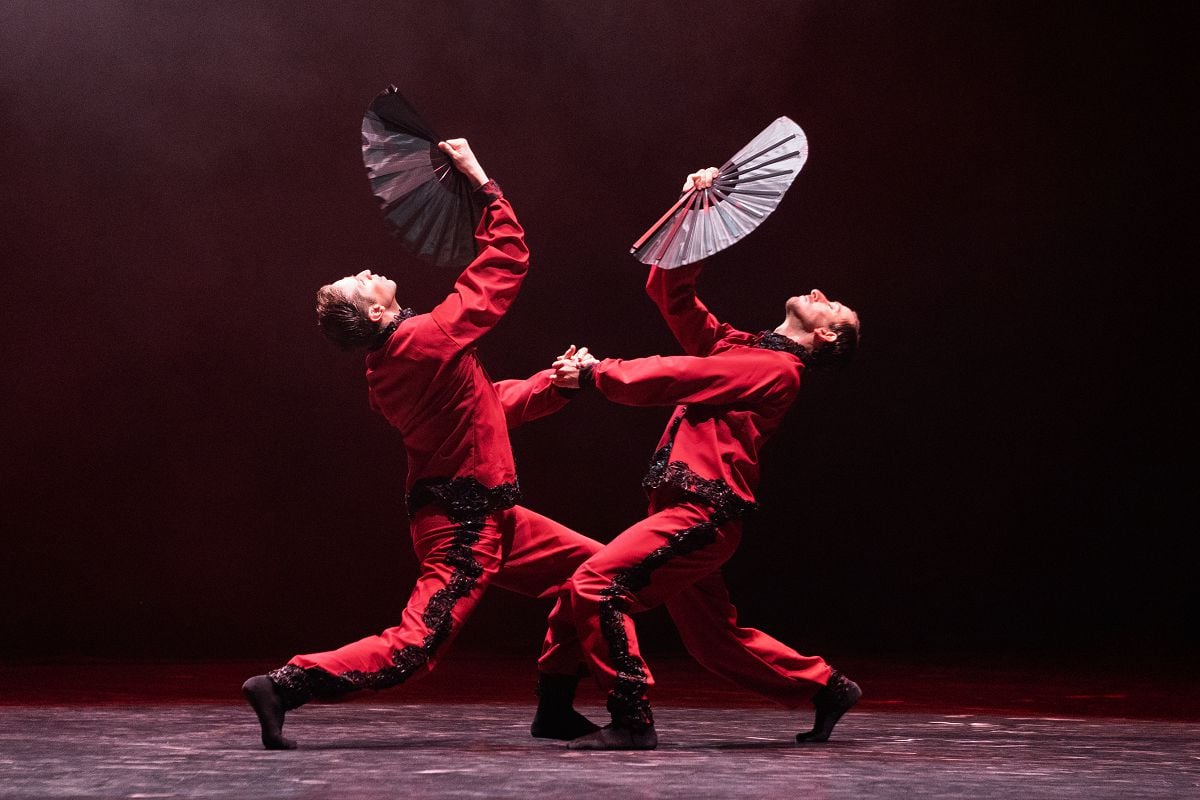
Like Bernal, the duo Riva & Repele are a constant presence at the Les Étoiles galas. With two pieces, new to me, they took on overworked gala staples, using their eccentric, touching and thought-provoking style: The White Pas de Deux (set to music from Swan Lake) and DonQ (to Ludwig Minkus’ grand pas de deux from Don Quixote). The pieces were fun and witty, though DonQ perhaps lingered too long, using the music of the entire grand pas de deux. Sasha Riva and Simone Repele infuse their performances with pathos and humour, guaranteeing an emotional response from the audience.

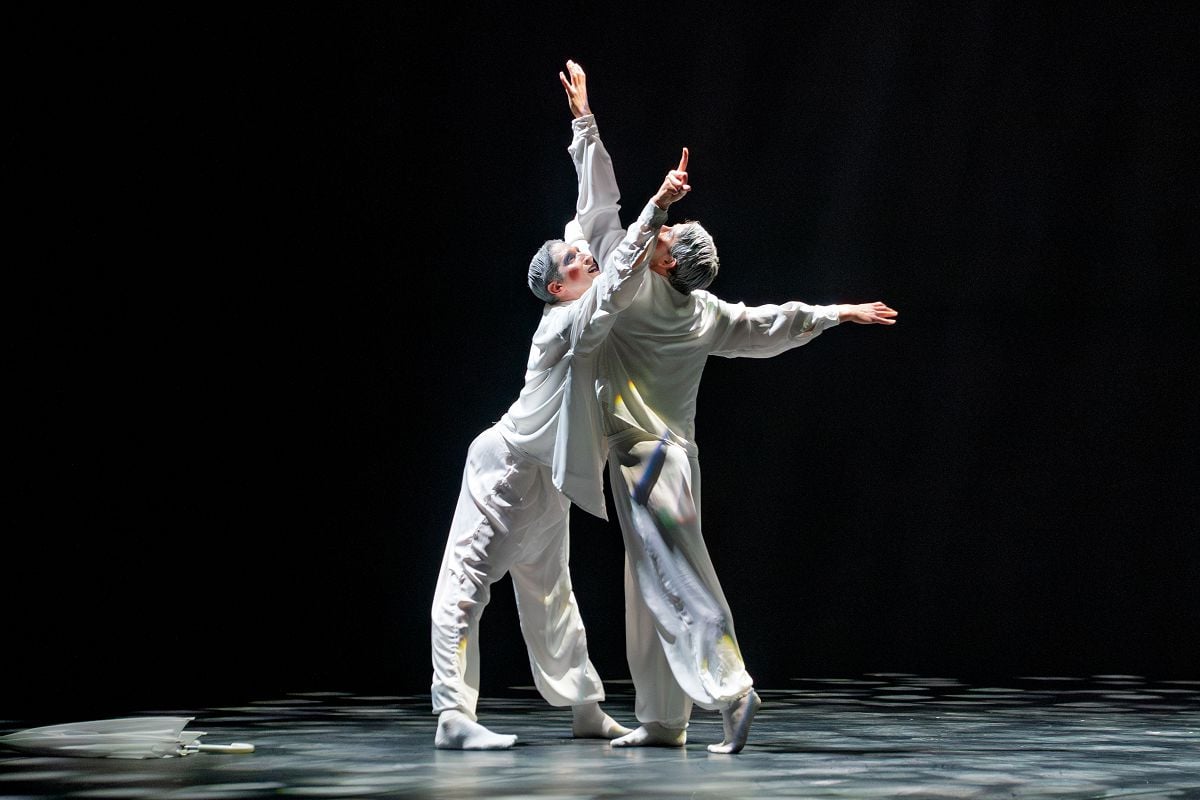

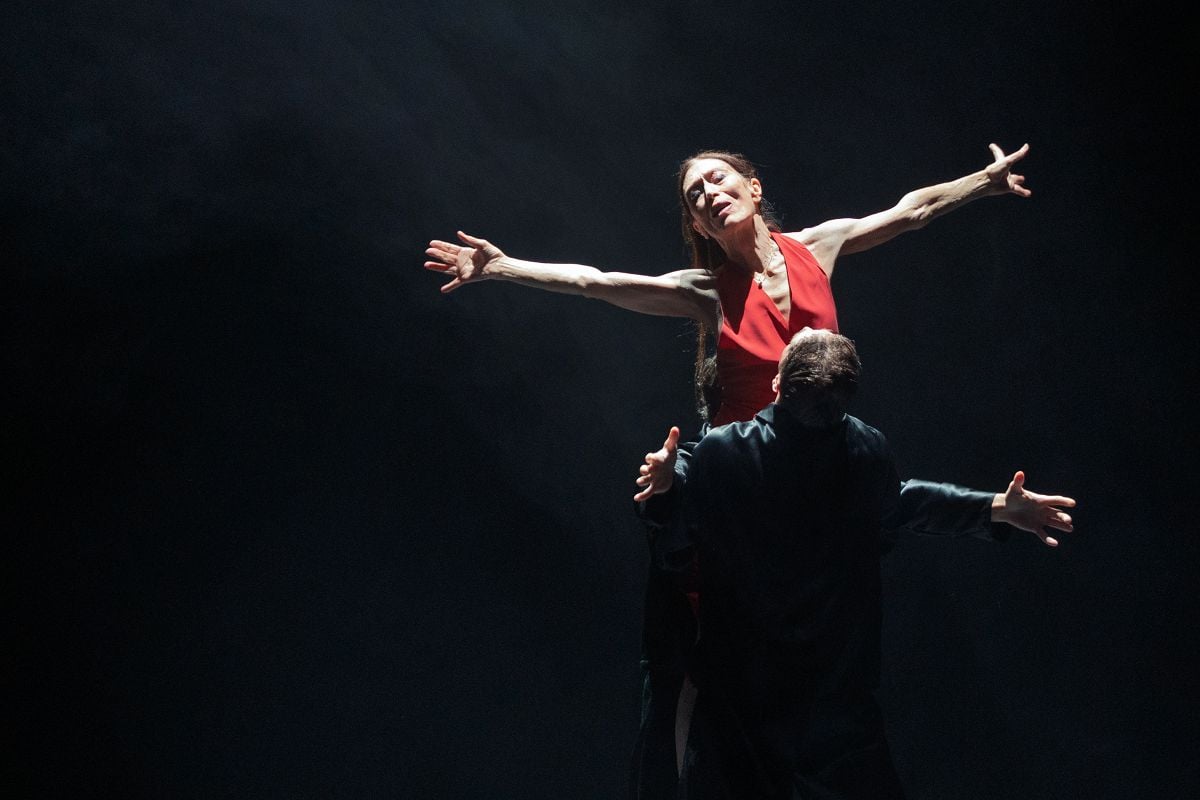
Riva and Repele’s sensibility was evident in the short work they created for Luciana Savignano, former La Scala étoile and Maurice Béjart‘s muse, now 82. She hasn’t stopped dancing on stage since she was a little girl at La Scala’s school, and she has now ventured into new styles, including her tango-inspired ballets. Her legendary supple port de bras, which helped make her unforgettable in Béjart’s Bolero, remains remarkably intact, her arms reaching straight out behind her, rippling as though she had no bones. She entered alone, almost mystically, with low light picking her out against the black backcloth, until a recording of Céline Dion singing the Edith Piaf anthem, Hymne à l’amour, began, and Riva & Repele joined her. The choreography was well-judged and yet another creation for her, incredibly, six decades after Mario Pistoni chose her to create the central character in his ballet The Miraculous Mandarin at La Scala.
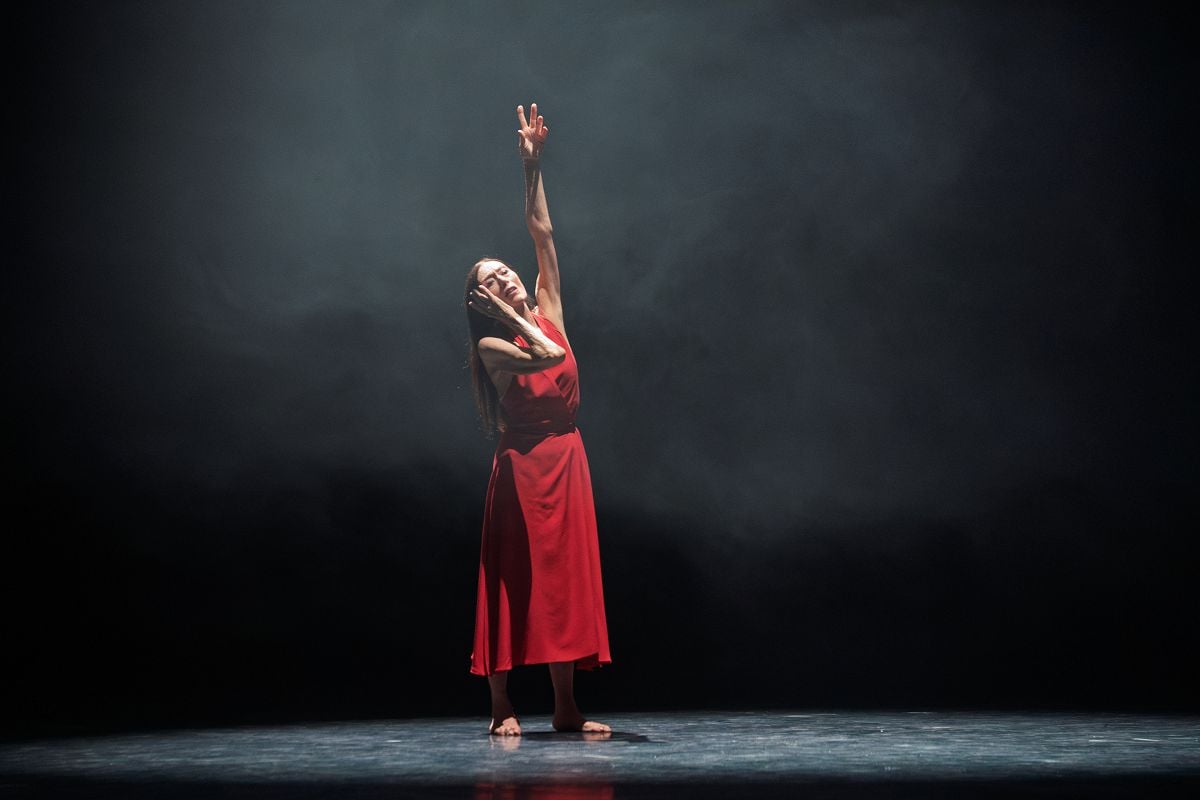
Natalia Osipova performed Jason Kittelberger’s solo Ashes, set to the sorrowful Ederlezi melody from the Balkans, a lament associated with renewal and the cyclical return of spring. The gripping melody does half the work in enchanting the audience (interpreted by Nigel Kennedy and The Kroke Band), and Osipova gave a gritty, from-the-heart performance which, even in the context of a gala, left 2,000 people in total silence for a second, after she slowly covered herself, cocoon-like, in a large rug, and the music faded. The applause she received with this miniature, introspective piece was overwhelming.