Review: Mathieu Geffré’s The Monocle at Wilton’s Music Hall in London’s East End

Lily Hyde sees The Monocle: One Last Soirée set in a lesbian bar in 1930s Paris – energetic and sensual with exhilarating moments of togetherness.
| Title | The Monocle: One Last Soirée |
| Company | Rendez-Vous Dance |
| Venue | Wilton’s Music Hall |
| Date | 16 May 2026 |
| Reviewer | Lily Hyde |
“Enjoy yourselves, because you are not here for long,” is the message given to the audience at the beginning of The Monocle: One Last Soirée – a simple reminder to have fun, or a warning of something more sinister to come?
Set within the faded grandeur of Wilton’s Music Hall in London’s East End, The Monocle: One Last Soirée is a show about Le Monocle, a famed lesbian bar in Paris, founded in 1932 by Lulu de Montparnasse. Named after a contemporary trend in which lesbian-identifying women wore monocles to subtly signal their sexual preference, the bar was a haven, with its more distinguished clientele that included Marlene Dietrich and Anaïs Nin.
The bar closed its doors in 1941, during the German occupation of Paris. Attempts to revive it were made, but it never regained its former glory. Though its building still stands, adorned with a façade shaped like a monocle, its gates are shuttered… yet some two hundred miles away, its legacy lives on.
The show does a lot with a little. Helen Hébert and Nate Gibson’s production design consists of some doors, a bar, a couple of tables, and a pair of red circular curtains, yet it is more than enough to richly evoke Le Monocle’s world.
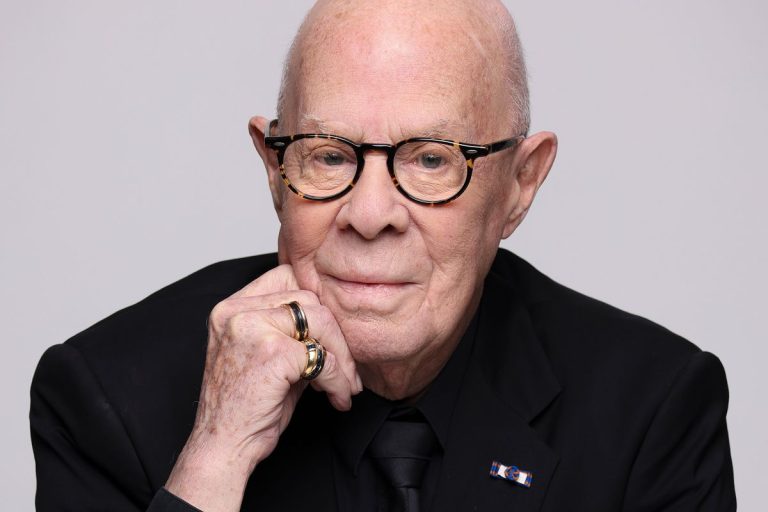
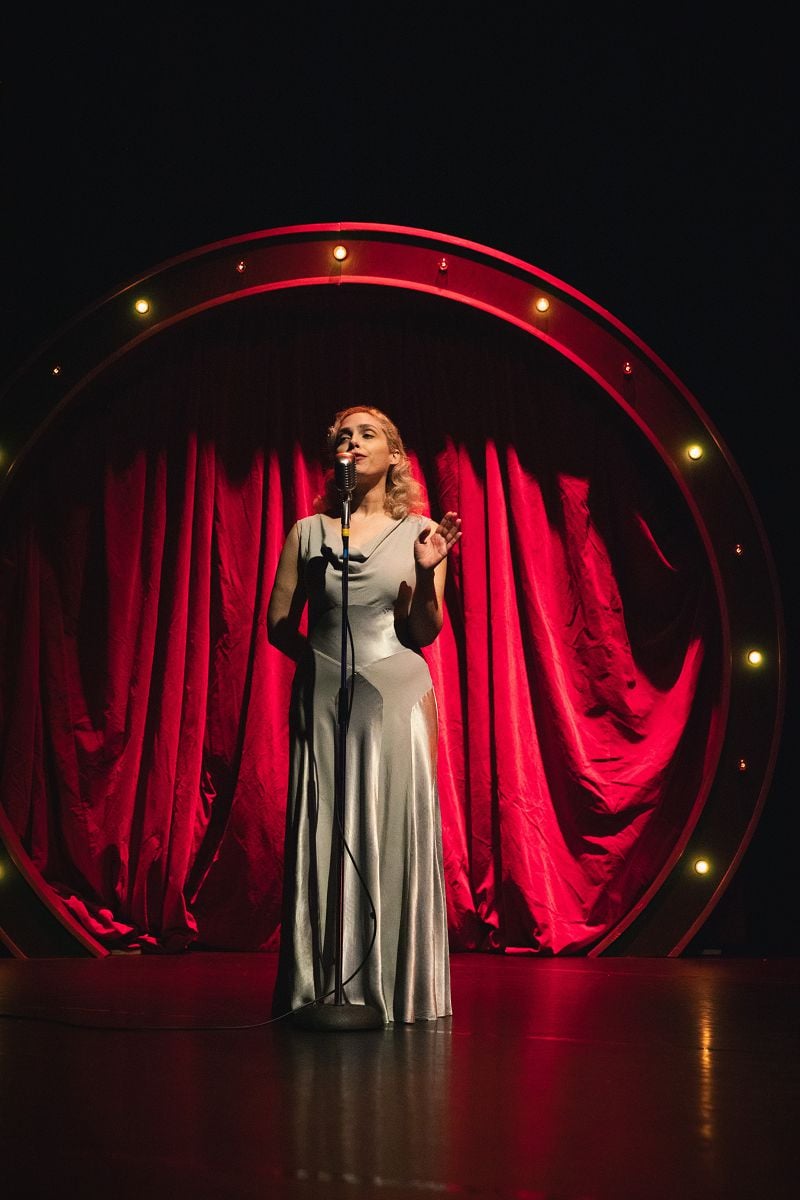
Rendez-vous’s Artistic Director and Choreographer, Mathieu Geffré, writes in the programme about his uncertainty about bringing this world to life as a gay man, yet his care and consideration are evident in every beat and every inch of the stage. There is a singer (an incredible Imogen Banks) and a BSL interpreter next to her (a dynamic and engaging Caroline Ryan); everyone is welcome here.
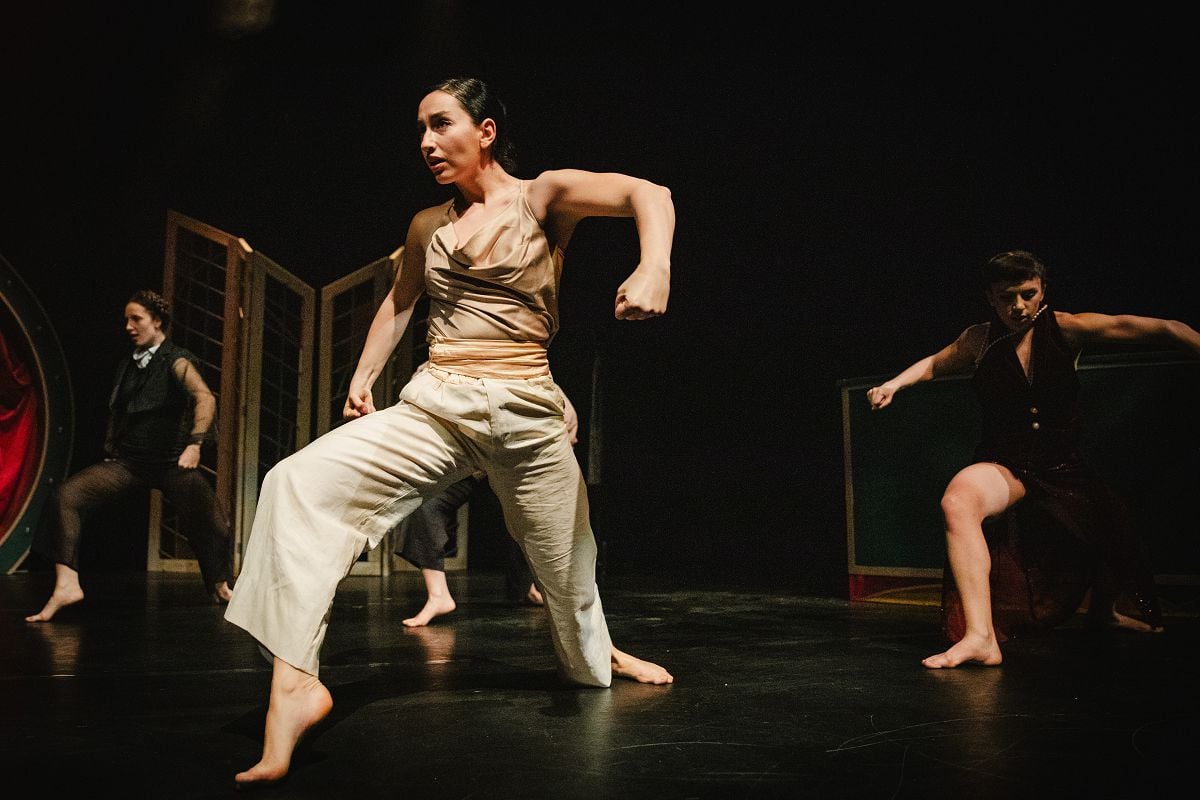
The world of the Monocle is first presented, abandoned and covered in dust sheets. The cast moves slowly and phantom-like onto the stage, as the strains of the accordion begin to play.
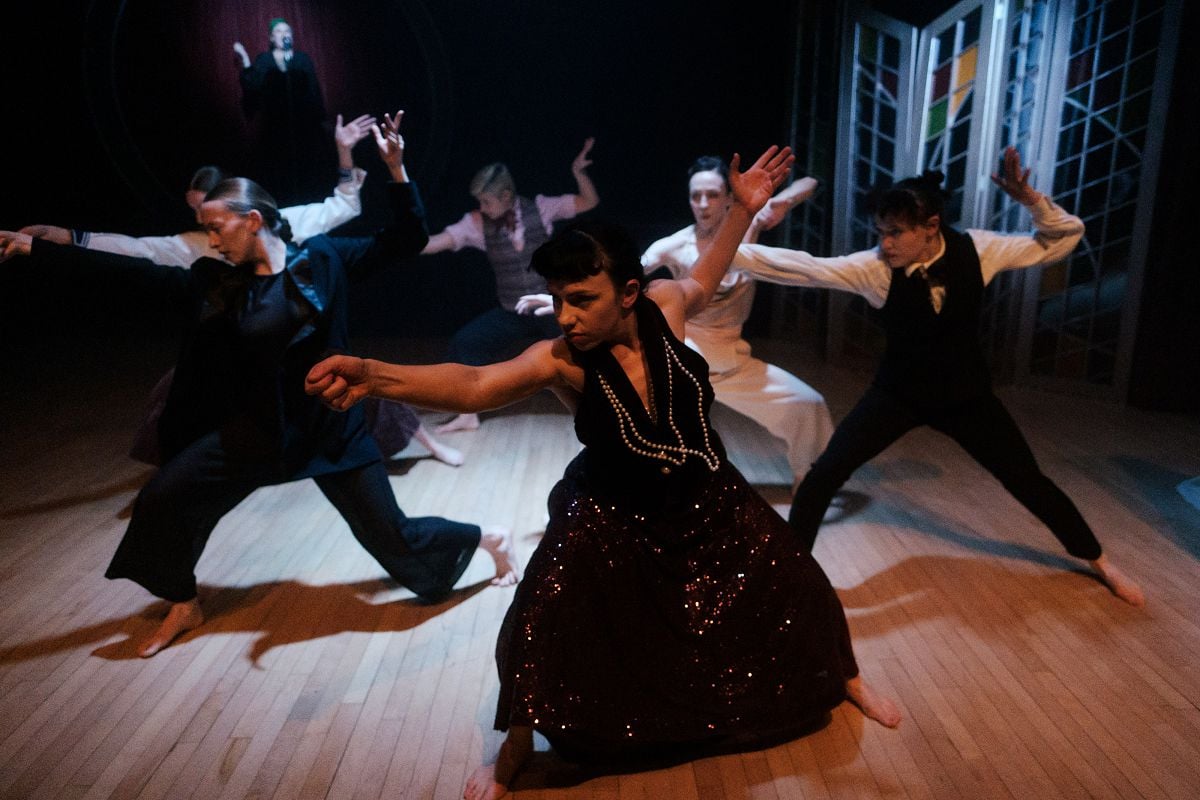
The show’s opening welcoming number is energetic and sensual, with sharp developpés and shimmies, but the level of energy isn’t maintained, and it’s to its credit that it doesn’t.
In less careful hands, the show could easily have succumbed to the spectacle of flashy cabaret, but the world that Geffré has created is far more tender, full of yearning for a lost past we can never truly return to. Its intimacies are routine, almost commonplace. The pas de deux between Alyssa Lisle as Lulu, the Bar Owner, and Ruth Howard as Colette, the Bartender, unfolds as they make and serve drinks. It feels well-practised and speaks of a deeply loving relationship.
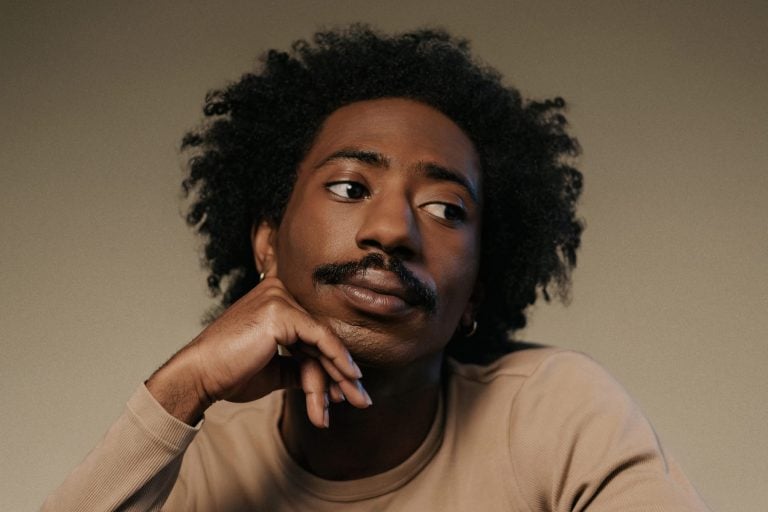
Mutyat Anibaba as Violette, the Door Person, brings a sombre apprehension to their movements as they make their entrance on stage, but when presented with the chance for human connection, this melts away into a gentle ease.
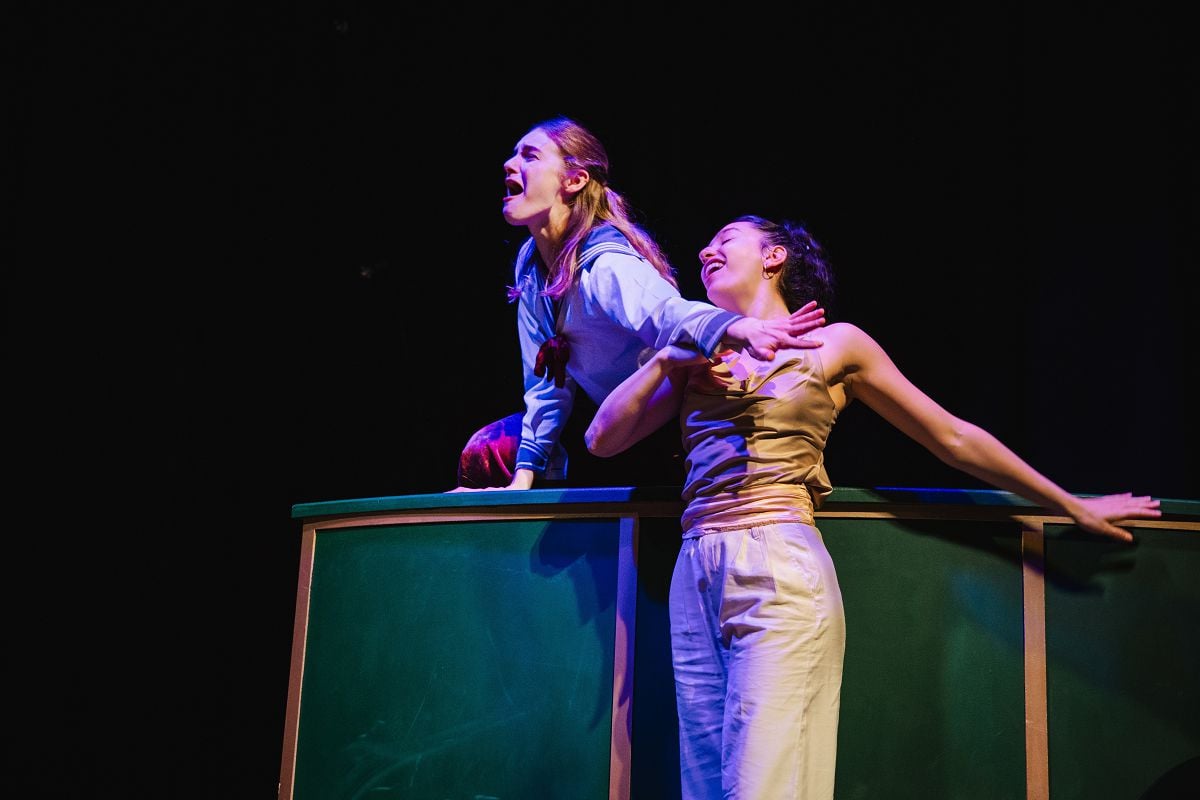
Coralie Calfond as Marcelle the Celebrity arrives bedecked in sunglasses, but her imperiousness softens as she is freed from the weight of pretence (in this case, a literal weight in the form of an ornate necklace). Her movements become free and weightless as she writhes on the floor in ecstasy. Her pas de deux with Zara Phillips as Sofiane the Newcomer was assured and compelling. There wasn’t a weak link amongst the cast, whether performing alone or in a frenzied pas de six.
There are strains of Joby Talbot in James Keane’s score, but it felt more dimensional, with record scratches and ghostly strains of dream-like, distant music. Some of the songs Banks sang felt so authentic to the period that I didn’t realise they weren’t covers until specific lyrics referencing Le Monocle appeared.
The looming threat of fascism is brought to life by a black, faceless spectre with clawed fingers and a leather trench coat, whose thrashing movements are more those of a hunting dog than of a human. As terrifying as their sudden appearances were, the sections went on a little too long, which made them lose their shock value.
During the interval, Banks and Ryan continued to perform, and many of the audience stayed to be regaled by tales of singing naked on Marlene Dietrich’s piano. Such a sense of community between artists and audience has never felt as warm or tangible as it did here.
La Vie En Rose opened Act II, but a grand waltz quickly gave way to something more modern and fun, as the score escaped the confines of its period to become more electric.
Ruth Howard’s talents were showcased to greater effect as she vogued and flipped off the bar, so too were Mutyat Anibaba’s as she brought a playfulness to her sparring with Natassa Argyropoulou as Mireille the Regular as they competed for Howard’s affections, with a lot of groaning and thrusting.
As the real world loomed ever closer, the company descended into an exhilarating moment of togetherness, but their pleasure gave way to something more frenetic, and they demonstrated impressive synchrony as they lost themselves even further.
However, all good things must come to an end. The lights flickered, and darkness fell. The stage was abandoned, the company driven away by the creatures that loomed outside. When the lights rose again, Banks returned to the stage to sing of the good old days, dressed in a ghostly grey, her cropped hair longer and more acceptably feminine. The world of Le Monocle was packed up and abandoned, but it still waits for us.
Mathieu Geffré, Artistic Director of Rendez-vous Dance
As a gay boy growing up in the French countryside, coming of age was a vulnerable path. But that began to shift when I started my dance studies at the Conservatoire National Supérieur de Musique et de Danse de Paris in 2001. For the first time, I felt I belonged: a space of safe exploration was being presented to me where I could finally grow as the man I secretly aspired to become. Paris was a territory of fear, extravagance, and adventures. I emancipated myself in Le Marais, where I witnessed love lived unapologetically, drag artists fabulously striding through the streets and communities welcoming me into a freedom I hadn’t thought possible.
I’m passionate about LGBTQIA+ history and my French heritage, with a boundless curiosity that drives me to uncover the stories often left out of history books. When I learned about The Monocle, a lesbian bar that mysteriously closed in June 1941 during the Nazi occupation, I couldn’t separate it from more recent tragedies. The Monocle’s story felt urgent, a necessary testimony about safe spaces — and the risks we still face.
The act to make this work is also a way for me to underline the importance of my role as a queer artist and part of a wider community which can only celebrate itself for its diversity and inclusivity values. I am proud to belong to this community.