Zeffirelli and Bouchène at La Scala: two new monographs from Amici della Scala
Two bilingual monographs edited by Vittoria Crespi Morbio follow Zeffirelli from his witty Piccola Scala debuts to the landmark 1963 La bohème, and Bouchène from the school of Benois to the living forest of Pelléas et Mélisande.
Amici della Scala has added two new volumes to its series ‘Gli artisti dello spettacolo alla Scala’, devoted to two pivotal figures of twentieth-century stage design: Dimitri Bouchène and Franco Zeffirelli. Though their styles differed, both left a lasting mark on the history of the theatre and enchanted audiences with their singular vision. Both, as it happens, made their La Scala debuts in the same year, 1953.
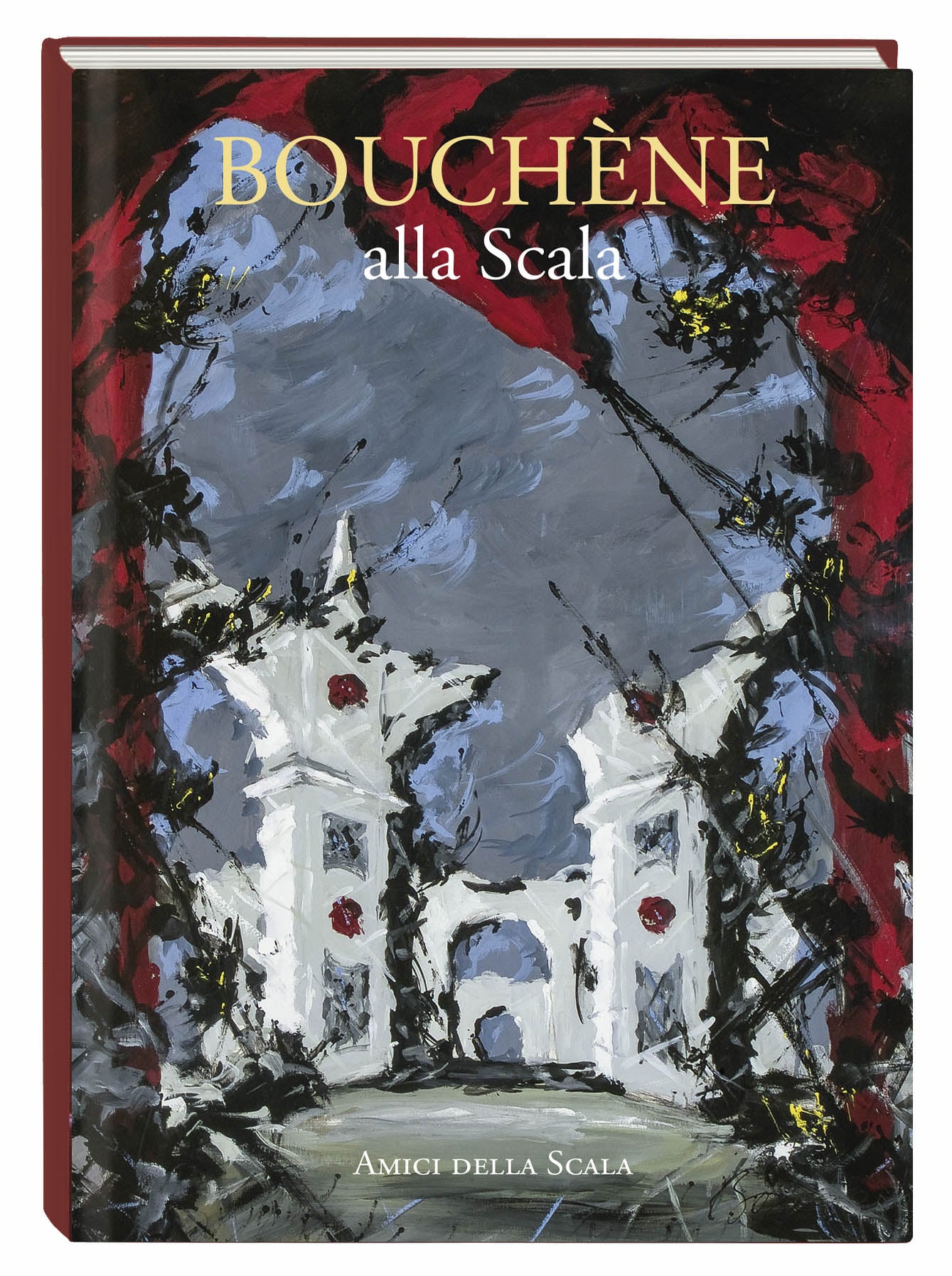
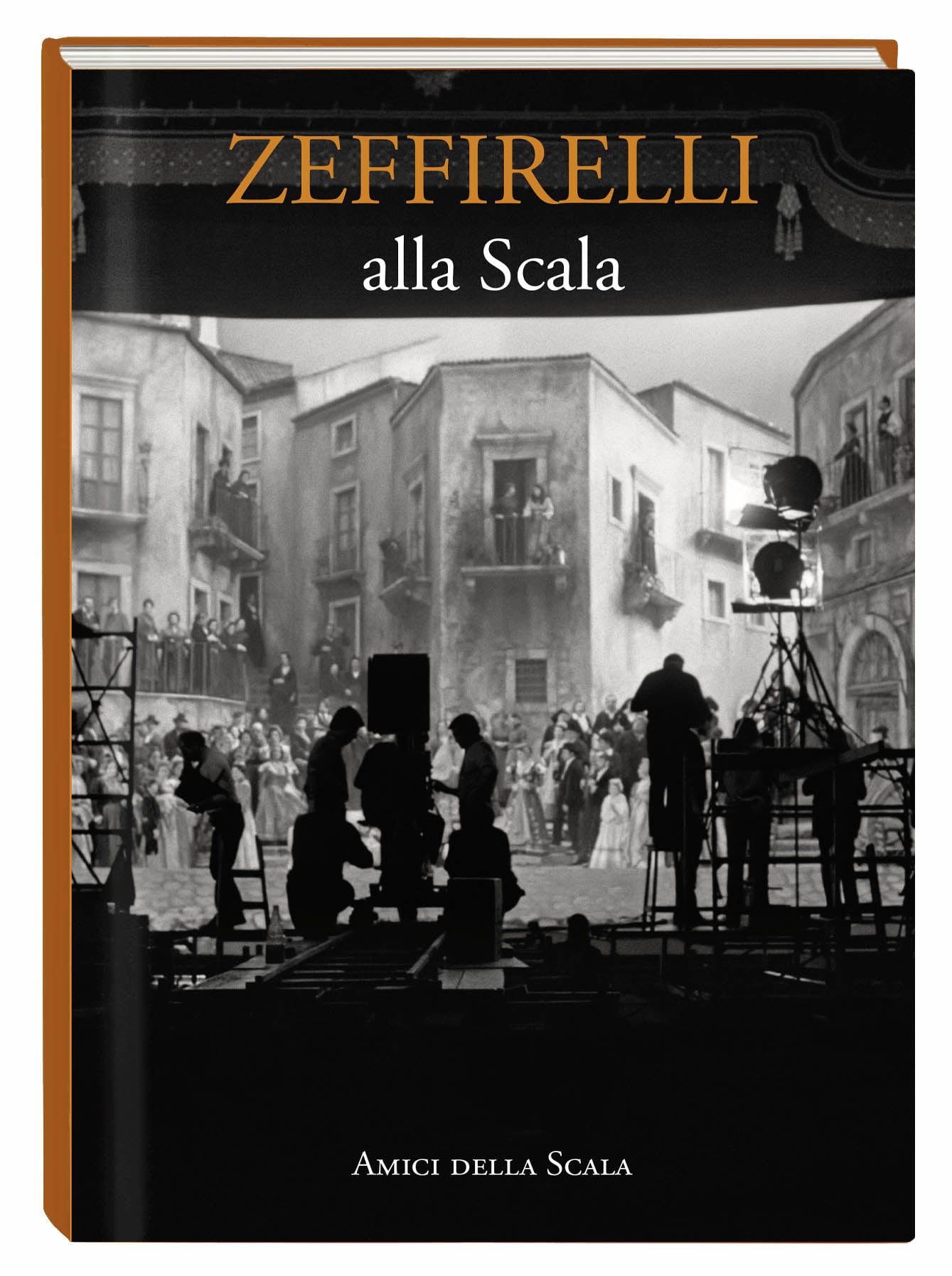
The two monographs, edited by Vittoria Crespi Morbio, take the series, which pays tribute to the protagonists of the Teatro alla Scala, to 78 volumes. Through images and testimonies, they offer an immersion in the talent of Bouchène and Zeffirelli and a chance to rediscover their contribution to the home of Italian opera.
Bouchène: discreet elegance and the Russian tradition
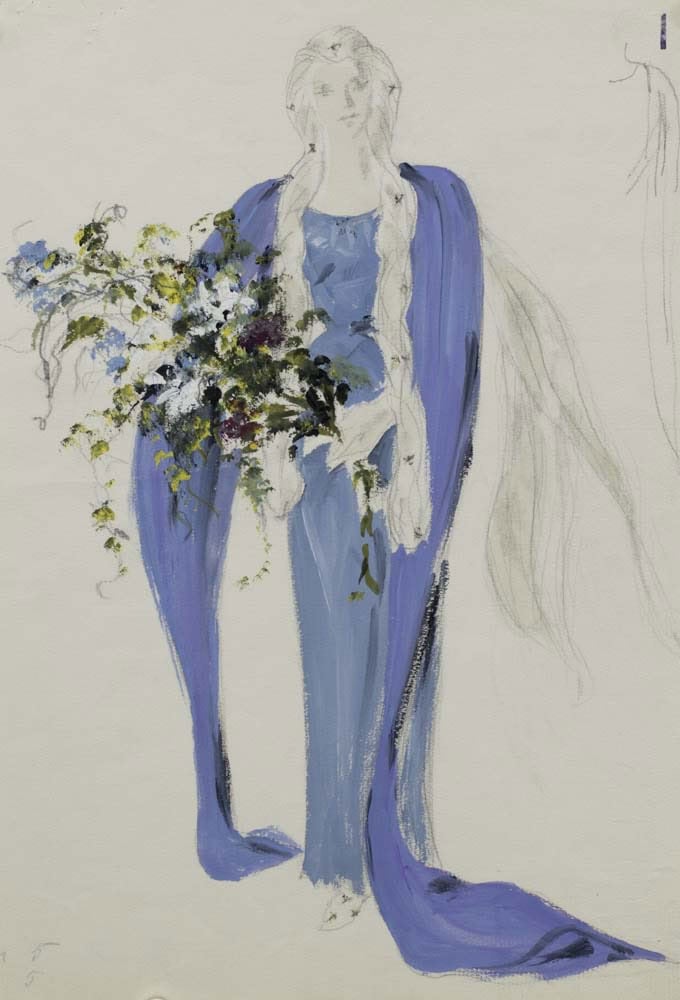
Dimitri Bouchène (1893–1993) was among the last exponents of the Russian painterly tradition that emigrated to western Europe after the Revolution and left an unmistakable imprint on twentieth-century set and costume design. He grew up in the rigorous school of Alexandre Benois, yet developed a fascinating personal synthesis. In her essay ‘Uneasy Lightness’, Vittoria Crespi Morbio traces how a young man born Dmitry Dmitrievich Bushen became one of the most distinctive voices of the Paris stage.
From St Petersburg to Paris
Born in 1893, the year Tchaikovsky died, Bouchène lived in Russia until the age of thirty-two and studied in St Petersburg. His friend Benois found him a post at the Hermitage Museum, and in 1912, on the suggestion of the symbolist Nikolai Roerich, he set off for Paris and the Académie Ranson, where Maurice Denis taught. He settled in the French capital in September 1925 with his companion, the art historian Serge Ernst, and took the name Dimitri Bouchène.
In France he soon made a name in the theatre, working with Diaghilev’s choreographers Michel Fokine and George Balanchine. Fokine entrusted him with dressing Ida Rubinstein in Diane de Poitiers (Paris Opéra, 1934), and for Fokine’s Les Éléments (London, Coliseum, 1937) he spread his brushstrokes over proscenium, wings and backdrops. His Paris Opéra debut came in 1948, brought in by Serge Lifar for Divertissement, a new take on Aurora’s wedding from The Sleeping Beauty, set outdoors against blue-hued mountains. The production reached Rome in 1950 and La Scala the following year.
A forest for Debussy at La Scala
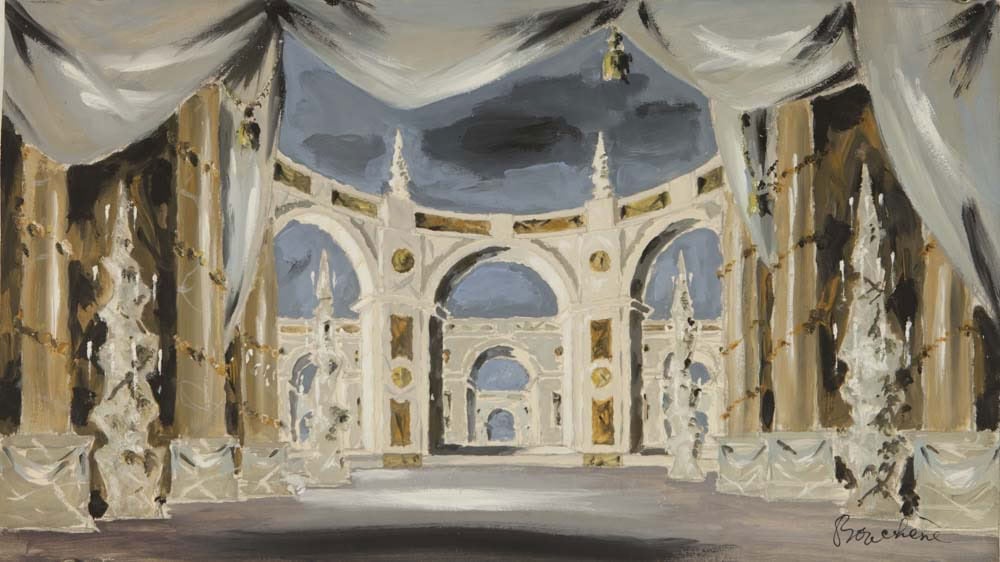
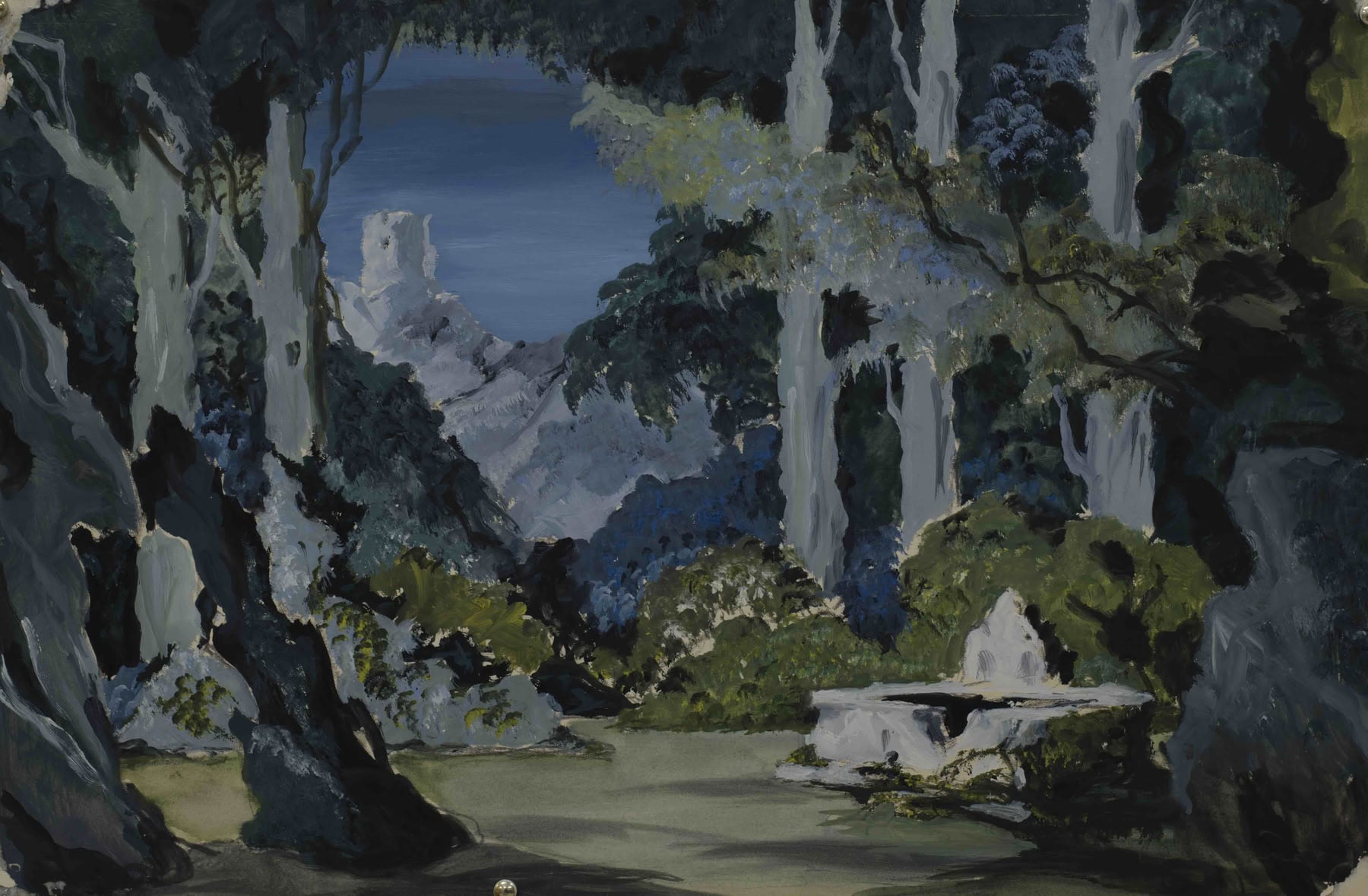
Bouchène’s La Scala debut came in 1953 with Debussy’s Pelléas et Mélisande, strongly desired by Victor de Sabata, who conducted it after the only partial success of the previous production, whose sets had been judged ‘faded and dusty’. Bouchène imagined a forest ‘alive, vibrant, animated by infinite gradations of shades of green’, its roots, branches and vines creeping even inside the castle. De Sabata, Teodoro Celli wrote, ‘accomplished a veritable feat of goldsmithing; he polished every line in the Debussian arabesques with infinite love and relished delight’. The cast included Elisabeth Schwarzkopf and Jacques Jansen, and the director was Pierre Bertin.
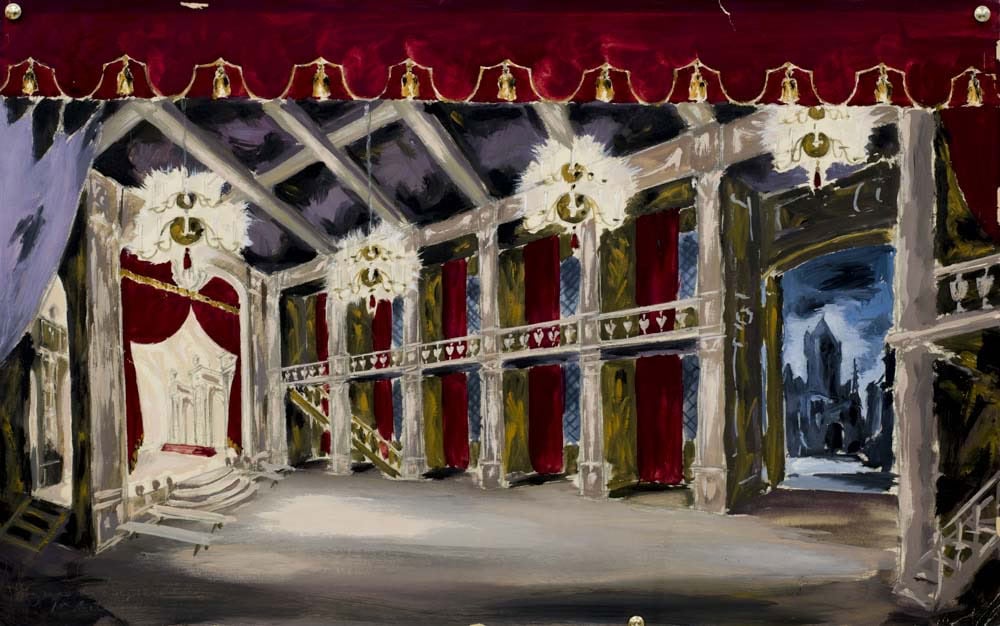
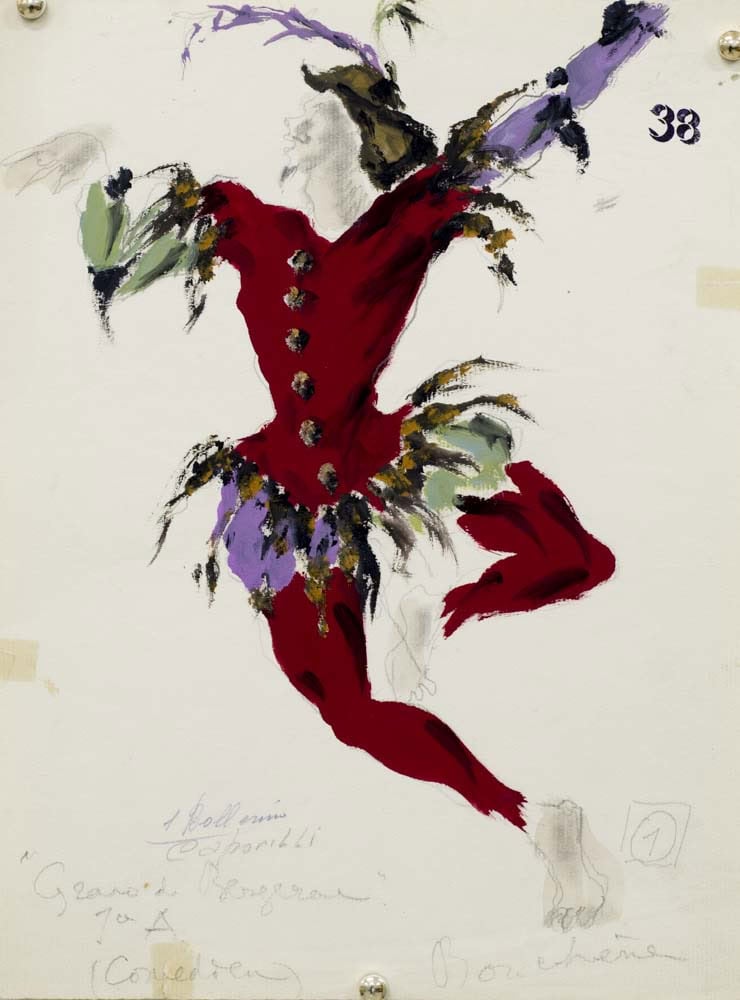
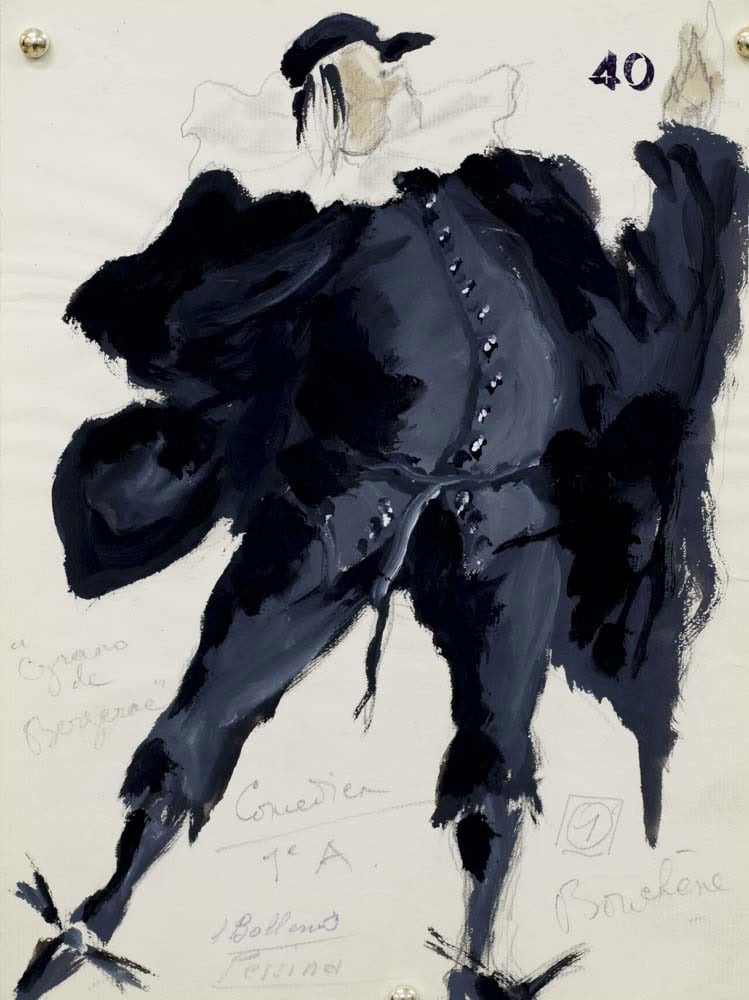
That same year he designed the costumes for Monteverdi’s L’incoronazione di Poppea, in Giorgio Federico Ghedini’s orchestration, conducted by Carlo Maria Giulini and directed by Margherita Wallmann. Gianni Ratto had built the sole set, a solid architectural Nero’s palace, and Bouchène, anti-classical by nature, added disarray to its monochromatic balance with brilliant and surprising colours for the dancers’ costumes. In 1954 he returned to La Scala for Alfano’s Cyrano de Bergerac, researching Rostand’s comedy in tiny notebooks of studies, now dispersed in private collections.
After Serge Ernst’s death in 1980, Bouchène brought his artistic journey to an end and auctioned his pictorial work, part of it distributed to various institutions. He died in Paris in 1993, nearing a century of life. Crespi Morbio closes her essay with this image of the artist:
In our memory, Bouchène left the mark of a world freed from the force of gravity and pervaded by an enchanted lightness, by a poignant unease; thus was his passage through this earthly life.
Zeffirelli: opera as ‘theatre of all and for all’
Franco Zeffirelli (1923–2019), a beloved and controversial figure of the twentieth century, shaped decades of life at La Scala, renewing the language of melodrama and turning it into a popular, engaging spectacle. In her essay ‘The Grandeur of Popular Theatre’, Crespi Morbio follows a Scala career that ran from 1953 to 2006 and spells out the thread running through it:
Looking back over the productions he created for the Teatro alla Scala (over a half century of activities: 1953–2006) one may see a career that experienced different phases and a variety of stylistic directions, the continuity among them lying in the strong notion of opera as theatre of all and for all, not a walled garden reserved for the elite, but an expression of the popular imagination.
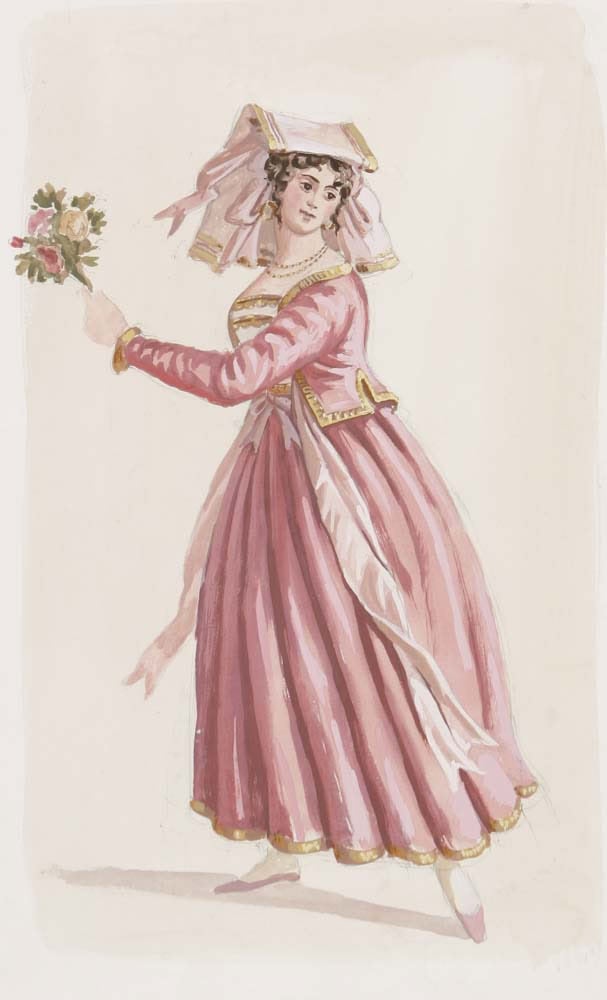
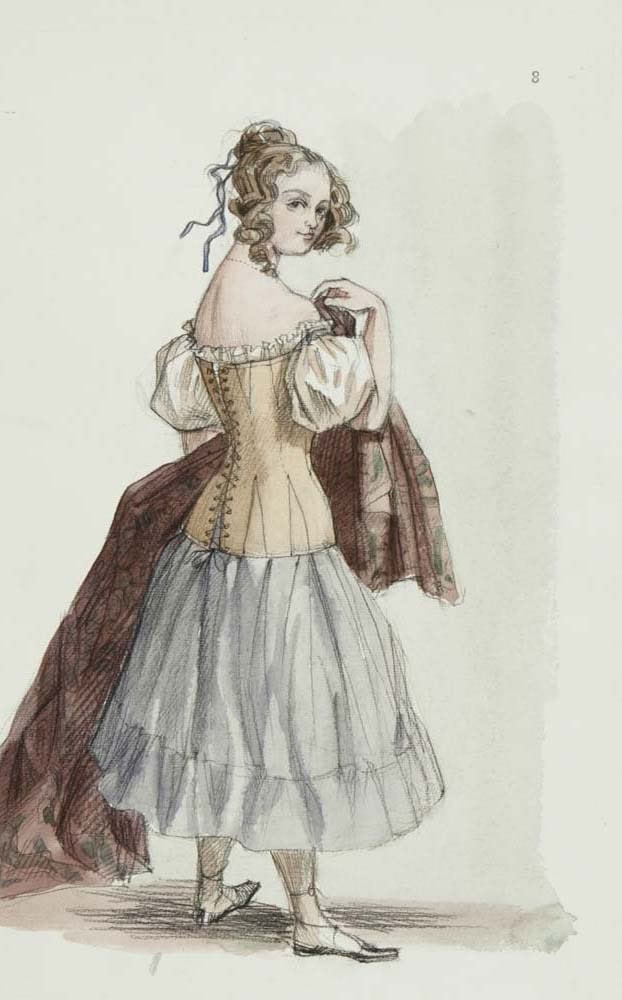
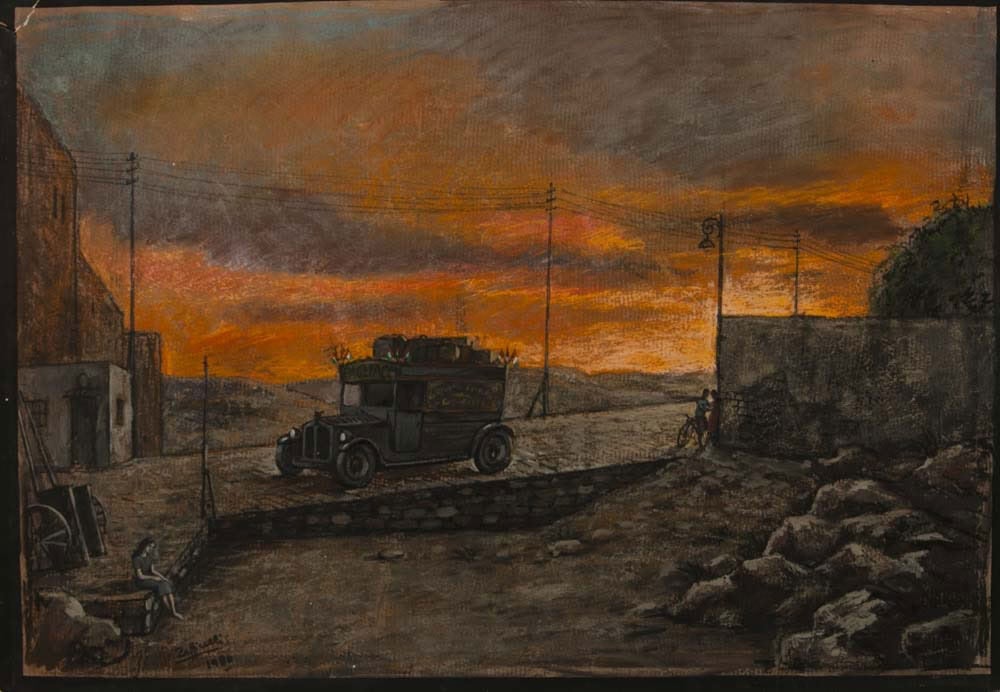
A young Florentine at La Scala
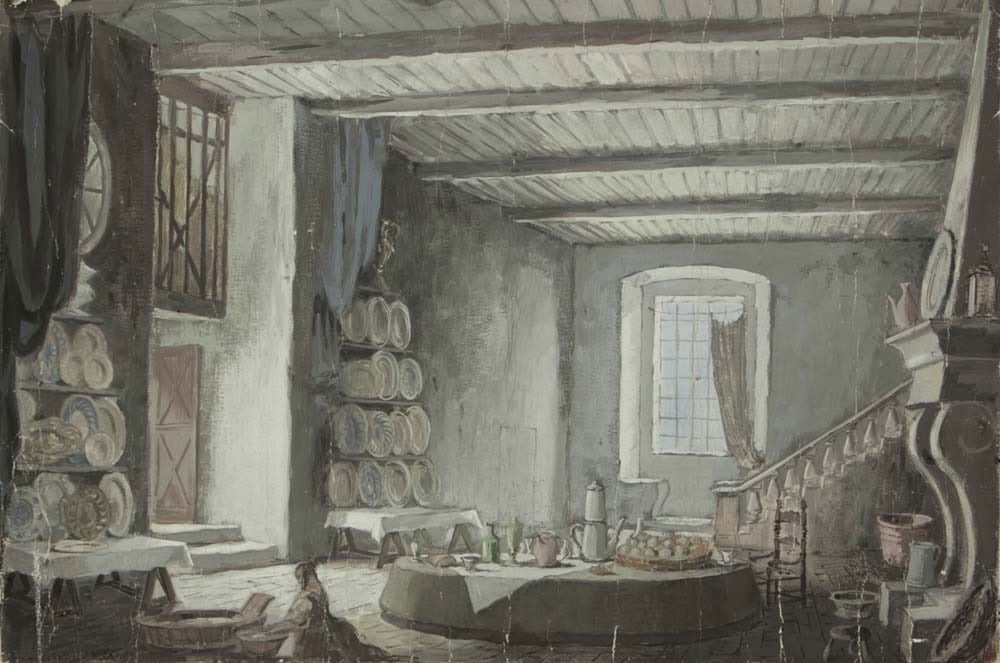
The first illustration Zeffirelli drew for La Scala was the faint profile of minarets in Algiers, for Rossini’s L’italiana in Algeri. The production opened on 4 March 1953, conducted by Carlo Maria Giulini, with Giulietta Simionato as Isabella and Mario Petri as Mustafà. Director Corrado Pavolini had brought the emerging designer from Rome, and the success of the evening came, as the essay puts it, as a belated thirtieth birthday gift: Zeffirelli was born on 12 February 1923.
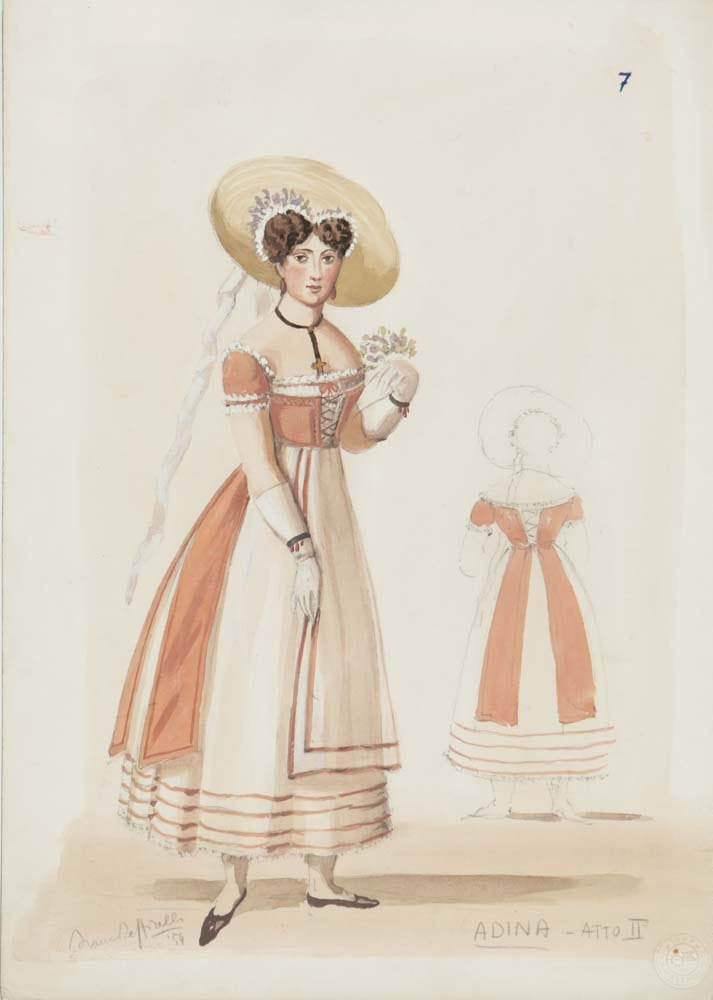
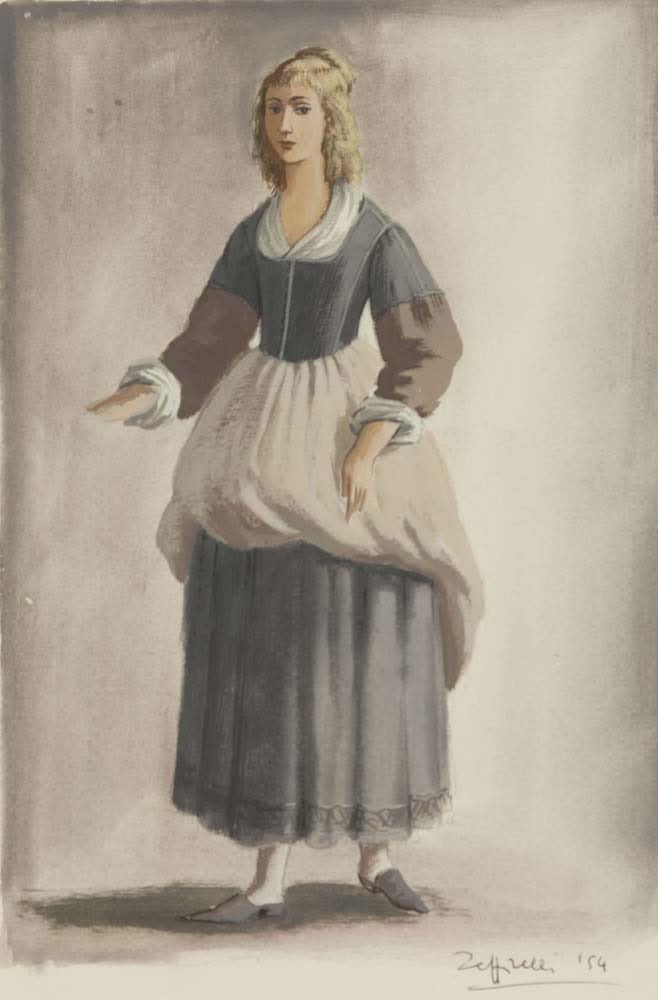
His name was still little known in Milan, though he had acted, lent his voice to radio and, since 1946, designed stagings for the Accademia Chigiana in Siena. Under Luchino Visconti’s guidance he had also created set designs for plays and worked as assistant director, with Francesco Rosi, on the films La terra trema (1948) and Beautiful (1951). His first venture into directing, on Rossini’s La Cenerentola in 1954, began by chance, when Pavolini suddenly fell ill.
In these early years, working mostly at the Piccola Scala, he created wings and drop curtains of fresh, light taste for composers such as Rossini and Piccinni, and was hailed in the press as a director with an agile theatrical pace and a witty elegance of style. The essay also singles out his Il turco in Italia of 1955, with Maria Callas, which Gianandrea Gavazzeni called ‘one of Zeffirelli’s most imaginative and successful works of direction and set design’.
From La bohème to live television
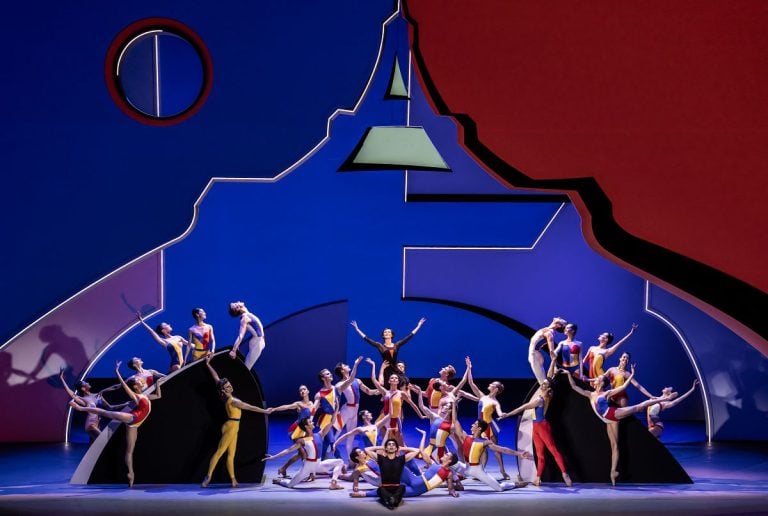
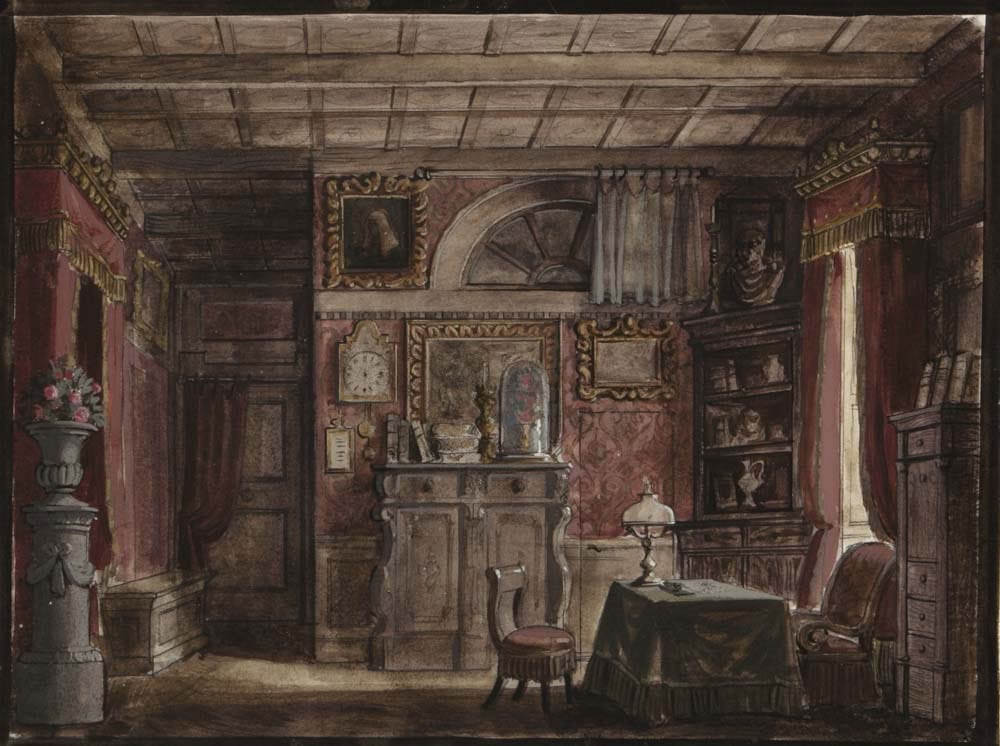
The turning point came in 1963 with the celebrated staging of Puccini’s La bohème, conducted by Herbert von Karajan, with Mirella Freni as Mimì: a technical feat in its division of the stage into two vertical levels for the second scene, and a poetic marvel in its amused and painful evocation of a nineteenth-century Paris filtered through nostalgia. That same year he designed Aida, and he would return to the opera in 2006, the last year of his Scala career.
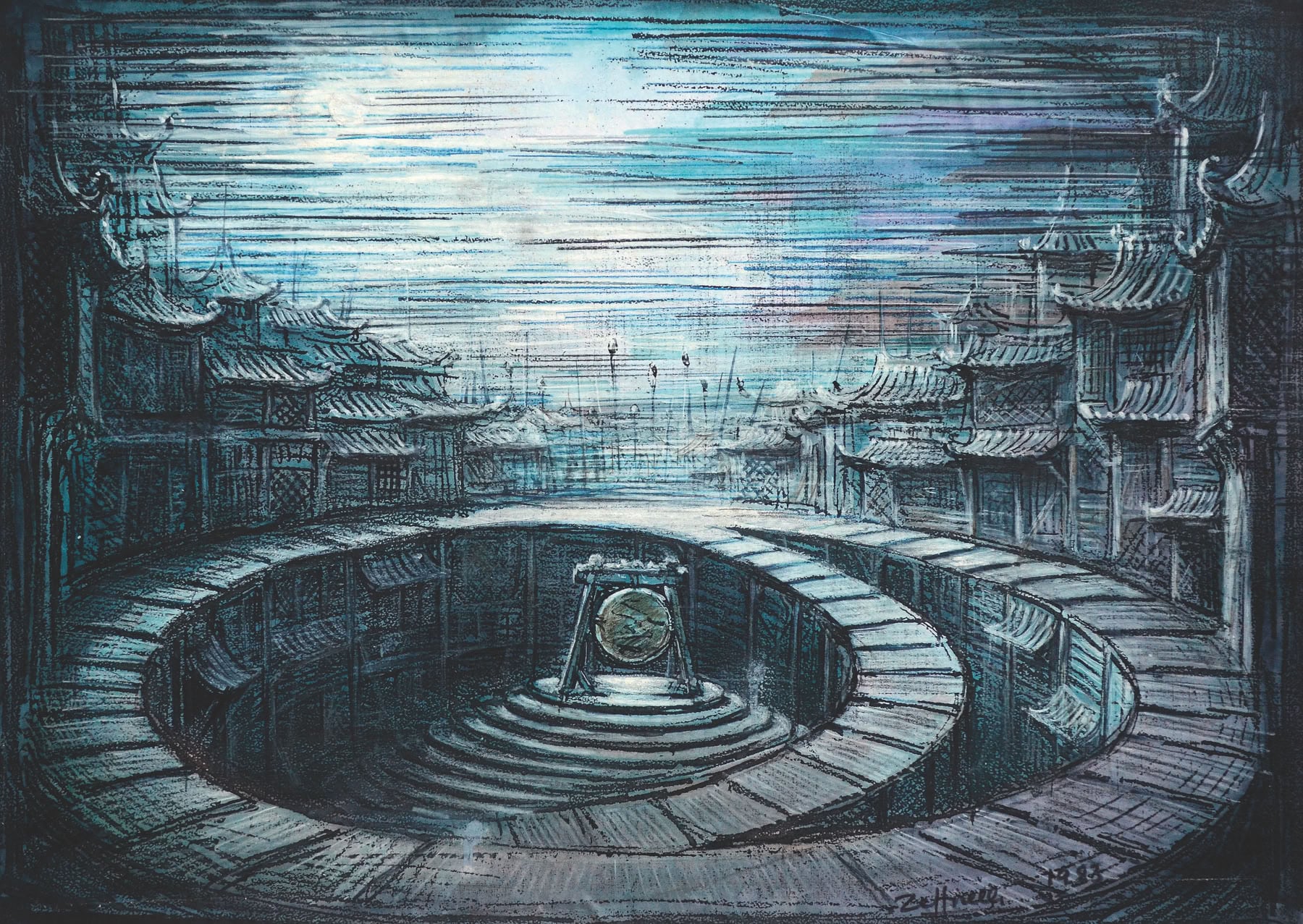
From then on, Zeffirelli became synonymous with a powerful, sumptuous and popular melodrama. His 1976 Otello, conducted by Carlos Kleiber with Plácido Domingo, Mirella Freni and Piero Cappuccilli, was followed by audiences around the world on live television. With this, the essay says, Zeffirelli finally achieved the dream of his entire career: ‘reestablishing opera’s legitimacy as popular entertainment, unconfined to the niches of the affluent and connoisseurs’. He was the first in Italy to bring La Scala to live television, taking Italian opera into the homes of millions of viewers. Other successes included the double bill of Cavalleria rusticana and Pagliacci, and Turandot.
The books
Both volumes are published in Italian and English by Amici della Scala with Grafiche Step, and are available in bookshops and online at €20 each. The Bouchène book runs to 317 pages and the Zeffirelli to 362.