Roberto Bolle dances Apollo as La Scala pairs Balanchine with Pina Bausch’s Le Sacre du printemps
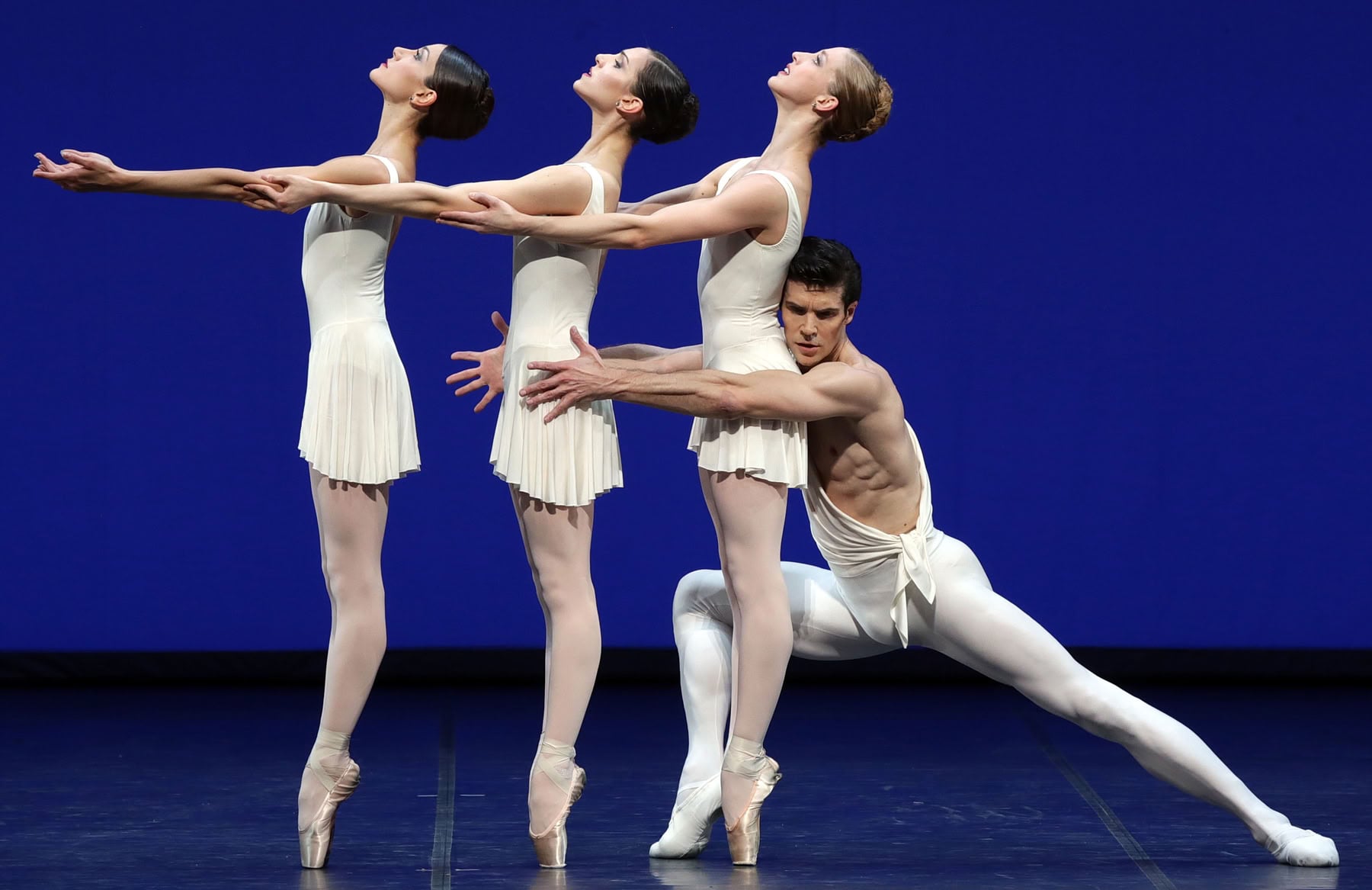
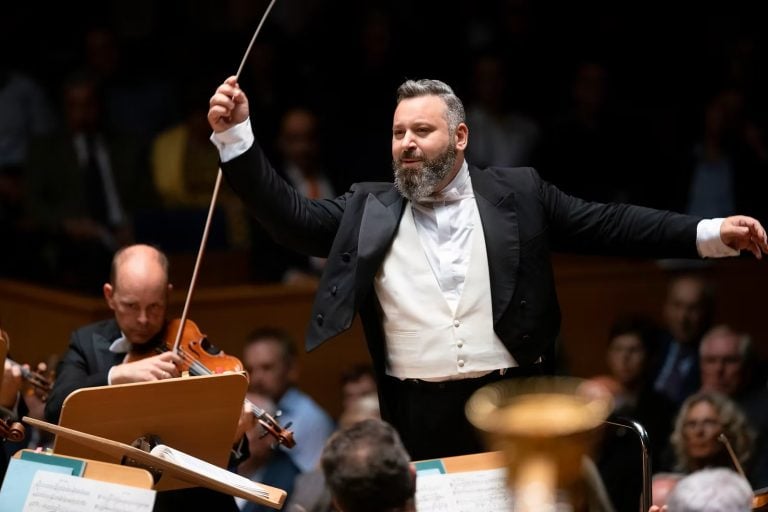
Ido Arad conducts the Stravinsky double bill from 7 to 21 November, with Bausch’s 1975 ritual staged at the theatre for the first time in a new production made with the Pina Bausch Foundation.
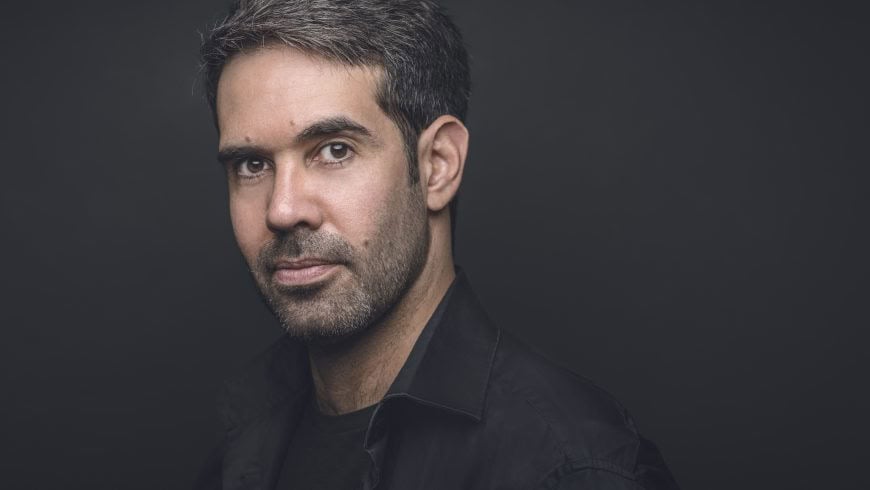
La Scala‘s next ballet bill brings together two Stravinsky scores and two of the 20th century’s defining choreographers. Balanchine Bausch Stravinsky opens on Saturday 7 November and runs until 21 November, with Ido Arad conducting.
The theatre bills the evening as “timeless masterpieces, peaks of art and dance that made history”, all under the sign of Stravinsky. Its centrepiece is a first: La Scala’s artists and audience will meet Pina Bausch‘s Le Sacre du printemps on its own stage for the first time.
Balanchine’s breakthrough
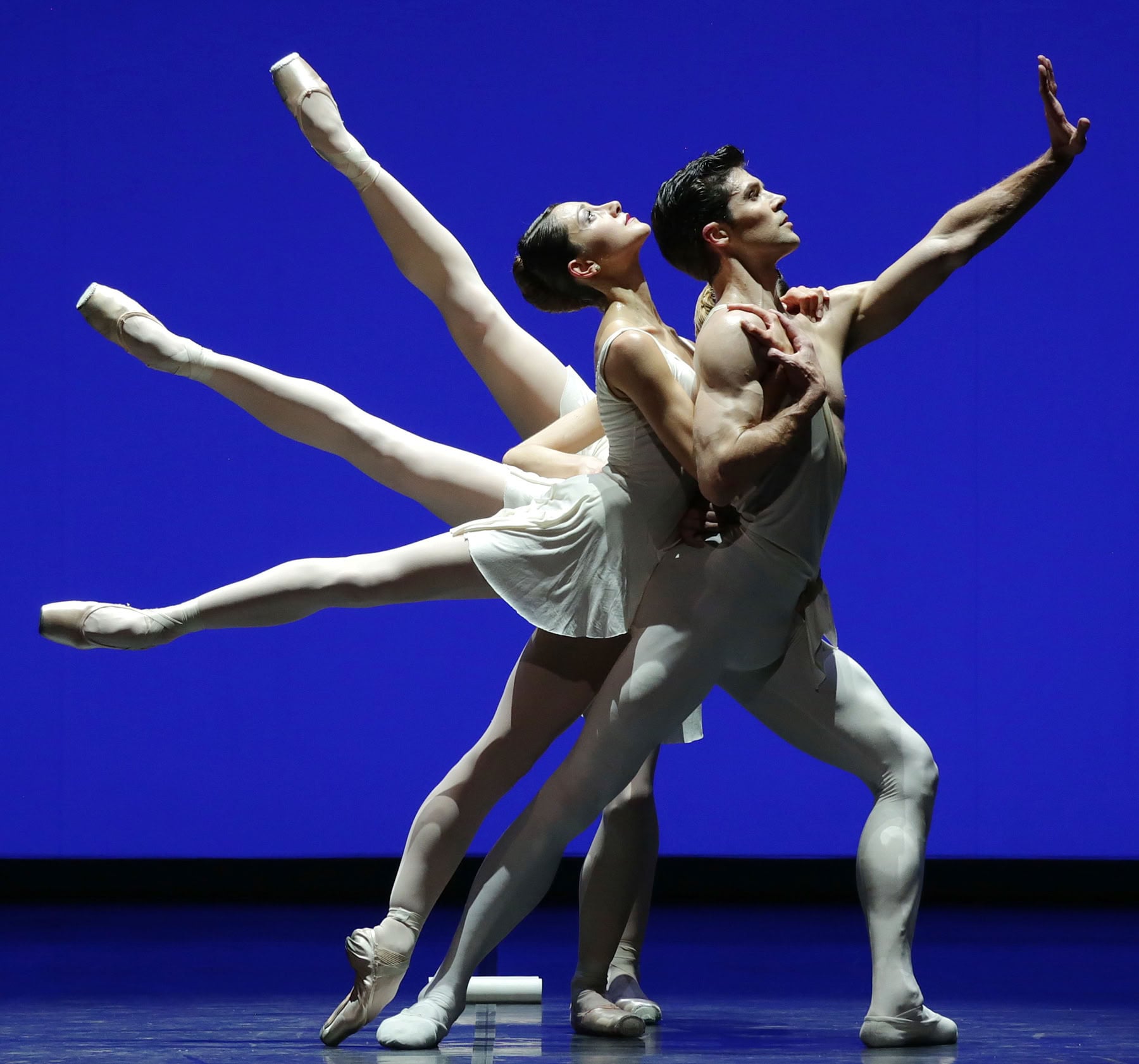
Apollo opens the evening. La Scala presents it as the showcase of Balanchine’s elegance and as the work that brought him international recognition in 1928, when he was 24 – the start of a collaboration with Stravinsky that lasted the rest of his life.
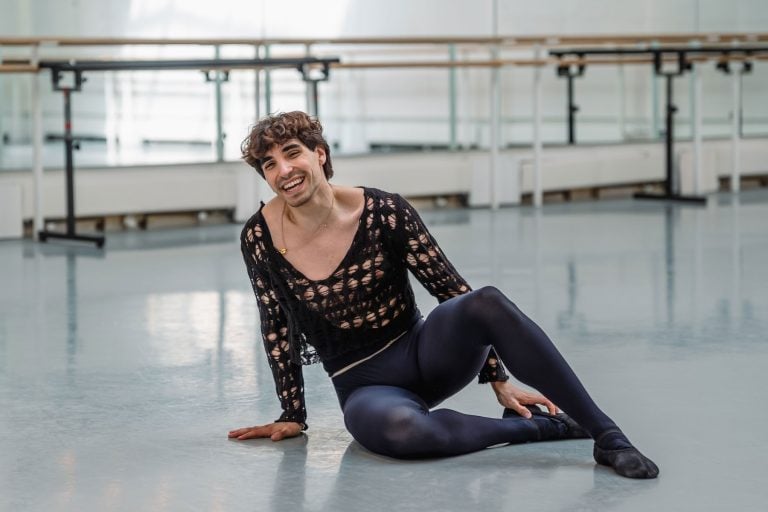
The ballet has been restaged by Sandra Jennings for The George Balanchine Trust. Roberto Bolle dances the title role on 7, 11, 12, 18 and 19 November.
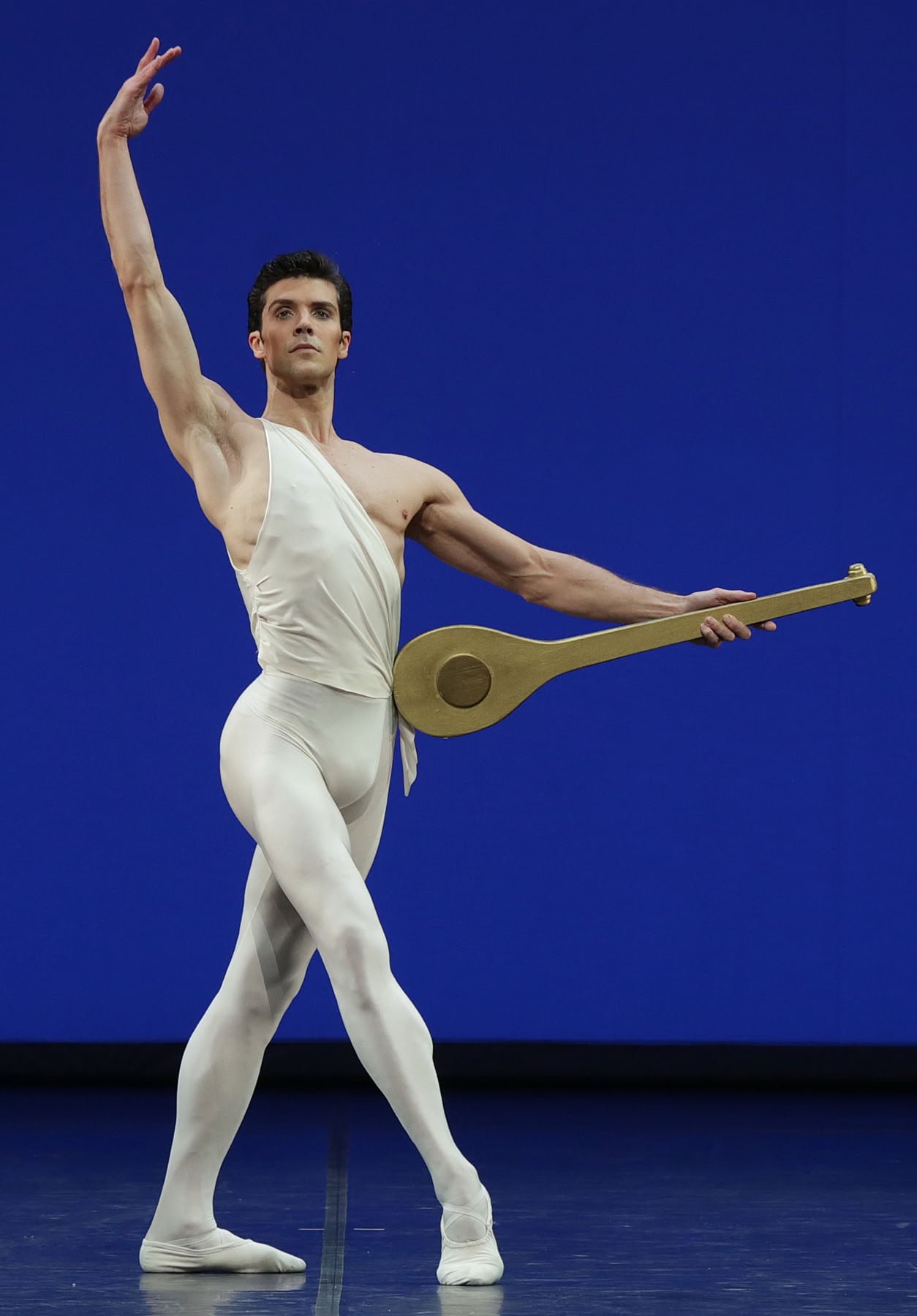
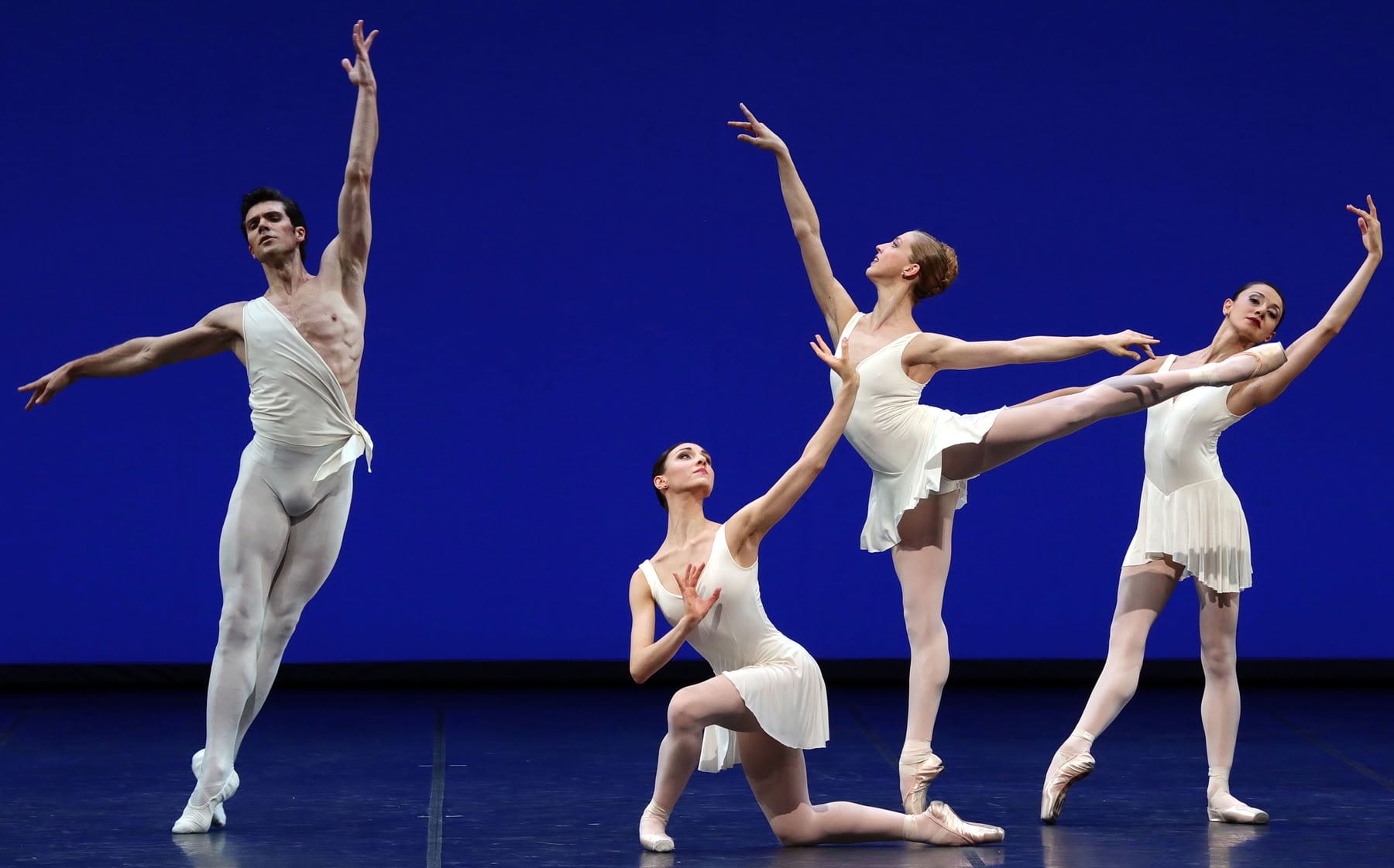
In ‘The Dance Element in Stravinsky’s Music’, a 1949 essay quoted by La Scala for this production, Balanchine looked back on what the score taught him:
Apollon I look back on as the turning point of my life. In its discipline and restraint, in its sustained oneness of tone and feeling, the score was a revelation. It seemed to tell me that I could dare not to use all my ideas; that I, too, could eliminate. … I began to see how I could clarify, by limiting, by reducing what seemed to be myriad possibilities to the one possibility that is inevitable.
It was in studying Apollon that I first understood how gestures, like tones in music and shades in painting, have certain family relations. As groups they impose their own laws. The more conscious an artist is, the more he comes to understand these laws, and to respond to them. Since this work, I have developed my choreography inside the framework such relations suggest.
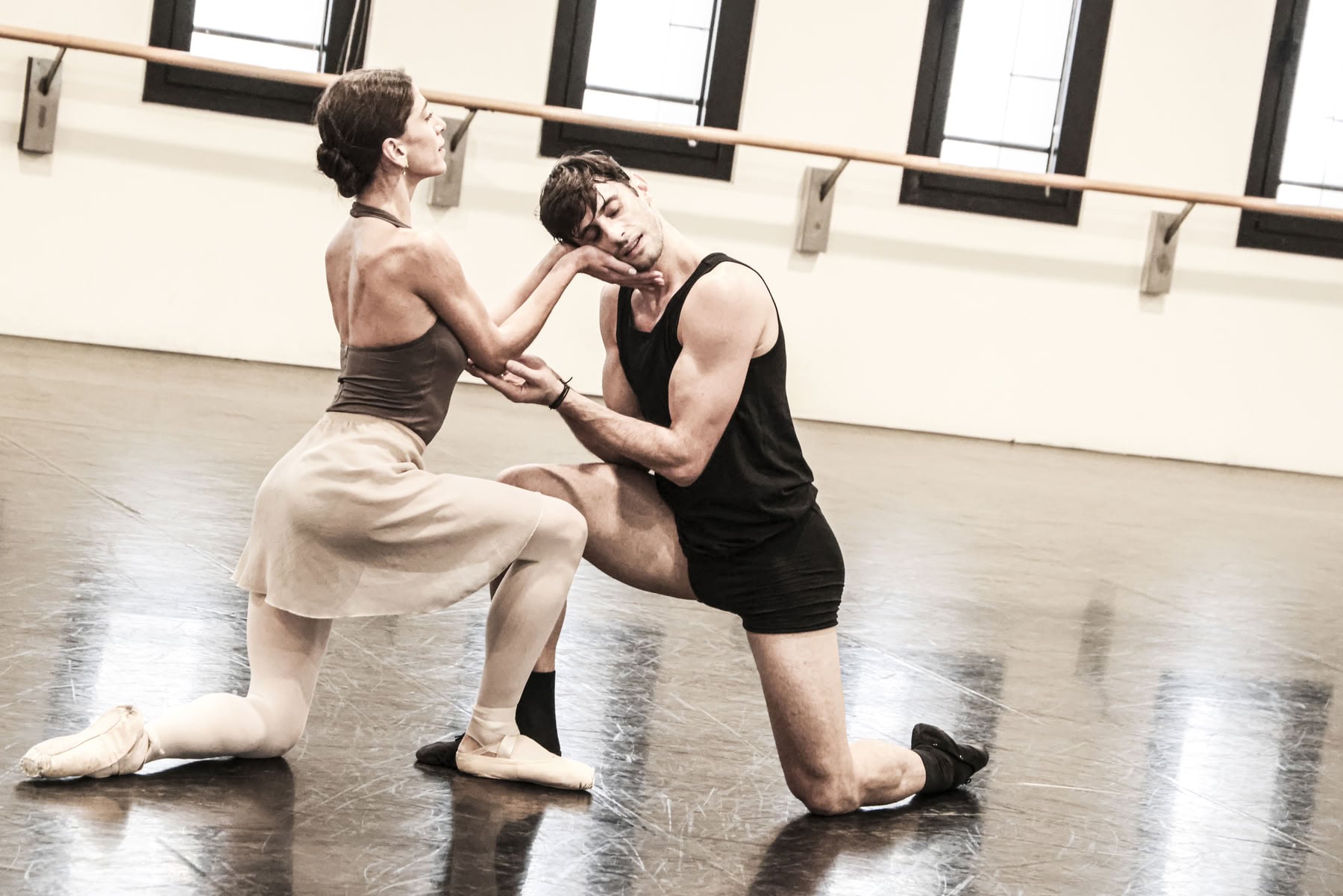
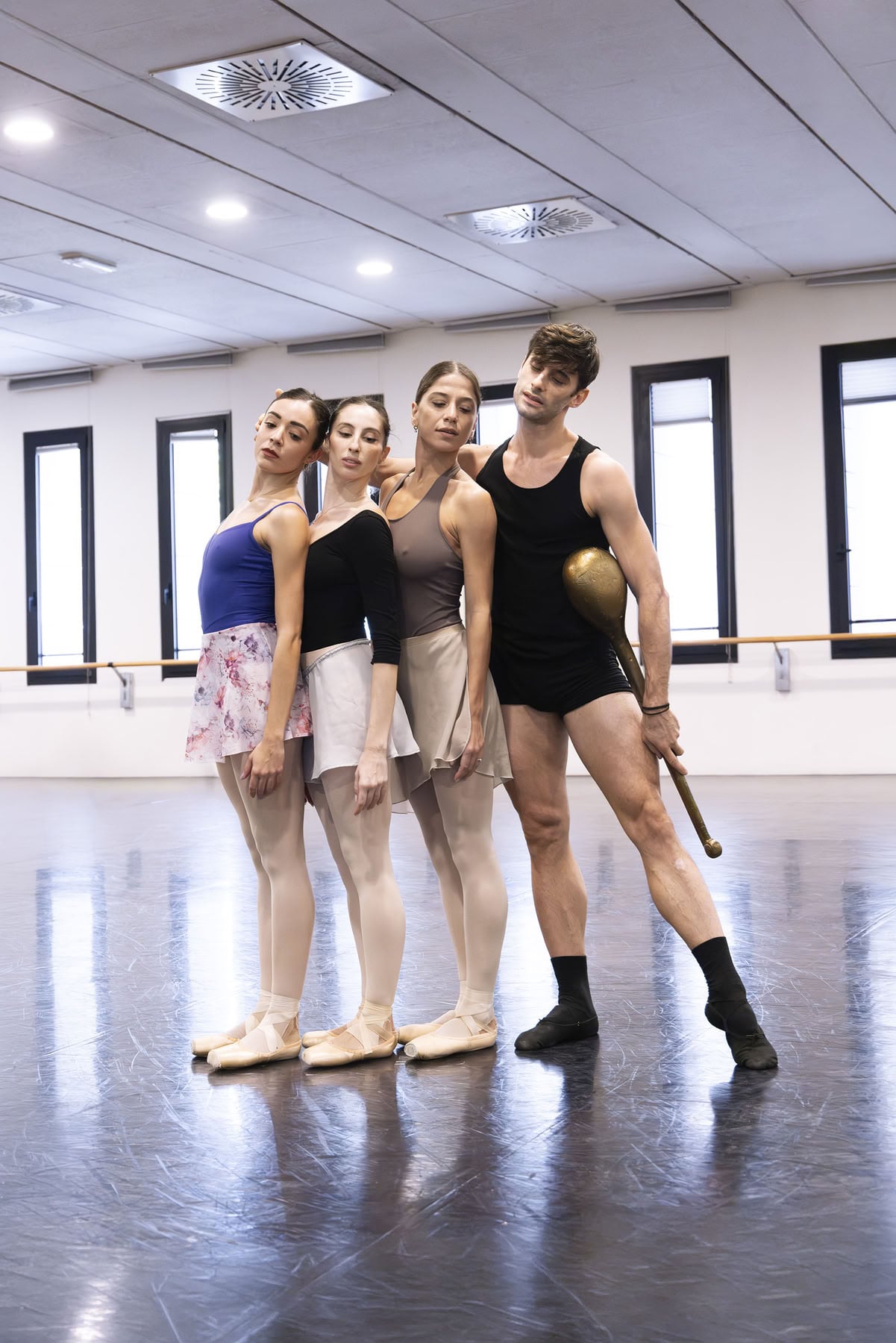
Apollo from birth
Frédéric Olivieri, director of La Scala’s ballet company, last brought Apollo back to the theatre in 2009. Talking to Valentina Bonelli for La Scala’s magazine, he sets its “linear formal purity” against the “telluric violence” of Bausch’s Sacre.
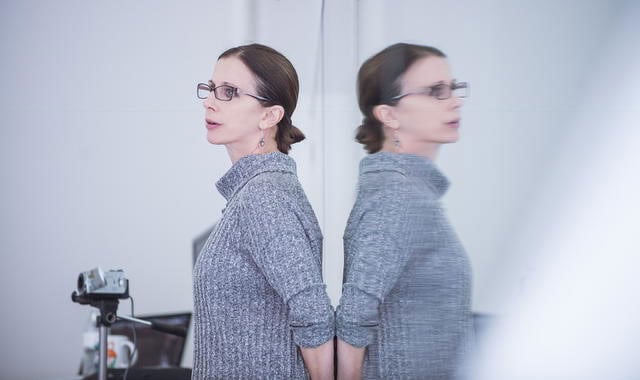
Sandra Jennings, a former New York City Ballet principal taken into the company by Balanchine himself, is staging the complete ballet. That includes the prologue in which Apollo is born to Leto, attended by two handmaidens, with a constructivist staircase against a blue backdrop. “I believe the ballet, which today is mostly performed without this first part, takes on a different meaning when it is seen in its entirety,” she says.
Her model is Jacques d’Amboise, who danced Apollo for some 20 years and with whom she later worked at San Francisco Ballet. “The birth scene suited Jacques perfectly because, as Balanchine intended, the newborn god was capricious, almost angry, and he could convey that,” she says. Nor does she accept that the ballet is abstract: “For many, Apollo is an entirely contemporary, absolutely abstract ballet: a series of steps without meaning. Not for me. All the steps have meaning in their apparent simplicity.”
She makes one physical demand of her Apollos – that they shave, “because at the beginning the god has just been born”. Roberto Bolle, who first danced the role at 21, has never worked with her before. “I’m happy to begin with Apollo, one of his great roles,” she says.
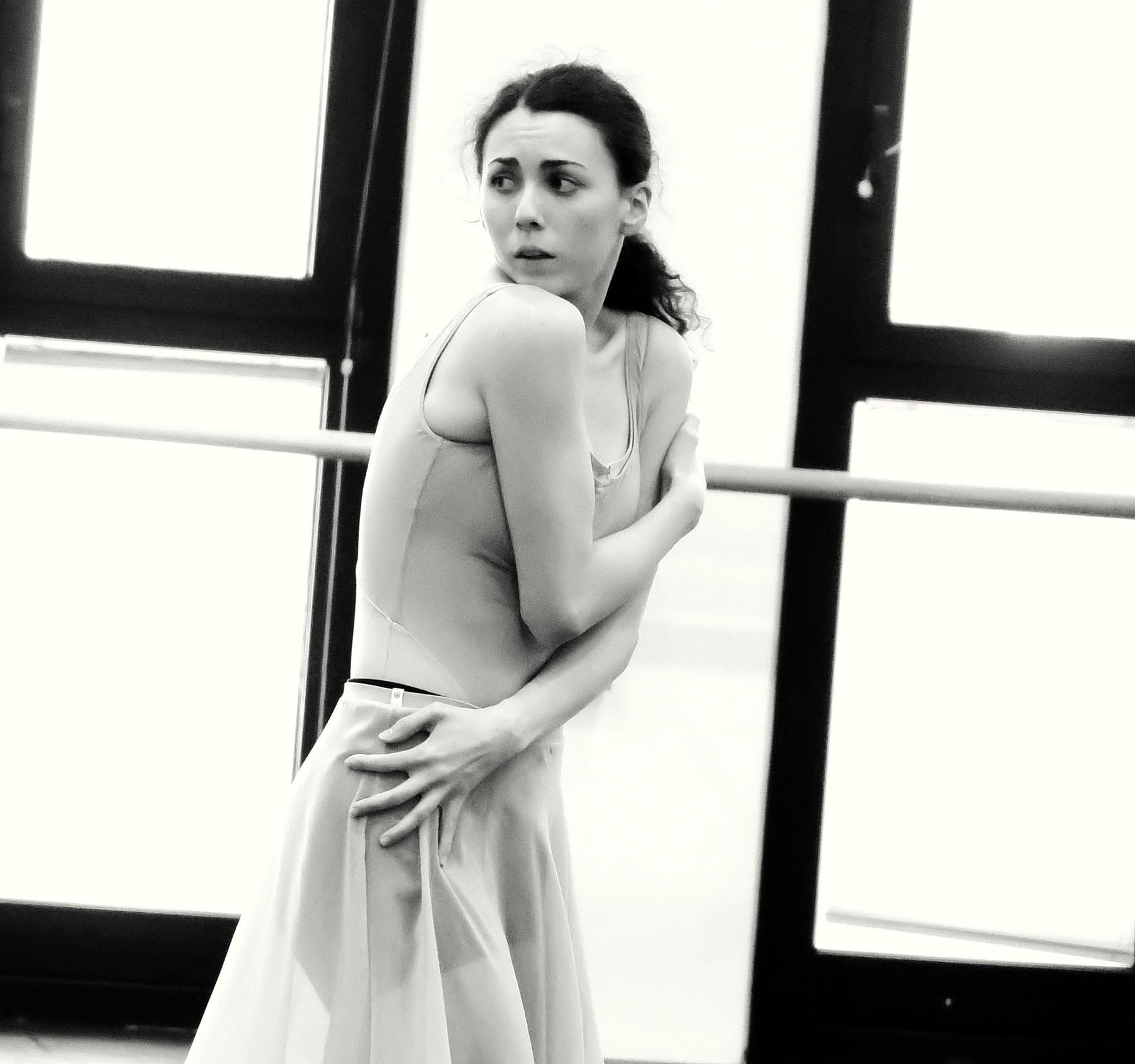
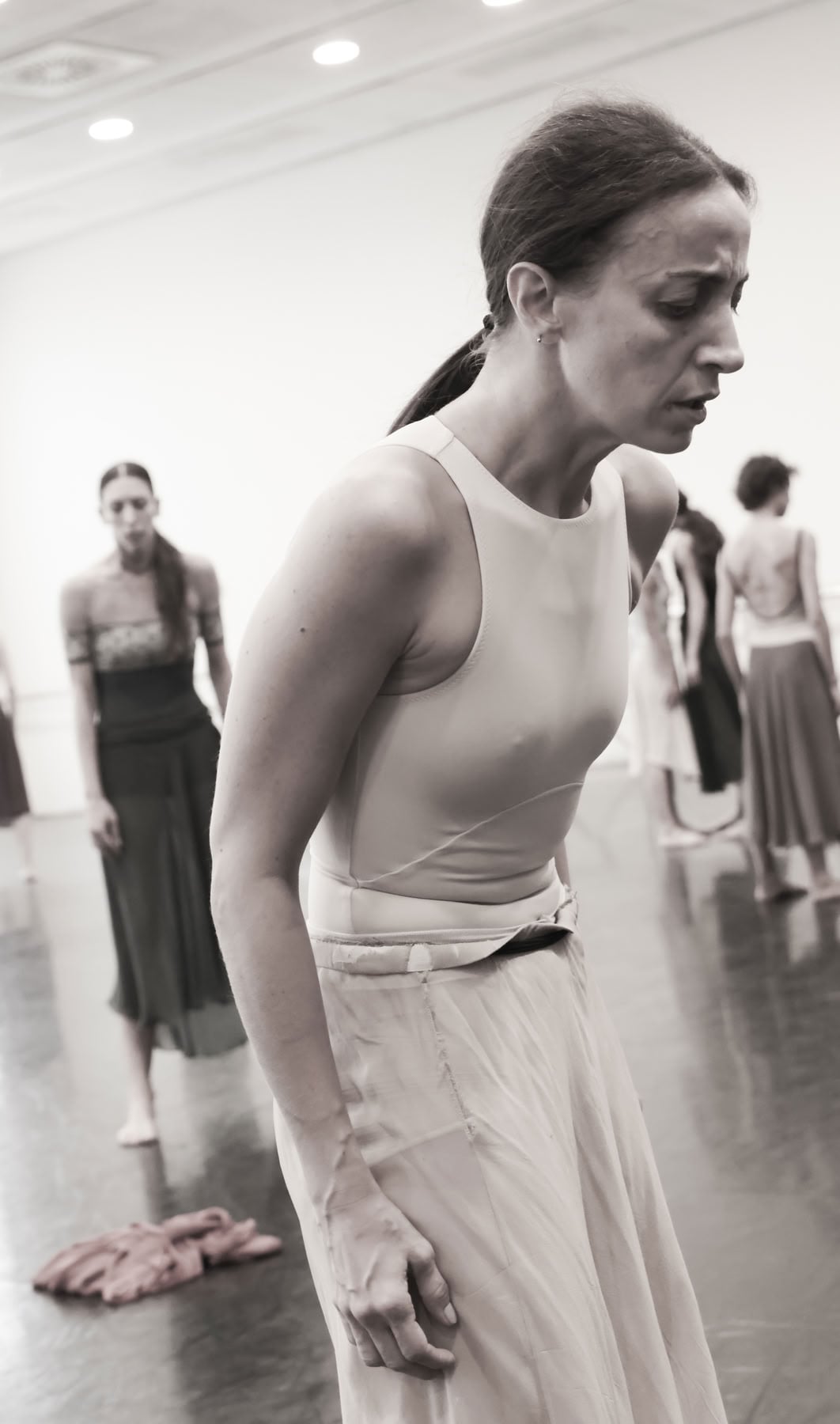
Bausch’s ritual
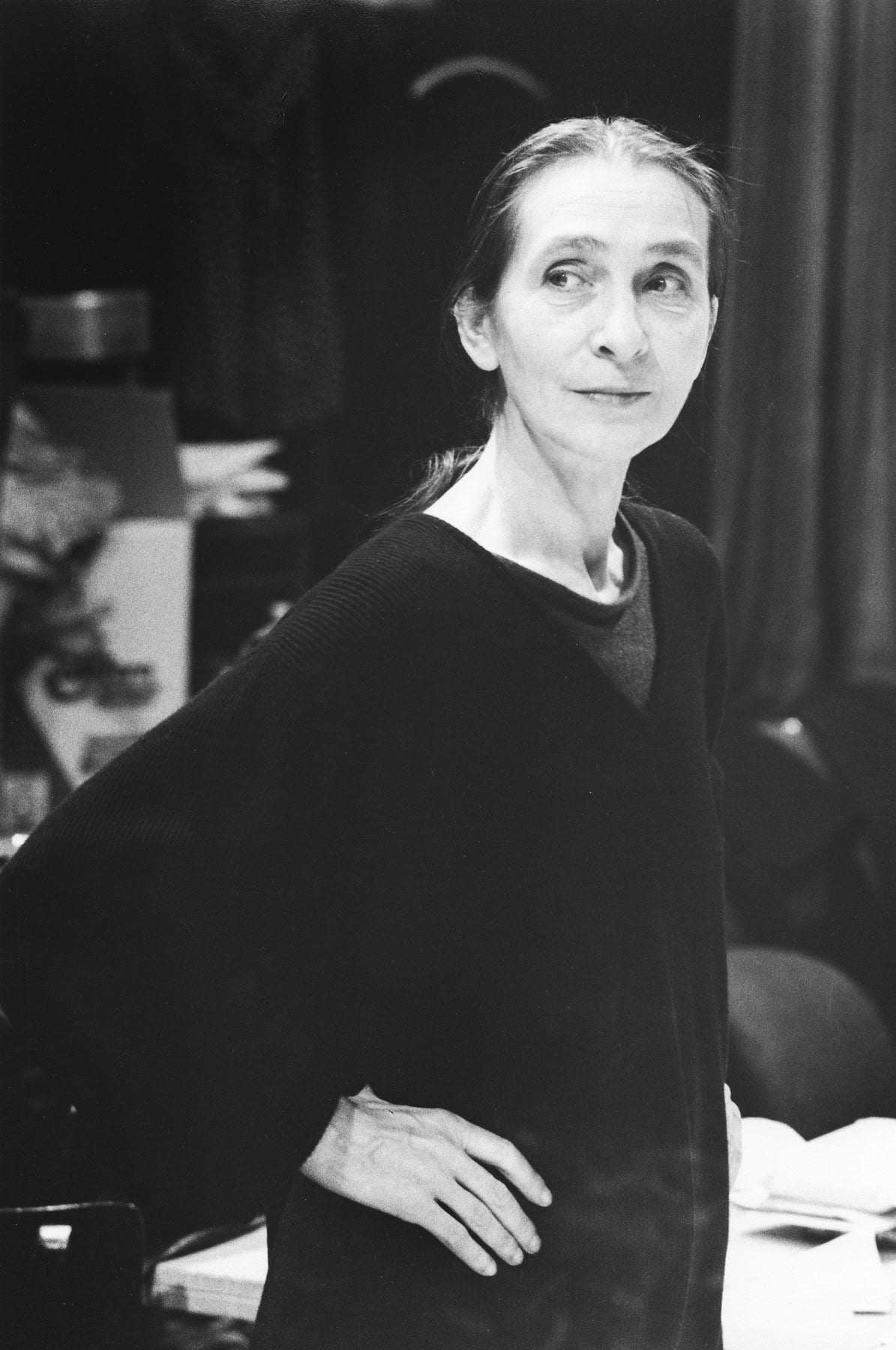
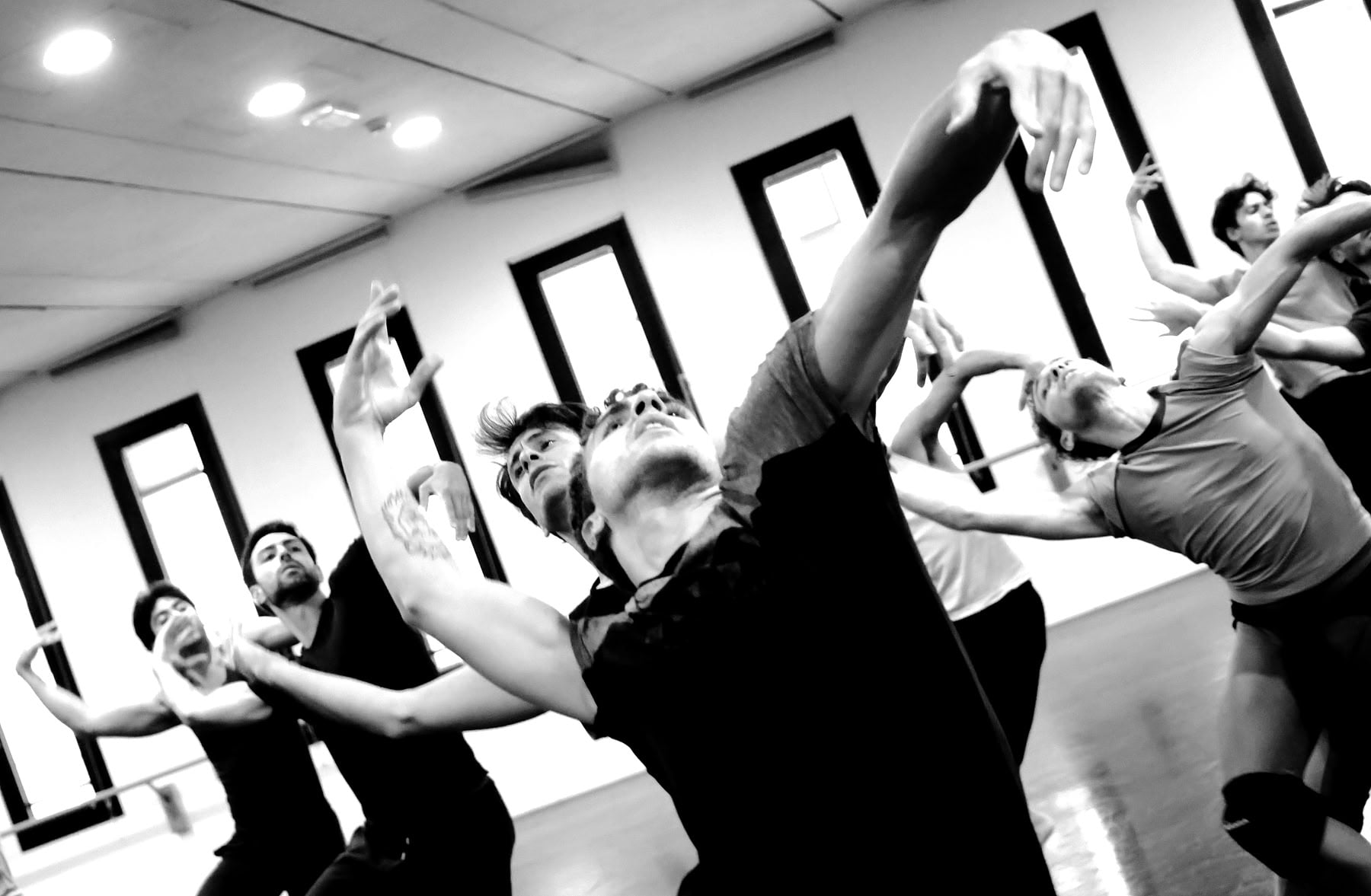
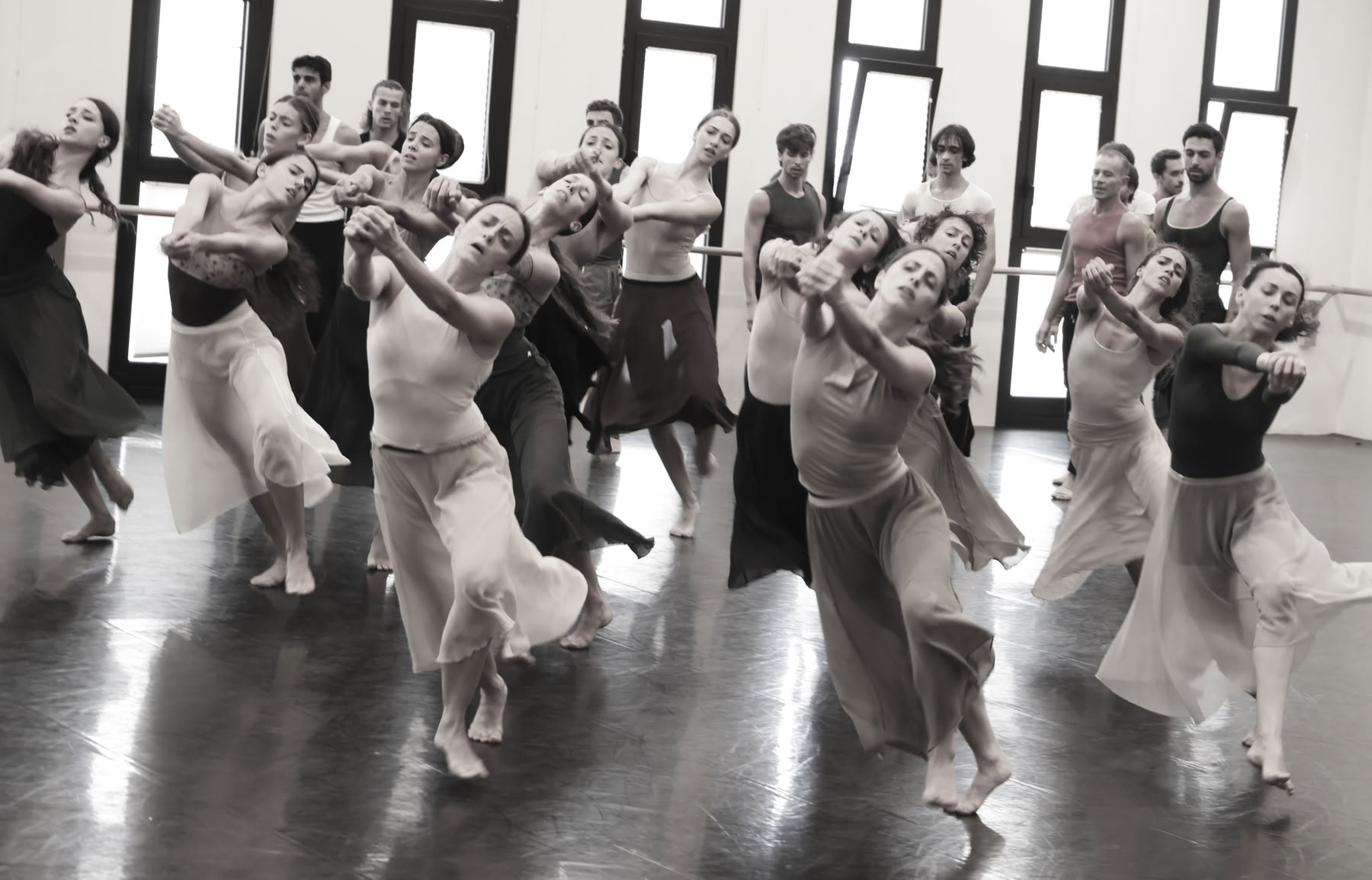
Pina Bausch created Le Sacre du printemps for Tanztheater Wuppertal in 1975, with sets and costumes by Rolf Borzik. La Scala calls it a foundation stone of contemporary dance and describes its “emotional rawness, of rare expressionist force, earthy and dramatic in the visceral quality of an ancient ritual”.
The new production is a co-operation with the Pina Bausch Foundation. Josephine Ann Endicott is artistic director of the restaging.
Bausch explained what dance meant to her in 1999, when the University of Bologna gave her an honorary degree in the arts, music and performing arts:
Dancing must have a foundation other than pure technique and routine. Technique is important, but it is only a prerequisite. Some things can be said with words, others with movement. But there are also moments when we are left speechless, completely lost and disoriented, no longer knowing what to do. This is where dance begins, and for reasons that have nothing to do with vanity. Not to show that dancers can do something an audience cannot. We have to find a language – with words, with images, movements, atmospheres – that lets us sense something that has always been within us. It is a very precise knowledge. Our feelings, all of ours, are very precise. But it is a very, very difficult process to make visible. I know very well that this is something we have to be very careful with. If it is put into words too quickly, it can disappear or become banal. Even so, it is a very precise knowledge that we all possess, and dance, music and so on are very exact languages through which that knowledge can be sensed.
It is not about art, nor even about mere ability. It is about life, and so about finding a language for life. And it is always, I repeat, about something that is not yet art, but which perhaps could become art.
Unlearning ballet
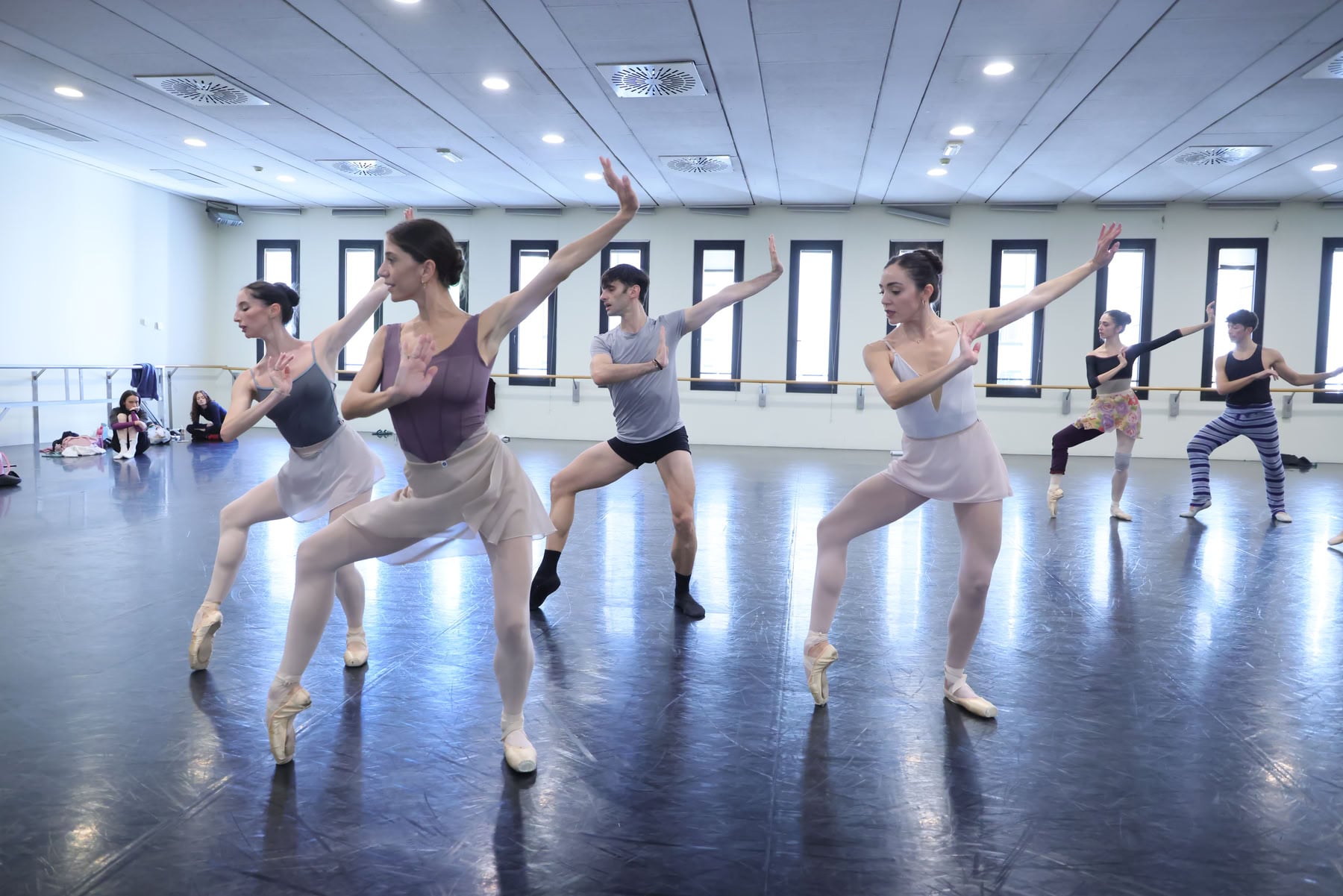
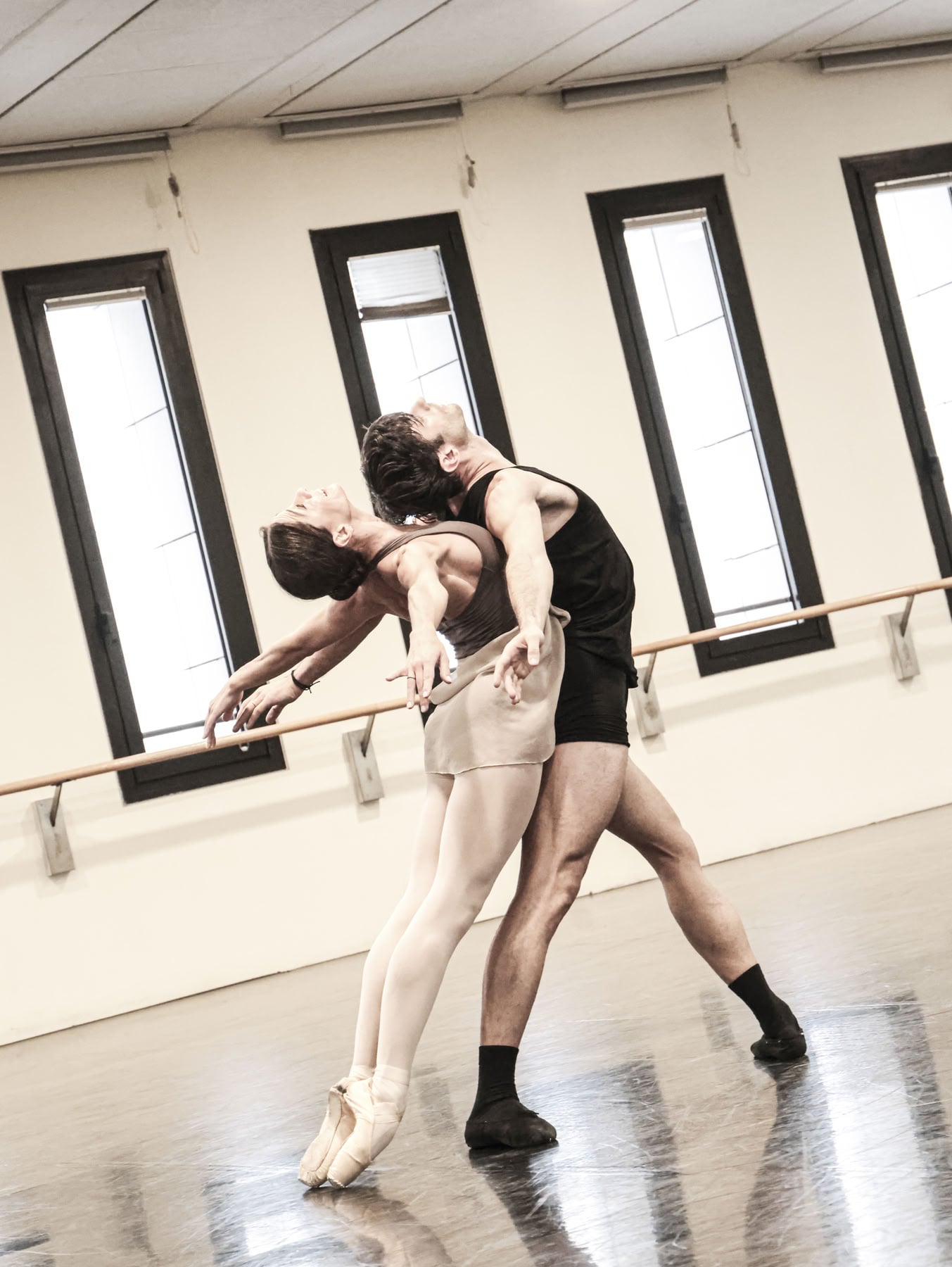
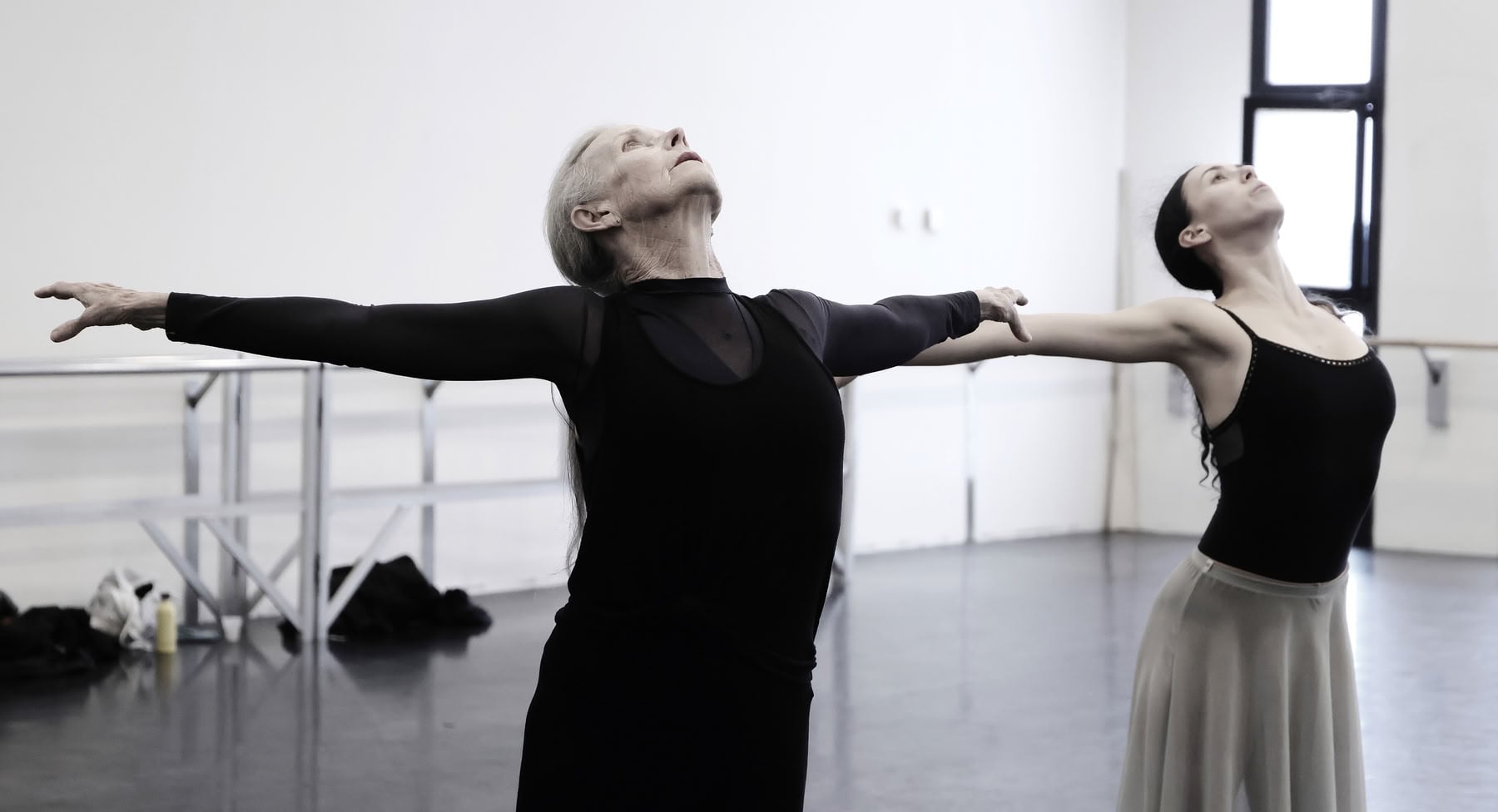
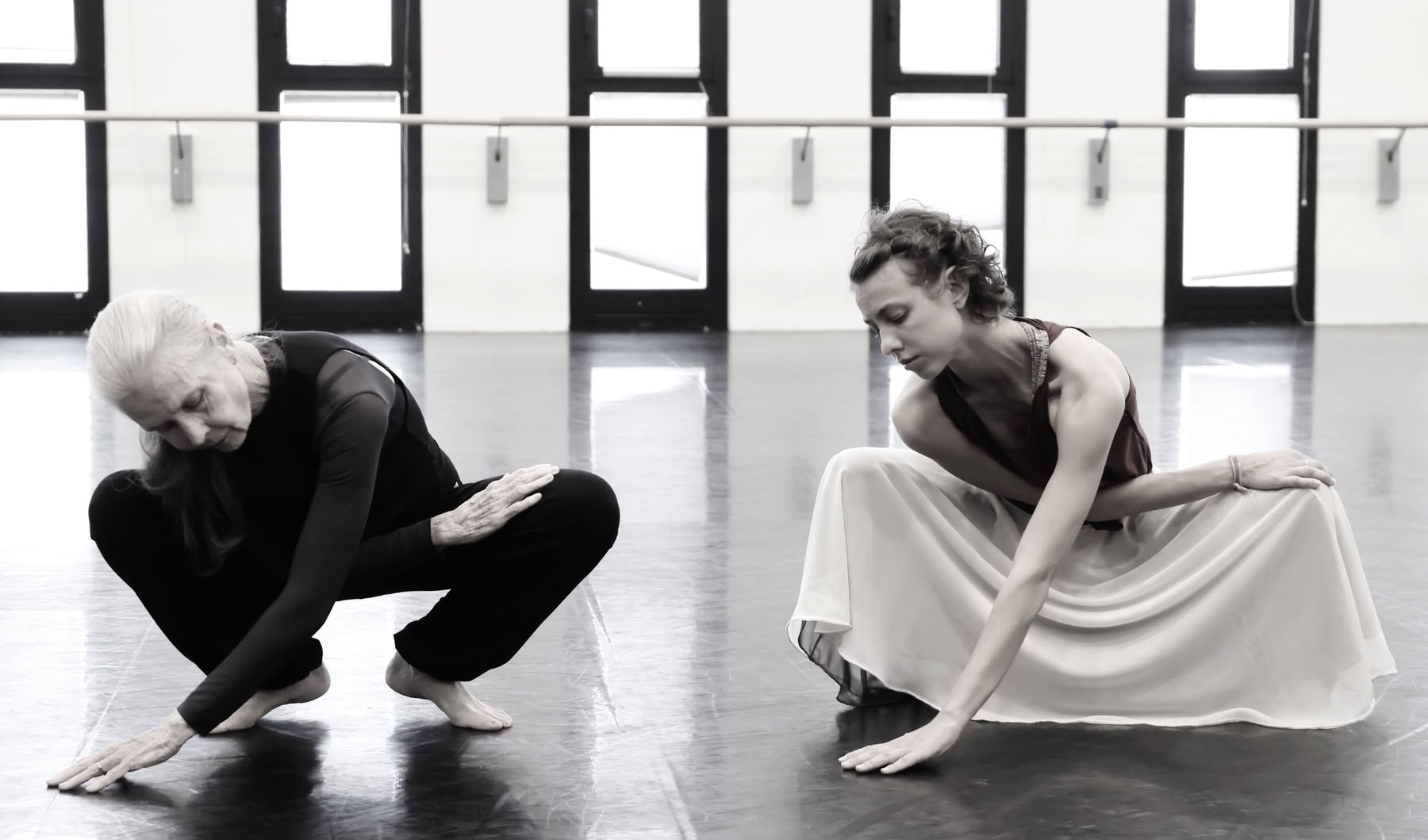
Endicott joined Tanztheater Wuppertal in 1973 as a 22-year-old Australian classical dancer and stayed for more than 30 years. In 1997 Bausch asked her to help teach Le Sacre to the Paris Opéra Ballet – the first time Bausch allowed another company to dance one of her works. Speaking to Maria Luisa Buzzi for La Scala’s magazine from the theatre’s rehearsal room, she explains what the piece asks of ballet dancers:
In Sacre we look for almost the opposite of what we were taught for years about ‘being a classical ballerina’. No make-up, no false eyelashes, no hair pulled tightly back into a bun, no flesh-coloured tights for the men, no beautiful costumes creating an idealised world. The work asks the dancers to put their weight into the floor, to breathe in and out with the movement, to walk naturally, to run with the chest forward. Not to act. To be authentic. It is a completely different way of using the body.
Endicott also chose which of La Scala’s dancers, from every rank of the company, could take on the Chosen One. Marlis Alt created the role in Wuppertal on 3 December 1975; Endicott danced it many times, the last time at 52, replacing an injured dancer. She describes the solo that ends the piece:
It is a dance that demands so much of you. Every drop of energy, every ounce of willpower, to keep going, to fight and not to give up. The earth constantly pulls you down, and yet at the same time it is your strength. I remember Pina’s advice: “Plant your feet in the earth. Become one with the music. Forget the movements: become them.” … And on the last note, you fall to the ground. Dead. There’s no escape. You have given everything, and the body simply has nothing left to give.
Dates and booking
Balanchine Bausch Stravinsky
Teatro alla Scala, Milan: 7, 11, 12, 13, 14 and 21 November at 20:00; 15 November at 14:30; 18 November at 20:00; 19 November at 14:30 and 20:00.
teatroallascala.org.