La Scala’s Desdemona, Eleonora Buratto, defends the blackface tradition
As Michieletto’s new Otello drops the dark make-up, Eleonora Buratto argues that the voice has no colour – and that in Italy, blackface never carried America’s history of racist caricature.
Eleonora Buratto, who sings Desdemona when La Scala opens its season with Verdi’s Otello on 7 December, has spoken out against what she sees as political correctness in opera. In an interview with Giuseppina Manin for Corriere della Sera, the Mantua-born soprano defended the old practice of darkening the face for Otello and criticised casting by ‘quotas’.
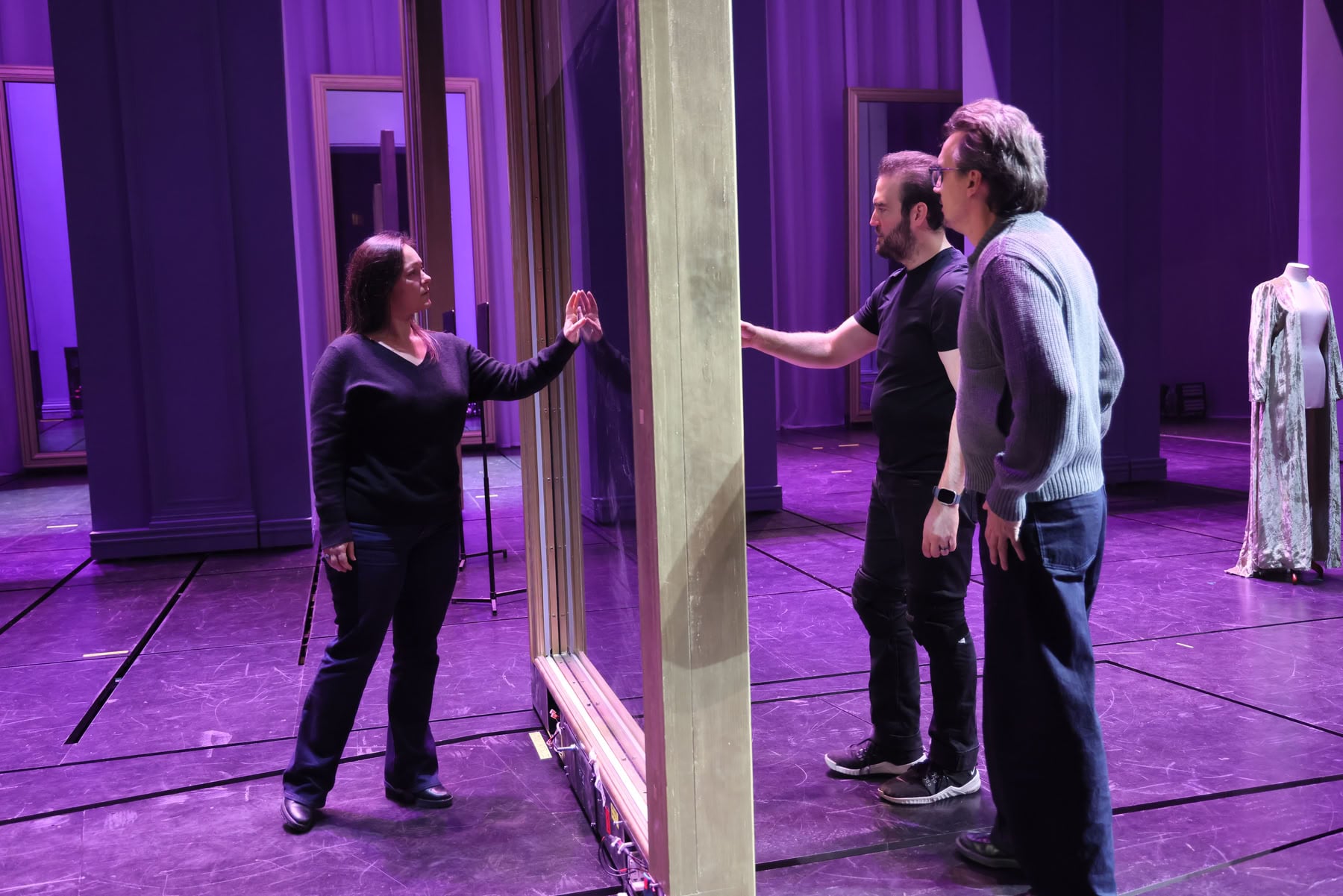
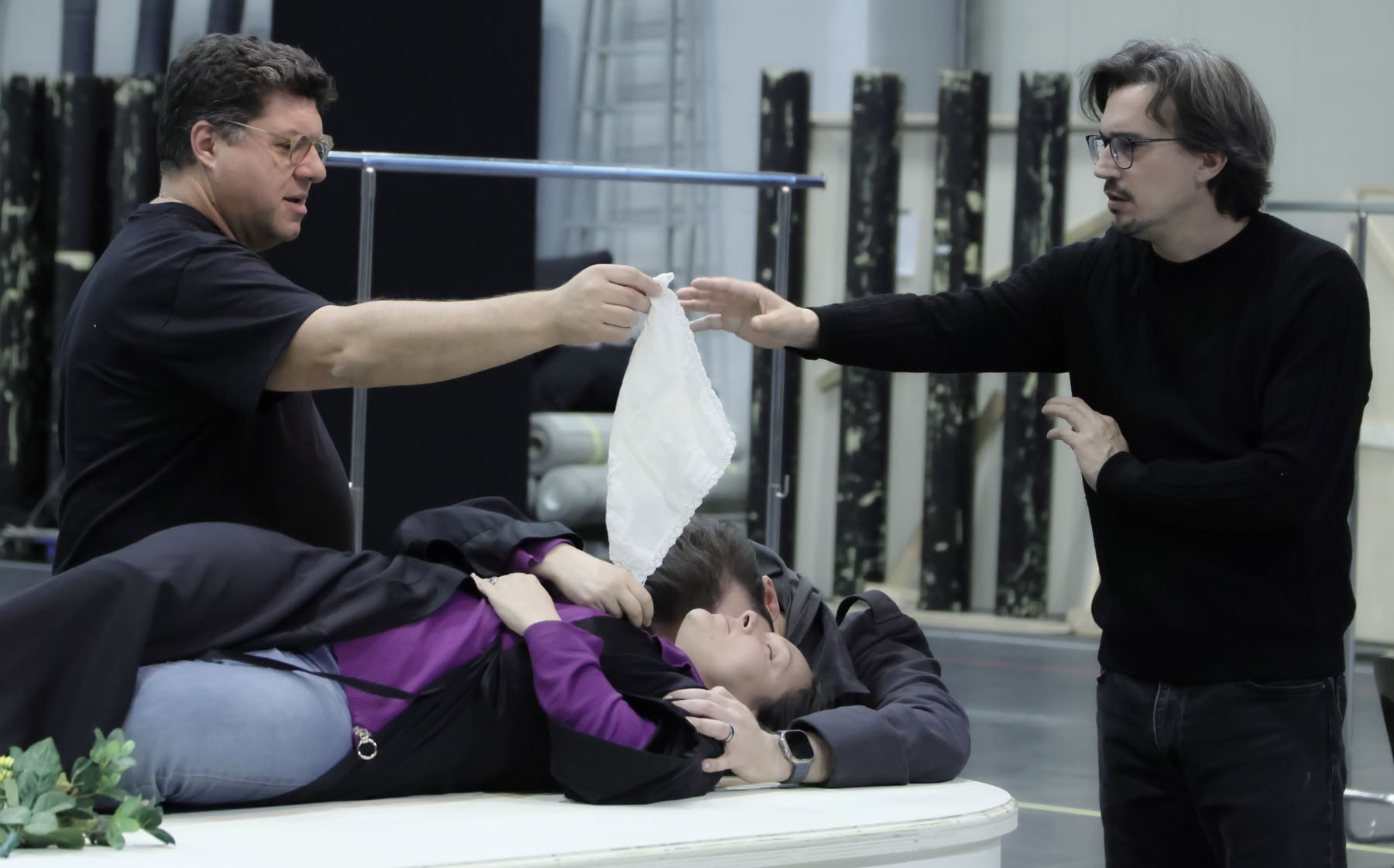
The new production is directed by Damiano Michieletto – his eighth staging at La Scala, but his first opening night – and marks Myung-Whun Chung’s debut as the theatre’s music director. Brian Jagde sings the title role, with Luca Salsi as Iago.
Blackface ‘a theatrical trick’
Like many productions of recent years, Michieletto’s Otello will not put the tenor in dark make-up – a decision La Scala announced with the season last May, and one that has been widely debated in the Italian press. Manin points out that Boito’s libretto still contains Iago’s jibe about ‘i foschi baci di quel selvaggio dalle gonfie labbra’ – ‘the dark kisses of that thick-lipped savage’.
Buratto is unmoved. Every opera belongs to its time, she argues, and the line is given to Iago, the worst of men. In her view, the objection to blackface grew out of the United States and its history of racist caricature – a past she says Italy does not share. Here, she maintains, darkening the face for Otello or Aida has been “only ever a theatrical trick, with no offensive connotation”.
‘The voice has no colour’
She also describes what she calls a kind of reverse racism directed at her. When she sang Cio-Cio-San in Madama Butterfly at the Metropolitan Opera, someone complained that the role should have gone to an Asian singer. Follow that logic, she says, and an Asian soprano could sing only Butterfly or Turandot, while Black singers would be confined to Otello, Aida and Porgy and Bess – which she calls “madness”.
“Opera knows no racism, the voice has no colour, and anyone can perform any role,” she says. She goes on to claim that many theatres now build casts around percentages of minority performers, and that who is best suited to a role has come to matter less.
Desdemona’s mystery
On the role itself, Buratto told Manin that Desdemona’s dying words – when she refuses to name Otello as her killer – disturb her every time she sings them. She recognises how the opera resonates at a time of frequent violence against women in Italy, but sees Desdemona as answering brutality with goodness: a woman who defied society and her father for Otello, and who still wants to save him.
A believer herself, she treats the ‘Ave Maria’ as a genuine prayer. Chung, she says, keeps reminding her of Desdemona’s purity – and at that moment, “I really do pray”.
A wedding dress worth copying
Carla Teti’s costumes give Desdemona four changes, among them a wedding dress Buratto likes so much she plans to copy it: she is to marry the conductor Emanuele Quaranta next year.
Giuseppina Manin’s full interview is published in Corriere della Sera.
Otello opens La Scala’s 2026/2027 season on 7 December,
broadcast live on Rai1, Radio3 and RaiPlay, following an Under30 preview on 4 December.
Performances continue until 5 January 2027.
Roberta Mantegna sings Desdemona on 29 December and 2 and 5 January, with Arsen Soghomonyan as Otello and Roberto Frontali as Iago.