Monteverdi Festival 2027: love and its contradictions, from Cavalli’s Giasone to Monteverdi’s Ulisse
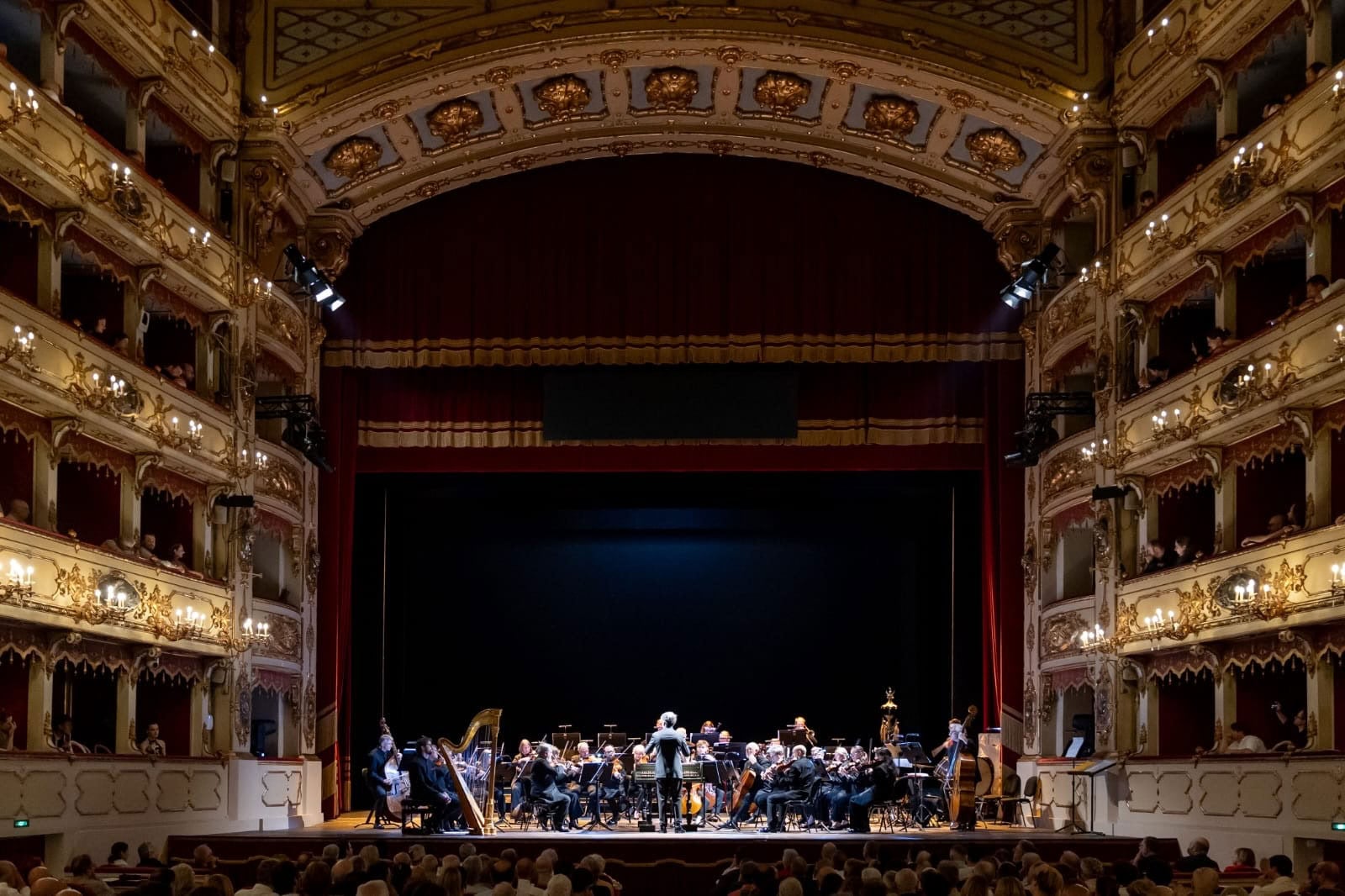
Cremona’s 44th festival runs from 6 to 20 June. It opens with the Vespers sung by I Fagiolini, and the operas include a new Giasone with Carlo Vistoli and an Ulisse told with marionettes.
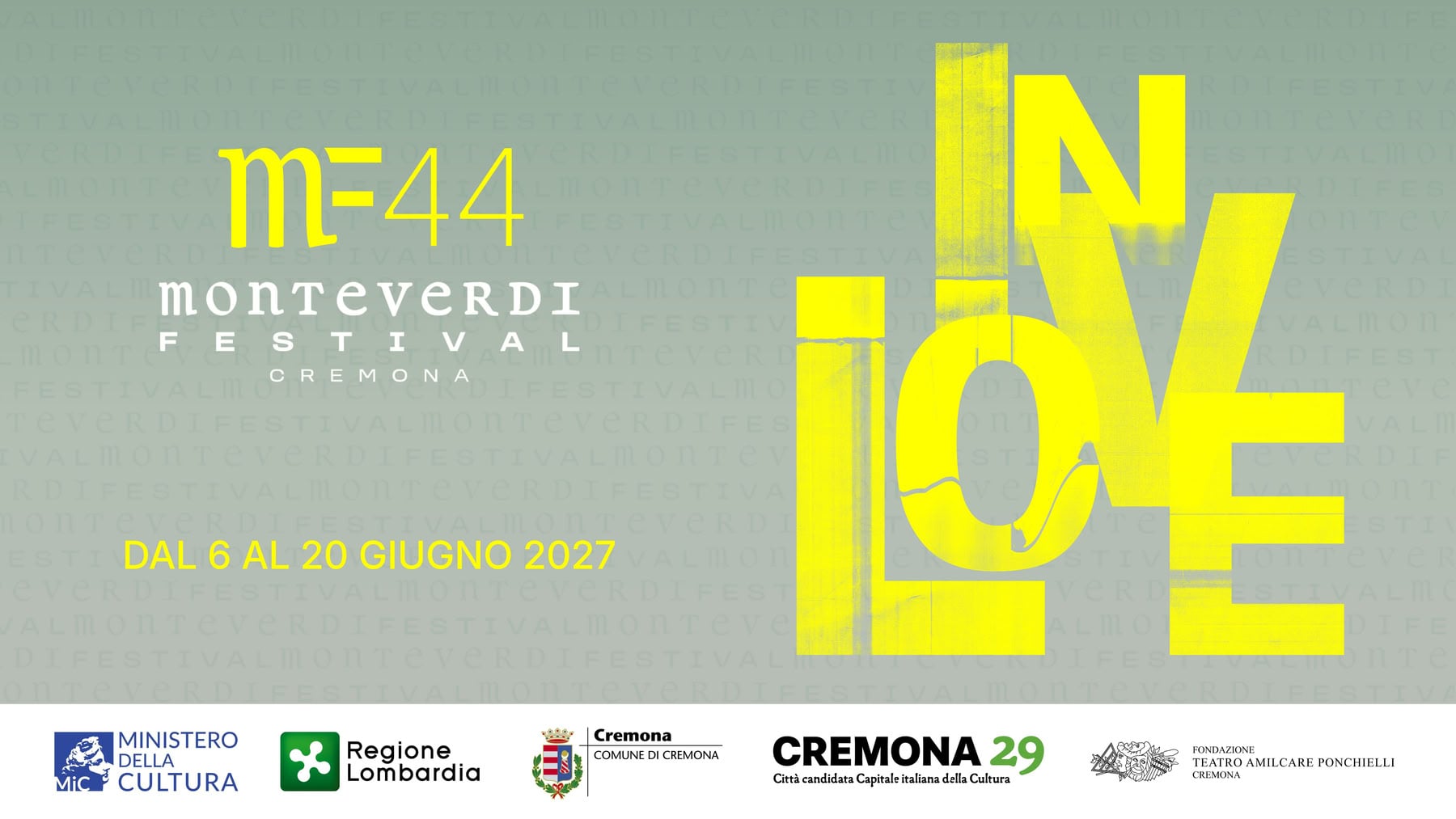
Love in its many forms is the theme of the Monteverdi Festival 2027, which runs in Cremona from 6 to 20 June. The 44th edition of the festival dedicated to the city’s most famous son – the composer regarded as the founding father of opera – is titled ‘IN LOVE’, and turns to the great amorous archetypes of myth to explore how 17th-century music theatre still speaks to us about human passions and their contradictions.
The programme spans four centuries of music and theatre, with three operas: Francesco Cavalli’s Il Giasone, in a new festival production directed by Moshe Leiser and Patrice Caurier; Claudio Monteverdi’s Il ritorno di Ulisse in patria, performed with the Carlo Colla & Figli marionette company; and Silvia Colasanti’s Il Minotauro, a contemporary retelling of the myth. Alongside the operas come Emilio de’ Cavalieri’s Rappresentatione di Anima et di Corpo, a full concert programme, talks, and events that take music into Cremona’s historic buildings and everyday spaces, including the new Cembalo City.
Andrea Nocerino, the festival’s artistic director, explains the thinking behind this year’s theme:
The 44th edition of the Monteverdi Festival is first and foremost a declaration of love to Claudio Monteverdi, to his music and to his extraordinary modernity. The 17th century is the century of the affections and of wonder, of contrasts and excess, able to set sweetness beside fury, the sacred beside the profane. At a time when the forms of our relationships are changing profoundly, this repertoire invites us to ask how we experience love, desire and their contradictions today.
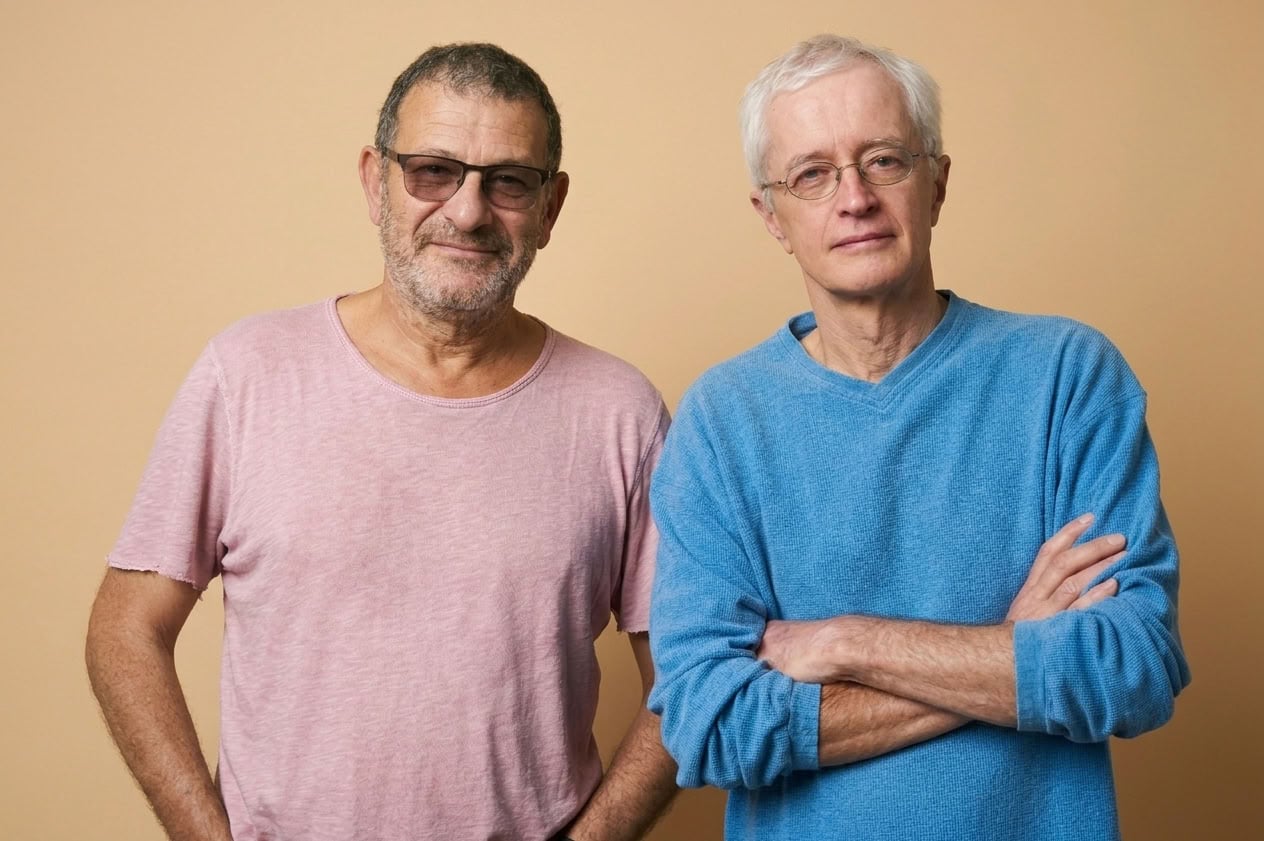

Cavalli’s Il Giasone opens the opera season
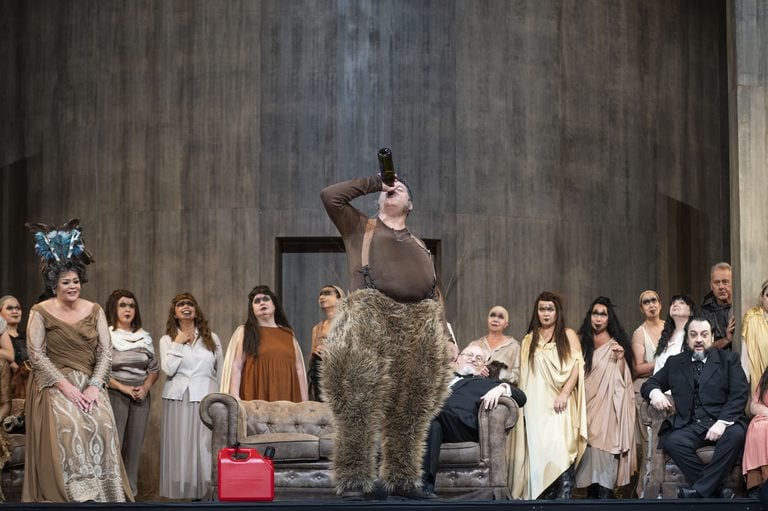
The new production of Cavalli’s Il Giasone opens the opera programme at the Teatro Ponchielli on Friday 11 June, with a second performance on Sunday 20 June. After the festival’s exploration in recent years of the Venetian composer, who was Monteverdi’s pupil, it now presents one of his most celebrated and successful works, composed in 1649 – ten years after Le nozze di Teti e di Peleo, which was staged at last year’s festival. Sensual, irreverent and full of twists, the opera turns the myth of the Argonauts into a tangle of infidelity and deceit.
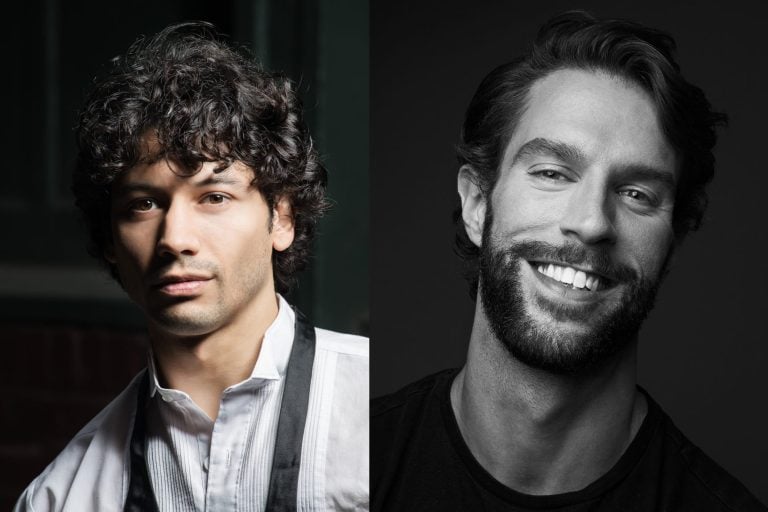
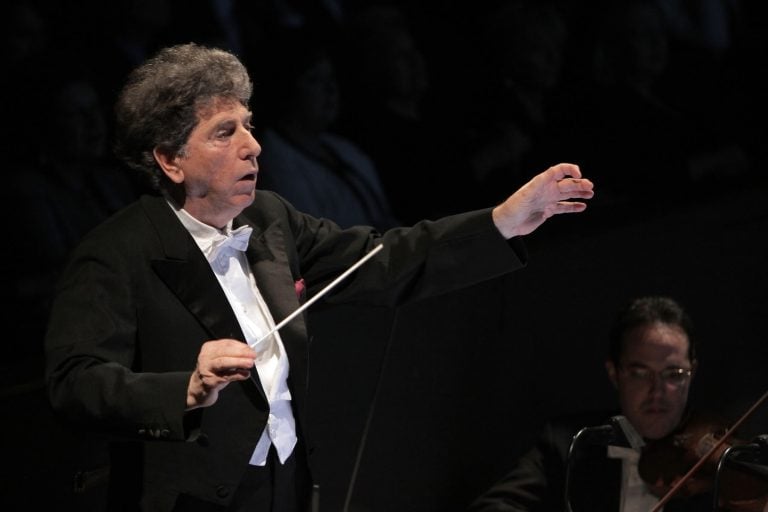
Moshe Leiser and Patrice Caurier, one of the leading directing partnerships in international opera, take on a libretto that constantly switches between the epic and the comic. The title role is sung by the countertenor Carlo Vistoli, while Luciana Mancini, one of the most respected voices in baroque repertoire, is Medea. Antonio Greco conducts Cremona Antiqua, the festival’s resident orchestra.
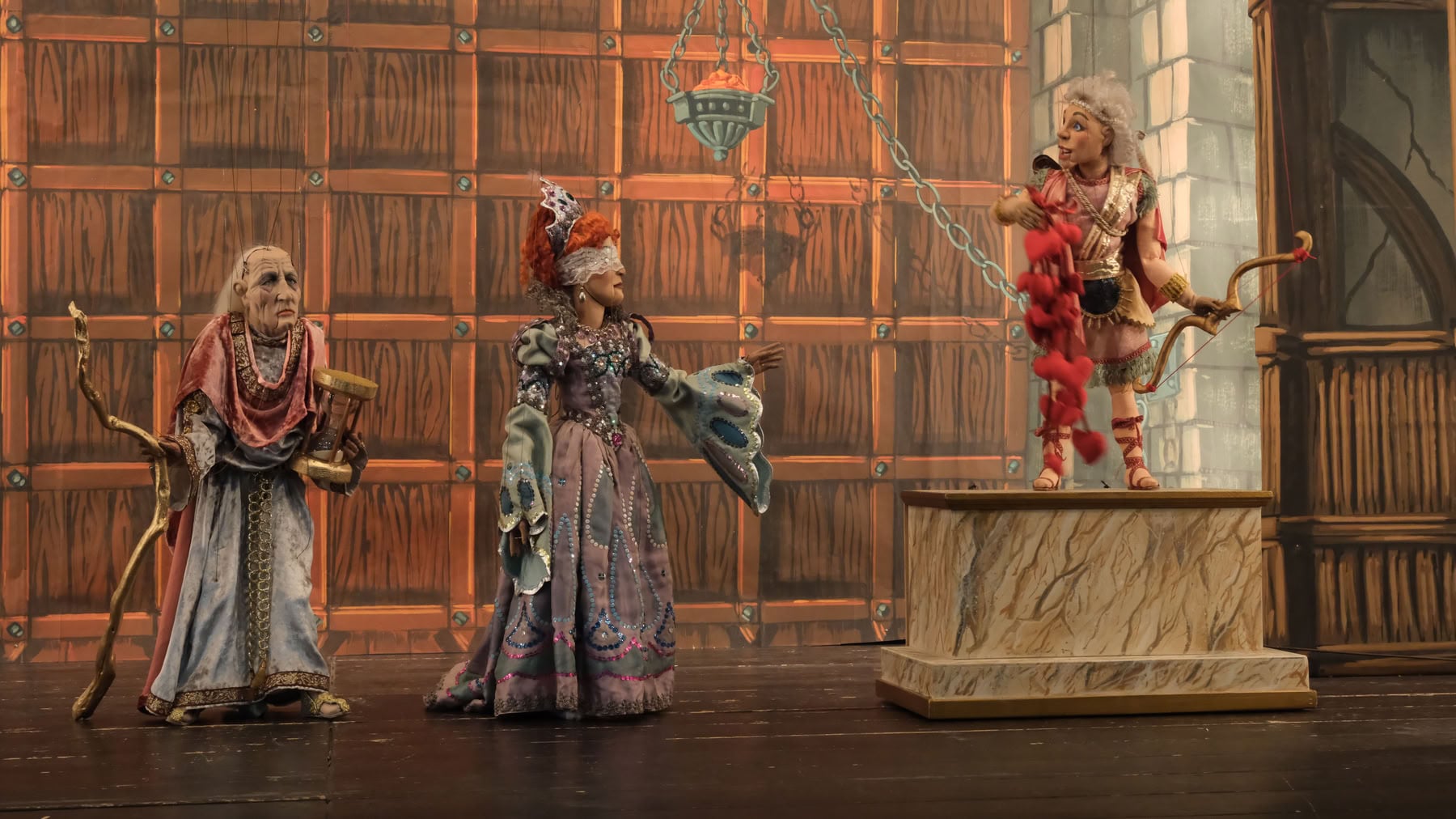
Il ritorno di Ulisse in patria with marionettes
Love that endures time and distance is the subject of Monteverdi’s Il ritorno di Ulisse in patria, at the Teatro Ponchielli on Sunday 13 June. After a successful premiere at the Salzburg Whitsun Festival in 2026, the production – which tells Monteverdi’s masterpiece through the centuries-old tradition of marionette theatre – comes to Cremona. It is directed by Franco Citterio and Giovanni Schiavolin, with Gianluca Capuano conducting Les Musiciens du Prince – Monaco. Vito Priante sings Ulisse and Sara Mingardo is Penelope. The show is a co-production of the Compagnia Marionettistica Carlo Colla & Figli, the Opéra de Monte-Carlo and the Salzburg Festival.
Silvia Colasanti’s Il Minotauro
The dialogue between ancient myth and contemporary sensibility finds one of its strongest expressions in Silvia Colasanti’s Il Minotauro, on Saturday 19 June at the Teatro Ponchielli. Presented in the production from the Festival dei Due Mondi in Spoleto, the opera uses the mythological figure of the Minotaur to examine identity and our relationship with others. Benedetta Torre sings Arianna and Gianluca Margheri the Minotaur, with Nicolò Umberto Foron conducting Cremona Antiqua and Patrizia Frini reviving Giorgio Ferrara’s staging. The figure of Ariadne also recalls one of the most emblematic characters in Monteverdi’s world, the heroine of his 1608 opera L’Arianna.
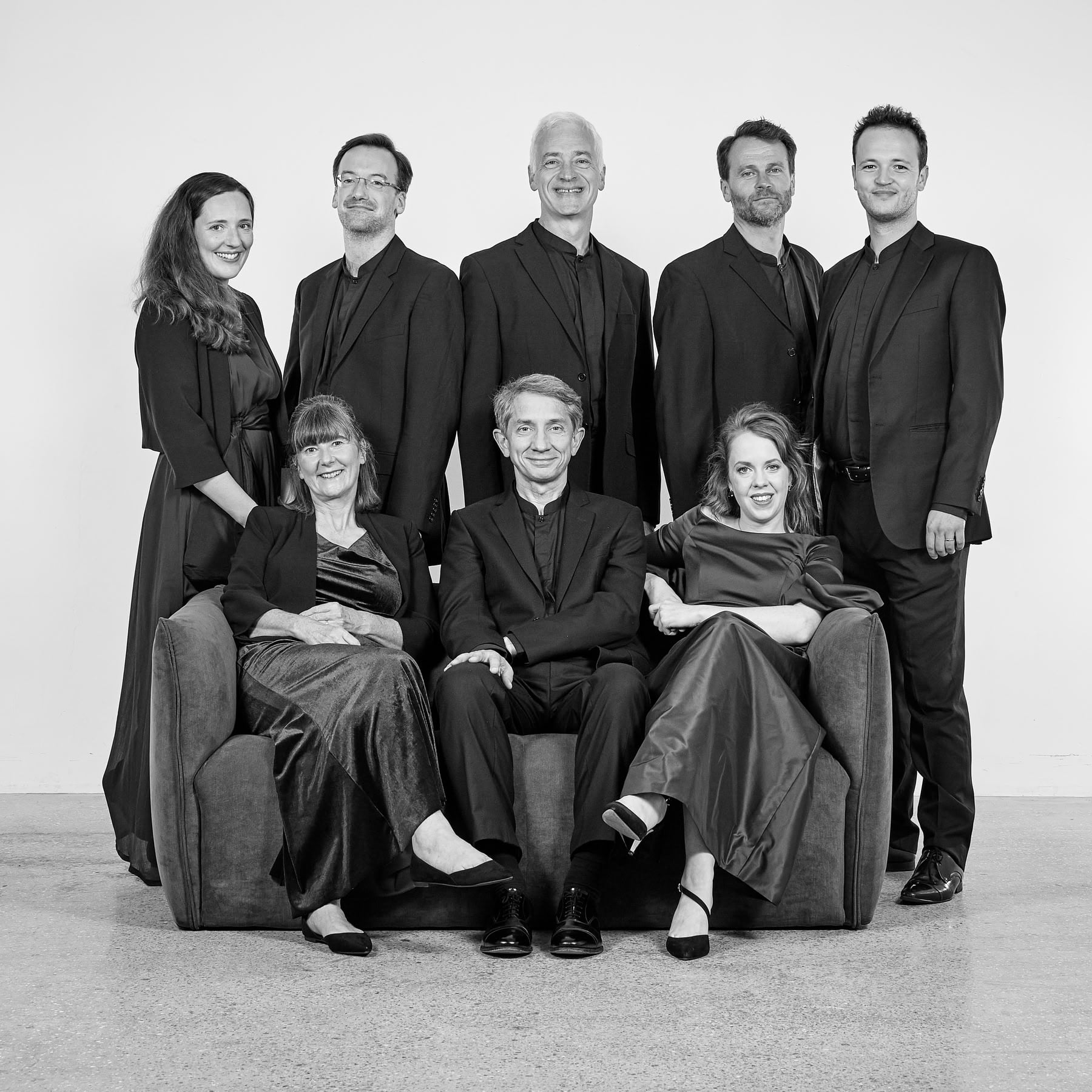
Vespers, sacred music and a new recording
Once again Monteverdi’s Vespro della Beata Vergine opens the festival, on Sunday 6 June in the Church of Sant’Agostino, performed by the British ensemble I Fagiolini under Robert Hollingworth. One of the most respected early music groups in the world, I Fagiolini released a new recording of the Vespers in September 2026 to mark the ensemble’s 40th anniversary.
The festival is also backing its first recording project: a Vespro della Beata Vergine with the Coro e Orchestra Cremona Antiqua conducted by Antonio Greco, due for release on 21 May 2027.
Among the sacred works, Emilio de’ Cavalieri’s Rappresentatione di Anima et di Corpo is performed on Friday 18 June in the Church of Sant’Agostino, with Silvia Frigato and Marco Saccardin in the leading roles. Antonio Greco conducts Cremona Antiqua and the Monteverdi Academy instrumental ensemble, in collaboration with the Conservatorio ‘Claudio Monteverdi’ di Cremona. Carlo Vistoli and Luciana Mancini, the stars of Il Giasone, also take part, performing alongside the young musicians of the Monteverdi Academy.
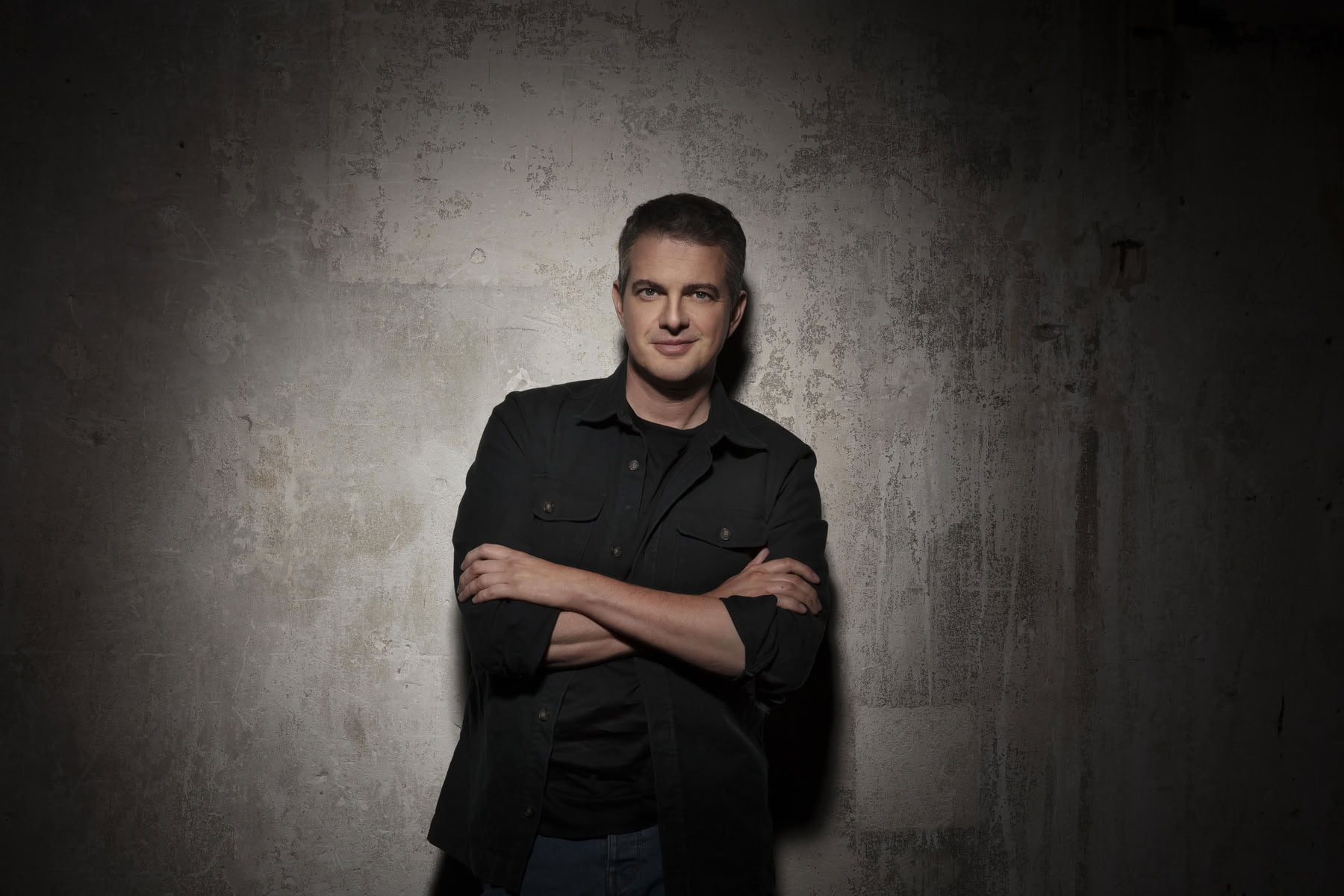
Philippe Jaroussky, Ann Hallenberg and Barbara Strozzi
A highlight of the concert programme is the Cremona debut of the French countertenor Philippe Jaroussky, on Thursday 10 June at the Auditorium Arvedi in the Museo del Violino. In Altri canti d’amor, with the male soprano and harpsichordist-director Federico Fiorio and the Karalis Antiqua Ensemble, Jaroussky explores vocal music by Monteverdi, Merula and Cavalli, tracing the different ways love is expressed in 17th-century music.
On Saturday 12 June, also at the Auditorium Arvedi, the Swedish mezzo-soprano Ann Hallenberg performs Monteverdi e l’Europa. Il viaggio di un nuovo linguaggio (Monteverdi and Europe: the journey of a new language) with Divino Sospiro, conducted by Massimo Mazzeo. Starting from Monteverdi and Purcell, the programme follows how the musical language born in early 17th-century Italy spread and changed.
Marking the 350th anniversary of the death of Barbara Strozzi, one of the leading figures in 17th-century vocal music, the festival dedicates Consiglio amoroso to her, with Rinaldo Alessandrini directing Concerto Italiano on Saturday 19 June. The concert pays tribute to the Venetian composer’s gift for setting the nuances of love to music, in dialogue with works by Stradella and Frescobaldi.
Madrigals and more
The madrigal – the laboratory of Monteverdi’s expressive revolution – plays a central role. On Friday 11 June, RossoPorpora, directed by Walter Testolin, performs Monteverdi’s complete Quarto libro dei madrigali (Fourth Book of Madrigals). On Thursday 17 June La Venexiana, directed by Gabriele Palomba, presents Il combattimento e altri madrigali, with Cristina Fanelli as Clorinda, Matteo Bellotto as Tancredi and Roberto Rilievi as Testo (the narrator). Teatri35 adds tableaux vivants that weave together music and the visual arts. The story of Tancredi and Clorinda, in which love and death meet tragically, is one of the most intense moments of this year’s theme.
Sacred and secular repertoire is explored in a series of further concerts: Ziani e Monteverdi. Salmi e Litanie, devoted to Venetian sacred music, with Ensemble Locatelli directed by Thomas Chigioni (9 June); Ad una voce sola, on sacred monody and the art of ornamentation, with the tenor Jacob Lawrence, accompanied by Elam Rotem on organ and Ori Harmelin on chitarrone (15 June); Dalle botteghe di Cremona ai palazzi di Venezia, a journey through instrumental music between the two cities, with Enrico Gatti and Ensemble Aurora (16 June); Miniature d’Arcadia, on the poetic and musical world of Arcadia, with Alberto Allegrezza and Dramatodia (17 June); and Monteverdi’s Scherzi musicali, a lively account of the loves of Amarilli, Fili and Clori, with Raffaele Pe and La Lira di Orfeo, in collaboration with Orfeo Week in Lodi (18 June).
On Sunday 20 June Mauro Borgioni, Simone Vallerotonda and I Bassifondi explore the myth of Orpheus and the birth of recitar cantando in À dirvi d’Orfeo, while André Lislevand covers more than two centuries of music for viola da gamba in the dawn concert.
The festival also continues to produce new projects that link music, theatre and the city’s artistic heritage. Among them is Sofonisba, devised by the soprano Anna Piroli, who performs it with the actress Matilde Vigna and the ensemble Apoteca Musica. Dedicated to the Cremonese painter Sofonisba Anguissola, it is on Sunday 13 June at the Museo Civico ‘Ala Ponzone’.
Talks, harpsichords and a festival across the city
Two study seminars are organised with the Department of Musicology and Cultural Heritage of the University of Pavia and the Fondazione Ugo e Olga Levi in Venice. L’opera si rivela returns, with listening guides to the three operas featuring their directors, conductors and singers. Two new formats complete the talks programme: Juke-box Monteverdi, in which festival artists guide audiences through landmark recordings of Monteverdi’s music, comparing performances from different eras; and Monteverdi Talk, a series that starts from 17th-century music theatre to discuss some of the big questions about relationships today, setting them against the great love archetypes of myth and baroque theatre.
The festival once again turns Cremona into a stage, using churches, museums, courtyards and historic palazzi, as well as everyday places. New this year are Cembalo City, a day devoted to the harpsichord with lecture-recitals, open rehearsals and performances in the historic centre, and CineMonteverdi, a film season on the 17th century and its great themes. There are also demonstrations of historic instruments, In tono antico, with the Museo del Violino, and pop-up performances by the Madrigalisti degli Animosi, with the Conservatorio ‘Claudio Monteverdi’. Monteverdi per i piccoli returns for children and families, including La storia di Tancredi e Clorinda by the Teatroallosso company, alongside the Monteverdi Academy and Monteverdidappertutto, which takes music into workplaces, care settings and community spaces.
Cremona and Lombardy
Francesca Caruso, councillor for culture of the Lombardy regional government, said:
The Monteverdi Festival is one of the most significant expressions of Lombardy’s extraordinary musical tradition… Rediscovering Monteverdi means not only safeguarding a precious legacy, but making relevant again a genius who continues to speak to our time. The strength of this festival lies precisely in its ability to turn memory into the future, making Cremona an ever more important point of reference on the international music scene.
Andrea Virgilio, the mayor of Cremona and president of the Fondazione Teatro Ponchielli, said: “For Cremona the Monteverdi Festival is much more than an arts event: it is one of the most significant expressions of our cultural identity and of the deep bond that unites the city with the figure and legacy of Claudio Monteverdi.” He credited the festival’s international growth to the quality of its artistic project and to teamwork between the Teatro Ponchielli, institutions, foundations and local organisations, and linked it to the city’s bid to become Italian Capital of Culture 2029: “The Monteverdi Festival is one of its cornerstones: it tells our story, but above all it shows our ability to turn a great tradition into a contemporary project, open to the world and able to generate new cultural, tourism and economic opportunities.”
Monteverdi Festival 2027, ‘In Love’, Cremona, 6–20 June 2027.