
[Review] Francesca Hayward and Marcelino Sambé ‘infectious and genuine’ in The Royal Ballet’s Manon

Matthew Paluch sees The Royal Ballet’s Manon as it celebrates 50 years on stage.
| Title | Manon |
| Company | The Royal Ballet |
| Venue | The Royal Opera House, London |
| Date | 18 January 2024 |
| Reviewer | Matthew Paluch |
Manon has turned 50!
Well actually she’s 293… but what better way to celebrate a big birthday than running a season of shows at your favourite venue – the Royal Opera House.
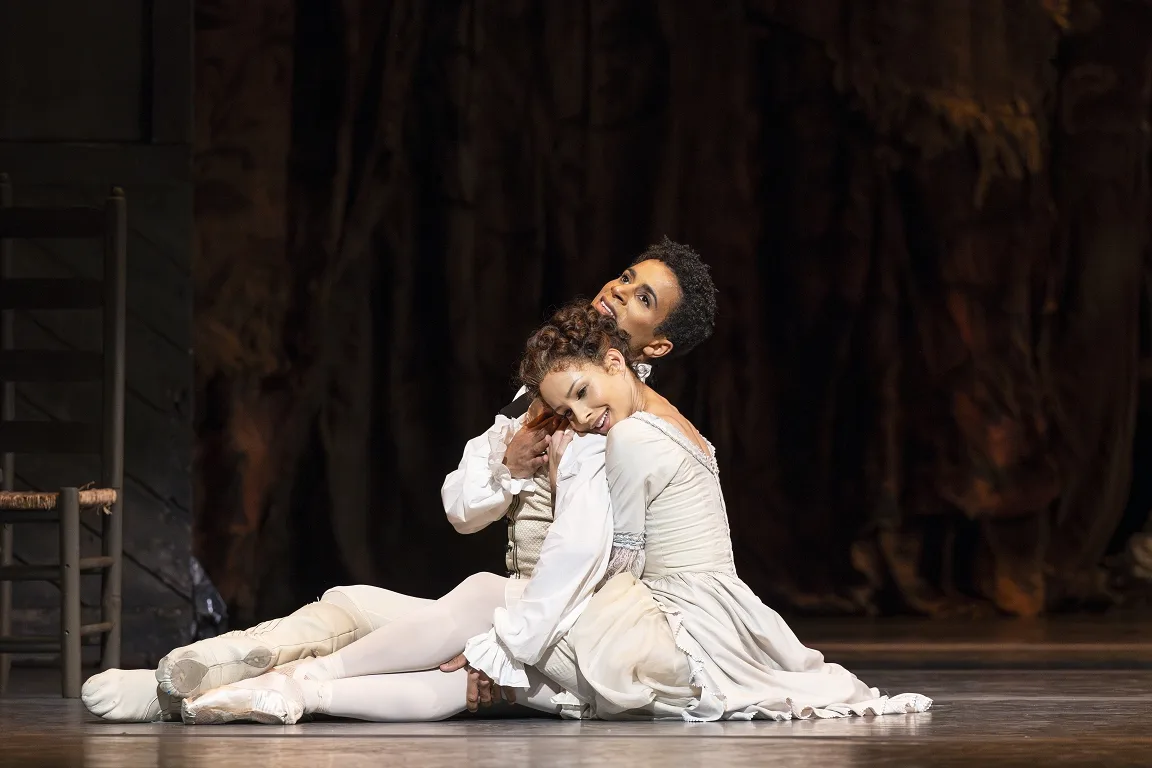
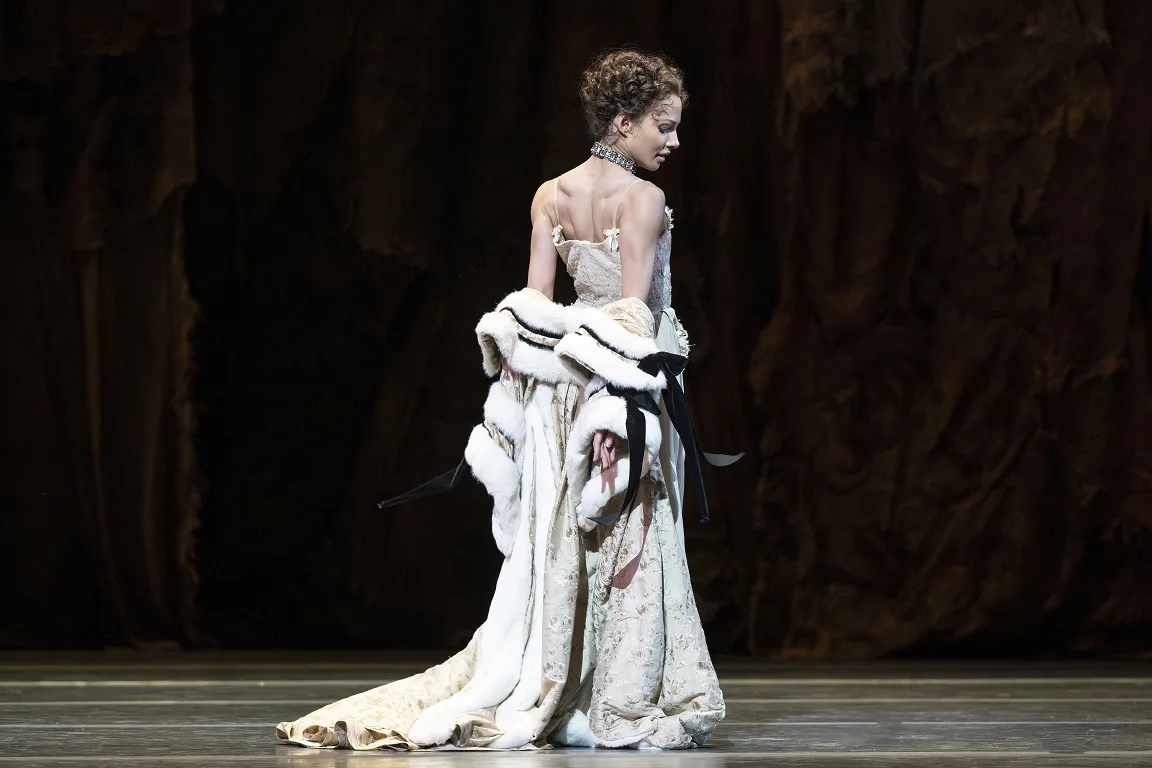
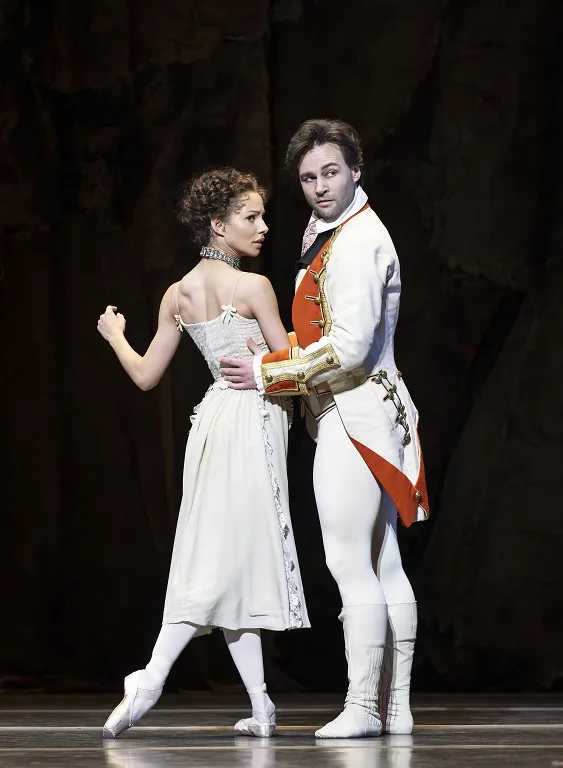
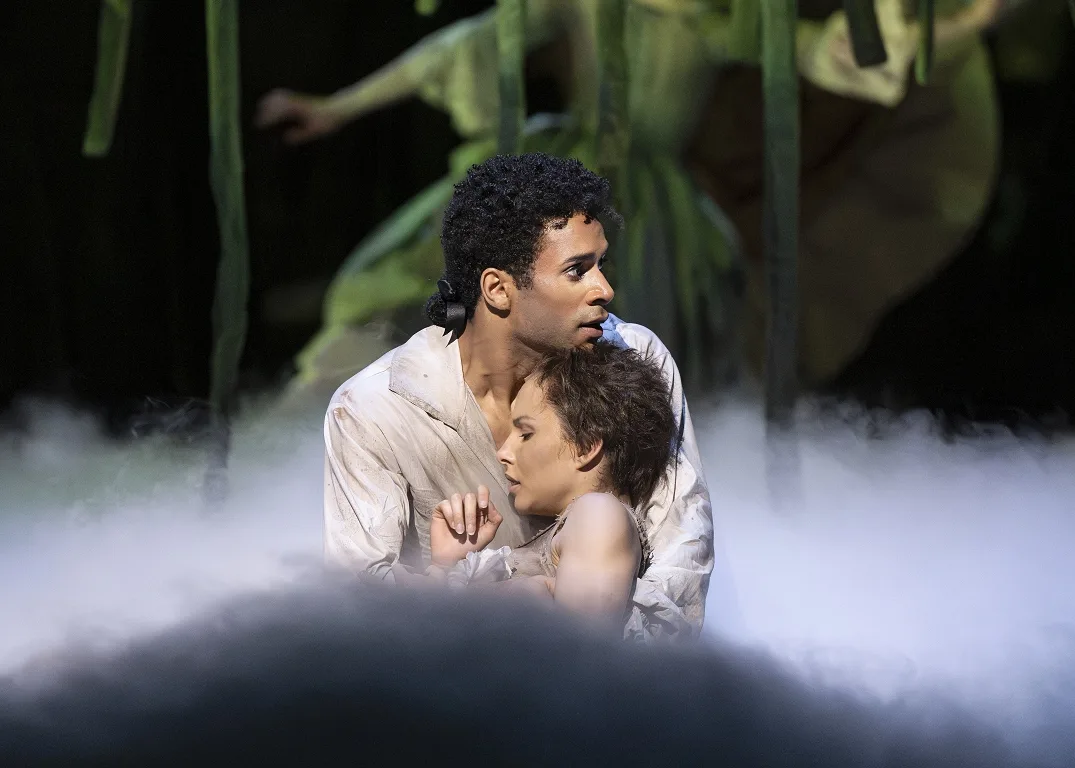
The Royal Ballet opened Manon yesterday with a stellar first-night cast including Francesca Hayward, Marcelino Sambé, Alexander Campbell, Mayara Magri and Gary Avis. This run will see eight different casts including numerous debuts, one being Sambé as Des Grieux.
The only issue with a work like Manon is doing it justice. One needs to find the right balance of acknowledging its legacy whilst bringing something new to the ongoing journey of the ballet.
Deborah MacMillan, MacMillan’s widow and current gatekeeper of the canon, has made a shrewd move by instating (the recently retired) Laura Morera as the studio-based custodian of the repertoire at the ROH, and hopefully around the world if schedules allow for it. Morera understands this fragile balance of history and newness, and she enables it through generosity and humour. Can I get an Amen?

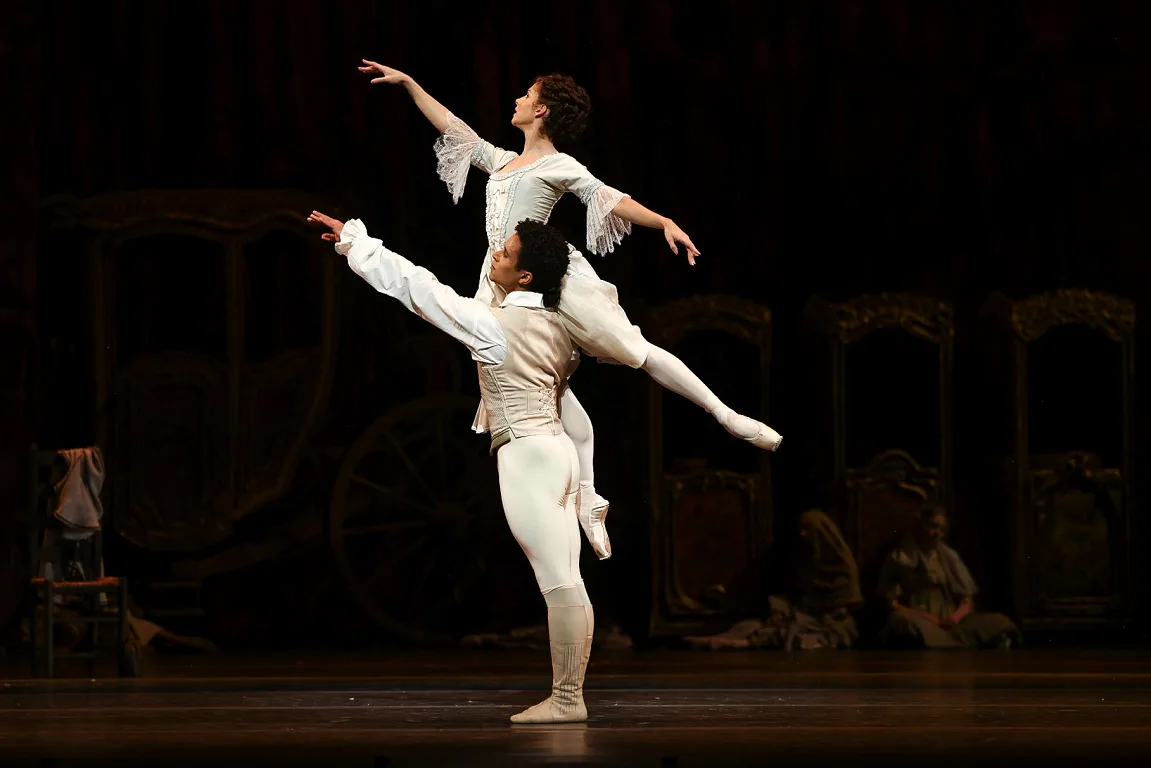
Hayward has been dancing the fabled role for 10 years, but I wonder what that means in real terms, i.e. how many performances has she done in total to date? She and Sambé were coached by the legendary ballerina Alessandra Ferri, who debuted in the role in 1984. Ferri worked closely with MacMillan himself, so we witness the kind of heritage the ROH embodies with this colliding of past and present artists.
MacMillan knows how to open a ballet, as does Georgiadis. Georgiadis was a painter amongst many things, and he confirms the scene instantaneously, with layers of textured set that feel like an oil painting by an old master.
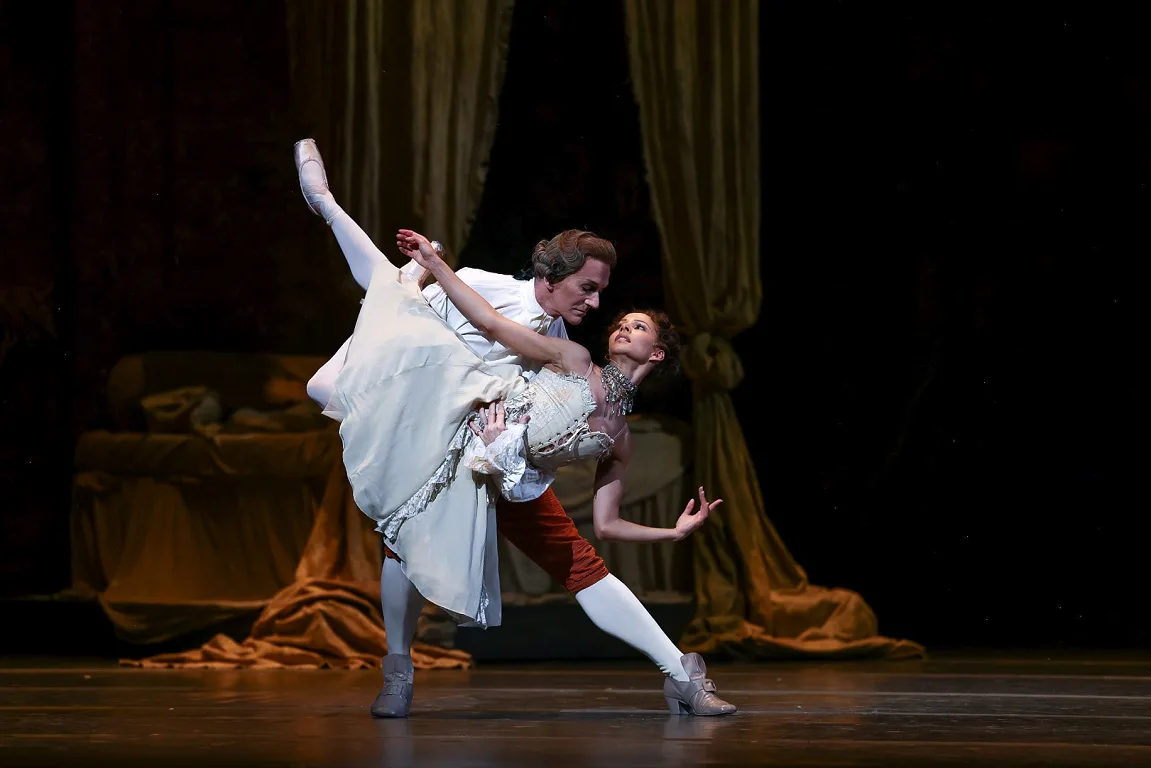
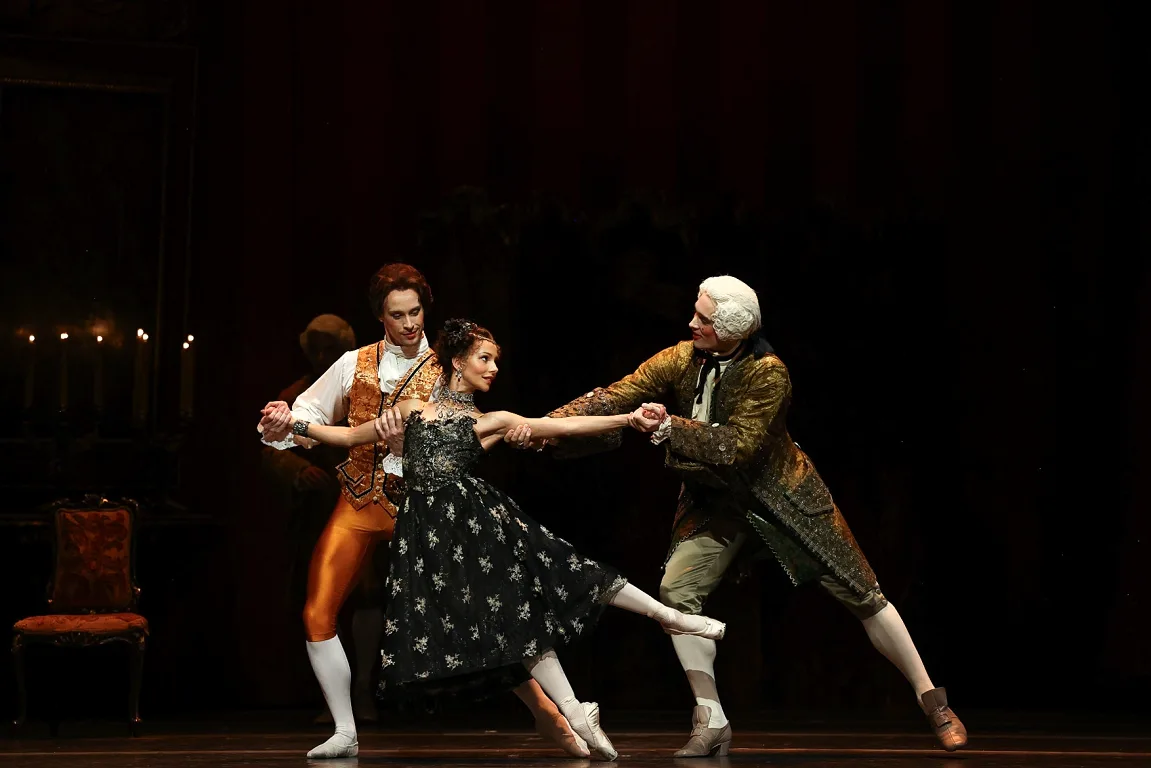
Alexander Campbell’s Lescaut (Manon’s dubious brother) is all testosterone and self-assuredness. And his ample technique really allows him to relish in the choreography and characterisation. Mayara Magri as Lescaut’s Mistress offers very readable dancing, but her interpretation is currently too one-dimensional for what the role potentially offers. Gary Avis as Monsieur G. M. is repulsive which is the point, but it can be a hard watch at times.
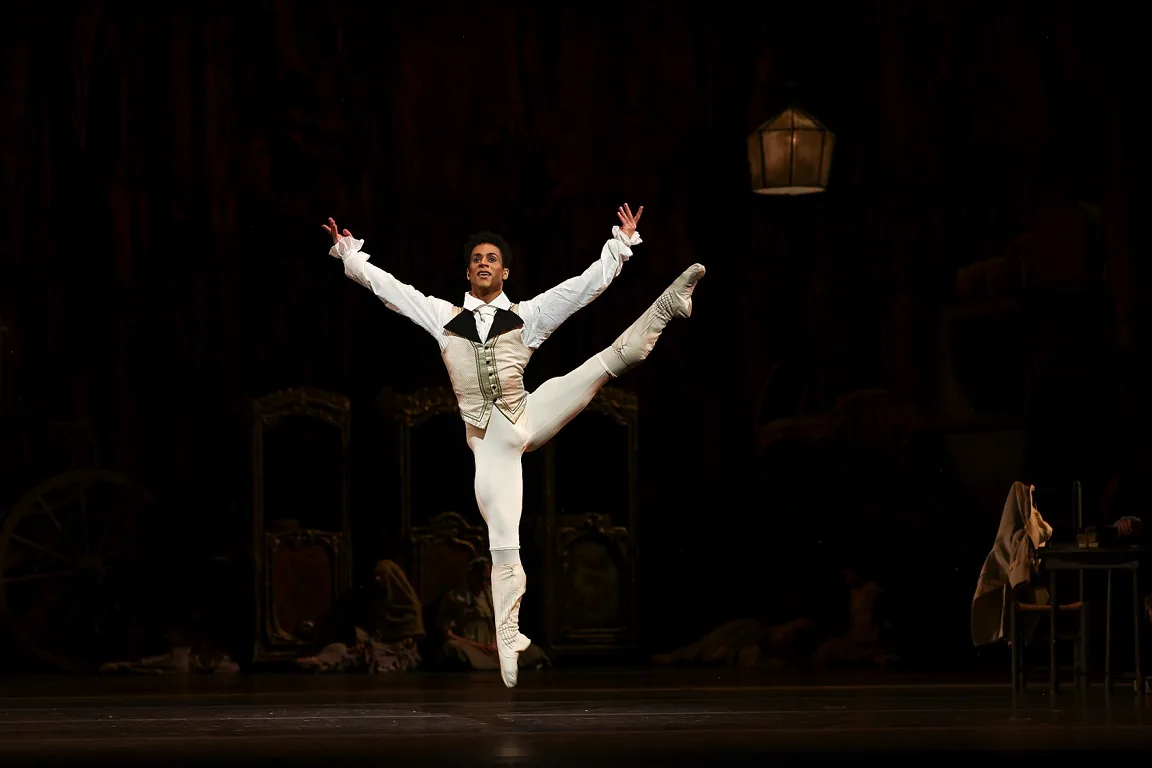

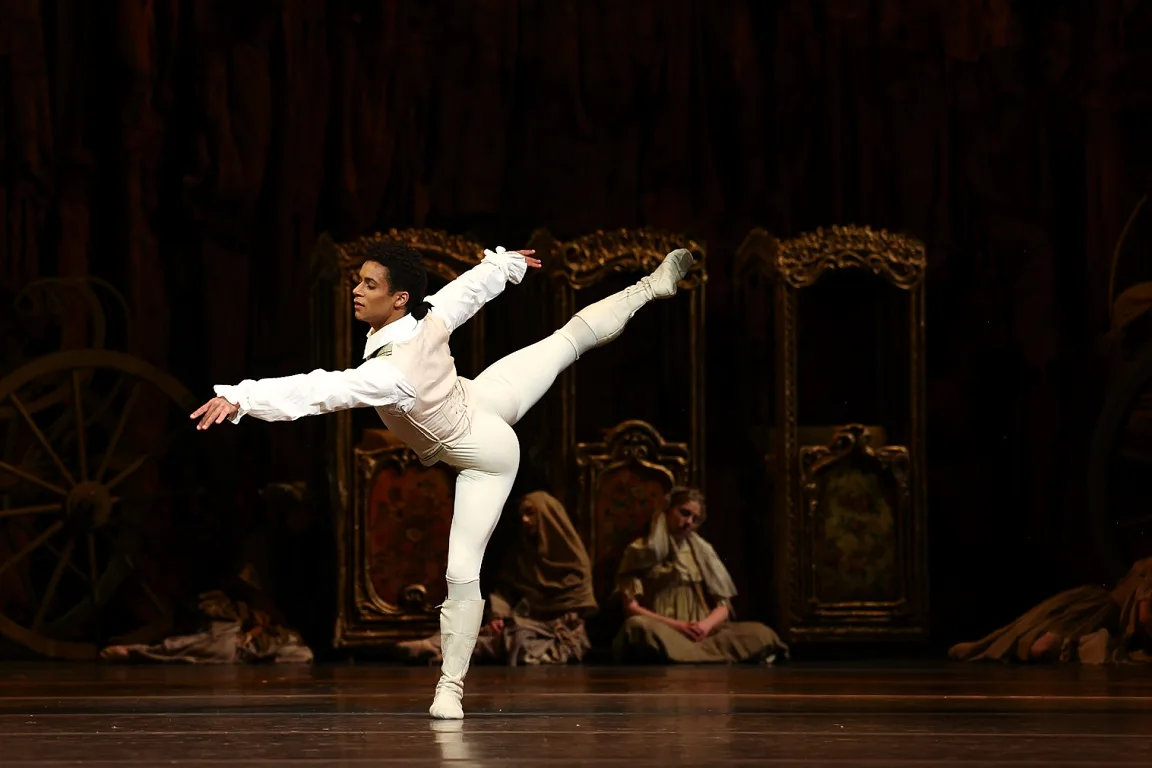
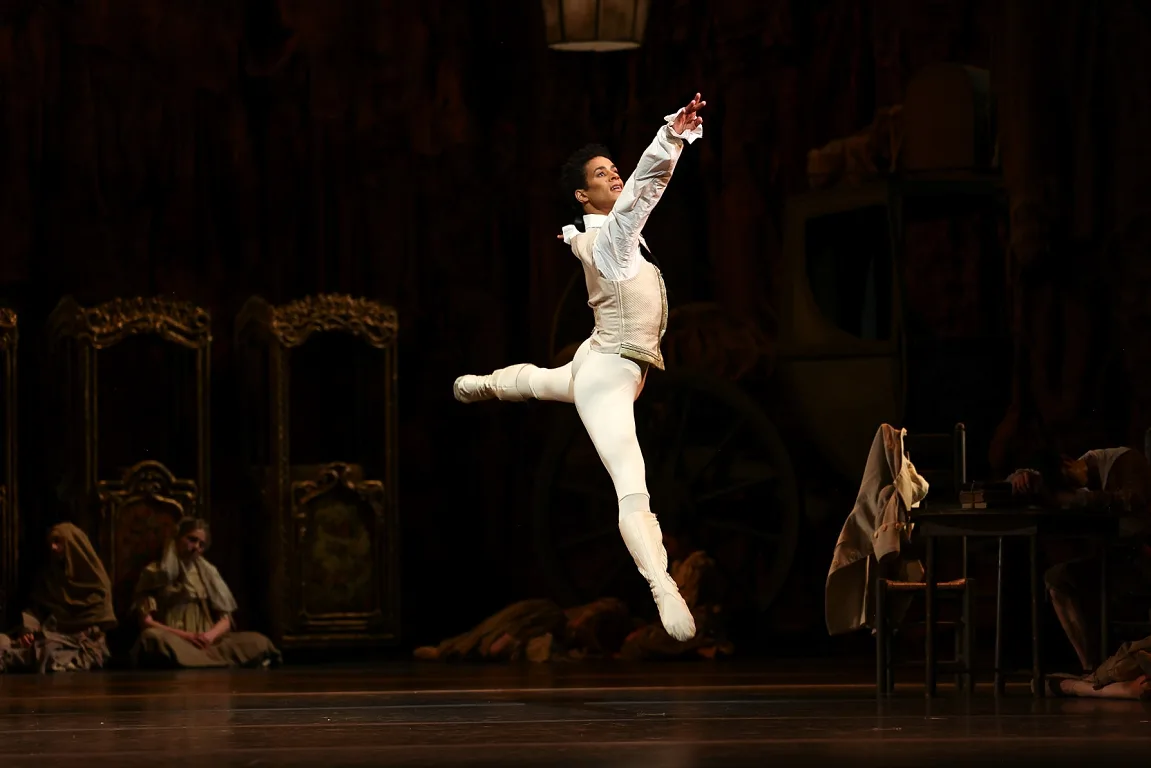
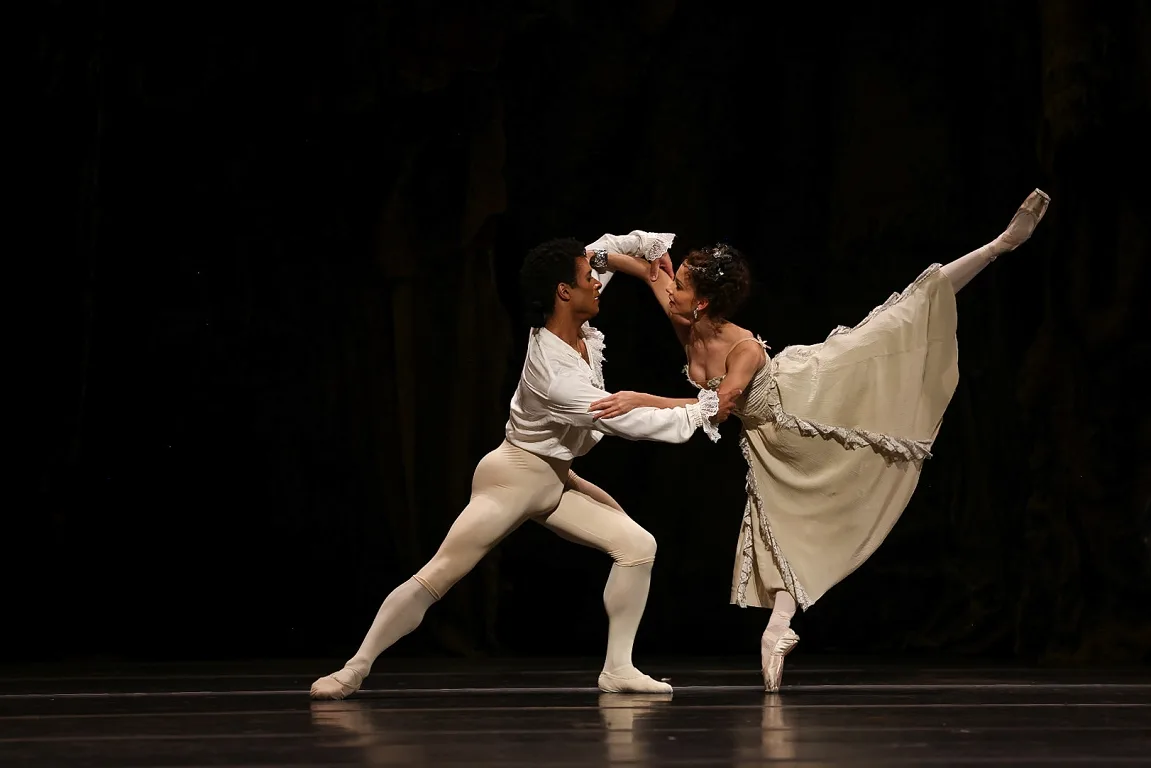
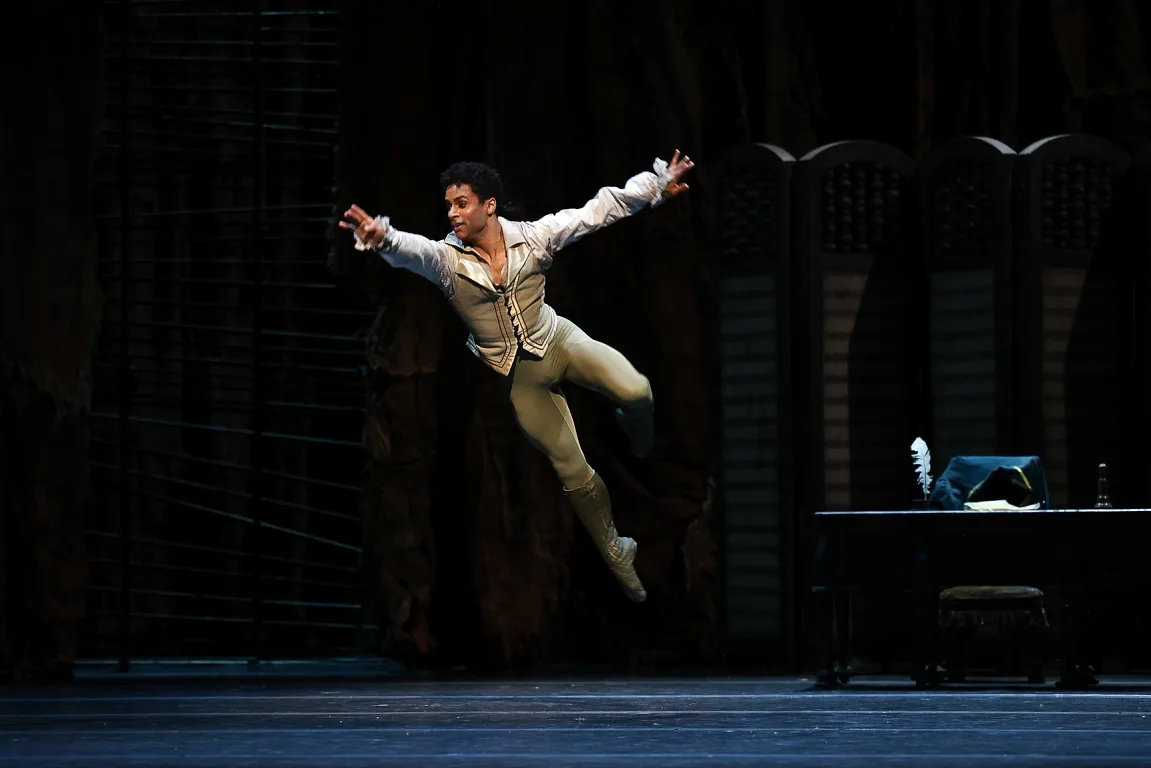
Sambé surprised me in Act 1, as his Des Grieux is one of subtlety, which is absolutely the best way to start the character’s journey.
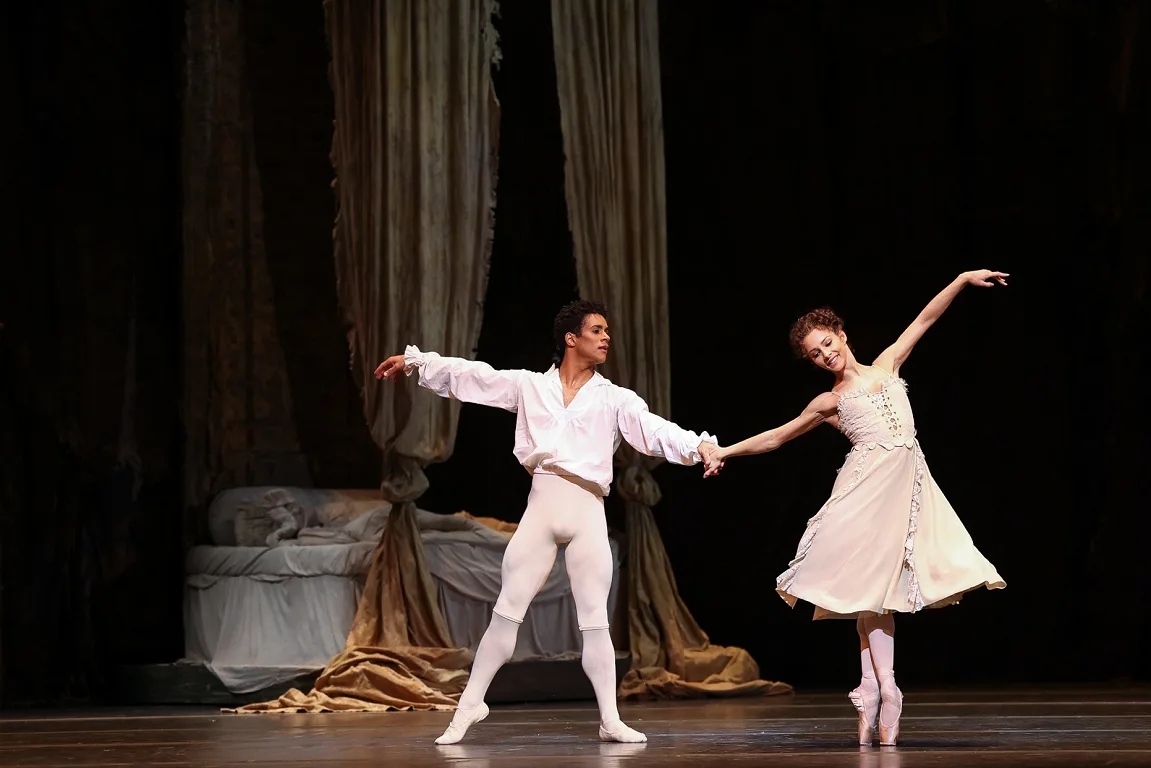
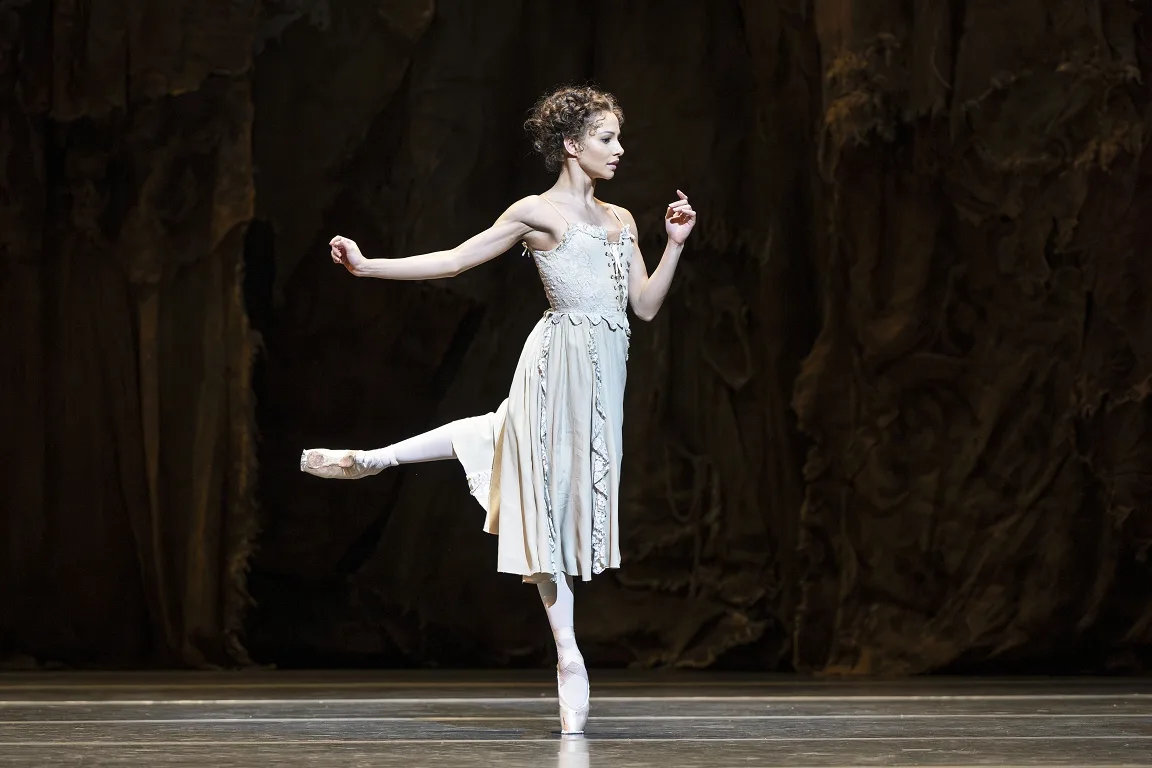
Hayward is so much more than her looks, but what a look – that jawline, those eyes. Her whole being screams innocence, but also can’t hide an interest in opportunity.
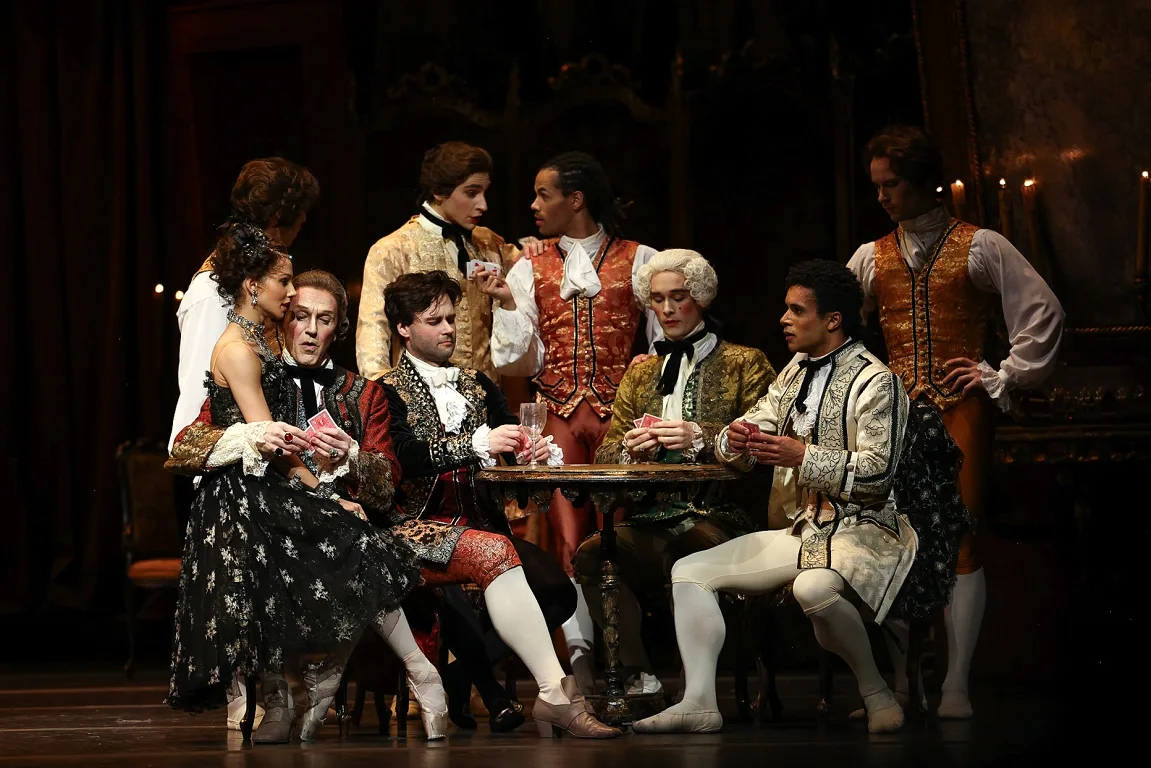
The crowd scenes communicate visual lushness, but the dancing at times lacked some key components. Croisé is far more than just a classroom alignment, it’s a choreographic tool, and all too often it wasn’t crossed enough to make the necessary impact in such a big house, and likewise with some of the footwork, which missed the required clipped execution.
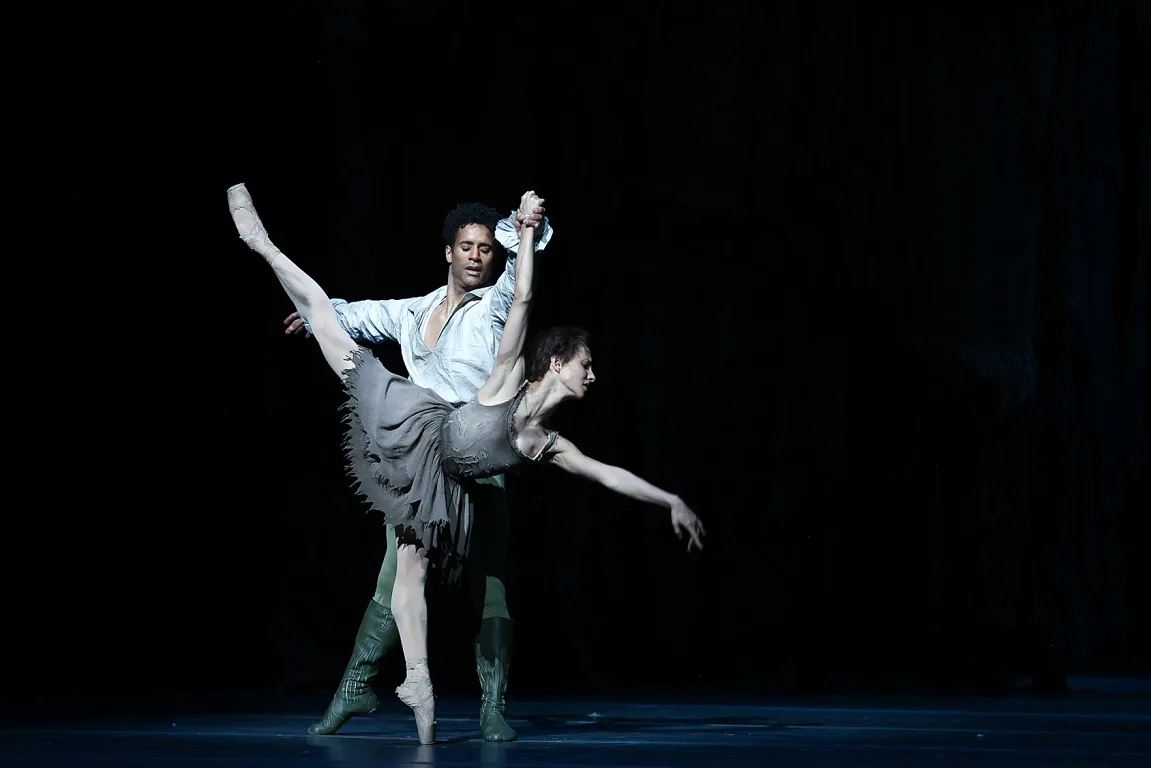
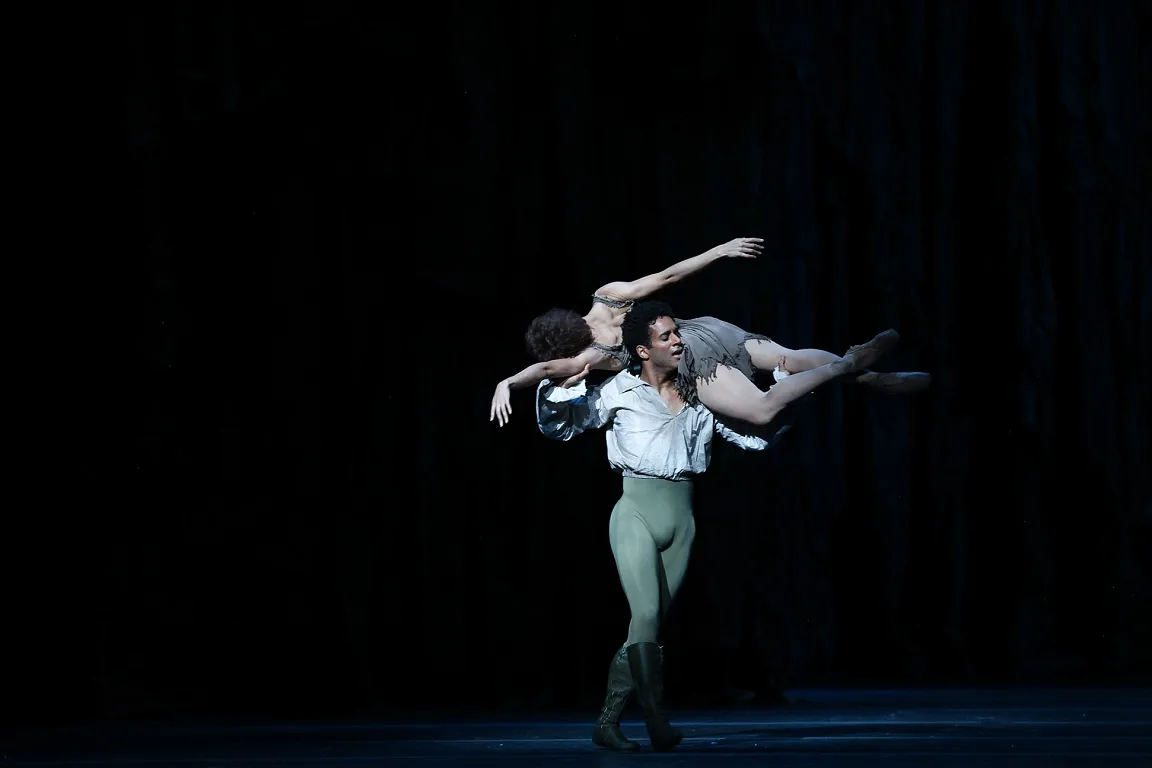
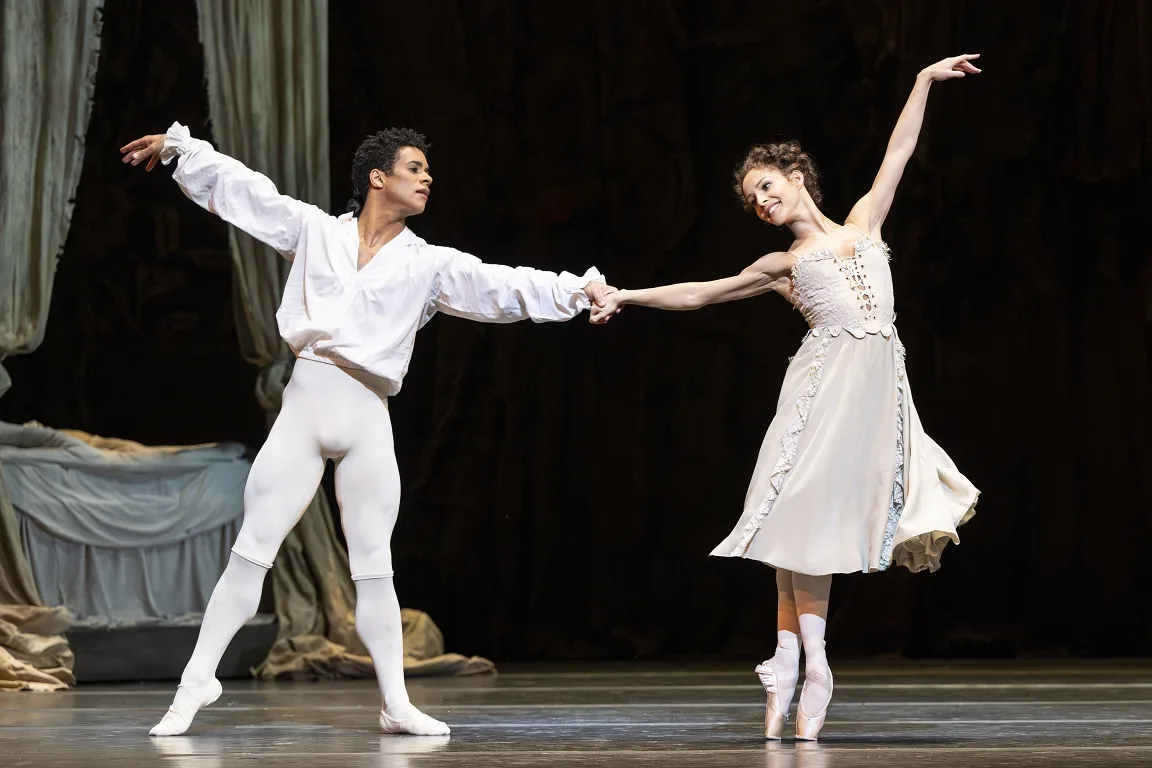
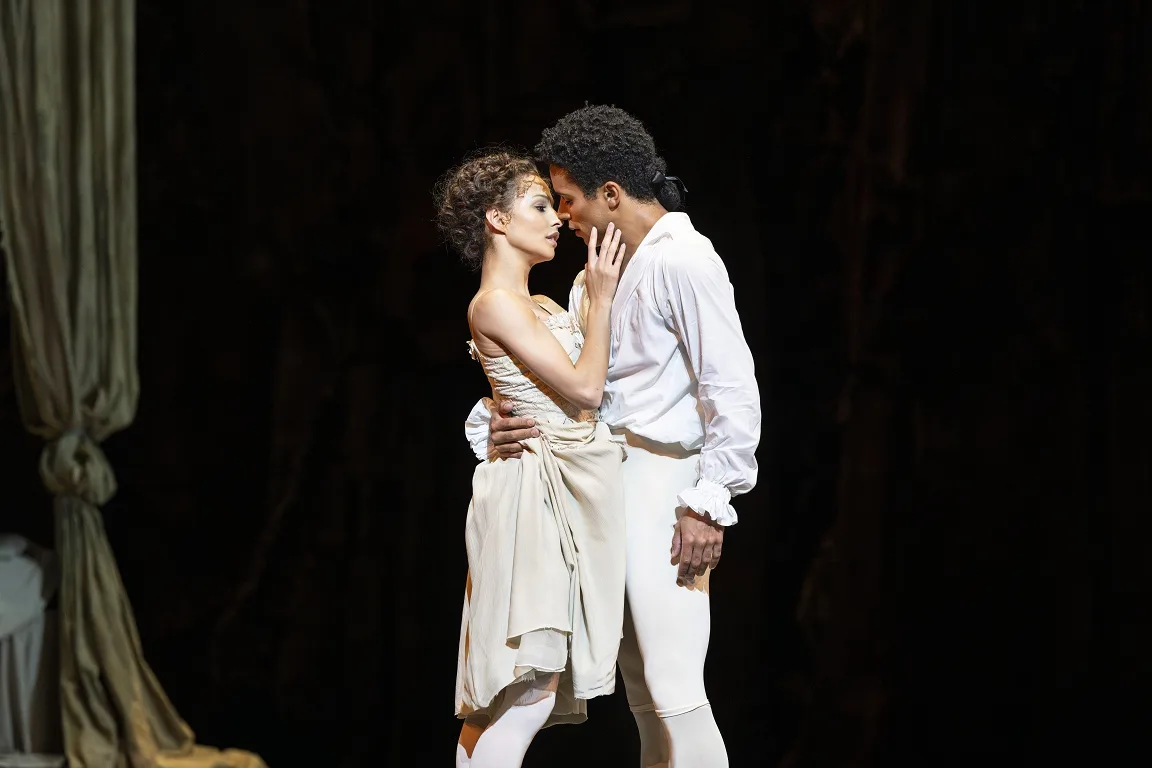
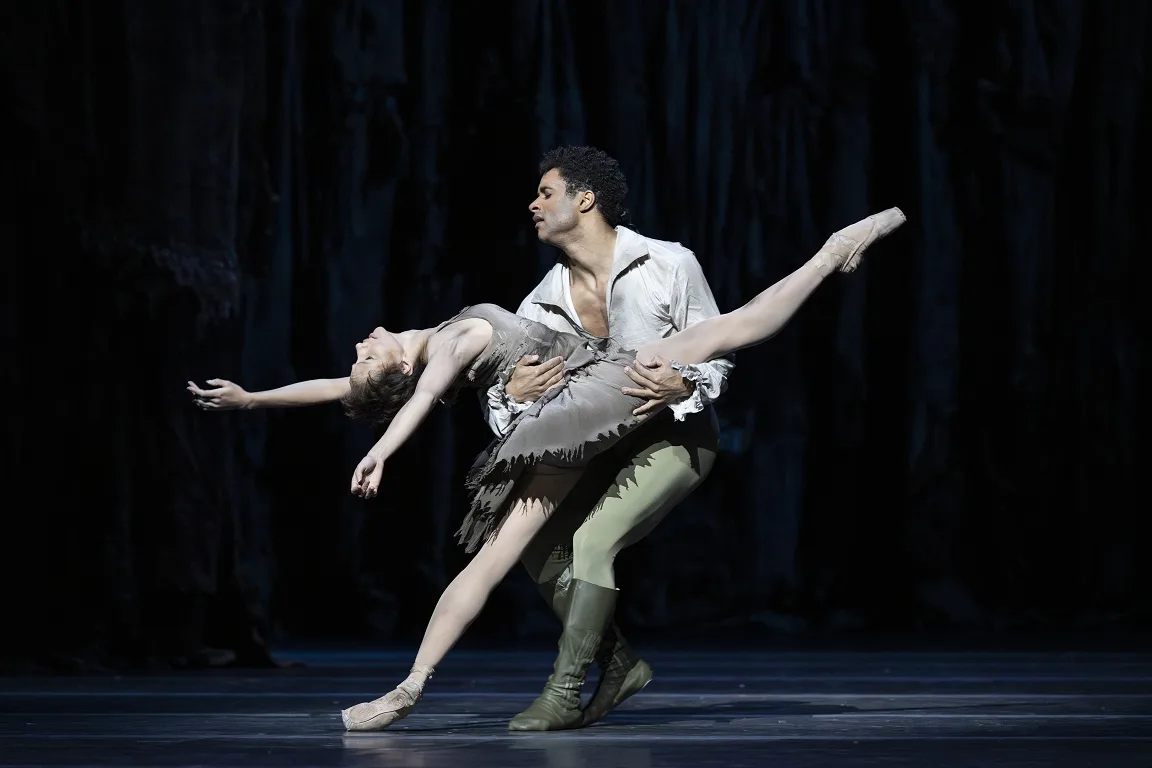
The lead couple have a lot to do in Act 1, and they absolutely succeeded. The pas de deux where they first meet was both infectious and genuine, and the infamous Bedroom Scene felt brand new. If you know the ballet well it can all too often slip into predictable territory, but the lovers were in no danger of such fate. Their relationship felt unknown, and this translated into the dancing, giving the whole event a sense of improvisation. Not easy.
Life in Manon-time moves dangerously quick, and this means she’s susceptible to making bad decisions, helped by Lescaut’s pressure and G. M.’s sparkly incentives. Hayward portrays this route as all too easy a trap, and almost doesn’t glance back as she moves into the next phase of her demise.
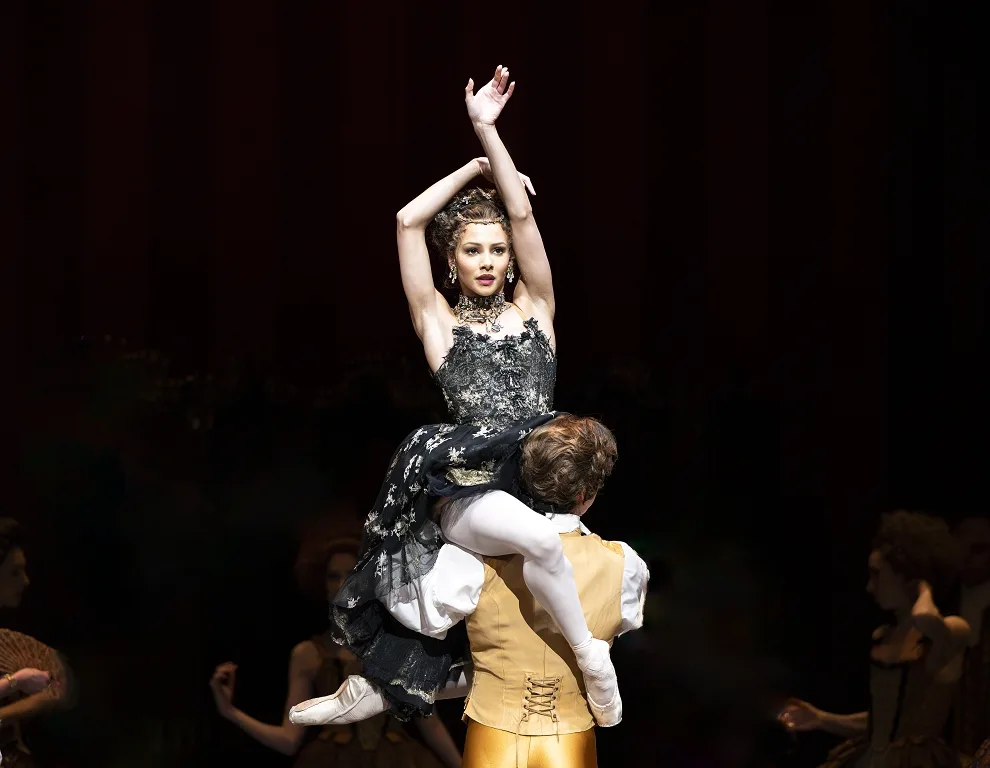
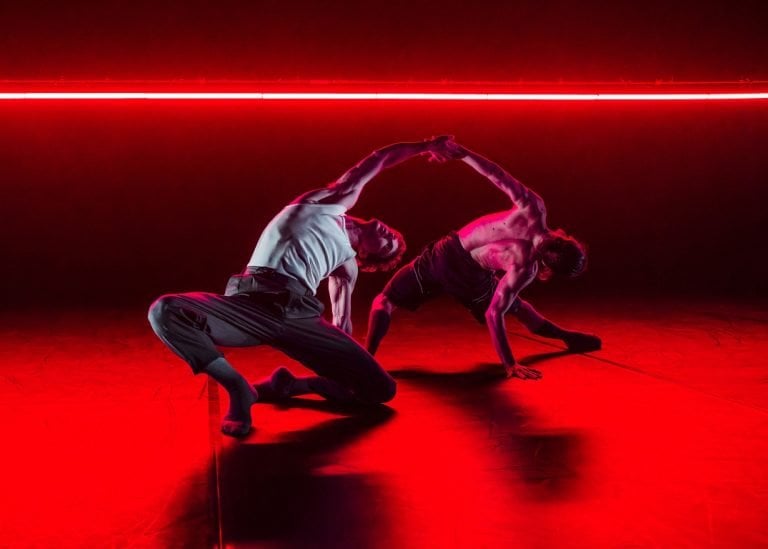
Act 2 opens with a vivid red ambiance and full of life. Both MacMillan and the Royal Ballet dancers can throw a party, though lots of the corps de ballet dancing was too upright. MacMillan’s choreography demands bend and use of the body, and it wasn’t always on display.
Campbell and Magri both do super work with Campbell doing drunk better than most, and Magri bringing ease to the difficult Mistress solo in the Hotel Particulier (wink wink).
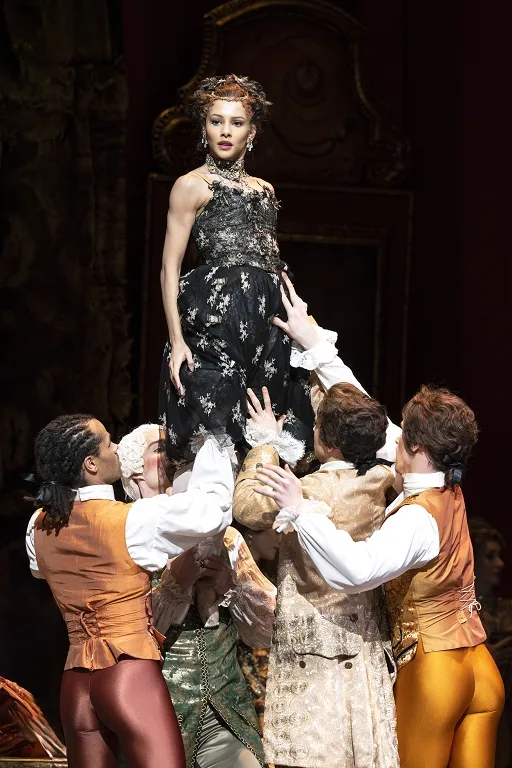
Manon enters and stops the party in its tracks, which Hayward absolutely did. However, I wasn’t sure what her Manon was saying during the iconic solo and maybe needs a bit of further research if she has a defined agenda. Sambé kept on rising to the challenge, dancing with such potent expression that it felt like he was actually speaking to Manon through the movement – I give you narrative ballet people!
Hayward certainly developed her character as the Act continued, invoking an interesting concoction of simultaneous indifference and awareness, which the audience lapped up. The lead couple continually reaffirmed a sense of arrival for the new(-ish) generation of principal dancers, and it is very exciting to be able to watch their development in action.
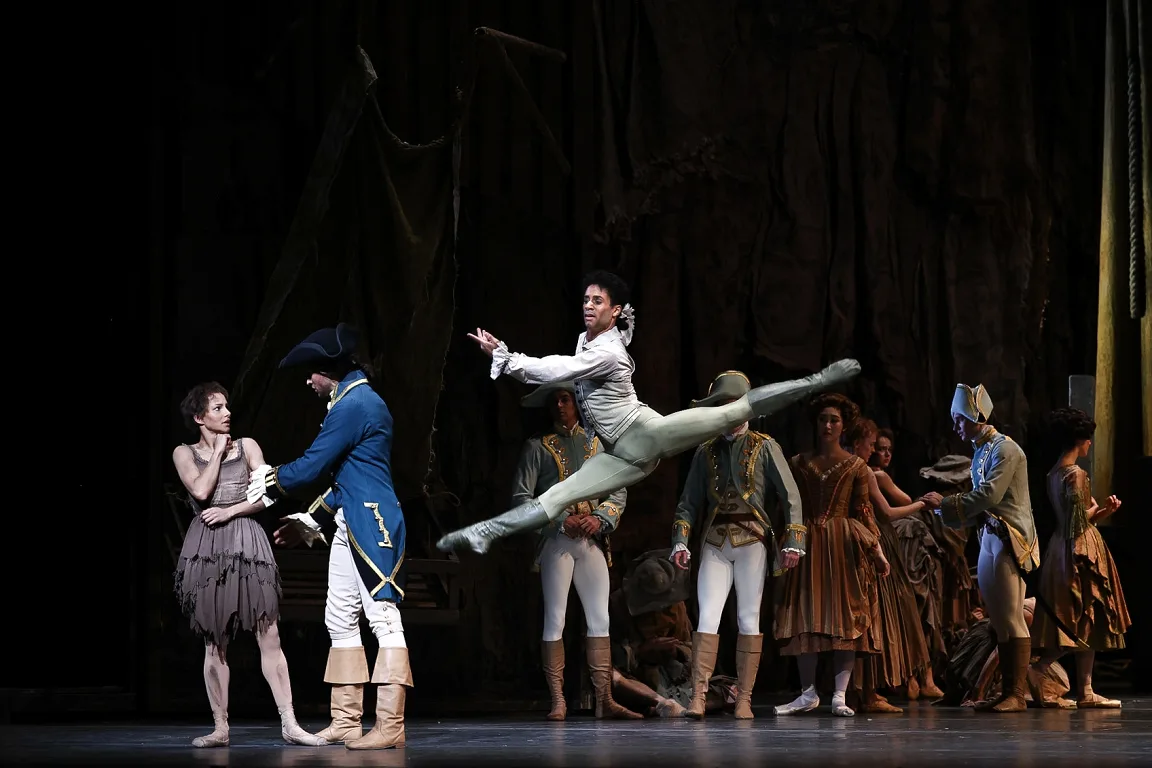
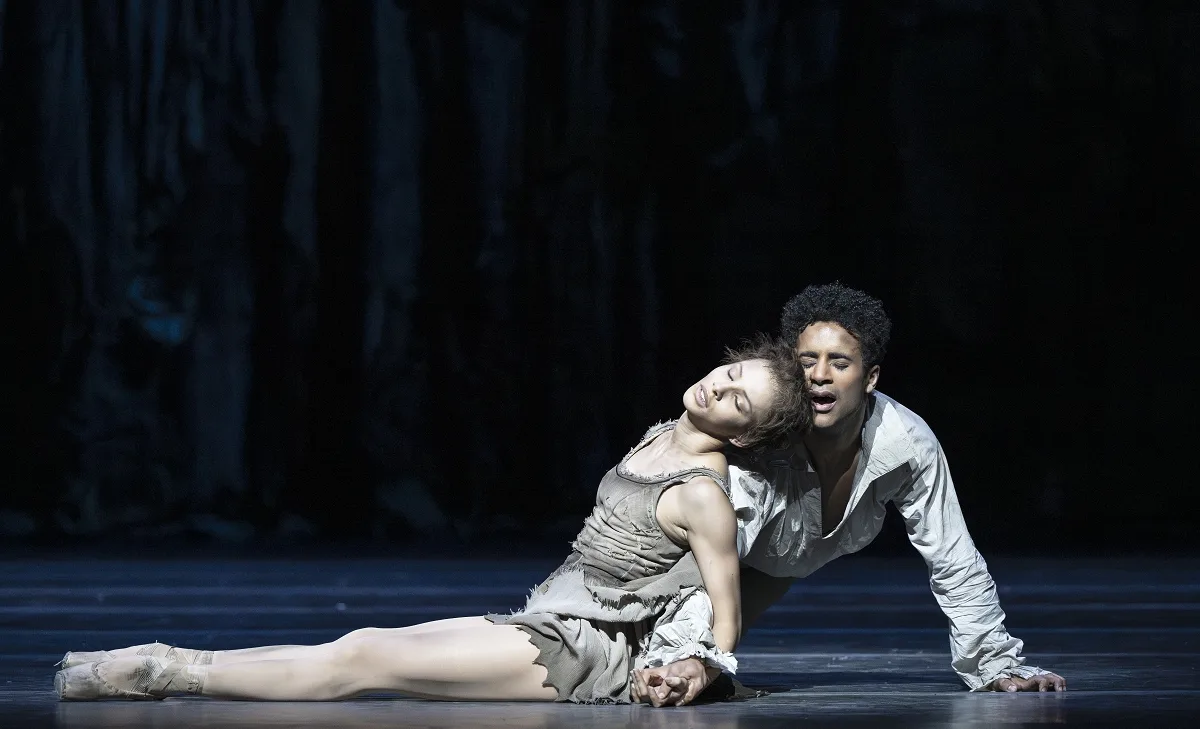
Act 2 ends badly for Manon and mates, as they can’t quite pull one over on the powerful Parisians, so Act 3 opens in New Orleans with a destitute, deported protagonist looking very worse for wear post-Atlantic crossing. She isn’t alone, as Des Grieux came with her as did numerous women in the same situation. The dance MacMillan created for them on arrival is one of the most powerful scenes in the entire ballet. And reaffirms how little one needs to do in order to create a real narrative. They perform simple hops, slo-mo falls and rolls on the floor and it’s heartbreaking, heavily supported by Georgiadis’ rags and Massenet’s pain-informed lilt.
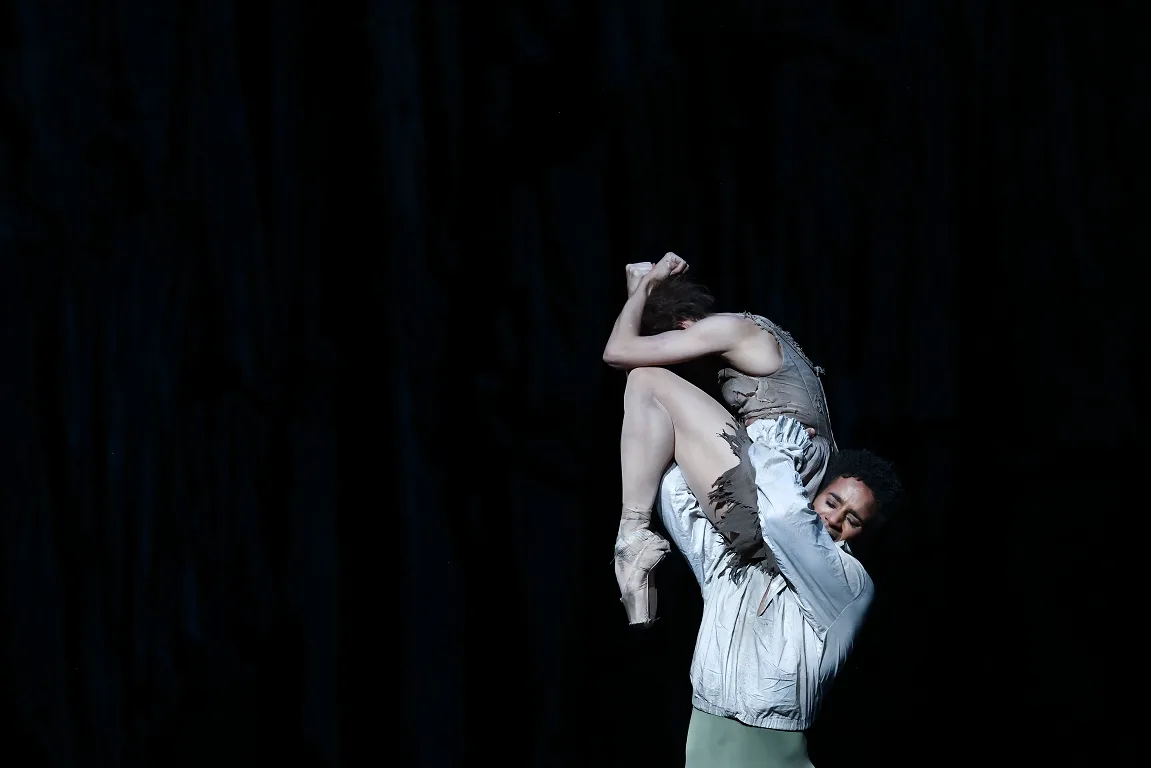
Hayward’s Act 3 is one of fragility and a desire to survive; Sambe’s a blend of protection and bewilderment.
Nicol Edmonds’ Gaoler is all big hat and big boots, but even his domineering presence isn’t enough to withstand the collective power of the do-or-die young couple. Although poor Manon has to endure quite a lot of manhandling before she gets her sweet revenge via an enraged Des Grieux.

The ballet ends in the swamps of Louisiana – momentarily spoilt by some technical fault producing a random whirring sound heard above the large orchestra.- Des Grieux isn’t able to save his beloved Manon, and the final, dramatic pas continues to be one of the most recognisable (MacMillan) moments in ballet as we know it. Hayward imbues fragility even down to the way she uses her wrists and ankles, and her feet are so expressive in their ability to show both weakness and glimmers of strength, right up until Manon’s death.
I’m not surprised by Sambé’s successful Des Grieux in the sense that I didn’t think him capable – who can forget his distinctive Rudolf when he debuted in Mayerling – but I’m impressed by the depth of his performance (especially considering it’s his premiere) and how he’s brought a range of physical dynamic to his portrayal. He’s undeniably a MacMillan dancer and has clearly found another role to explore his innate expressionism. Lucky him… and lucky us.
And a final bravo to Maestro Koen Kessels, who brought endless vivacity to the richer-than-rich Massenet score, to the point that the majority of the cast often couldn’t keep up. Kessels should stick to it, and they need to rally. For the sake of the work.
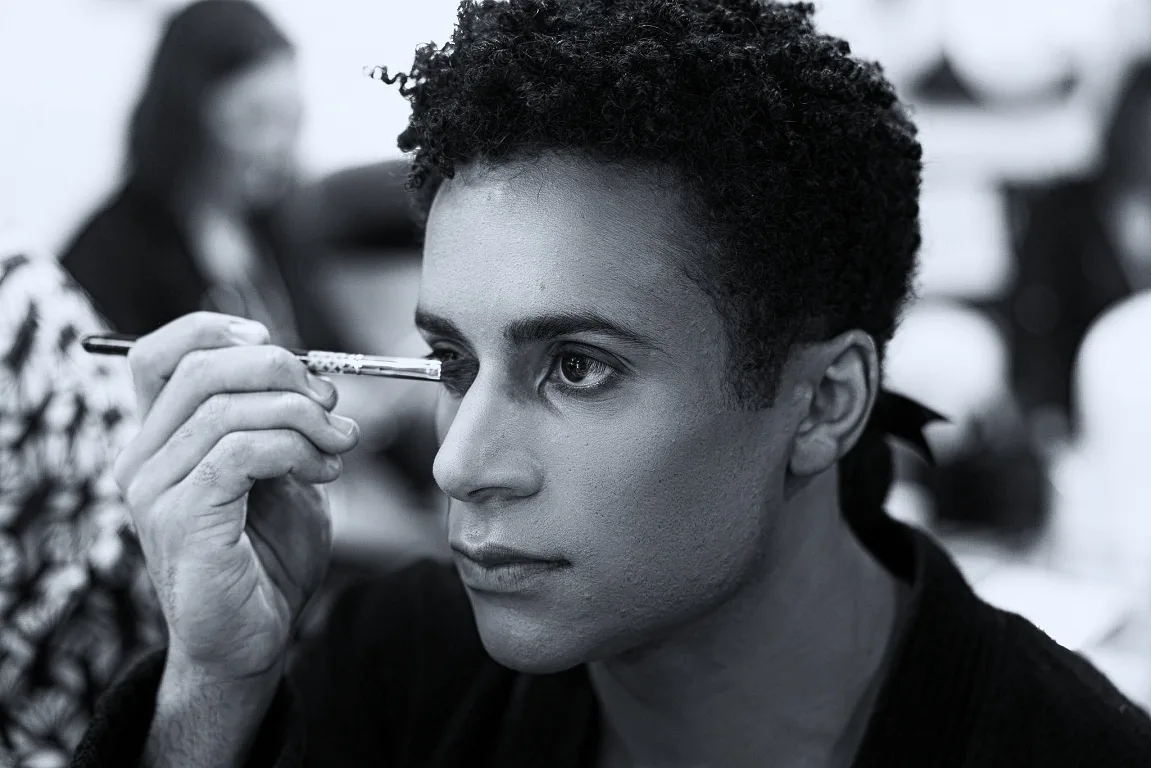
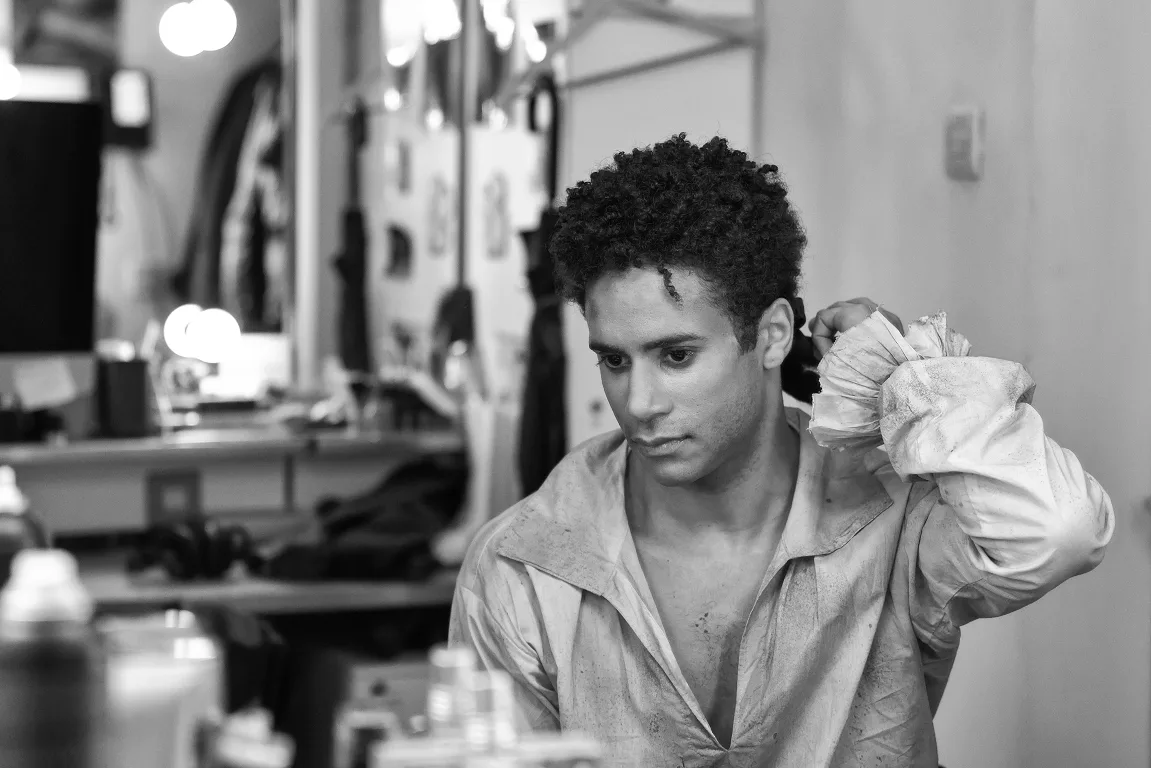
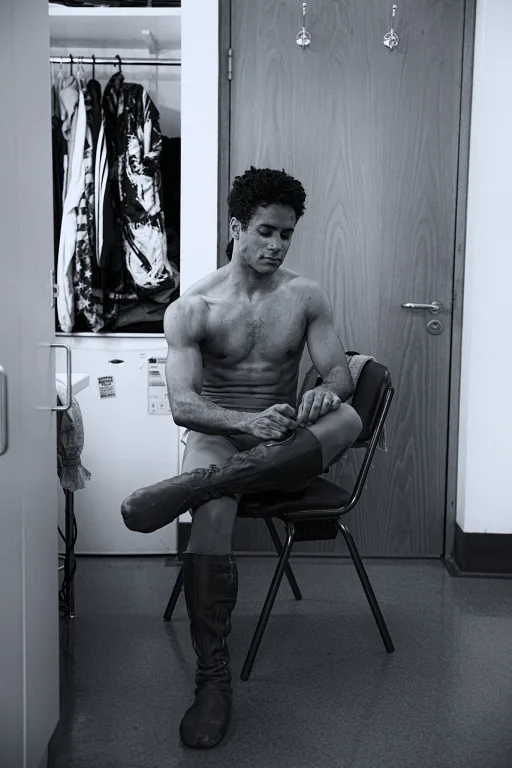
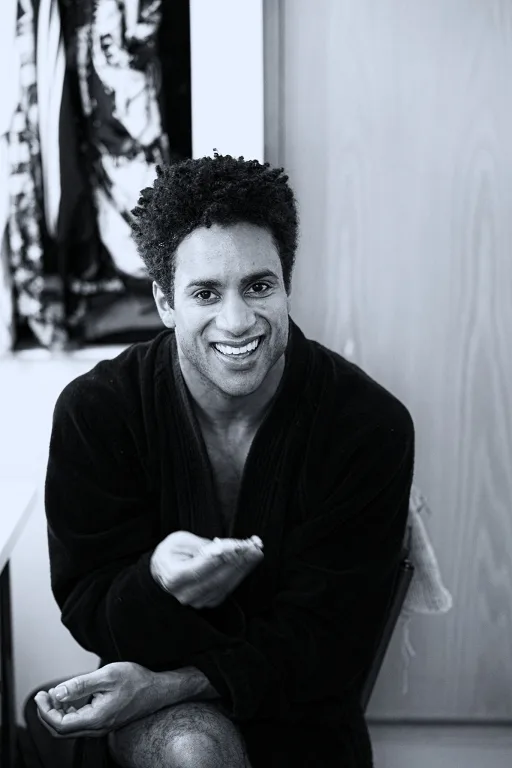
Manon – Marcelino Sambé backstage
Sambé prepares
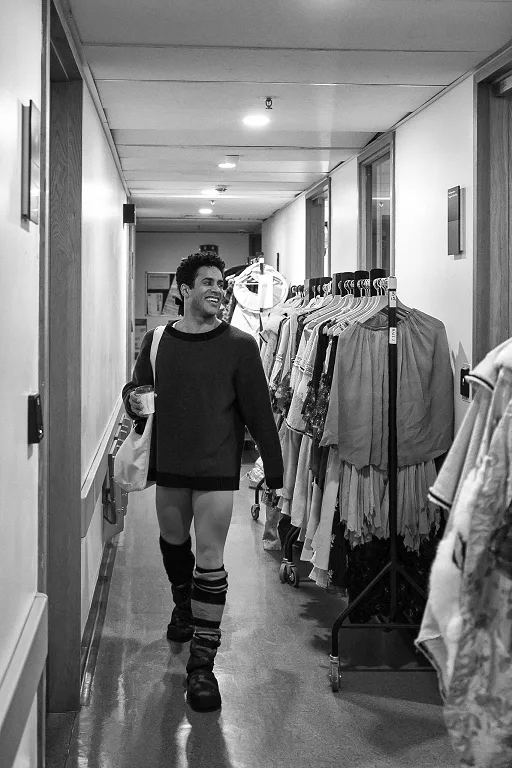

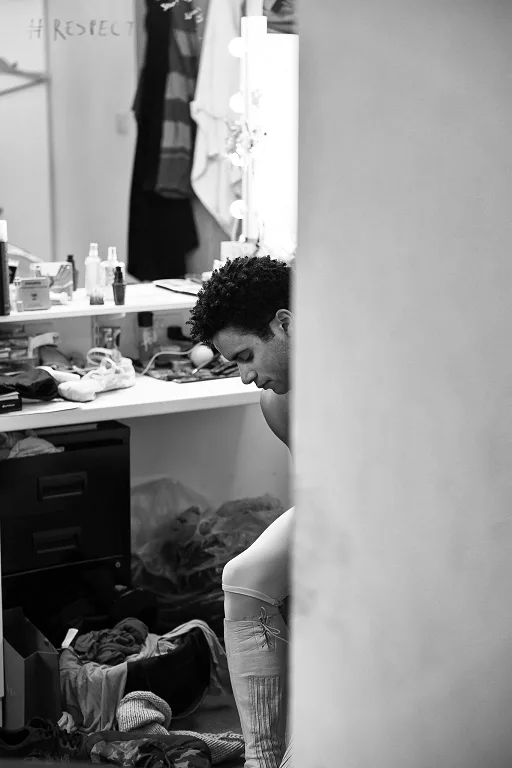
After the show
Manon – a gallery by Dasa Wharton





Manon – a gallery by Foteini Christofilopoulou



Matthew Paluch was awarded a place at The Royal Ballet School in 1990 where he graduated in 1997. His first four years as a professional dancer were spent working with London City Ballet, Scottish Ballet, K-Ballet and English National Ballet, becoming a full-time member of ENB until leaving in 2006.
Matthew graduated from the Royal Academy of Dance, Professional Dancers’ Teaching Diploma in 2007, and was formerly on faculty at The Royal Ballet School. He completed his Masters in Ballet Studies at Roehampton University in 2011, has been a freelance writer since 2010 and currently works in the Law Sector.
He is a member of the Dance Section of The Critics’ Circle.



Matthew, as requested “Amen” x