[Review] Andrée Bernard in ‘What (is) a Woman’ – intoxicating magic
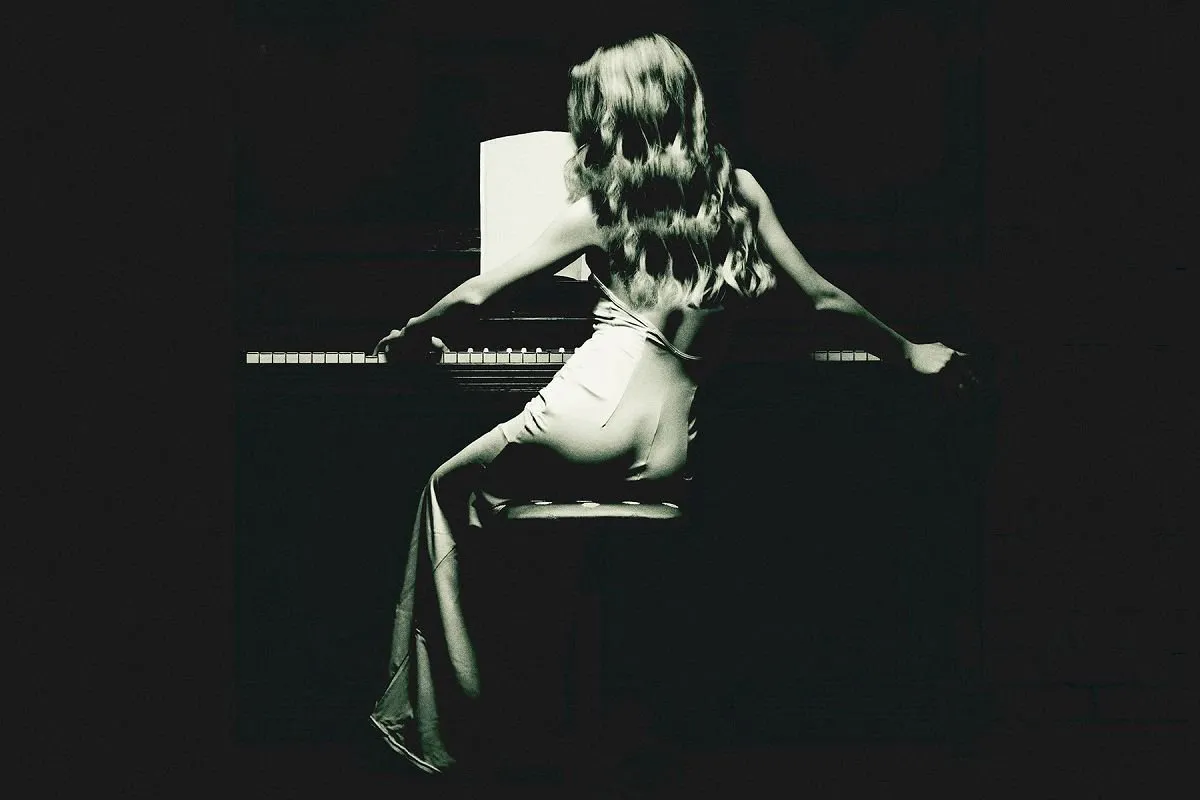
Matthew Paluch sees What (is) a Woman: “Bernard has an undeniable major presence, and the project is a bold, brave move by an artist who feels they’ve a story to tell.”
| Title | What (is) a Woman |
| Producer | Jacqueline Ruth Grad |
| Venue | Arcola Theatre |
| Date | 30 April 2024 |
| Reviewer | Matthew Paluch |
Talent is the word that springs to mind in relation to Andrée Bernard. Which is a good thing considering she’s headlining her own, one-woman show at the Arcola Theatre.
What (is) a Woman is described as “a new play with music”, and Bernard is responsible for the text, composition and playing of all roles. She worked with Daniel Looseley on musical direction but, forgive the sweeping statement, I’d propose the musical numbers are on the predictable side. Nothing offensive, but neither groundbreaking nor overtly sensitive. That said, two numbers stick out – Reservation for One, and Men. Bernard hit the mark here with comic lyrics, an intoxicating pace, and all supported by stylised moves by choreographer Lucie Pankhurst.
The premise is the show’s title, but discovered through the numerous men in this woman’s life… and there’s a big old mix of them. Teenage heartthrob, director husband who leaves, pastiche agent, soap opera stud, the perfect but unsatisfying dentist, and the long-serving, elusive tall American.
Bernard performs all with droll ease, and uses them as fodder, ranging from slapstick comedy to seriously heartfelt monologues. One such scene describes an encounter with the American. And Bernard goes there, using very descriptive language that resonates through her body as she recalls it. It’s arresting stuff – with a heavy helping of Jilly Cooper vocabulary.

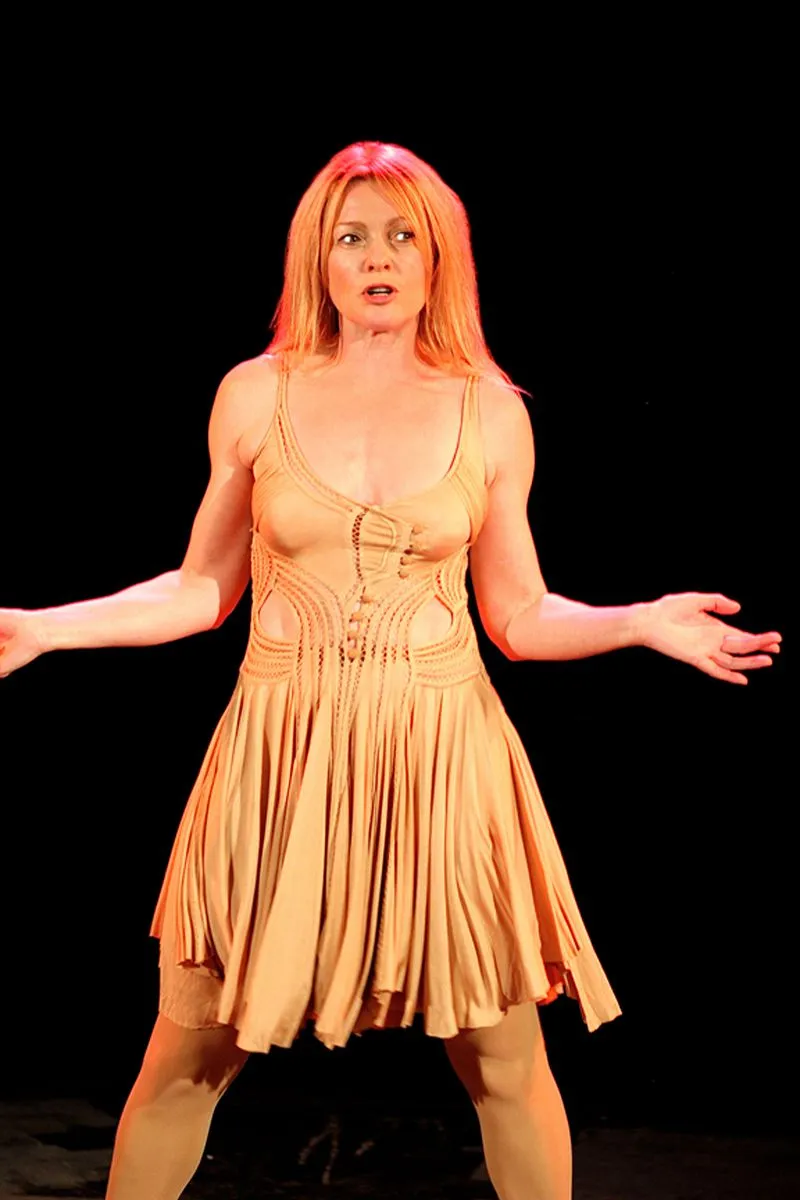
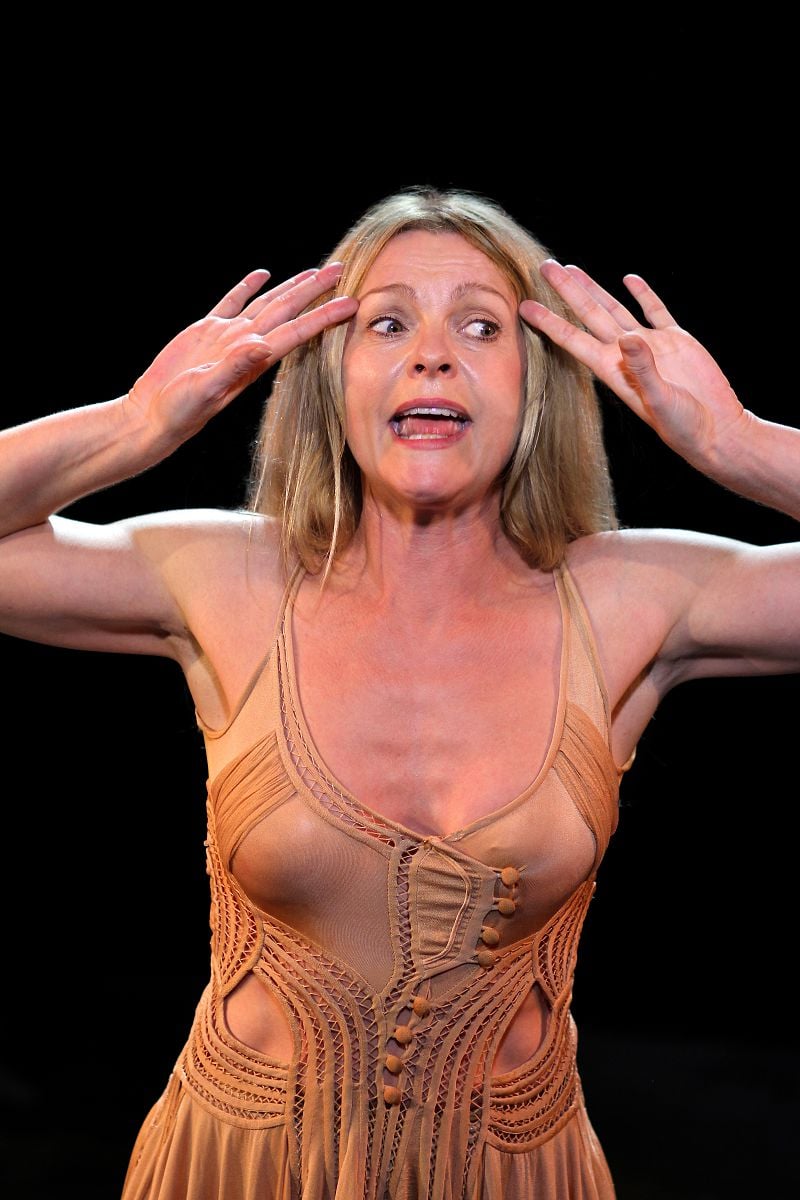
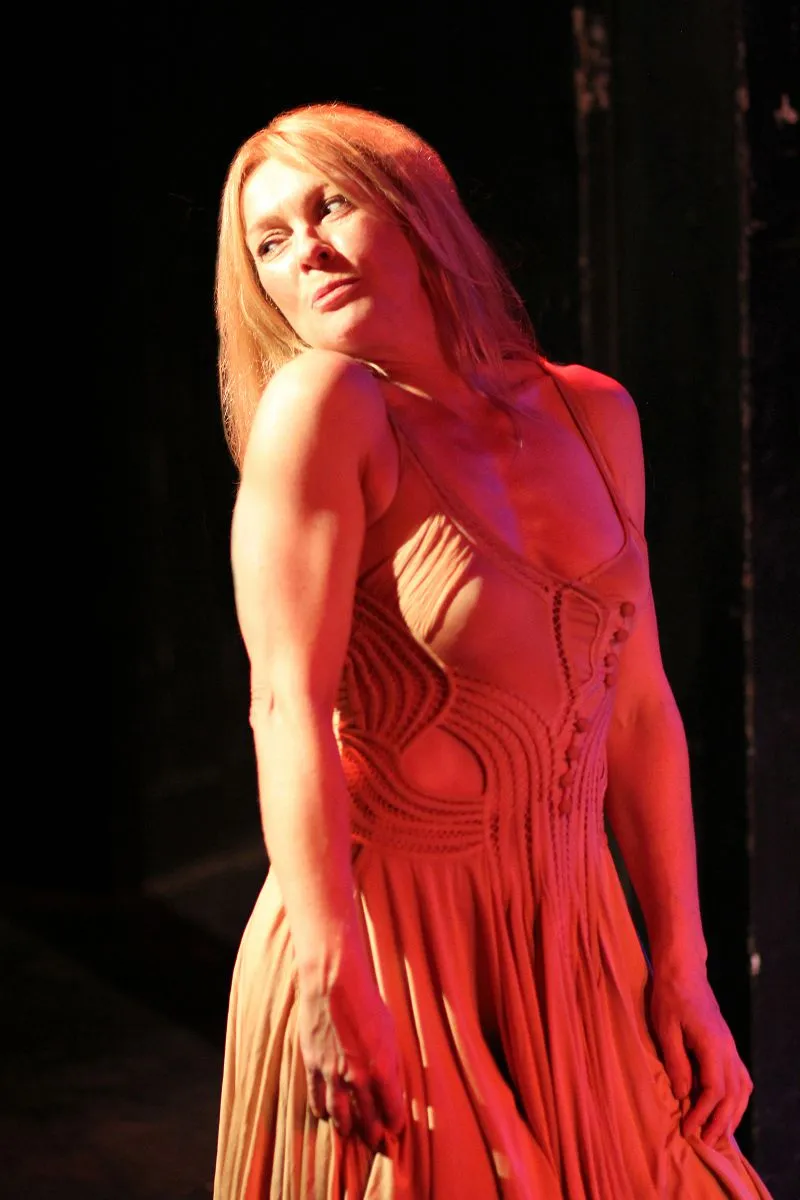
The work takes a short while to find its feet though, with the initial 15 minutes feeling overly busy, text-wise to the point that it can be difficult to understand the flow and begin to properly engage. But then Bernard starts to weave her intoxicating magic as a performer, and Pankhurst’s movement kicks in, evoking shades of Bob Fosse and Jerome Robbins, perfectly suited to Bernard’s precise, bound style of execution.
Add to this consummate movement direction which informs all of the characters with spatial inquiry and identifiable posture and gesture, simple but powerful lighting design by Zoé Ritchie, specifically the downlighting that catches Bernard’s believably expressive face, and a very watchable show starts to take form. Surely also thanks to Michael Strassen’s overall direction, giving the work seemingly invisible, and refined connectivity.
The second act is shorter, but the pace is defined and balanced by this point. The end takes a little too long to get to, but as Bernard leaves the stage she’s heard asking the work’s title as a question: “What is a woman?”
I’d never dare to answer such an open-ended query, but her creation probably asks more questions than defines answers.
The character, whether autobiographical or not, finds her identity through the men in her life, all the while fully aware of herself, and how she engages with their whims and needs.
Bernard has created a work of complexity and depth, further enlivened by the original under-score canvas for all of her trials and tribulations to wander and muse over.
Is anything perfect? No. Some editing would further strengthen the overall structure, and initial pace analysis will also help the opening section find its audience sooner. But Bernard has an undeniable major presence, and the project is a bold, brave move by an artist who feels they’ve a story to tell.

Matthew Paluch was awarded a place at The Royal Ballet School in 1990 where he graduated in 1997. His first four years as a professional dancer were spent working with London City Ballet, Scottish Ballet, K-Ballet and English National Ballet, becoming a full-time member of ENB until leaving in 2006.
Matthew graduated from the Royal Academy of Dance, Professional Dancers’ Teaching Diploma in 2007, and was formerly on faculty at The Royal Ballet School. He completed his Masters in Ballet Studies at Roehampton University in 2011, has been a freelance writer since 2010 and currently works in the Law Sector.
He is a member of the Dance Section of The Critics’ Circle.