Pina Bausch’s Le Sacre du printemps goes on show in photographs at La Scala
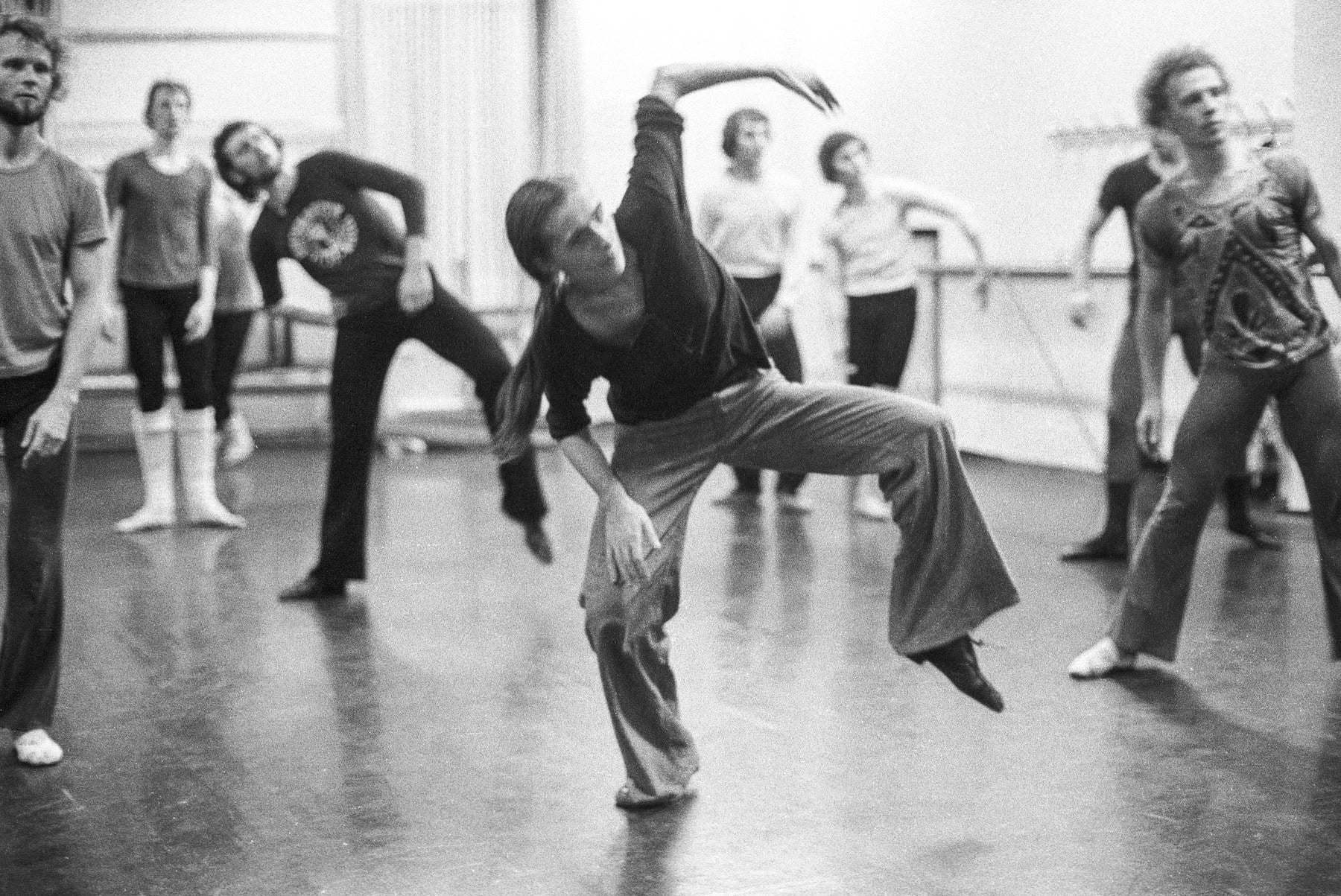
Rare rehearsal and performance photographs from the Pina Bausch Foundation archive fill the Ridotto dei Palchi until 22 November, alongside film of Bausch coaching the Chosen One.
Pina Bausch‘s Le Sacre du printemps reaches La Scala for the first time on 7 November, and the theatre is marking the occasion with a photographic exhibition on how the work came to be. It runs in the Ridotto dei Palchi (the Toscanini neoclassical foyer) from 22 October to 22 November, covering the entire period the piece is on stage.
The ballet is the second half of a Stravinsky double bill with George Balanchine‘s Apollo, running until 21 November. Bausch’s only previous connection with La Scala dates back to 1983, when her own Tanztheater Wuppertal brought Kontakthof. This time, the theatre’s Corpo di Ballo takes on her language in a work first created in 1975.
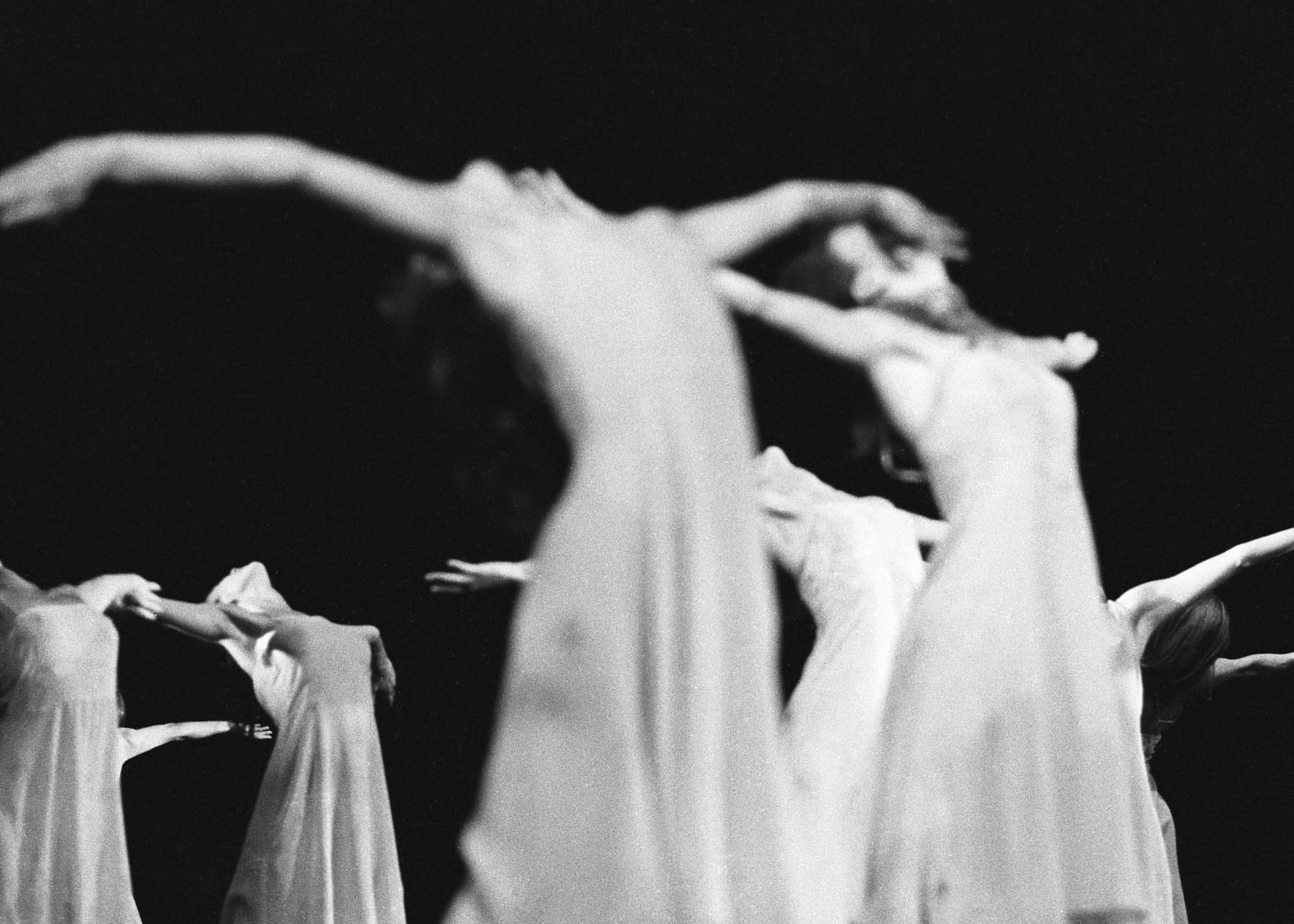
Photographs from the archive
The Ridotto dei Palchi, the foyer where La Scala audiences gather at every interval, was chosen because it also sits on the route of visitors to the theatre’s museum. The Museo Teatrale alla Scala organised the show, and the Pina Bausch Foundation conceived it, selecting the photographs and their sequence. The curator is Ismaël Dia.
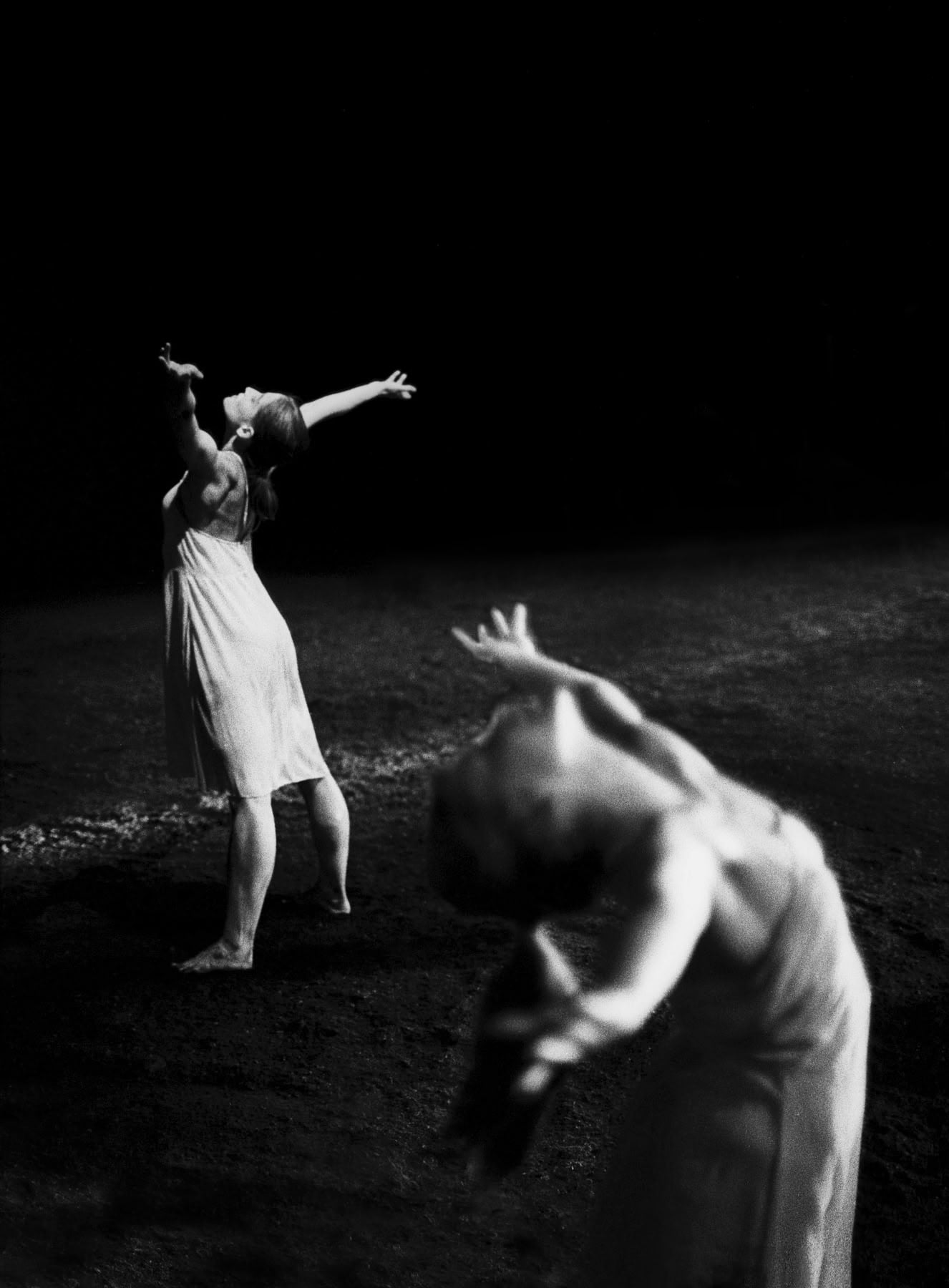
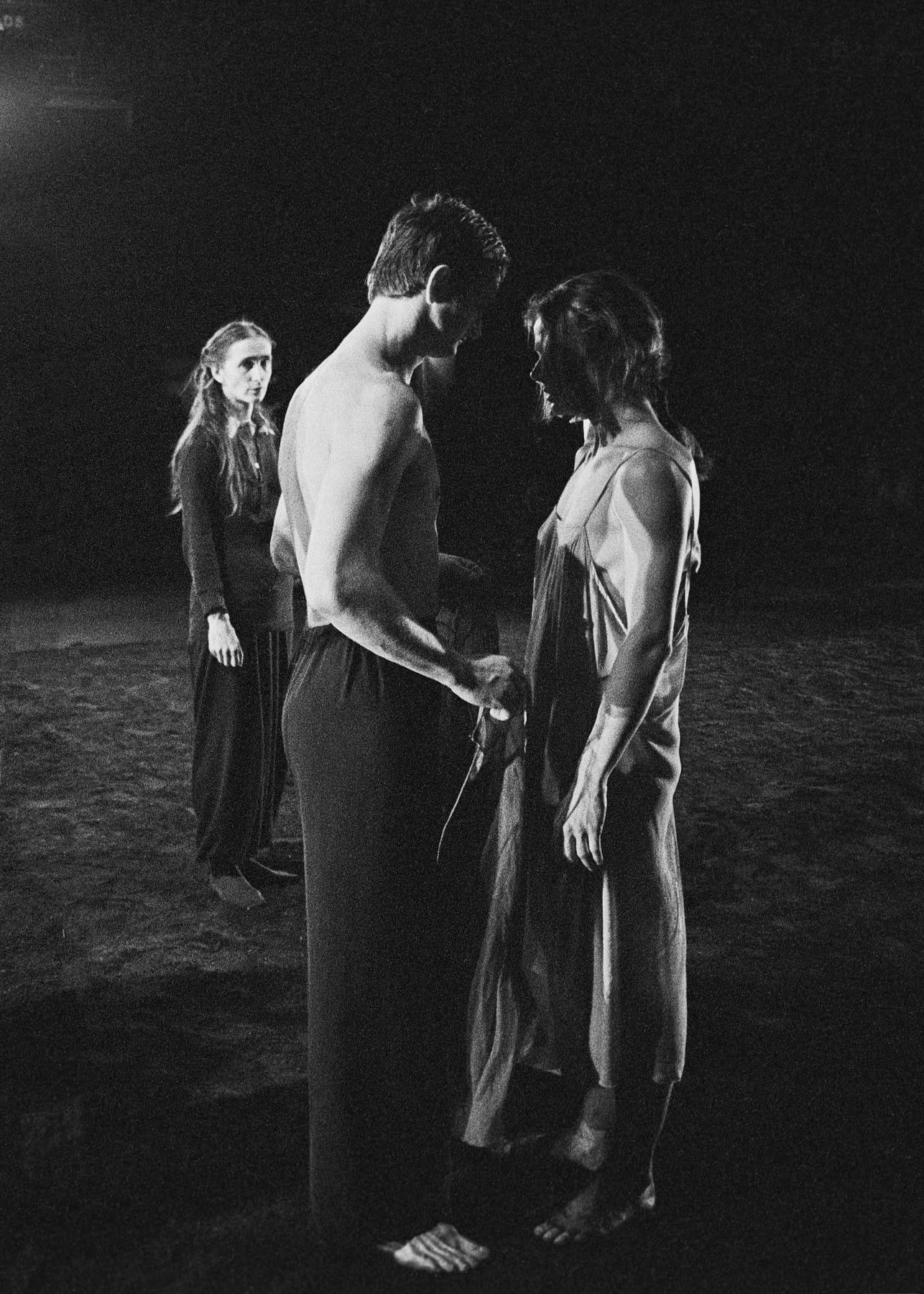
Drawn from the Foundation’s archive, rarely seen and previously unpublished images of rehearsals and performances show Bausch and the dancers of Tanztheater Wuppertal. Spread across 18 panels, they cover the production’s first two decades, from 1975 to 1995.
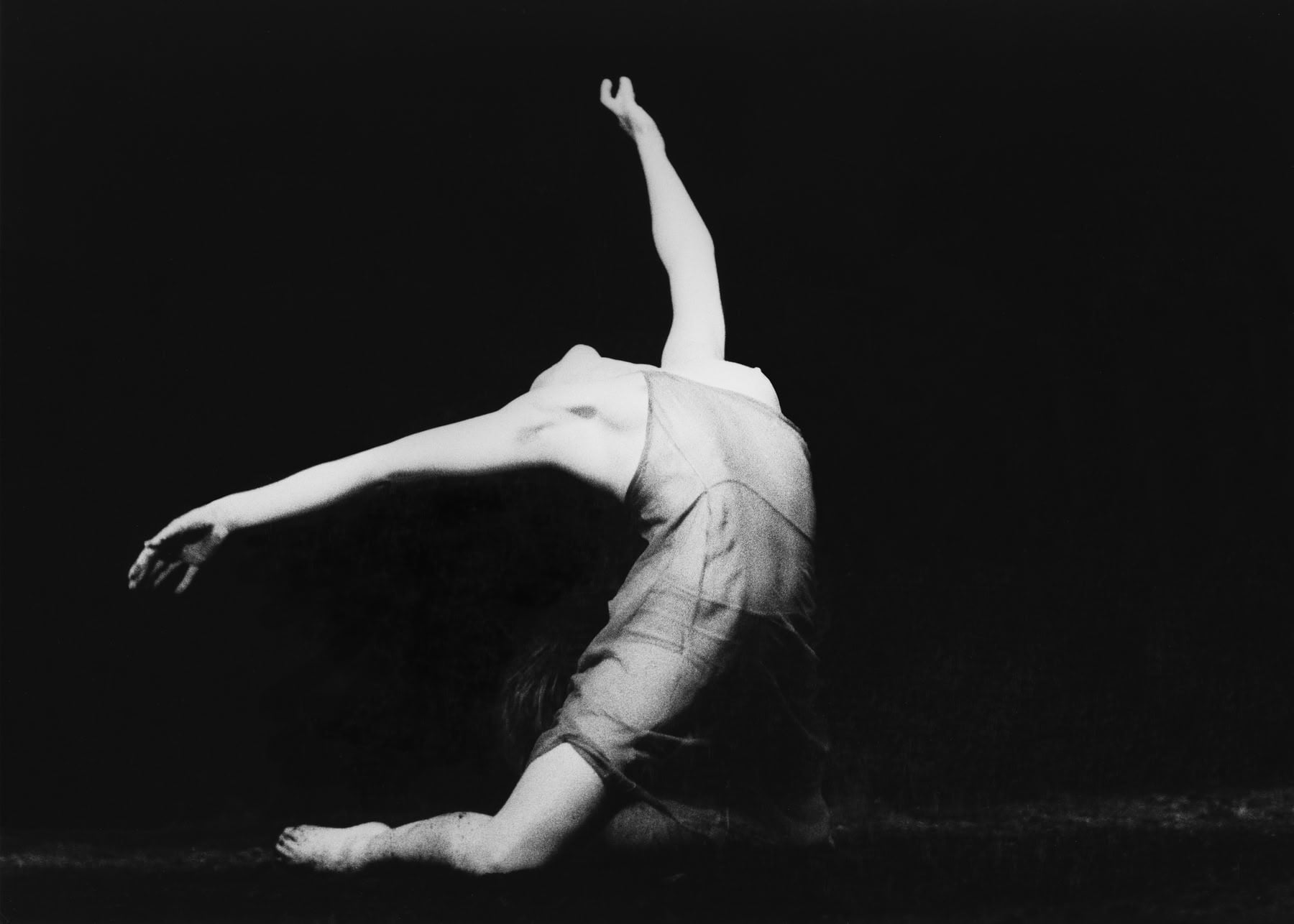
Dancers’ voices in place of captions
There are no captions. Instead, short testimonies from historic members of the original company, taken from oral-history interviews gathered for the Foundation, let the images speak. Josephine Ann Endicott remembers a choreographer who demanded exactness: “Pina was very precise. She was very technical. You had to try to achieve: that foot, that line.” In Le Sacre, she adds, “if you don’t go to the limits, no one is going to believe you.”
Finola Cronin recalls how physically unfamiliar the movement was, with hours of repetition leaving her body “completely tortured” and taking a long time to get used to. Marlis Alt, who danced the Chosen One, points to a different strength: the cohesion between women and men always moved her to tears, she says, because the girl in the red dress is never alone, “At its heart, this Sacre is filled with love.”
Tjitske Broersma, who took part in the creation in 1975, describes the quality that runs through it all. A dancer can simply occupy space and make a shape, she explains, but can also fill that shape with energy and send it outwards. “That is exactly what is characteristic of Pina Bausch: the energy continues.”
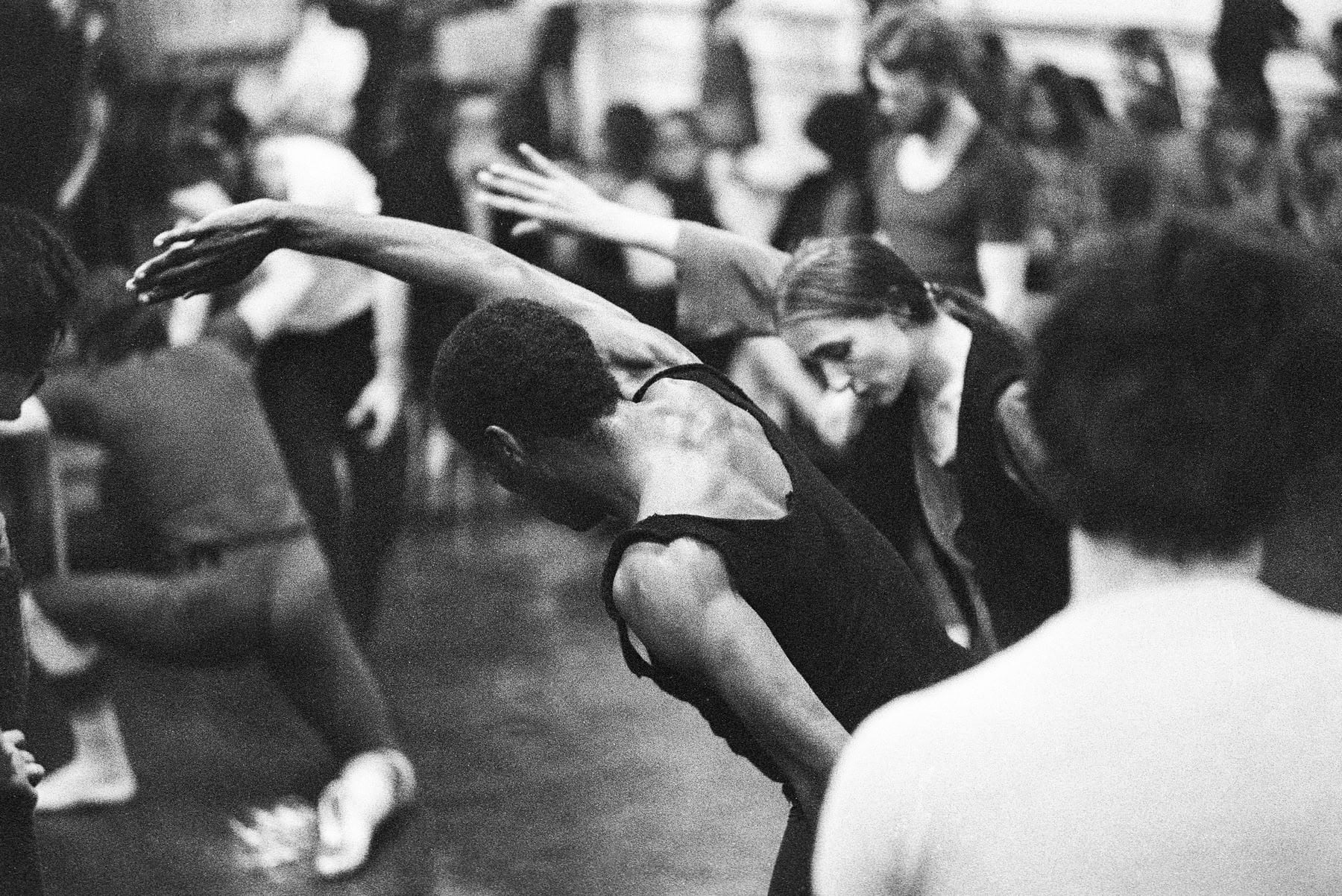
Bausch on screen
Two films play on monitors. One is a rare 1978 ZDF recording of Tanztheater Wuppertal performing Le Sacre du printemps, made just three years after the premiere. The other is a rehearsal document from 1987. While shooting her film Die Klage der Kaiserin, Bausch learned that the dancer playing the Chosen One was ill and the piece was due on stage the following evening. She stopped filming and called a rehearsal at once to prepare Kyomi Ichida for the role. Members of the film crew, who had come along, began filming a rehearsal already underway, and the footage follows Bausch as she takes Ichida through the key scene step by step.
The Foundation was set up in 2009, soon after Bausch’s death, by her son Salomon Bausch, and part of its archive can be explored freely at pinabausch.org. La Scala, which says it is honoured to join a living process of handing the work on, echoes the thanks that the Foundation placed in the exhibition’s colophon: to all the dancers, past and present, who have helped shape this journey over the years.