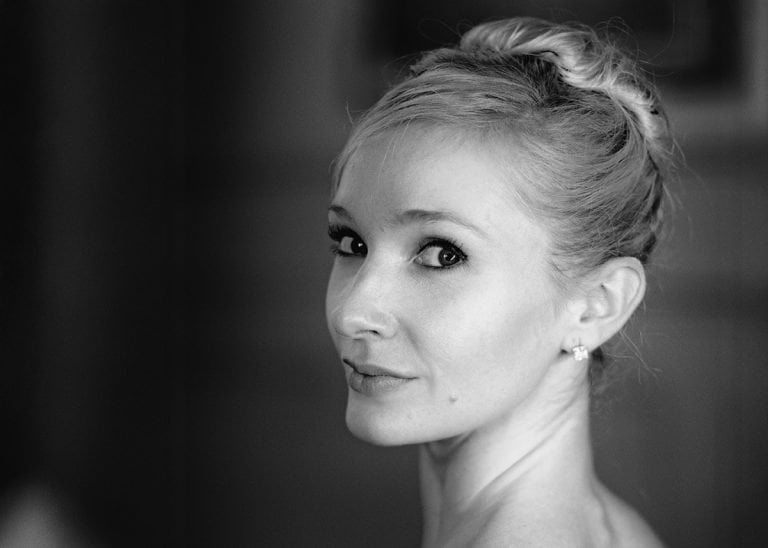
Interview: Rosalind Plowright looks back on her 50-year career

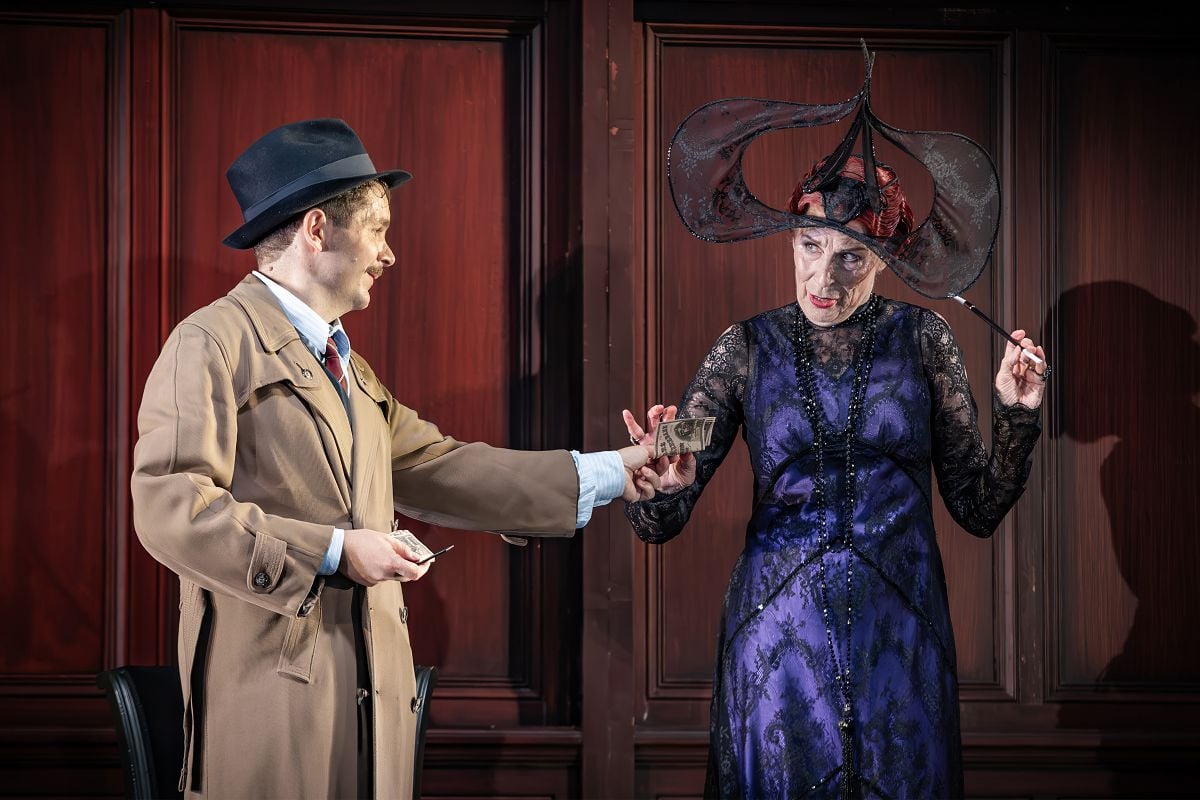
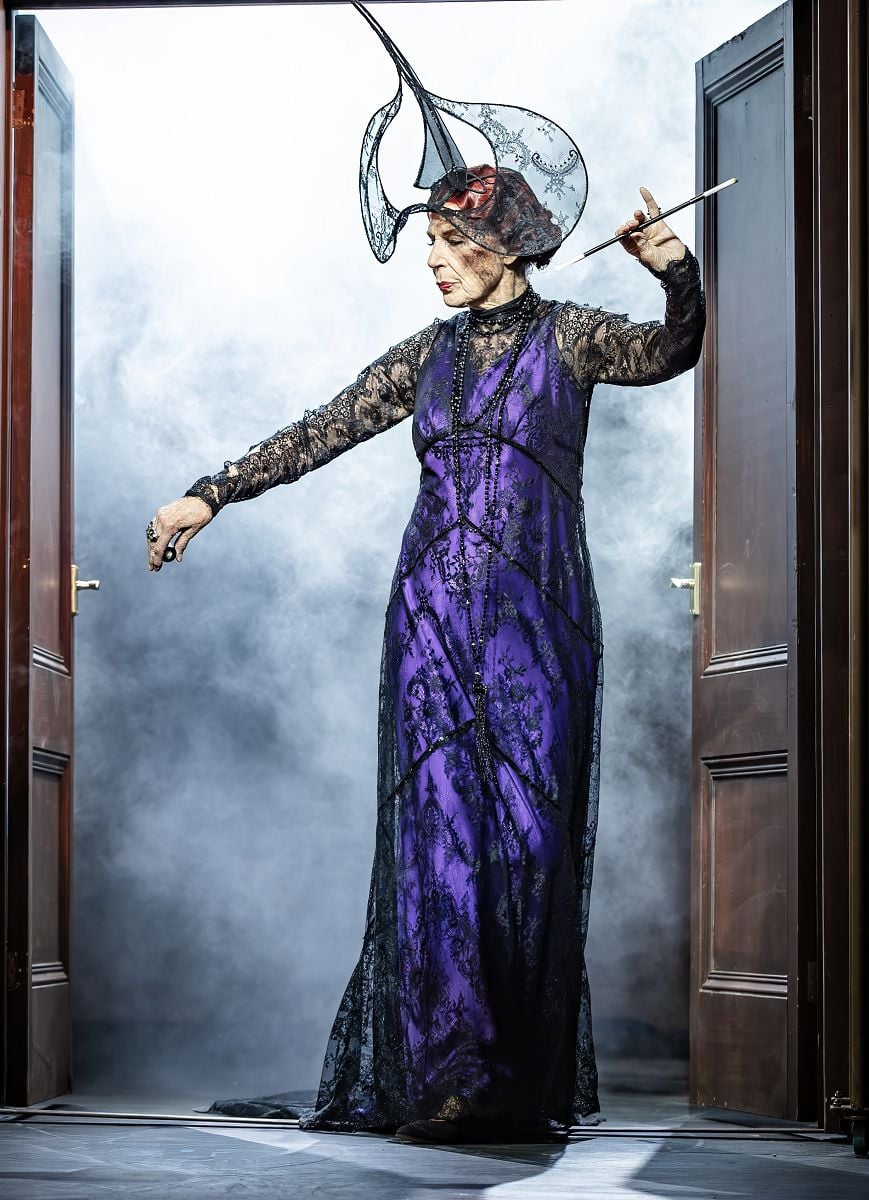
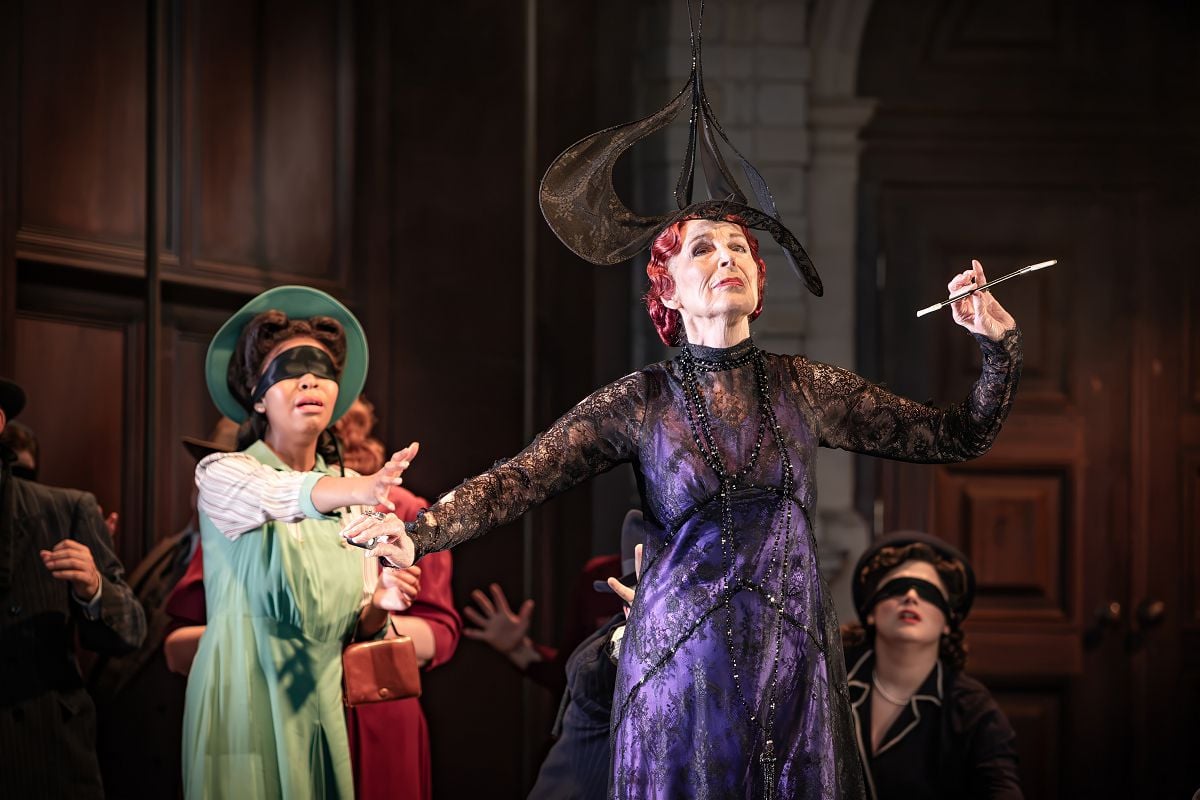
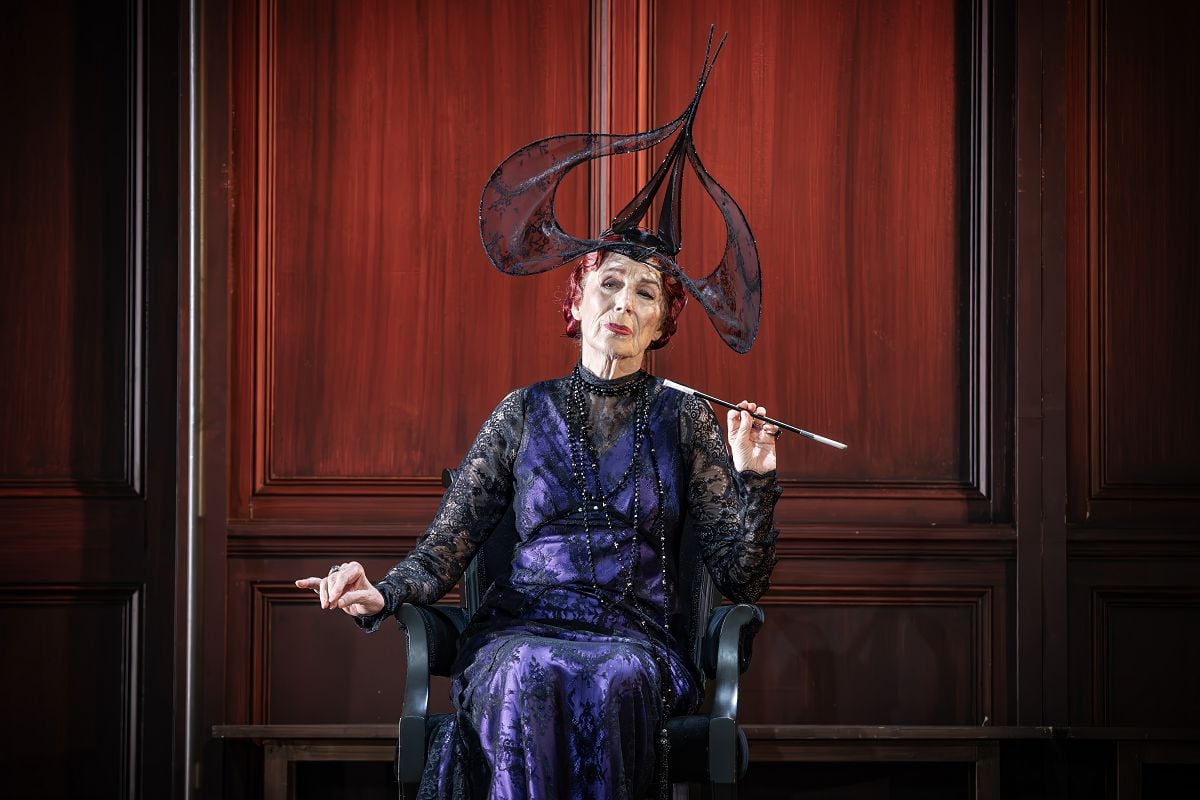
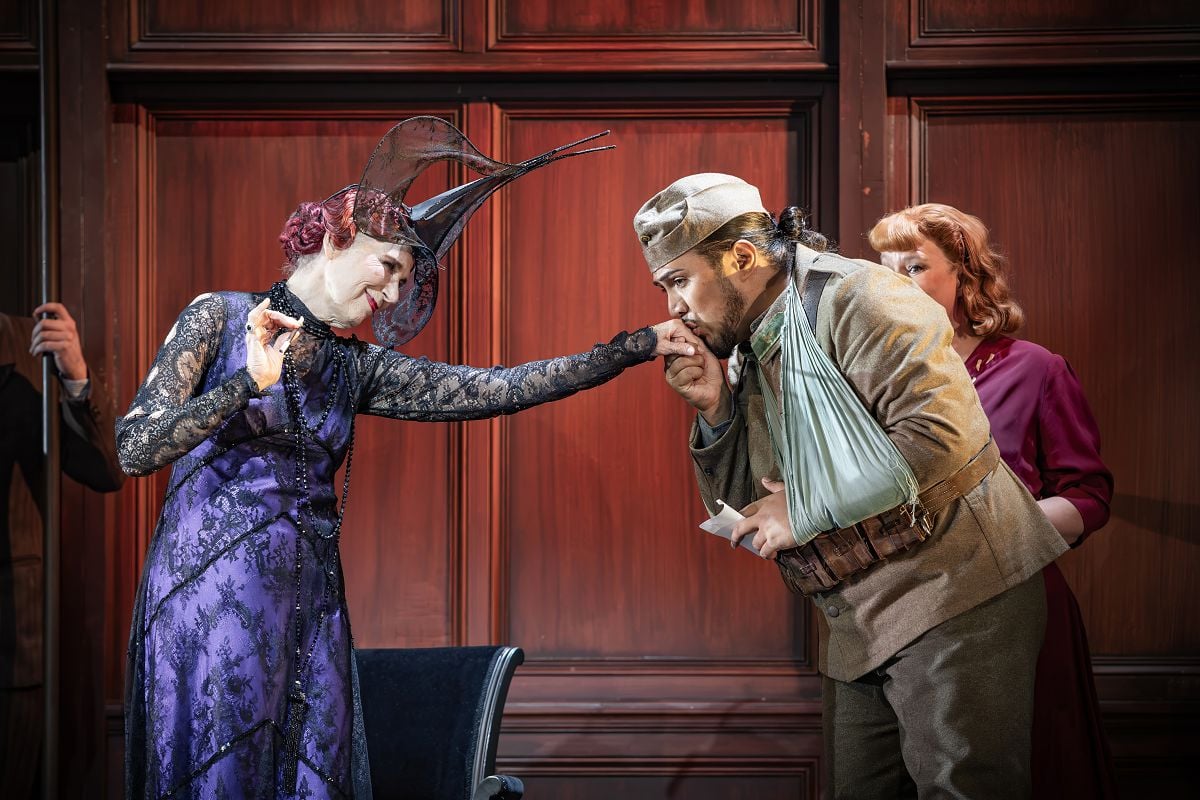
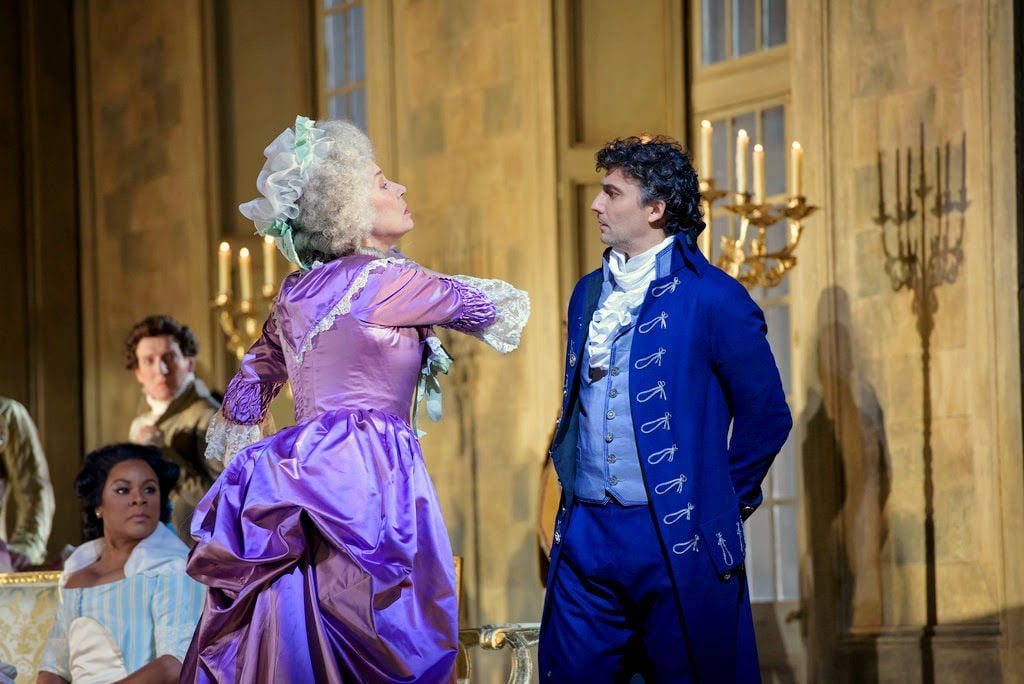
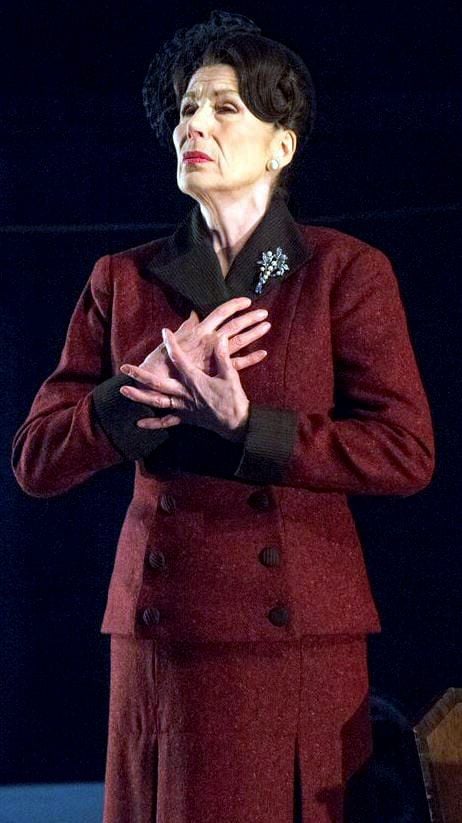
Rosalind Plowright will be singing the fiendishly difficult role of Ulrica in Un ballo in maschera at Opera Holland Park from 25 July. In this version, the role is known as Madame Arvidson, based on the real-life Anna Ulrica Arfvidsson – the opera underwent many versions, moving the setting from Stockholm to Boston to satisfy the censors.
The role requires a voice that can drop into the lowest caverns of the contralto register and almost immediately pivot to strike dramatic high notes, something that Plowright – born in the middle of the last century – incredibly finds is still within her vocal means.
Plowright looked back on her 50-year career, initially as a spinto soprano before becoming a dramatic mezzo, in conversation with Paul Arrowsmith.
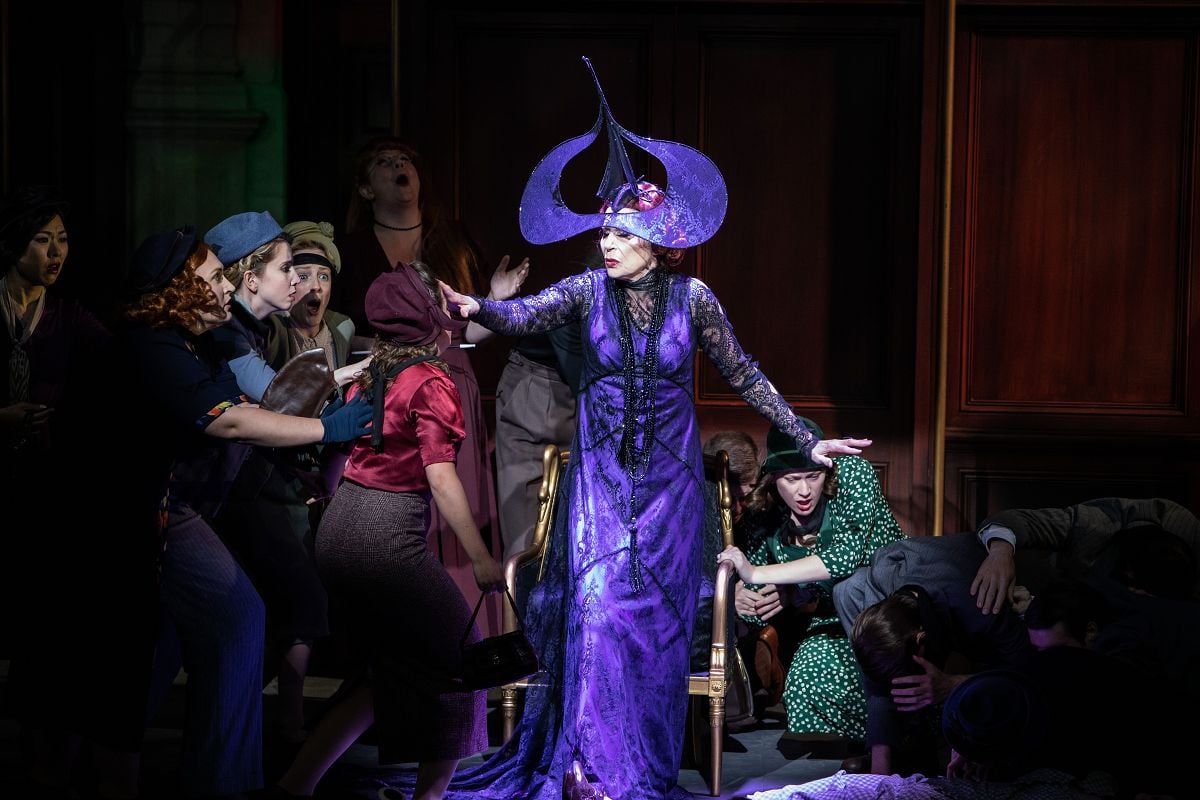
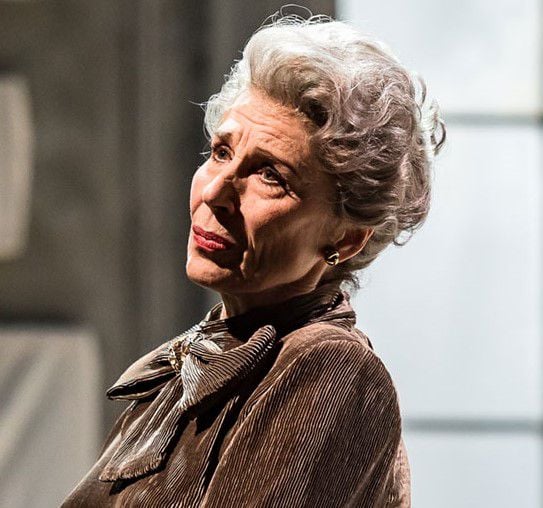
Tell us what you have coming up: Madame Arvidson in Un ballo in maschera for Opera Holland Park in London this summer…
Yes, I did the production when it was new in 2019 and didn’t necessarily think I would do it again – but the voice is working! And the director, Rodula Gaitanou, is a loyal supporter. Her direction, my dress, the headdress, were created for me – so why not do it again?
As a soprano, did you ever do Amelia in Ballo?
Lots of times – that was one of my calling cards in Europe.
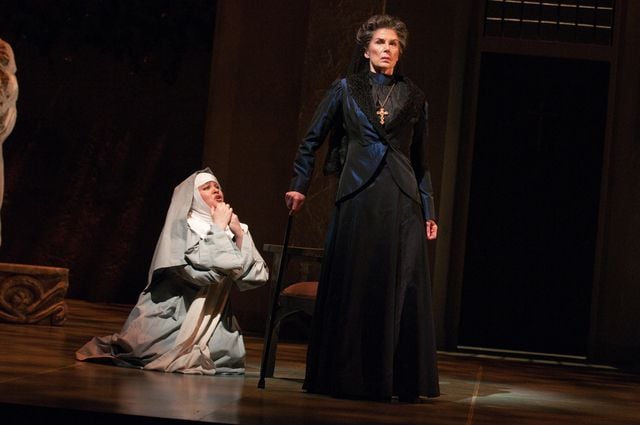
Now, as a mezzo, you portray some of the less-than-nicest ladies in opera – the Kabanicha in Katya Kabanova, Klytämnestra in Elektra, la zia Principessa in Suor Angelica … I’m guessing there must be dramatic satisfaction in such roles?
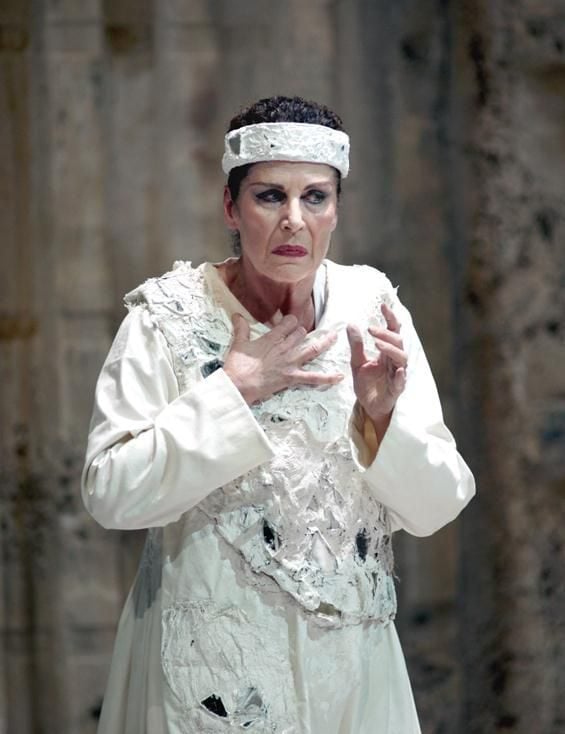
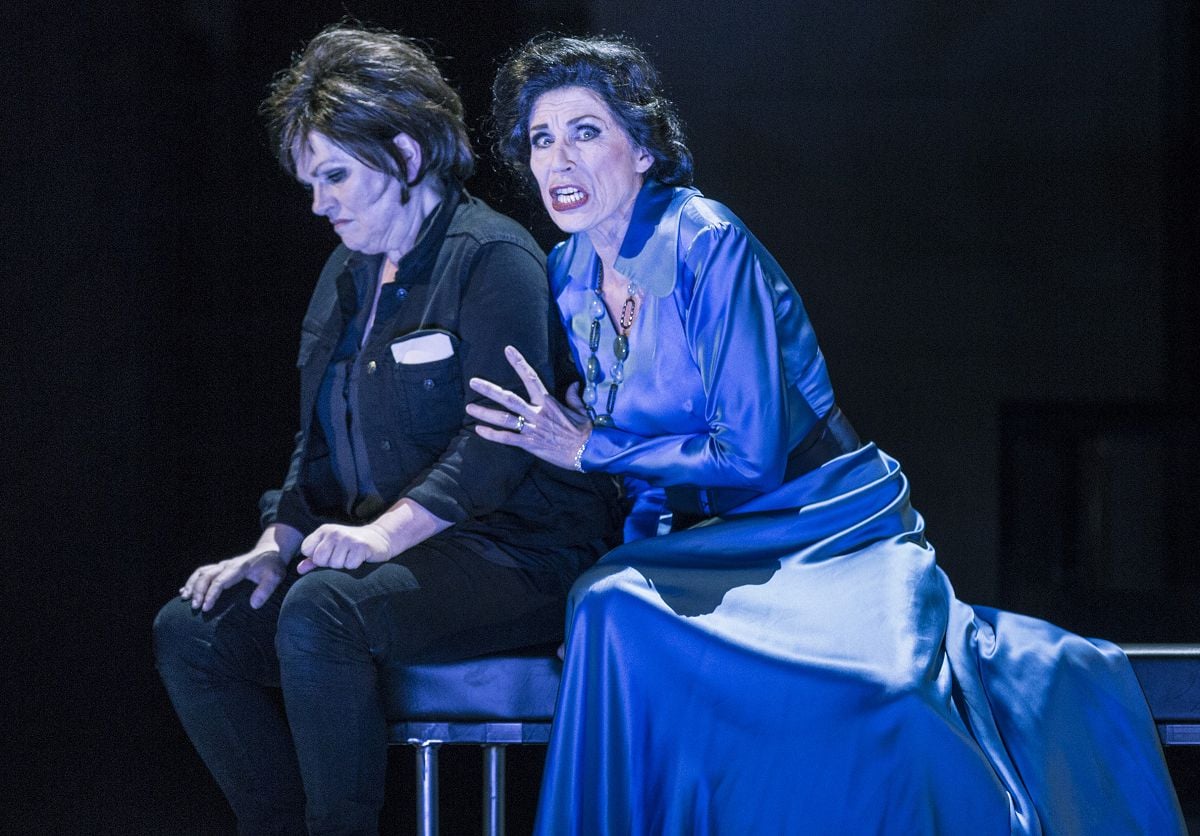
They are a gift for an actress who can sing them. Mezzos of a certain age can’t wait to get their hands on them. Of course, companies often use younger singers – cost is an issue – but for those houses that can employ the likes of me, I feel we can bring so much more to characters because of our age and experience. These roles kept me employed. Some of the parts are bigger than others, Klytämnestra in Elektra or Kabanicha in Katya. Since my very first mezzo role, which was Amneris, I found that pressures associated with the spinto soprano repertory all but disappeared.
I hadn’t appreciated you started as a mezzo …
I didn’t. At college, under the tutelage of Frederic Cox, I only sang soprano. When I was at the London Opera Centre, I was considered to be this singer with a low register. Throughout the early part of my career, people have confused my spinto sound with that of a mezzo.

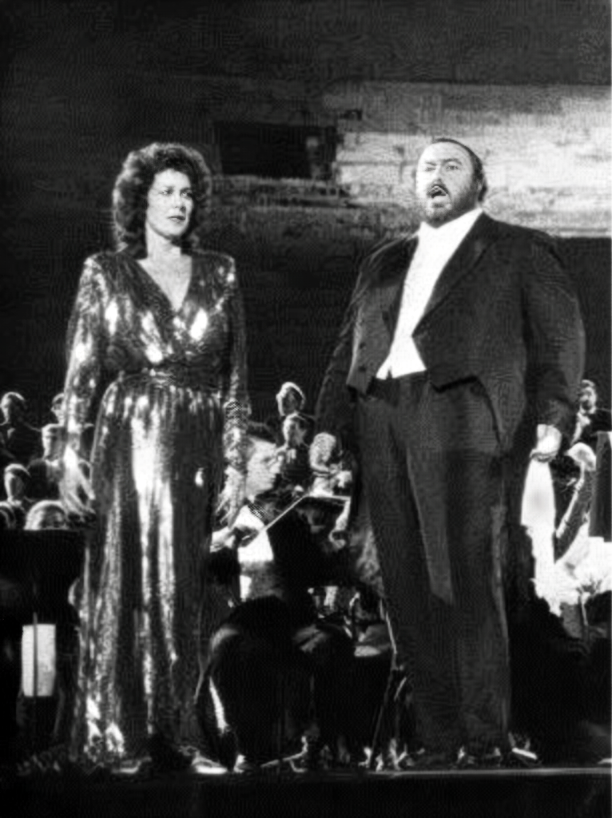
My memories of you are as a soprano, Aida opposite Luciano Pavarotti in 1984 in London, when you had flown in to replace an indisposed Katia Ricciarelli, having sung the role in Berlin the evening before …
You were there!?
Yes!
It was a hell of a night! The backstory is ridiculous. I’d been phoned the afternoon before and asked to do it. I said: ‘No way, impossible.’ I was doing Aida in Berlin that night. I was phoned again and told they had found Anna Tomova-Sintow who was rehearsing in Paris. Fine, I thought. I did my Aida in Berlin. It was the last performance in the run, so I went out for a meal with friends afterwards.
I had an early flight back to London and was feeling raw when my husband met me at the airport. I said that I was glad not to be doing the performance that night. He said: ‘Paris has refused to let Anna leave and they can’t find anybody else. The theatre will go dark if you don’t.’ So, when I got home, I tried my voice. It was still warm. I just knew that I didn’t want that [the cancellation] to happen so I agreed to do it. I will never forget the ovation that night. Perhaps you remember it?
Sadly, not, but I do recall the staging (!). It must be hard to walk into a production you had never seen …
The jump-in, or Einsprungen, is something that busy singers have to deal with. Everyone in the production team and the conductor get right behind you. [Initially] Pavarotti just stood centre stage. But after [the aria] ‘Ritorna vincitor’, I remember he just switched up another gear. The whole evening was thrilling.
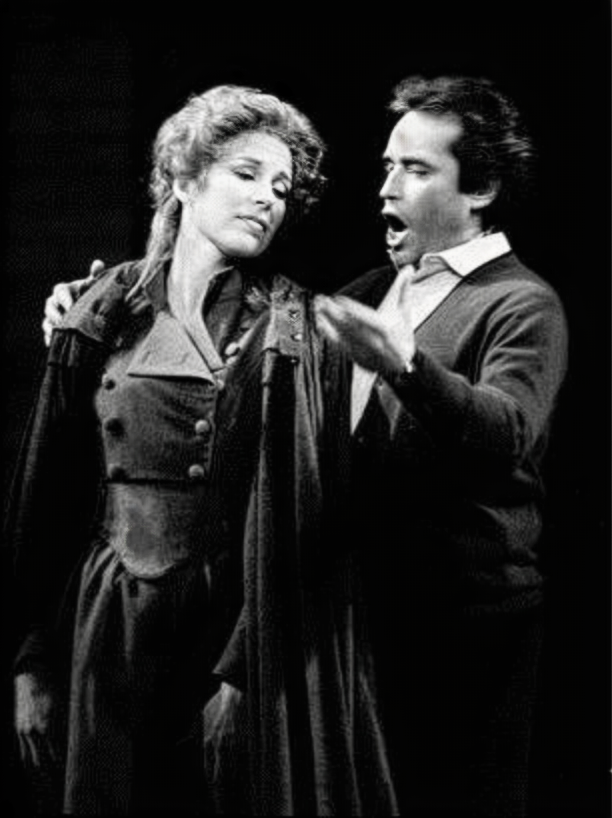
Earlier that year you were Maddalena, opposite José Carreras in Andrea Chénier. The final ecstatic line – “viva la morte insiem” – to me, is the epitome of Italian opera. What’s the impact on you at the end of an opera like that?
It’s uplifting. The adrenaline carries you through. The same when I did Vêpres siciliennes at English National Opera. It’s a quite wonderful feeling. It is, though, the audience response after the final curtain that reminds me why we do this.
In the early-1980s, there was a lot of media hype around your big debuts. Did that cause a lot of pressure?
I was always my severest critic, and I still am. I told myself I can do this; I have the energy. The pressure as a leading soprano was immense. Often the show rested on my shoulders.
Did you read what critics were saying?
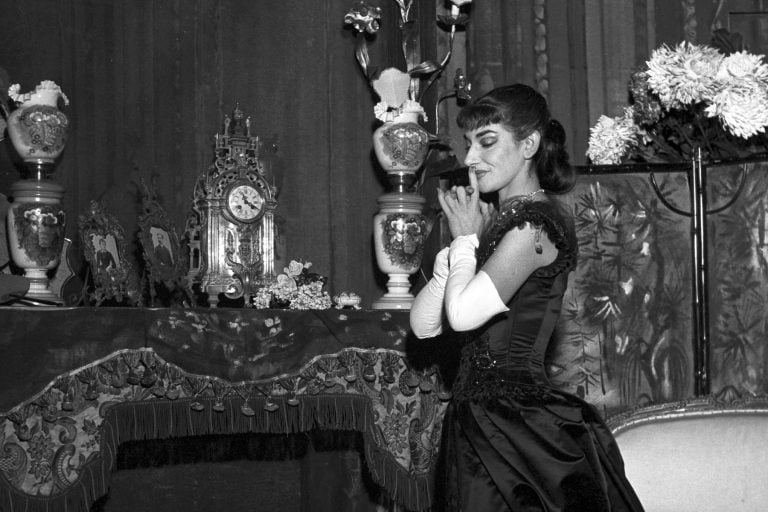
I was very much aware of what they were saying. Max Loppert, The Financial Times critic, wrote of my Desdemona [in Otello]: ‘Her voice falls like manna on the desert of British Verdi sopranos.’ As my career grew, I was often referred to as a second Maria Callas, my idol. People will say what they want but I was always Rosalind Plowright. I worked at the very highest level, made some legendary recordings and am glad that some of my work will be remembered through the media long after I am no longer around.
Are there any roles you didn’t do but wish you had?
I recorded Leonora in Forza del destino with José Carreras but would have liked to have performed it on stage. I was never enticed by Wagner. I was always more into the Italian rep. I specialised in Verdi, singing 14 of his leading lady roles plus the Requiem. Again, with Puccini – excluding Mimi, Turandot and Fanciulla – I did [the title roles] in Manon Lescaut, Butterfly, Tosca, Georgetta in Il tabarro as well as Suor Angelica.
What prompted your shift from soprano to mezzo?
It’s the influence of what the voice is telling you. It becomes more challenging to do the heavier soprano roles like Lady Macbeth or the Puccini roles. When Richard Armstrong asked me to perform Amneris instead of Aida, I realised then that this was the way my career should continue. Doing Amneris was like a night off, unlike the Verdi soprano roles where you have to do everything to keep the performance afloat.
Also, I decided to have my children. It’s not the same for all singers, but that experience changed me physically and vocally. There is always the balance between family and career. It’s quite tough to do both. No! It’s bloody tough. But I’m a fighter. I came back and moved into some bigger roles, Tosca, Lady Macbeth and La Gioconda,while revisiting others, the Trovatore Leonora and Medea.
What makes a good conductor?
Somebody who is kind, understanding, and patient, and who loves the voice. Somebody who is willing to listen and remembers we are human beings. The best conductors are those who have worked as repetiteurs. Tony Pappano started as a repetiteur in Frankfurt.
And what makes a good director?
I have been fortunate to work with so many talented directors. I started my international career in Frankfurt in the early 1980s. Regietheater. I came across Neuenfels, Berghaus, Kirchner and others. Now that was fun. More recently I have adored working with Keith Warner and Rodula Gaitanou among others.
Directors have all the sway nowadays. They often choose the cast, not the conductor. They are a force to be reckoned with. I have suffered three times with directors. Once when my face didn’t fit, then once when I was removed from a production as the director was substituted for one who didn’t like me. Another time when the director wanted his own mezzo – he was sleeping with her. It can be a tough profession at times, but we move on to the next show.
The nature of productions was beginning to evolve when I was starting out. Think of what David Poutney was doing, moving to slightly controversial stagings. And my first Aida in Germany in 1981 was really wild, not my idea of Aida at all. It was directed by Hans Neuenfels, one of the first of the German ‘Regietheater’ directors. I was a French maid; Radames worked in a museum. The final act became a pyramid [or] gas chamber for the tomb scene at the opera’s close. Compare that to America, where productions were so traditional at that time.
Do you have favourite venues?
What makes an opera house a pleasure to work in has always been tied to the quality of the production, music staff and one’s colleagues. Above all is to feel wanted and respected. I still feel that the USA and Europe remain my favourite places to work. I would like to have done more in London, both at English National Opera and Covent Garden. England is my home, and you want to be recognised in your home country. I loved Frankfurt at the start of my career. They had a very go-ahead attitude, and you felt loved and respected by the administration. Not so much with the Italian opera houses – shall we just say things are not quite as organised as they could be.
And where are the most demanding audiences?
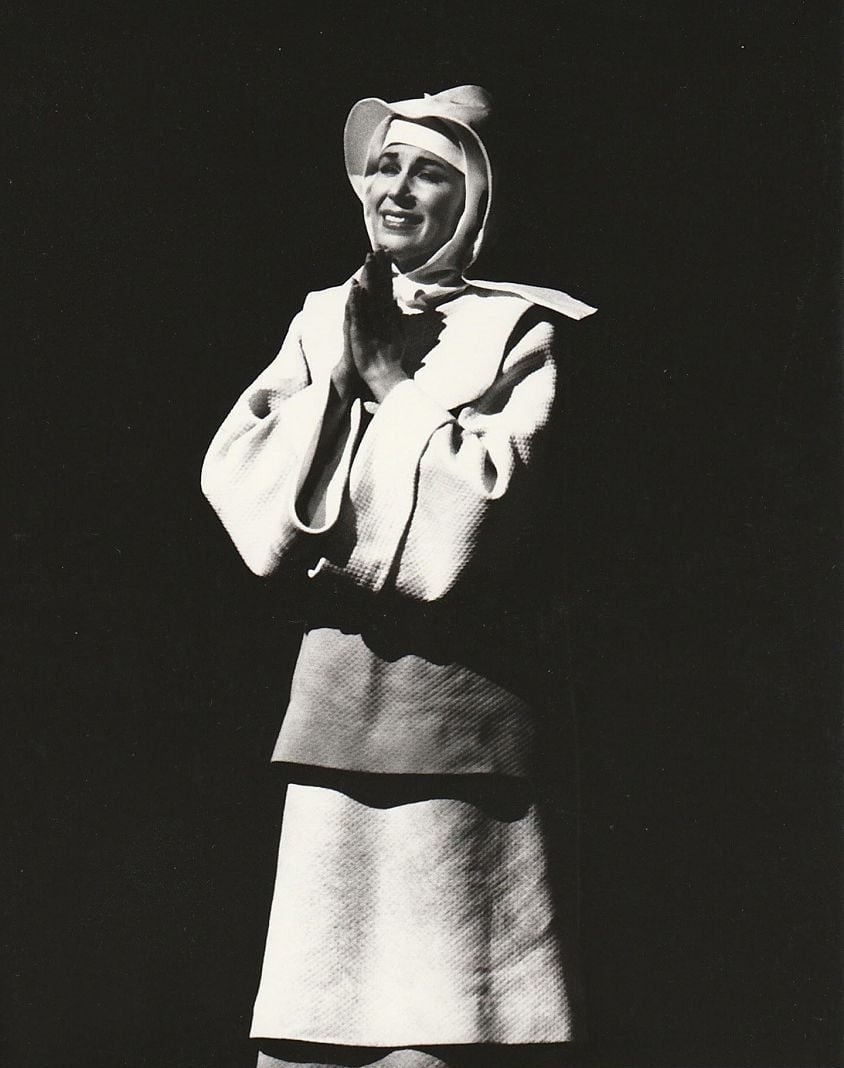
Well! La Scala. I did my first Suor Angelica there in 1983 – that was a tall order. Imagine this green, English soprano in a classic Puccini role. It was like being thrown to the wolves. I was even approached by the head of the claque! “Nice to meet you,” I said in my naivety. In fact, my Suor Angelica was very well received, and I was invited back to sing Alceste.
Then I did receive a few boos on the first night, but [conductor] Riccardo Muti told me not to worry, as the Callas claque was in and nobody escaped when singing a Callas role at that time. At a subsequent Traviata, not with me, the claque was banned from the show to protect the soprano.
What was your original motivation to become a singer?
The stage – to be on it in any shape or form. I love creating drama, to be out there as an actress who can sing.
What advice do you have for young singers starting out now?
Unless you have a white-hot burning desire to succeed, you may as well seek something else.
I’ve taught so many people with good voices, but it’s not just the voice. You need passion and a special quality. You don’t see it that often. It is not enough just to sing prettily. Last year I spent a lot of time in Munich doing Mama Lucia in Cavalleria rusticana. There were three casts, so I had three Santuzzas, three Turridus and three Lolas. Now Lola is not a character that you really notice – but these three were all stunning.
Is Madame Arvidson this summer a ‘positively last appearance’ – or can we expect more?
Retirement is not a word in my vocabulary. I will always look at an offer.
The future, though, may hold new surprises. I have been fielding acting jobs, and for the last ten years, I’ve been developing a project about Lotte Lenya. I’d done the old baroness in Barber’s Vanessa at Wexford. At the end of the festival there was a concert. I chose to sing a song by Kurt Weill. That’s where the idea was formed, initially with Rodula Gaitanou. It will be a full-blown play with Weill songs. It is a two-person play, with Lotte Lenya and Kurt Weill’s ghost as the two protagonists. It has been written, approved by the Kurt Weill Society in New York, and we go into a workshop of it this September. Watch this space!
Rosalind Plowright
Un ballo in maschera – Opera Holland Park