Review: William Christie and Les Arts Florissants at La Scala with The Fairy Queen

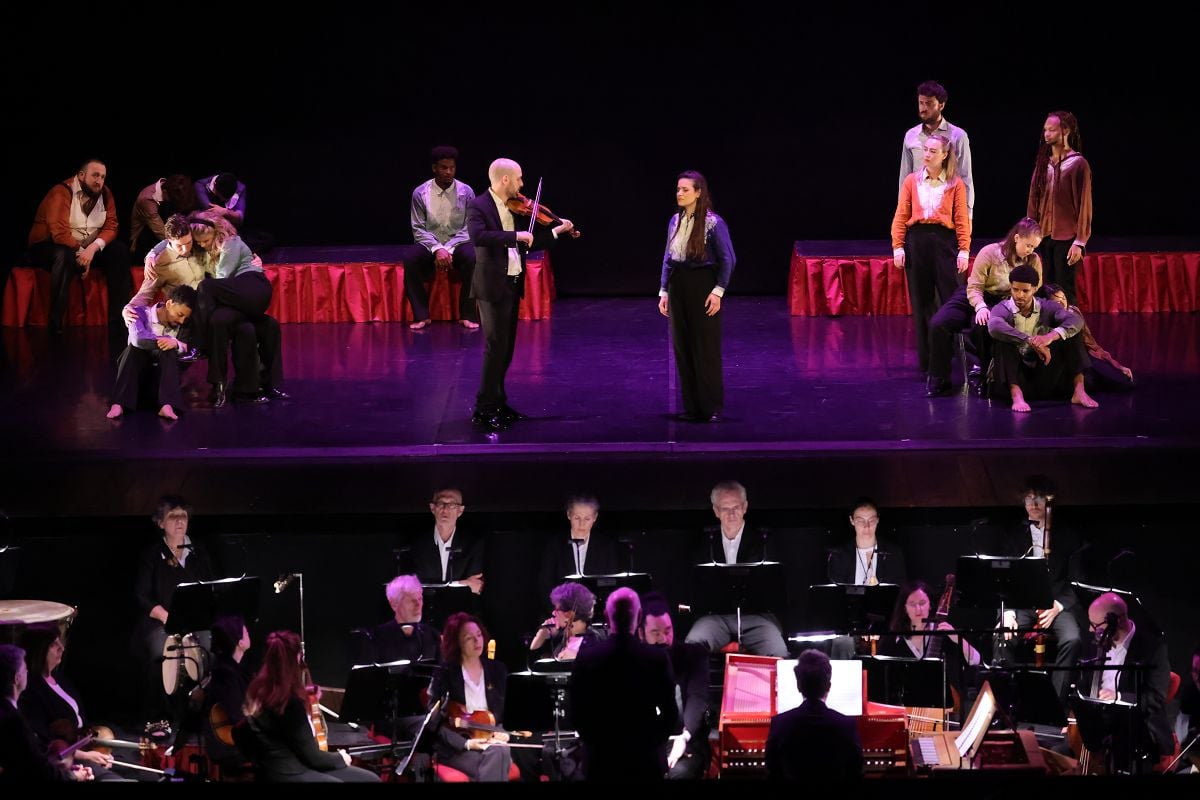
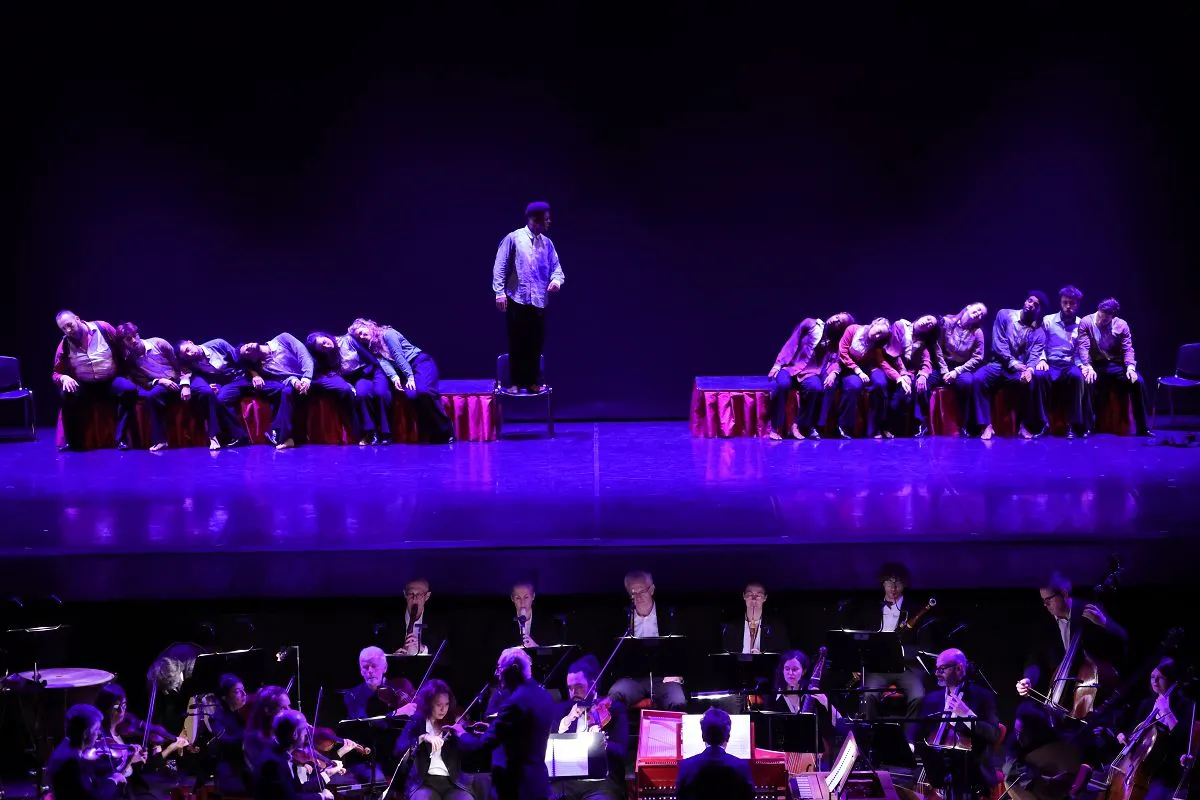
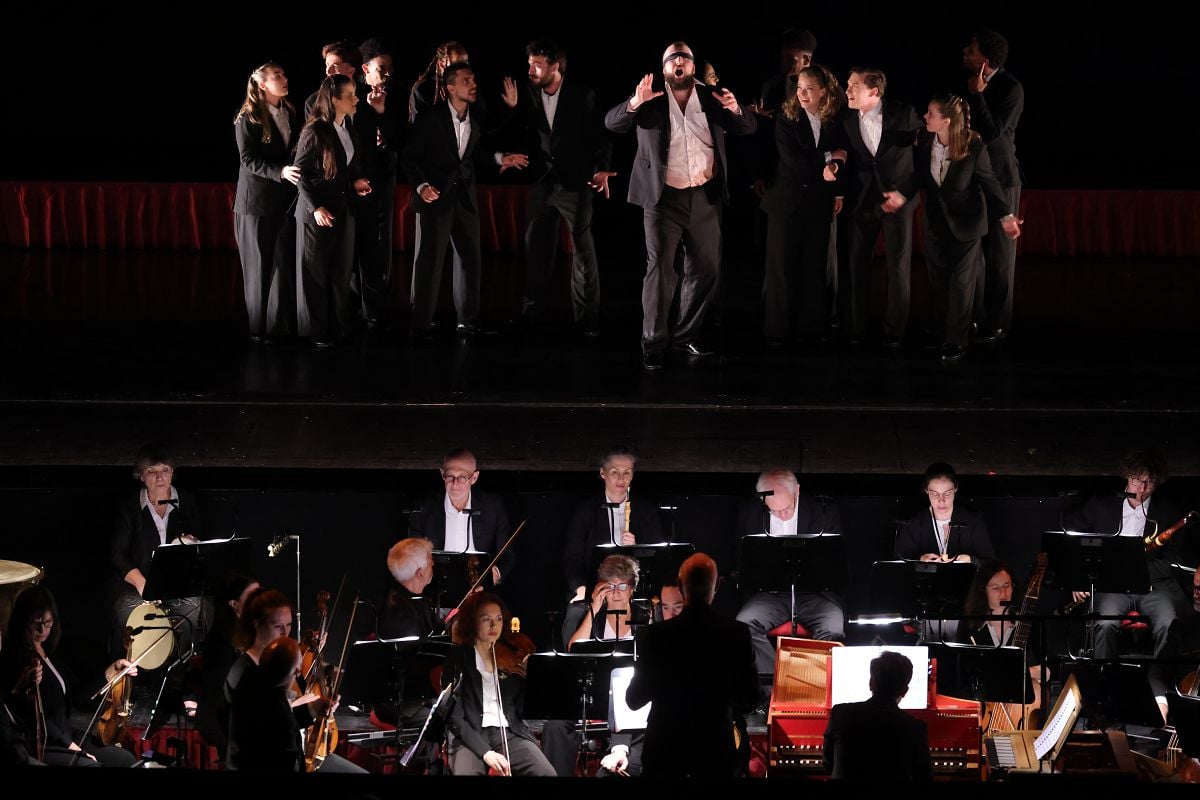
A long time ago… ahem, 30 years ago… I directed The Fairy Queen for William Christie and Les Arts Florissants. It was more of a mise en scène, with (Dame) Harriet Walter acting as a ditsy narrator in costume, and some limited movement and swapping of chairs by the soloists. Now Christie has embarked on a new tour of The Fairy Queen with hip-hop dancers from Compagnie Käfig and the Julliard School, and eight athletic graduates from Le Jardin des Voix, Les Arts Florissants‘ academy for young singers. So startling different to that earlier production, how marvellous that Christie, approaching 80, courageously continues to reinvent his approach to music that he knows intimately, and cleverly entrusting not only the choreography but also the stage direction to Käfig’s artistic director, Mourad Merzouki.
A year-long tour takes in, among many theatres and festivals, the BBC Proms, the Tanglewood Festival, the Lincoln Center, Versailles, and La Scala. I haven’t seen a standing ovation at La Scala – from the stalls to the gods – in a long time. Watching this tall, slim, elegant white-haired man rushing up and down the stage with the singers and dancers during the final applause conjured up an inevitable comparison with a similar looking man, just two years his senior, who is the current incumbent of the White House. The cheering encouraged Christie to give two encores from his place on stage, and he joined in with the singing and dancing.

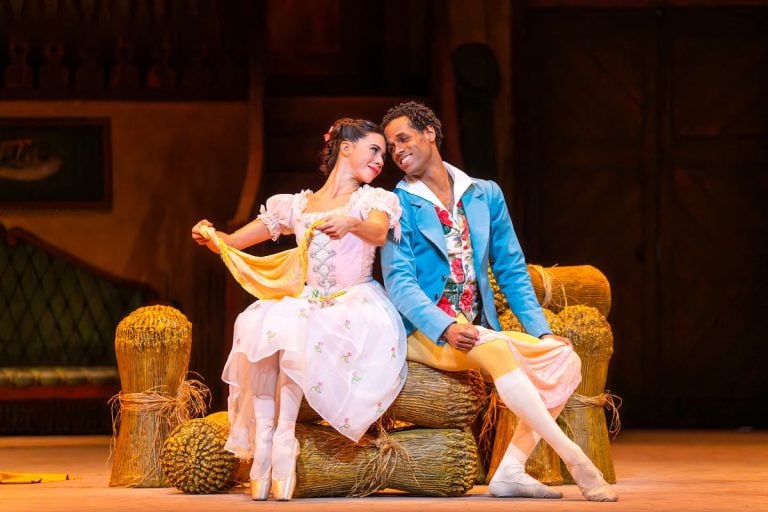
Hip-hop and Baroque. How dare they! Well, they did, and it worked wonderfully. Aside from the fact that these dancers did (extraordinary) hip-hop moves, they also had dancers’ stretched feet and whipped off fouetté turns and pirouettes à la seconde at one point. They were personable and integrated with the well-judged acting by all on stage. Purcell’s 1692 opera is full of dances and musical interludes and Merzouki’s moves perfectly matched the atmosphere and energy of the piece without disturbing its intention and tone.
Christie introduced much theatrical invention with clapping and laughing, and “Hush, no more” (touchingly sung by bass-baritone Benjamin Schilperoot), for example, had the ensemble putting their index fingers to their lips and ‘hush’ became ‘hushhhhhh’. The wind players intermingled with the singers occasionally, and for “O let me weep” the outstanding Juliette Mey was joined by first violin Emmanuel Resche-Caserta for a bewitching ten minutes. These little extras were delightful and never gimmicky. Certainly, the extreme legato playing of the second movement of the second act symphony (Purcell’s fourth act), and many other hypnotising musical moments, were the sections that best underlined Christie’s magical touch.
Of the excellent cast, mezzo-soprano Rebecca Leggett (“Thrice Happy Lovers”) showed her bright, clean tone to great effect; tenor Ilja Aksionov has a winning presence and a powerful, yet easy, emission across his range; and Georgia Burashko (“Ye Gentle Spirits of the Air”) has a rich mezzo sound with a distinctive timbre.
The scene between Coridon (the tall baritone Hugo Herman-Wilson, also superb as the drunken poet at the work’s opening) and Mopsa (a delightful Aksionov) has a Pyramus and Thisbe flavour from Shakespeare‘s A Midsummer Night’s Dream (on which The Fairy Queen is loosely based) with the male interpreter of Mopsa dressed in women’s attire leading to inevitable comic effect – “No, no, no, no, no kissing at all!” Though the scene ended with a big kiss. While Purcell inserted this duet for laughs, there was a strong LGBTQ+ flavour to much of the staging. It fitted so well with the ‘fluidity’ of the rest of the production – very much an ensemble piece, with blurred lines between dancers and singers, musicians and stage performers… male and female. As is sung in the final chorus, “Love shall fill all the places of care.”