The multimedia exhibition ‘Puccini – Opera Meets New Media’ arrives at La Scala for the Puccini centenary

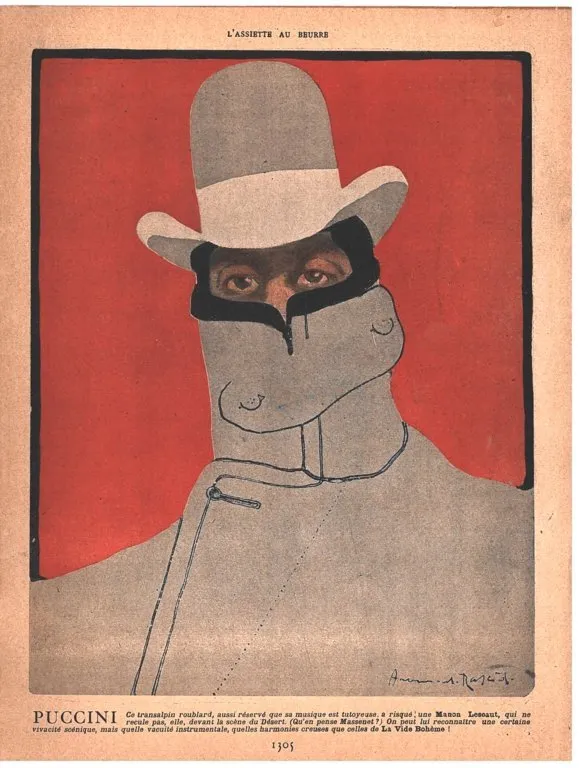
The multimedia exhibition Puccini – Opera Meets New Media, recounts the disruptive impact that the new media of the time – recorded music and film – had on the entertainment industry, culture and society.
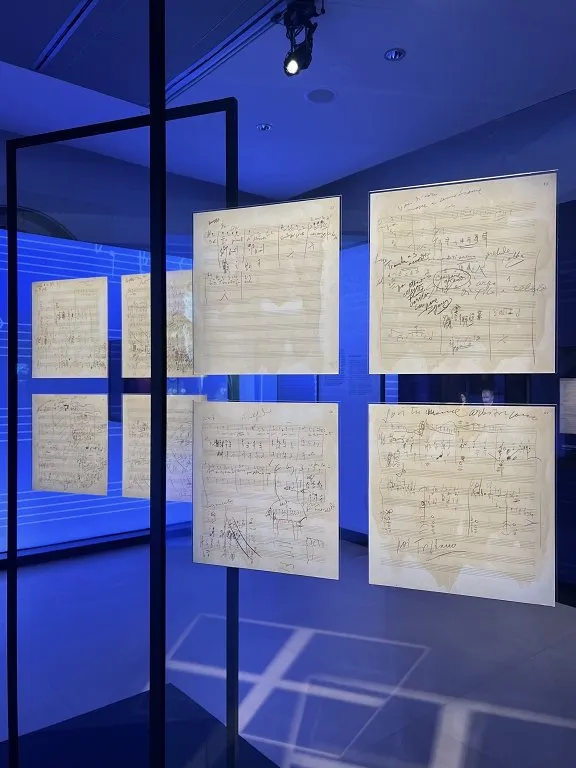
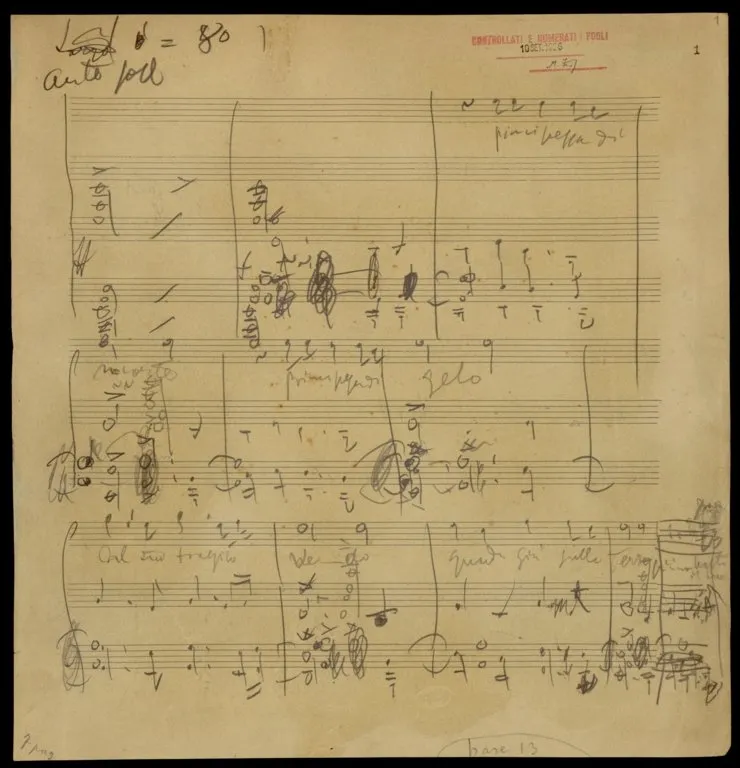
Inaugurated in Berlin last April, the exhibition will open at La Scala’s Museum in Milan on 24 October 2024 and run until 12 January 2025. It features original documents from the Archivio Storico Ricordi, including the unpublished sketches for the final duet of Turandot that Puccini had with him in Brussels before his death (on show for the first time), and an animation that uses AI to recreate the sets of the unfinished opera according to the composer’s original intentions.
To mark the centenary of Giacomo Puccini’s death – he died on 29 November 1924 – last April Archivio Storico Ricordi and Bertelsmann (which owns Ricordi) opened Opera Meets New Media, a multimedia exhibition on the composer and the interaction between opera and the media of the time. The exhibition, which was open to the public until 16 May at the Bertelsmann headquarters in Berlin, will arrive in Italy from 24 October to 12 January 2025 at the Museo Teatrale alla Scala in Milan.
Puccini is one of the world’s three most performed opera composers, along with Verdi and Mozart. In 2024 over 2,800 performances of his operas, in 970 different productions, are scheduled worldwide. And while the popularity of other composers may go through cycles, Puccini’s more popular operas (Bohème, Tosca, Butterfly, Turandot) have remained a constant presence in opera repertory throughout the last one hundred years. As the historian Julian Budden observed, “No composer communicates more directly with an audience than Puccini”.
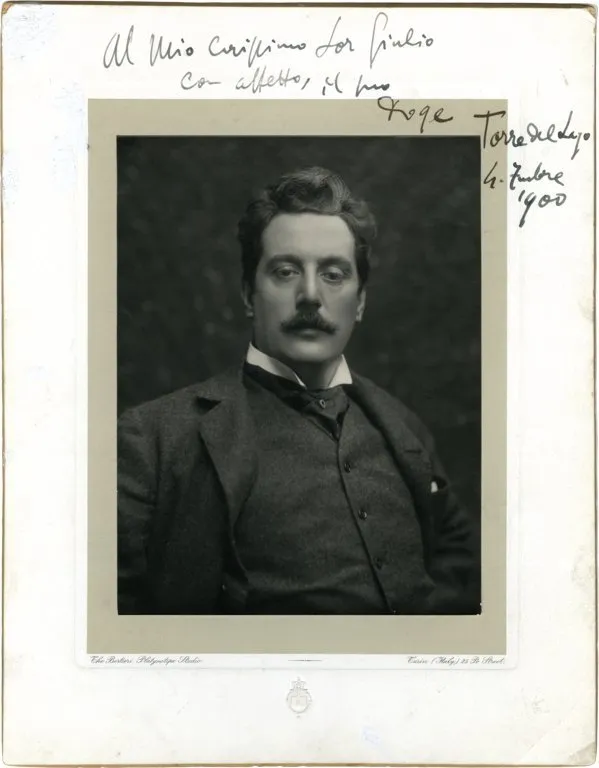

The exhibition, curated by the scientific director of the Archivio Storico Ricordi, Gabriele Dotto, and the musicologists Christy Thomas Adams and Ellen Lockhart, recounts an epochal turning point in the world of opera and the cultural industries. An introduction to the exhibition reads:
The early 20th century: the world is undergoing an unprecedented transformation. New technologies, until a few years before considered mere curiosities, become an integral part of the everyday life of Western society; the gramophone, for example, brings music and theatre directly into the home, shaking the experience of listening to and enjoying a genre such as opera to its foundations. Then, the expansion of cinema. Giacomo Puccini, an established composer destined to become the most famous living opera composer and one of Casa Ricordi’s greatest financial successes, found himself and his publisher at the crossroads of these momentous changes. What impact would the challenges of modernity have on publishing, on copyright, on live theatre? They were to be approached with creativity and welcomed as opportunities to bring an ever wider and more varied public closer to the world of melodrama.
Thanks to the vast holdings of the Archivio Storico Ricordi, Puccini’s most comprehensive music collection, the exhibits and installations describe the challenges of the new media of the time on copyright, the construction of the Puccini ‘brand’ and the composer’s transoceanic journeys to promote his works. Among the unpublished documents are sketches for the final duet of Turandot, which the Maestro had taken with him to Brussels, where he had gone in the hope of finding a cure for his illness. Far from offering a complete outline of what he had in mind for the opera’s finale, they nonetheless represent a moving glimpse into the last expressions of Puccini’s compositional process. For curator Gabriele Dotto, they represent one of the most surprising contents of the exhibition:
They have never been shown in public before, which in itself makes them quite special. And they are captivating on several levels: music scholars will be intrigued by their aspect of unfathomable complexity; composers will smile as they recognise the apparent chaos of these ‘private notes’; but all visitors will be touched by a glimpse of these last vestiges of a great composer’s compositional process.
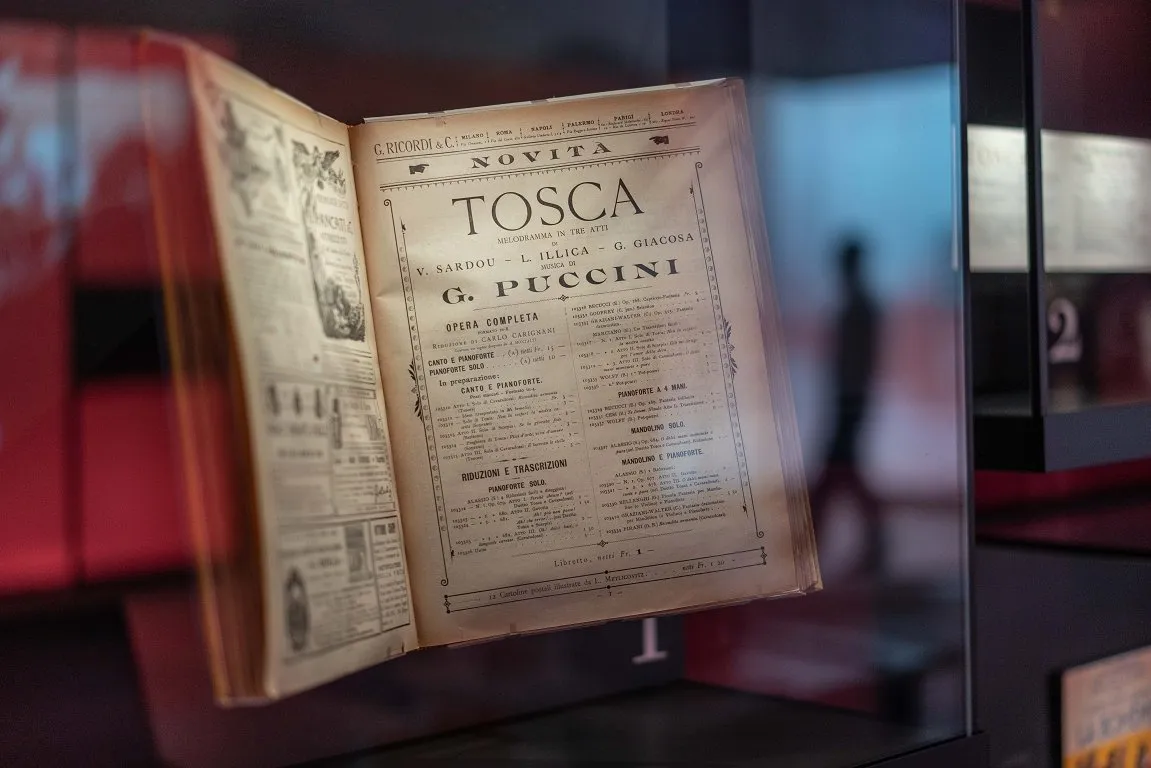
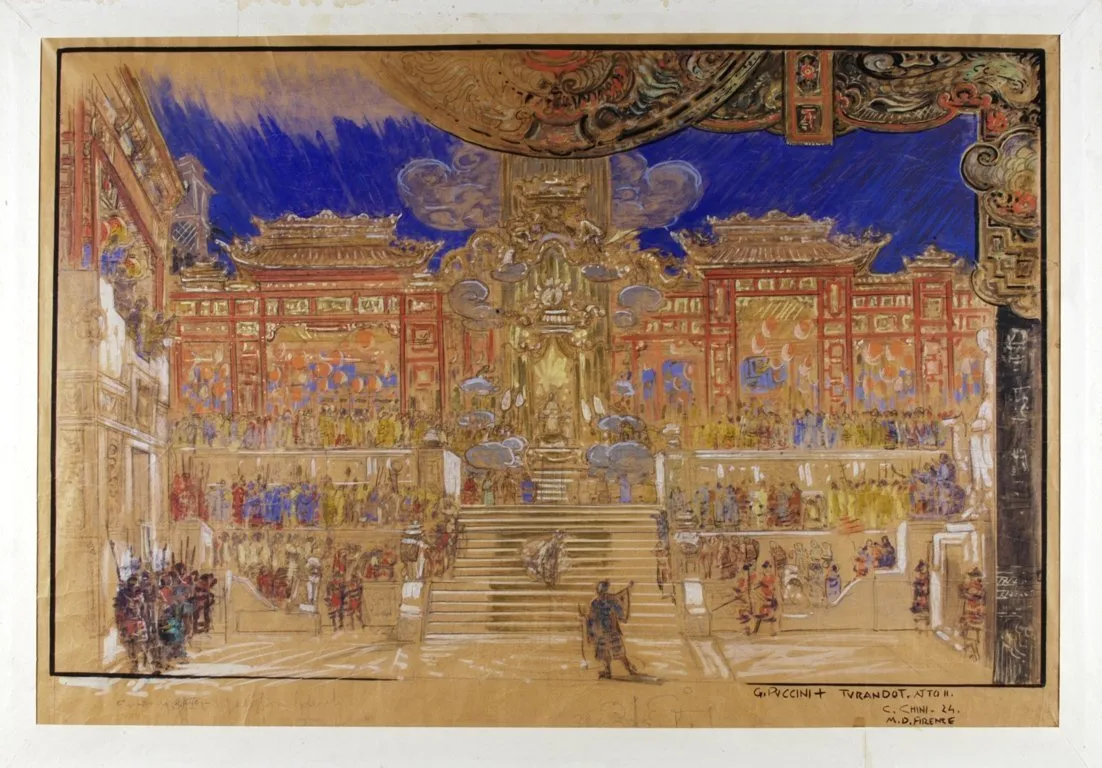

Starting with the exhibition’s poster image, a 3D digital model by the Iranian artist Hadi Karimidepicting a realistic portrait of the composer at the age of 42, one can sense how much Puccini – Opera Meets New Media plays with the possibilities offered by new technologies. One of the most engaging sections allows visitors to admire some of the sets of Turandot, Puccini’s last (unfinished) opera, recreated with artificial intelligence. Designer and artistic director Sascha Geddert, known for his work in films such as The Batman and TV series such as Babylon Berlin, has processed the original sketches by Galileo Chini, preserved and previously digitised by the Archivio Storico Ricordi, to create new three-dimensional moving images with generative AI of modern photorealistic set designs. Pierluigi Ledda, Director of the Archivio Storico Ricordi, explains:
The development of Turandot’s set designs through AI is a very strong example of reactivation of the Archive through current technology, not a mere technical exercise, but the will to bring a contemporary artistic perspective closer to our heritage and somehow encourage dialogue. For us, the Archive is not just a repository of important relics of the past, it is living matter capable of highlighting historical constants in the world of music and creativity in general. And applications such as Turandot‘s help us imagine what the archives can say to us contemporaries today and in the future.
The exhibition’s public programme offers a wide range of collateral initiatives designed to deepen the themes dealt with in the exhibition. Concerts, thematic meetings and film screenings investigate different facets of Giacomo Puccini’s legacy, from the relationship between music and new technologies, to the connections between the composer and cinema, to the importance of dissemination and collaborative research in the digital context. The detailed calendar of appointments can be consulted in the dedicated tab and on the exhibition website: www.operameetsnewmedia.com
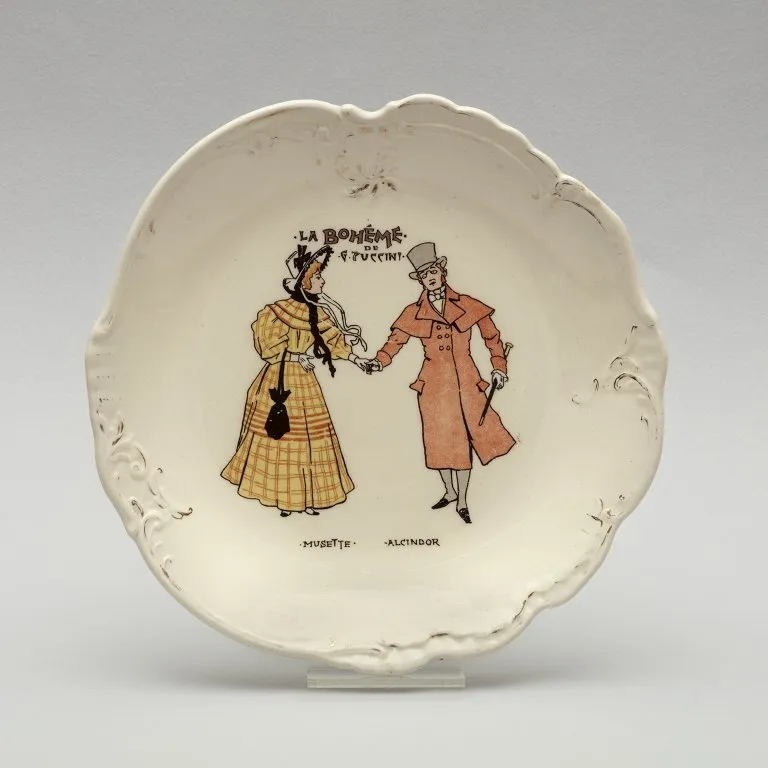
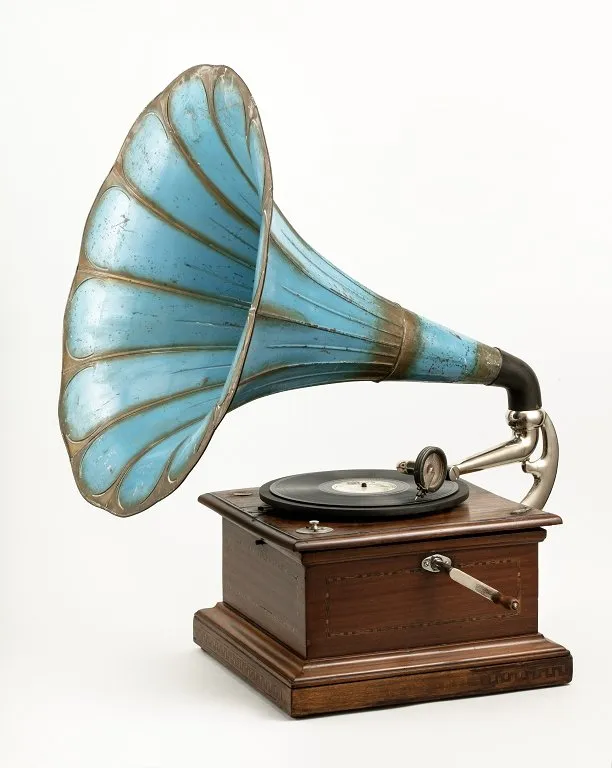
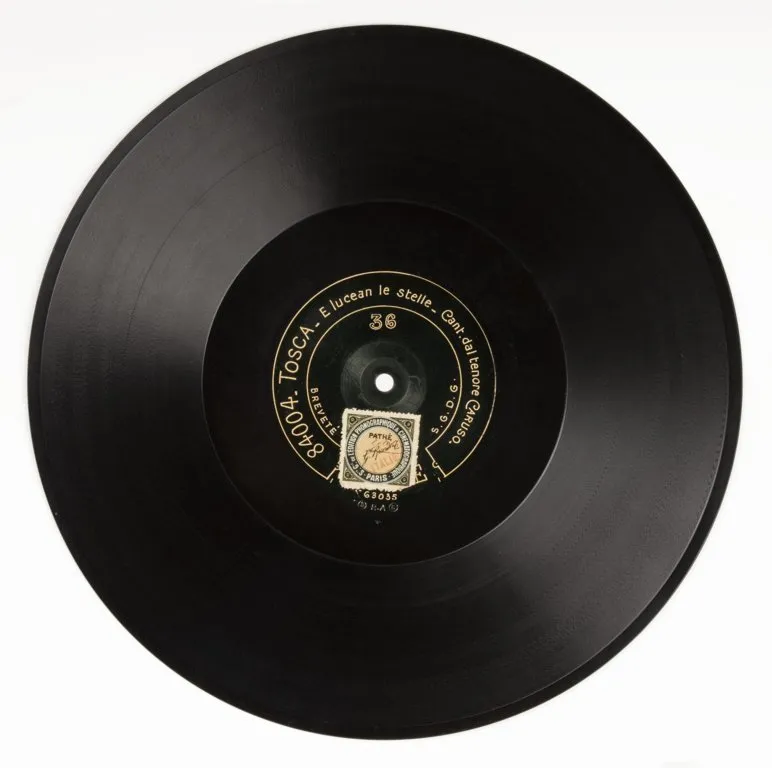
The Archivio Storico Ricordi is the historical memory of the music publisher Ricordi, founded in 1808 and acquired in 1994 by the German multinational Bertelsmann, which has ensured its cultural development ever since. Its prestige lies in the variety of documents preserved, which offer a comprehensive view of Italian culture, industry and society. Described by Luciano Berio as ‘a cathedral of music’, it is commonly considered the most important private music archive in the world. Housed at the Palazzo di Brera in Milan, the Archive collects the scores of the great Italian opera composers – above all Giuseppe Verdi and Giacomo Puccini.
Programme
03/10/24
Lieder concert Dare Voce a Ricordi
in collaboration with PianoSofia Festival
Braidense National Library – reading room – 6 p.m.
https://www.pianosofia.it
11/10/24
Meeting Puccini Digitale
in collaboration with MEET and Teatro alla Scala
MEET Digital Culture Centre – 6 pm
https://www.meetcenter.it/it/event/milano-digital-week-2024-il-nuovo-linguaggio-della-citta
15/10/24
Presentation of the exhibition with the curator
in collaboration with Teatro alla Scala
Italian Cultural Institute of London – 6.30pm
https://iiclondra.esteri.it/it/gli_eventi/calendario/puccini-opera-meets-new-media/
27/10 – 1/12/24
Film review Puccini and Cinema
in collaboration with Cineteca di Milano
c/o Cinema Arlecchino, Milan – 11:30 am
https://www.cinetecamilano.it/location/arlecchino/programma-film
12/11/24
Puccini editathon
in collaboration with Wikimedia Italy
Teatro alla Scala – yellow room – 9:30 am – 6:00 pm
https://it.wikipedia.org/wiki/Wikipedia:Raduni/Archivio_Ricordi_alla_Scala
30/11/24
Presentation of Engraving Memory project
In collaboration with Tipoteca Italiana
c/o Braidense National Library / Brera Art Gallery – 11:00 a.m.
http://www.tipoteca.it