
Interview: León and Lightfoot at The Royal Ballet – life, age, and change… a very beautiful message

Talking to Sol León and Paul Lightfoot was an absolute delight. I have never asked so few questions during an interview, as their replies bounced off each other, stimulating further comment.
They are also disarmingly and refreshingly honest, especially about their own relationship. In a long interview that ran well over the allotted time slot, they shifted between broad laughter and insightful descriptions of their work and creative process, all expressed with great passion and a great deal of gesturing. A reliance on physical expression is maybe not surprising for choreographers, and their faces and hands were animated throughout.
Sol León, born in Córdoba, Spain, and Paul Lightfoot, born in Kingsley, England, crossed paths at Nederlands Dans Theater (NDT) in the late 1980s. León had trained at the National Ballet Academy of Madrid, while Lightfoot studied at the Royal Ballet School in London. They quickly discovered a shared artistic vision and began creating choreographic works together in 1989.
Over the next three decades, León and Lightfoot built one of the most prolific partnerships in modern dance. They were appointed resident choreographers for NDT in 2002, a position they held until 2020. Lightfoot also served as NDT’s artistic director from 2011 to 2020, with León working alongside him as artistic advisor. They have created more than 50 works together.
I chatted to them via a video call, León and Lightfoot at The Royal Opera House, soon after the opening of So Are We: León and Lightfoot, a double bill including a major new creation for The Royal Ballet.

We’ll be talking about Salle de danse, your new piece, which is in a double bill with your well-known work from 2006, Shoot the Moon. But let’s start with Skew-Whiff, which you created for Nederlands Dance Theater in 1996, and staged here in Milan at La Scala.
Skew-Whiff is witty and often funny, as well as being physically challenging. Lots of choreographers seem afraid of humour… irony and quirkiness.
Sol
The humour in Skew-Whiff came from the tragedy of clashing egos. The music [Rossini’s The Thieving Magpie overture] determined the whole dynamic because it’s so fast…. hurry, hurry, hurry… It’s half the humour by itself. So when you’re trying to be very serious, there’s this hysterical, absurd dynamic.
The original seed was to portray a few egos around us at that moment, and the humour came by itself, to lighten the tragedy a bit.
I read the other day that when someone laughs, it can be because they are actually quite lost… uncomfortable. You don’t know how to react, so you laugh.
An emotional pressure valve.
Paul
We always try to approach humour ironically, so it’s not comic in that sense. We don’t make the humour too easy. It’s odd, absurd… “Should I laugh or am I meant to take this seriously?” The music itself is fun, so you don’t need to add too much on top of it – the music’s doing it for you.
Sol
I love humour. It’s an art. It needs a light touch, as humour doesn’t really cross frontiers… cultures. For example, English humour doesn’t touch me, but seeing people laughing does. When I met Paul, he showed me English humour, and I saw the way he laughed, but I said, “That’s humorous?”
Paul
Monty Python went over her head, basically!
Sol
No, not Monty Python – I like the funny walks. No, it was the one who was always naked with beautiful ladies.
Paul
Benny Hill? He was international. If people think that British humour is Benny Hill, it’s quite sad. I don’t think that Skew-Whiff had much to do with Benny Hill!
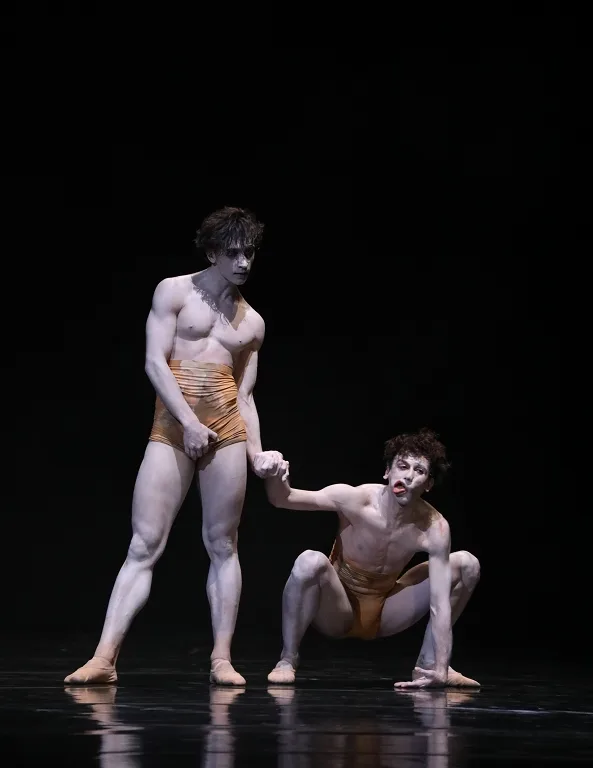

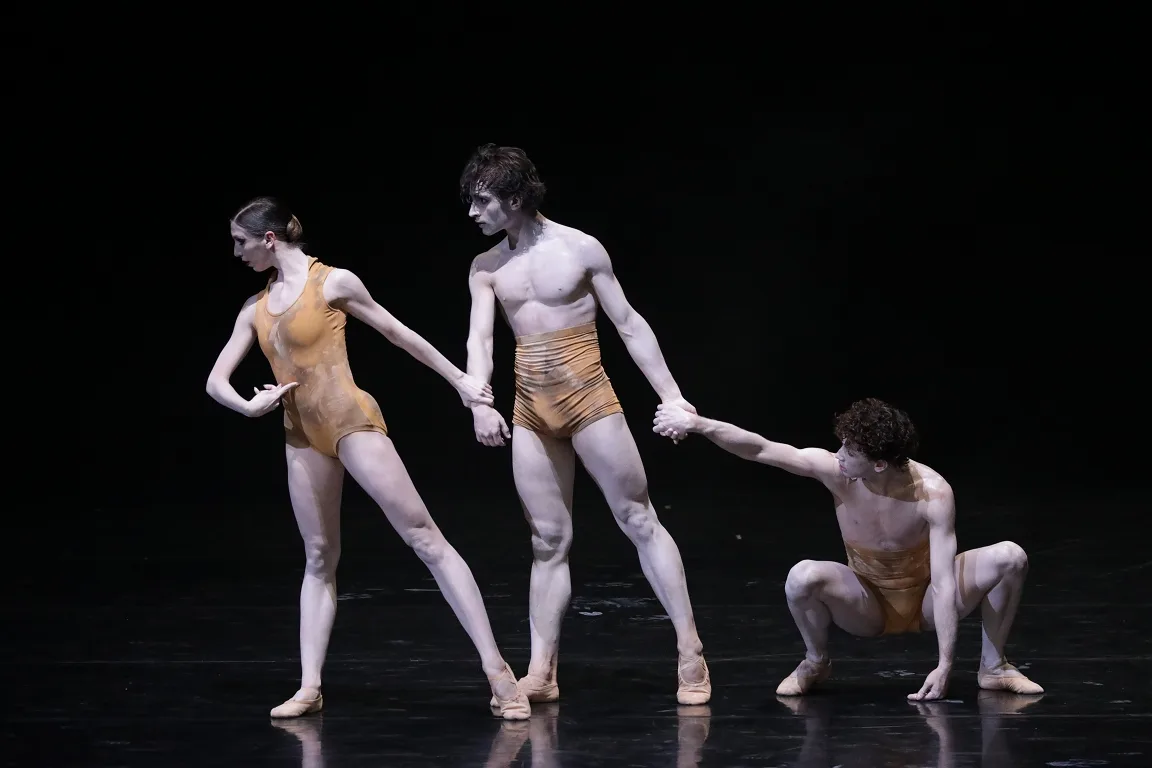
That piece features the grotesque you introduce in many of your works – in the faces, the bodies. What is the importance of that type of exaggeration?
Sol
I adore what the actors and actresses did in silent movies. There was no sound, and their faces showed all the emotion, the contradictions between sad and happy. A really physical way of expression.
Paul
The face is full of muscles, so why not incorporate them – faces can become choreographic. With Skew-Whiff, it became apparent that it was part of the choreography. There’s one character in particular where we really wanted him to contort his face completely, like some sort of mad, Quasimodo on drugs.
Sol
For Skew-Whiff, I had Japanese Butoh at the back of my mind, because I adore Butoh dance. The body is painted, and the teeth are exaggerated and so on, so I put in these Butoh creatures and madness – madness is another subject that I really like to explore.
Paul
In a traditional storytelling work, [a dancer] can get very much involved in the characters they portray. I like to discuss with dancers the idea that maybe you do these faces, but it’s also beautiful that you can sort of take them off [he mimes taking off a mask]. Underneath there is maybe a bored performer who’s done this 100 times, and the face is there when needed, but it’s not like method acting where you’re completely involved. It’s something you can distance yourself from. I think it’s fun for people to play around with this in the studio.
Sol
It also helps the dancer psychologically to get rid of their self-conscious enemy. In the beginning, I make them go really extreme, and maybe later I’ll take it out.


As you were both talking, you bulged your eyes and made faces… how much of your work comes from what you do naturally with your body?
Sol
There’s a big change here, and it’s called age. Until 10 years ago, I did everything… everything! I felt that nobody would go so far physically. But unfortunately, there are age, bones, and arthritis. [Occasionally she caresses the knuckles of her hands.]
So, I have an extraordinary team who still dance, and really understand me. They allow me to use them and then transform that movement to the dancers in front of me. What I will never do is make a dancer feel uncomfortable; it needs to be 100% themselves, free and beautiful. So that moment of transition in between the dancer-collaborator to the dancer is a bridge; then I can fine-tune it. But I’m still a control freak.
Paul is different and keeps moving, but it’s painful for me.
Paul
I live in the deluded state that I am still showing exactly what I want to see. I sort of point my leg up in arabesque and then I look back, and I’m like, uh-oh. But like Sol says, we have great people around who ‘translate’ it; they know what I mean.
Sol
I ask the dancers, “Do you understand me?” I use different approaches, depending on the dancer’s psychology. So if they don’t get to the point I want, I try something else. Every brain appreciates gestures or images differently.
Paul
I think there’s a great need for dancers these days to feel not just coached but brought into roles. We don’t let anybody go untouched – it’s about really taking care of people.
If you look at the example in Milan, when we had these beautiful ladies: Marie Celeste [Losa], Alice [Mariani], and Madoka [Sasaki], a beautiful Japanese girl who was young in the company in the third cast. Three very different approaches. I think that sometimes this is lacking in some rehearsals, but that’s absolutely part of us – it’s 50% the work, and it’s 50% about the process of going through it with us.
Here at the Royal, we spent a lot of our budget on making sure that we had a team around us because we realised when you’re going into such a sizable project that we needed enough people to be able to go through that process with the quantity of people that we knew we had to work with. It’s very much a priority for us.
I think it’s the old dancers inside us that remember the choreographers we’ve been through, who would not give up, who would drive it into you in different ways, from William Forsythe to Mats Ek to Ohad Naharin, Hans van Manen, Jiří Kylián… these people would not let go. They would fight with you, in a beautiful way, to find what they wanted in you. We’re big, firm believers in that.
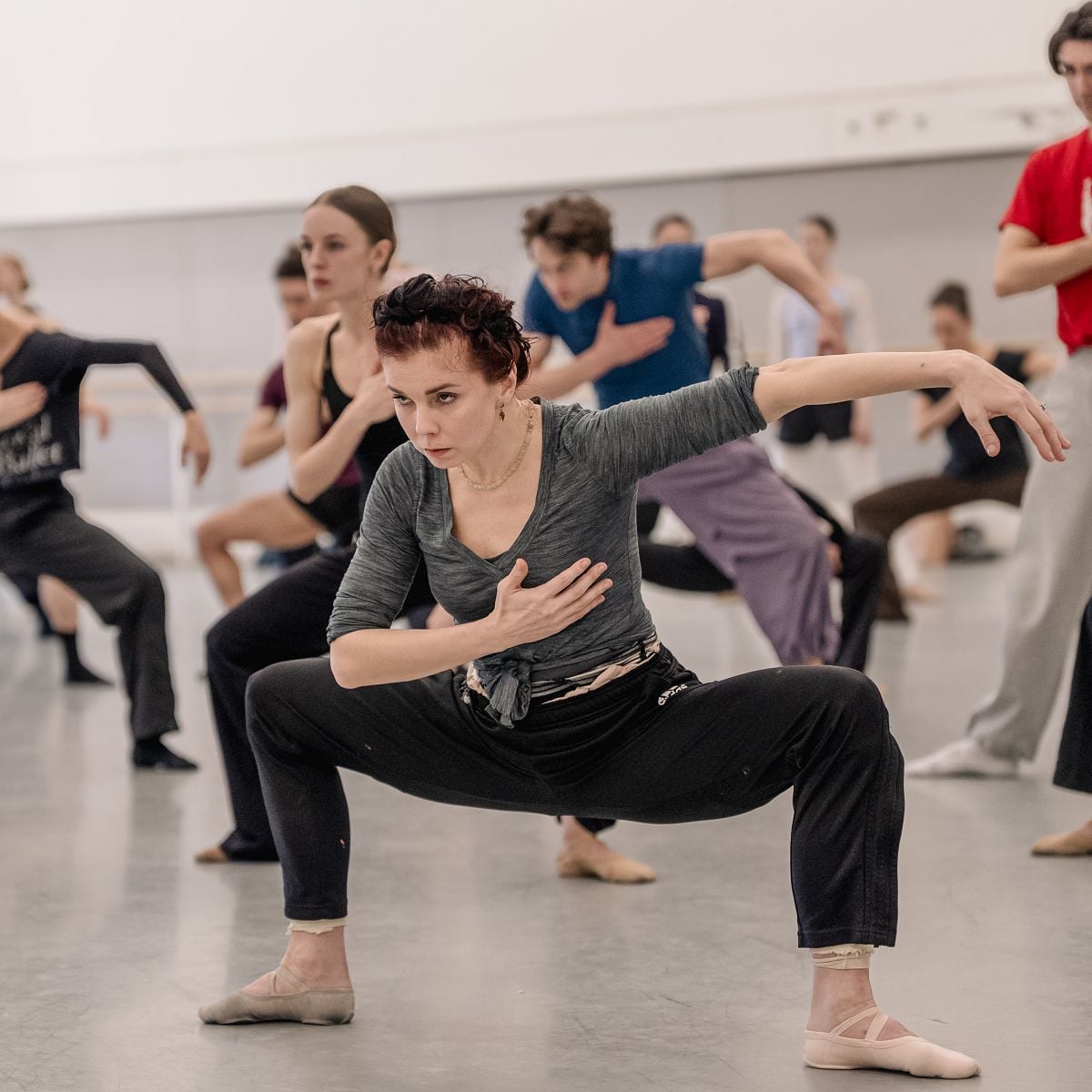


Can you explain your process of choosing the dancers to work with?
Sol
The complete process of our work is quite complicated, starting with casting. I’m a fan of the psychological human quality: you can be whatever you are, but I need to see if you are able to receive what I want to give. It’s quite complex, because you may be confronting someone who is not open or has a lot of insecurities. It is very tricky.
Paul
Kevin [O’Hare] was very understanding, and we spent two different periods here at the Royal, getting to know people, playing around, and not calling it casting… a workshop? There’s a bit of chemistry – you think you’ve found your people, but then you put them together: is it working? And for us, everyone at the Royal was a stranger – we ‘knew’ them, but we didn’t ‘know’ them.

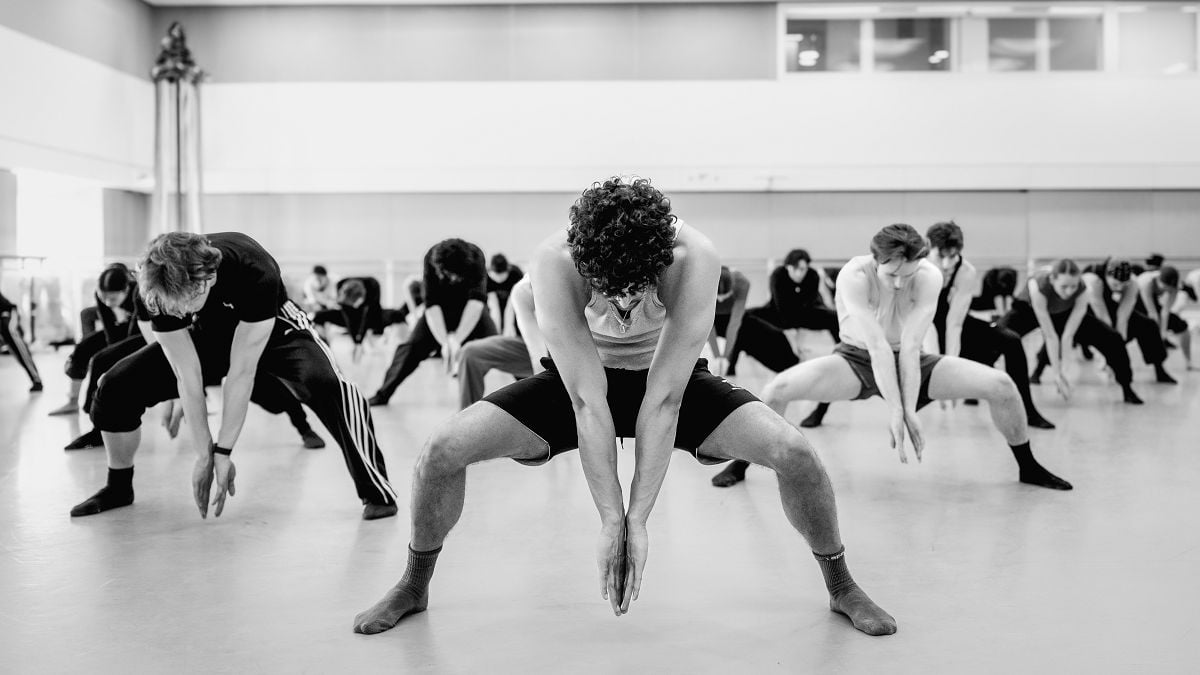
After our (five-star) review was published, someone commented that you had Natalia Osipova and Marianela Nuñez in the cast, yet they had little stage time. But isn’t that the point in Salle de danse where, as in a dance class, the corps de ballet dancer can be in front of the principal, with everyone doing the same exercise?
Paul
What you’re saying is precisely what my idea was. We had an open conversation with the company, and I said, “I know you work with hierarchies, but this piece is like what we do every day in class. Sometimes you’re standing next to a principal, and you’ve just joined from the school.”
I said that if anyone had a problem with that, I totally respected it. It’s a work where everyone has a few minutes, no exceptions, no stars.
And it was incredible to feel the warmth of the company – they love each other very much here. There’s a strong sense of loyalty that comes from a very gruelling work ethic and workload – the productions are overlapping with many, many performances, so they’re dealing with life together. They’re dealing with injuries and love and sadness, you know, and joy and good work, bad work. It doesn’t matter. You’ve got to get through it, so there’s a real sense of kinship here. And that’s what Salle de danse is about – in the end, we’re all together. A metaphor for life.
I highlighted Osipova a little more because she was the maîtresse. I wanted somebody with that weight who, when she’s in the room, you’ll notice. We discussed her Russian ballet school teachers. She explained that one was not kind, with very long nails that she stuck into the students. So we took the idea of the nails and had fun with it.
And Marianella, another iconic dancer… I said, I see a part for you, a pas de deux in the middle of two other pas de deux. OK? Her approach was, “Yes, OK!” I’ve never loved someone so much for that kind of modesty. In fact, she drove me mad because she was so deeply insecure: one day she was like, “I’m a really good dancer, you know, I shouldn’t be feeling like this,” while laughing. Such a good sense of humour. She’s an amazing person, but so many of them are. There were 46 in one cast, so I had to use the newest of the new, and that’s a great place to go to touch on the talents to come – they were like deer in the headlights in the beginning.


Working and living together
You’ve been together in life and work for many years. They say that owners grow to look like their dogs – have you grown closer together, or are you travelling on parallel paths?
Paul
[laughing] Ooh, it’s not the best timing for this question!
Sorry!
Sol
It’s the theme of life, age, and change. It’s the human condition. We go through all these experiences together, harmonising, but the influences from the outside, I find, are enormously disturbing. So basically, now we are here [Sol crosses her arms at the elbows, her hands pointing in opposite directions].
You change with age and fall into patterns. We all die by ourselves. In a certain moment in life, I saw death, and you need to be comfortable with that. Maybe I’m going too deep, but it is the truth. After so much creative producing, it would be really silly to say we are more together than ever. No, I think we are more apart than ever.
But I don’t mind working with Paul if he has respect and vice versa. If not, it should not continue because I hate the type of relationship where people never talk… a nightmare. I think life is precious, and creativity is more important than anything. For me, creativity is my religion. So, I have a lot of respect for this: when things are not right, they’re not right. There are many ways to create with respect, but that is definitely not what we have been doing until now, no.
Paul
I respectfully disagree.
Sol
[laughing and raising her eyebrows] You see?
Paul
We know each other inside out, and I don’t think that outer influences have anything to do with it. Like a marriage, you grow into that relationship, and the love and respect are always full on.
In the beginning, we did it because we were a couple and we were passionate about creativity together. There was no plan. We were just making stuff, which worked in a way that brought us together emotionally, and we were already attached in our hearts – that doesn’t alter.
But further on, your relationship workwise develops and grows, and recently we’ve done many things separately – but I know where she is, and she knows where I am. We come together, and we unconsciously know our strengths and weaknesses. It’s all a flow of life that I think is most natural, and I just don’t feel an outer influence.

Sol
We all know what it is to be with a partner, but very few people can believe how you can work with your partner. And that’s the exception that is happening here. We keep working together, but now the focus is not on how we can work together; it’s on how I can be safe. How can I be happy? How can I protect myself?
It’s a very high level of maturity, where you can say: whatever you want… whatever you do… within the frame of separation. That’s fantastic, but I’m not sure that we are there yet. Maybe we’re in a process of evolution; I hope so, because I’ve seen people arriving at the end of the path. It’s extremely important that you are content with the people around you and who love you.
And also, the ways of being are becoming different. For me, it’s very important to tell you the truth. It hurts, yes, but it’s very important. But maybe for you it’s, “Oh, let’s not make fire. Let’s calm down.” I get crazy. Oh, I accept you are like this, oh, I accept I am like that. How fun, how great. Punto. You know what I mean?
Paul
I think that’s the beauty inside our work – the challenge of that. That’s why everybody asks that question: how do you do it? – they see something’s going on.
We’re not banal creatures who just want to do something because it’s good for us. No, we do it because we really need to.
The only thing that hasn’t changed is my passion for the work; from 18 to 60 this year, I still have exactly the same passion for it. I’ve grown up in many ways, but I’m still the same inner child. And Sol is the same. We love what we do. We take it seriously. And with that comes consequences.

In the studio, can the dancers get confused with conflicting voices?
Paul
Absolutely.
Sol
To be honest, a long time ago I suffered a lot because my role was [she zips her mouth shut], and I felt the dancers’ confusion. Then we became famous, and people just laughed, and that period was okay. But now I would never like to see that in a studio. So it’s better that we do things separately. If I do a session in the studio by myself, I say, “OK, now Paul will have other options,” and the funny thing is, I know what his options will be.
Also, we all come from a father and a mother, so it’s not an alien situation. [Miming a temper tantrum] “Oh my God, this is horrible: one says one thing, and the other says another.” This person is not in evolution, so you have to treat this person differently or with more care. But usually someone laughs, “Oh my god, it’s just like going back home!”
I will change my job if I cannot be honest. I could not be an artist.
Paul
Dance is so great because we have to work together – it’s the most kinetic creative process, more than composing, more than painting and writing, which are much more solitary processes. You’re dealing with people constantly, and their weaknesses will show. When they don’t get what they want, they’ll run to mummy or go to daddy, because they’ve got that option in the room.
Sol
It’s natural. But when two people are creating, you see a lot, lot more than you would do by yourself.


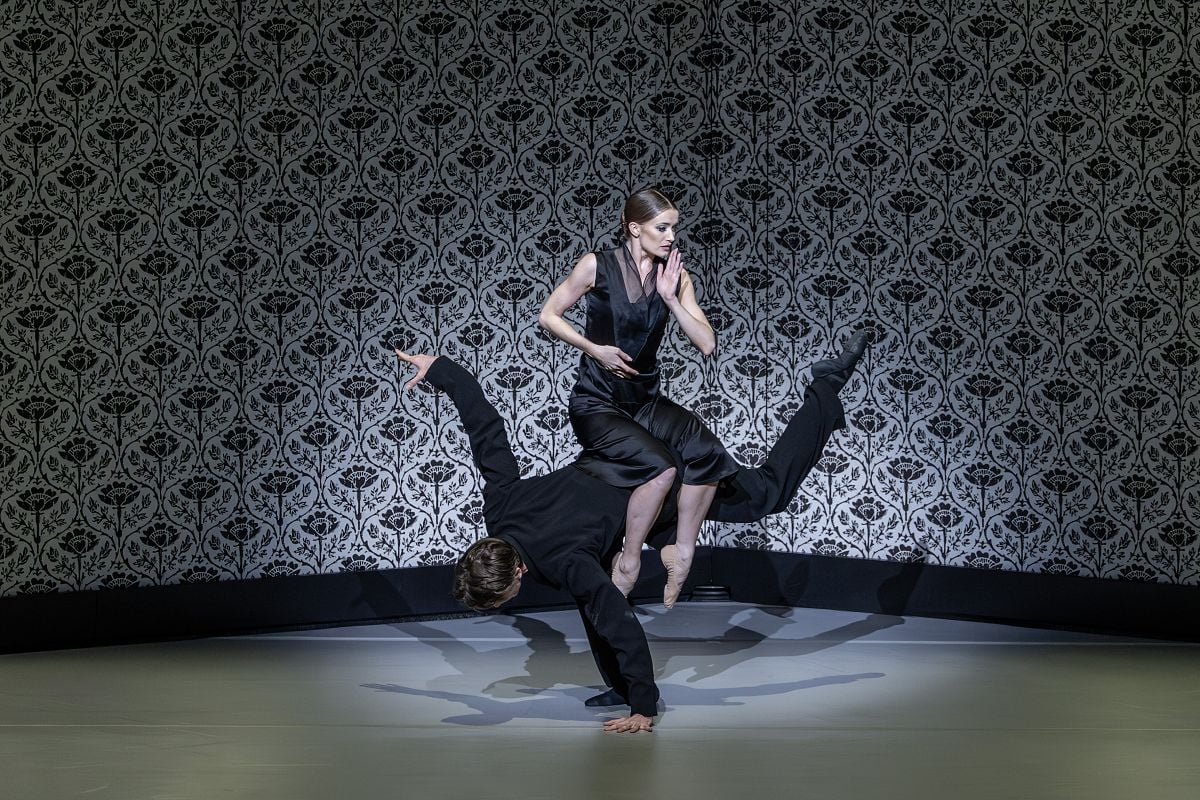
Shoot the Moon
You talk a lot about openness, but how open are you? You have seen Shoot the Moon over the years with many casts. Does it evolve? Do you change things because time has passed, or because the dances are different, or is it exactly as it was 20 years ago?
Sol
I think it’s better because I’ve changed a lot and I am older. Our raw emotions from before are now universal emotions. We can dig in much more now because then we were too close to it emotionally. Shoot the Moon is not just the steps – you cannot do it without insight. You need openness to expose things, delicate things, that normally [in life] you cover up with plasters. I’m very interested in taking the best of an artist, to free an artist, and not be attached to the steps.
If you do a tendu, you can do it in many different ways, but you know that the real, extraordinary, brilliant tendu is only one. It is exactly the same in physical acting. I learned to go to the target without fear. In the beginning, especially with women, I was opening Pandora’s box, and whoa [she holds her palms out in front of her, as though shielding herself from an explosion]. I have learned how to open Pandora’s boxes, where everything is hidden. Sometimes you can touch on something, and it’s like… [she mimes a dancer in tears]. And the beautiful thing is when people are grateful to you: I opened it, I did it, I love it. Shoot the Moon has only got better. I told them today, you’ve got the best version.
Paul
I’m a bit of a stickler for the original choreography. I always go back to what it was, and then we develop it from there. We have done [the piece] with the Netherlands Dans Theater for many generations, so we can see patterns of where it has to go, and perhaps where to avoid it going.
At the Royal, it was amazing because we didn’t know the dancers; they’d never worked with us before, and yet most people who do Shoot the Moon already know our work. This was going from square one, and it was really fascinating. The successes that came out of it have been so much stronger because of that.
Sol
It is a very beautiful thing when you can see that they trust you,

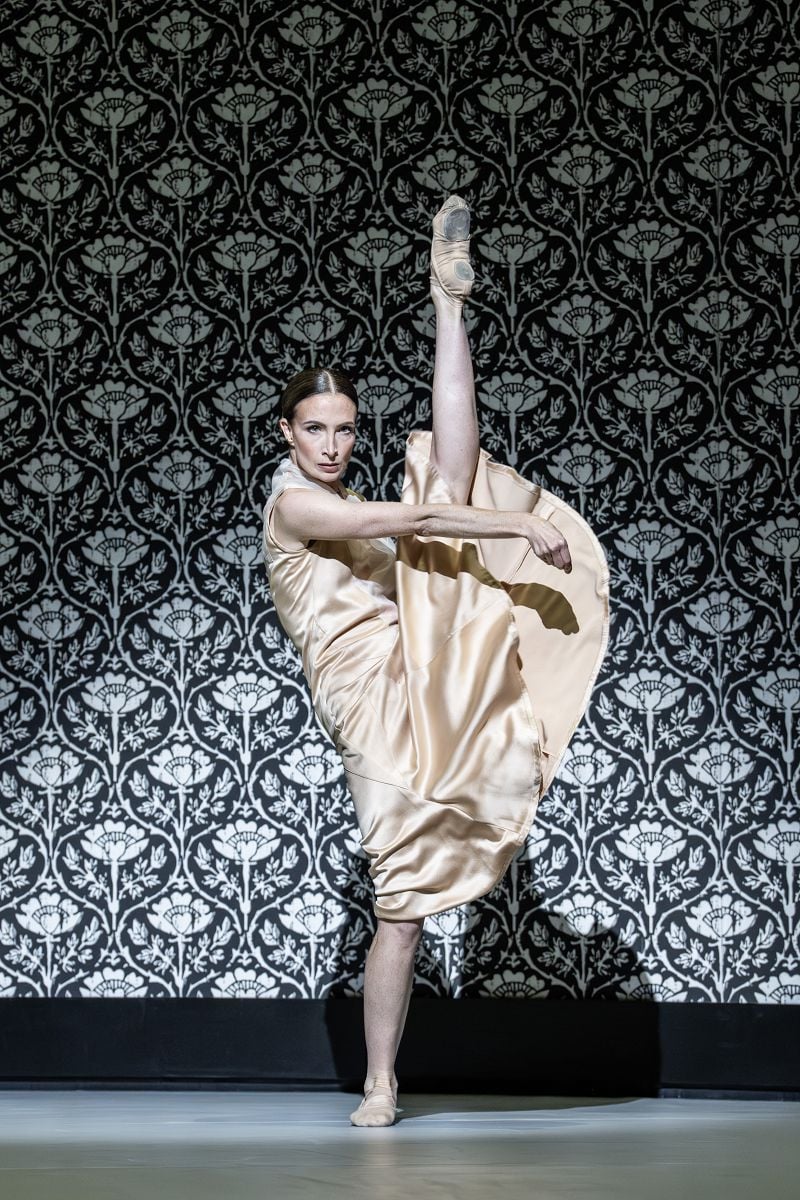


I would never ask you to pick out your ‘favourites’ in Shoot the Moon, but our critic, Kathrina Farrugia-Kriel, mentioned Lukas B. Brændsrod’s “stellar performance”, and I’m also interested in your thoughts on Lauren Cuthbertson, such an intense actress.
Sol
I have no words to say what happened to both Lauren and me. It was not just the dancer and the choreographer, but about women – woman-to-woman.
She was totally ready for this; she seized it. She was afraid of her insecurities after the meningitis last year. I gave her privacy and intimacy, with no pressure, because it was something very new for her.
We got into an intimate process, and she was giving it everything and was very, very open. I put myself in the role of a mother, and pushed her. She was so grateful because she couldn’t depend on her usual way of working. Wow, she was like a flower and started growing
That role is one of the hardest in our repertory. Lauren was extraordinary in what she did. I was so enriched by her commitment, her love, her technical side, musicality, sensibility, and the woman. In the end, I can explain many things, but if you don’t know what I’m talking about, there will be an empty face on stage, like a clown. She’s an exceptional artist… wow, incredible.


Paul
Lauren and Sol both have a great sense of humour, and when things get very serious, suddenly you can crack. I just popped in one day, and Sol said to her, “OK, Lauren, what’s the most difficult ballet you’ve ever done in your career?” Lauren looked her straight in the face and said, “Shoot the Moon!” How they laughed. Sol was looking for Swan Lake or something, and I immediately knew I could just walk away – these two women had found each other and were working on the same plane.
Sol
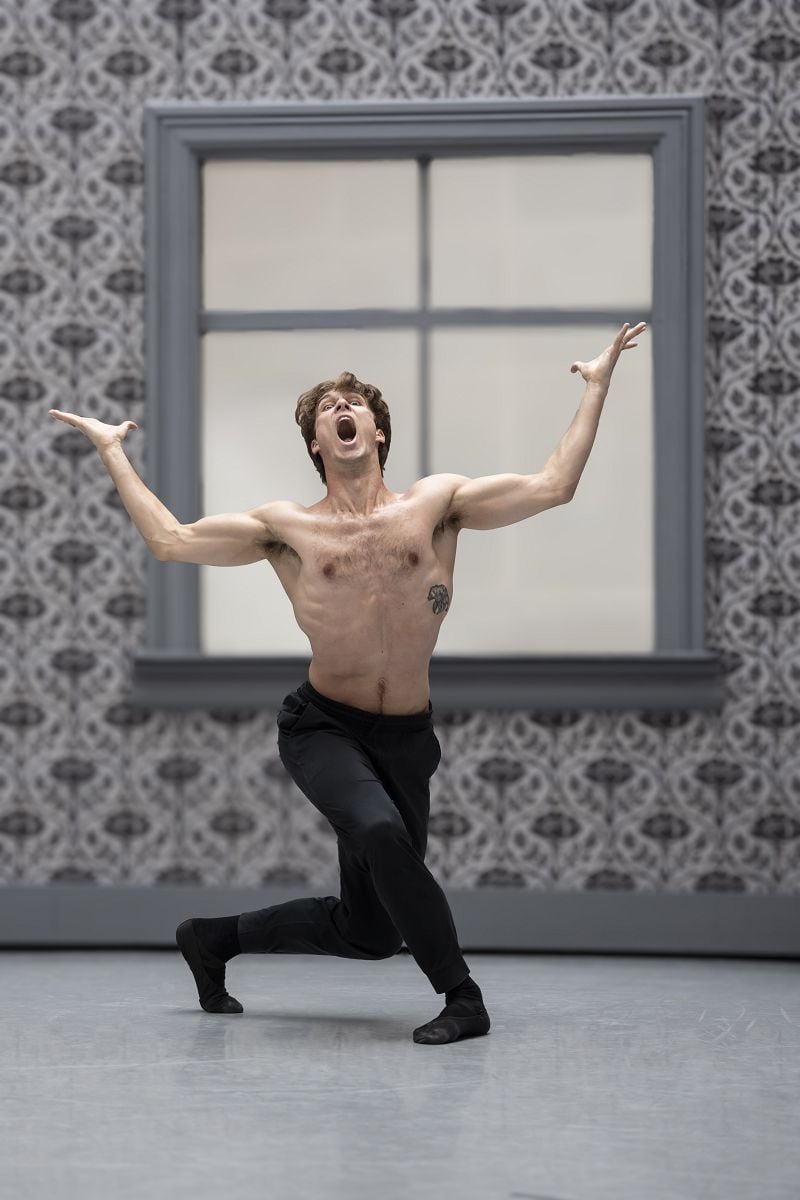
Lukas’s role is not so complicated, but it requires a physical… [she puffs out her chest], and he had a type of insecurity in the beginning. So I made him believe he was the most gorgeous, handsome man.
Paul
[laughing] It was such a tough job, you know!
Lukas is Norwegian and our only contact outside the Netherlands Dans Theater for years was with the Norwegian Opera and Ballet. We sold perhaps 12, 13 productions to them over the years, and when we met Lukas, he said, “I was a young ballet student there, and I grew up watching your work”.
He just had so much testosterone flying that he fitted the role. On top of that, he’s a fantastic worker, and he’s got a poet inside all of that strong, masculine exterior. It was all very easy.


Sol, you said “woman-to-woman”, but Paul, is it also man-to-man? Is there an understanding?
Paul
Very much so. I don’t think women are for women and men are for men – that is not the way we choreograph – but yes, when talking about all the male roles in Shoot the Moon, there’s always something I can talk about from a man-to-man perspective.
I don’t go near Lauren’s role though. There’s like an imaginary border around it, which I absolutely respect. But with the men, there’s always something to say.


Salle de danse
Salle de danse began as a video project during the pandemic, but it is essentially a new piece. How much of the choreography was decided before entering the studio with the dancers?
Paul
We discussed Salle de danse for two years before coming here. I did a lot of preparatory work, much more than I normally would.
We were taking something from film to live, with a totally new score, which I invested a lot of time in with [composer] Ilya Dimutsky. I added sections and changed the order, but there was always a structure. I wasn’t going into the room and looking at the dancers, saying, “What should we do?” I knew all the material I wanted to get out there in one form or another.
We do lighting, set design, costumes and choreography, and for this I drew the lighting out physically on paper, which I’ve never done before. How many lamps am I using? What shape are they going to make? It was probably about my own insecurities, but I went to great lengths to ensure I felt confident.


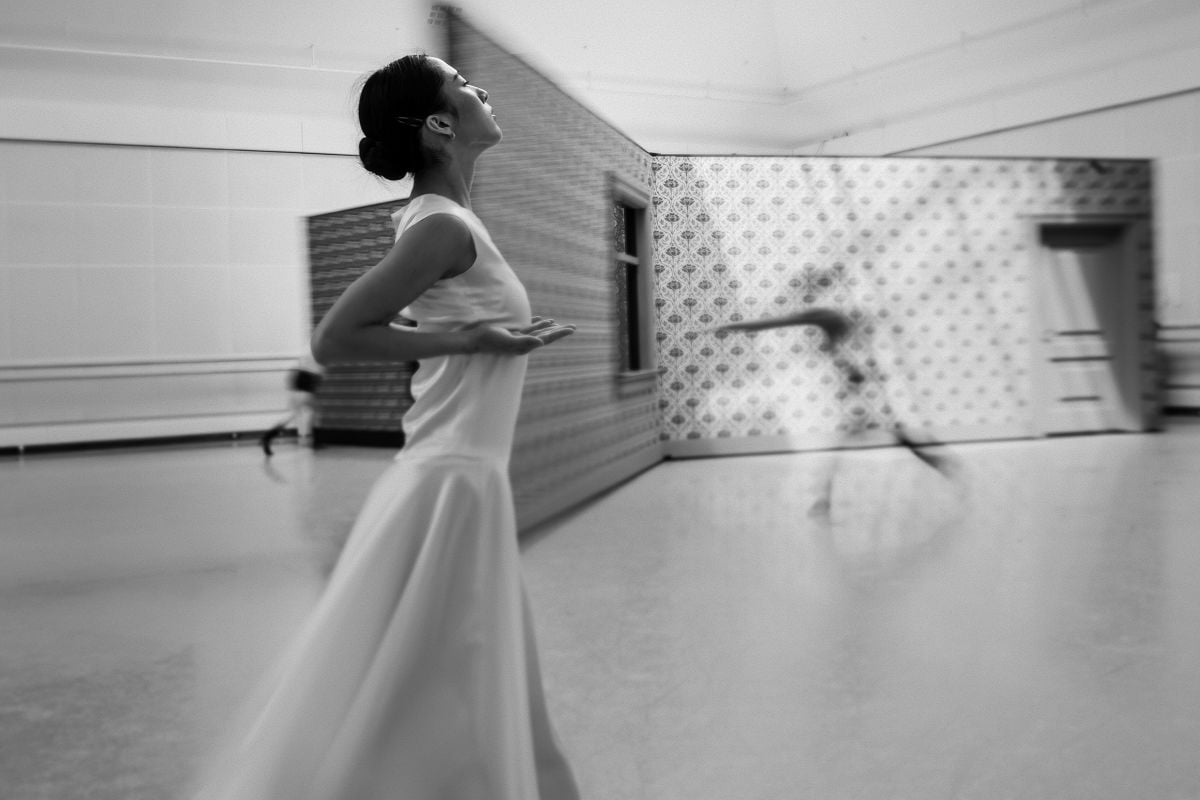
I did a funny thing in my own journey, dramaturgically: I wanted to make the piece’s summit in the middle, not at the end. The end is somehow a crazy explosion of emotions because that’s what you get at the end of a dance class. But for me, the summit of emotion in the piece was section IX, ‘Ensemble’, when everybody in the piece is on stage, and they stand, and they move very slowly for about 3 minutes to a fantastic piece of music. I didn’t want that later; I wanted it bang in the middle.
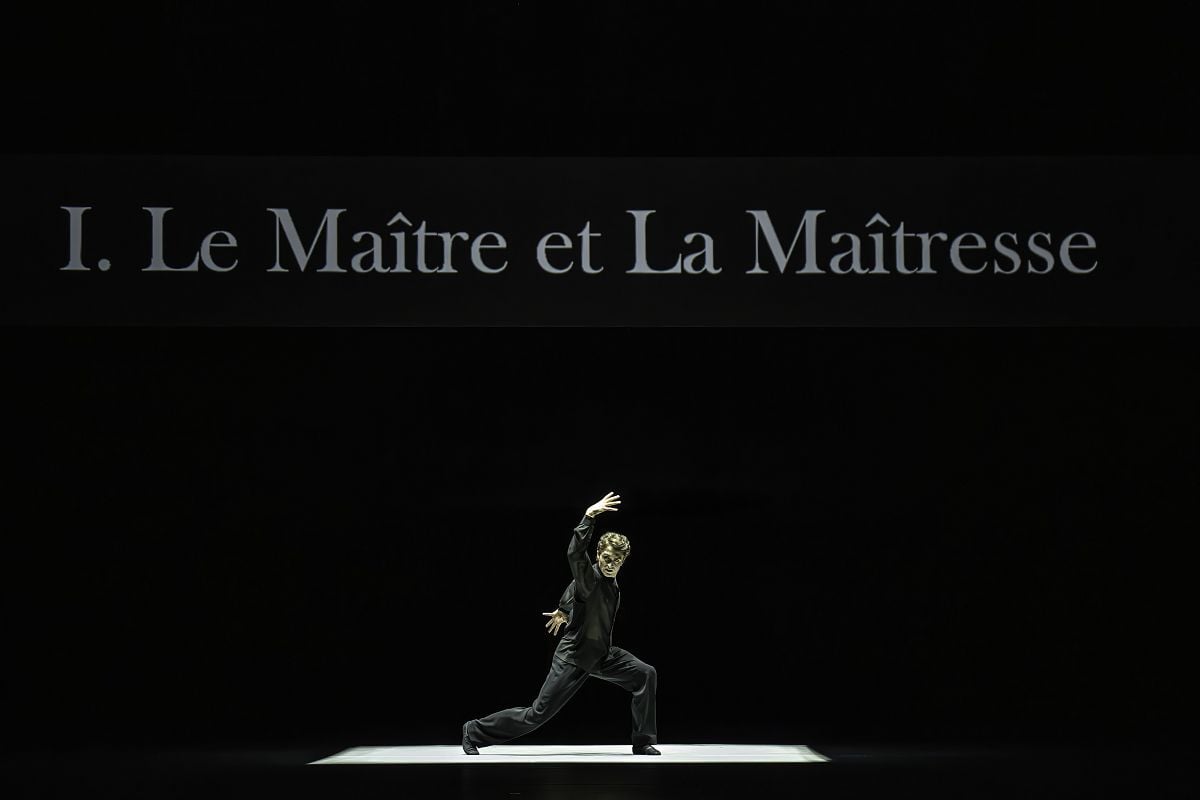
The piece has 20 sections, let’s say ‘exercises’, and these were all decided beforehand, and made me feel safe. But now I’ve stopped looking at the ‘material’; I watch the piece and see the dancers, and feel there’s been a real possession of the work. I’m super thrilled as it’s a co-production with the Norwegian National Ballet and the Royal Swedish Ballet, but just now I feel it will never be anyone else’s but theirs. It’s been a hell of a ride.
Sol
For me, it was different. I had to design costumes for 40 people, and I only start when I see the actual dancers. I wanted something universal, something where they look amazing, something feminine, masculine… I was a bit frightened.
But I wanted red. I knew I wanted most costumes in black and white, but I wanted an extraordinary red material. I asked [at the Opera House], but they couldn’t find anything, so a friend suggested Martelli in Prato near Florence, which makes fabrics for all the designers.
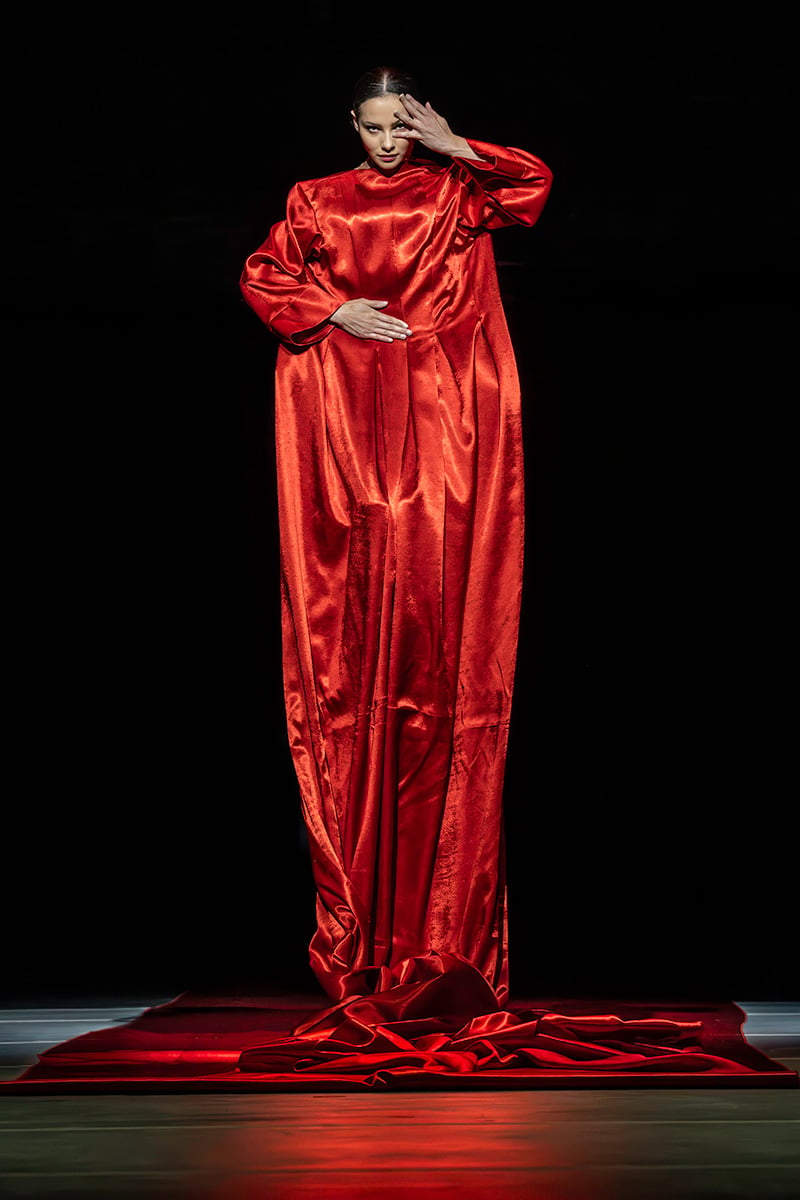
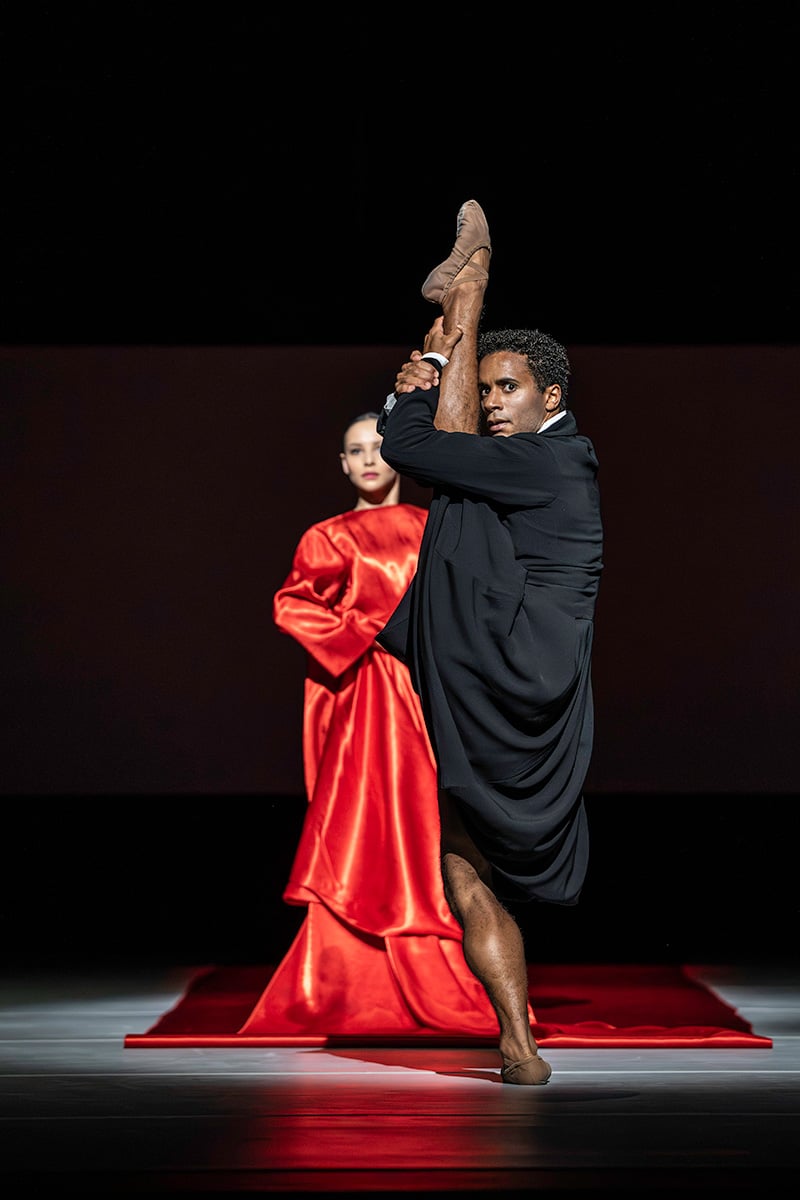
Red is veins, blood… [Paul] wanted to tell about the exercise of dance, a dance class, but I wanted to portray what it took for me to dance. It has nothing to do with my arthritis (but maybe it does!), but you give everything to dance. It’s amazing, this life, but you give it your blood, your existence. It’s your choice, but it is the truth.
Paul
There’s a very beautiful message inside it all.
Sol
I had a very different relationship with the composer than Paul had. We laughed a lot. We had many different ideas, and Ilya would say, so what do you want now? And I would say, I don’t know… I want to go home.
Paul
She’d say, Ilya, there’s no room for me, it’s so emotional. And Ilya was like, well yes, I feel things when I write… they were laughing so much. She was like, please don’t send me any more versions of the music because I’m already feeling so tender!
[Sol and Paul laugh and keep tapping at each other as they interrupt and complete each other’s sentences.]


Sol
Ilya explained to me that, as the ballet is long, it’s very important to have bookmarks and chapter breaks to let it breathe and keep it moving.
Paul
With the lighting and the idea of ‘exercises’, I tried to make it very much like a textbook, so it’s not emotional. We project the name of the exercises in a textbook-style font and with Roman numerals. Every exercise feels like turning a page. What Sol was doing was creating a bookmark, you know, those beautiful red strings attached to the binding that you put between the pages.
Sol
And I was closing the book. The first part of your life, second part of your life, third part. The theme of Paul and me was in the last part… transformation, time passing.
You’ve had standing ovations at the Royal Opera House, yet among the many rave reviews, The Guardian wrote, “It’s all wildly impressive, but overall the evening does leave the heart rather untouched.” Why don’t some people ‘get it’?
Sol
It’s like I said to you before, when I remember Paul laughing about something and me saying, “What’s funny?” It’s the same, and we should respect that. You are not resonating in the same frequency.
What we did is very symbolic, and the symbol is very close to the truth. There’s a beautiful ending, and if you are not touched, maybe it is because you cannot be touched, or because you are avoiding that… Or maybe you don’t know about death, but we all die.
‘Not being touched’ is almost a compliment, because we are [sometimes accused] of being so emotional, so loud…
Paul
I can’t imagine people aren’t touched by Shoot the Moon. But maybe I’m wrong.
Clement Crisp… an amazing writer who could be such a sourpuss, but he wrote so well. He only ever liked one work from us – out of the blue, one piece, he suddenly thought was genius. But I learned to love what he said, and I kept saying, there must be a grain of truth in there.
What do you think those who ‘get it’ took away from Salle de danse?
I think with Salle de danse, the most important element to communicate was the exuberance of the group, the idea of who we [dancers] are – living together, loving what we do, standing on this empty stage day in, day out, and giving ourselves.

I’m so sorry, you now have to run to your next appointment – we’ve overrun by half an hour!
Sol
It’s nice, because we haven’t talked to anyone like this for a long time.
Paul
And when you get two of us, every question ends up double, doesn’t it?
Sol
But I love good interviews, I love to talk about the real thing… so thank you.
Thank you.


What wonderful people – intelligent, fun, honest. And the results we saw onstage in Salles de danse and Shoot the Moon, my best evening at Covent Garden this year. Grazie Mr gramilano x
Benny Hill and Monty Python! They are a brilliant couple. Wish I could have seen the latest in London. Was it recorded?