Interview: Royal Ballet Principal Calvin Richardson on life before and after Mayerling

| After his debut in the ballet Mayerling, The Royal Ballet’s Calvin Richardson spoke with Lily Hyde about his dream role and career as Principal Dancer. |
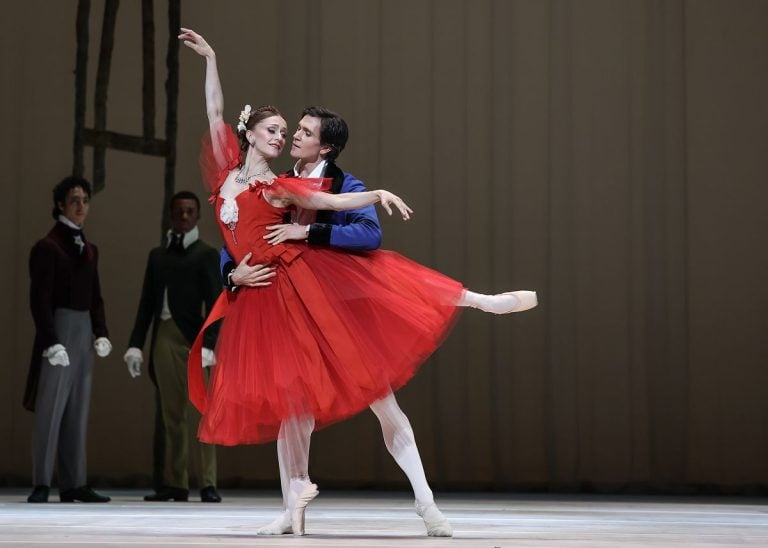
Like many male ballet dancers, Calvin Richardson dreamed of playing Crown Prince Rudolf in Mayerling. What those dreams perhaps didn’t anticipate was having just two weeks before the studio call in which to learn the ballet’s entire three acts.
Nevertheless, Richardson’s debut as Rudolf was hailed as a triumph, with Jonathan Gray awarding him a full five stars and praising his perceptive interpretation and compelling portrayal.
A couple of weeks after his debut, and between rehearsals for Wayne McGregor‘s Alchemies, I sat down with Richardson, considered and immaculately dressed, to discuss all things Crown Prince Rudolf, and how exactly one arrives at the Viennese Imperial Court in a fortnight.


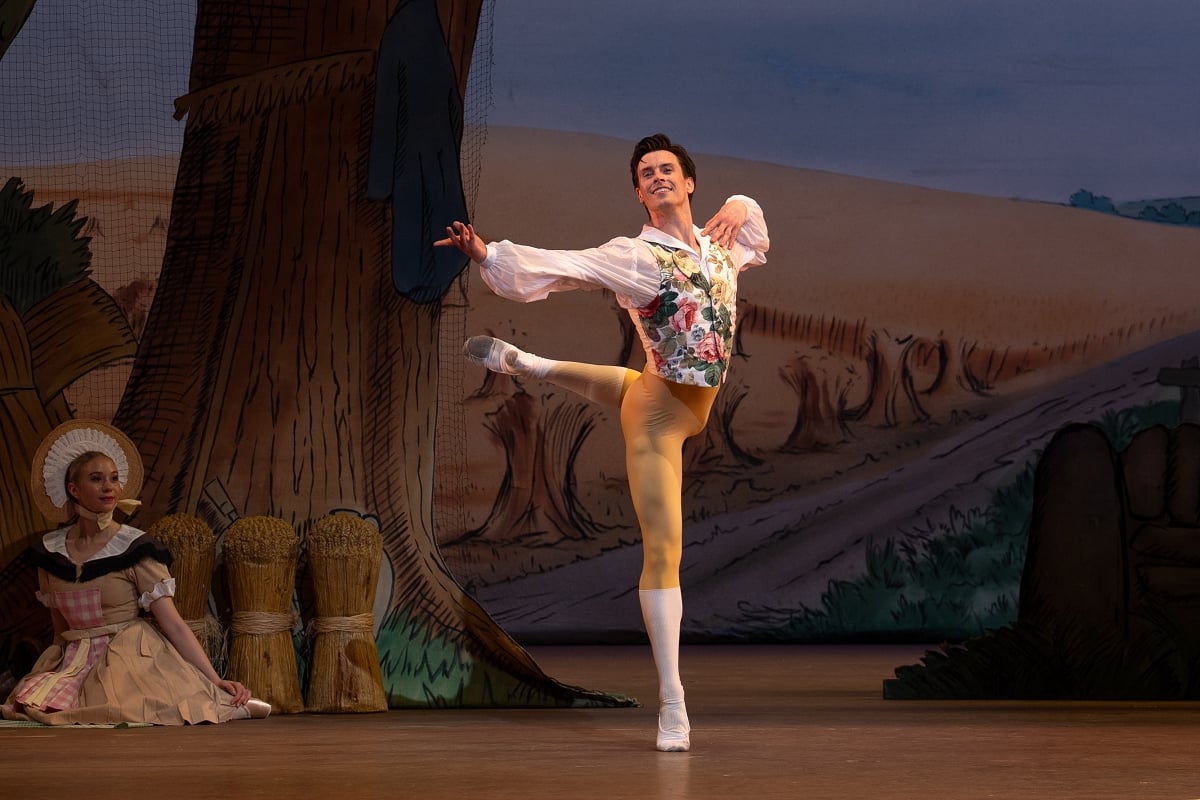

This has been a season of debuts for you, Calvin. How have you found it?
The season has been amazing. It always happens at this point in the season, when we’re revving up for the tour and the end of the season, that you realise just how much has happened. I’ve had so many debuts as well, starting with La Fille, then Giselle.
And now Mayerling.
I know! It wasn’t on the cards until it was.
I was trying to piece together the timeline, and it seems like it was a really quick turnaround.
It was. I finished my last Giselle show on a Tuesday, and on Thursday, Kevin [O’Hare] messaged me asking me for a meeting. I had no idea what was going to happen because there were two other covers, so I completely removed the possibility from my head. It was a big shock, but amazing.
You’ve said in interviews that your dream role was Crown Prince Rudolf in Mayerling. How did it feel when you got offered it?
I guess it was a bit of everything, because the surprise was so overwhelming. Kevin told me to go home and think about it. When those opportunities come up, you know you’re going to say yes, but I just needed to take a moment.
And from then on, how long did you have to work on Mayerling?
We had around two weeks before the full call in the studio, which was…intense. In some respects, the full call rehearsal, which is a run-through in the studio, is more intimidating because you can see everyone sitting around you and a panel in front. It’s the worst anyone ever feels doing it, but even more so when you’re having to go to these pretty dark places.
After that, it was stage calls pretty much every day with a different act, and then it was the show.
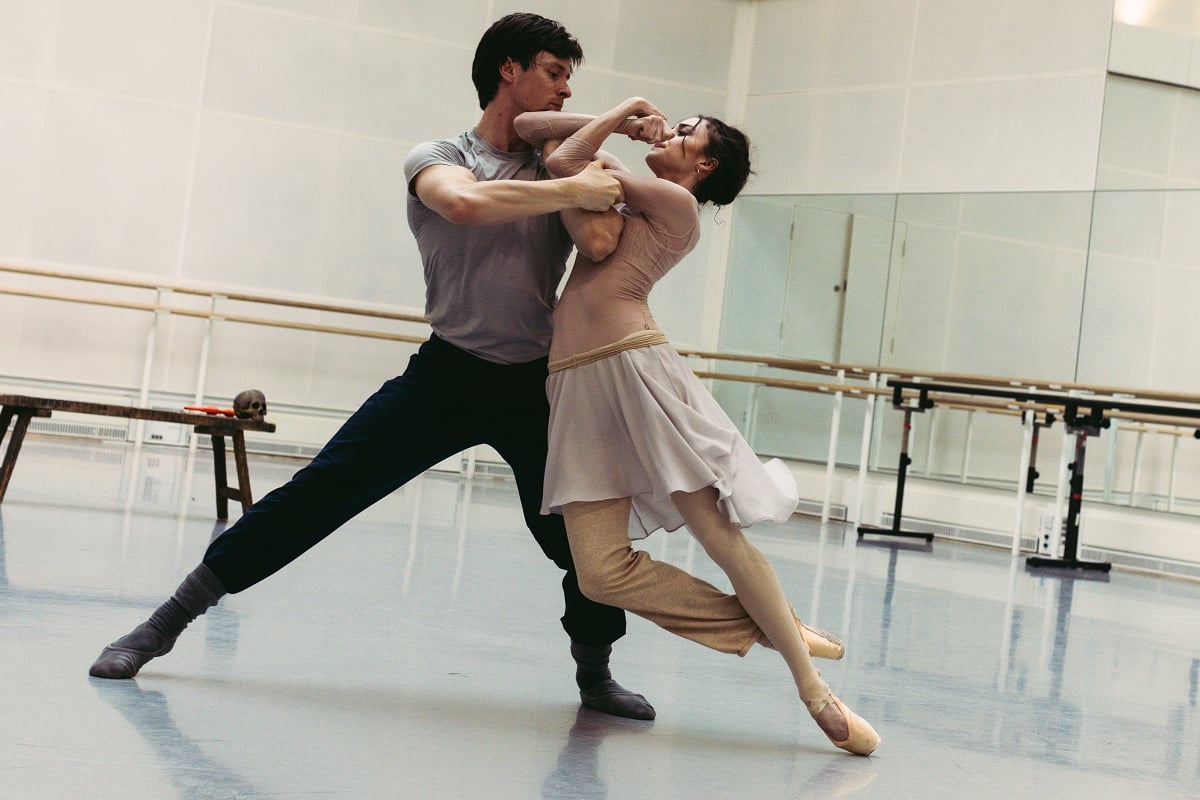
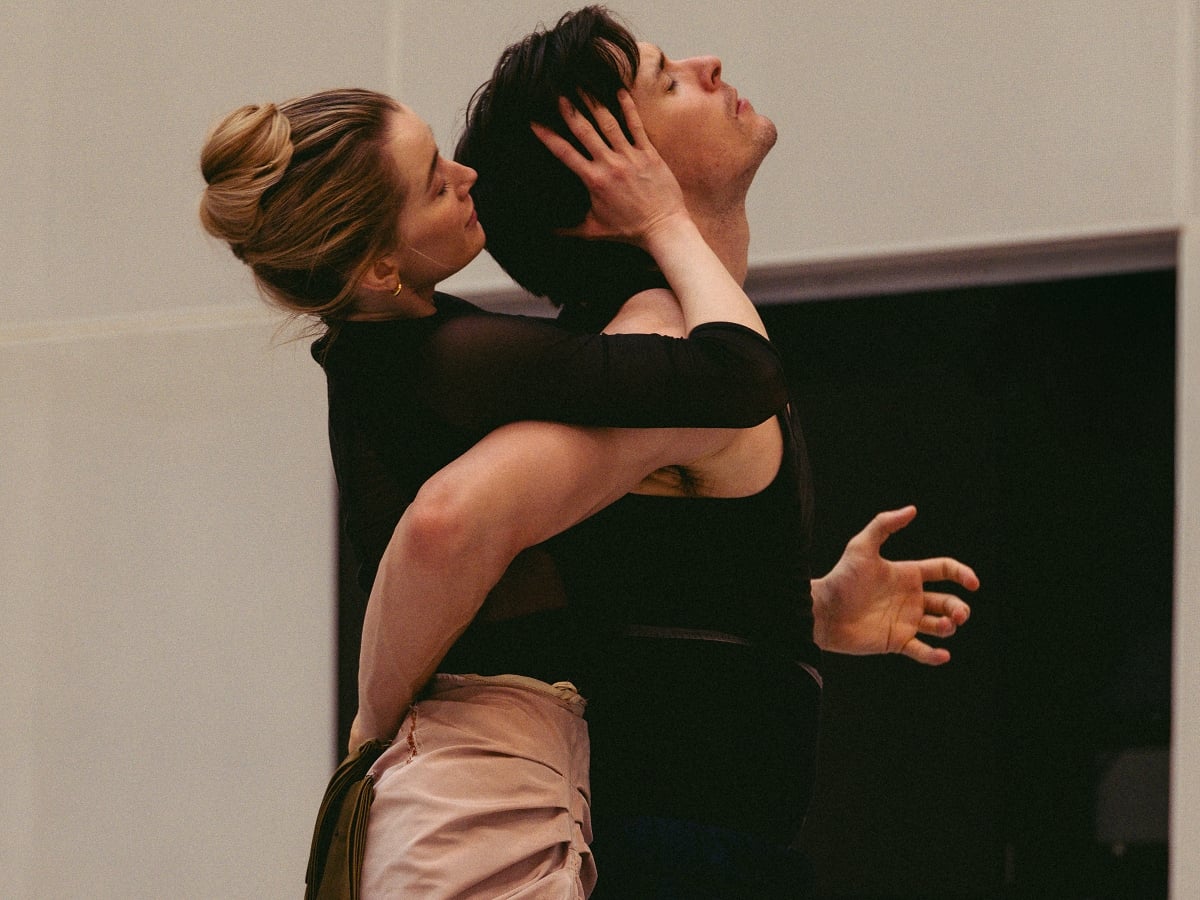
Was there anything you knew you wanted to bring to your Rudolf before you started work?
I literally don’t think I had any time to process what was going on. It was one foot in front of the other; there was just so much material to learn, so I was in overdrive all the time, which actually lends itself to the role.
That first act, you barely stop – you go from one partner to the next, but the team of women I’ve been working with have been so gracious, patient, and accommodating. It really felt like we were on this journey together, along with the staff and coaches, Leanne (Benjamin) and Ed (Watson).
Have you started rehearsing for your next Mayerling? How’s it going?
[Calvin Richardson’s next performances in Mayerling are on 27 April and 9 May]
Yes, we started again this week after some breathing room last week. I think what’s strange now is that once you go on that journey, everything feels a bit ‘life-after Mayerling’, and that being one of my dream roles, it does feel like you’re hitting the ceiling, so to then come down from that and then start revisiting it, but out of context, feels a bit strange.
Feeling the complete story is one thing, so to break it apart again is odd. It’s a necessary part of the process, and everything is there physically, but mentally, to go to those dark places instantaneously and then come back out of it is weird.
How was it working with Ed Watson?
It’s been great. Along with Steven, Ed was the benchmark Rudolf in my eyes. He also coached me for Romeo, and what he has to offer with all the MacMillan productions is like gold dust. He understands the work in and out, similarly with Leanne. They have a wealth of wisdom, as does Laura Morera, who oversaw the entire production. I’m just so grateful for all the support from everyone.
Apart from learning the role in two weeks, what challenges did you have with Rudolf himself?
I think I tend to have a more introverted, internal movement language that’s more based on bringing the audience in than projecting out. Certain scenes, like the ballroom scene in Act I, feel very out of character for me, but I have to be a Prince at a formal event, and take command in that way.
It’s also hard to find all the nuances in the story so that it builds in a way that makes sense, because with all the power you have in these amazing pas de deux, it can tip over and go a bit too far. In the scene with the Empress in Act I, you’re longing for love and connection, but you need to restrain that for the last scene with Stephanie to really have an impact. So there needs to be a balance of all the different pains, flaws, and emotions that Rudolf is going through. He’s not necessarily a good person, but he’s human, and it’s important to show those shades and colours.


Did you make a decision to portray him as a sympathetic character?
I can’t say that I made a conscious decision, but maybe through today’s eyes, there’s room for seeing the full picture of his upbringing, and understanding that it’s not just black and white. At the same time, you also want it to be apparent that he wasn’t a good person. I can’t definitively say; everything with this process has been so full-steam ahead.
Sarah was amazing, and when we met in the studio, it was like she was already in character, and it immediately gave me the ability to respond to that. It really felt like everything just unfolded from that; it felt very instinctual. It’s not been the sort of process where I’ve gone away and thought about my Rudolf.
At what point in your debut did you feel like you were Rudolf?
I can only go by what we did on stage, but it was once I got through that first solo. That solo…
It’s not a nice solo.
[Laughs] It’s so unkind. I understand it, and I know it lends itself to the character, but it’s such a weird pressure-cooker solo, but it’s the first proper thing you get to do, whereas before you’ve just been standing on stage.
How has it been to have a break between your performances? Did you need some breathing space?
Definitely. Sometimes I struggle with that, but because Mayerling is so emotionally and mentally exhausting, I felt very fortunate.
What happens with my debuts is that I can’t really see the ballet whilst I’m on stage. I feel like I just get swept up on the journey, and it’s not that you don’t get taken there after the first one, but there’s something that shifts with the second show, where you can suddenly see everything, and make different choices if you feel that in the moment.
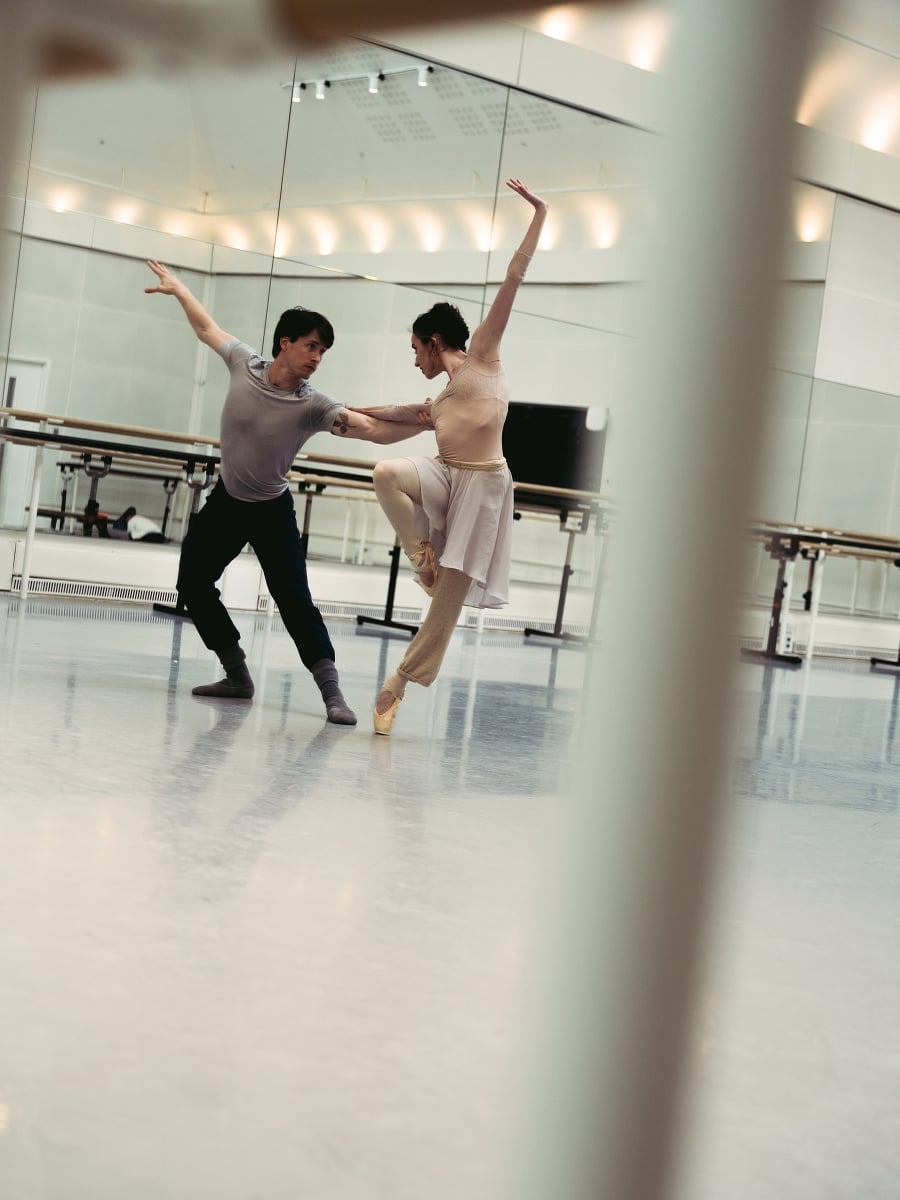
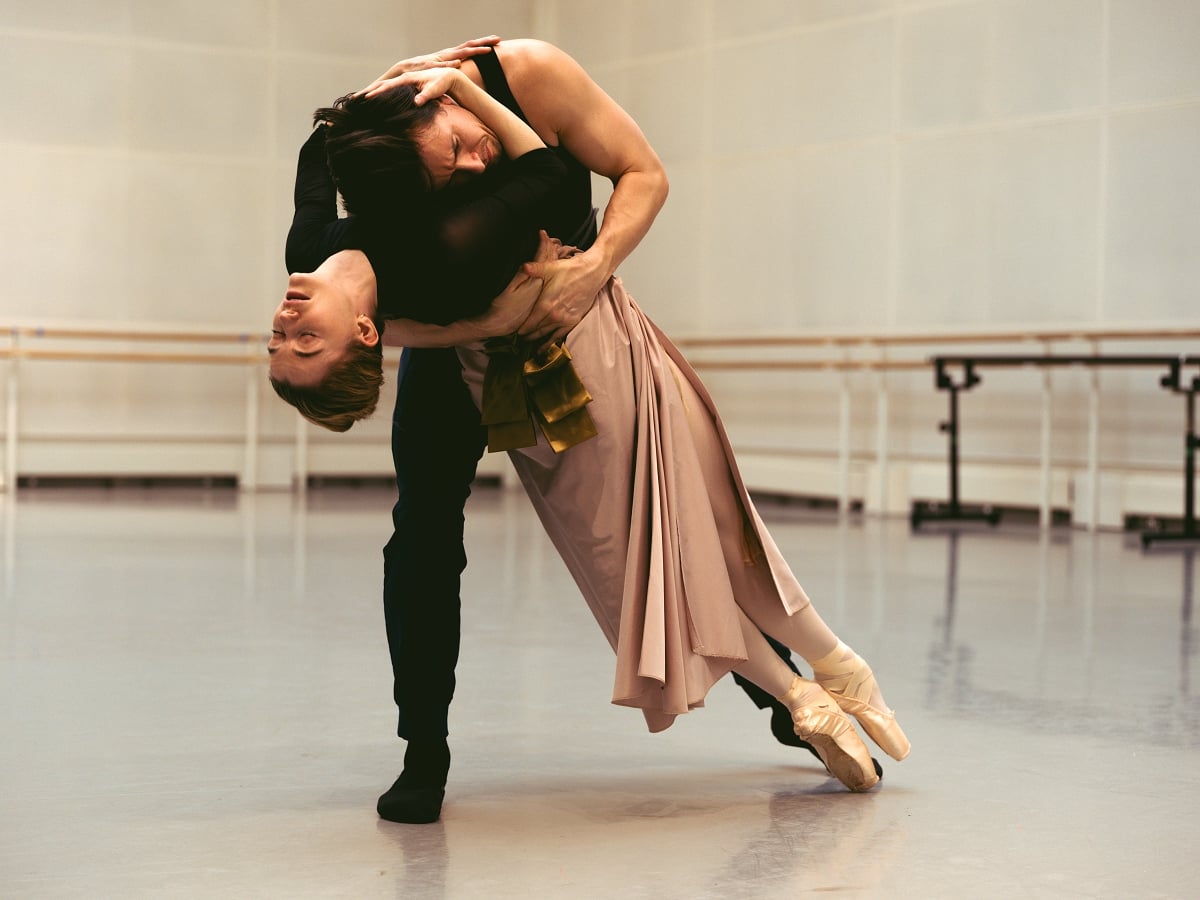
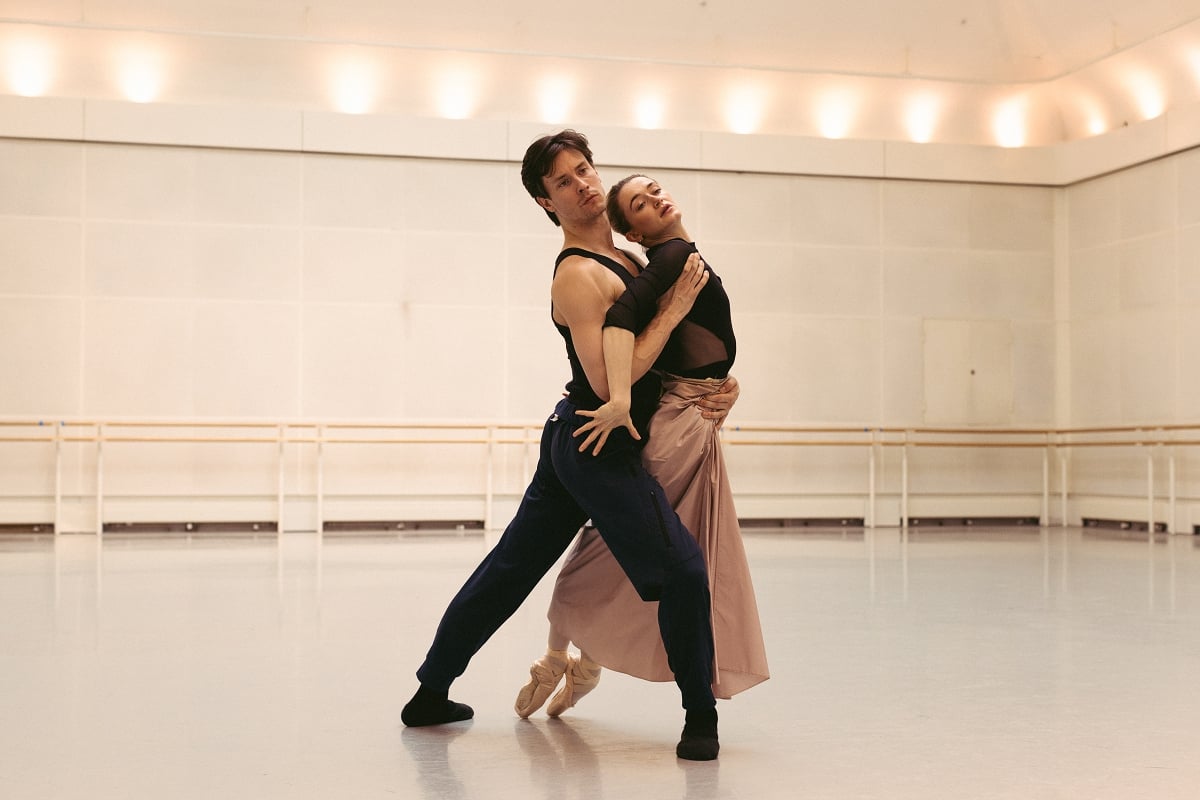
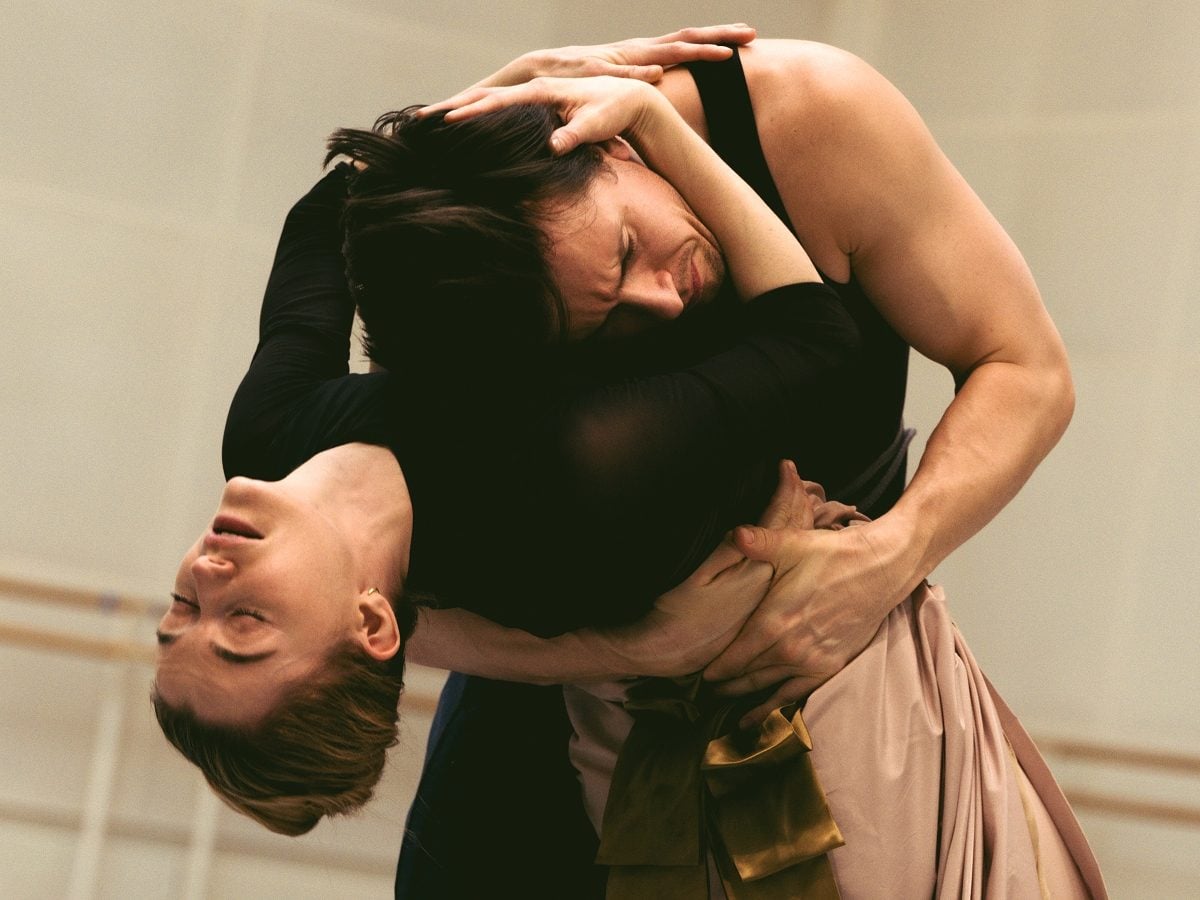
Considering how intense Mayerling can be, did you need to compress after the show, and what did that look like for you?
I needed to compress, but I moved flats straight the day after the show. I wouldn’t recommend it, but in a weird way, it was a good distraction. You hit this adrenaline, and this peak of all your dreams coming true, so I think moving was a good way to be myself again, in a different, strange way.
In an interview with Attitude magazine, just after your promotion in 2024, you said you have to manage the pressures of being a Principal at the Royal Ballet. A couple of years in, how are you feeling now?
I feel like it’s probably an ongoing process to embody that role, but I still have moments where I think about it, and what it means to be part of this company and these productions. The enormity of that can be overwhelming, so I keep trying to come back to the work, and trusting my instincts and allowing myself to go through this process wherever it leads, because it’s never a perfect one, and that’s the beauty of theatre and art.
But after Mayerling, it feels like a shift. It’s a strange sensation; it’s not the end, but when you’ve dreamt of something for a long time, and then you get to do it, something happens that I can’t quite put into words right now.
I’ll keep that memory forever, especially those first rehearsals with Sarah, where everything kind of clicked, and she came at me with full force, straight in with the skull and the gun. She’s been awesome. Everyone has, and I’m so thankful to Kevin for putting his faith in me. It’s honestly been a dream come true.




Lily Hyde is a cultural and dance writer based in London. Her writing has appeared in The Fence and The Creative Independent, and she runs the cultural newsletter, Falling Upwards. She is currently writing her first novel.