Review: YGPE Stars of Today Meet the Stars of Tomorrow Gala in Milan
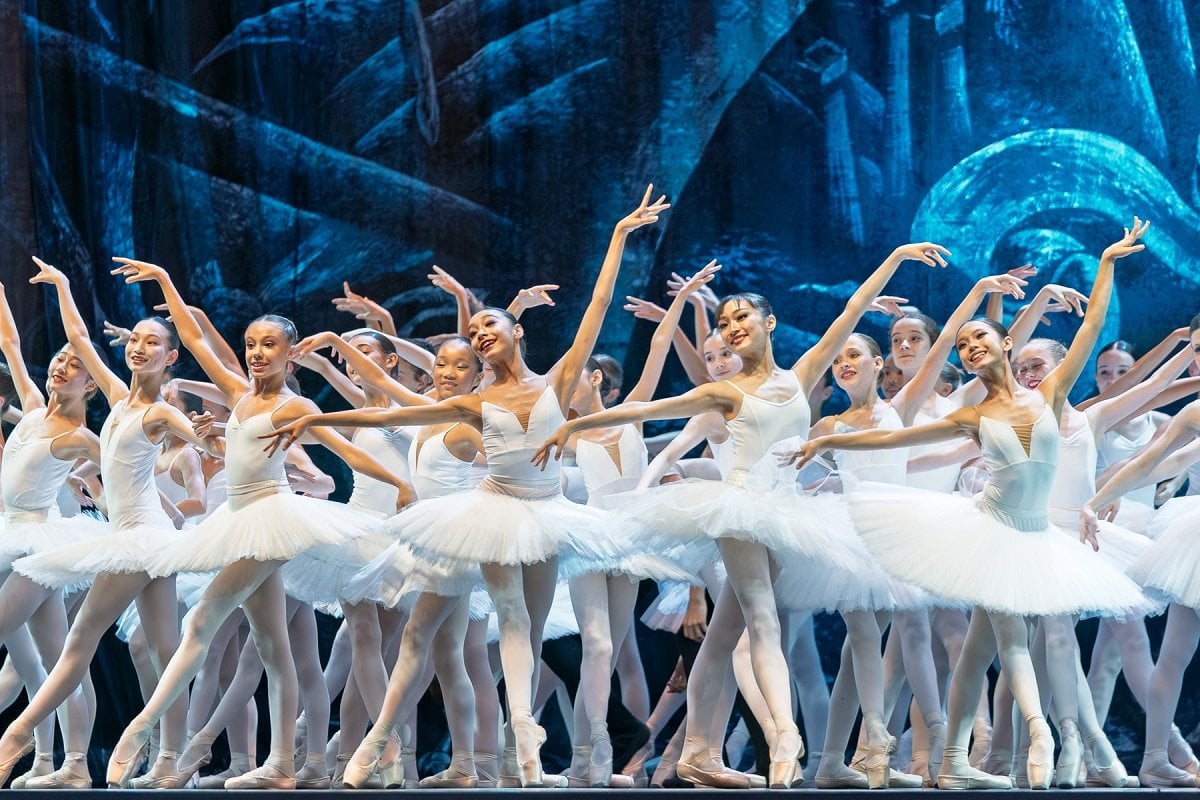
Graham Spicer sees the “YGPE Stars of Today Meet the Stars of Tomorrow Gala” featuring 160 young dancers from 31 countries and international guest stars.
| Title | YGPE Stars of Today Meet the Stars of Tomorrow Gala |
| Company | Youth Grand Prix Europe |
| Venue | Castello Sforzesco, Milan |
| Date | 26 July 2025 |
| Reviewer | Graham Spicer |
In the main courtyard of Milan’s Castello Sforzesco, where Leonardo da Vinci once prepared banquets and theatrical events, Youth America Grand Prix prepared its own event, the YGP Stars of Today Meet the Stars of Tomorrow Gala. The ‘A’ for America in YAGP is removed for the Youth Grand Prix Europe branch of the organisation. YGPE has its offices in the Netherlands, and is the twin sister of YAGP, “the world’s largest dance family – and the world’s largest student ballet scholarship audition”.
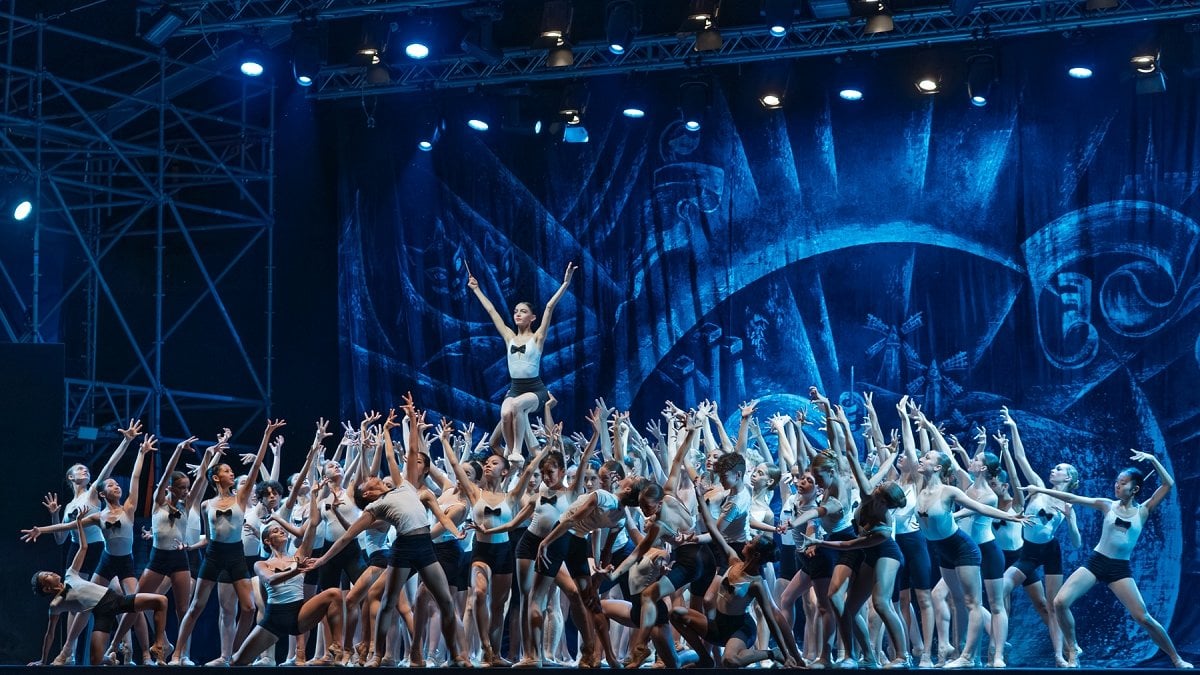
The Gala was the culmination of an international summer workshop, featuring 160 young dancers from 31 countries across 5 continents worldwide. Previous editions have been held in Genoa with the Gala finale staged in the Nervi Park, but this year dates clashed with the Nervi Festival’s own closing gala. Maybe the Milan alternative will become permanent? The more contained atmosphere of the Sforza Castle certainly lent itself to the event, and the location provided more space for changing facilities for such a large group, where the 10 or so ‘stars of today’ also needed dressing rooms. A logistical challenge that presumably comes as second nature to the 26-year-old organisation. Their experience was seen in the slick nature of the gala – precise announcements before each piece, no pauses during the programme, no one staying less than what is polite but more than is necessary for applause, and a short interval.
If the idea of the Le Corsaire second act pas de deux performed by a pair aged 10 and 14 makes you cringe, you are not alone… but how wrong I was! Apart from one brief piece that made me think of child beauty pageants, there was nothing cringeworthy at all – it was an evening of intense joy, promising artistry, and offered a chance to celebrate confirmed ballet stars and rising professional talent too.
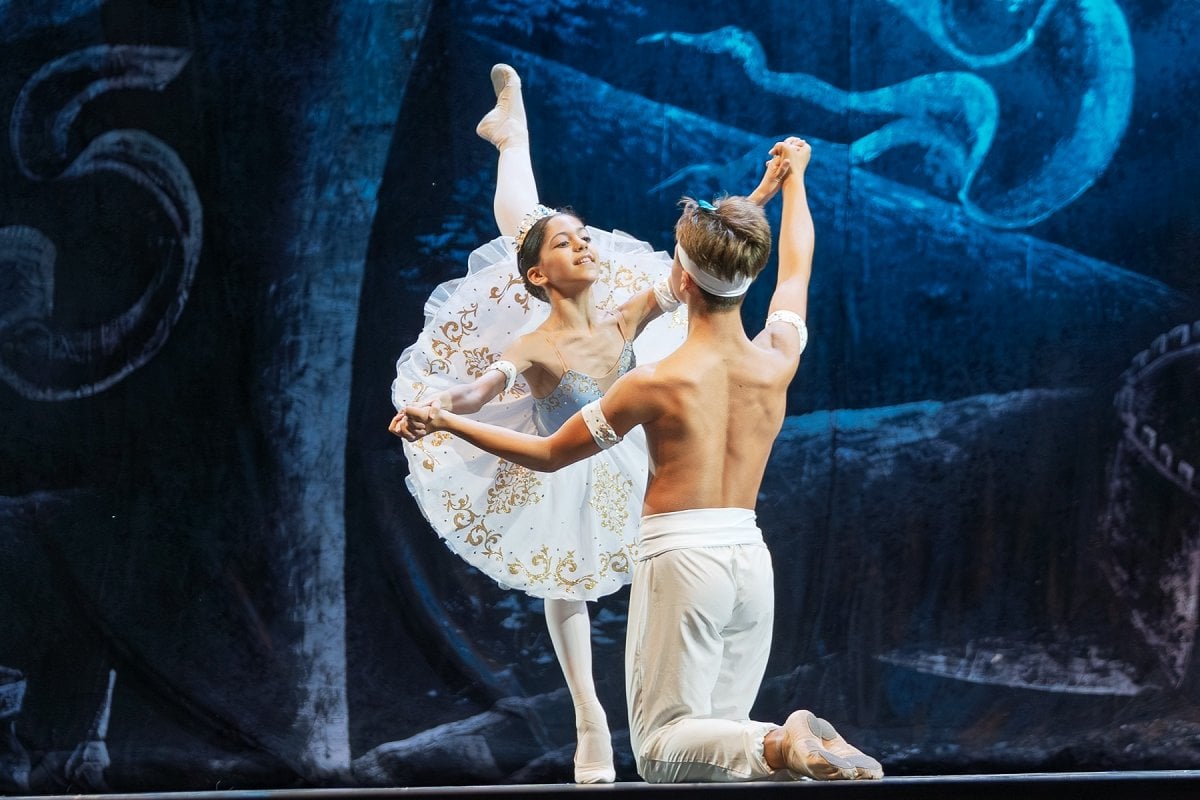
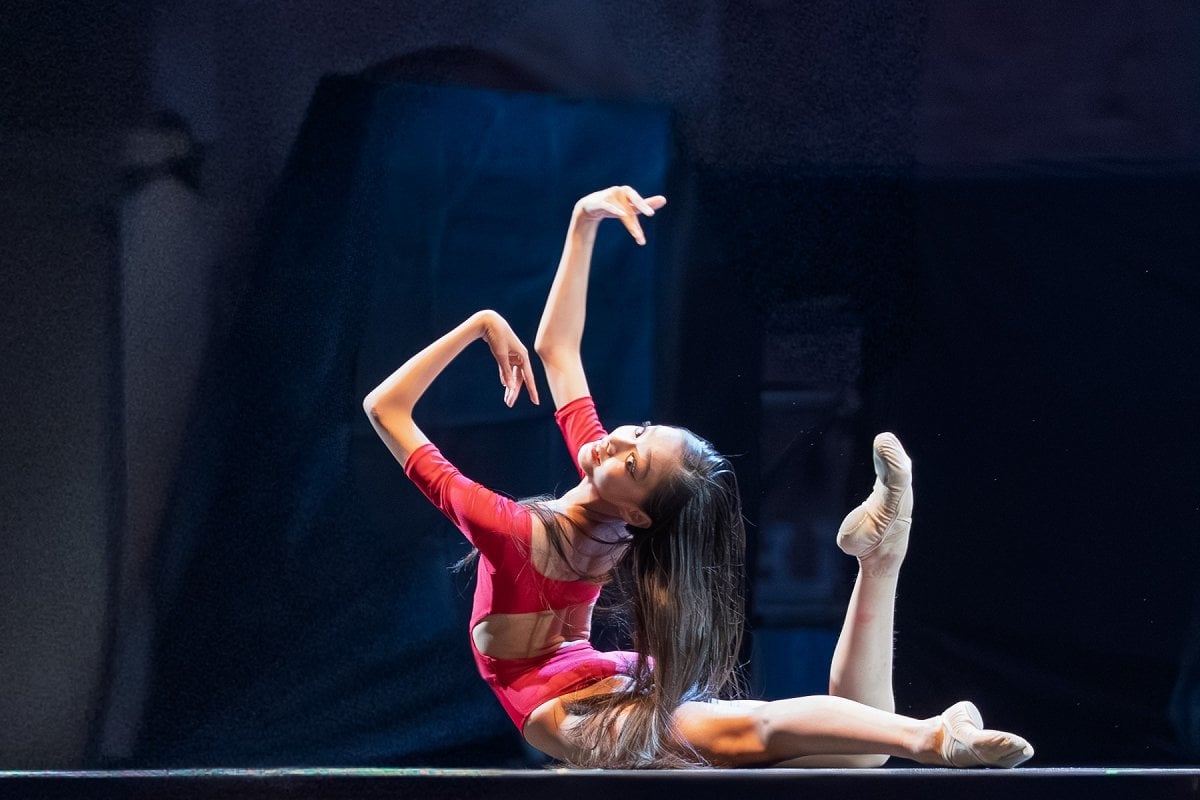
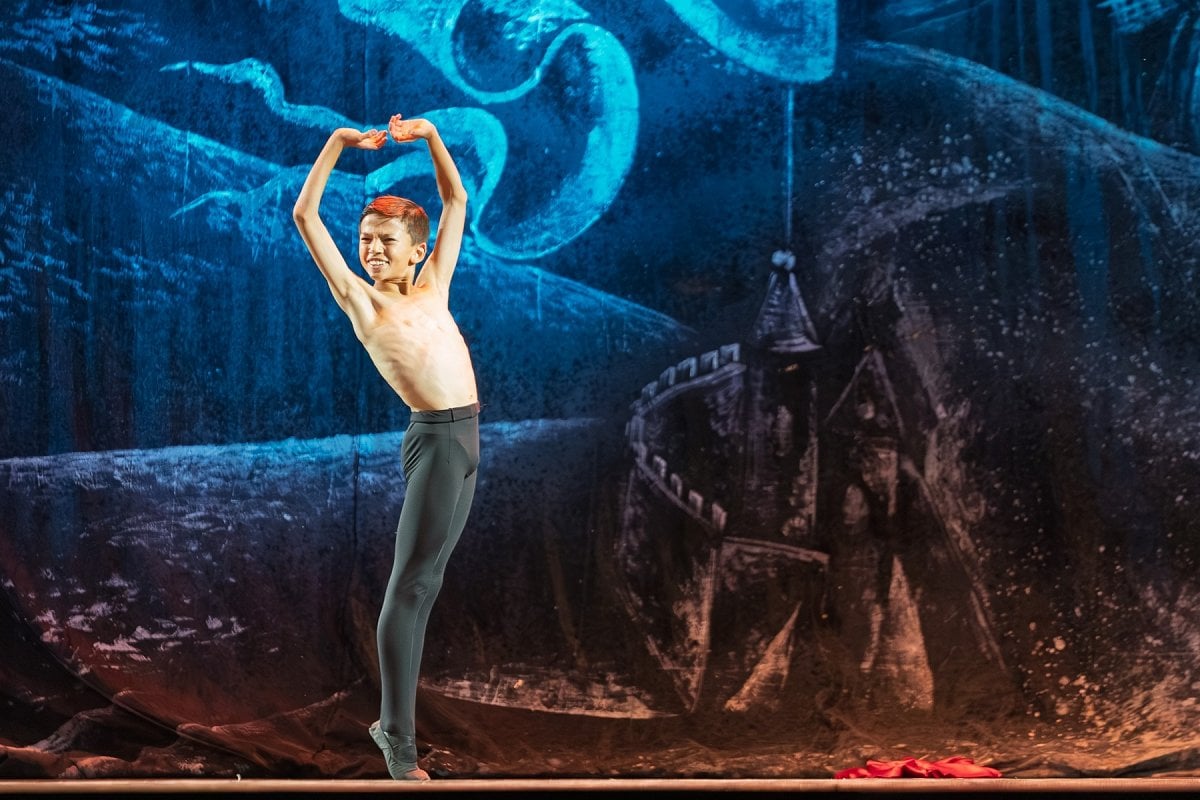
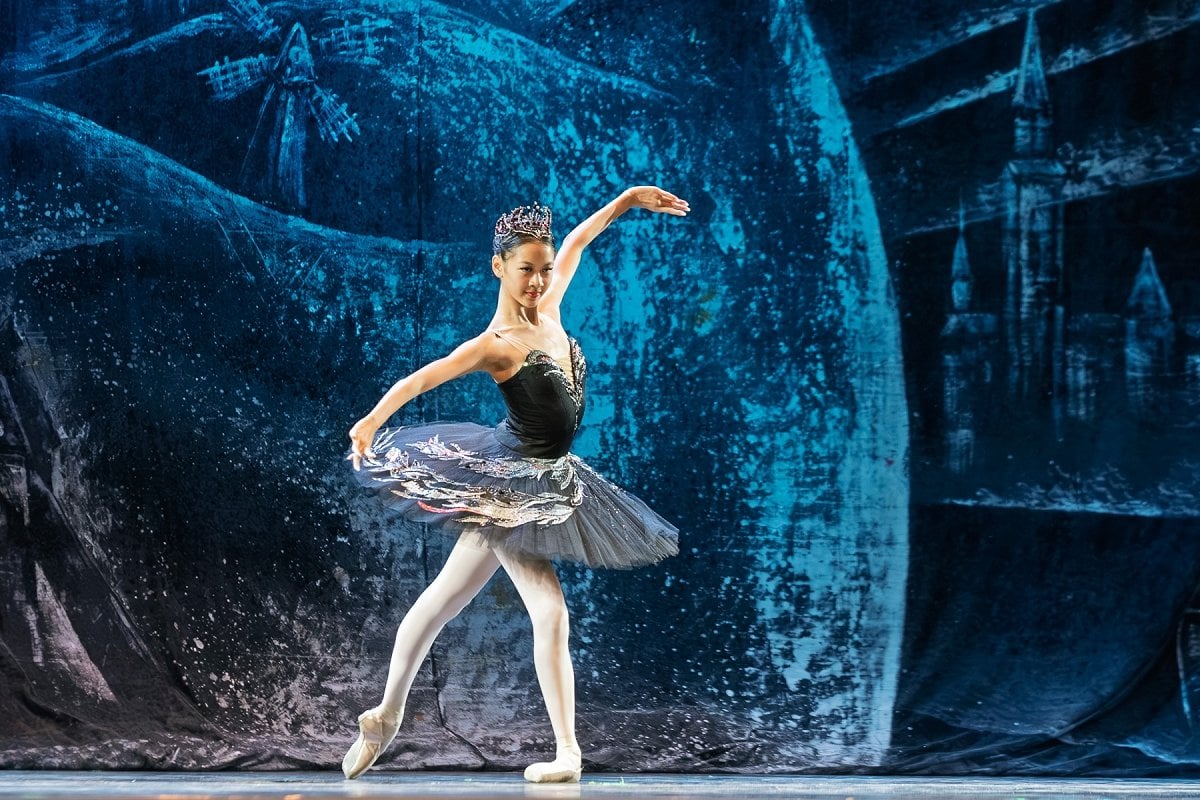
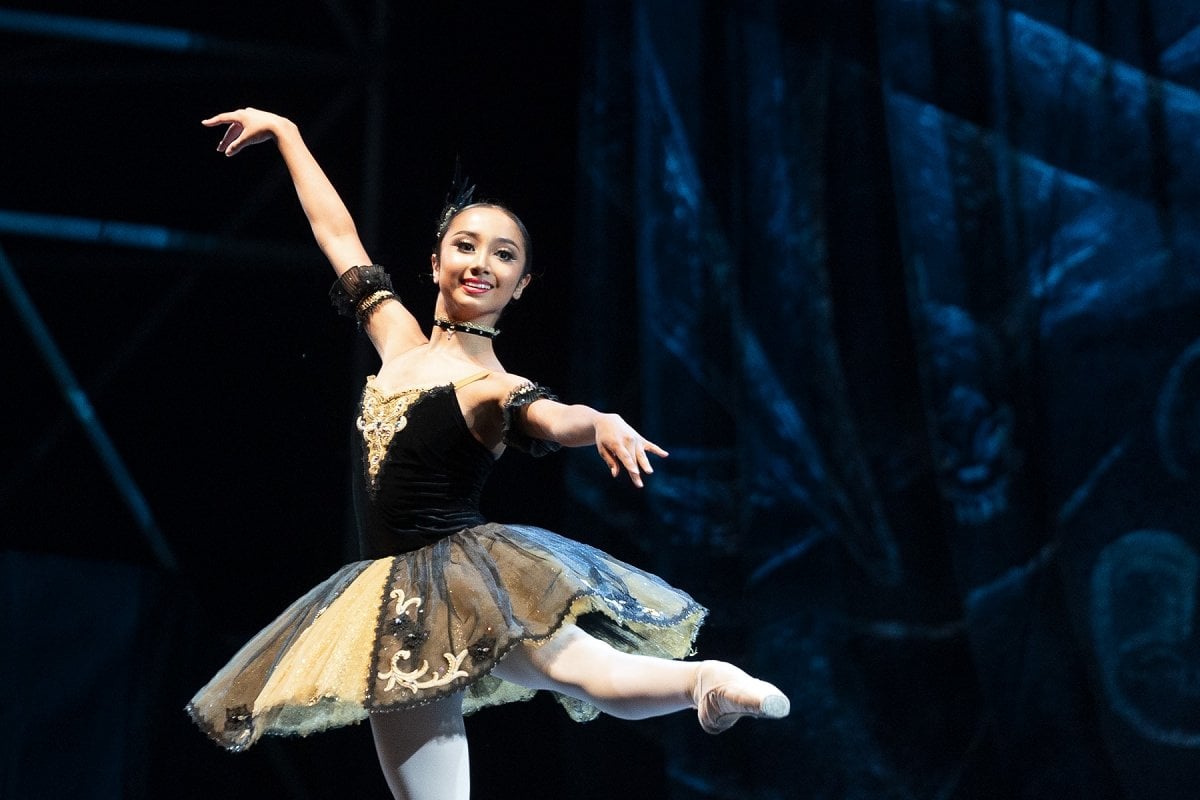
Stand-out moments? From the many pieces performed by the younger dancers, the most striking was from Kiera Sun (14) from the US, whose black swan variation from Swan Lake wasn’t just full of beautifully executed turns and wilful jetés but had all the nuances of an experienced professional – surely a star of tomorrow. Àurea Gómiz (10) and Nico Borrero (14) from Spain in Le Corsaire showed great style and control, and Àurea managed a serene smile throughout. Athena Hu from the US is just 12, but in her solo piece Amore (choreographed by Crystal Huang), she showed enviable long lines as well as a lively personality, something shared by Alianna Nassos (11), who not only danced but sang to Dave Brubeck’s Take Five. Owen Simmons from Canada is 12, though he seems even younger, but was delightfully forceful in his cape-swishing Matador.
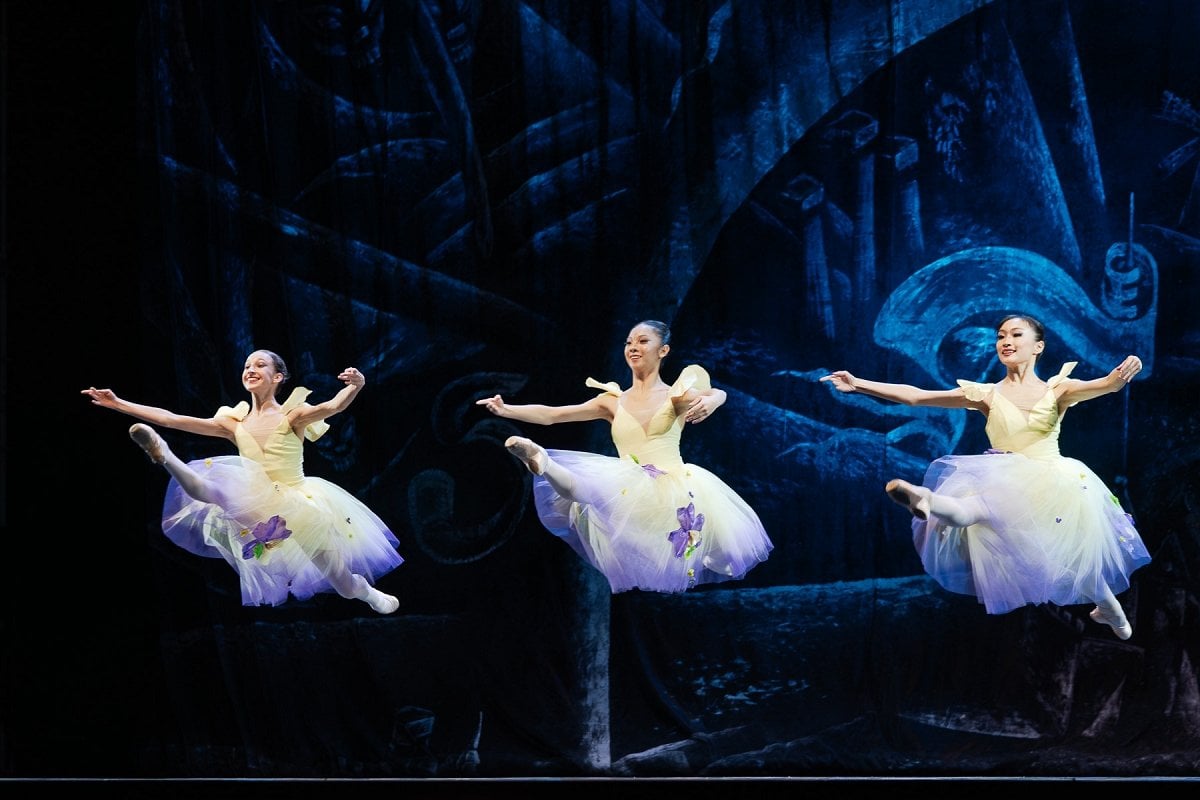
The three girls from the US dancing variations from Coppélia – Diana Levine (15), Miley Liu (14) and Sydney Qian (13) – were all notable for their aplomb and theatricality, and Minori De Silva (15), also from the US, was poised dancing a piece from Petipa’s Satanella.
Hector Jain is one of the older dancers (ages were not listed for those over 14) and had the task of kicking off the programme after the delightful opening Grand Défilé by Carlos dos Santos, Jr. To a piece called Diamond, composed and sung by Paloma Dineli Chesky, he was poetic, intense and elegant. In addition to the défilé, a work called Maestro, choreographed by Maria Konrad, also involved all 160 students, with their black-shorts-and-white-top study uniform transformed into a costume by adding just a black bowtie and baton. The piece was lively and cheeky, and everyone clearly had a great time performing it.
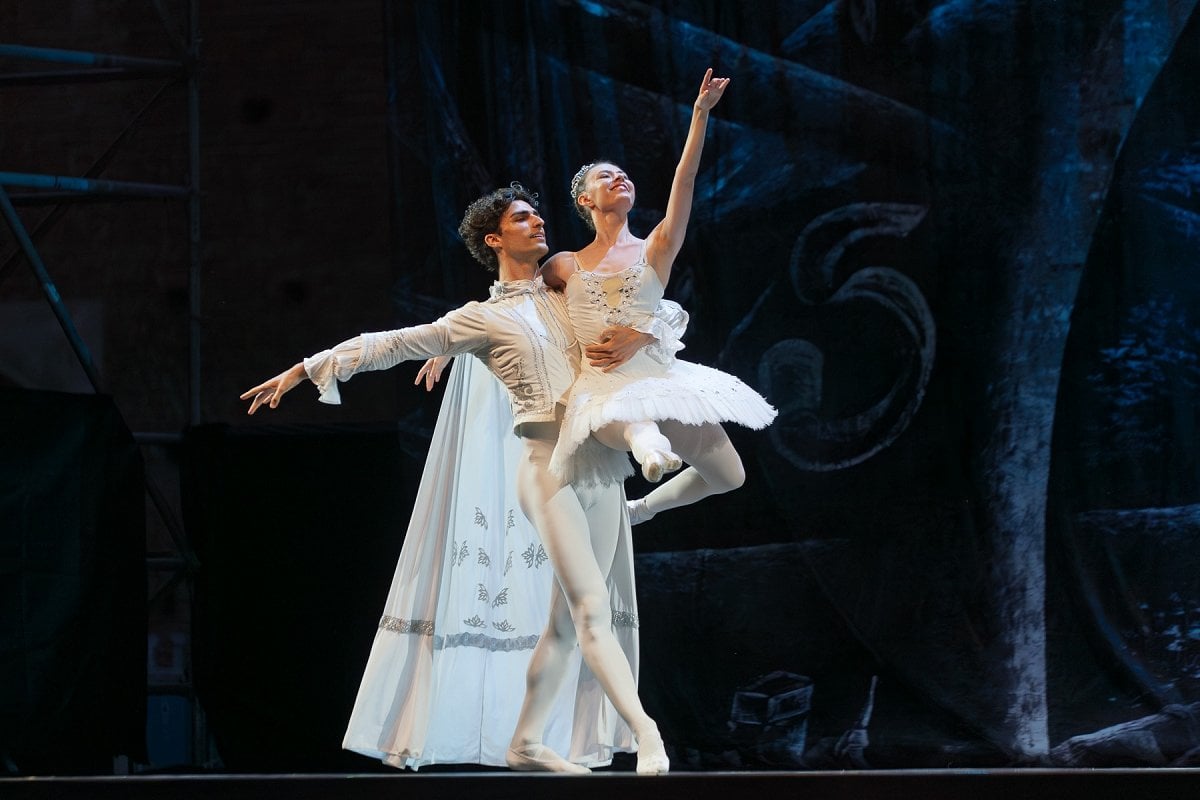
Elisa Filipetta and Elia Colombo, fresh out of Milan’s Ukrainian Ballet Academy and part of the associated TAM Ballet, performed a section of Yuri Grigorovich’s Raymonda. He was kitted out in the Bolshoi-style full-length white cape, though the material had been skimped on so heroic swishing was out of the question, but both Elisa and Elia were great to look at and danced the adage charmingly.
There were other promising dancers in solos or duos, but let’s get to the ‘stars of today’.
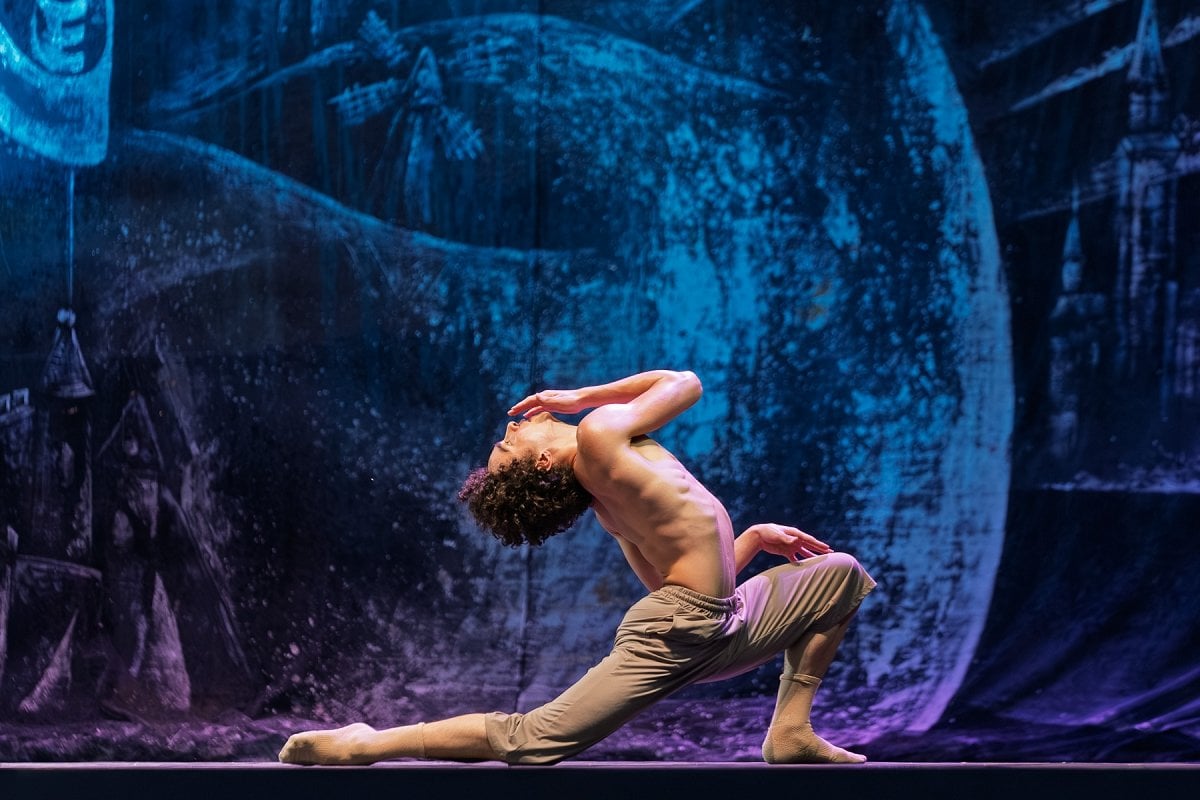
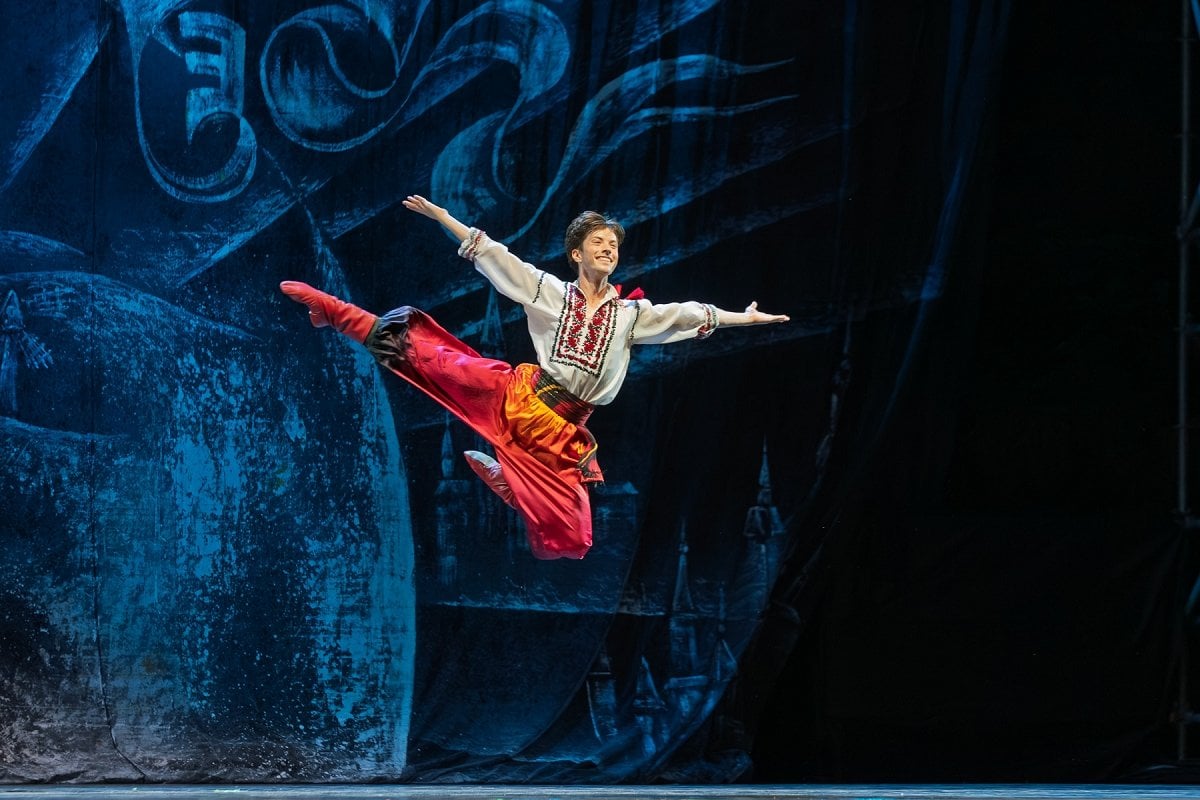
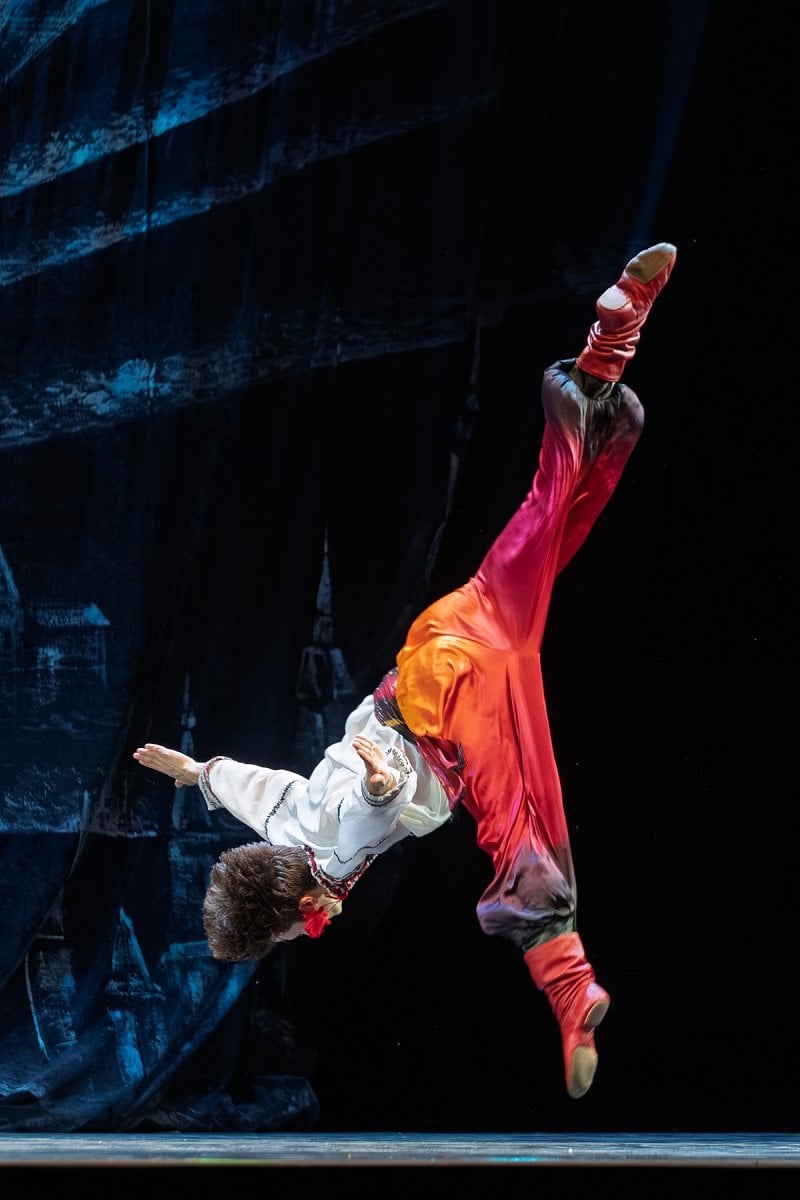
I’m putting Nicolas Pacholok in the ‘today’ category, even though he is also in the ‘tomorrow’ group. I’ll explain. He rushed onstage, cheeky grin in place, and performed a death-defying Gopak (a Ukrainian folk dance), wearing the traditional folk costume, yet the programme said that he was from the Joffrey Ballet School… something was amiss. A little post-show googling revealed all. After studying at the Shumka School of Dance in Canada (where the RAD syllabus is followed alongside folk dancing) and then entering the Ukrainian Shumka Dancers company at 15, he decided that he would go back to school, and learn dance styles that would take him beyond the age (early thirties), when many practitioners of Ukrainian folk dances retire owing to the extreme demands on their bodies. He seemed to spend most of the number with his head below his body, and yet continued to smile with utter joy. It was a thrilling moment.
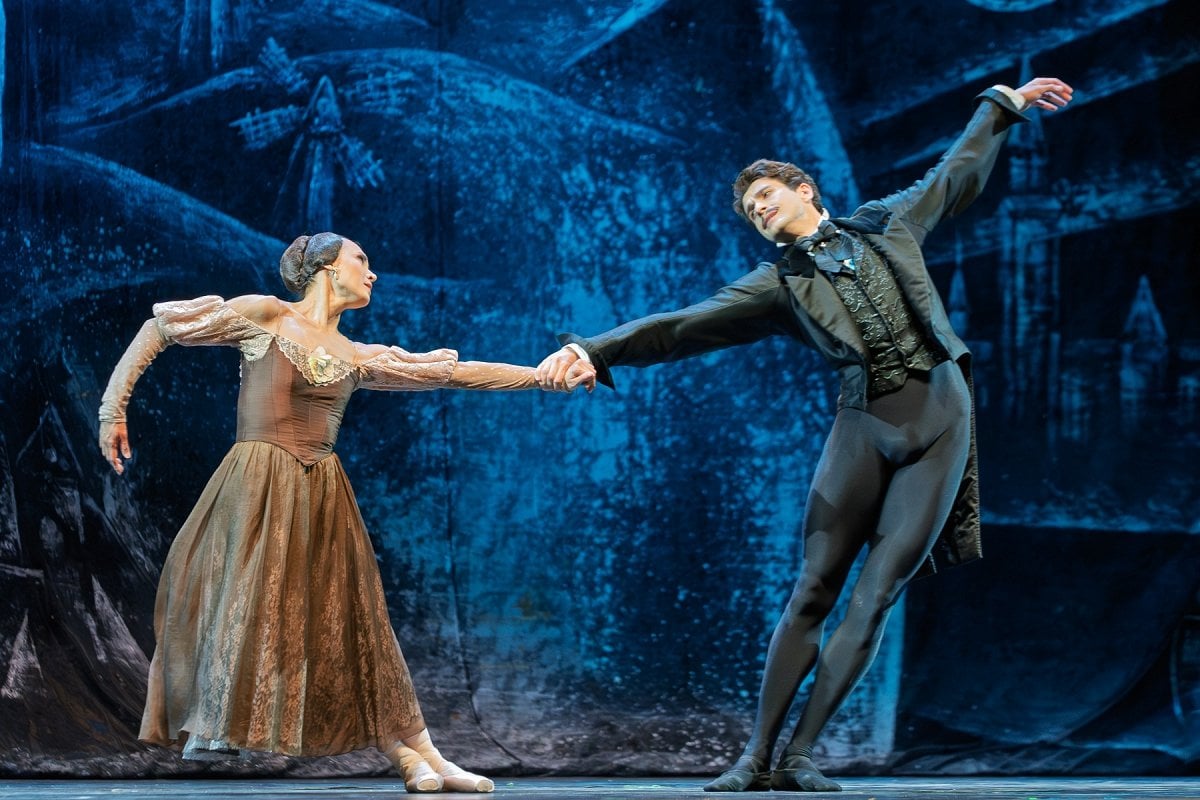
Rocío Alemán (The Stuttgart Ballet) and Reece Clarke (The Royal Ballet) danced the final pas de deux from John Cranko’s Onegin. It was a highly emotional performance in an evening of mainly light-hearted pieces. There was a strong connection between the pair – Alemán must be one of the finest ever Tatianas, and no one has ever looked better in a tailcoat than Clarke.
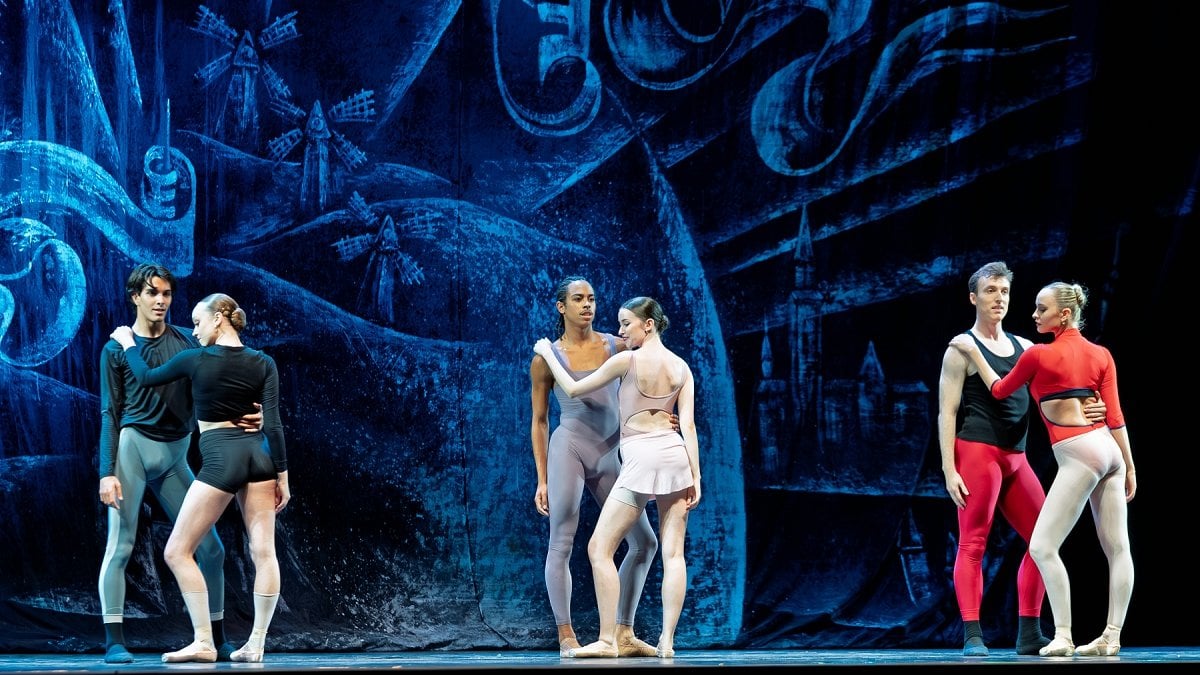
Six dancers from The Royal Swedish Ballet performed Sit In It, a world premiere from William Dugan, made possible by the YAGP 2025 Marcella Hymowitz Creative Fellowship. It had strong William Forsythe vibes with extreme poses combined with casual ambling. The dancers (William Dugan, Davide De Ponte, Sarah Keaveney, Anna-Cecilia Meyer, Tomas Ruao, and Taylor Yanke) gave a strong, confident debut performance.
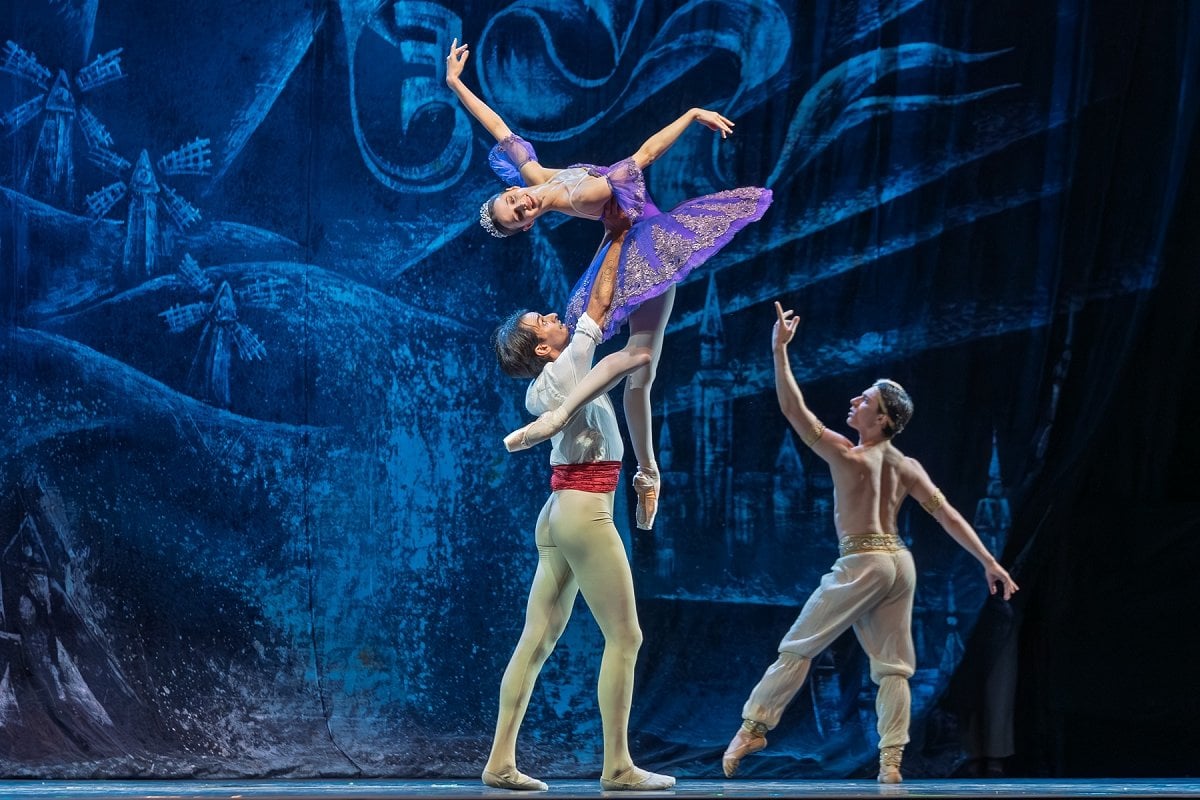
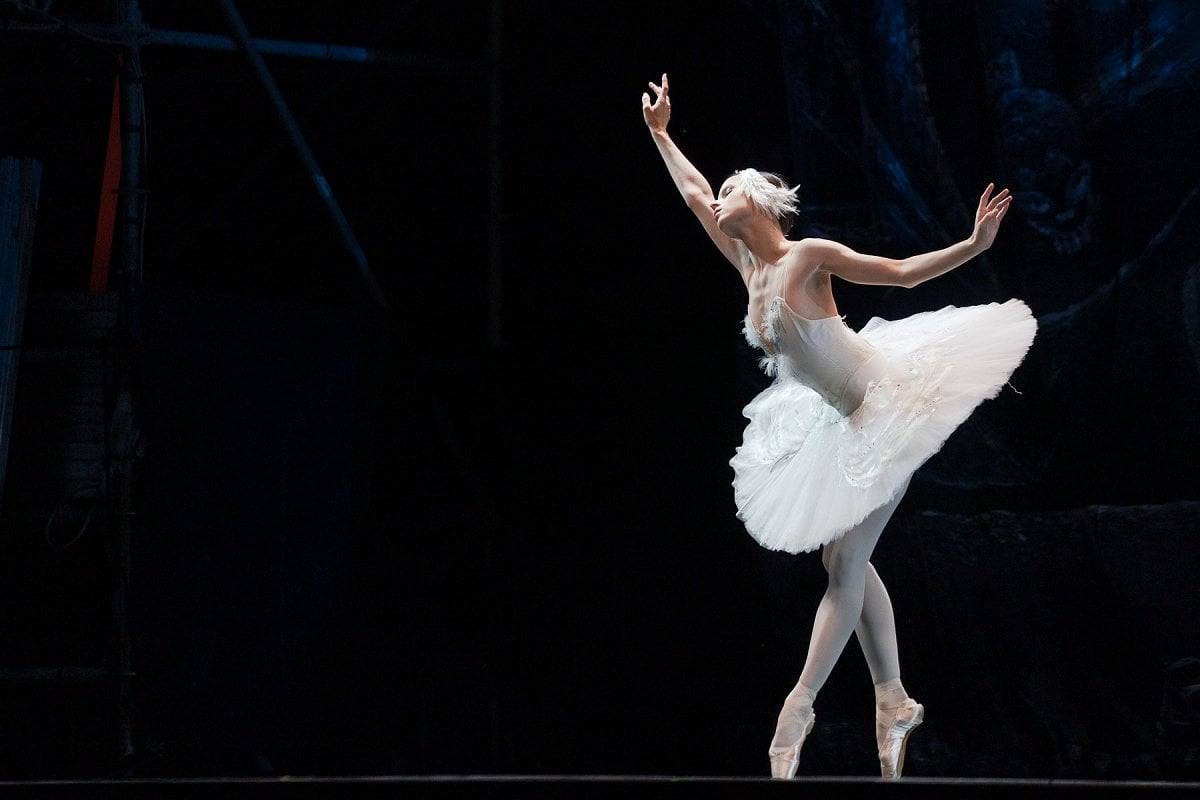
Maria Khoreva from the Mariinsky Ballet arrived in Milan at the last minute, finding her route blocked in Poland and having to jump on another plane to Istanbul to find a connecting flight. Her make-up was done in the taxi, apparently. The stress didn’t show, and her rendition of The Dying Swan was elegant in that slightly detached Russian way. During the interval, she studied positions on the stage and practised lifts with her Le Corsaire partner, Constantine Allen from the Dutch National Ballet. Understandably, they did not risk performing the variations during the pas de trois, but Khoreva was assured and showed beautiful, graceful lines, and Italian dancer Giulio Diligente from the Finnish Ballet injected some virility as the slave.
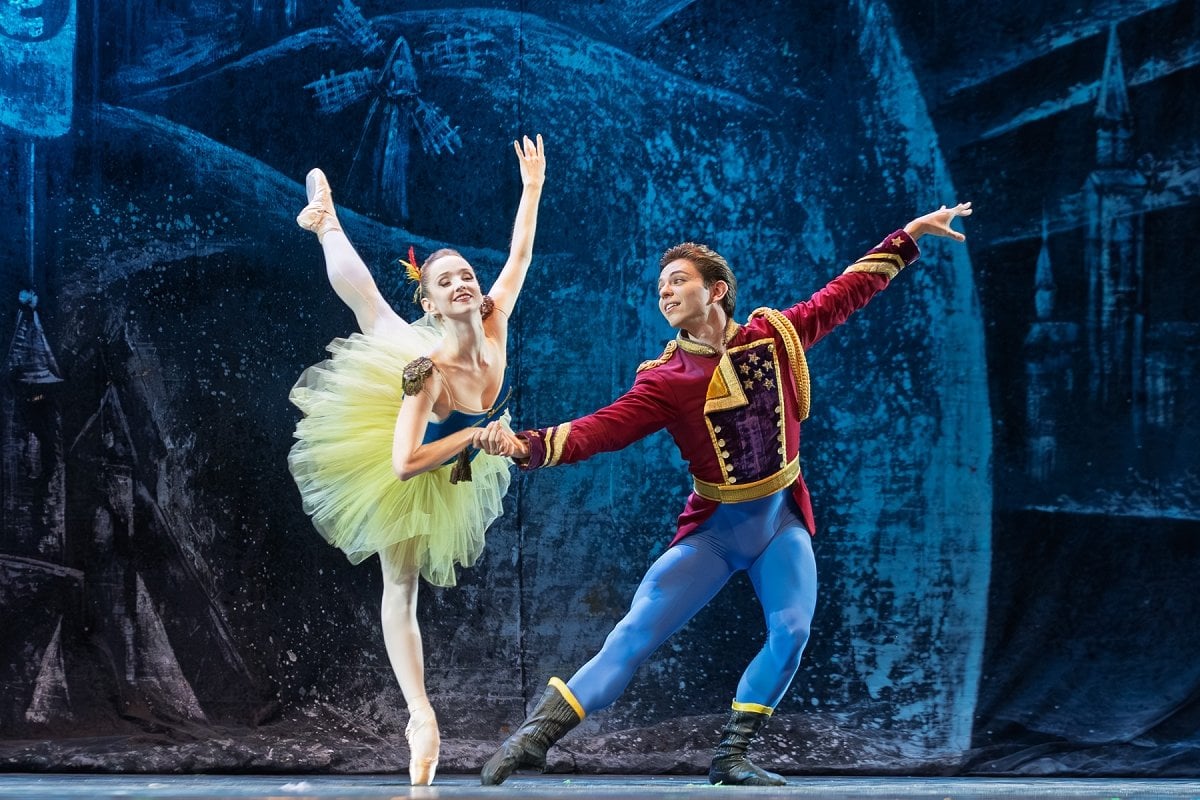
The Don Quixote third-act pas de deux was danced by Paloma Livellara and Max Barker, both just out of their teens, and now members of the American Ballet Theatre Studio Company. They were seen in London in June when ABT2 danced as guests of the Royal Ballet and Opera. Two exciting young dancers who performed with great assurance, maintaining the gala stocking filler as a piece of Petipa choreography and not a circus act.
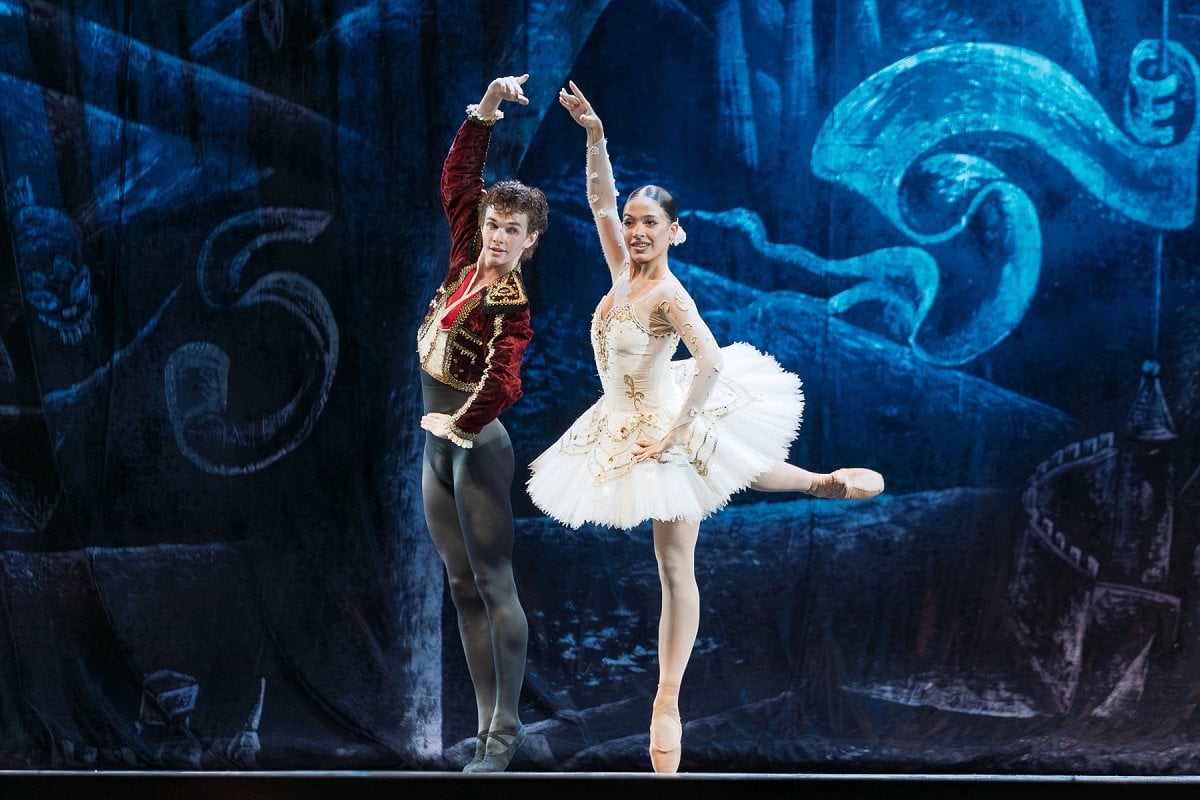
More fireworks arrived to end the programme with Emma Von Enck and Andres Zuniga from New York City Ballet in George Balanchine‘s Stars and Stripes pas de deux. Von Enck became a principal dancer last year, and 21-year-old Zuniga is still in the corps de ballet, but not for long, judging by his confident, dashing performance in Milan. Von Enck is a product of the School of American Ballet, and Balanchine oozes from her pores. She was a total joy to watch, and the exuberant pas de deux was an ideal American-flavoured ending to a great American initiative.

Graham Spicer, aka ‘Gramilano’, is a writer, director and photographer based in Milan. He was a regular columnist for Opera Now magazine and wrote for the BBC until transferring to Italy. His articles have appeared in various publications from Woman’s Weekly to Gay Times, and he wrote the Danza in Italia column for Dancing Times magazine. Graham was the historical advisor on Codice Carla, the 2023 documentary on Italian ballerina Carla Fracci.
Graham also works as a dance photographer, and his photos have appeared in many books, theatre programmes, and magazines, including Dancing Times, Dance Spirit and Ballet2000, as well as all the major Italian newspapers.
He is a member of the Dance Section of The Critics’ Circle.