
Review: Martha Graham Dance Company centennial celebration visits Italy

Graham Spicer sees Martha Graham Dance Company’s centennial celebration tour – a company in good hands as it enters its second century.
| Title | Graham100 |
| Company | Martha Graham Dance Company |
| Venue | Teatro Comunale Pavarotti-Freni |
| Date | 12 May 2026 |
| Reviewer | Graham Spicer |
The Martha Graham Company’s centennial celebration tour – Graham100 – arrived in Italy, visiting Venice and Modena. The company is celebrating the 100th Anniversary of its formation with an international tour presenting a series of mixed bills.
Of the five pieces on the programme in Modena, four were by Graham, but the closing piece was We the People by Jamar Roberts, showing that the company is also looking ahead while saluting the past. Strangely, this piece didn’t seem more recent than the Graham works, and maybe less original. It is both exuberant and forceful, though occasionally it felt drawn out.
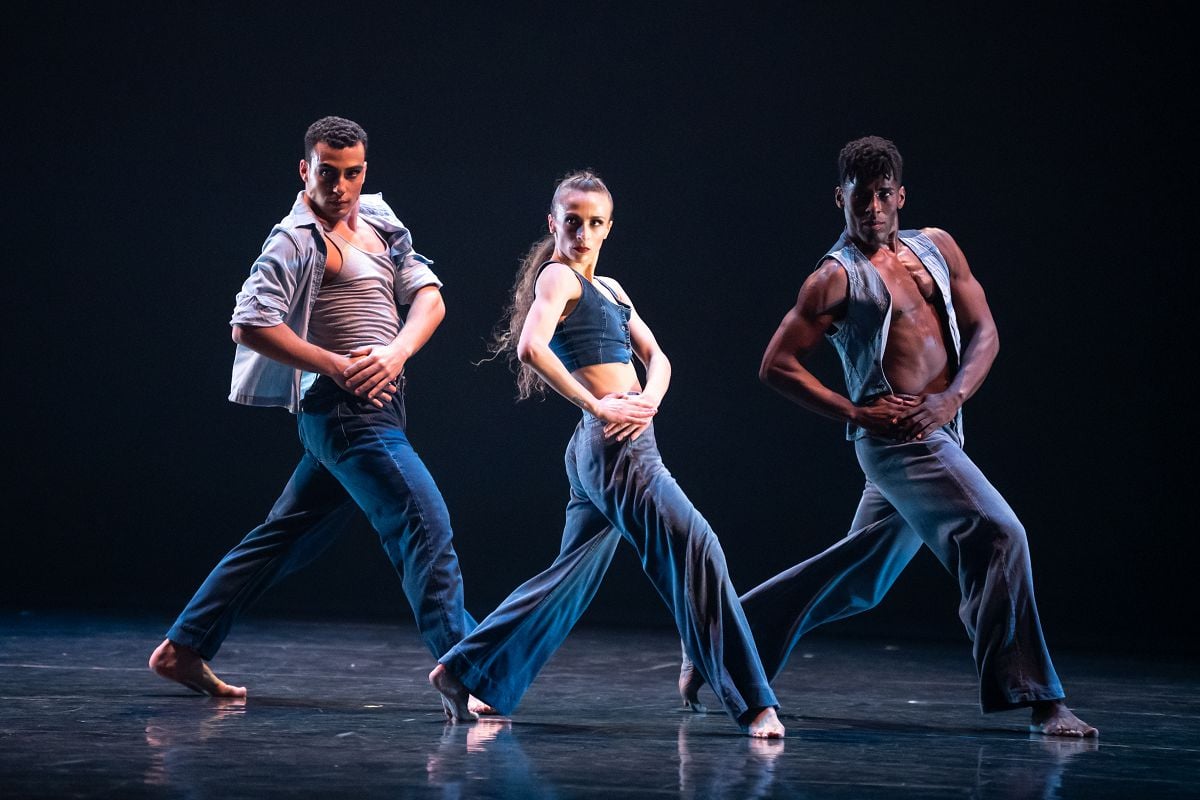
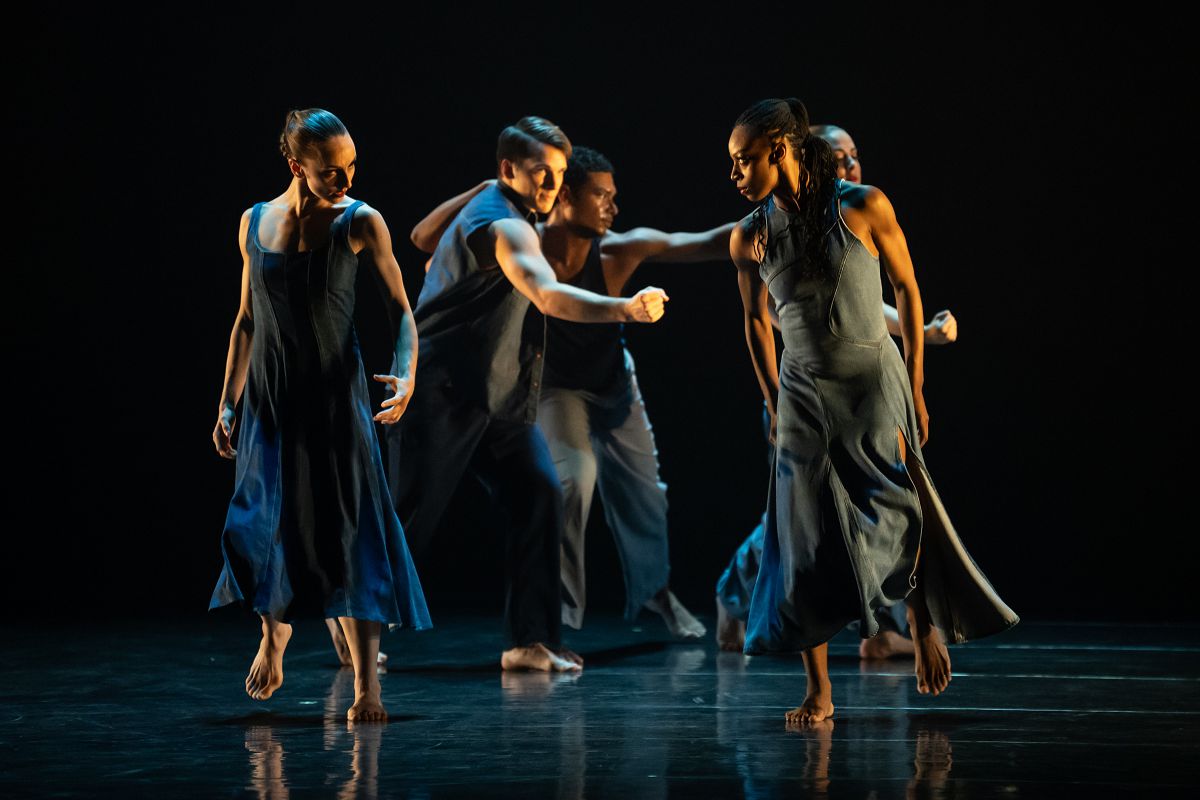
Rhiannon Giddens’ music has been arranged by Gabe Witcher (without vocals), creating a traditional American folk sound, and the dancers are clad in ‘American’ denim. Karen Young’s designs are variations on a theme – slim-fit, baggies, waistcoats, dresses.
Roberts created the piece in 2024, saying that it was “equal parts protest and lament”, but there is also joy in the piece, with energetic group dances to a bluegrass fiddle and banjo. These sections seem to suggest that working together can produce strength, harmony and happiness, and this is counterbalanced by some affecting, anguished solos, danced without music by Leslie Andrea Williams, the sensual Jai Perez, and the mightily intense Lloyd Knight.




The opening piece was the iconic – an overused word, but fitting here – Errand into the Maze. This 1947 work is powerful and still feels fresh, with Marzia Memoli performing the Graham role. From the whooping and cheering, I assume family and friends had come to Modena to see the Sicilian dancer, and briefly, the elegant atmosphere of the Teatro Comunale Pavarotti-Freni was transformed into a roudy sports stadium. However, the whooping from her family was matched by enthusiastic applause from the audience – she’s a very fine dancer indeed and deserved her ovation.
Errand into the Maze is based on the myth of Theseus and the Minotaur, but in this piece, a woman goes into the maze… in a dream? Or are we seeing a physical representation of the dark corners of her mind? There is much sexual frisson and physical confrontation with ‘The Creature of Fear’, and Memoli shows her terror and curiosity in a clear yet believable way. A magnificent Zachary Jeppsen-Toy carries the massive ‘bone’ across his shoulders, making him terrifyingly larger than life, yet, as it also restricts his movements, it gives him a layer of tenderness, like a trapped animal.


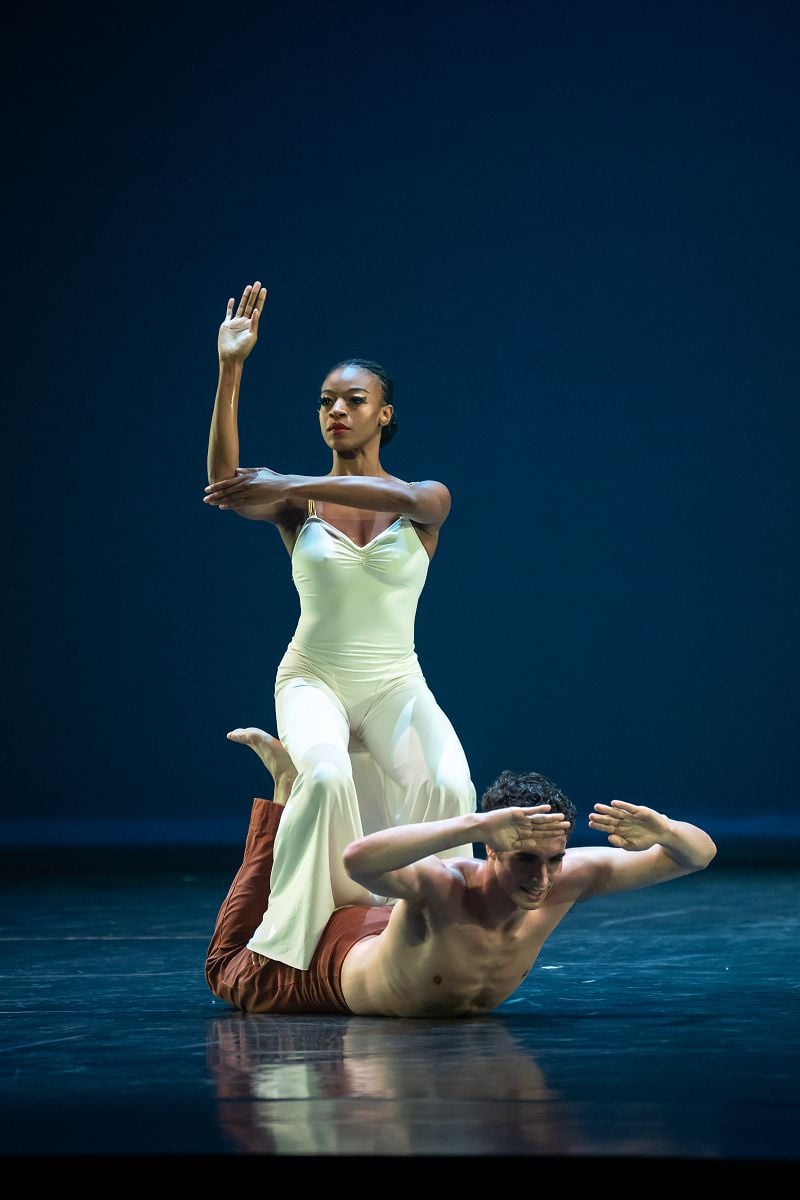
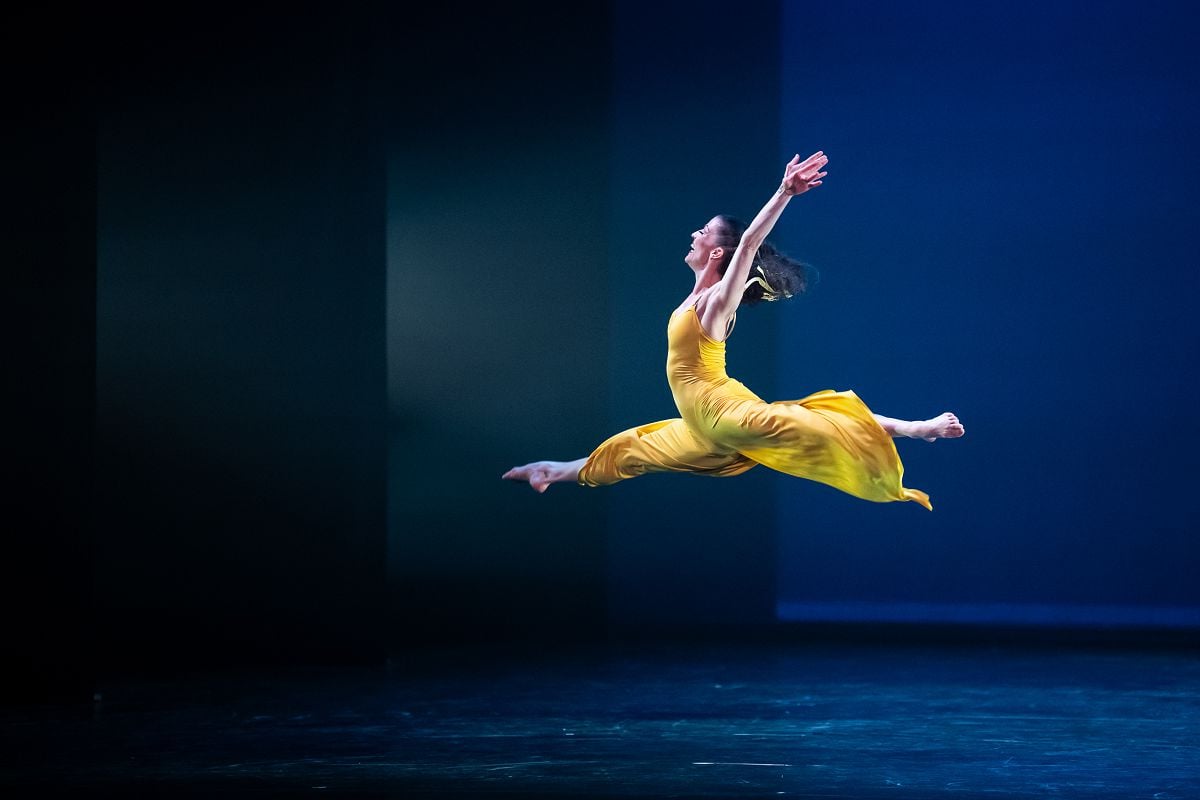
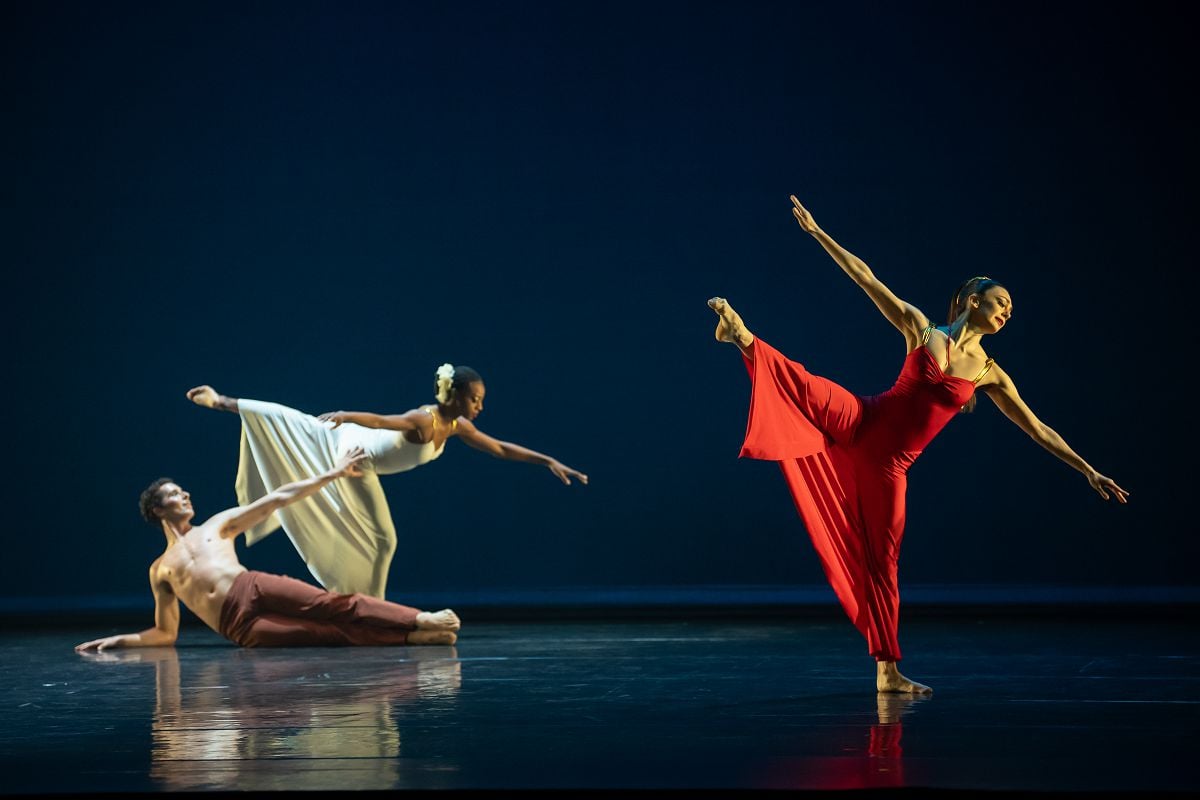
Another well-known piece, Diversion of Angels (1948), shows three aspects of love through three couples: white representing mature love; red, erotic love; and yellow, adolescent love. Striking was the red woman, Devin Loh, whose long-held penché and side-tilt positions were never less than sure, and the sparkling Laurel Dalley in yellow was delightful. Graham was apparently inspired to make this work after seeing Kandinsky’s bold use of colour.
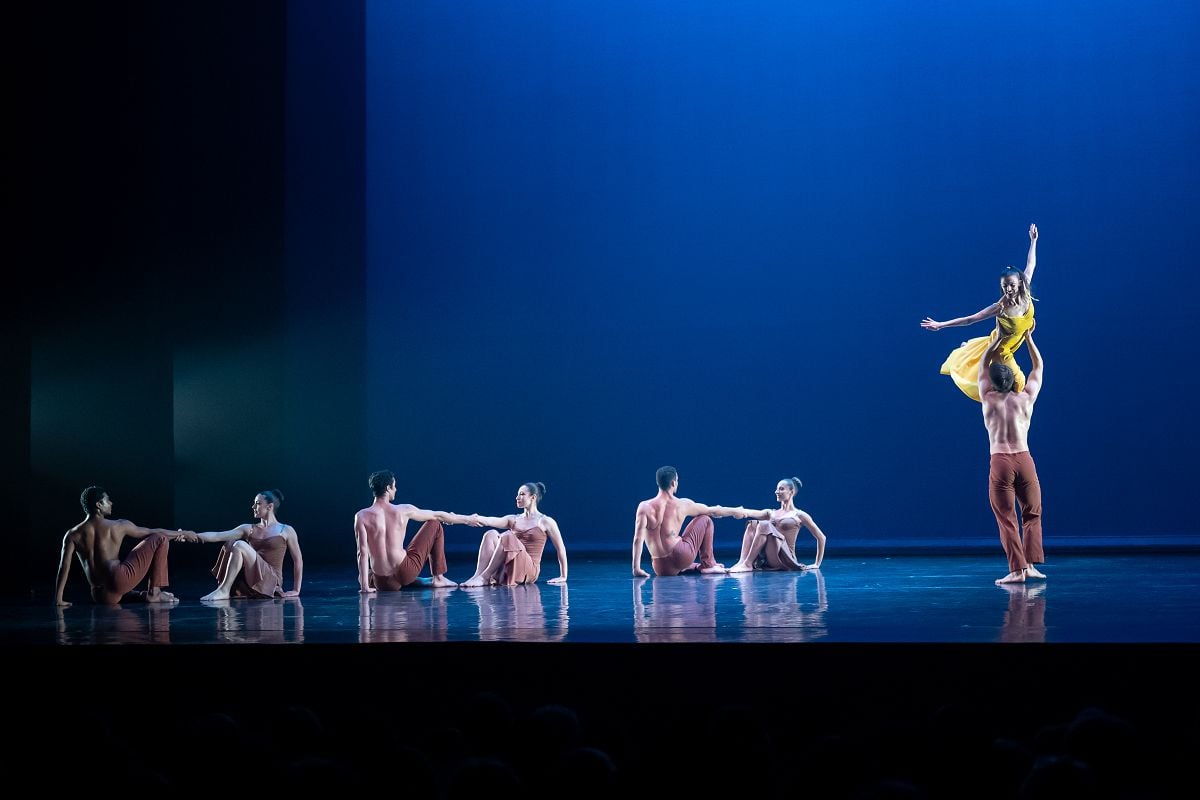
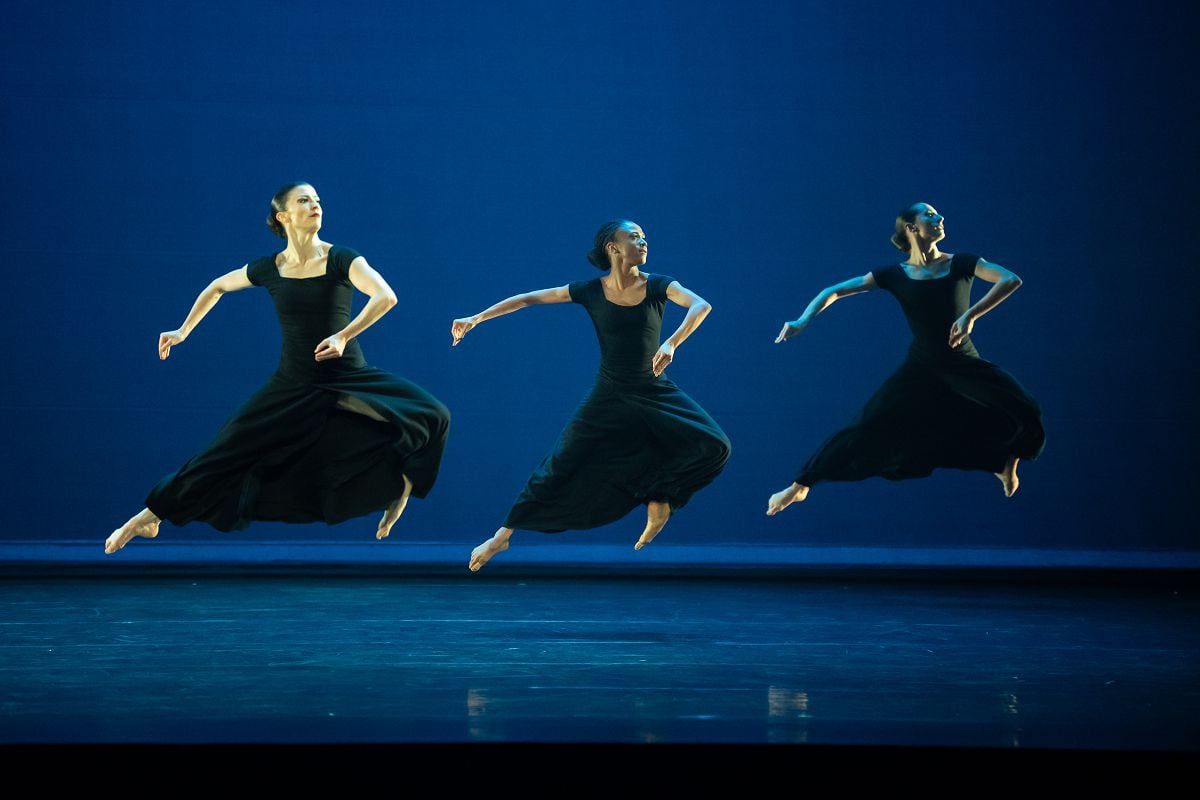
I knew neither of Graham’s earlier works from the 30s and what wonderful discoveries they were. Steps in the Street, from 1936, is the central section of a larger work, Chronicle. Earlier that year, Graham had refused to take part in the 1936 Olympic Games in Germany, because “so many artists whom I respect and admire have been persecuted”, and she was concerned for the safety of the Jewish members in her company. 1936 was also the year of Franco’s coup and the beginning of the Spanish Civil War. This ballet, with its subtitle ‘Devastation – Homelessness – Exile’, served as a reaction to the threat of fascism, examining the human condition after a war.
Ten women in plain black dresses enter, walking backwards, slowly, step by step, weaving around the stage. Simple yet captivating. Maybe to illustrate that it is possible to forge one’s own path rather than blindly follow, as Martha Graham did herself. However, their limbs are ‘broken’, angular, strange. They have suffered.
After the silent opening, Wallingford Riegger’s military-inspired score begins. A lone dancer performs one of Graham’s weighted walks – bent knees, angular arms, fists toward the floor – her resolve is strong. The other dancers are often regimented with many, many jumps, but the main dancer refuses to join their ranks. The final picture before a blackout is of that defiant dancer with two straight arms extended forward, wrists crossed, fists clenched.


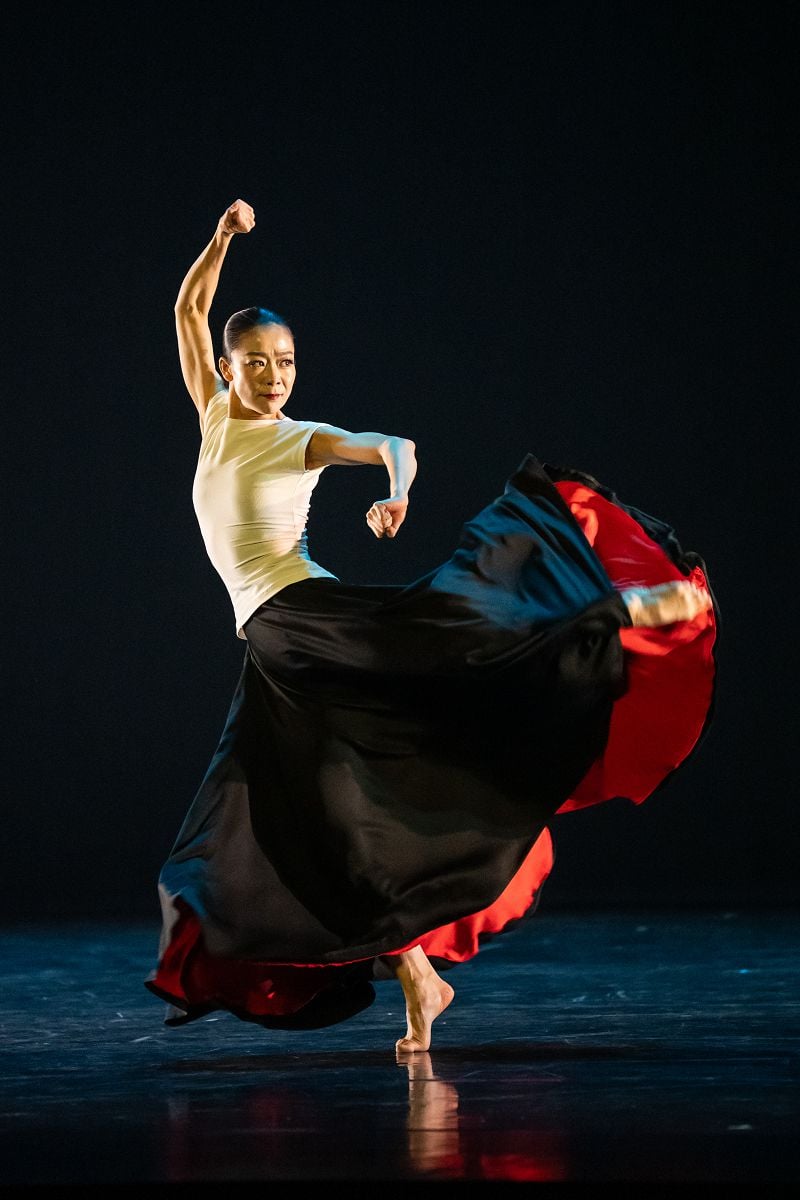
Immediate Tragedy is from 1937. It is a solo that Graham created for herself once again in response to the Spanish Civil War. Graham stopped dancing the piece in the 30s, but the company’s Artistic Director, Janet Eilber, ‘reimagined’ the choreography with the aid of archival documents and photos, and Christopher Rountree created a score based on handwritten pages by composer Henry Cowell, found in the Graham archives.
Turns and the ‘Graham penché’, or pitch turn, provoked movement in the dancer’s long black skirt, designed by Graham. The skirt is lined in red, which is glimpsed as it undulates around the dancer. Again, fists and crossed wrists show resolve. The powerful movements were made elegant in Xin Ying’s magnificent performance, with expressive deep cambrés and slow falling, creating pathos and beauty in this work of protest.
Before the performance in Moderna, Janet Eilber addressed the audience, introducing the works on the programme. Eloquent, elegant, and concise, she is the physical manifestation of the Martha Graham spirit – the company is in good hands as it enters its second century.


Graham Spicer, aka ‘Gramilano’, is a writer, director and photographer based in Milan. He was a regular columnist for Opera Now magazine and wrote for the BBC until transferring to Italy. His articles have appeared in various publications from Woman’s Weekly to Gay Times, and he wrote the Danza in Italia column for Dancing Times magazine. Graham was the historical advisor on Codice Carla, the 2023 documentary on Italian ballerina Carla Fracci.
Graham also works as a dance photographer, and his photos have appeared in many books, theatre programmes, and magazines, including Dancing Times, Dance Spirit and Ballet2000, as well as all the major Italian newspapers.
He is a member of the Dance Section of The Critics’ Circle.


