
Review: So Are We, León and Lightfoot – a five-star double bill from The Royal Ballet

Kathrina Farrugia-Kriel flavours the spirit of contemporary ballet in Sol León and Paul Lightfoot’s Shoot the Moon and Salle de Danse for The Royal Ballet.
| Title | So Are We – Shhot the Moon | Salle de Danse |
| Company | The Royal Ballet |
| Venue | The Royal Opera House |
| Date | 11 June 2026 |
| Reviewer | Kathrina Farrugia-Kriel |
So Are We: León and Lightfoot opened on the main stage on Thursday, 11 June. Sol León and Paul Lightfoot are new voices in the repertoire of The Royal Ballet, but their impact in the last two decades within the Netherlands is second to their mentors: the late Hans Van Manen, a titan of contemporary ballet, and Czech choreographer Jiří Kylián, whose hybridity of ballet and modern dance created a work that settled across Dutch companies like NDT and Het Nationale Ballet. Like latecomers to a fashionable party, The Royal Ballet’s eagerness to stage an entire evening of the León and Lightfoot partnership has come about. And this generation of the company laps up every sinuous movement that León and Lightfoot have to offer.
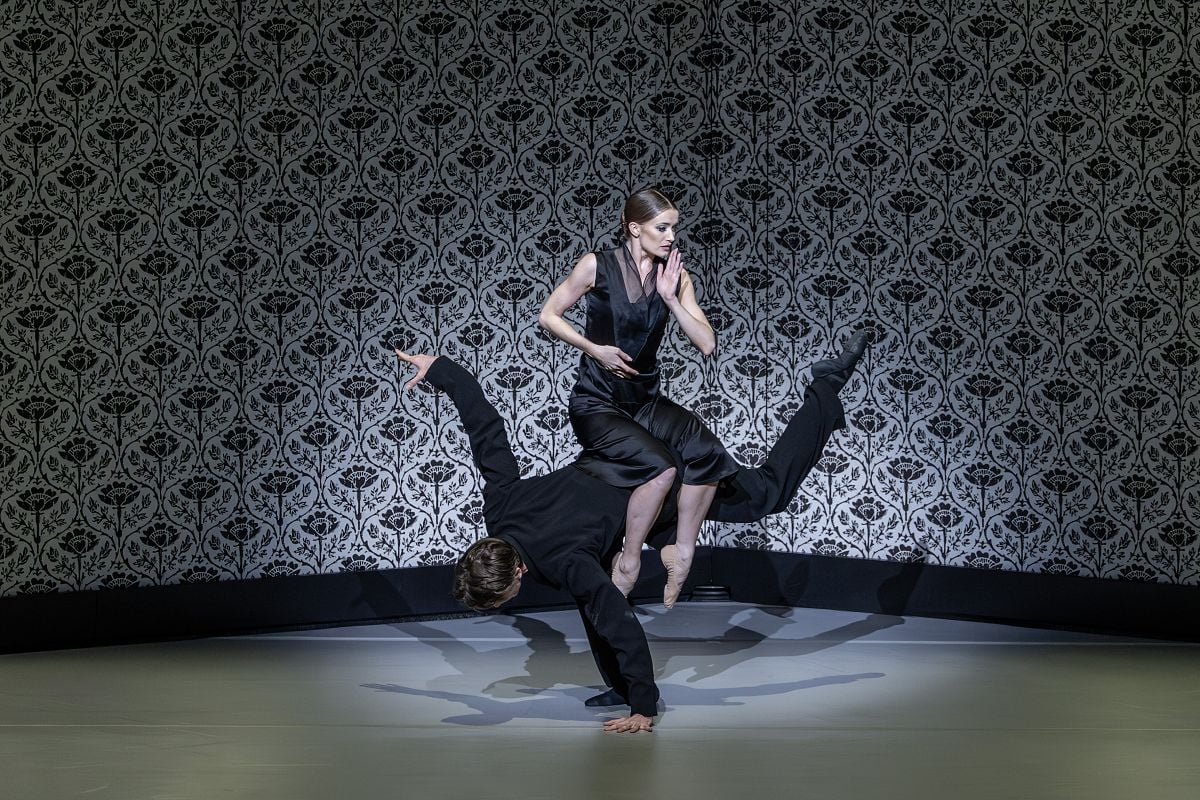
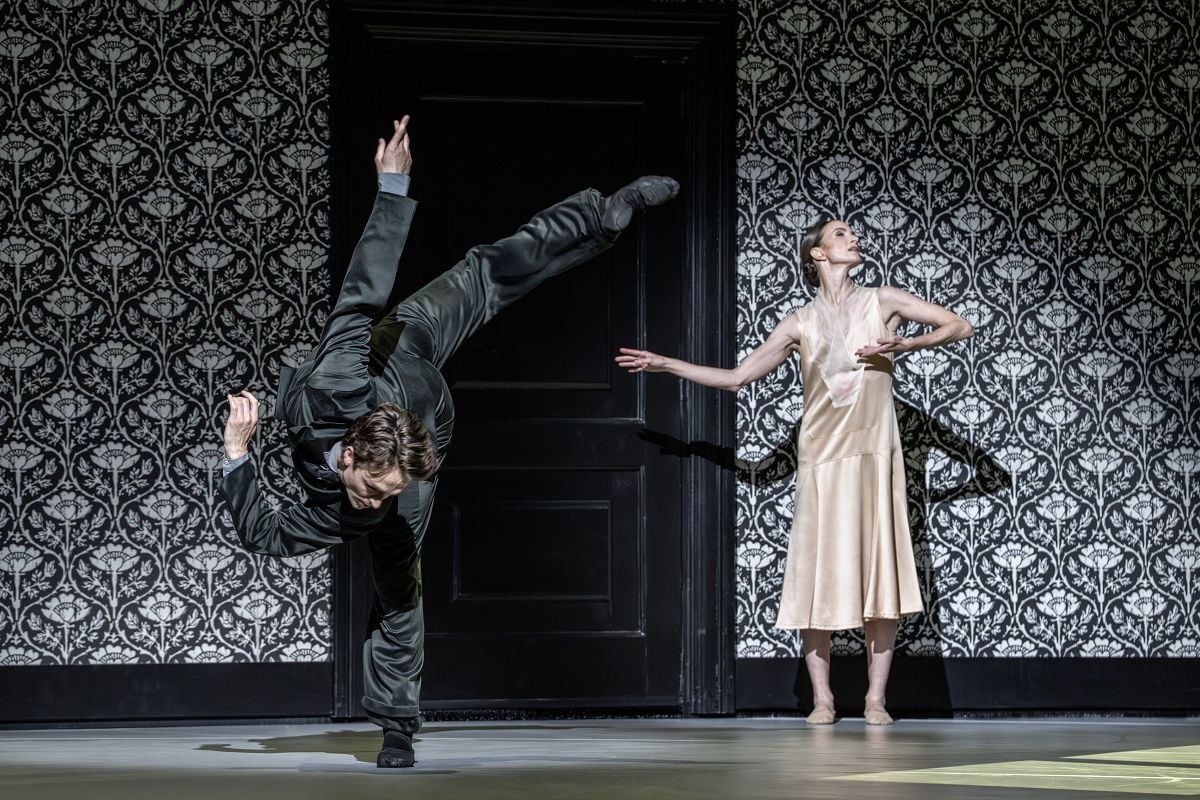


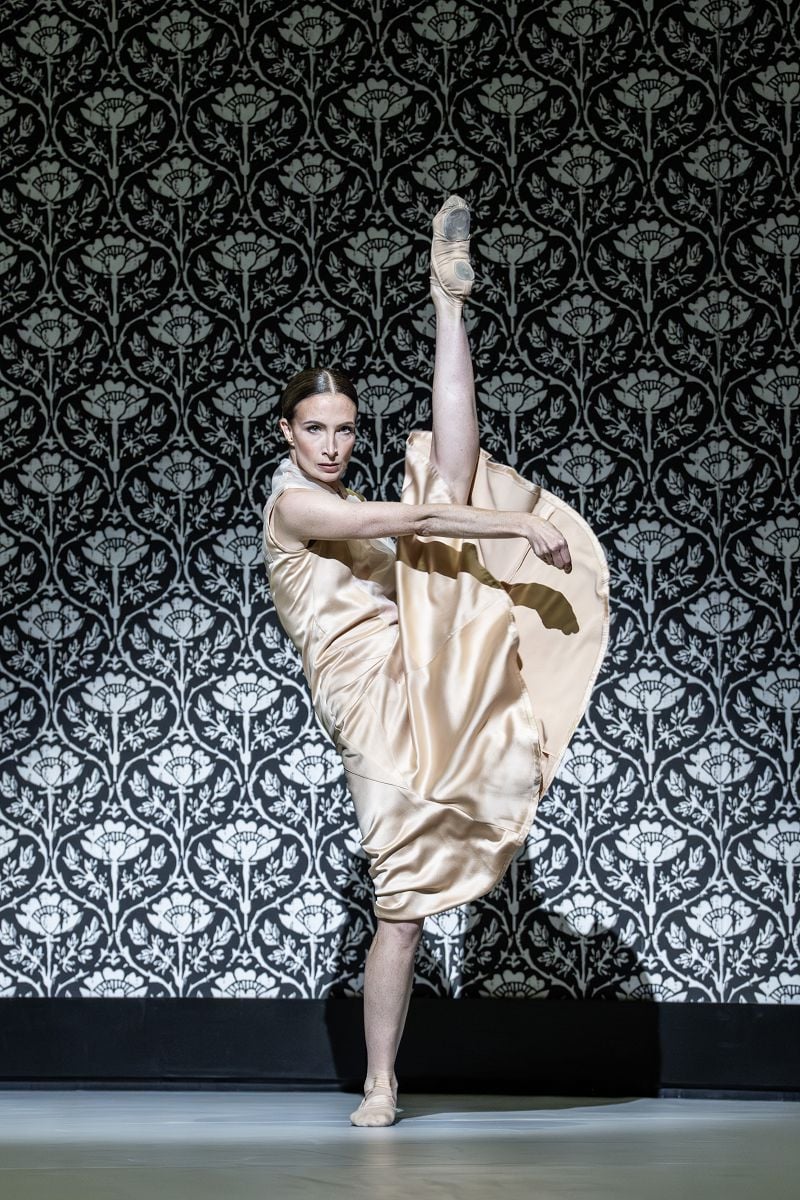
Shoot the Moon (2006) feels like an old friend – it’s been a long time since I first watched this ballet, created for Netherlands Dans Theater. The cast is varied – five dancers, three wall pushers and two camera operators (the latter two groups we don’t see, and here lies the magic of theatre). The work explores a series of relationships and empty spaces within three rooms. At times, we catch a glimpse through an open door or a window.
Anna Rose O’Sullivan opens the ballet, almost unrecognisable in her sombre presence, followed by an enigmatic Vadim Muntagirov. Their relationship is terse and upended – they are unsettled, never looking at each other, yet they shift through the peaks and troughs of the choreography. The recurring developpés and swooshes to high extensions dominate the choreographic vocabulary. Lauren Cuthbertson and Matthew Ball‘s relationship is equally jarring – their movements are more anxious and frustrated as they move above and beyond Philip Glass’ Concerto No.1. Ball melts into the movement, offering authentic moments of tussling with the choreography.
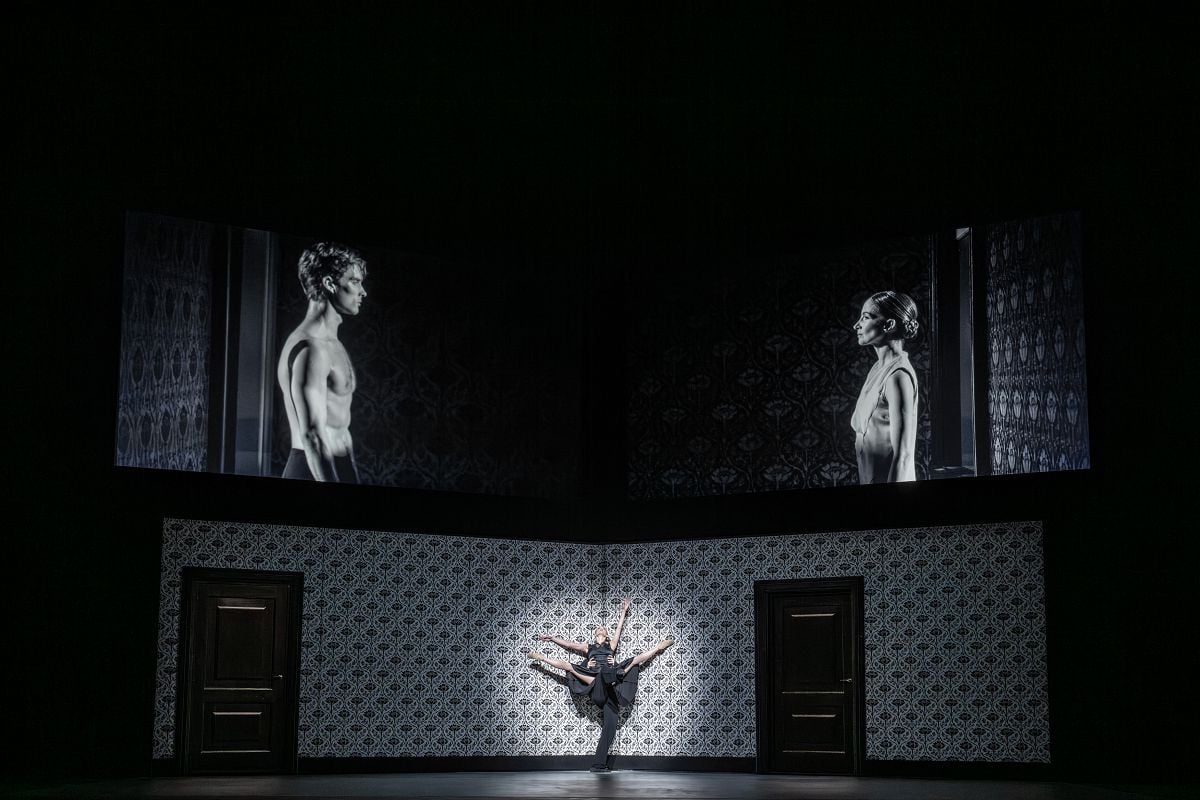
The real highlight of Shoot the Moon is Lukas B. Brændsrod, who was made for this ballet. Tall, powerful, and superbly cast, Brændsrod delivers a stellar performance. His physical understanding of the weightedness of the descents and ascents of León and Lightfoot’s contemporary ballet exceeds that of any of the principal dancers.
Shoot the Moon sets the bar for the choreographic identity of León and Lightfoot: they are the legacy of the Dutch contemporary ballet scene that emerged in the latter part of the 20th century. Live video moments seem dated, but back in 2006 they were hip as in Van Manen’s Live (1979) and William Forsythe‘s Kammer Kammer (2000). Live camera work, moving walls, and vocabulary rooted in the duality of modern dance and ballet – the familiarity is comforting, not groundbreaking, but it’s a historical document that adds much breadth to the company’s repertoire.


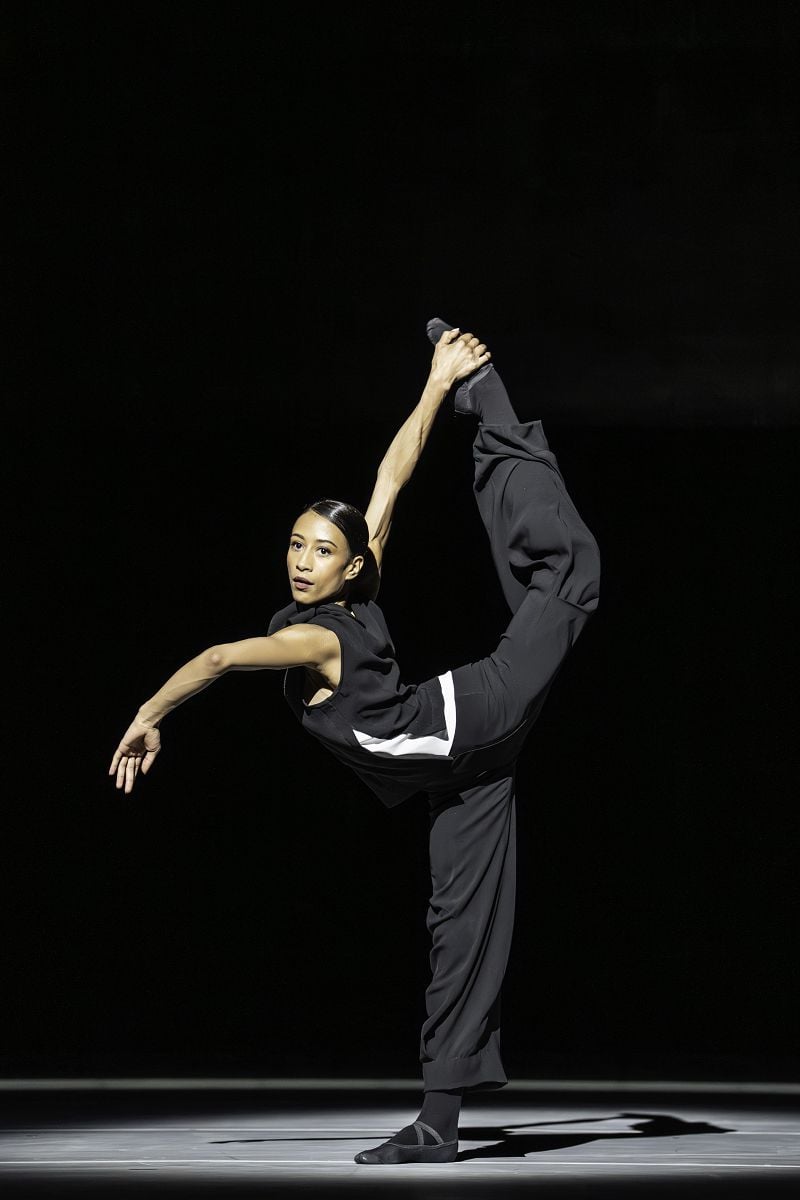

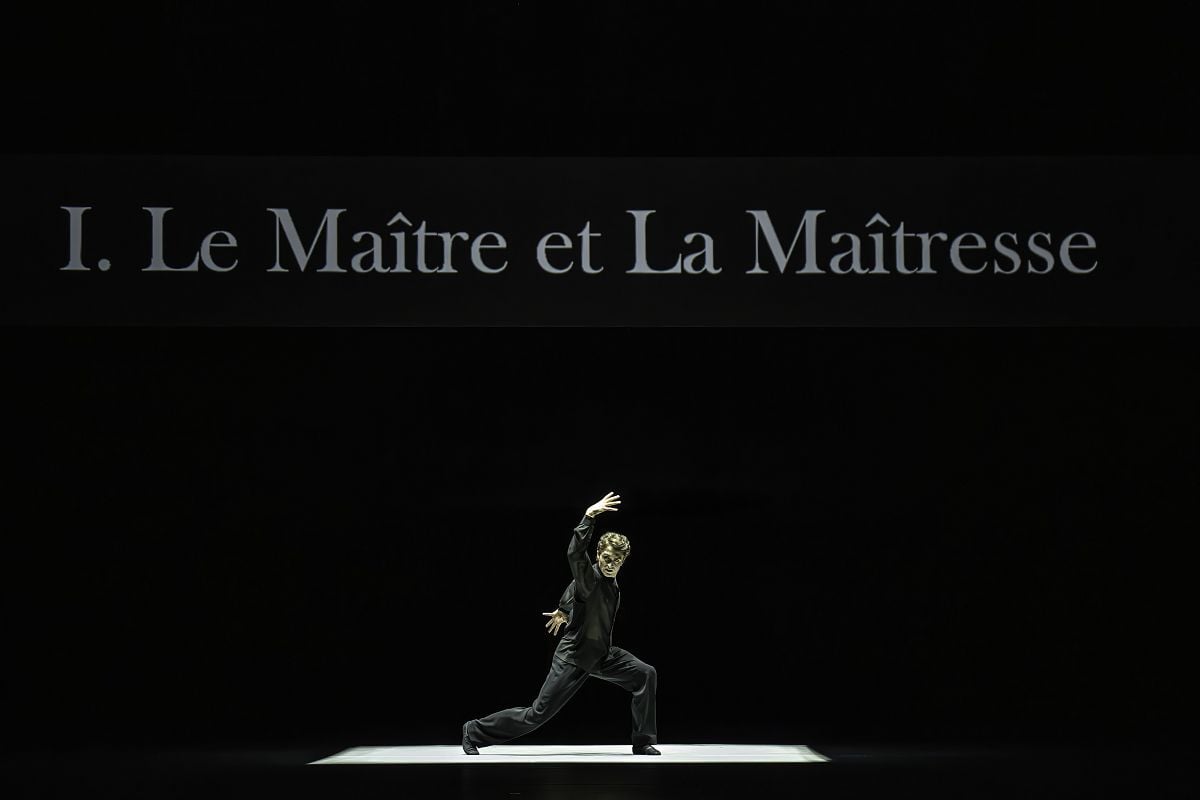
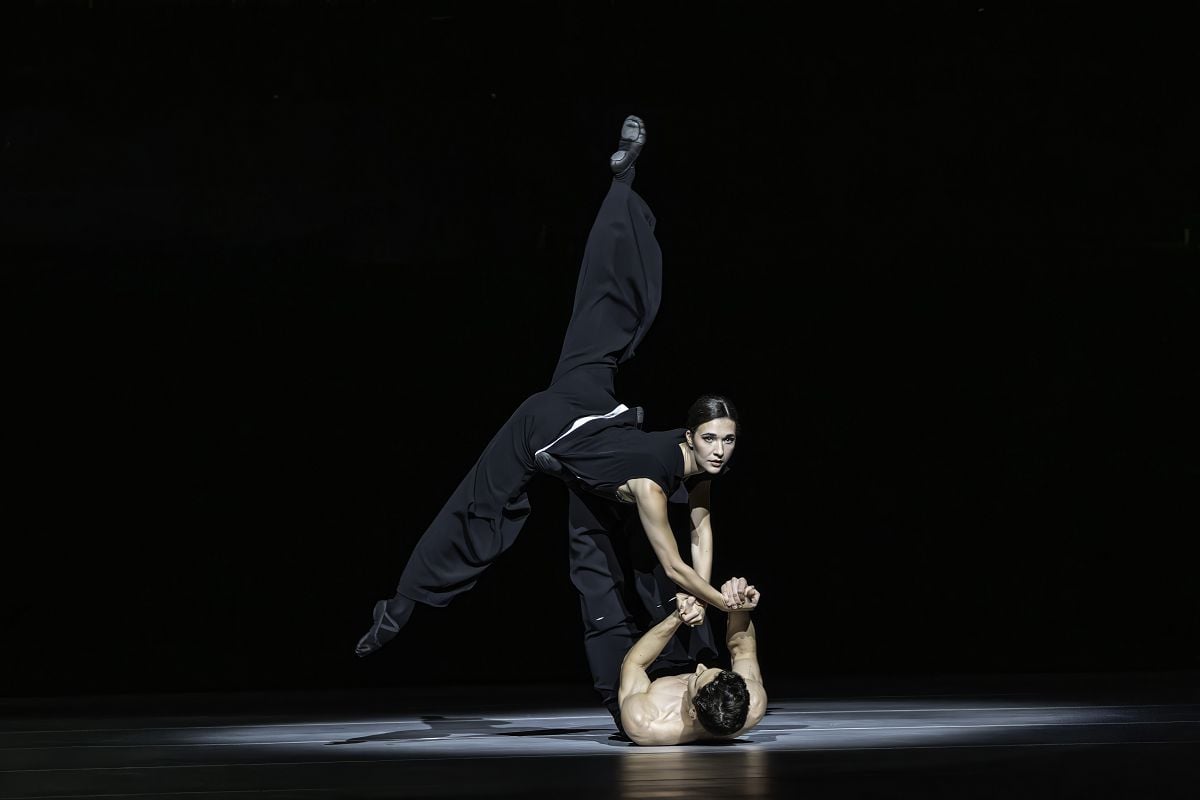
The new commission, Salle de Danse, is a showcase ballet that uses the entire company through twenty sections of choreography. From a Prelude to a Postlude, via an Interlude, the choreography shifts through chunks of creativity around every section of the ballet class. León and Lightfoot creatively explore an hour-long conversation with the conventions of ballet, adding meanderings and ‘rabbit holes’ of sorts. ‘Tendus Glissés Frappés’ is one of those sections that builds upon concepts that travelled from the floor to the entire body – Yu Hang, Aurora Chinchilla, Rebecca Myles Stewart, and Olivia Findlay were bold in their performance. The ‘Ronds de Jambe’ commenced from the basic component of rounding the leg on the ground – the material evolved into a short, punchy solo delivered in his usual stellar fashion by Joseph Sissens.
Across the season, it is clear that Sissens has evolved into a superb exponent of contemporary ballet repertoire. He moves authoritatively and authentically, bringing his whole self. And that can be said of the entire company as they tackled the familiar and unfamiliar combinations of steps.
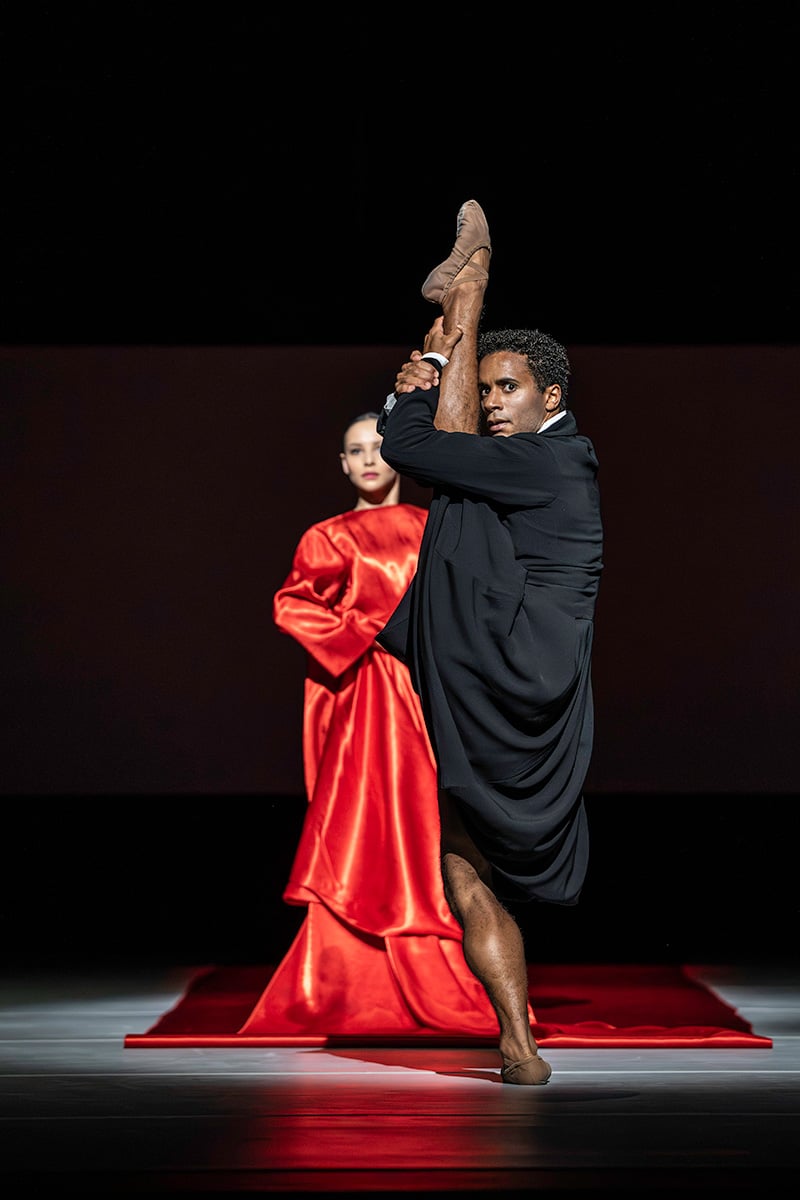
In ‘Ports de Bras’, Tristan-Ian Mass, Emile Gooding, Liam Foskett, Blake Smith and Braden Galluci deliver a powerful use of the upper body that matches the foundations of the lower limbs. These dancers epitomise the future of the company as worthy contenders in the lineage of contemporary ballet, more so than I have ever considered in the past twenty-five years. In ‘Ensemble’, the unity of the company left powerful traces as the dancers’ arms flicked, struck or slid across their bodies.
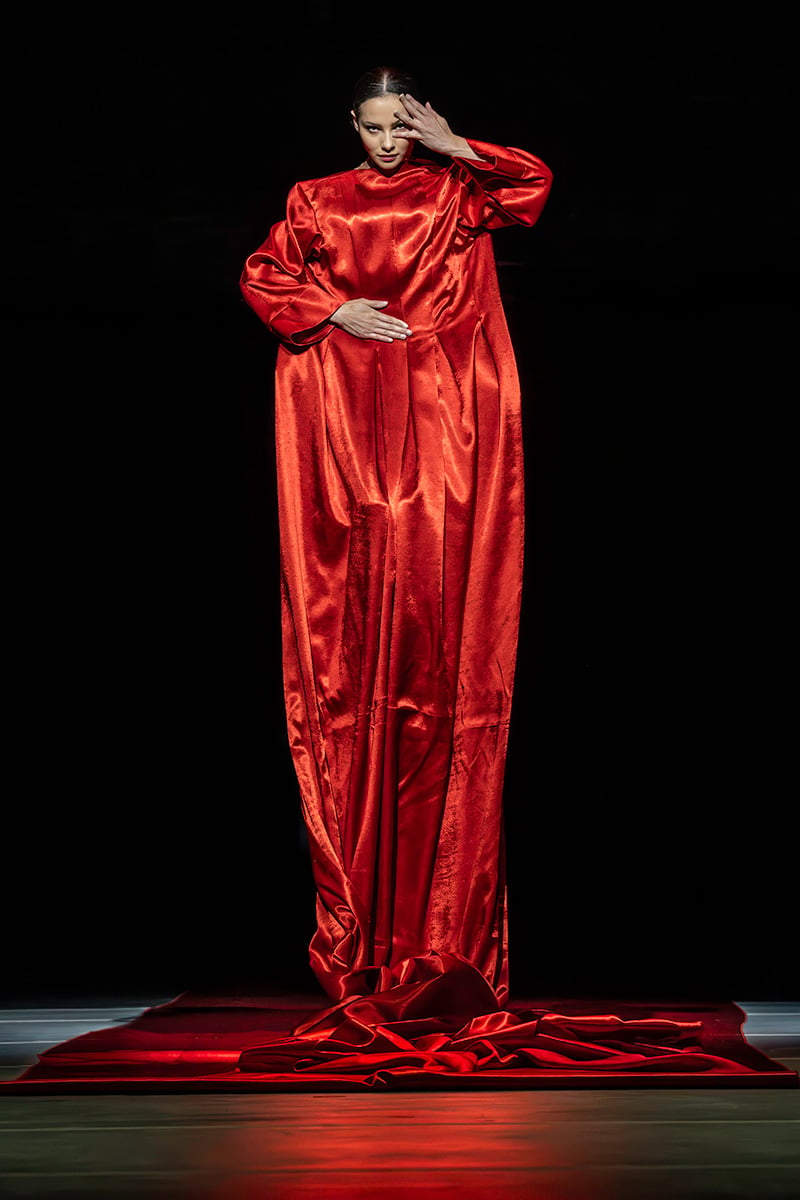
I was less convinced by the book-end roles of Francesca Hayward and Marcelino Sambé in the Prelude and Postlude; Hayward’s role did not deliver much punch (albeit the red-carpet-turned-garment was striking). Sambé’s performance was strong, but the movement vocabulary was bizarre within the context of the work. With its stylised lighting and costumes, largely stark in black and white, Salle de Danse was a long show-stopper, but it encapsulated the company, with its ranks revelling in its peak. The ballet was a great way to finish the season and complement the range of repertoire performed this season.
It was a bold and brave choice to schedule León and Lightfoot. Both ballets kept the audience on the edge of their seats. Chapeau to a fine evening!


Dr Kathrina Farrugia-Kriel is a dance scholar, educator and published author. She is a graduate of the Royal Academy of Dance (2003), the Universities of Durham and Surrey, and London Metropolitan University (2013). Her doctoral research focussed on Bronislava Nijinska’s Les Noces (1923), and the re-imaginings by contemporary choreographers Angelin Preljocaj and Mauro Bigonzetti. Kathrina is a former director of the Society of Dance History Scholars (now Dance Studies Association). Her scholarship on ballet histories has been published in peer-reviewed anthologies and journals, as well as newspapers, high-end magazines, and online blogs. She has authored a book on the legacy of Nathalie Poutiatine and ballet in Malta (Fondazzjoni Patrimonju Malti, 2020) and co-edited an extensive and pioneering anthology titled The Oxford Handbook of Contemporary Ballet (Oxford University Press, 2021).
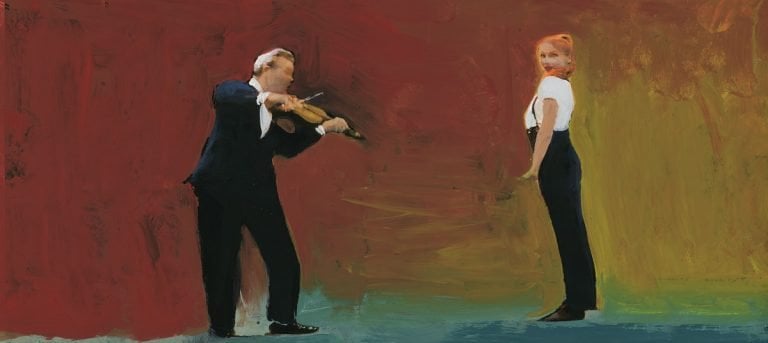

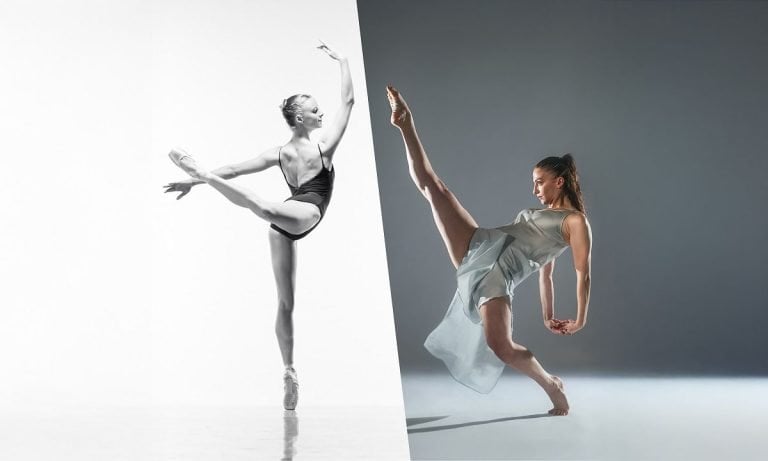
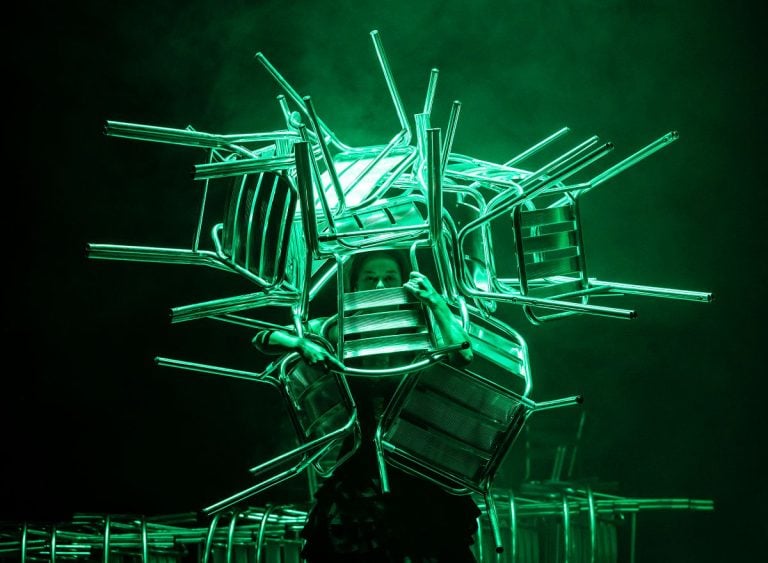


I agree that “Salle de danse” provides an impressive showcase for the RB’s exceptionally strong lower ranks, most of whom distinguish themselves in the piece, looking as if they’d been dancing this kind of repertory their whole lives (or at least wanting to).
My problem – other than its (over)length – is what it does with the company’s best principals, none of whom appear for more than four minutes at the outside and most of whom are unrecognisable anyway, especially poor Natalia Osipova, done up as Rosa Kleb in “From Russia with Love”, and Marianela Nunez and Patrico Revé, buried in a tri-partite adagio framed by two other couples and given virtually nothing to do (several people I spoke to afterwards hadn’t even realised they were in the work at all; and evidently as far as your reviewer is concerned might just as well have not been).
It’s presumably no accident that the two most memorable choregraphic couplings in the work are both set for men – Calvin Richardson and Marco Masciari as the first pair on in the “Adage”; Caspar Lench and Ravi Cannonier-Watson in the “Pas de Deux Romantique” – and that the recurrent pair framing the whole piece – Fumi Kaneko and William Bracewell at the performance I saw – are far less about physical and emotional interaction than dress/set mangement (blood red, by the way, not the rusty orange in your photos).
I also think that in a work which makes much of featuring 45 dancers it’s very odd to have them all on stage together not in the concluding “Grand Allegro”, which only (!) features 30 of them, but in the midway – No. IX, of XX – “Ensemble”, which strikes me as an opportunity missed (or perhaps, rather, misplaced).
On the other hand, I thought “Shoot the Moon” was perfect, notwithstanding Glass’s tedious tinklings (though to be fair, Demutsky’s score for “Salle de danse” is even worse, a rag-bag of musical objets trouvés of no distinction whatsoever: this is not the show to send someone truly interested in music to).
How we see things differently. I enjoyed the ensemble feel without a hierarchy. Having everyone onstage at the end, like a défilé, would be obvious, and Leon and Lightfoot are able to surprise. As for stars in small roles, I think that was the point – just like in a ballet class where all do the same exercises, and a corps de ballet dancer might be in front of the principal. The male duets were especially touching, I agree, and yes, the colour in those two photos is completely wrong.
Thank you for spotting the colour error, something we don’t see on the editing screen. The photos were sent out without a colour profile (not a problem for the almost black-and-white photos), so my colleague converted them in Photoshop to correct the formatting before re-uploading. Grazie!