Interview: Dance Umbrella 2026’s artistic director Freddie Opoku-Addaie
This year’s festival has no single curatorial theme – instead, artists and their communities shape a programme that runs from participatory pieces and work for young audiences to digital commissions brought into people’s homes
Dance Umbrella returns this autumn with a programme that spans continents and choreographic styles, bringing artists from across the UK and around the world into venues across London, and to homes as part of the digital programme.
Under Artistic Director Freddie Opoku-Addaie, the festival continues to champion bold 21st-century dance choreography, while remaining rooted in London’s identity as one of the world’s most diverse cultural capitals.
This year’s programme ranges from participatory experiences and intimate performances to digital commissions, artist conversations and work for young audiences. Rather than following a single curatorial theme, Dance Umbrella 2026 is shaped by the artists themselves and the communities they speak to across the city.
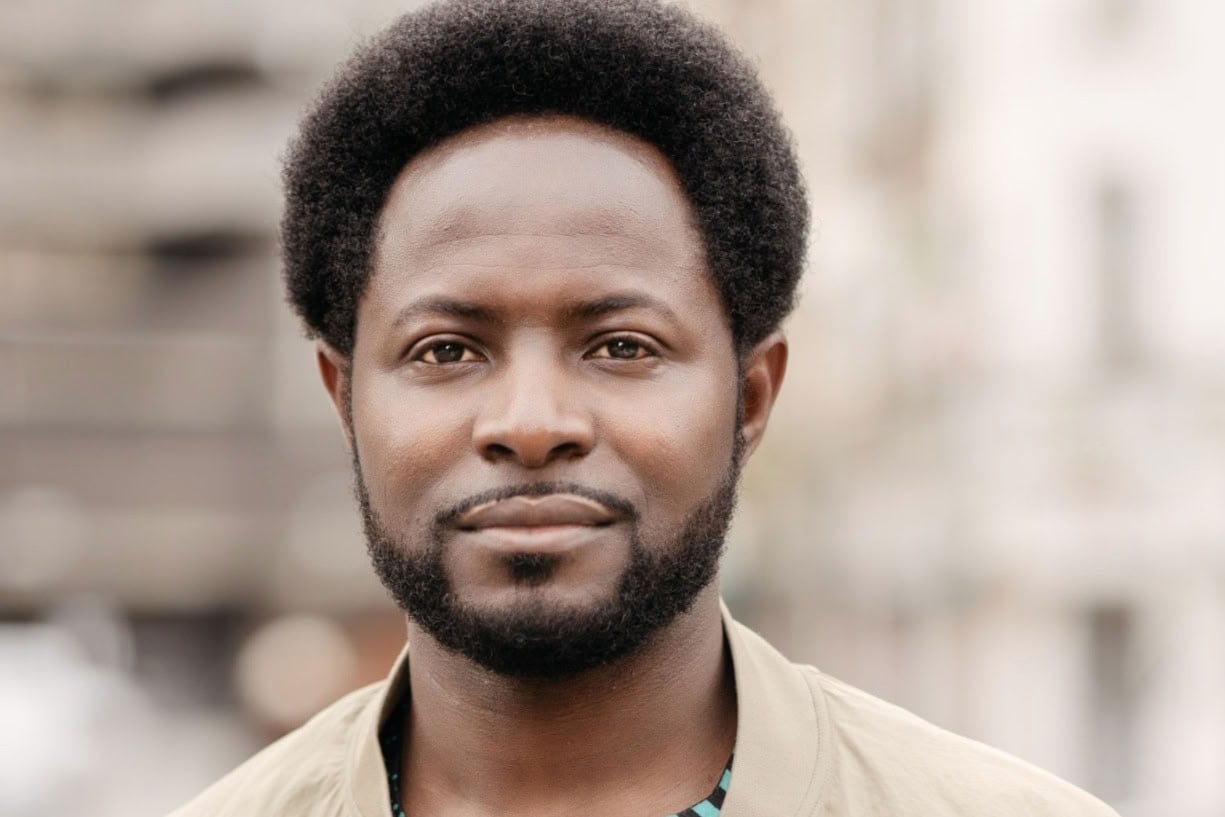
Is there anything that ties this year’s programme together?
People sometimes ask me what the theme is, and I always feel like I’ve got the most disappointing answer because there isn’t one! I love that because it captures something truthful in the act of making or creating an experience. You begin with curiosity rather than certainty.
Dance Umbrella has never programmed around a fixed theme. We don’t decide that one year is going to be about one area of practice and the next about another. Every edition starts with a blank page. The constant is London. As both a local and global city, London is always the lens through which I/we look at work — this is non-negotiable!
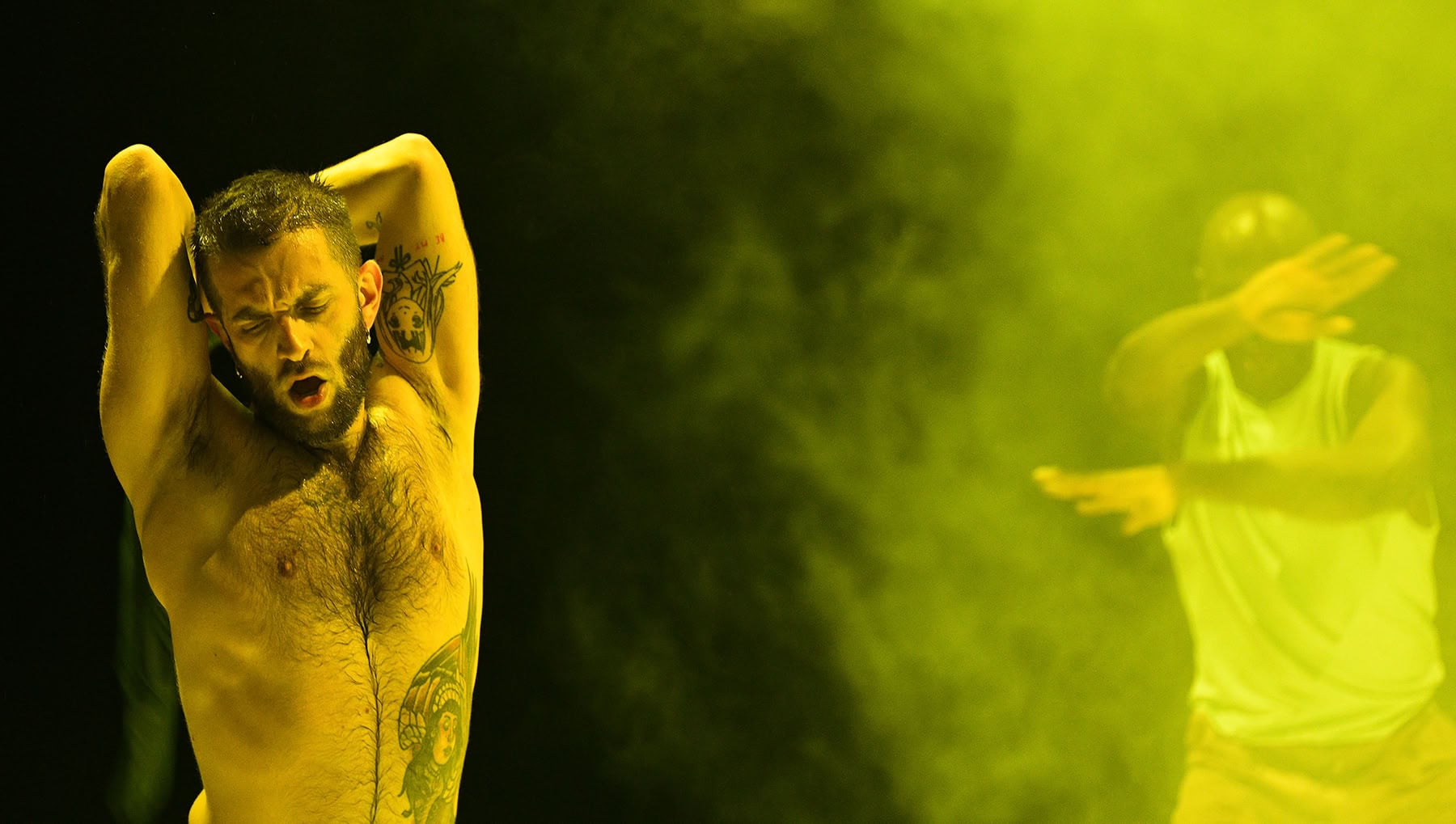
That means the connections between works emerge organically. They come from artists responding to the world they’re living in, rather than us asking them to illustrate a particular concept. When you look across this year’s programme, from Mamela Nyamza returning with THE HERD/LESS, to Omar Rajeh’s Dance is Not for Us, to Yinka Esi Graves and Poliana Lima’s A Place to Dance and Charlotte Mclean, Jack Anderson and Malin Lewis’s Not for Glory, you begin to see conversations develop naturally. They’re all asking different questions, but together they reflect what it means to be presented alongside one another in a city like London.
We’re also a festival without our own presentation space/s, so each venue partnership shapes the programme differently. Working across London means every theatre, multi-arts venue, gallery and public space brings its own audience and context. That keeps us asking new questions every year. We really do begin again or go further each time.
What has been the biggest challenge in programming the festival this year?
I’m always in awe of artists and all creatives working continuously to cultivate spaces for our collective humanity whilst navigating both a local and global political climate. There are less resources all round which we cannot dismiss the impact of, nor who has access to those resources.
Ultimately, it always comes back to money. You always want to do more than your budget allows. The biggest challenge is balancing ambition with reality, while staying true to what Dance Umbrella’s vision is.
We’re London’s International Dance Festival, so it’s important to maintain a genuine balance between international artists and artists based in the UK. It’s become more complicated in recent years, particularly after Brexit and the pandemic, to access international leverage to make and tour work, which made the whole ecosystem significantly more difficult. Yet international exchange is fundamental to what Dance Umbrella is.
At the same time, we’re equally committed to supporting artists whose practices are emerging not necessarily because they’re young, but because they haven’t yet had the platforms for multiplicity of engagement in audiences. Those are often the artists who most need festivals like ours. If we only programme established names, we risk narrowing the conversation rather than expanding reach for the craft, audiences and its participants.
Accessibility is the bedrock in all this consideration. That also means affordable ticket prices, including our £10 ticket scheme, digital pass access through the festival’s online programme, and continuing to work beyond the Central London area. London isn’t just Zones 1 and 2, people! We want audiences across the city to encounter extraordinary dance, even though reaching those communities requires more resources.
Programming a festival means constantly balancing artistic ambition, geography, finances, and access; it’s complicated.
Can you give us a whistle-stop tour of this year’s programme?
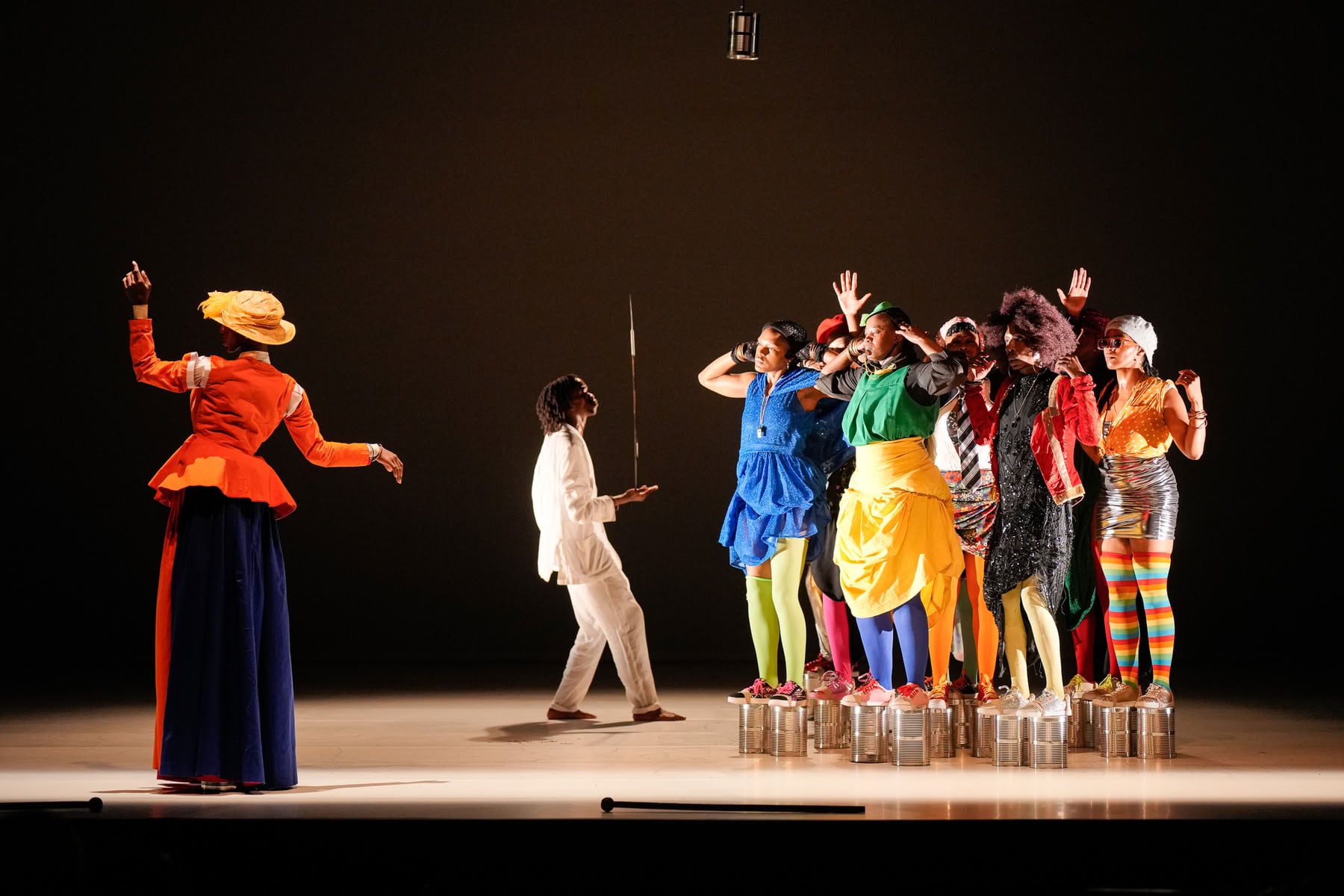
South African choreographer Mamela Nyamza returns with THE HERD/LESS at Sadler’s Wells East, exploring power, resistance and identity, fresh from a Silver Lion win at Venice Biennale. British flamenco artist Yinka Esi Graves and Brazilian choreographer Poliana Lima’s A Place to Dance searches for common ground between flamenco and contemporary dance to create a thrillingly celebratory communal experience between artist and audience, at The Place.
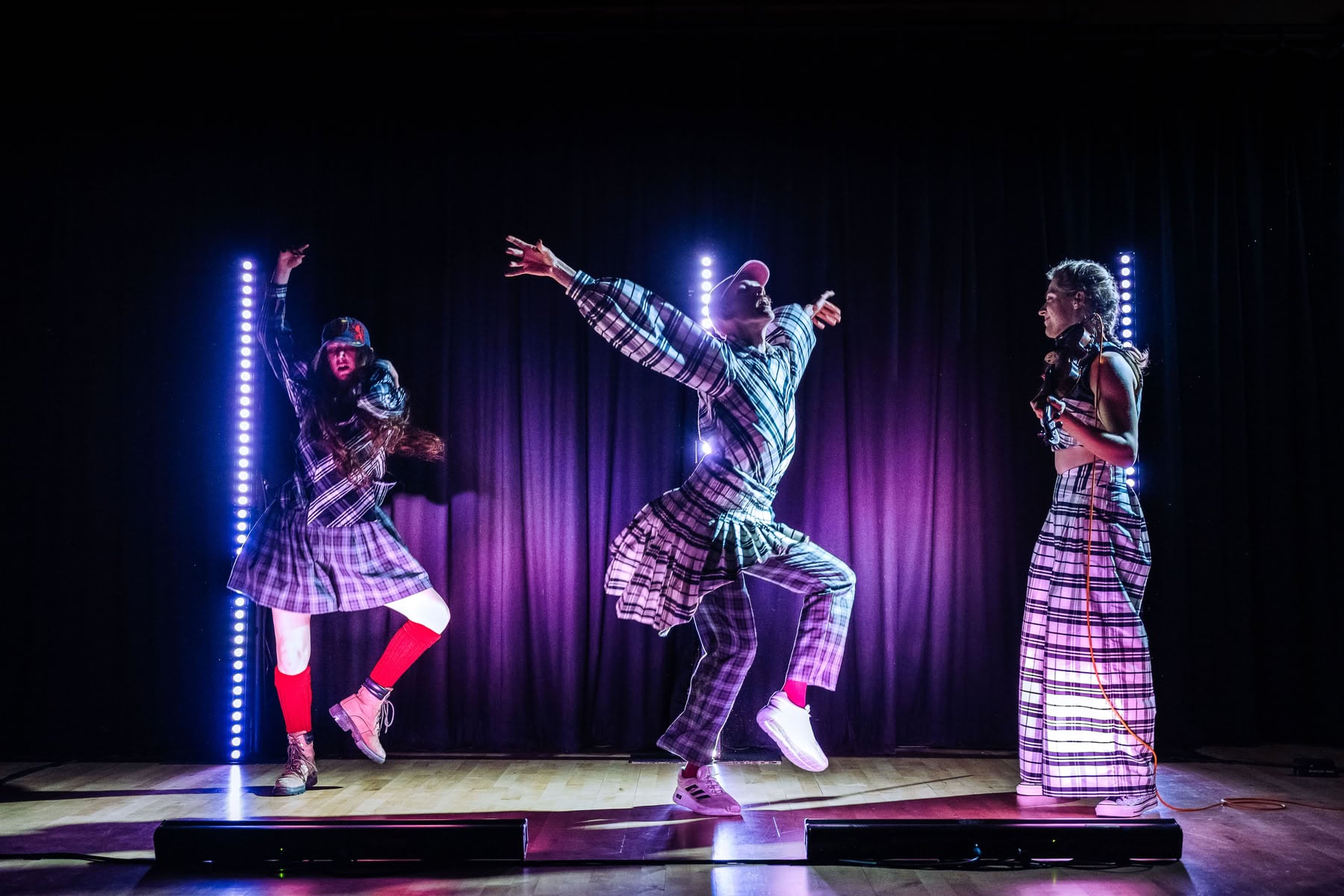
Elsewhere, not for glory at Cecil Sharp House reimagines Highland dancing, Irish dance and bagpiping through contemporary and queer perspectives, celebrating tradition whilst also asking how it evolves. Omar Rajeh’s Dance is Not for Us at the Barbican speaks of a Lebanon which no longer exists, transforming choreography into a collective gathering through personal and political testimony, while After After at The Place by Arno Schuitemaker explores how to build new worlds through movement.
This year also introduces to wider audiences our Guest Curator Anthea Lewis, with Touch The Floor, at Rich Mix, which celebrates the sounds, through a deeper layer of dance and spaces that have shaped Black British culture.
For families, we’ve got the joyful and imaginative Eshu at the Crossroads, presented by pioneering puppetry company Theatre-Rites and Afro-Cuban choreographer Miguel
Altunaga. Eshu at the Crossroads is a vibrant family adventure inspired by Yoruba culture, myth and storytelling.
Alongside the live performances, the festival’s Digital Pass offers audiences around the world access to films, artist reflections and online commissions, ensuring Dance Umbrella reaches far beyond London. The programme is an invitation—to participate, to question, to celebrate and, above all, to remain curious.
Audience participation is a significant strand of this year’s festival. Why does it feel so important now?
Increasingly, artists are asking not just who is on stage, but who else is in the room and how we experience togetherness. It’s about the collective presence of creating a shared moment in time.
That doesn’t necessarily mean everyone has to dance. Some people will jump straight in, others will happily watch from the sidelines, and that’s fine too. Participation can simply mean feeling part of something. Watching other people move can be just as joyful as moving yourself.
Several works this year embrace that idea in different ways. Yinka Esi Graves and Poliana Lima’s A Place to Dance creates a space where dance becomes a way of connecting across cultures. Touch The Floor and other participatory events also ask audiences to encounter dance as something lived rather than simply observed.
I think we need those shared experiences. We spend so much time in life being told to pick a side or defend an ‘opinion’, but dance offers another possibility. It creates a space where people can come together without having to agree about everything first. You can move together before you speak. There’s something deeply hopeful about that practice and its ephemerality.
Creativity has always helped us find ways through difficult moments. Movement allows us to process things that words sometimes can’t. We don’t always need answers; sometimes we simply need to gather, to move, to laugh, to sweat a little and remind ourselves what it feels like to be in a room with other people – that primal entry to an otherworldly sense of it all.
Dance Umbrella has always been an international festival. Why is that still so central to its identity?
It’s absolutely fundamental. Internationalism isn’t something we’ve added, it’s in the festival’s DNA. Since Dance Umbrella was founded in 1978, it has introduced London audiences to artists from around the world, often long before they became internationally recognised. That spirit of discovery remains just as important today.
London is one of the world’s great cultural melting pots. People arrive here carrying different histories, traditions and ways of moving through the world, and dance choreography reflects that richness. If Dance Umbrella didn’t embrace that creative plurality, it simply wouldn’t be reflecting the city it’s part of.
This year’s programme brings together artists from South Africa, Lebanon, Spain, France, Brazil and across the UK, alongside artists whose practices draw on flamenco, traditional folk dance, contemporary choreography, and social dance. Those influences don’t sit in separate boxes; they navigate or go through one another’s spheres, just as London’s communities do every day.
We’re a festival collaborating with many venues across the city. Every partnership brings us into dialogue with different audiences and neighbourhoods, whether that’s in central London or further afield. Those local relationships matter just as much as the international ones.
For me, internationalism isn’t about collecting passports or ticking geographical boxes. It’s about creating encounters. It’s about recognising that London’s story is already global, and making sure the artists we invite reflect that complexity with honesty, generosity, imagination, challenge and care.
What would you say to someone thinking about coming to Dance Umbrella for the first time?
Maybe you’ll discover an artist you’ve never encountered before. Maybe you’ll find yourself in a venue you’ve never visited. Maybe you’ll see dance choreography in a completely different way. Or maybe you’ll spend the evening arguing with your friends about what you’ve just watched. All of those are good and healthy vibrations and outcomes for us!
One of the things I love about Dance Umbrella is that it embraces the full breadth of what dance choreography can be. There are intimate performances and large-scale productions, work for families, films, artist conversations, digital commissions and participatory events.
More than anything, I hope people leave feeling curious. We don’t have to understand everything immediately. Sometimes it’s enough for something to shift inside you without being able to explain exactly why…
If someone walks out thinking differently about dance and choreography or even thinking differently about themselves or the people around them, then the festival is doing its job. That’s what excites me most. ‘Contemporary’ dance isn’t just about extraordinary movement; it’s about creating moments where we can imagine new ways of being together. And in the world we’re living in right now, that feels more important than ever.
This is a syndicated interview.
DANCE UMBRELLA FESTIVAL 2026

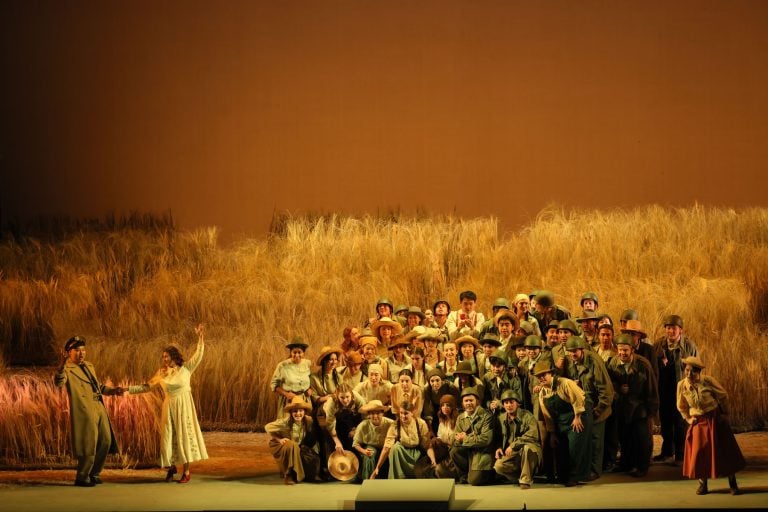
MAMELA NYAMZA: THE HERD/LESS
(SADLER’S WELLS EAST, 8-10 OCTOBER, PRESS NIGHT 8 OCTOBER, 7:30PM)
Mamela Nyamza returns to Dance Umbrella with the UK premiere of her Silver Lion Award-winning show THE HERD/LESS. This breathtaking ensemble’s movements generate a live, percussive score, creating a sensory landscape that is as immersive as it is disquieting. Nyamza exposes the fallacy of a beautiful world, revealing the tension between harmony and control that sits just beneath the surface of our day-to-day existence.
POLIANA LIMA & YINKA ESI GRAVES: A PLACE TO DANCE
(THE PLACE, 9-10 OCTOBER, PRESS NIGHT 9 OCTOBER, 7:30PM)
A Place to Dance is a captivating new performance work shaped by rhythm, dialogue and an innate desire to celebrate our shared experiences. Brazilian choreographer Poliana Lima and British flamenco dance artist Yinka Esi Graves dissolve the boundaries between audience and performer, participation and observation, inviting audiences to inhabit the same shared environment, where watching becomes an act of presence and dancing an invitation to belong.
Framed by opening and closing music sets from DJ Oumoukala, this immersive invitation becomes a celebration of the body in its collective dimension – communal, porous and thrillingly alive.
JACK ANDERSON AND CHARLOTTE MCLEAN IN COLLABORATION WITH MALIN LEWIS: not for glory
(CECIL SHARP HOUSE, 13-14 OCTOBER, PRESS NIGHT 13 OCTOBER, 7PM)
In not for glory Jack Anderson and Charlotte Mclean, in collaboration with composer Malin Lewis, bring together Highland dance, Irish dance and live piping in a dance-theatre gig that is as thrillingly physical as it is emotionally charged.
Rebellious, funny and fiercely alive, not for glory makes a powerful case for reclaiming what we inherit on our own terms. Whether you know your reels from your jigs or have never been within ten feet of a set of pipes, this is a show that will pull you onto the dance floor and not let go.
CIE OMAR RAJEH & MAQAMAT: DANCE IS NOT FOR US
(THE PIT, BARBICAN, 16-17 OCTOBER, PRESS NIGHT 16 OCTOBER, 7:45PM)
Alone onstage, Omar Rajeh dances and speaks of a past that no longer exists – of Lebanon, of loss, of a world that froze before it could become a future. Raw, urgent and deeply human, this is a work that asks what it means to keep dancing when everything around you says stop.
Drawing on maqam – his practice of instant composition, the performance becomes a gathering, a space where artist and audience enter into a shared experience that pushes back against fear and normalisation.
DANCE UMBRELLA SUNDAY SHORTS: SPACES OF ENCOUNTER
(BARBICAN CINEMA 3, 18 OCTOBER, 2PM)
Spaces of Encounter is a specially curated programme of short films selected by dance artist, festival director and choreographer Omar Rajeh, who brings together a collection of films that reflect his own ongoing artistic enquiries.
Spanning streets, apartments, rooftops, ruins, public squares and temporary architectures, the selected works explore how movement transforms our experience of place and of one another. Together, these films offer a rich and layered meditation on encounters, belonging and coexistence, inviting audiences to consider how bodies move through and are shaped by the spaces they inhabit.
ARNO SCHUITEMAKER: AFTER AFTER
(THE PLACE, 21 OCTOBER, 7:30PM)
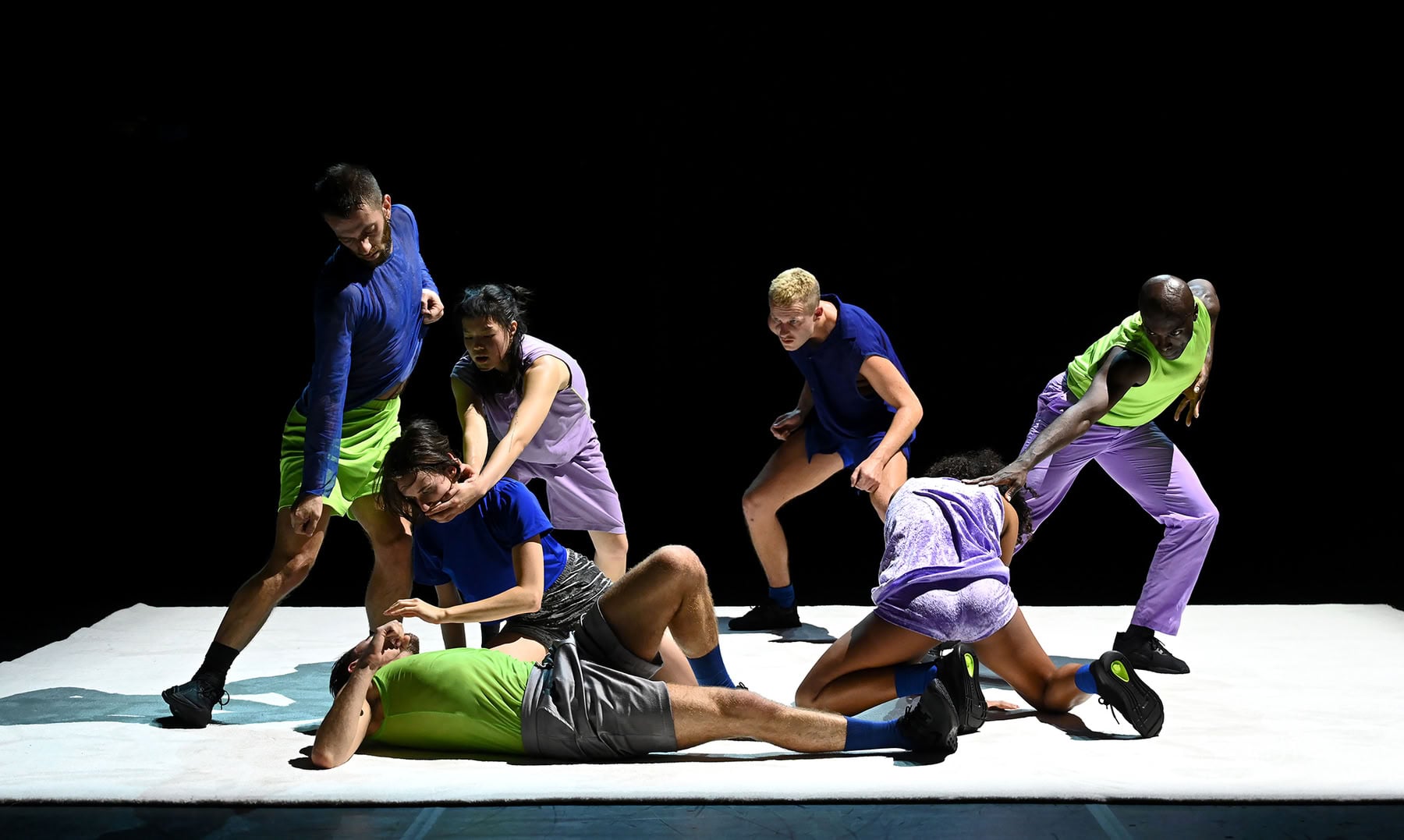
Celebrated for his immersive and visually striking performances, Dutch artist Arno Schuitemaker brings seven dancers together beneath a single strip of light in After After. As old ideas of progress and endless growth begin to fray, the performers claim a blank canvas and start to imagine what might come next. What if “the after” is not a future to wait for, but something to rehearse together?
Exploring recreation in every sense of the word, After After is an act of reimagining, a celebration of pleasure, and a performance about the effort of making another kind of world imaginable.
THEATRE-RITES AND MIGUEL ALTUNAGA: ESHU AT THE CROSSROADS
(TOURING, THE ALBANY 24 OCTOBER, BRIXTON HOUSE 25 OCTOBER, THE PLACE 27 OCTOBER, VARIOUS TIMES)
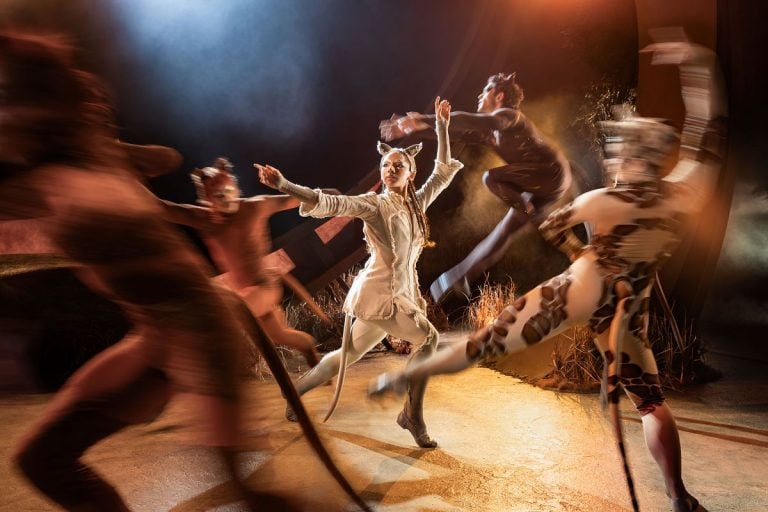
At a mysterious crossroads, a traveller must decide which way to turn. Watching over them is a powerful rooster, while nearby waits Eshu – the playful and unpredictable trickster spirit who delights in mischief, surprises and unexpected possibilities. As the journey unfolds, the traveller encounters challenges, moments of joy and new ways of seeing the world around them.
Afro-Cuban choreographer Miguel Altunaga joins forces with pioneering puppetry company Theatre-Rites for a vibrant family adventure inspired by Yorubic culture, myth and storytelling. Blending dance, live performance and puppetry, Eshu at the Crossroads invites audiences into a magical world where every choice can change your path.
Created for everyone aged 5+, Eshu at the Crossroads is a warm, funny and thought-provoking introduction to dance and theatre for families to experience together.
ANTHEA LEWIS / BLULILI PROJECTS: TOUCH THE FLOOR
(RICH MIX, 24 OCTOBER, 1PM TILL LATE)
Touch The Floor is a multidisciplinary curated programme exploring the history and evolution of Black British social dance and music cultures through the informal spaces where people gathered, danced, connected and created community. Guest curator Anthea Lewis (Blulili Projects) traces the ways sound and movement have shaped collective experience in the UK, exploring the relationship between Black British music, social dance and cultural production across generations.
Bringing together artists, dancers, DJs, academics and audiences, Touch The Floor creates space to gather, move and reflect on the histories, communities and creative legacies carried through Black British music and social dance.
DANCE UMBRELLA’S DIGITAL PROGRAMME
The Digital Programme includes:
Akram Khan Company – Artist Encounters: Anatomy of a Story
Yinka Esi Graves & Miguel Ángel Rosales: The Coast I, The Forest & The Door
Cie Omar Rajeh & Maqamat: The Odor of Elephants After the Rain
Poliana Lima & Cultproyect: Poliana Lima 15 años
Cie Omar Rajeh & Maqamat: Spaces of Encounter
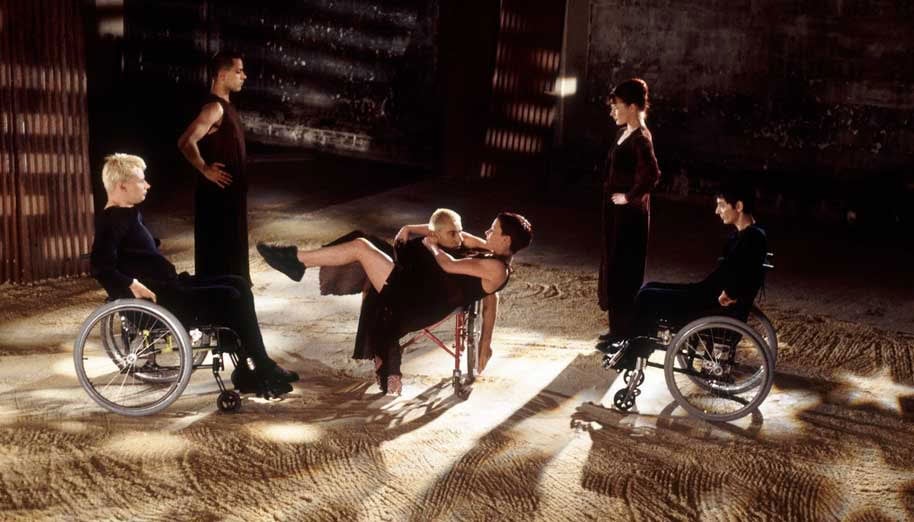
MJW Productions & Candoco Dance Company: Outside In
Intermedia Producciones: Gurumbé: Afro-Andalusian Memories

Graham Spicer, aka ‘Gramilano’, is a writer, director and photographer based in Milan. He was a regular columnist for Opera Now magazine and wrote for the BBC until transferring to Italy. His articles have appeared in various publications from Woman’s Weekly to Gay Times, and he wrote the Danza in Italia column for Dancing Times magazine. Graham was the historical advisor on Codice Carla, the 2023 documentary on Italian ballerina Carla Fracci.
Graham also works as a dance photographer, and his photos have appeared in many books, theatre programmes, and magazines, including Dancing Times, Dance Spirit and Ballet2000, as well as all the major Italian newspapers.
He is a member of the Dance Section of The Critics’ Circle.