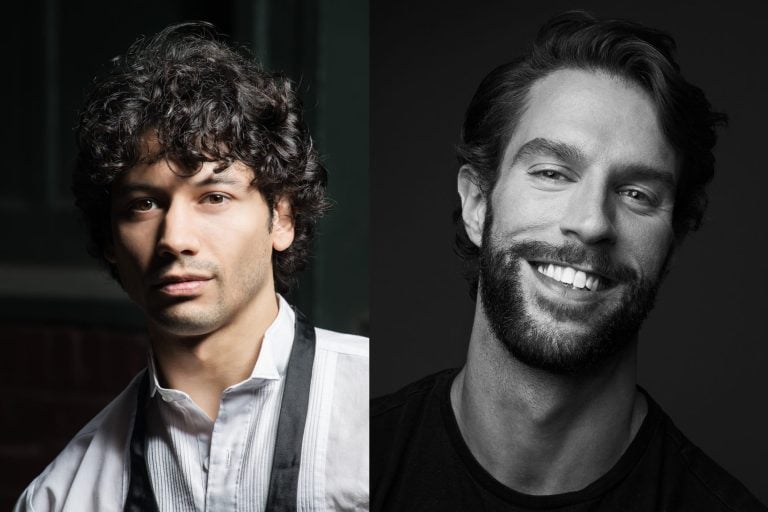
Review: The Royal Ballet presents The McRae/Vassilev Project
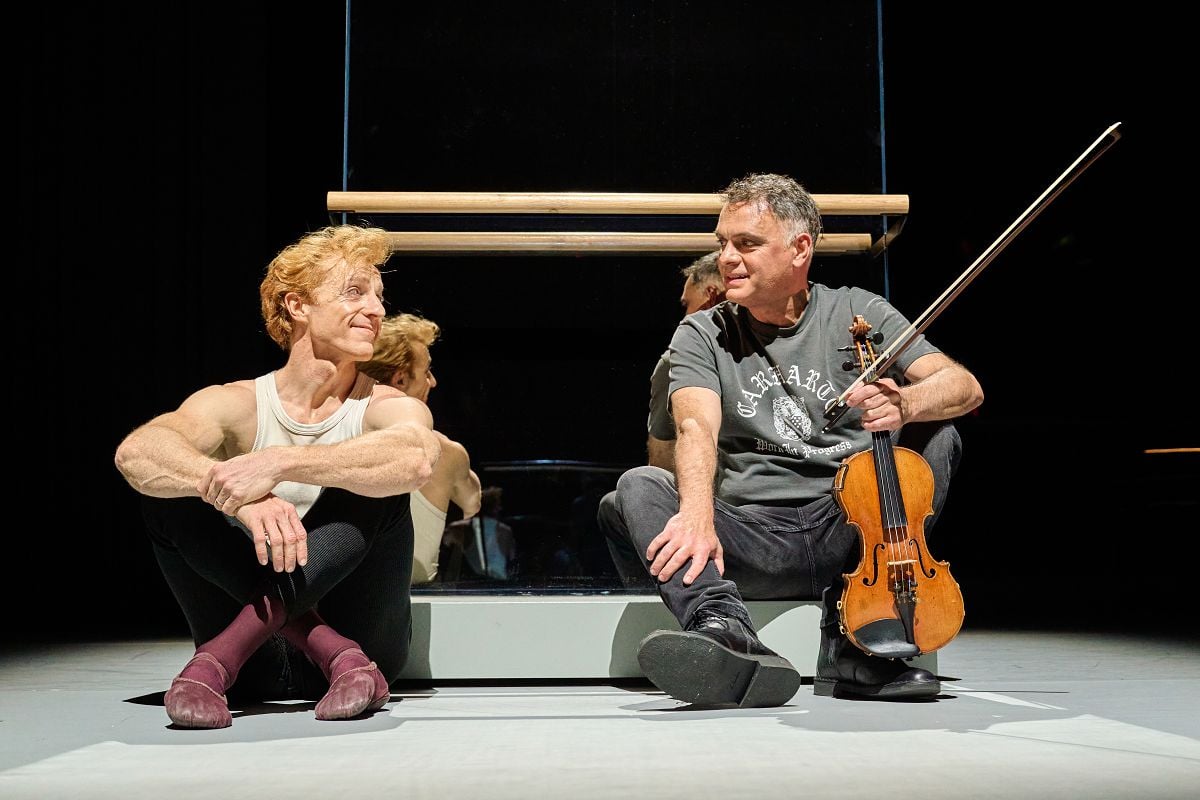
Graham Watts sees Steven McRae and Vasko Vassilev in The McRae/Vassilev Project – a unique experience; a masterclass of elite playing and stunning dancing.
| Title | The McRae/Vassilev Project |
| Company | The Royal Ballet |
| Venue | Linbury Theatre, Royal Opera House |
| Date | 11 September 2026 |
| Reviewer | Graham Watts |
This intensely personal and often quirky autobiographical duet provided a fascinating insight into the past lives and career development of two of the Royal Ballet and Opera’s stalwart performers: one from the stage and the other from the orchestra pit, both emerging into their leading virtuoso roles from a considerable distance, geographically, culturally and socially.
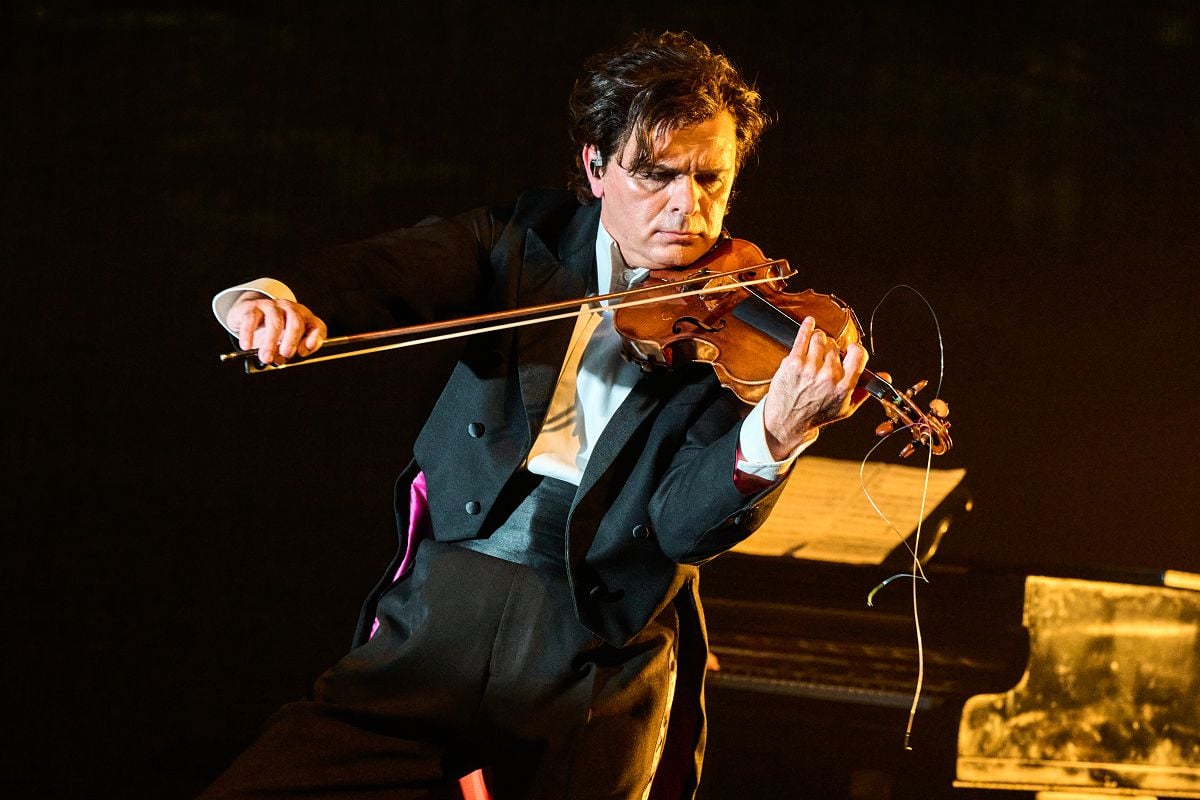
Steven McRae and Vasko Vassilev were both child prodigies: McRae was dancing every conceivable style in Australian dance competitions from a young age, and, at 10, Vassilev was performing the violin for the Bulgarian dictator, Todor Zhivkov. When the latter asked the young boy if he wanted anything, Vasko’s father urged him to ask for an apartment, but all the young boy wanted was ice cream!
Both came to London for their finishing school. McRae won a scholarship to the Royal Ballet School, aged 17, after winning the Prix de Lausanne (his name was spelt Mac Rae in the competition), and Vasiliev came to the Guildhall School of Music. At first, McRae was homesick, in a lonely room complete with bed bugs, while Vassilev didn’t mind either his lonely room or the bed bugs as a contrast to his previous living conditions in Bulgaria. The deadpan delivery of these recollections brought laughter to the auditorium.
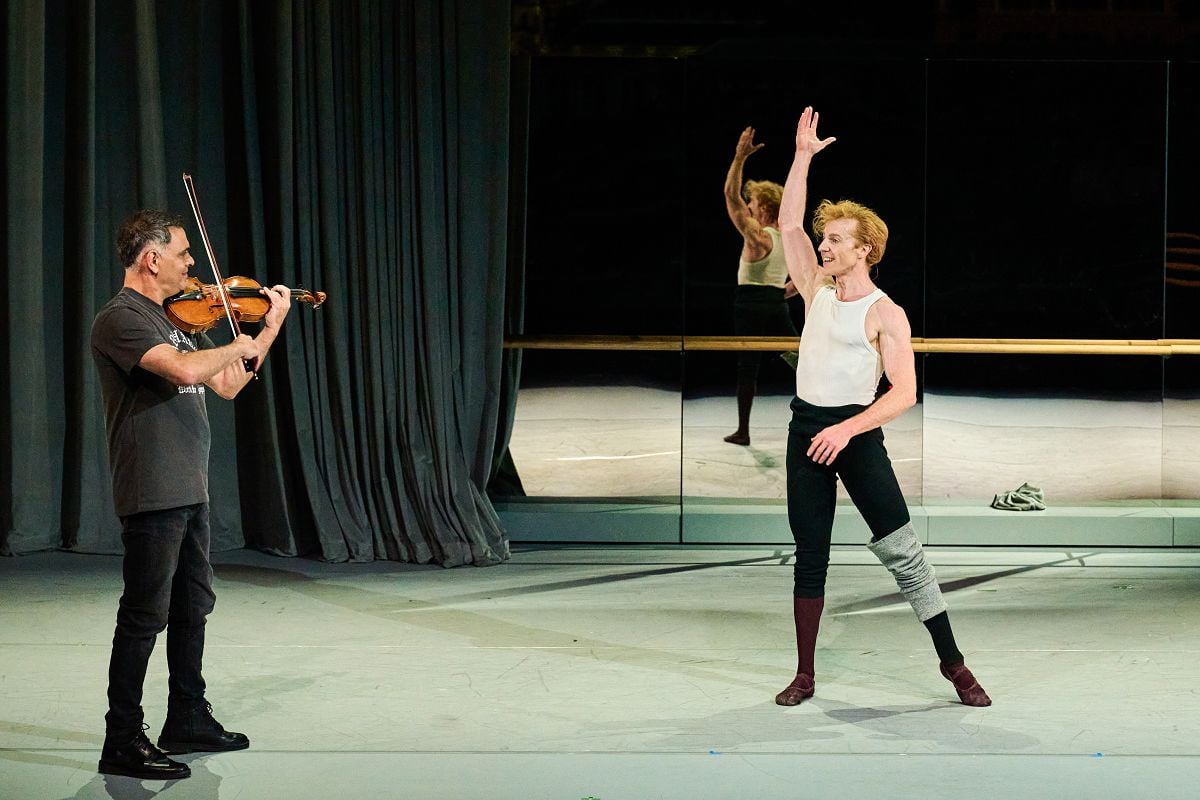
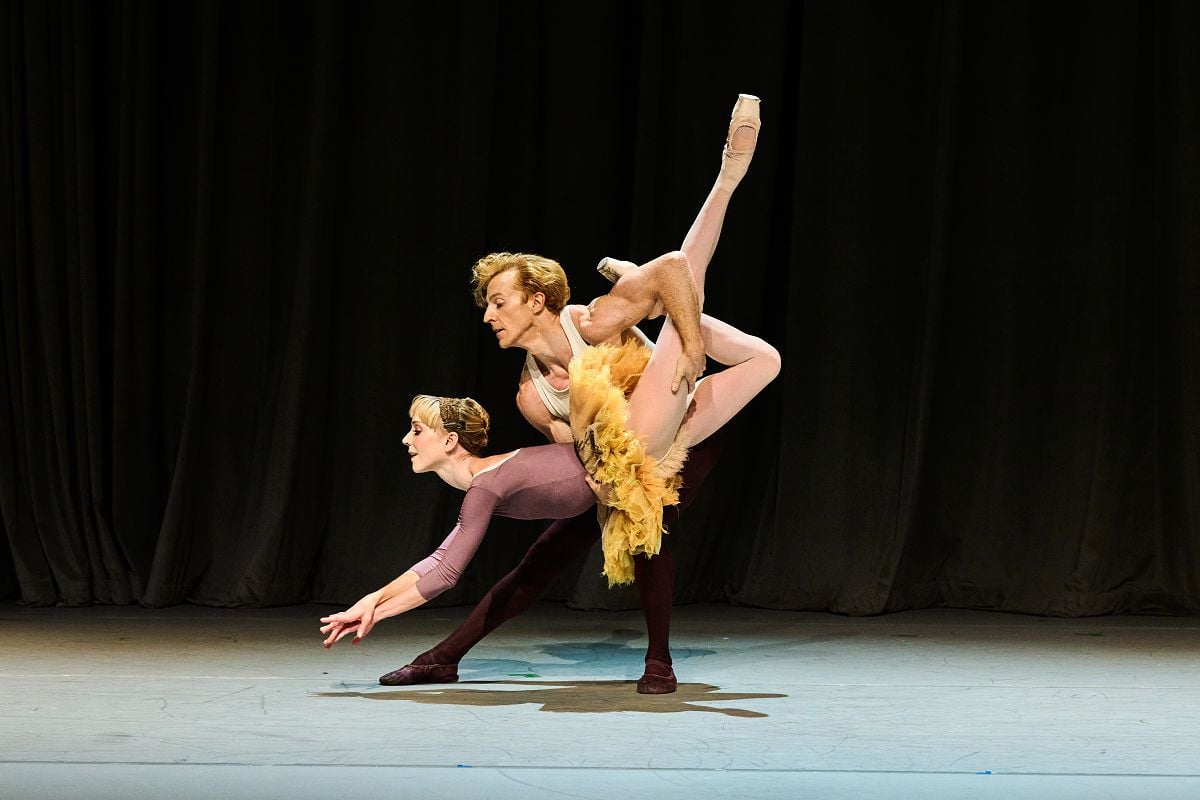
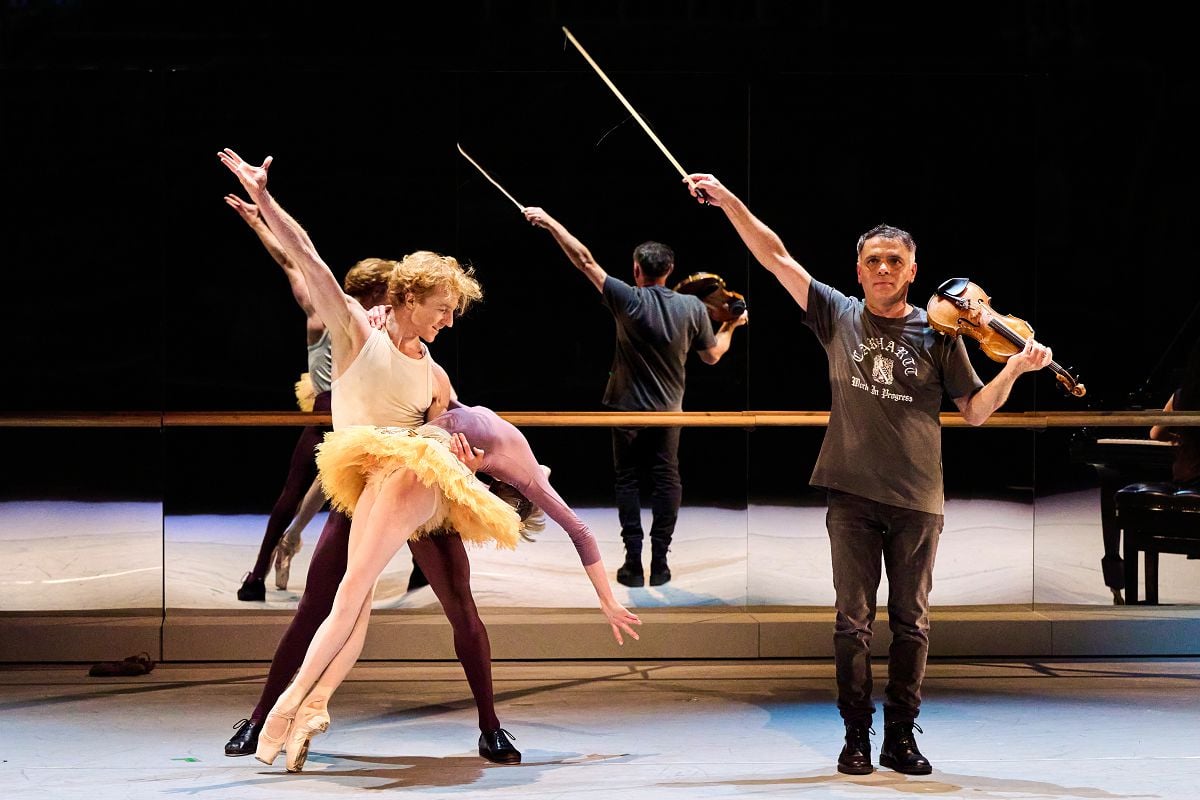
We learned all of this, and much more, from a first act that replicated a get-together in the rehearsal room (complete with tannoy announcements) with their reminiscences overlaying film of the two young wonders. The footage of “Mac Rae’s” Corsaire variation and scintillating tap solo from Lausanne was an excellent bonus. The whole affair was directed by Natalie Abrahami, who also carried out the research to unearth the historic film of both performers.
The two stars, self-described as each other’s yin and yang, were not alone, joined in the rehearsal room by another dancer, Sarah Lamb, and musician, Pamela Tan Nicholson, both of whom had long associations with the lead performers: Lamb and McRae joined The Royal Ballet at more or less the same time (2003/4), although he went into the corps and she came from Boston Ballet as a ready-made Principal. Tan Nicholson had accompanied Vassilev on the piano for his audition as Concert Master at The Royal Ballet in 1994 (at 23, he was the youngest ever in this role).
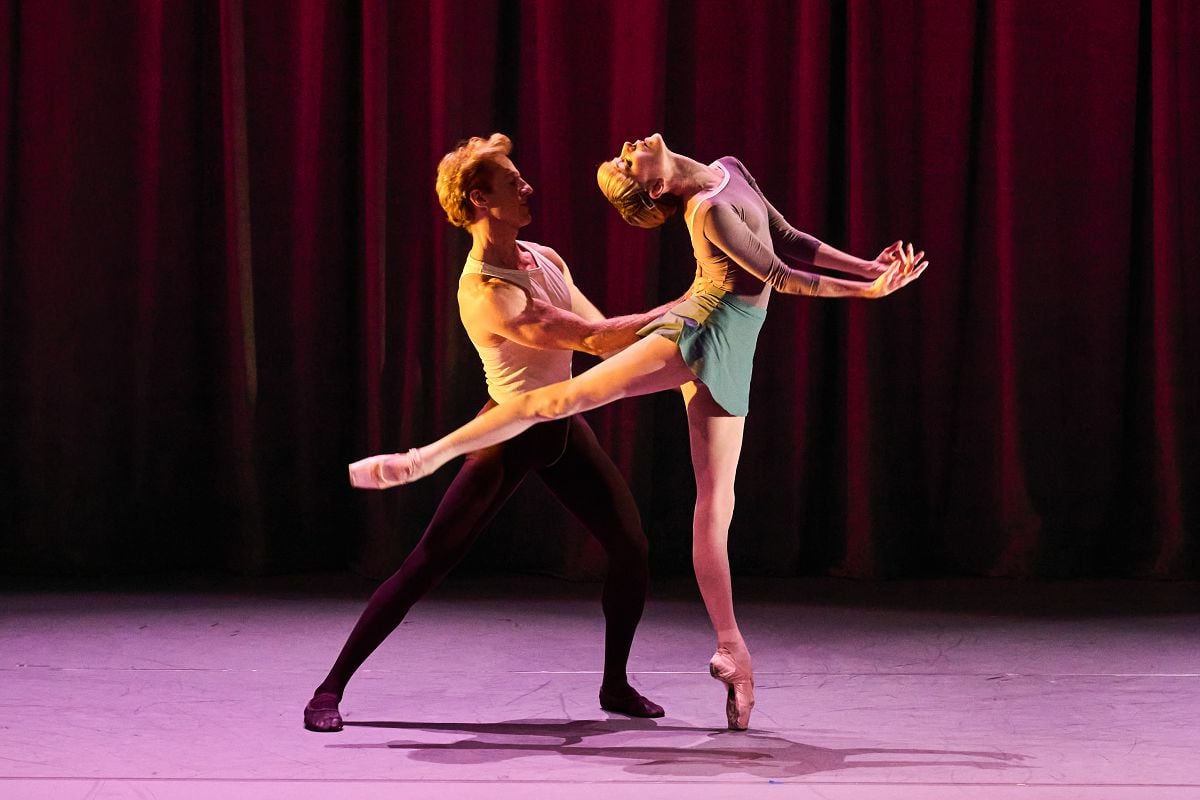
The rehearsal sequences were prefaced by an opening pas de deux for McRae and Lamb, choreographed by Loughlan Prior (as was the whole evening) to Bach’s Prelude in D Minor. This was essentially a stand-alone appetiser for the rehearsal room sequence, in delicious, floating movement punctuated by some heroic lifts. I think it could stand the test of time as a gala favourite.
The Project was very much a game of two halves because performance took over the second part in a tribute to Niccolò Paganini. In fact, this Act alone, to be entitled Paganini: The First Virtuoso, will travel across the Atlantic to be presented by The Royal Ballet at the Fall for Dance Festival in New York on 26/27 September.
Vassilev’s link to Paganini also came at an early age, and in 1989, he won second prize in the prestigious Paganini Competition (first place was not awarded), and his virtuoso command of the complex Paganini compositions – Caprice No.24, Violin Concerto No.1, and the concluding variations on Nel cor più non mi sento – was awesome. As a special party trick, he also played the one-string wonder that is Paganini’s variation on Gioachino Rossini’s Moses in Egypt.
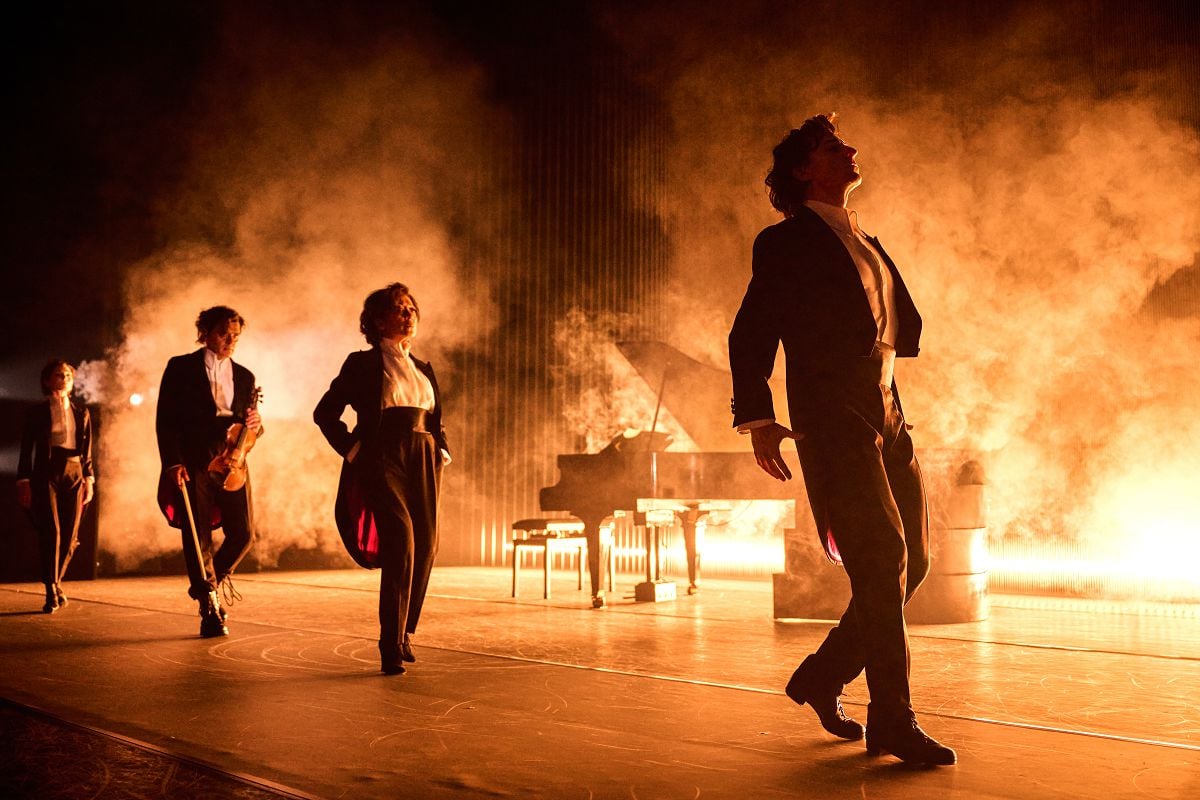
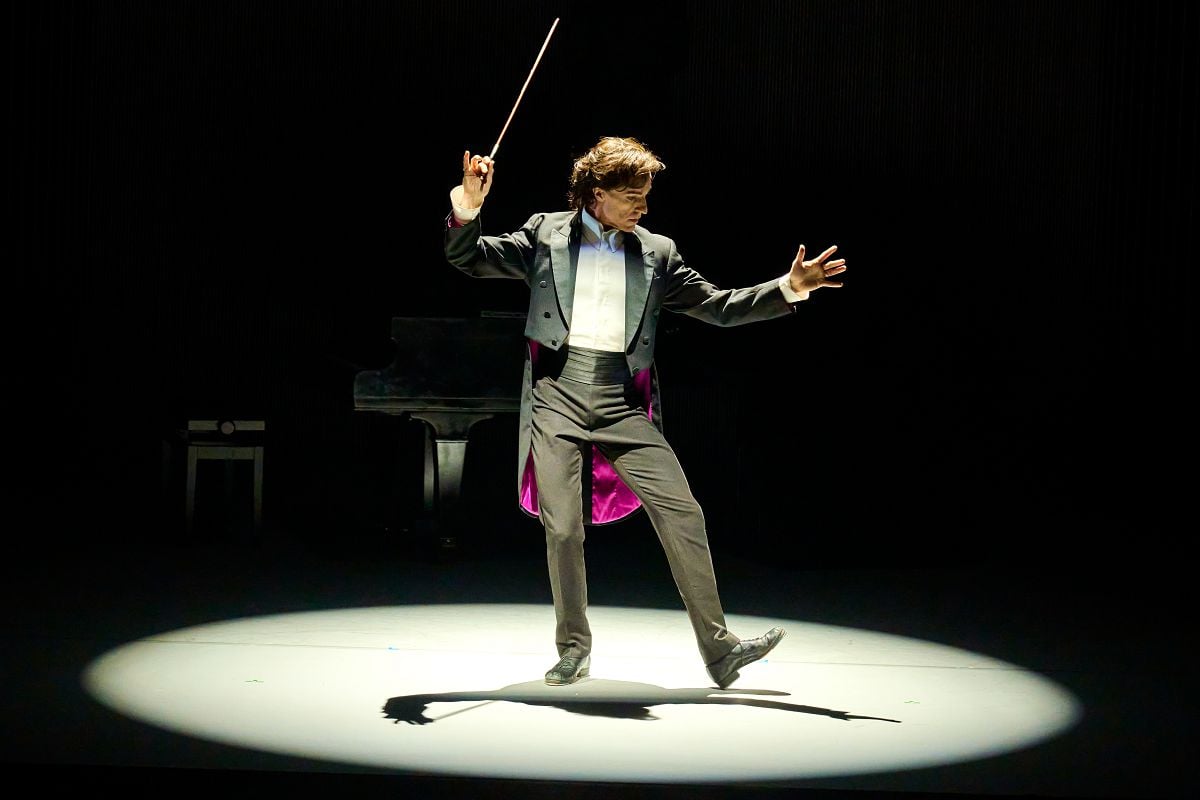
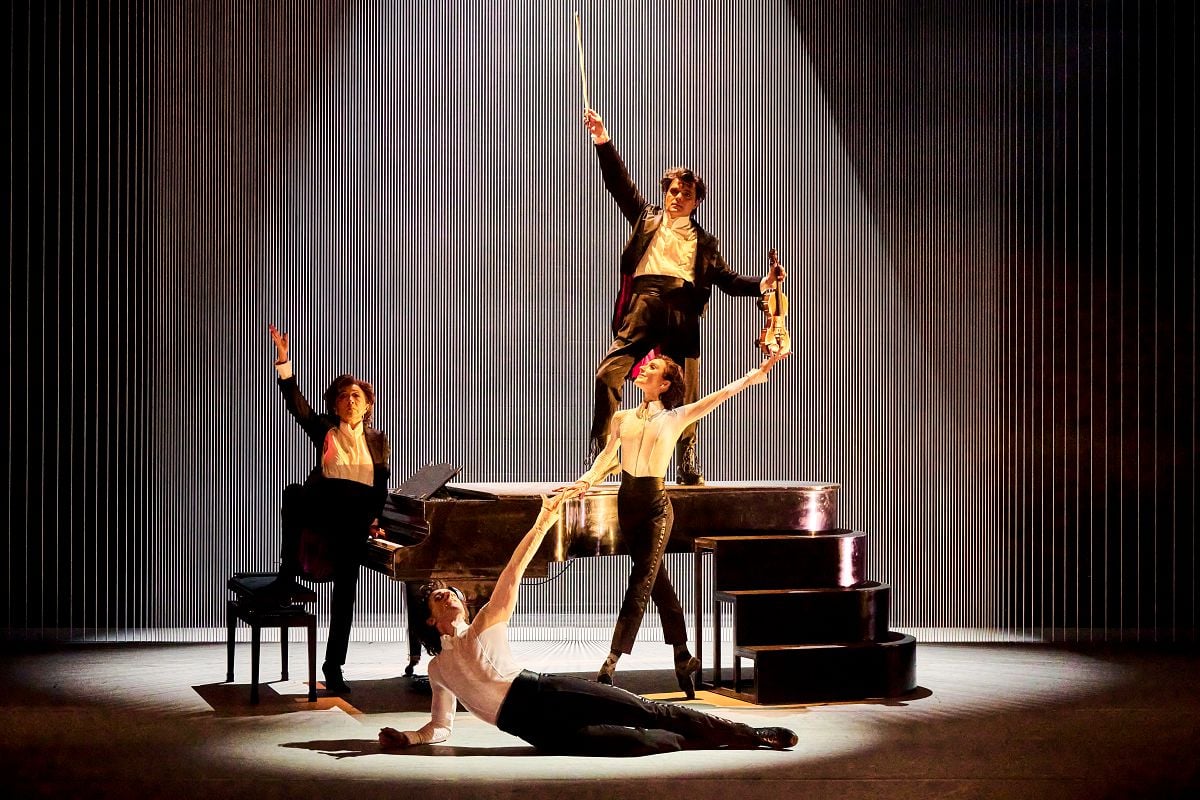
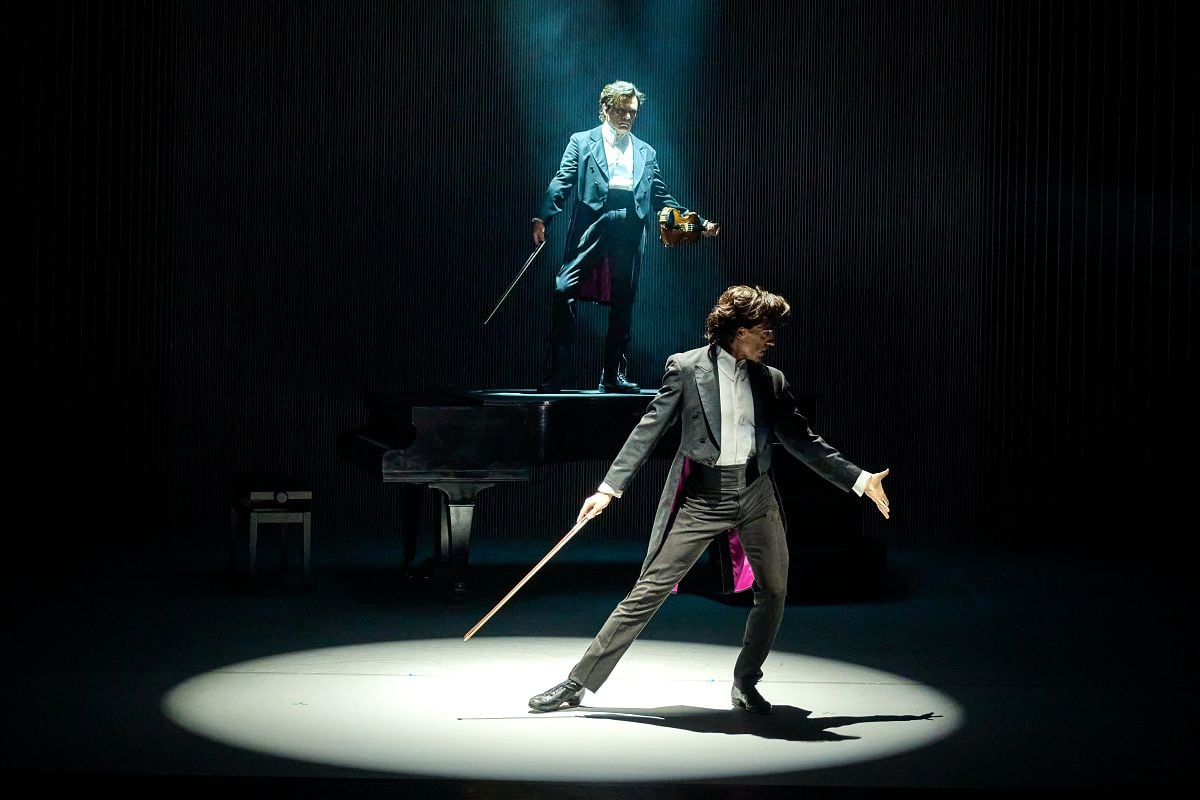
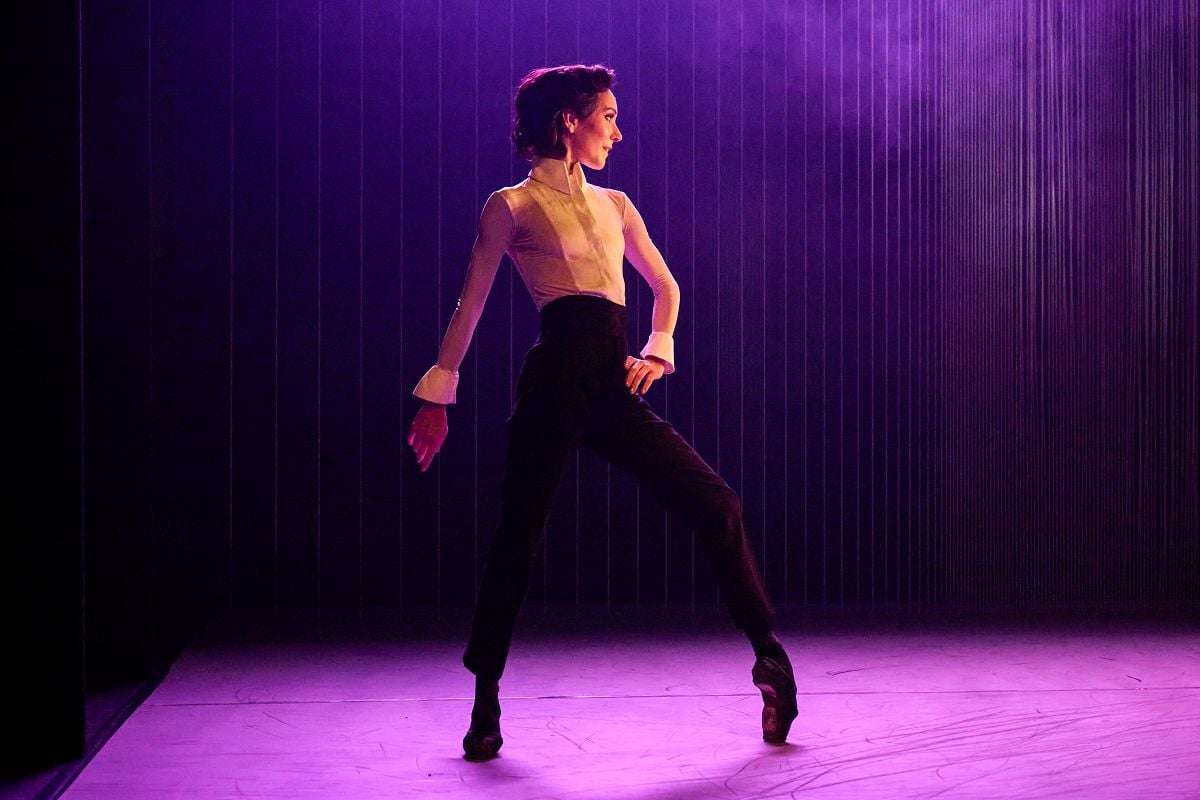
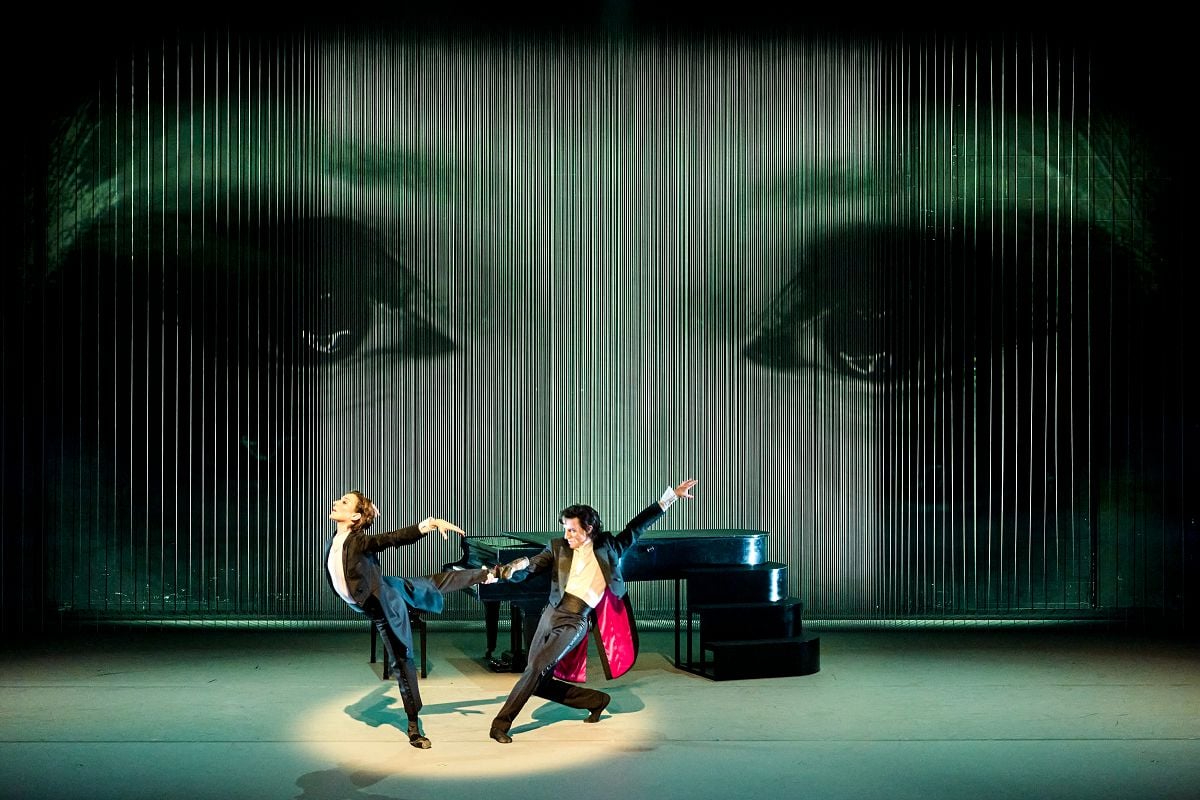
All four performers appeared in the second act as facsimiles of an image of Paganini, in formal concert tails and bouffant brown wigs that made Lamb and McRae, in particular, unrecognisable. The dancing ranged from ballet to a good deal of tap, with the quartet working in harmony on some simple steps, and much use was also made of the top of the grand piano, including a tap board and some steps to get up and down. Most particularly, they all had fun while performing challenging music and movement, and this enjoyment transferred to the audience.
It was a unique experience to discover more about these two luminaries of The Royal Ballet (with over half a century’s service between them) while also enjoying a masterclass in their technique in the context of Paganini’s music. The juxtaposition of Vassilev’s elite, mobile violin playing and the stunning dancing of McRae gave credence to the yin and yang description.

Graham Watts is a freelance writer and dance critic. He writes for The Spectator, Tanz, Shinshokan Dance Magazine (Japan), Ballet Magazine (Romania), BachTrack and the Hong Kong International Arts Festival and has previously written for the Sunday Express, Dancing Times, Dance Europe, DanceTabs, London Dance, the Edinburgh International Festival and Pointe magazine (USA). He has also written the biography of Daria Klimentová (The Agony and the Ecstasy) and contributed chapters about the work of Akram Khan to the Oxford Handbook of Contemporary Ballet and on Shobana Jeyasingh for the third edition of Routledge’s Fifty Contemporary Choreographers.
He is Chairman of the Dance Section of The Critics’ Circle and of the UK National Dance Awards and regularly lectures on dance writing and criticism at The Royal Academy of Dance, The Place and (until the war) for Balletristic in Kyiv. He was a nominee for the Dance Writing Award in the 2018 One Dance UK Awards and was appointed OBE in 2008.