Review: A cloud of contemporary dreams for Rome Opera Ballet
Marta Mele sees Rome Opera Ballet in a dreamy contemporary triple bill that reconnects the myth of Sisyphus to our virtual lives.
| Title | Philippe Kratz – S Francesco Annarumma – Creature Vittoria Girelli – In Esisto |
| Company | Rome Opera Ballet |
| Venue | La Nuvola |
| Date | 4 March 2025 |
| Reviewer | Marta Mele |
It is nothing new for the ballet company of the Teatro dell’Opera di Roma to take on a contemporary triple bill, which has become a regular event since Eleonora Abbagnato took over the direction of the ballet company. We have seen many such programmes over time, with particular attention paid to leading choreographers such as Alexander Ekman, Johan Inger, Christopher Wheeldon, as well as the now classic William Forsythe. This time, however, the chosen names are Philippe Kratz, Francesco Annarumma and Vittoria Girelli.
The first, after a career that saw him as a dancer at the Ballett Dortmund, established himself in Italy as a performer and subsequently choreographer for Aterballetto (Lettres d’amour, 2012; Spring, 2013; SENTieri, 2014), then since last summer as the artistic director of the Nuovo Balletto di Toscana. In 2019, he also won the Best Choreographer award from Danza&Danza magazine. His very individual choreographic language, certainly not to everyone’s taste, has been defined as “highly perfect body graphics”. The themes are generally abstract. His is a search for movement that is at the same time earthly, but that has its own fluidity, clarity and sharpness. A sense of suspension often prevails, ideal for his chosen theme for his work, S.
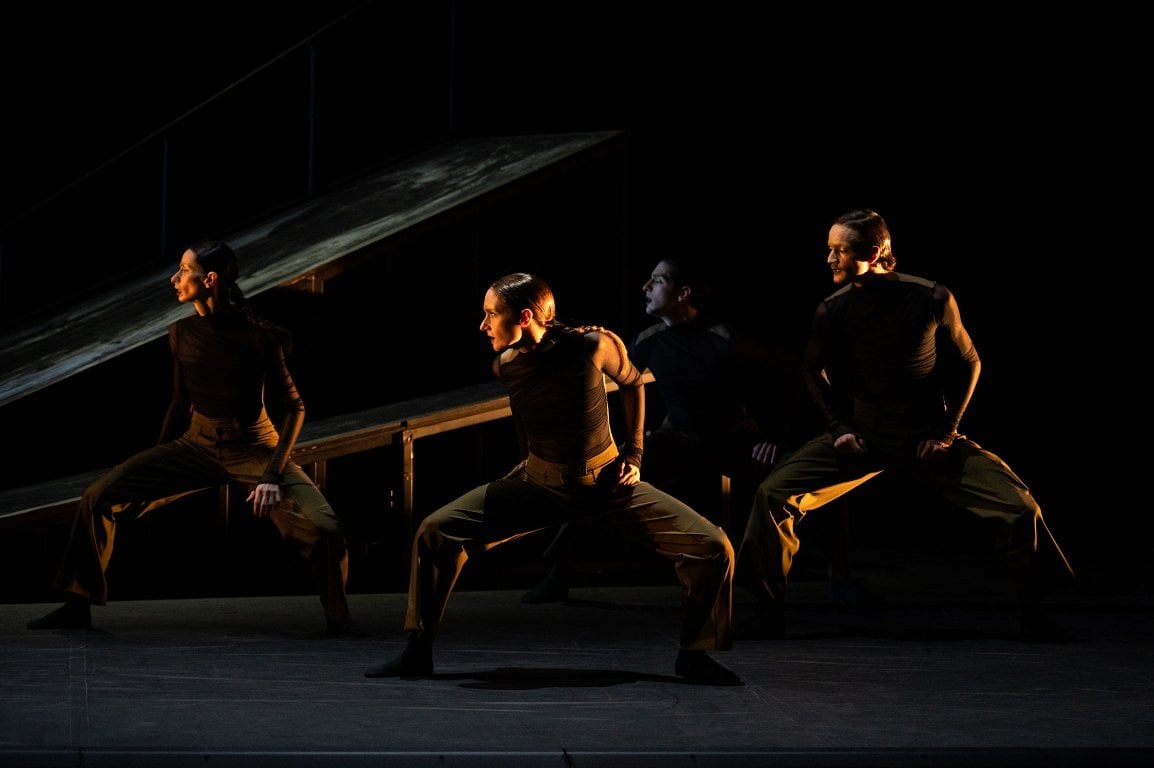

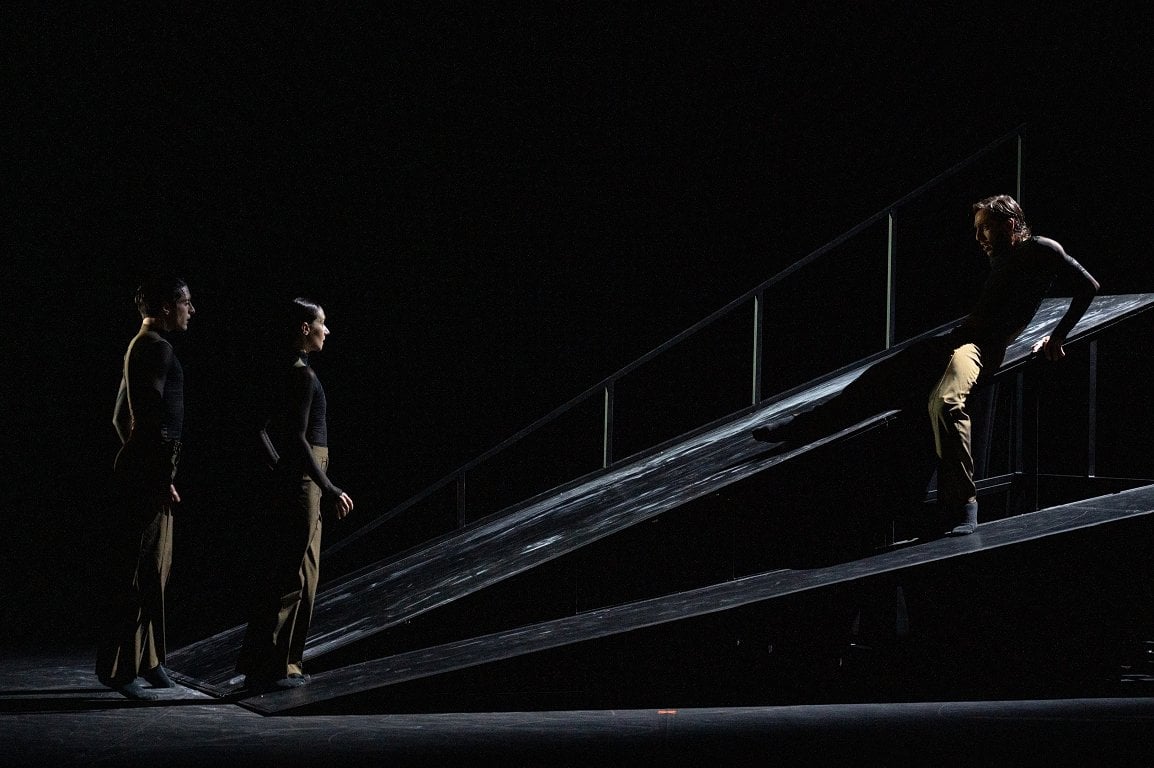
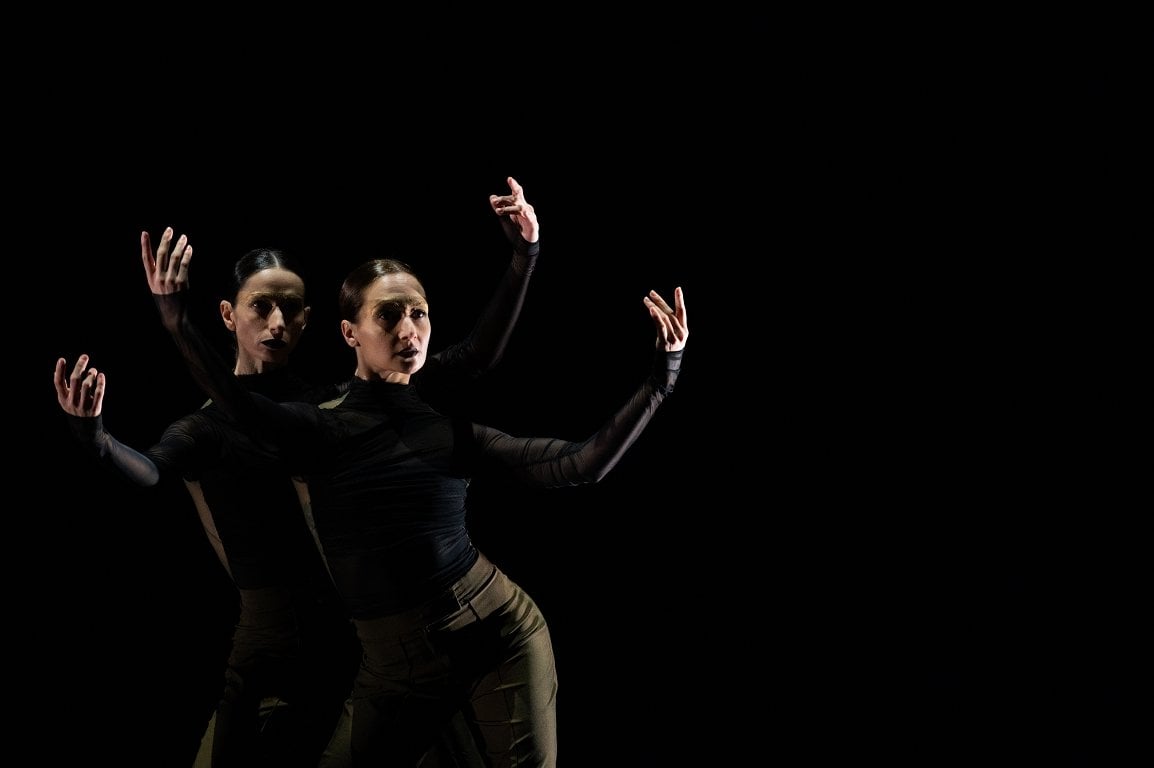
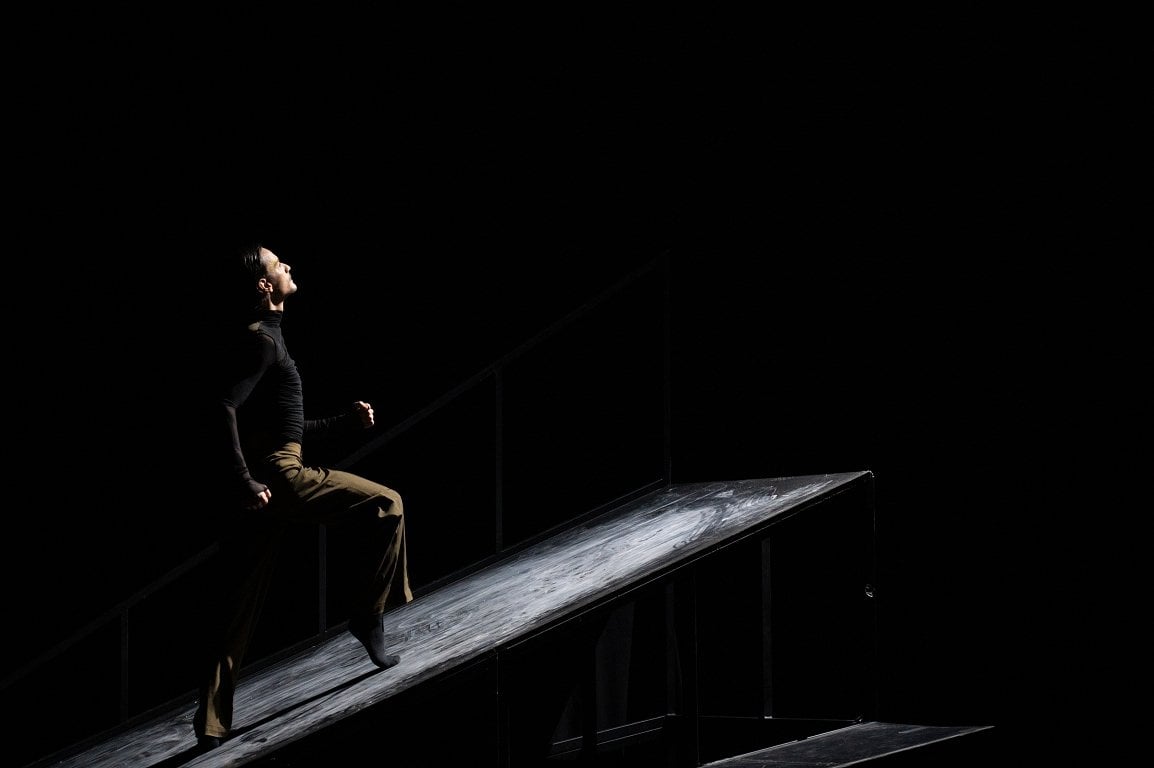
The ‘S’ of the title refers to the myth of Sisyphus, a character from Greek mythology. Guilty of having rebelled several times against the will of Zeus, he was sent to Hades and condemned to an eternal useless toil – carrying a boulder to the top of a mountain in the underworld that will inevitably fall back down into the valley due to gravity. The existentialist philosopher Albert Camus dedicates an important essay to this topic, connected to the theme of the absurd. Existence appears to Camus as irrational and meaningless. Only a human bond of solidarity can redeem it, destroyed in most cases by wars and divisions of thought. What to do? Physical or spiritual suicide does not solve the problem, only endurance and protest against fate remain, in order to pursue the maximum intensity of life. In fact, “even the struggle towards the top is enough to fill a man’s heart” and make Sisyphus happy.
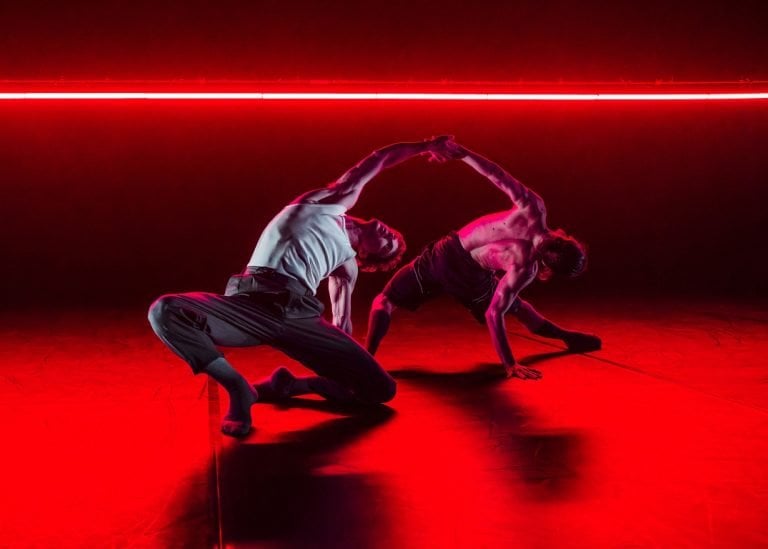
No less philosophical is Philippe Kratz’s work, which to an inattentive glance might seem banal. On stage there are only two catwalks at two different inclinations – a rarefied climate therefore destined to host the sensual sounds of the electronic music of Soundwalk Collective. Verbal whispering suggests the theme of the fall, of osmosis and the fusion of bodies. From small contractions, the choreography goes towards larger movements, always keeping the bodies in a firm and dignified demeanour. The feet slide, rotating on the floor, followed by multiple airy ports de bras. I admired his use of lifts across the space, celebrating the theme of physicality and the balance of bodies and energies. Then, dancers advance towards the top of the inclined platforms only to suddenly fall. More than the human toil of life, Kratz wants to represent almost automatons here. The question is not about existentialism, but about the advancement towards the virtual and the role that technology plays in our lives.
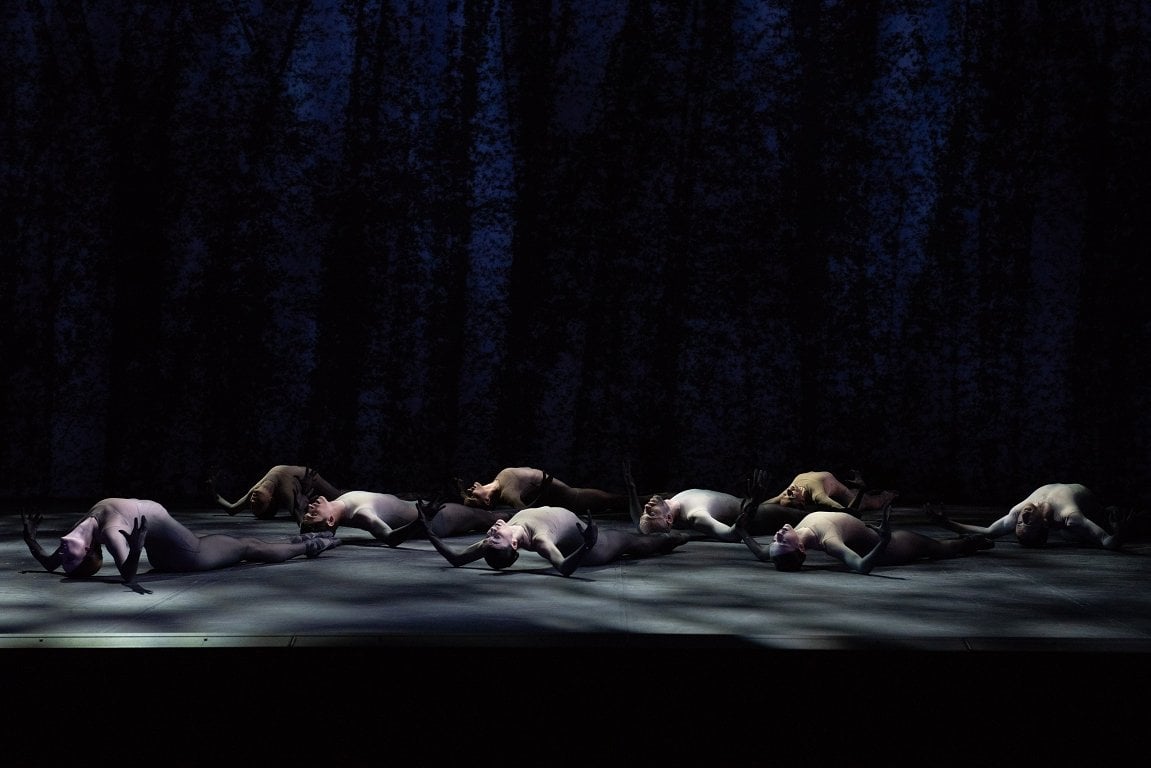
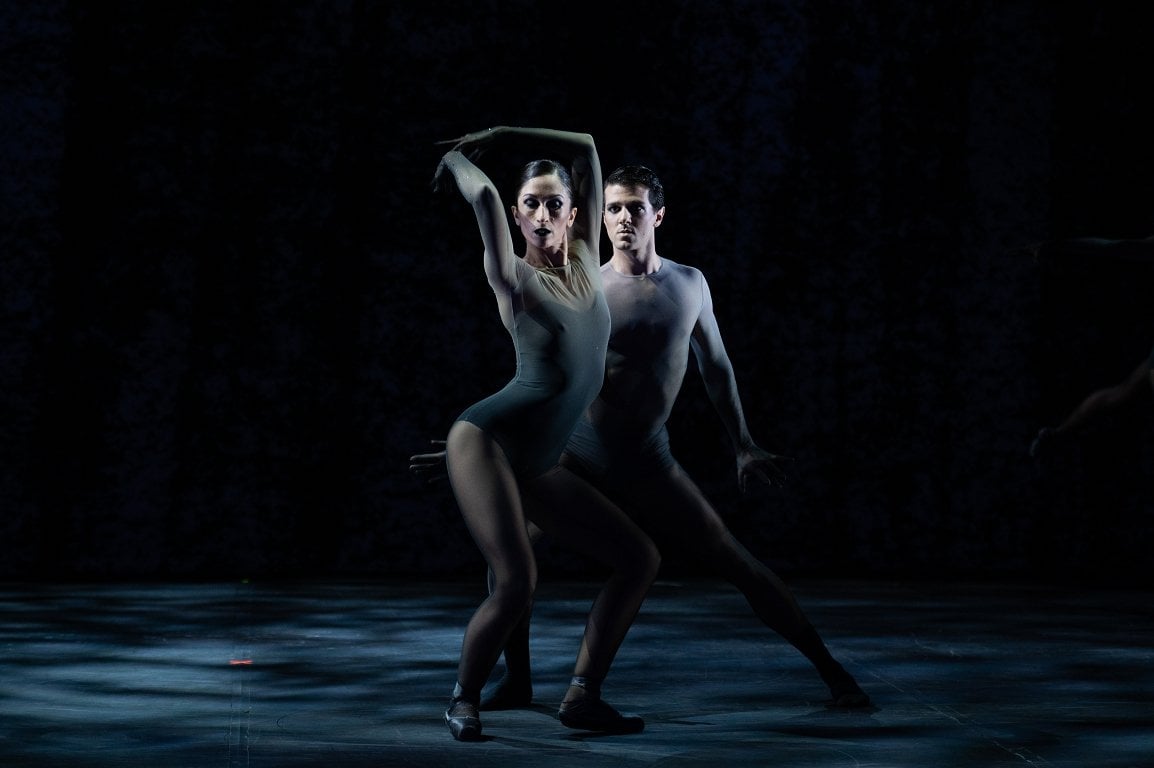
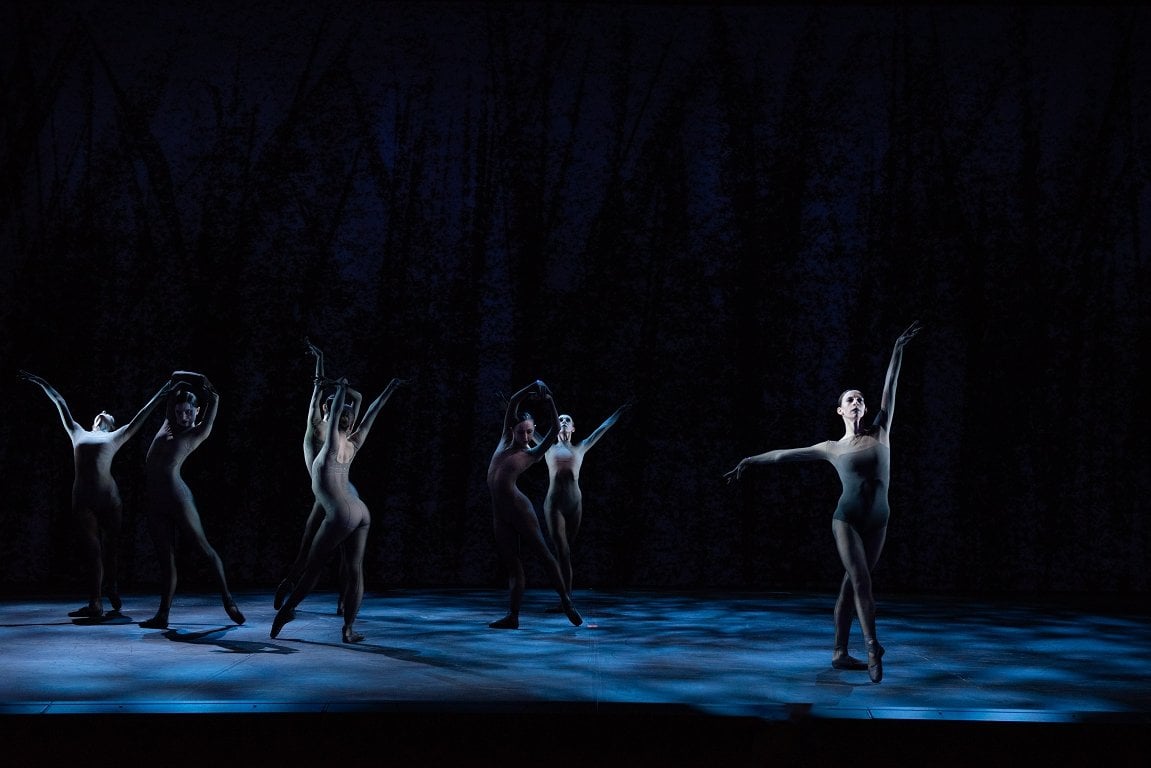
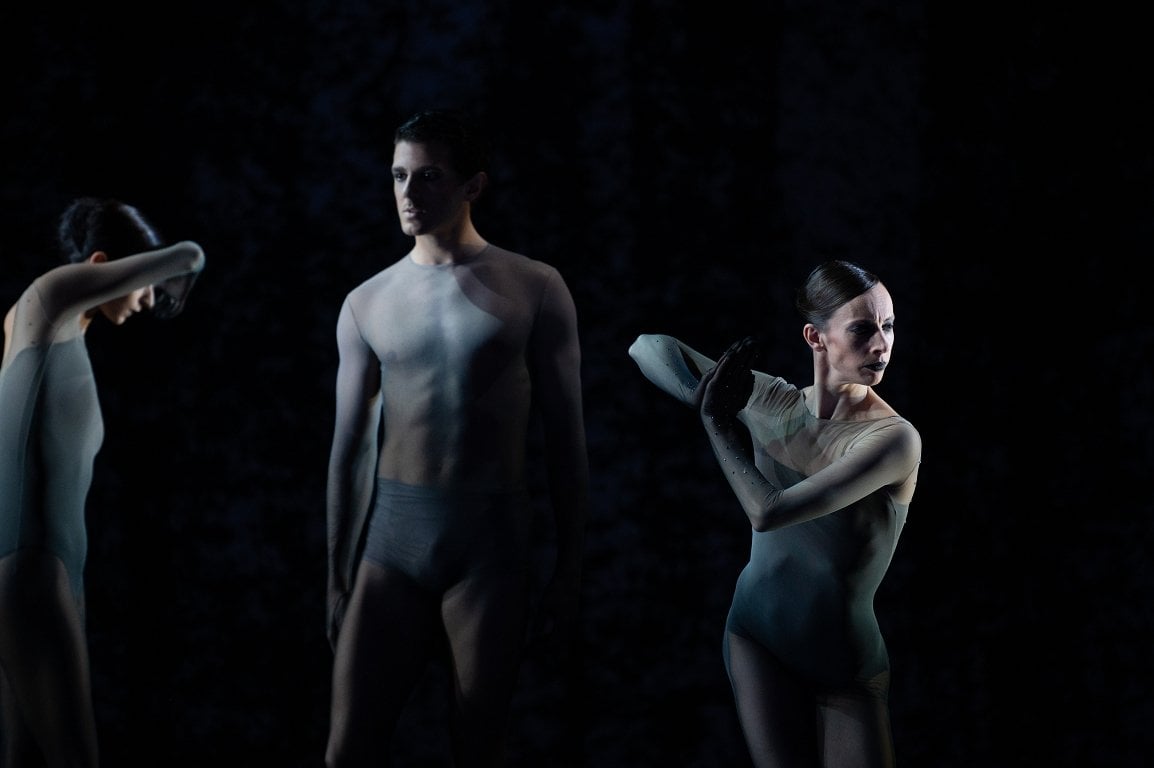
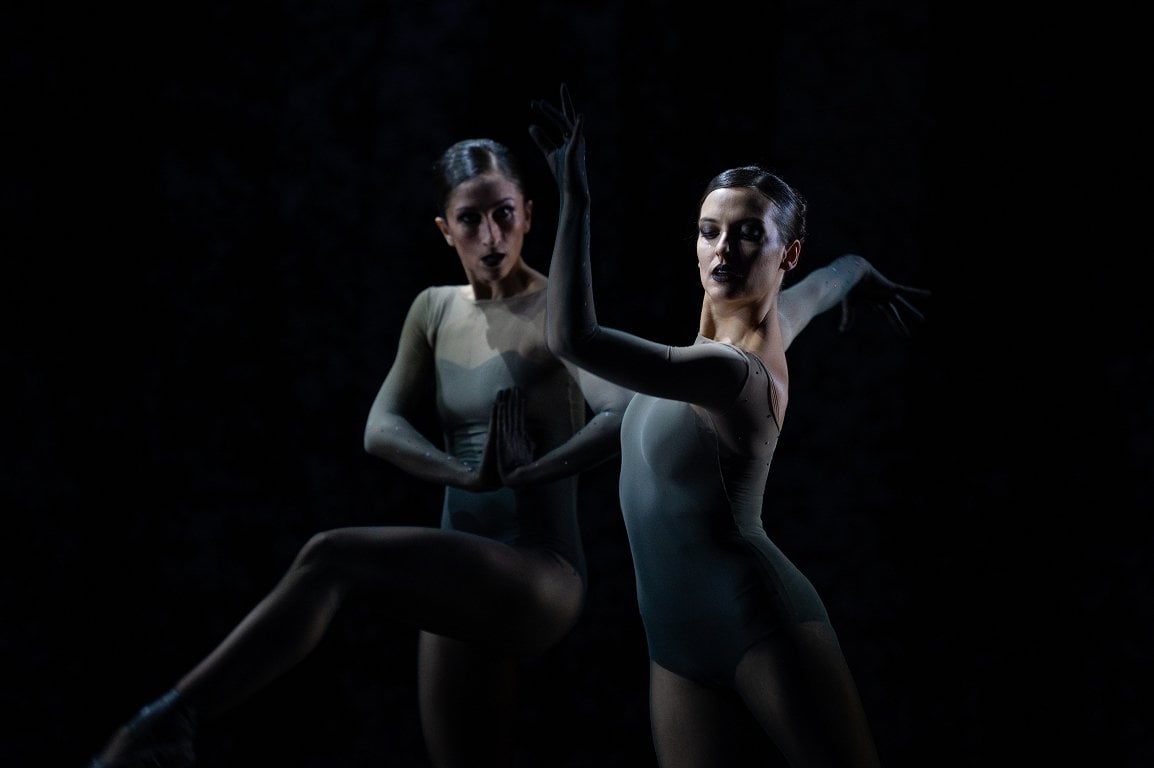
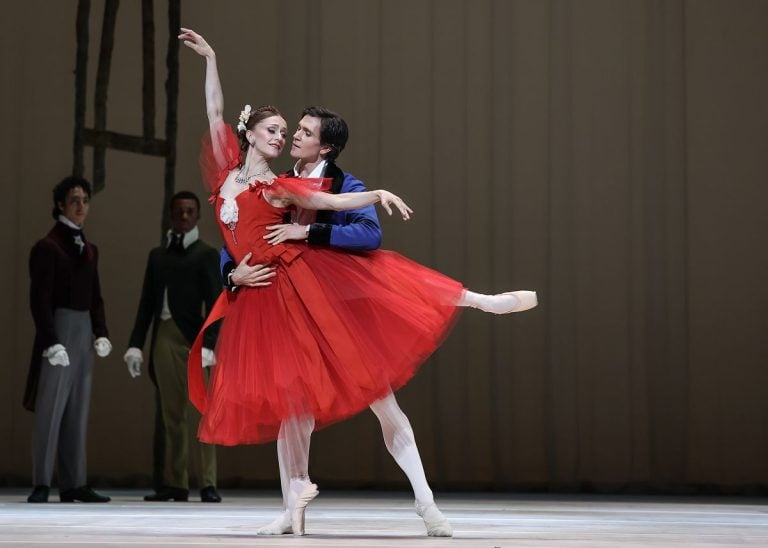
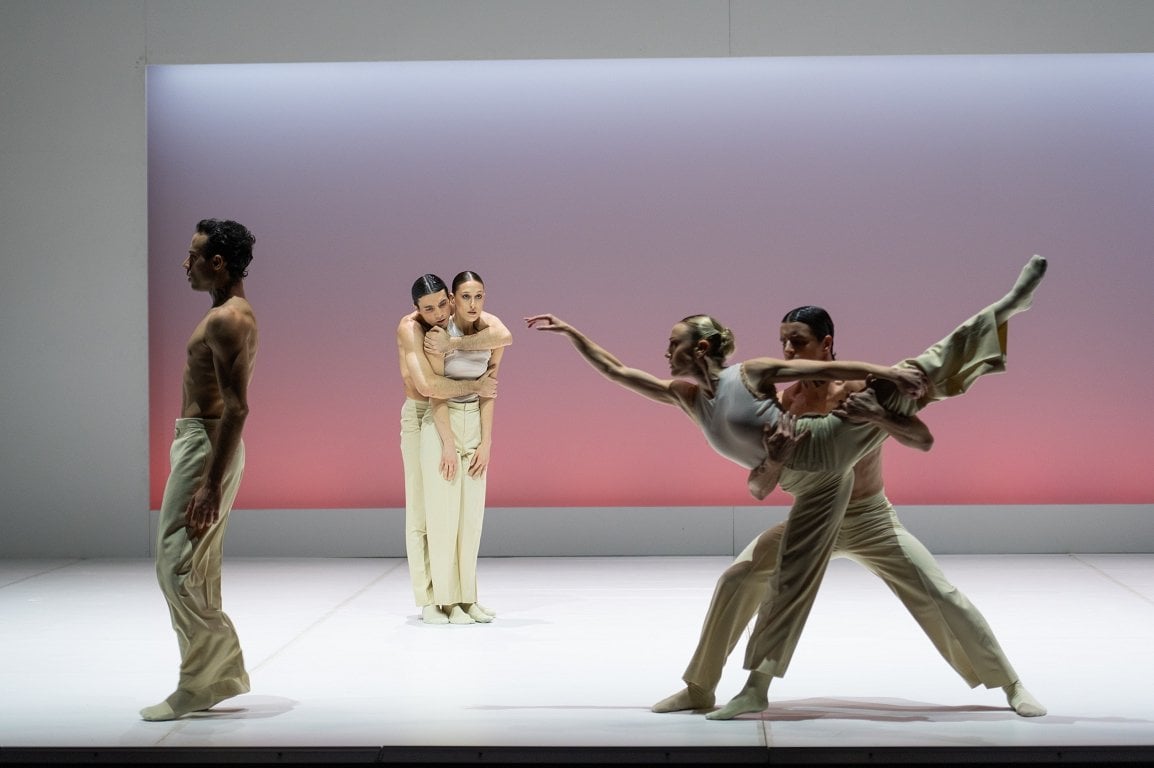
There is a lunar atmosphere for Creature by the Neapolitan choreographer Francesco Annarumma to the music of the Sonata n. 1 in G minor for solo piano “The 12th Room” by Ezio Bosso. Against a silver background, is a notable neoclassical choreography on pointe in which intense pas de deux stand out. There is great muscular tension in a piece that highlights the crescendos of the piano through a vortex of emotions. The creatures are, in fact, the protagonists of the Capitoline company in their truth of human and artistic life, in their moments of strength and weakness, and their relationships of harmony and freedom.
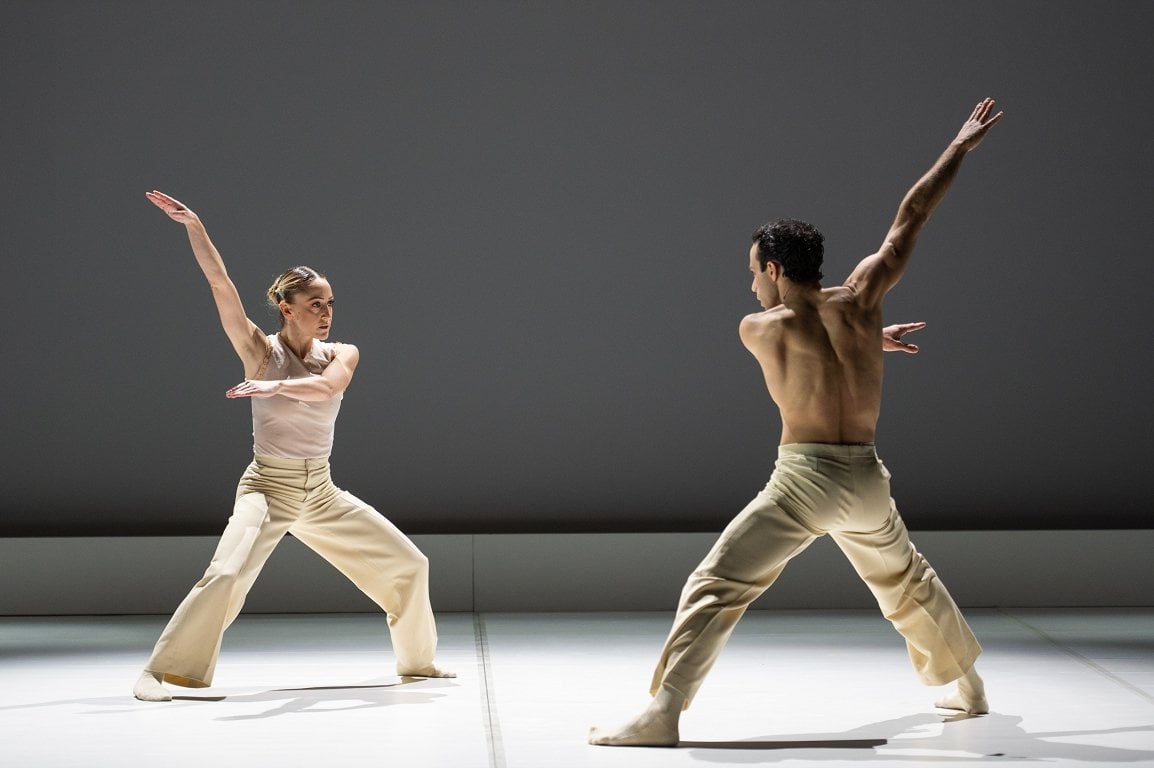
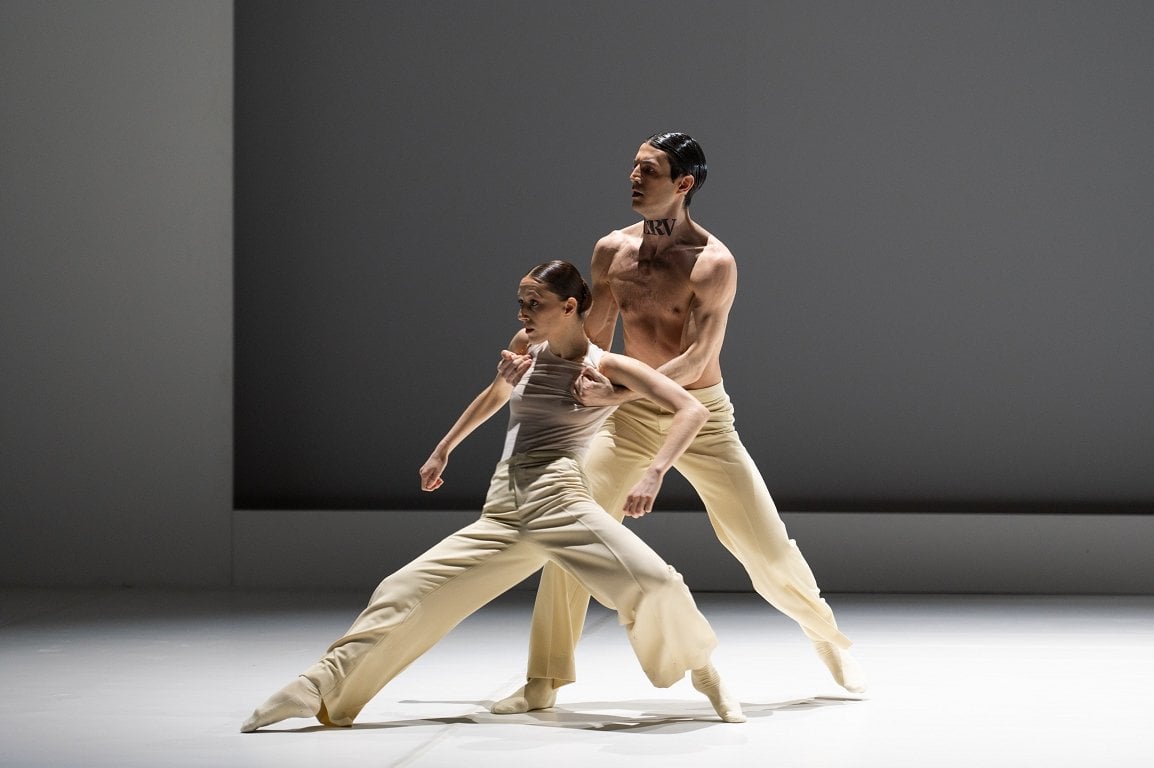
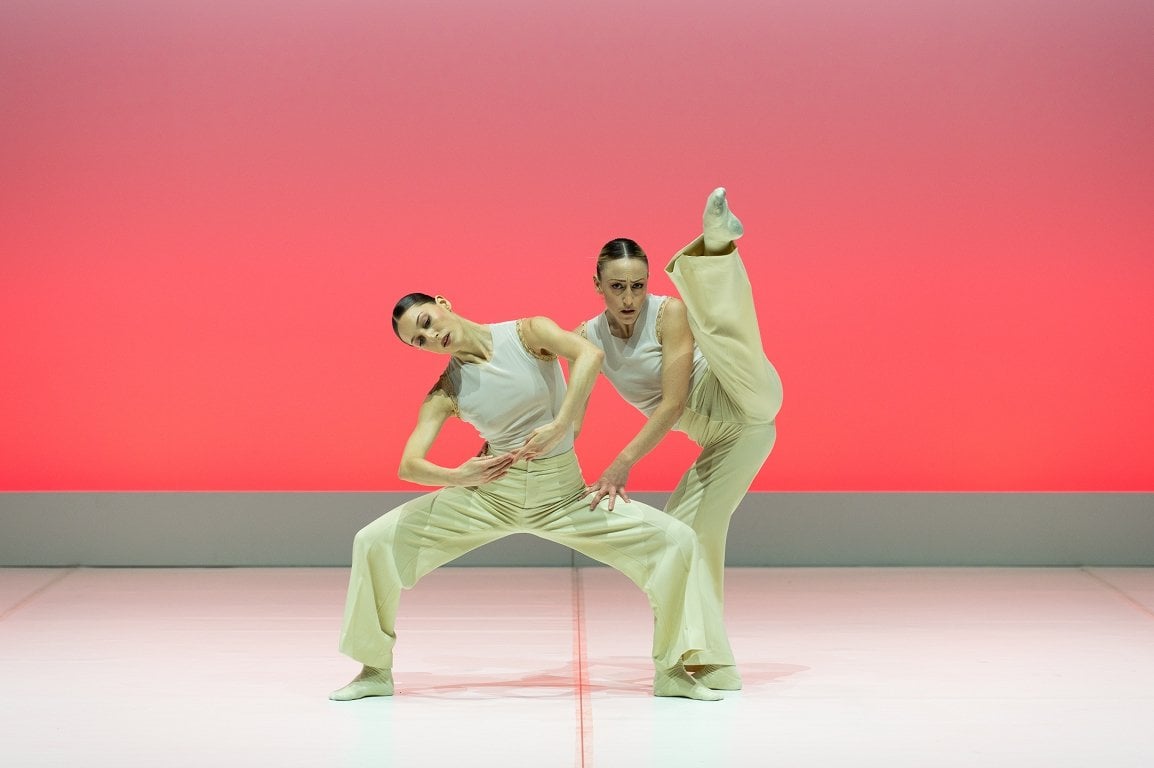
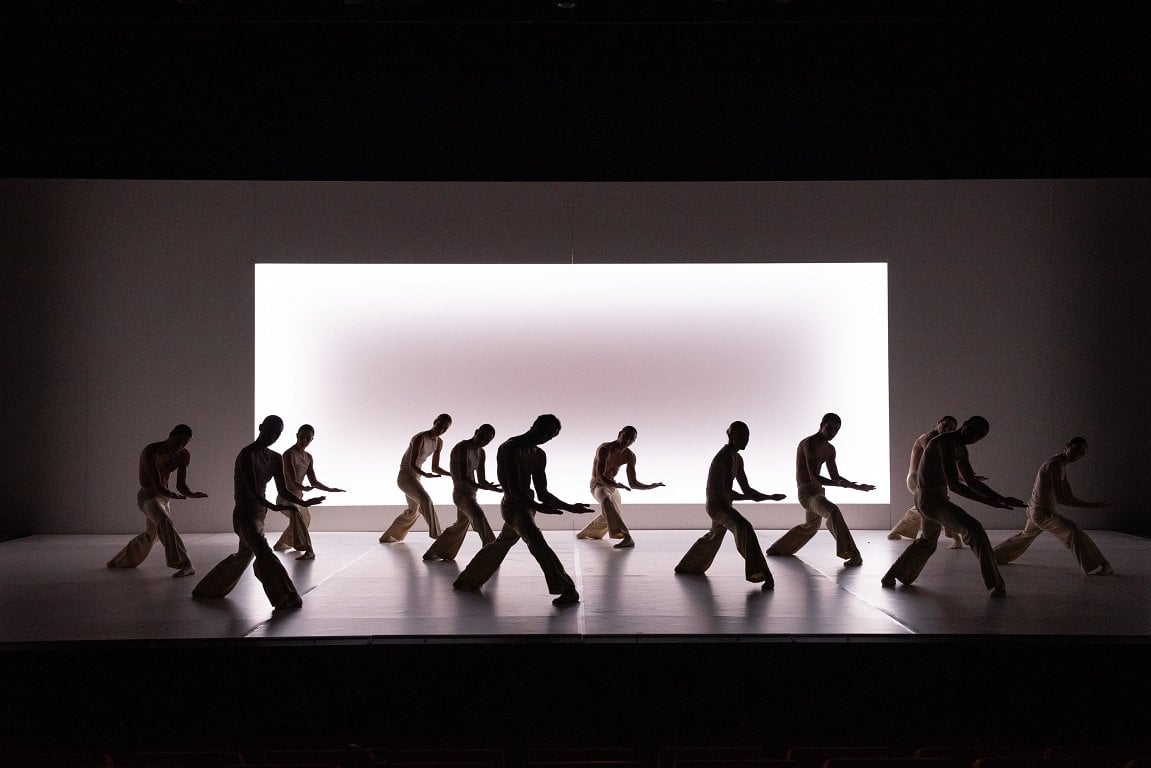
The programme ends with a piece of pure poetry, In Esisto by the very young choreographer Vittoria Girelli (born in 1997) to the music of Davidson Jaconello, Moritz Moszkowski and Yannis Kyriakides. The white background takes us back to the paintings of Malevich, but more obviously to the artistic movement ‘Light and Space’ of the ‘60s. Existence here is situated in a space created by the dancers, a precise space although abstract and primordial, where the soul of the dancers reacts to the lights and sounds in a great choral breath that reaches a stellar power. A real surprise suited to the context of the evening was the theatrical space created inside the imposing Eur conference centre designed by Massimiliano Fuksas, which is symbolically called ‘La Nuvola’ (The Cloud).

Graduating with honours in “Literary and Linguistic Studies” at La Sapienza University of Rome with a thesis on ballets inspired by Alexander Pushkin’s works, Marta Mele subsequently specialised in “History and Theory of Choreographic Art” at the Vaganova Academy in St Petersburg.
She translated from Russian the autobiography of the dancer Natalia Makarova for Gremese publishing house, and edited the Italian edition of the book Swans of the Kremlin by the scholar Christina Ezrahi.
After participating in two conferences dedicated to the bicentenary of the birth of Marius Petipa, she won the La Sapienza University’s PhD competition in Music and Performing Arts, and in 2022 received her doctorate with ‘eccellente’, her thesis entitled Ballet in Leningrad between avant-garde and ideology.
Marta participates in national and international conferences in performing arts research and writes for scientific reviews such as Danza e Ricerca, Biblioteca Teatrale and SigMa. As a dance journalist, she began by collaborating with the Russian dance magazine PROTanec, and she also writes for GBOpera.