Review: Tellus – Dickson Mbi’s drought epic thrills but strains for effect
Moses Ward leads a superb cast through grief and drought in Mbi’s Cameroon-inspired work, as a furious Mami Wata conjures a storm and conducts the live musicians.
| Title | Tellus |
| Company | Dickson Mbi Company |
| Venue | Sadler’s Wells East, London |
| Date | 21 October 2026 |
| Reviewer | Lydia Wharf |
There’s often a glut of good dance on London stages in October, which I feel somehow ameliorates the less welcome aspects of the month. So, whilst I’ve had to dig out my big coat and fight the urge to turn the heating on, I’m glad to have Dickson Mbi’s Tellus in the Sadler’s Wells East programme to look forward to. Partly it’s because I still remember what an astonishing dancer Dickson Mbi was before he became an Olivier Award-winning choreographer; an image of him in Russell Maliphant‘s The Rodin Project is indelibly stamped into my memory. But I’m equally excited by the wealth of expertise in the team of creative collaborators Mbi has gathered to develop this project, and perhaps I see Mbi as an artist who really represents London; he wasn’t born in the UK, and this work very much draws on his dual heritage, a perspective shared by so many here. He is a product of the training organisations, companies, artists and communities that make dance happen in the capital and, perhaps a testament to this, the premiere of Tellus draws a full house with a fizz of expectation. What Mbi and his team present on stage may not be perfect, but it does not disappoint.
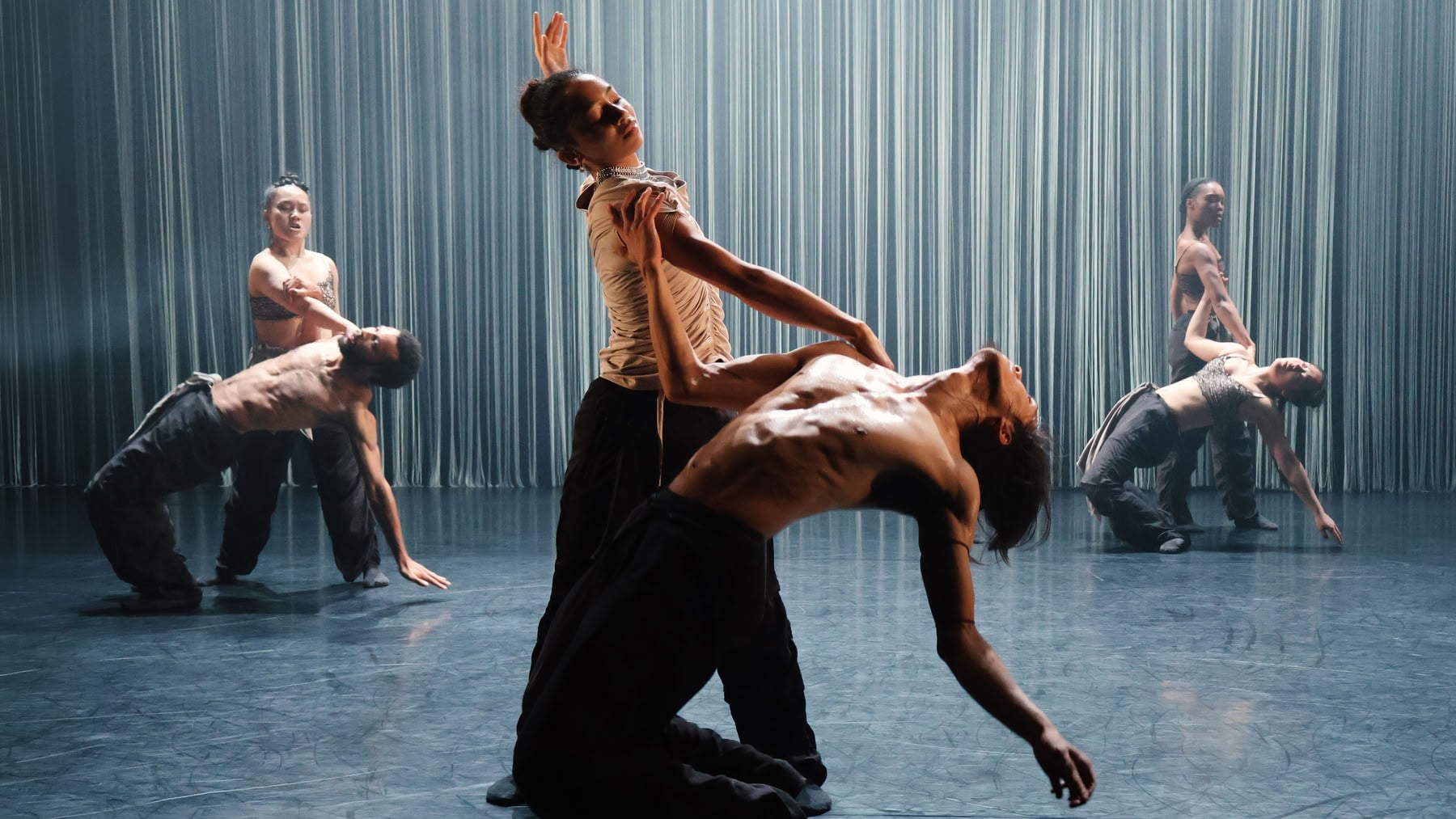
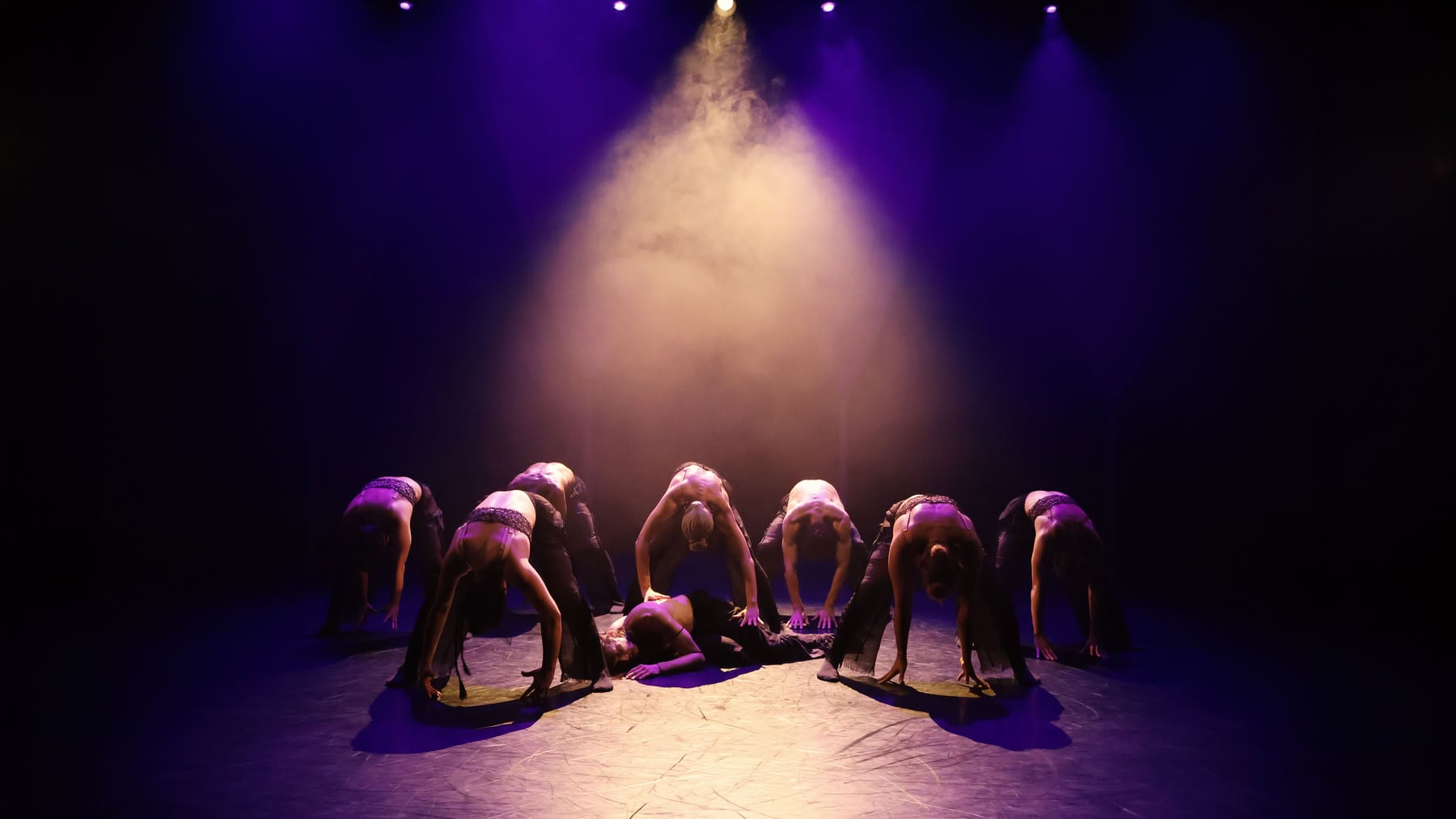
Our journey begins with a central male character awakening into a harmonious scene of a community at work. It’s not clear exactly where in the world we are and it’s a little twee at times, reminiscent of a wholesome peasant scene opening a ballet, danced with the earthy earnestness of hard-working folk. There are notes of krump and martial arts emerging into the mix that make use of the diverse skills of the cast of excellent dancers, and some neat use of swathes of material to emulate water and work. The peace is short-lived, however, and the community is suddenly stricken by drought; amid red lighting and the crackling sounds of a fire, our hero drags each body across the stage and mourns them. Dramaturgically, it feels too early for grief to resonate, and I wonder where we’re going from here.
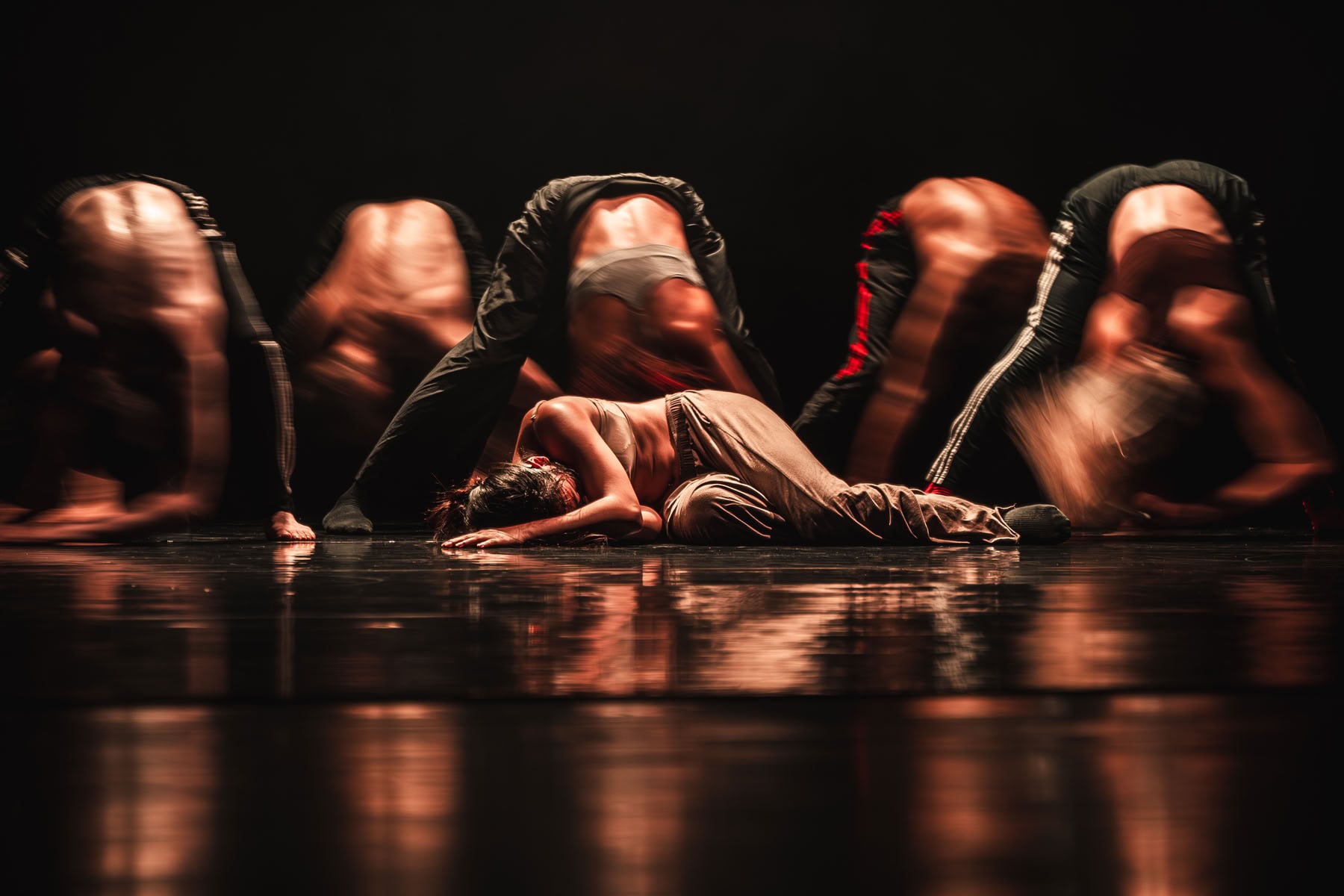
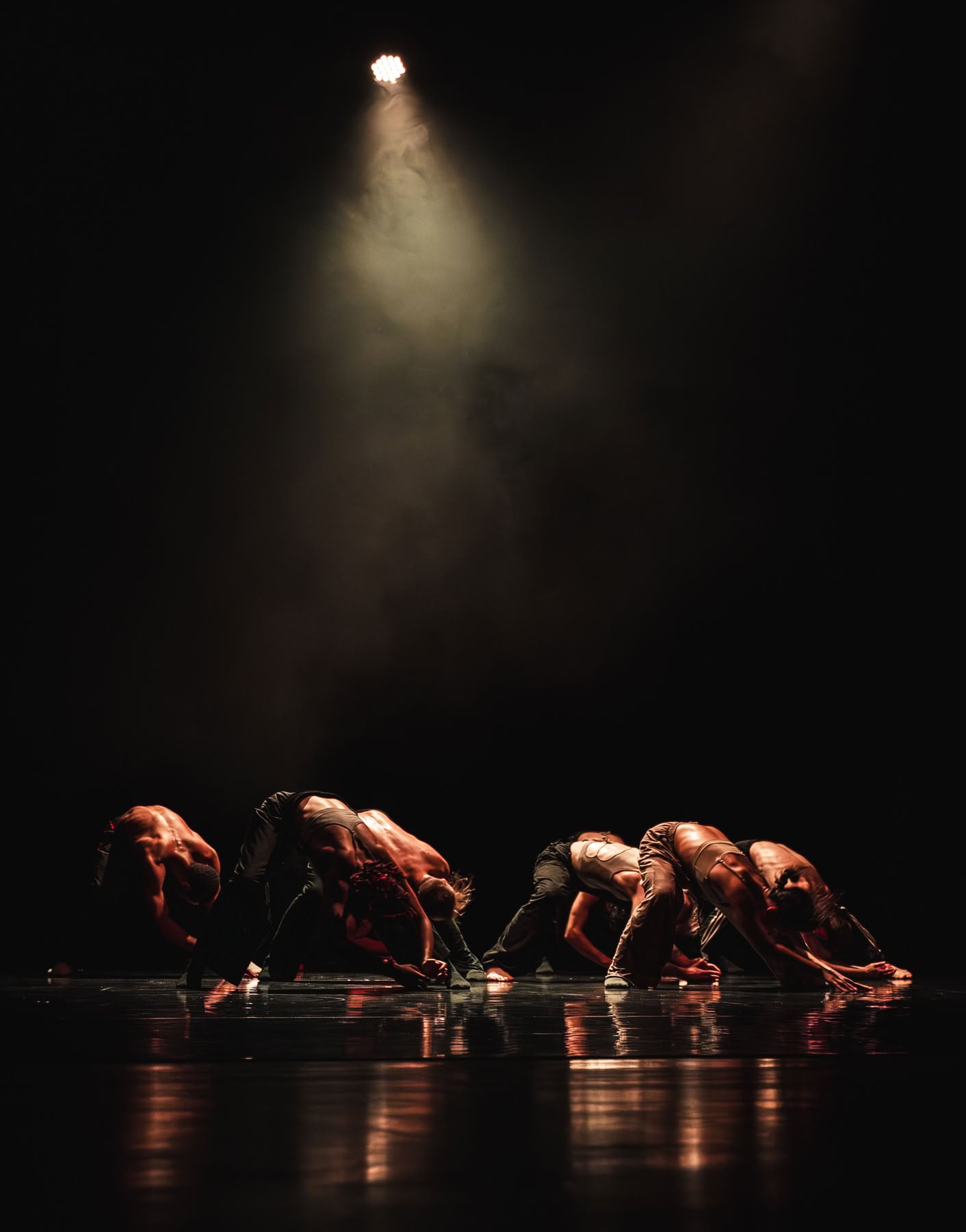
Directly off to the land of the Wilis, it seems. Mbi draws inspiration from the folklore of his Cameroonian heritage and the bedtime stories of his childhood, which referenced Mami Wata, a powerful river goddess/demon to whom offerings were made in times of trouble. Our hero, the excellent Moses Ward, whose powerful yet understated performance artfully balances any potential melodrama, stumbles and staggers across the stage at first, hunched in grief, shuddering. From the ashes, dark figures loom, bent double, their sinewy, strong shoulders grinding ominously. The soundscape begins to grow in chanting and murmured voices, a pounding beat building behind them. The group begin to fill the stage in mixed configurations: creeping forward low and dark, then frozen, dragged across the stage on the swathes of material they’d used to work the land.
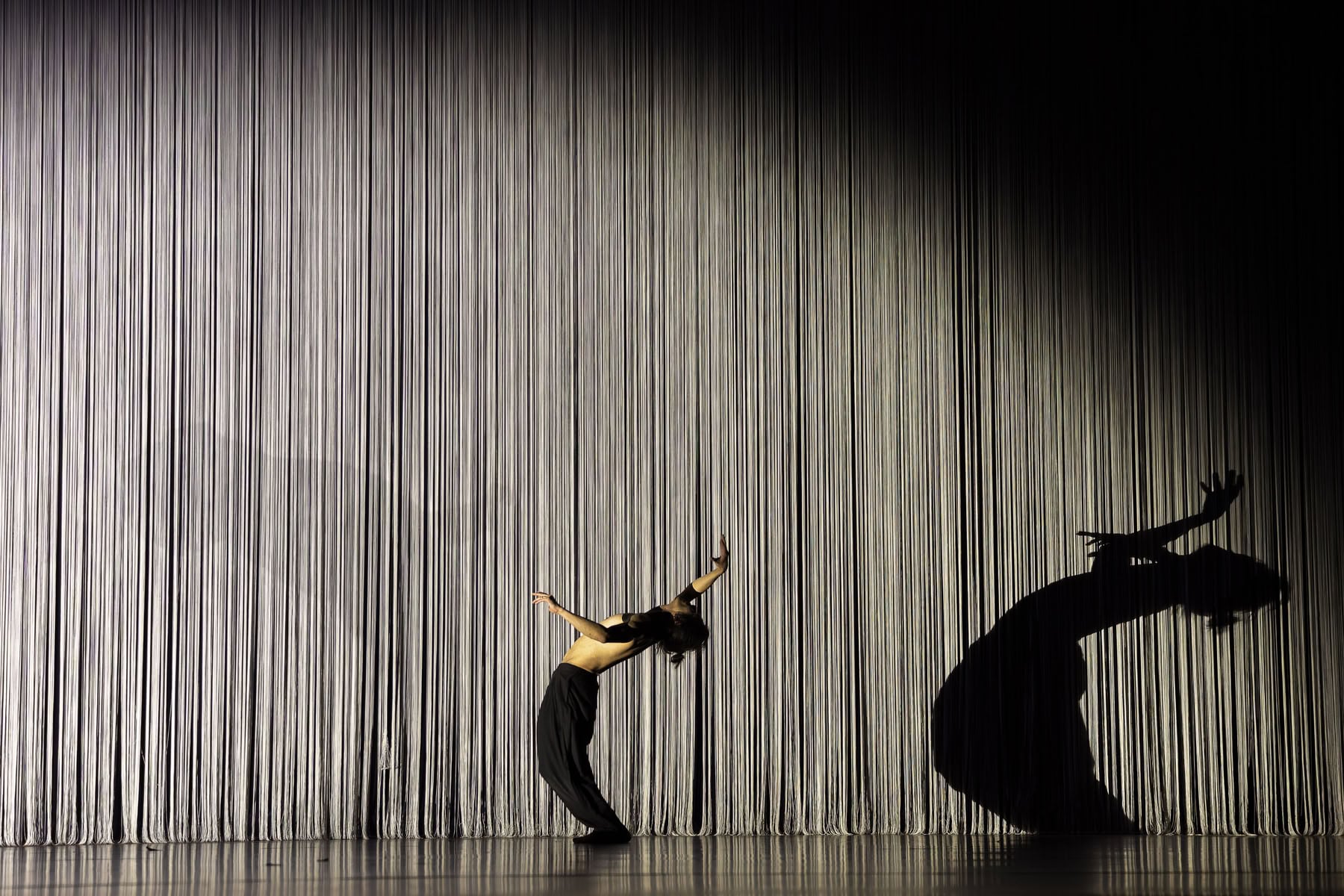
They stretch and push Ward, building the momentum that eventually engulfs him as he collapses entirely. Mami Wata enters spectacularly through the fringed backdrop, which sweeps and flicks over her body like tendrils of silk. She moves with mesmeric force and grace, the balls of her feet angrily drumming the floor whilst her upper body is swan-like, beautiful. Hips jutting, gaze furious, she commands the action onstage, conjuring a storm. The backdrop lifts to reveal, astonishingly, the live musicians who’ve been playing throughout, and she conducts them too, all-powerful.
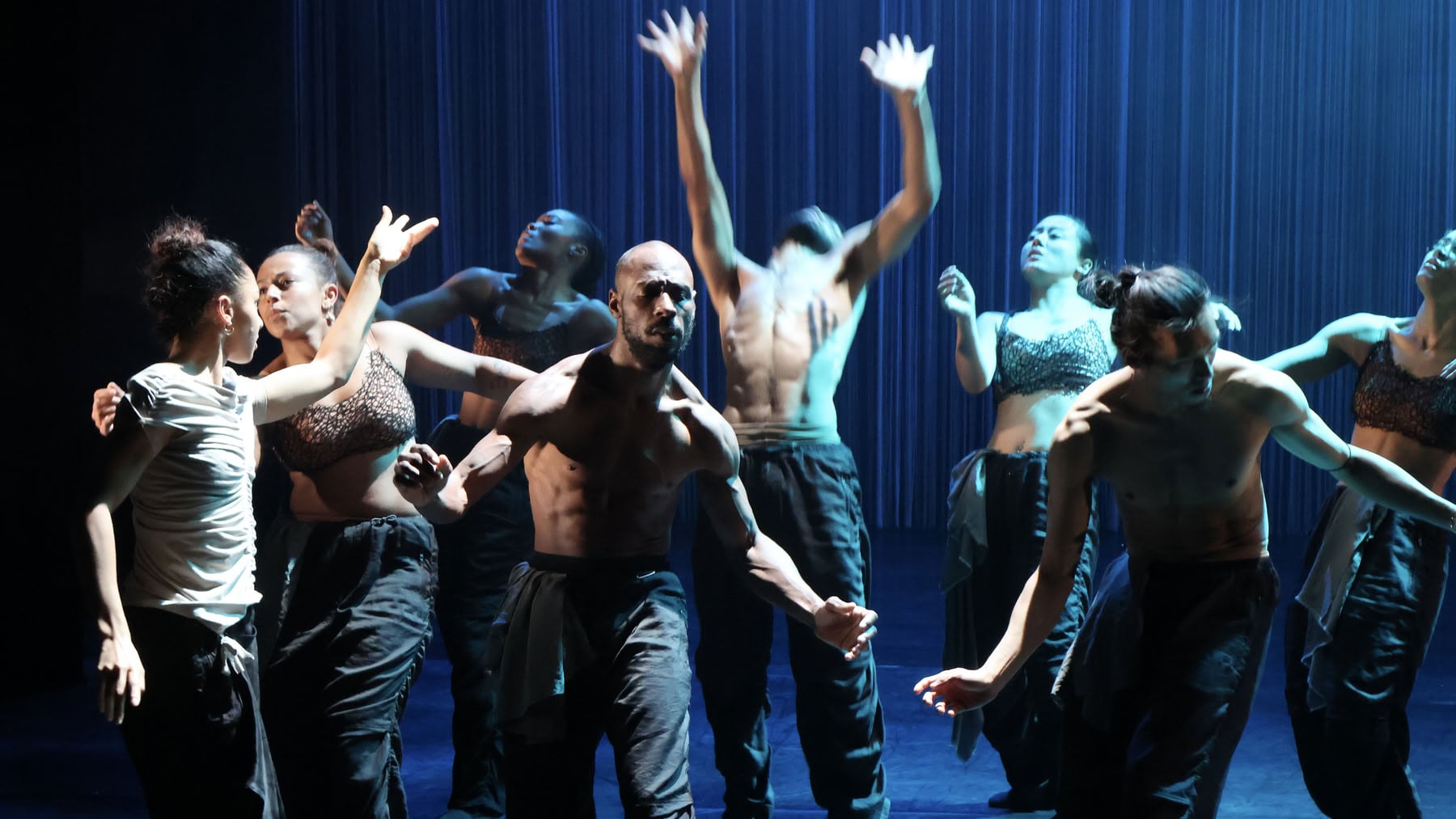
It seems a shame that the backdrop falls again, concealing the musicians as they continue to play. Mbi himself composed the music for Tellus, and it’s excellent; with live music such a rare treat in contemporary dance, their retreat feels something of a loss. In a similar vein, the dancers increasingly perform together as one, a fusion of styles rippling through the group, somewhat homogenised. Whilst the unison generates considerable power, the richness of the individual skills within this group, whose heritages and practices reach across the globe, is partly lost; there’s a danger that they become a corps when, as soloists, they have much to offer. Nonetheless, with increasing urgency, the dancers generate an almighty, spine-tingling crescendo together, an impressive, euphoric spectacle that sees the full company sweeping across the stage. It’s breathtaking.
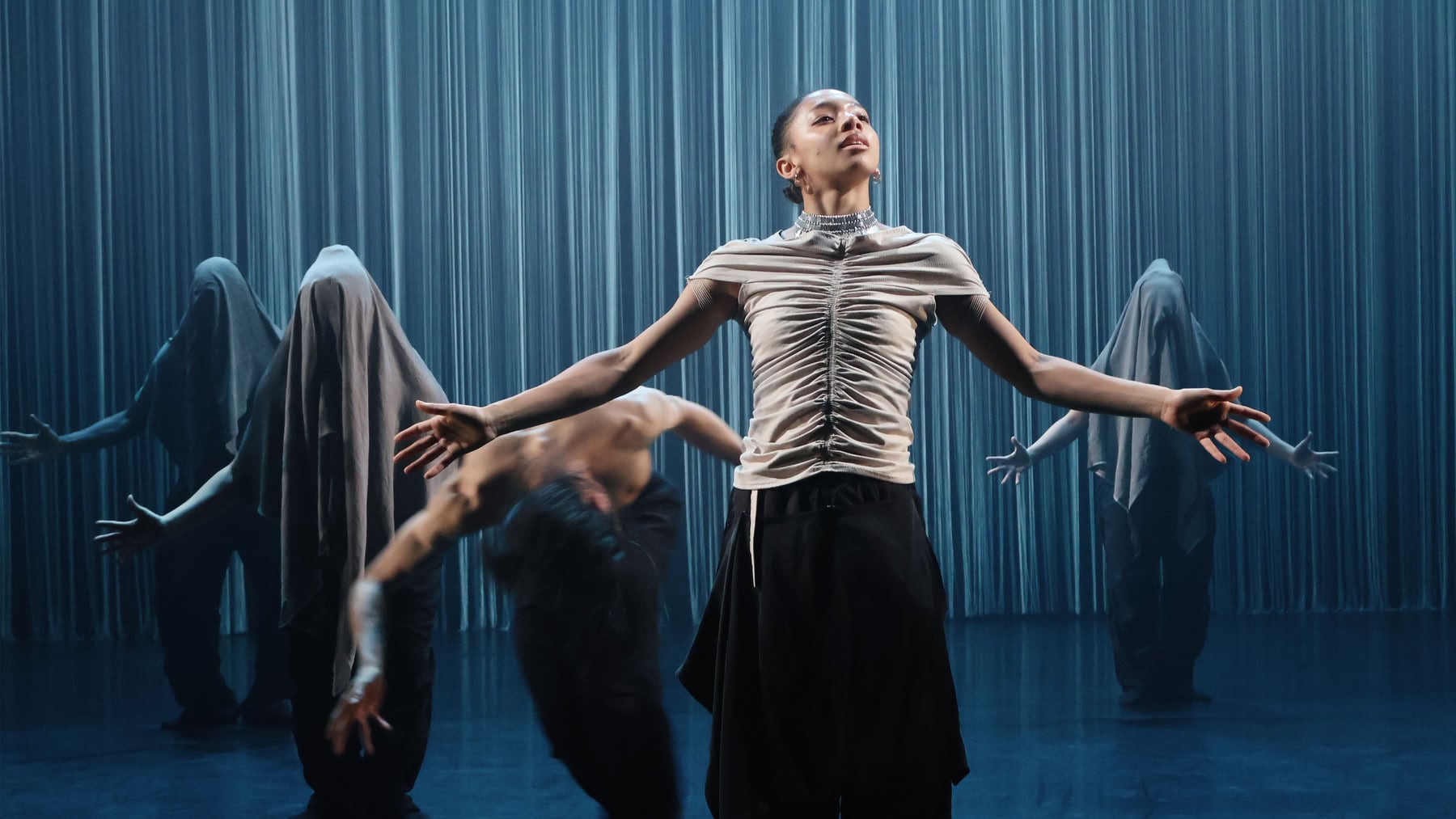
Our hero is able to come to the natural conclusion of his journey, making his peace with nature and the goddess that has guided him. I think. This elegant ending is told through his interaction with a beautiful, huge animated silhouette projected on the backdrop. As he reaches out to touch her, childlike and humble, she dissolves into a million pieces, a lovely moment. But then a gauze drops for a plethora of fast-moving animations – a forest, a storm, an upside-down tree suspended above the stage; it’s a surfeitof imagery that confuses things.
I’m aware, listening to Mbi talk after the show, about the process of making this work, that when the stars align and the creative process involves some of the most talented people in the country, there’s a high risk of over-egging the pudding. The UK funding system makes it incredibly difficult to sufficiently resource a work of this scale and ambition on a reasonable timeline, and I understand and respect the desire to create something spectacular when the opportunity presents itself. There’s no denying the weight of expectation on this young company and its award-winning director, no underestimating the degree of tenacity and miracle-making it has taken to bring a vision like this to premiere, and no dimming the reality that, in Tellus, Mbi and his team have created a truly exhilarating experience. Only time will tell whether it’ll live on in my memory in the same way that the dancer Mbi has.