Interview: Choreographer Dickson Mbi on Tellus, an ancient story for modern times
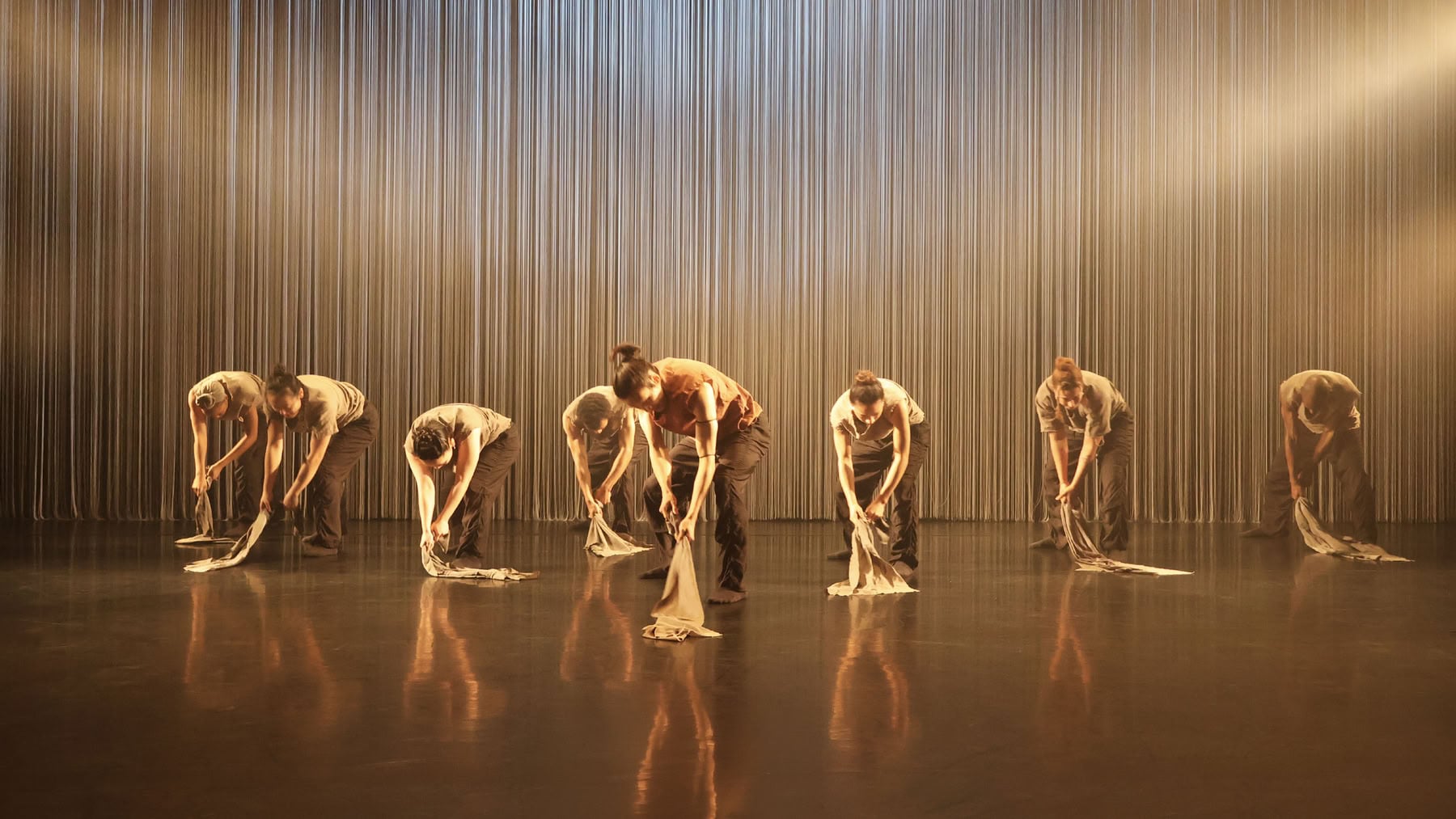
A bedtime folk tale about the river goddess Mami-Wata, a drought-struck Africa and the death of a mentor lie behind Dickson Mbi’s Tellus, at Sadler’s Wells East from 21 October.
Back in 2023, when Dickson Mbi thought about a bedtime story to read to his infant son, he turned to a folk tale learned from his own parents, retold from their African culture, about a woman who appealed to the river goddess for water during a time of drought. Little did he know that this was to become the inspiration for the dance theatre of Tellus and a percipient foreboding of the forest fires that have dominated the headlines in Europe over the recent Summer.
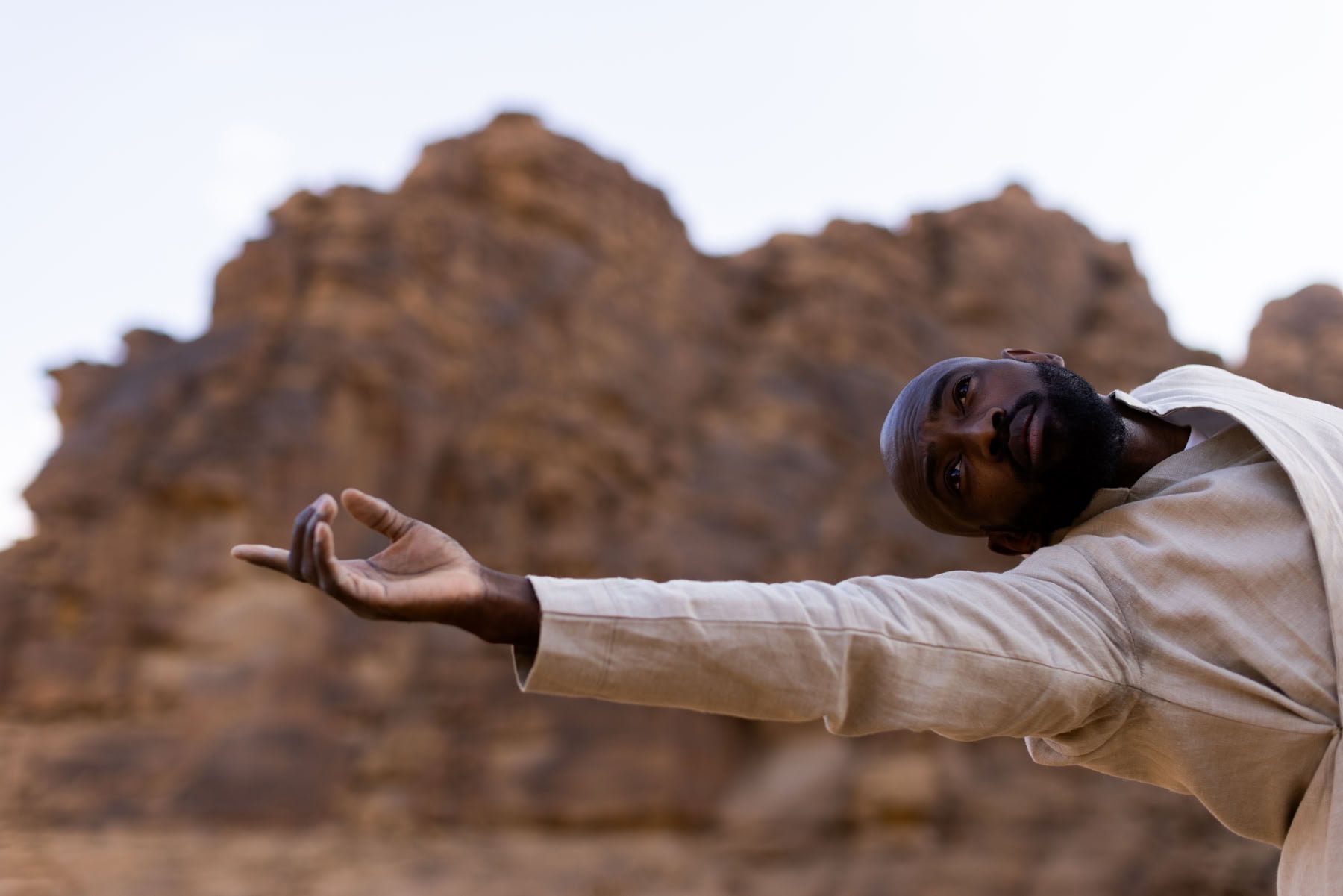
“At that time, a lot was happening in the world and there was serious drought in Africa. I felt bombarded by this information,” Dickson told me when we met to discuss the origins of Tellus. “It was overwhelming but then I had to take care of my son and help him get to sleep.”
In finding the methodology to help his son sleep, music came first. “Certain melodies came to me and that led to my memory of the folk stories that my parents used to tell me and one of them was about Mami-Wata. If people had a problem, they would go to the river leaving gifts and asking for help, and Mami-Wata would answer their call.”
Versions of this folk tale exist all over the world. “In Haiti, they call the goddess La Sirène and similar deities exist in many Latin American cultures,” Mbi explained, adding, “but they all represent it in different ways. She might be the soul of the land or a demonic entity, but I wasn’t interested in these differing interpretations, just how I might be able to connect to this cultural landscape and pass it on to my son. Climate change, drought and forest fires were on my mind, and I was thinking how am I going to raise a son in a world where this stuff is happening.”
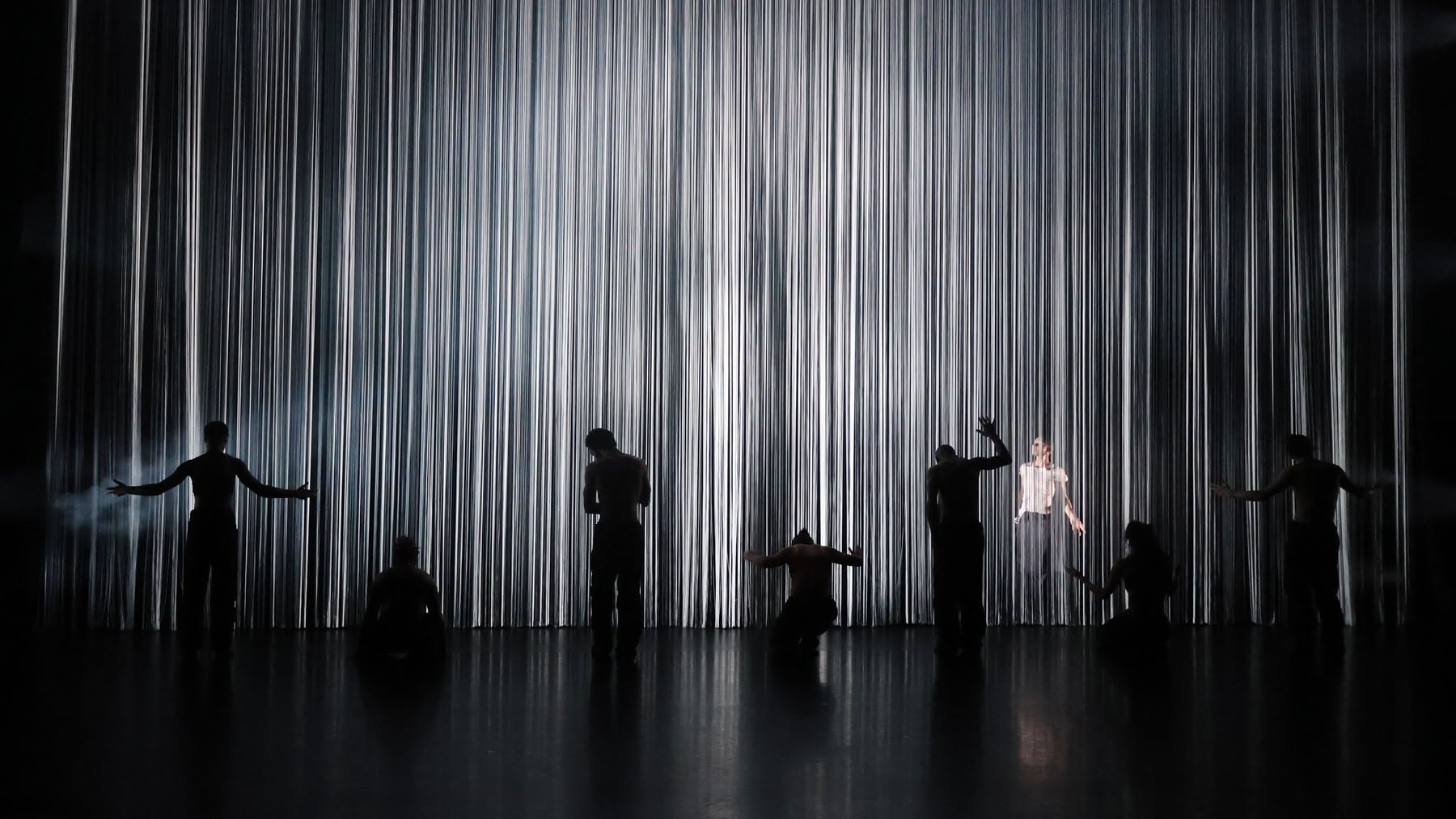
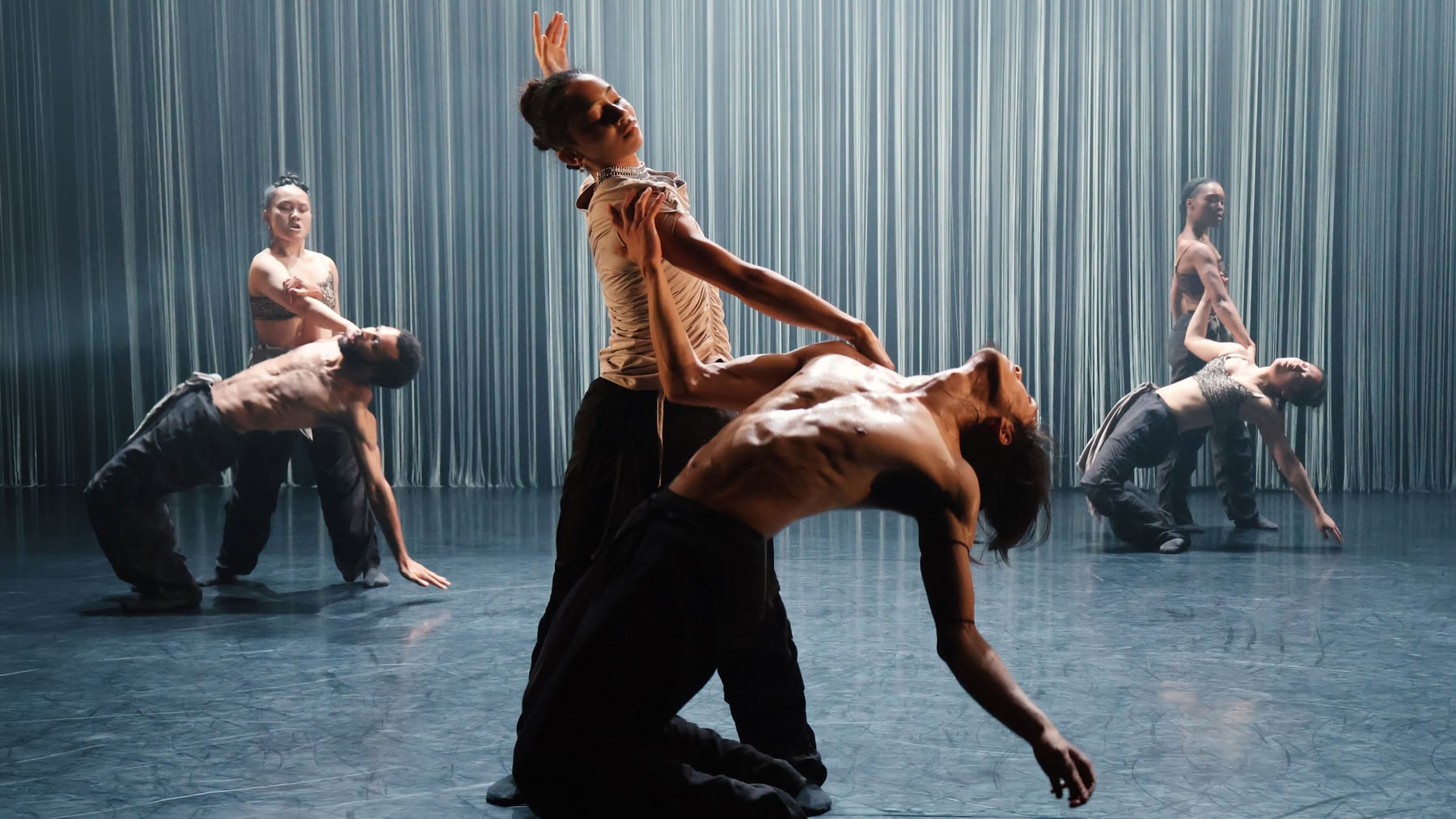
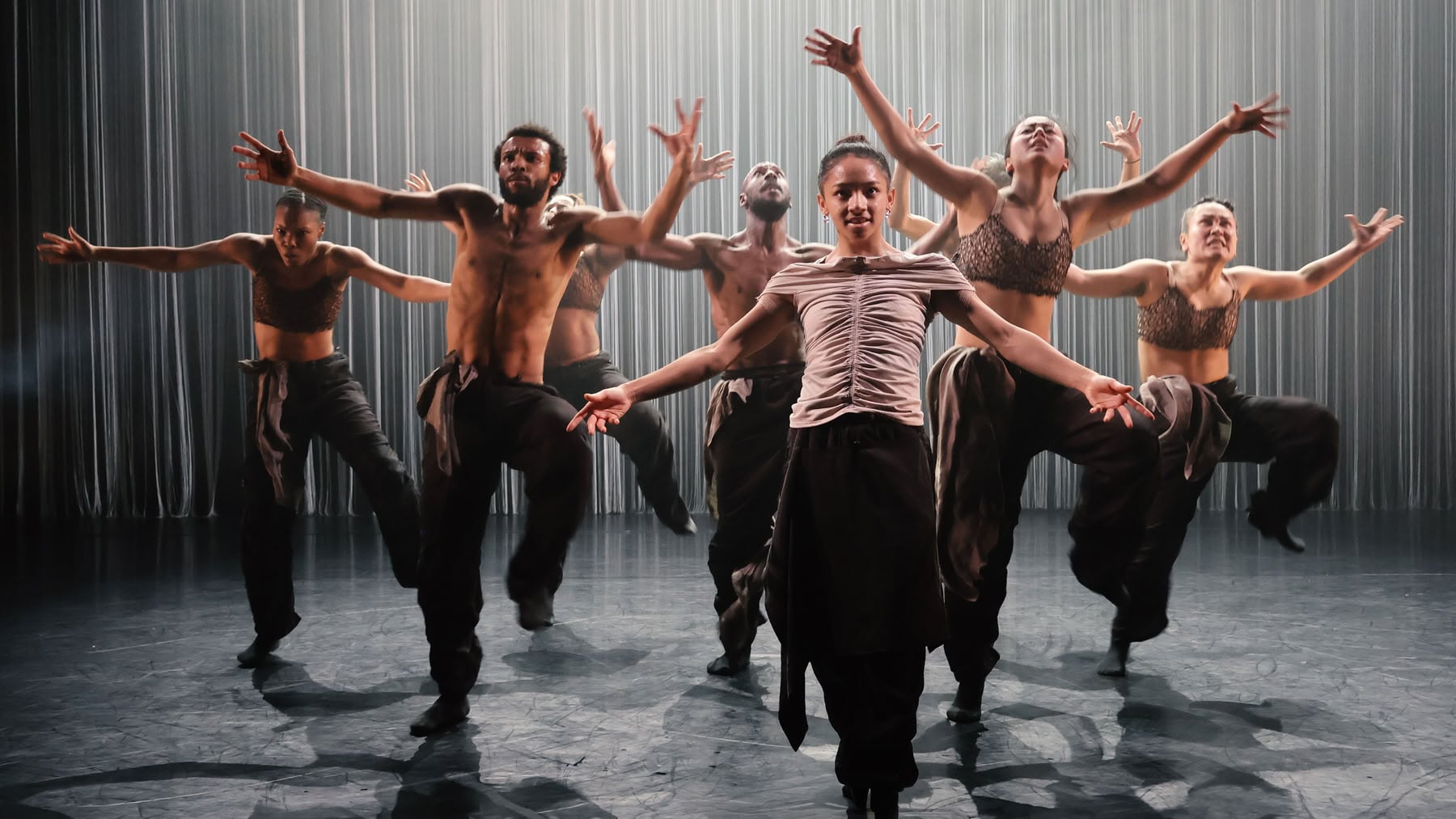
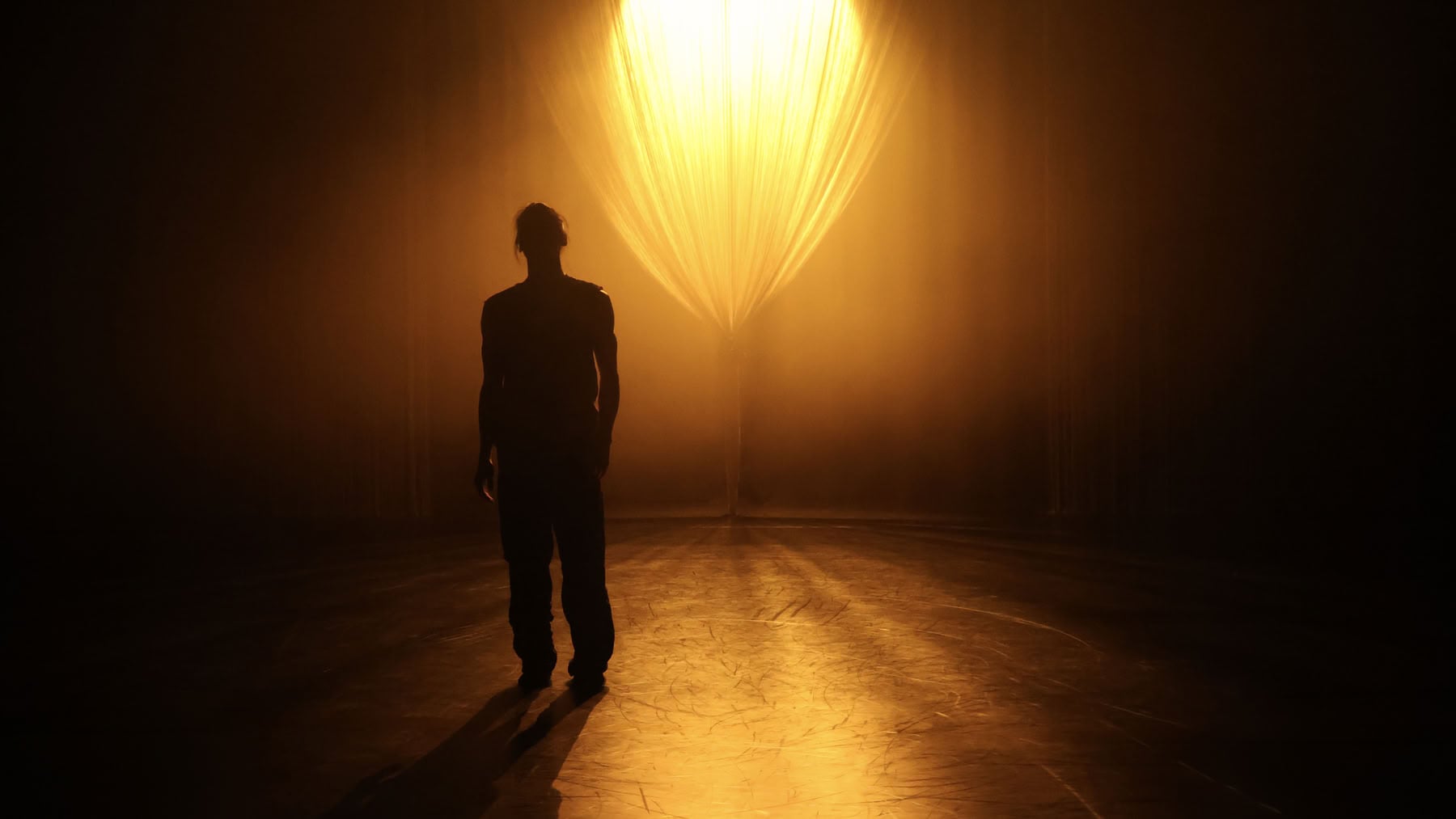
Mbi realised that his ability to make dance and music was the best way to respond to this global climate emergency and that’s where the story of Tellus started. “Climate Change is crucial, but I didn’t want to focus on that; my biggest thing was to concentrate on the effect that it has on human beings. I live in England and I’m not really affected that deeply. I’m not in a village where people are struggling for food or water. But I have empathy for people with those troubles.”
Another inspiration came with the death of the dance sector leader Emma Gladstone, who had been an important mentor. “She was someone that I had respected for a long time who had helped me in my career.” When he heard the news, Mbi’s emotional response was to imagine another melody. “I just couldn’t cry but that melody brought me solace.” He started to write these tunes down and they have found their way into the music of Tellus.
Music always comes first to Mbi. “Whenever I have a conversation with someone, whether positive or negative, melody usually comes to me. A lot of my music is very dramatic and emotional. I’m not so concerned with writing something that is interesting in terms of, for example, instrumentation. I don’t really care so long as it makes the listener feel something.” He used the pandemic as a space to learn how to write and orchestrate music and the confidence to score his own choreography – as in Tellus – has grown. The music I write is not just for listening,” he explained, “it’s made for you to listen and see, through imagination.” The vinyl album for Tellus is released on 23 October.
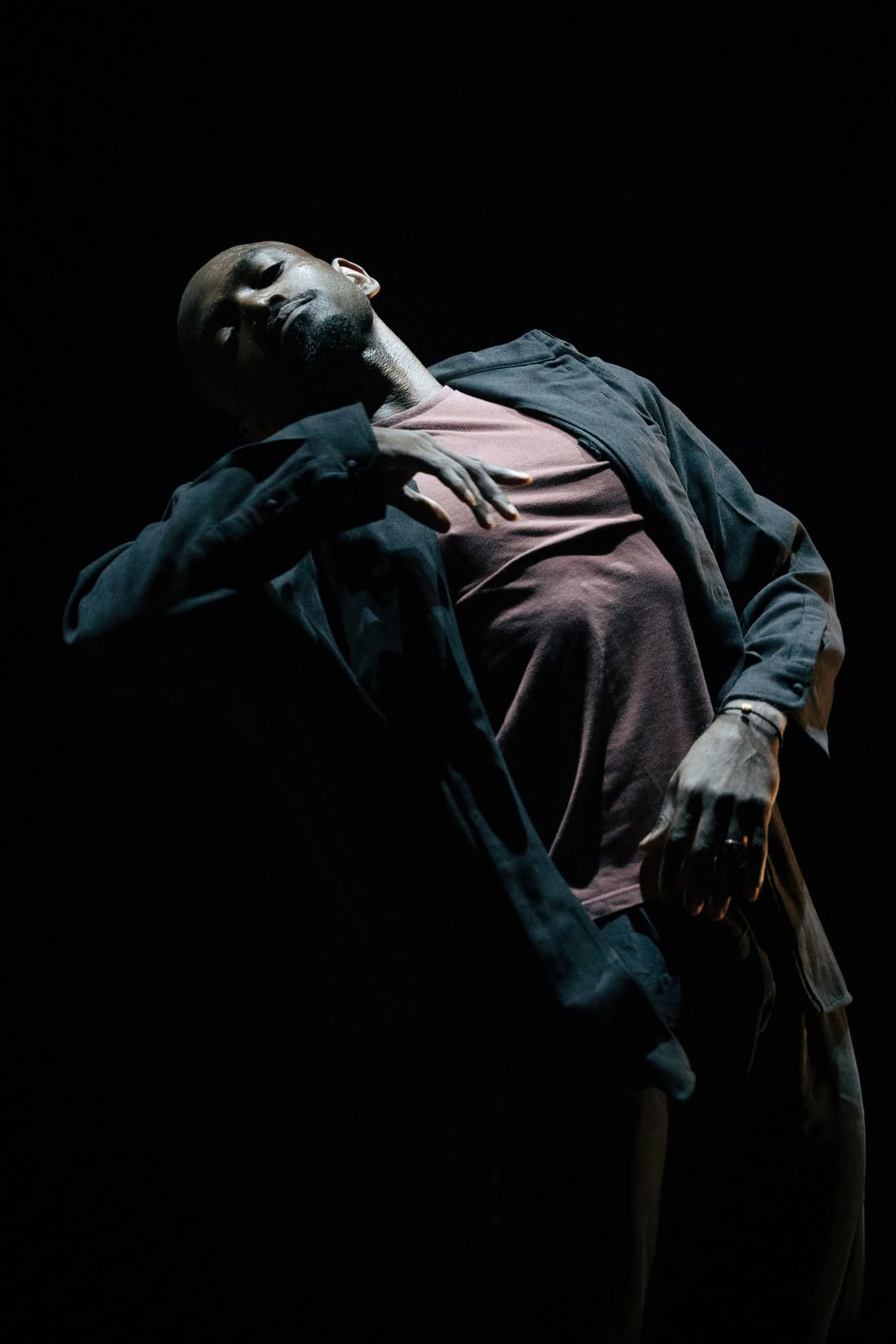

Few have made a similar choreographic journey. Mbi started in the world of street dance, moving to contemporary dance at The Place and spending eight years being mentored by Russell Maliphant. Now he can be found creating work for ballet companies: his Twice Born was created on Scottish Ballet in 2023. “Russell inspired me to think about organic movement, natural flow,” he explained, adding, “street dance gave me my voice, and it still inspires me and contemporary dance gave me the tools.”
Mbi took the concept of reconnecting with the spirit of Planet Earth to the writer Nick Drake, and they developed the narrative for Tellus together, beginning with a forest fire that wipes out the village and leads to drought with the survivor (whom we encounter lying on the floor at the beginning of the work) evoking Mami-Wata’s support to get water.
Mbi is keen to put the folklore into context. “I’m African but I’m from East London,” he explained with a grin. “We don’t pray to the goddess of water in Dagenham!” In connecting to this spiritual side, he asked himself why the goddess should respond to people in the modern world who no longer pray to her. This is why the goddess rejects the first approach in Tellus, and the survivor has to reconnect with the ancient spirits to come to an accord with the goddess and bring on the rain.
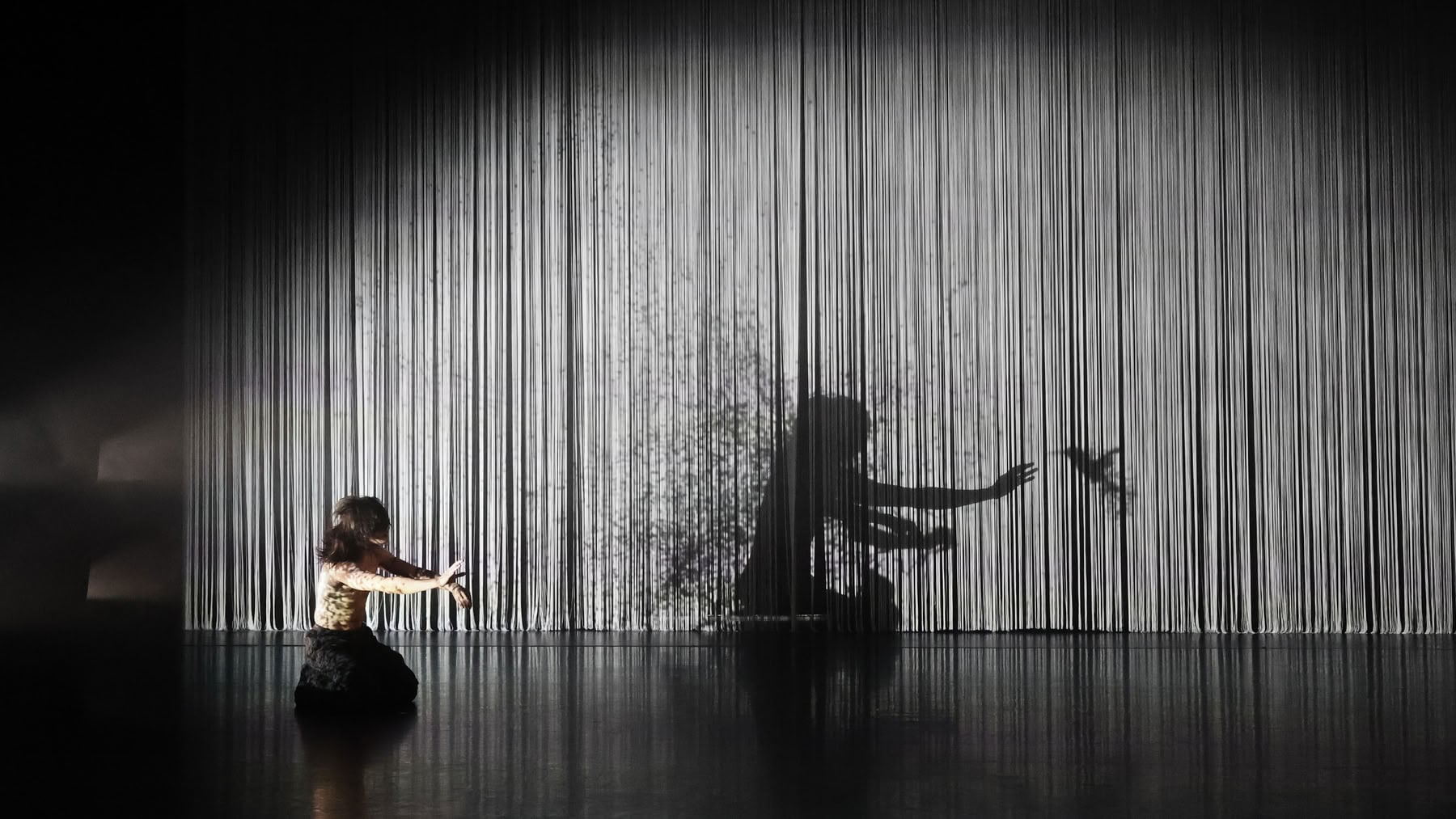
Although climate change, forest fires and drought are serious matters, Mbi always remains conscious of his obligations to the audience: “It’s important to create a show that everyone can enjoy rather than requiring that everyone understands it. I honestly don’t care if people understand the message, but I want them to feel and enjoy it, whether it’s the visuals, the dancing or the music.”
In 2026, wildfires have come to England, Spain, France and elsewhere across Europe, making Mbi’s story even more of a current issue. “I realise that a lot of people are not interested to talk about climate change and my concern is to stress the effects that it has on human beings. There is a family at the core of every statistic about homelessness and death. In my work, I’m allergic to preaching. All I can do is show a reflection of what I am thinking and hope that the audience will feel something from that.”