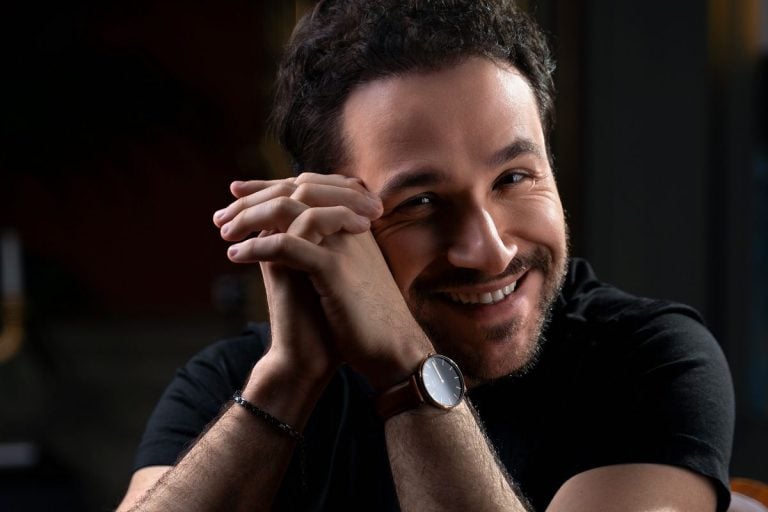
Robert de Warren’s My Life in Dance: a ballet director’s memoir, from a scooter in Montevideo to Fonteyn, Nureyev and La Scala

A cousin’s slap on the behind, Fonteyn asking the new boy to check her attitude, Nureyev trying on kilims in a Milan carpet shop: de Warren’s anecdote-rich memoir is plain-spoken, generous and often very funny.
Robert de Warren’s My Life in Dance (Kindle Direct Publishing, 2025, 434 pages) is not a book that sets out to be literary. It is something rarer and, in its way, more useful: the unvarnished testimony of a man who spent six decades in the wings of the ballet world and kept his eyes open.
Robert de Warren (b. 1933) – “Bobby” to friends – danced with the Royal Ballet under Dame Ninette de Valois, worked in Stuttgart and Frankfurt, ran the Iranian National Ballet at the Shah’s request, directed Northern Ballet Theatre, spent a turbulent stretch as ballet director of La Scala, and finished in Florida at the head of the Sarasota Ballet. The memoir is structured, appropriately, as a ballet in five acts, with an overture, a finale and an appendix listing his own choreographies.
He is candid about his method from the first page. “These are my memories, from my perspective,” runs the note before the title page, “and I have tried to represent events as faithfully as possible.” In the Overture he asks the reader to “try to place yourself mentally in the moment in my life that I am relating – my age, my experience and my passion as well as my weaknesses and uncertainties.” That is a fair description of what follows. The prose is plain, courteous, occasionally stiff, and then – quite suddenly – very funny.
A Uruguayan childhood and a scooter date
Act I covers 1933 to 1957, and its first great set piece is a love story.
De Warren grew up in Uruguay and Argentina, the son of an Anglo-Irish father who died young and a mother whose Victorian snobbery he renders with some relish. His great-grandfather was Master of the Emperor’s Music to Peter II of Brazil; his cousin was the actress Martita Hunt, who gave him the single most useful piece of stagecraft of his career. Over dinner at her house he offered a recital of Aegeus, “gentle king of Athens”, from the Medea he was studying, to help her advise him whether to act or dance. She pulled him upright by the shoulders, slapped his behind and declared: “whether you act or dance, zee coccyx in and zee cock is out!” “This image,” he adds, “remained present throughout my career.”
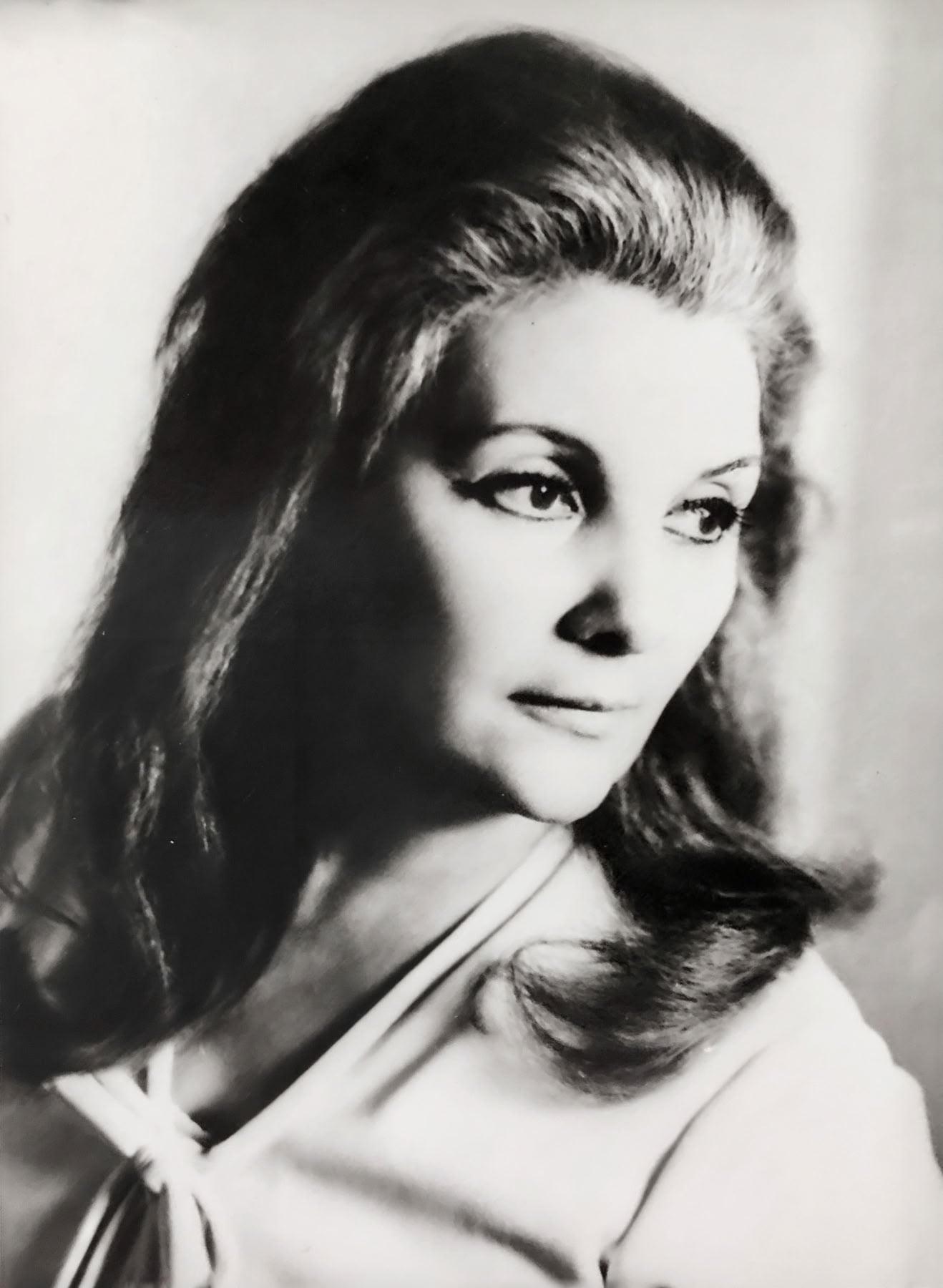
At the barre of a Montevideo studio he fell for a new student, Jacqueline, by simply lifting her foot on to it. She said, “Comme vous etes gentil.” “I fell in love!” For their first dinner he dressed in his best suit, cleaned his scooter and rang her bell at eight precisely. She emerged “a vision wrapped in grey squirrel and high heels”, having expected a car, and climbed on the back anyway. He told her to lean “as if dancing a tango”.
His mother was less enchanted. Having heard of the woman in the fur coat on the scooter, she delivered her verdict at the breakfast table. “French!” she exclaimed, her voice rising an octave. “I thought I had made myself quite clear that you are not to mix with the NATIVES.” (The capitals are the author’s.) It is characteristic of de Warren that this scene, which could so easily have been bitter, is told with a wry eye.
Jacqueline is the quiet heart of the book. When she moved on to a company in Uruguay and he to London, he composed two letters – a proposal and an ordinary reply – sealed them in identical pale-blue envelopes, shuffled them with his eyes shut and posted one, leaving the decision, as he puts it, to “the hands of destiny”. Only afterwards, in his room, did he open the survivor to find out what he had done. “I sighed in relief when I saw my proposal had been mailed!” Her answer arrived by registered airmail: “Of course, YES, YES, I will marry you!” The final chapter, a tribute written after her death in 2016, is among the most moving pages in the book. He credits her with an “intuitive understanding of the character of those she met” and with turning “Madame Jacqueline” into a sought-after coach. “Thank you, Jacqueline,” it ends. “You remain a constant presence in my life.”
Their journey to England has its own comic coda. Told the wrong sailing time, they wandered Vigo buying olive oil and heard a ship’s horn an hour early. The liner had left. The immigration officer wrote in their passports “In transit for having missed their ship” and said he had heard of thieves and criminals “but certainly never of someone missing a ship”.
London: Goncharov, Fonteyn and “Madam”
Act II is the one that will most reward readers who love the golden age of British ballet. In London the young dancer studied with the exiled Russian teacher George Goncharov, whose corrections were delivered in an accent worth the price of the book. Goncharov yelled at him not to look like “Jeesus Kreist on zee cross” with his arms stuck out, and halted beside him to demand, “Vat you tink you are, a frigidere?” Whenever a Cuevas star was in the studio he would shout, “Vatch Bobinka, how he do!”
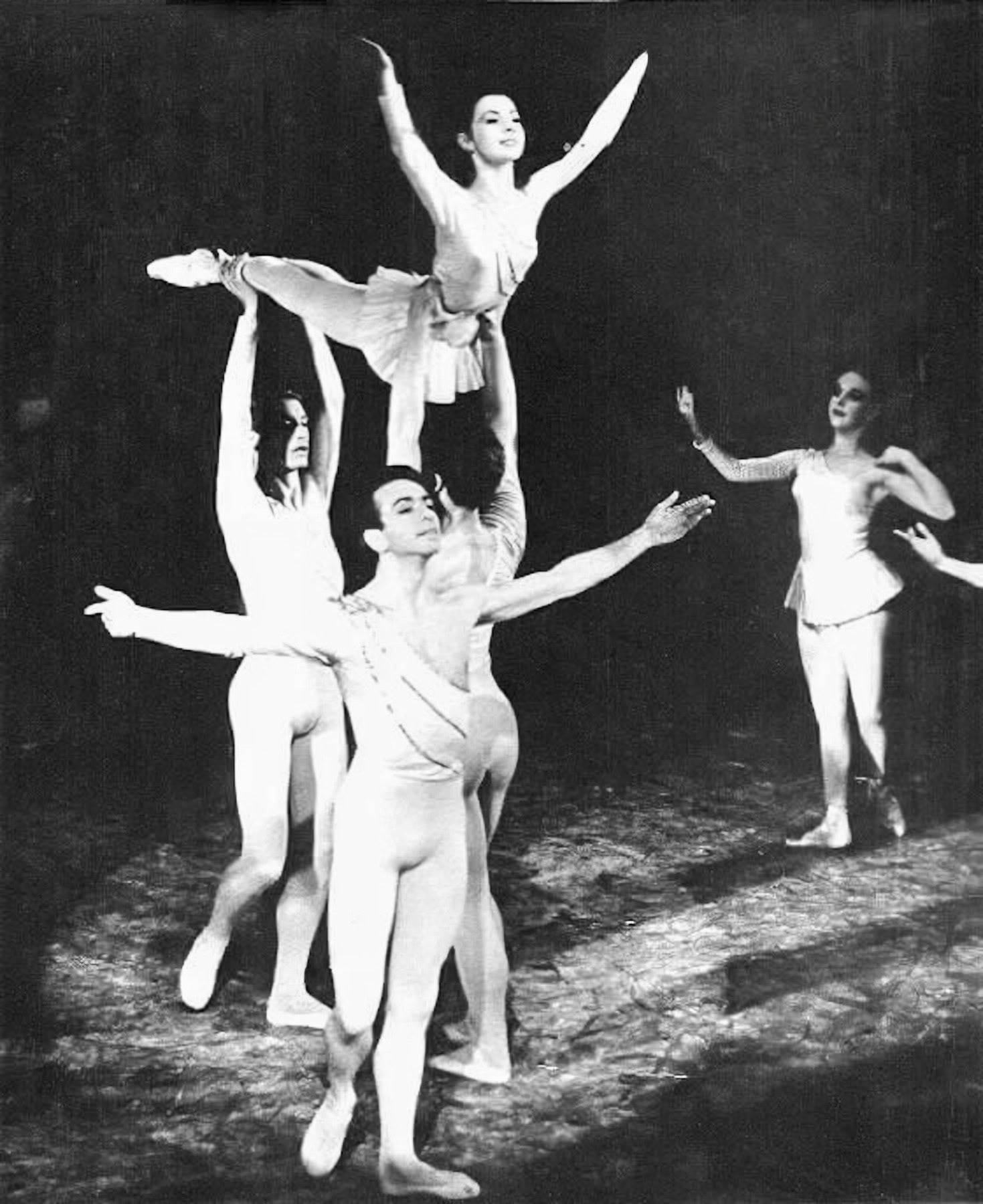
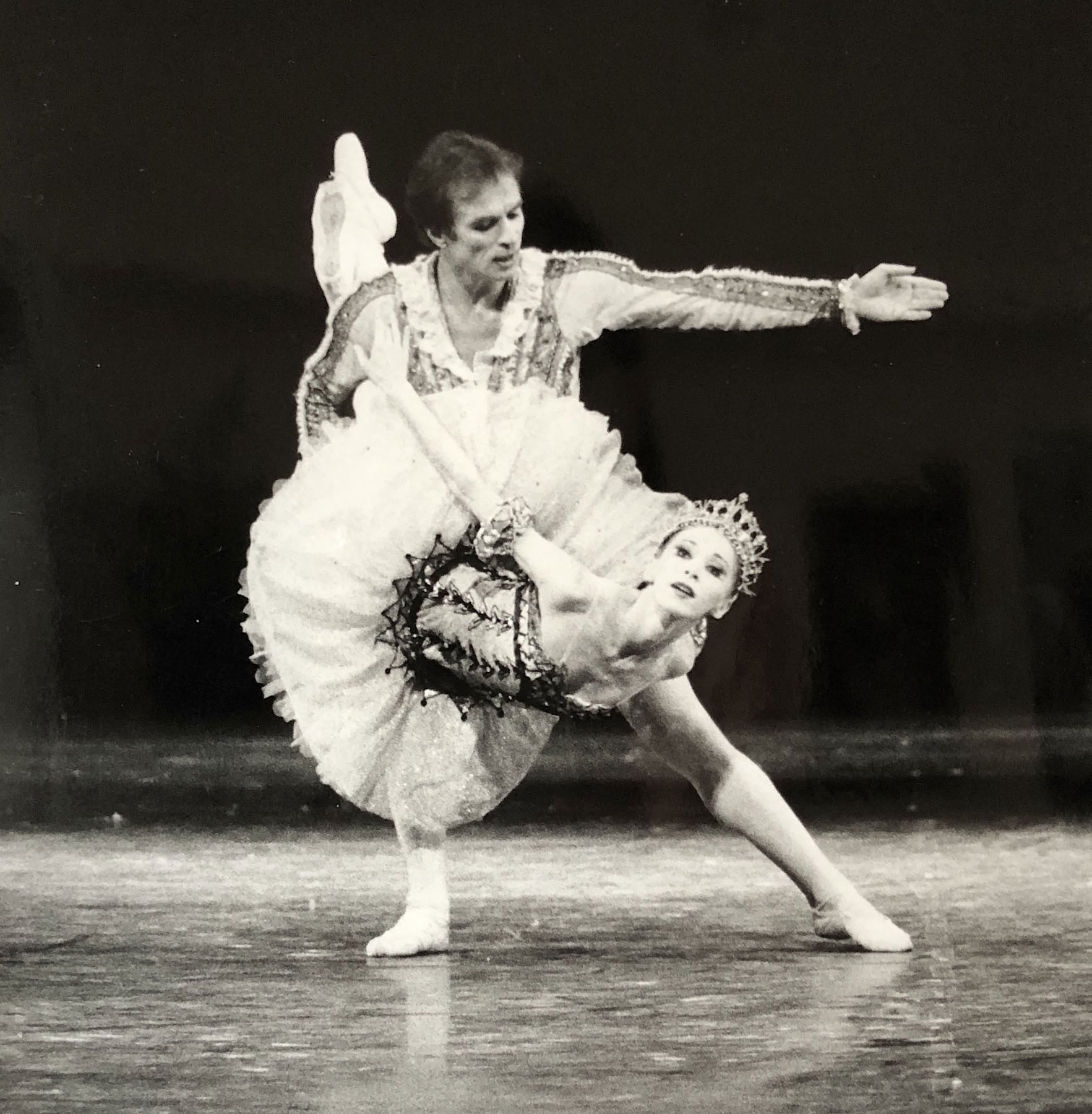
The Royal Ballet material is the heart of the dance history. On his first morning in the company nobody spoke to him until a voice said: “Robert, come over here and stand next to me.” It was Fonteyn. When the others had left, she stood on pointe at the barre and held an attitude – the Rose Adagio position – and asked, “Robert, I’ve seen you at Gonchy’s (Goncharov’s) and know you understand his teaching. Please, see if I’m doing this properly, would you?” “So,” he writes, “there I was, my first day in the Royal Ballet, correcting its Prima Ballerina.” It is a small scene that says more about Fonteyn’s generosity than a chapter of biography. Later he lifted her as a Water Sprite in Ashton’s Ondine and, nervously counting Henze’s irregular phrasing in the wings, missed his own entrance.
Ashton appears at work on La Fille mal gardée, turning to him and asking in Spanish for something to give a dance more life; de Warren suggested tours en l’air, and Ashton used them. De Warren is also amused that Royal Ballet dancers pronounced the circular jump manège as “menage”, “meaning housework”.
Madam herself, the formidable de Valois, is evoked in a handful of crisp lines. She told him, “Frankly, Warren I can always find dancers but ballet masters and choreographers are hard to come by.” She spotted a bad haircut and said, “Don’t kid me, young man. I can see your wife has had a hand in this!” (She was right: Jacqueline had cut it and left “a great hole”.) And when a dancer absent from class blamed a dead grandmother, she replied: “Young man,” Madam said, “to this day you’ve reported the death of three grandmothers. Can’t you find a better excuse?”
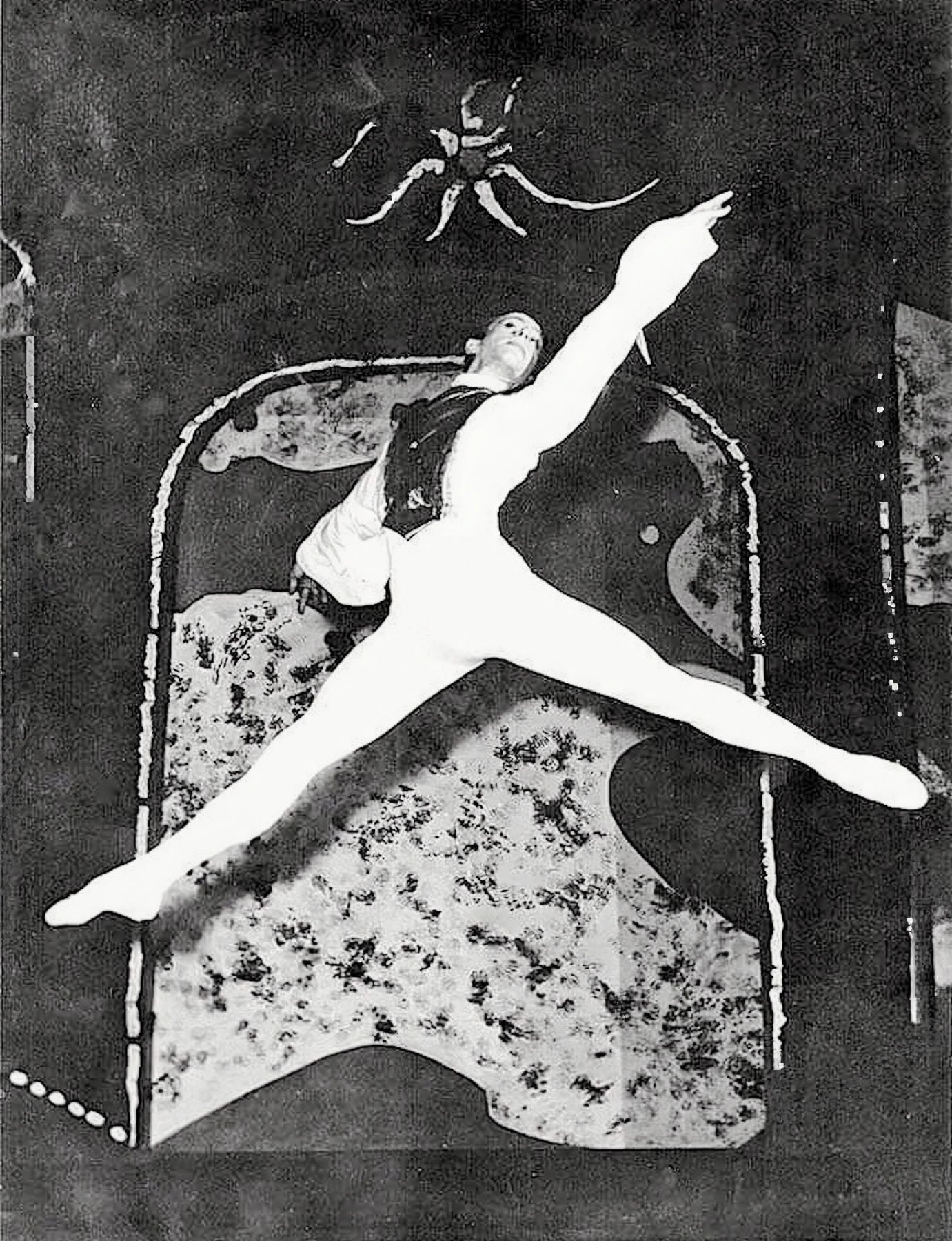
The career was also a series of narrow shaves. In Aida, the conductor Rafael Kubelik took a tempo “at more than double” what had been rehearsed, and de Warren turned his temple warrior’s hunting solo into that of “the hunted animal in aggressive self-defence”. His first choreographed ballet, Concerto, prompted the critic Clive Barnes to say he was “like a pilot jumping from his plane without a parachute”, while the American critic John Martin offered the more encouraging, “Young man, if you’d done this in New York, tomorrow you’d be a star.” A jealous colleague, to whom de Warren had generously given up a few performances on tour, lost control of a circling jump at the Oxford theatre, went straight over the edge of the stage and landed on a cellist. “Not only did he destroy the instrument,” de Warren notes, “but he also climbed back up on stage in an attempt to finish his dance.”
His account of leaving the Royal Ballet is self-aware in a way memoirists seldom manage. Impatient to dance principal roles, he wrote Madam a letter of resignation in the formula he had learned from his mother – “to present my irrevocable resignation” – and Jacqueline pleaded with him to write a warmer one. “All credit to Madam,” he writes, “who ignored the impoliteness and wished me success.” Eighteen dancers resigned that season for the same reason, and he likes to think the policy changed as a result.
Germany: Stuttgart, Frankfurt and sabotage
Germany brings darker and funnier episodes in equal measure. In Stuttgart he partnered the ballerina Xenia Paley in Swan Lake, an experience he recalls with a mixture of horror and comedy. She arrived at rehearsal swathed in woollens, held together by “a wide elastic belt with a large clawed buckle” that tore through his palms during a supported pirouette. On the night, the Swan Queen appeared “elegant in her beautiful silver tutu, but wearing bright purple leg warmers”.
More sinister is a night in Frankfurt when he danced the Angel of Death in Tatjana Gsovsky’s Orpheus and Eurydice and discovered, in the wings, that the exit stairs had been removed. Had he and his Eurydice left by the planned route, “I would have broken my legs in the fall.” He caught the stagehand by the neck and was told the order had come from “Herr Volk”. De Warren is careful not to speculate beyond the evidence, but the chapter reads like a thriller in a theatre.
Gsovsky helped dancers navigate the score with her own rhymes. “Apple pie, politzei, ein swei drei,” she would say. “That was her understanding of a score.”
The Shah’s ballet director
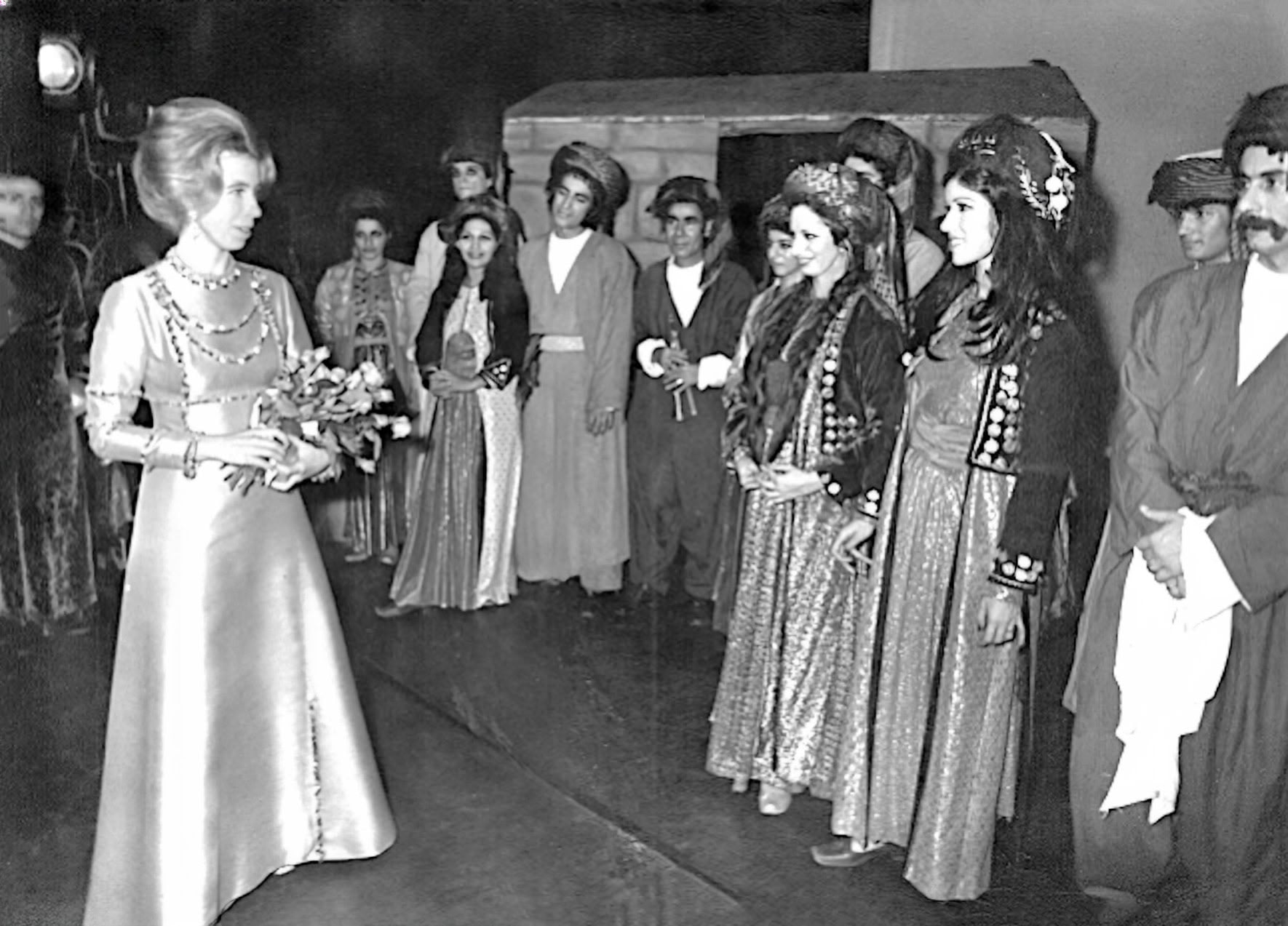
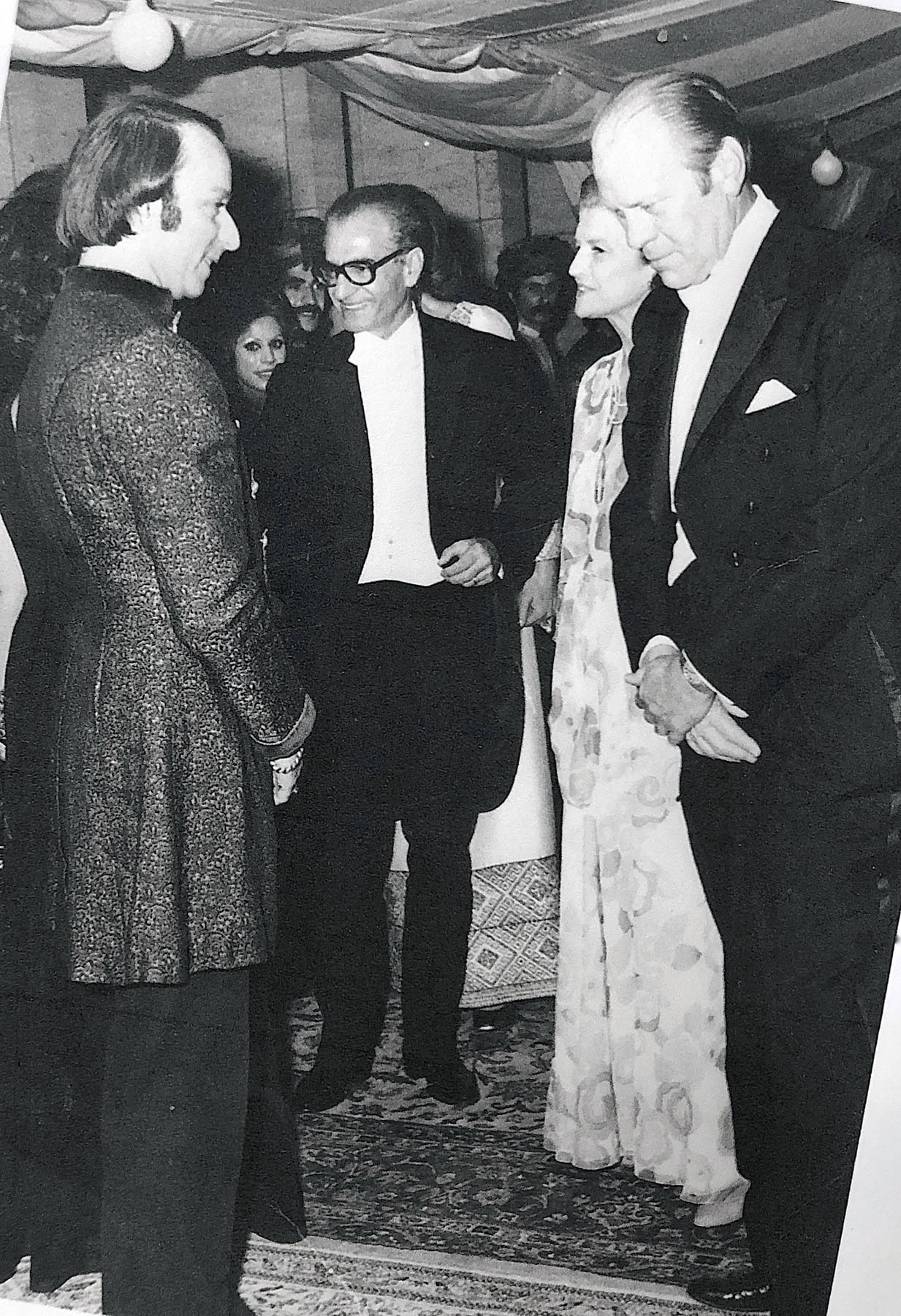
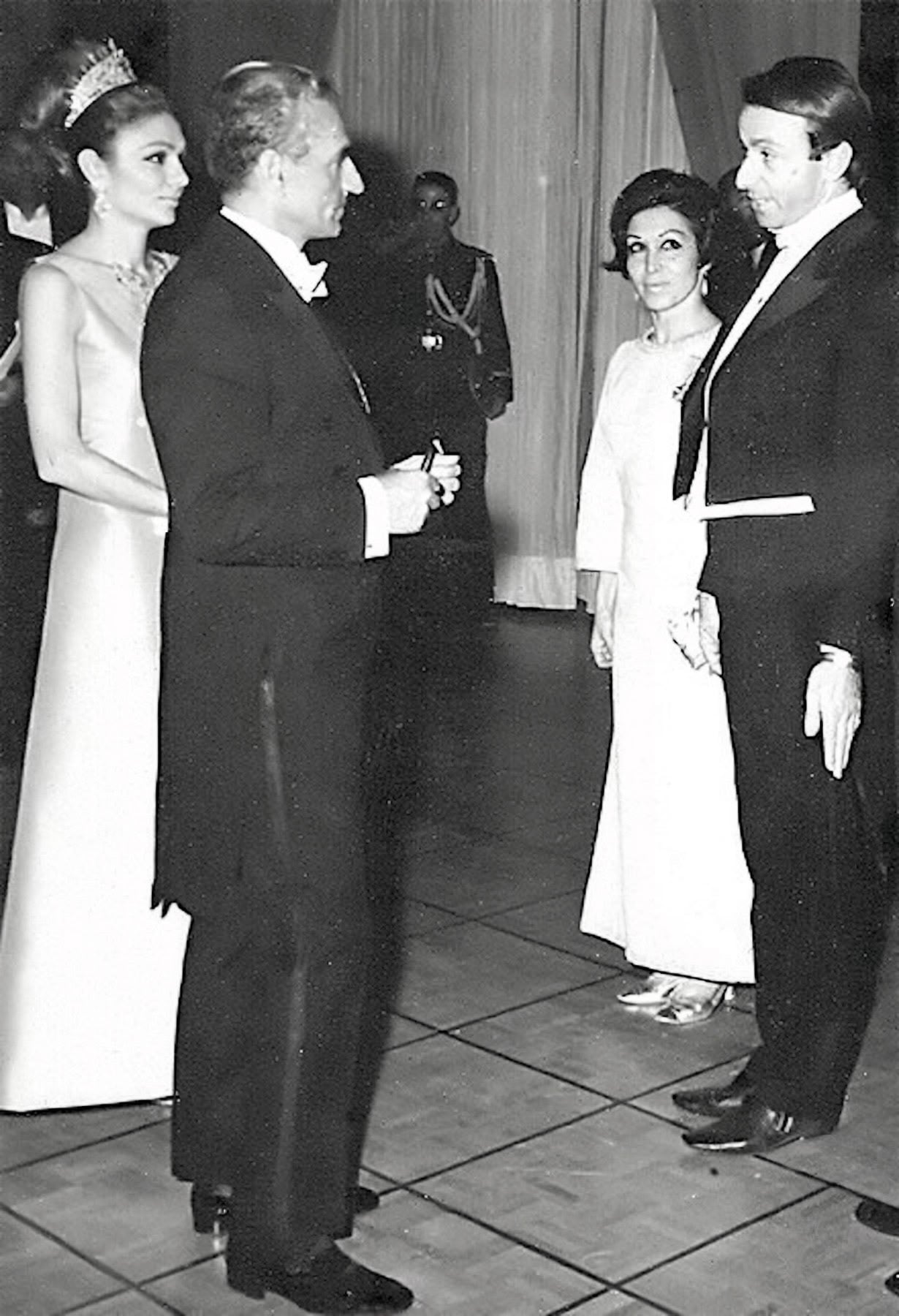
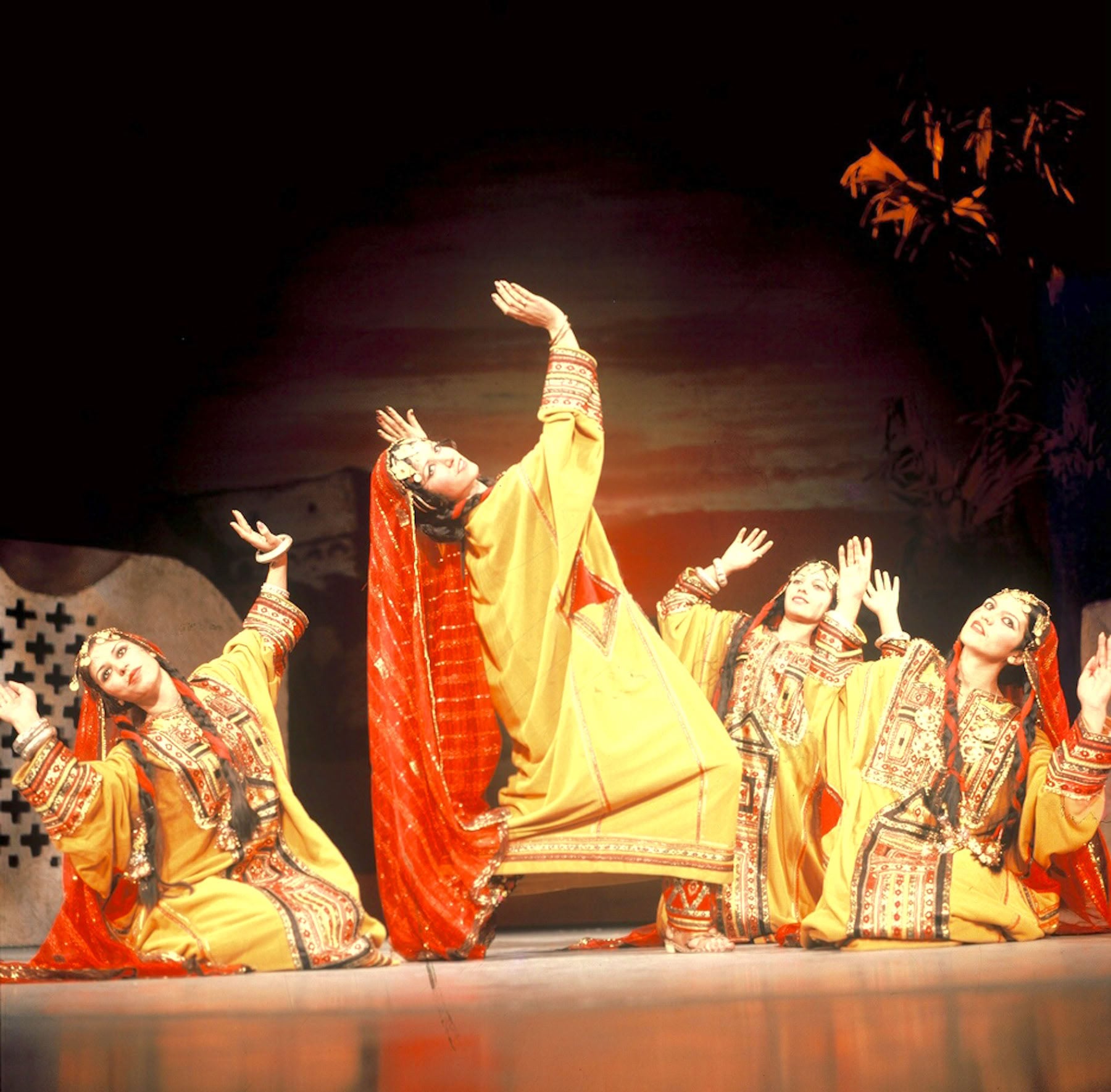
Act III, The Peacock Throne, runs to eighty pages, and for readers who prefer dancers to dignitaries it is the least gripping stretch. The invitation to run the Iranian National Ballet came from the Shah and Empress Farah, whose patronage he describes warmly. Royalty crops up elsewhere too: Princess Margaret was the royal patron of Northern Ballet Theatre, and at a Royal Command Performance in London de Warren and his colleagues watched Prince Philip engineer his salutations until he ended up behind Maria Callas, whose black lace dress had “a plunging back line reaching well below her waist”. The book is also, necessarily, the author’s view of the Pahlavi years: he says that “The Shah and Empress Farah had achieved great progress in bringing Iran into modernity”, and notes the institutions that closed after the Iranian Revolution in 1979 “as the new order sought to purge expressions not fitting within their particular interpretation of strict Islamic law”.
What is worth having from this stretch are the artistic projects and the incidental comedy. De Warren filmed folk dances on 8mm, commissioned a full-length ballet, Simorgh, with a score for ancient Persian instruments, and brought guest artists to Tehran. A male guest dancer arrived at immigration in a floor-length mink coat, with a patent leather handbag and his hair “neatly clipped like Leslie Caron”, and was promptly directed to the women’s search room. “The inspectors,” de Warren observes, “were having a private joke at his expense.”
Northern Ballet Theatre: the touring years
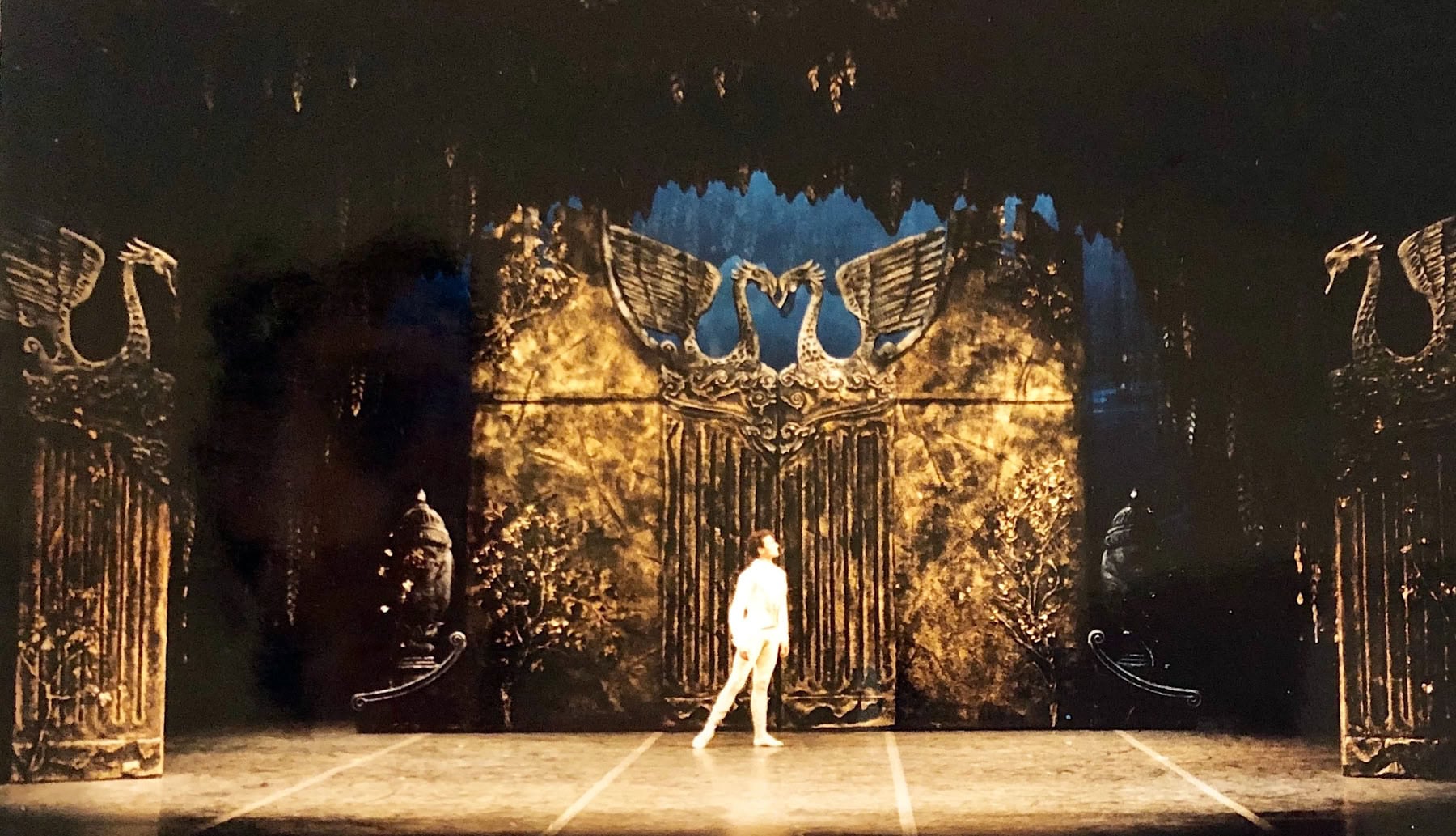
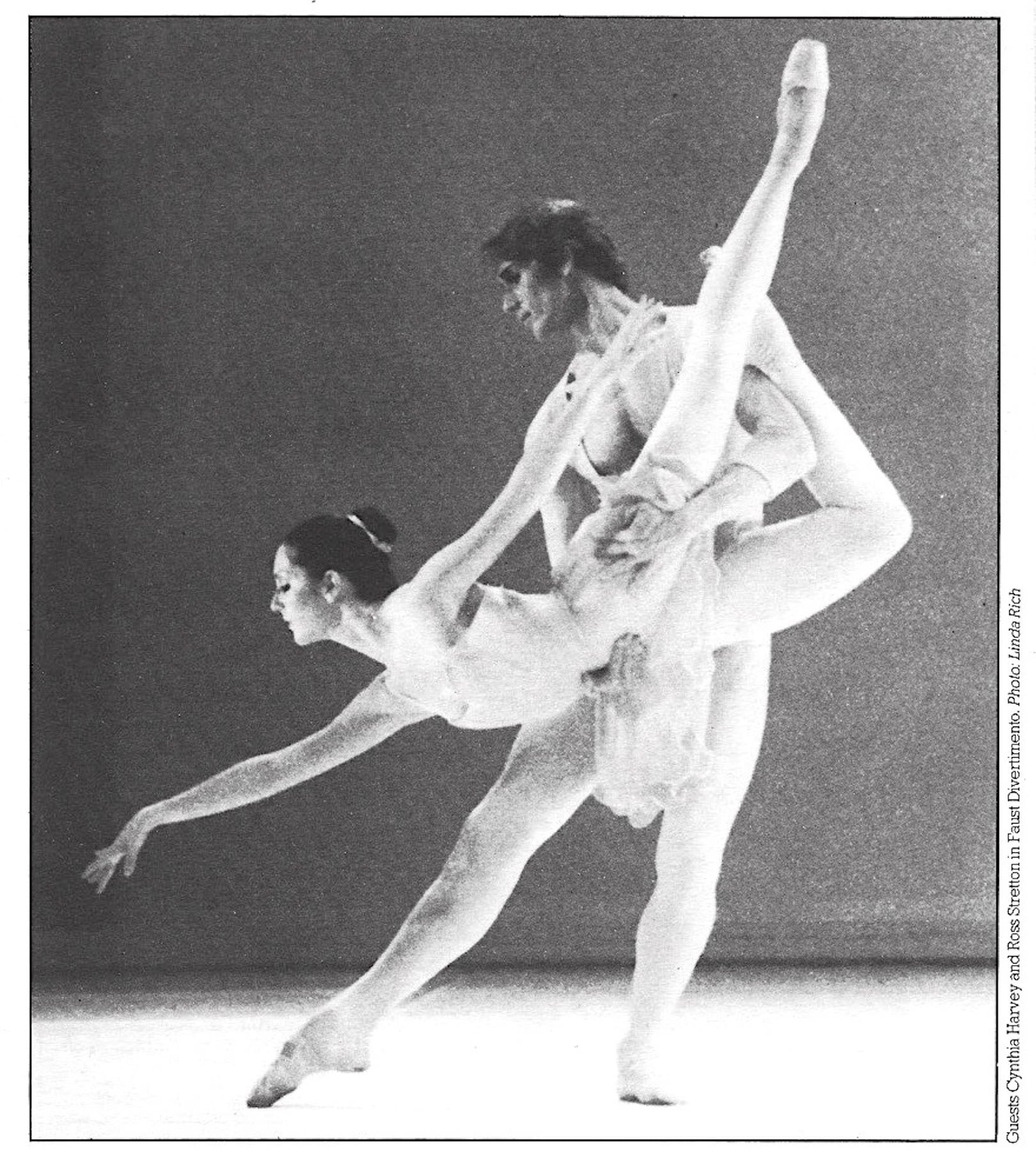
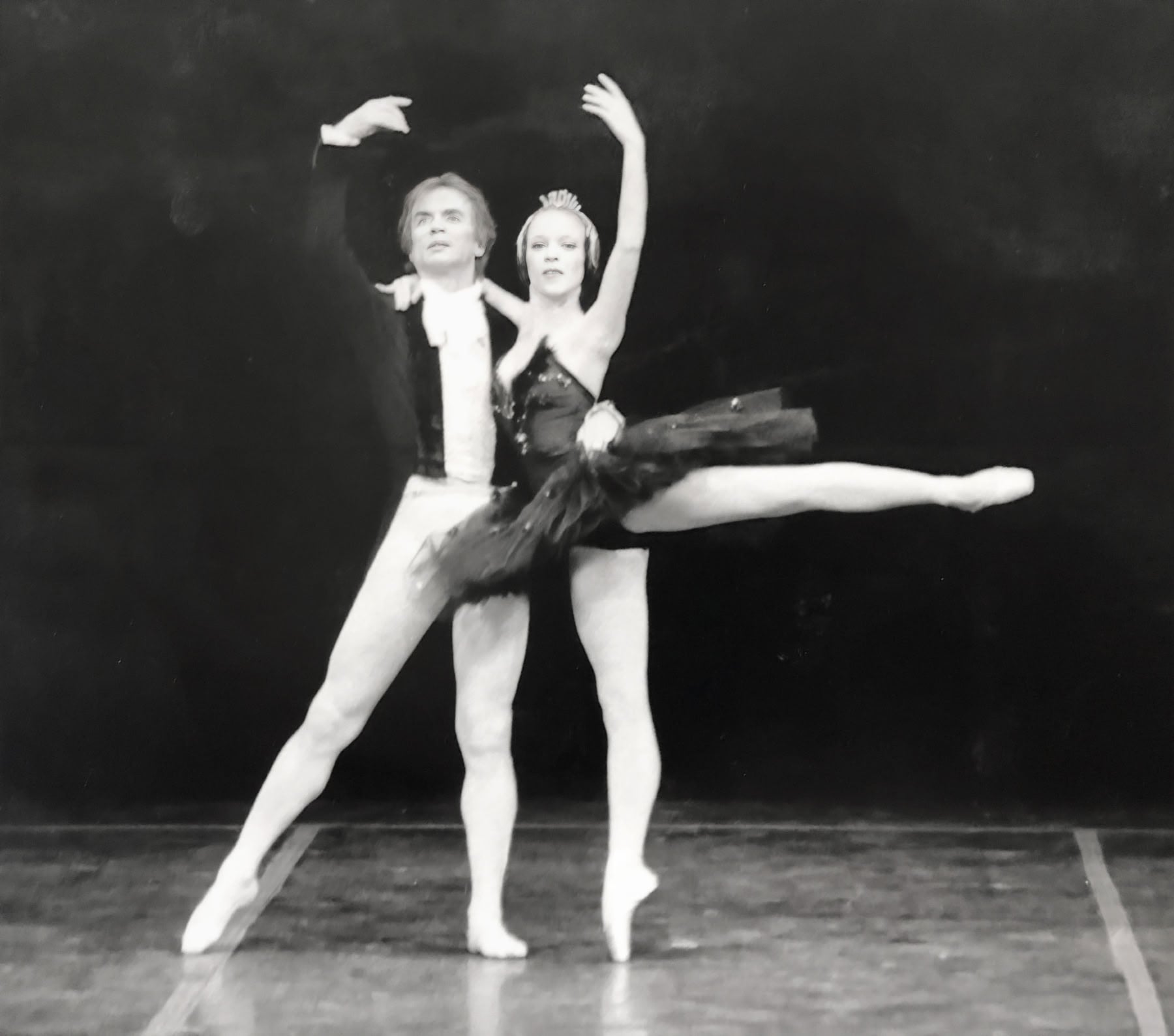
Between Tehran and Milan came the stretch of the memoir that is easiest to overlook. Back from Iran, de Warren took over what was then Northern Dance Theatre, backed by John Field, the Arts Council and the board. He renamed it Northern Ballet Theatre and began with a new Coppélia set in Lancashire, built around a clog dance he had unearthed in local folklore. “With time,” he writes, “we became the strongest touring company in Britain”: with a new executive director, Colin Bissett, the company was soon “performing nearly 200 shows a year” and even flew to Catania in a private aircraft, Bissett negotiating with “the difficult Italian unions” while Jacqueline interpreted at his side. Princess Margaret became royal patron, and Dame Ninette invited the company to a Royal Gala at Covent Garden. What he had absorbed in Iran fed into his Cinderella, set to Johann Strauss II’s Aschenbrödel, as well as Bolero and Carmina Burana, and he brought in Alicia Markova to coach Les Sylphides and Giselle.
Once, a snowstorm closed the Pennine roads from Manchester to Leeds, leaving a Giselle audience waiting for a conductor who never arrived. The orchestra leader suggested de Warren take the baton. “That night marked my debut as a conductor,” he recalls; “While conducting, I mentally danced every step as I had done before,” and the dancers “said they had never had better tempi.” The company’s fifteenth-anniversary Sleeping Beauty, with guests from American Ballet Theatre, Houston Ballet and the Paris Opera Ballet, marked, in his words, “the commencement of my association with Rudolf Nureyev.”
La Scala: Nureyev, Badini and the crespolini
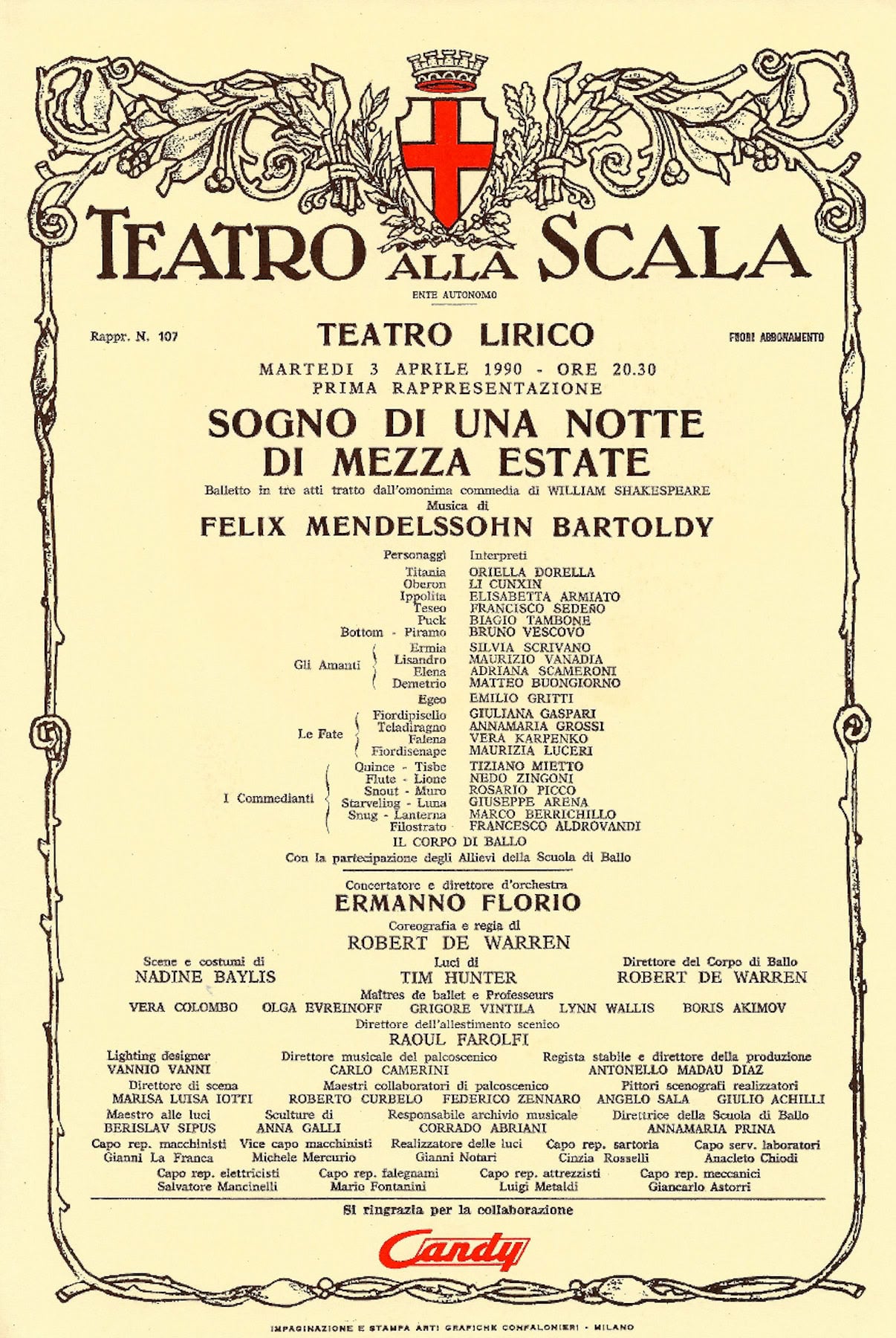
Act IV’s Scala chapters are the core of the book for readers drawn to opera-house politics. De Warren was recommended for the directorship of ballet at La Scala by Rudolf Nureyev. The theatre’s general director, “Mr Badini”, told him so with disarming bluntness: “Because, de Warren,” he said, “we wanted Nureyev. But he named you and now we want you.”
The Scala he describes is a place of operatic confrontations: Badini screaming at a department head in the Yellow Room to do everything “the Englishman wants”, in language so “florid” that the author declines to repeat it; a union delegate whose revenge extended to spraying “MUORI DE WARREN” – “Die de Warren” – in three-foot letters on the apartment building’s marble; and a rehearsal of Giselle, with Yvette Chauviré looking on, at which the same man arrived in giant bear-claw slippers and threw them at de Warren and Chauviré, missing them by inches. De Warren does not name him: “for I will not give him the pleasure of being named in my book”. It is, of course, only one side of a story.
Nureyev is the other presence. He appears as a friend, a tyrant and a child: telephoning at 5.30 am to demand an immediate departure, walking out of a lunch about his own tribute gala with a “va fanculo” to the organiser, and agreeing to be billed as “Artist Laureate” of Northern Ballet Theatre on condition that he never attend a meeting. After a night under de Warren’s roof he reports that he slept well, “except for your beautiful headboard that kept falling on my head”. The book’s late pages on his illness and death are brief and discreet.
Two longer anecdotes give the best flavour of the book: one involves scalding pancakes, the other Anatolian rugs.
The crespolini
Rudolf, hungry, had insisted that de Warren and Jacqueline slip out of a performance by the ballerina Carla Fracci a few minutes after it began, to reach the supper that was to follow it, in a penthouse above Milan’s public gardens. There de Warren sat beside the actress Paola Borboni, then past ninety, who walked with two silver-headed sticks. “A handsome young waiter whom no doubt Rudolf would want to marry immediately brought a silver entree dish of piping hot crespolini au gratin.” The young man bent over to serve “la Borboni”, caught his feet in her sticks and “as in a slow-motion film” the entire contents of the dish “were poured, like molten lava, over me”. De Warren sat “as if paralysed”. Rudolf’s eyes widened, and his brows shot up; Jacqueline, “as often in the past when faced with an emergency, saw the funny side” and was “desperately trying to control herself”. He dusted the pancakes off, declined an escort to the lavatory, inspected his blistered hand in the mirror, returned to the table and began dinner again. “I knew that Italians were amazed at this ‘inglese’ who, true to his blood, was the epitome of the ‘understated.’”
The kilims
After a “Nureyev and Friends” show in Bergamo, the company dined together and checked into the same hotel as Luigi Pignotti, with whom Rudolf travelled. “At 5:30 the next morning, my telephone rang,” and the dancer demanded to leave for Milan immediately, having convinced himself that Luigi had brought his secretary along for more than the press. On the drive back, the car would not accelerate; Rudolf kicked the dashboard; de Warren eventually found a safety key dangling behind the wheel. In Milan Rudolf leapt out near the Grand Hotel and disappeared. After a search, de Warren heard “Rudolf’s raunchy laugh” rising from the basement of an antique carpet dealer. There he was on a gilded Venetian throne, as a salesman unrolled Anatolian kilims at his feet. “Robert,” he called, “come here. Pick that one up and put it over your shoulders. Walk around and show me how it drapes!” They swapped places; Rudolf wore the rugs and bowed to his friend on the throne. “Where will you put them?” de Warren asked. “Oh, under my bed, then sometimes I’ll take one out and wear it for breakfast,” came the answer. Then Luigi arrived. De Warren braced for a scene. Instead Rudolf looked up and asked, “So you f….d her, did you?” The bill was about $70,000; the rage had “evaporated like the mist over a swamp”. The secretary, we are told, soon “was allowed to find employment elsewhere”, and de Warren still has his kilim.
Fonteyn reappears later, unwell, at a gala in Mantua with Nureyev and Fracci, with her husband, Roberto Arias, paralysed since a shooting in Panama; “Only Margot, dedicated to him, had learned to understand him and communicate.” It is one of the few passages that is simply, quietly sad.
Sarasota, Pavarotti and a final bow
The last act is gentler, and it is where de Warren had the freest hand. He came to Florida almost by accident: visiting friends from the Royal Danish Ballet in Sarasota one summer, he was introduced to the company’s search committee to advise on a future director. Back in Milan, strikes had worn him down, Nureyev had died, and the new general director had told him that, had the post been his, he would never have chosen him. De Warren replied that “I would never have put one foot in his theater.” Within a year he and Jacqueline had closed up in Milan and moved to Sarasota, where he was artistic director and CEO for thirteen years.
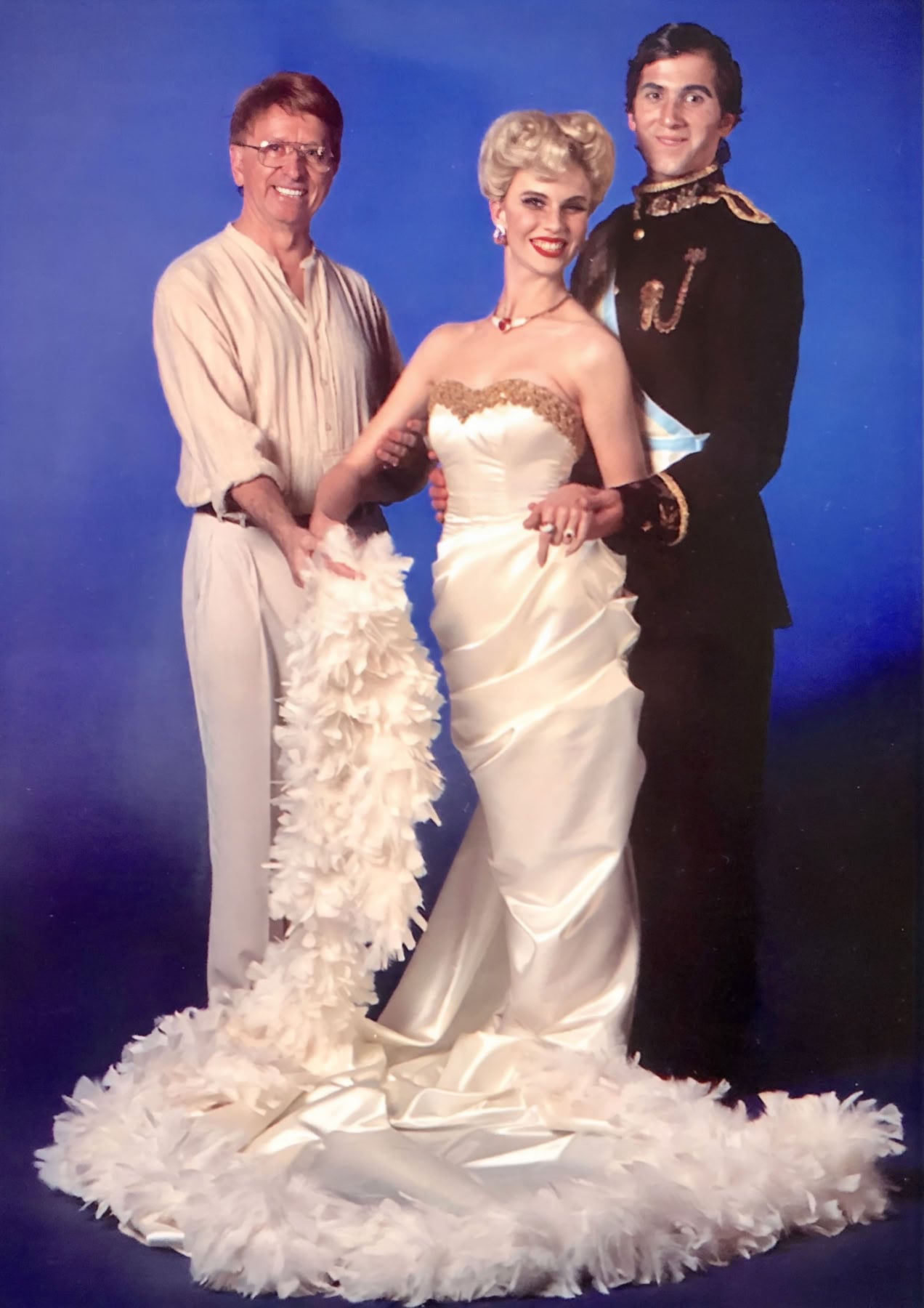
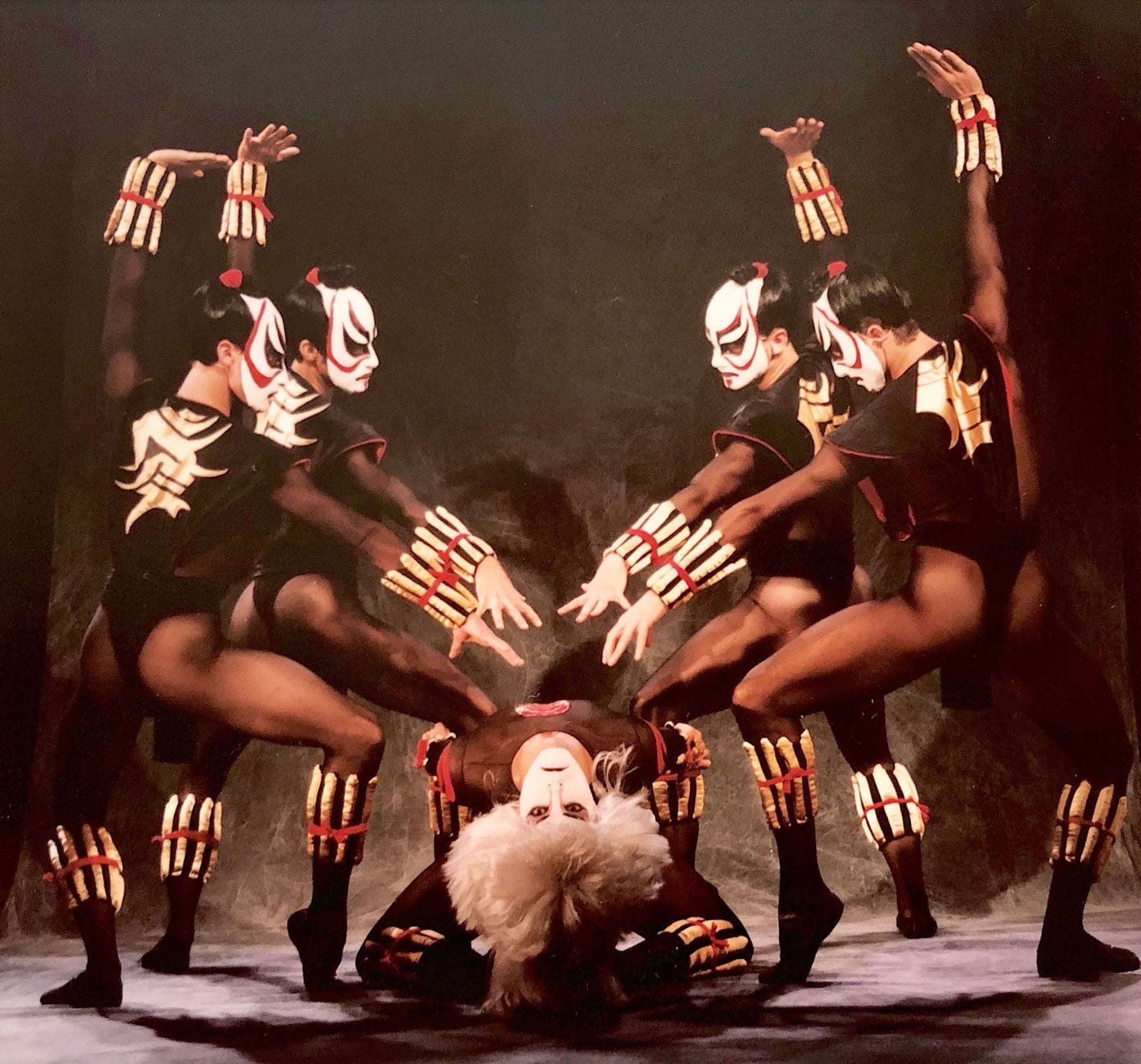
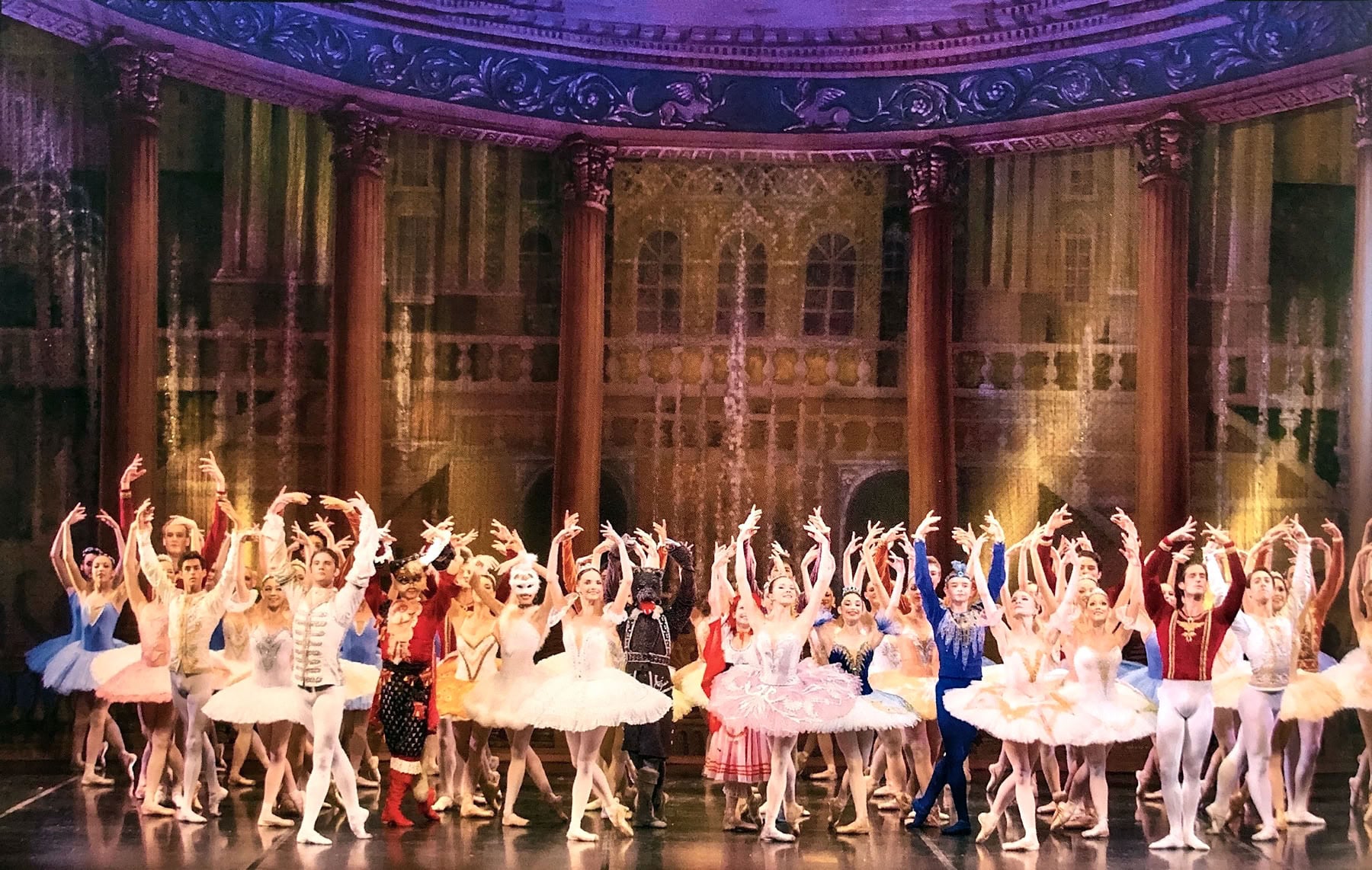
The board wanted a classical company with a style of its own, and he took the brief literally. Rather than recycle the ballets he had danced, he built a repertoire of “samples of styles from companies all over the world”, opened with the Swan Lake he had made for Northern Ballet, staged as “a sort of dramatic dream” at the Van Wezel Performing Arts Hall, and made nineteen choreographies in all. He claims to have specialised “in creating something that nobody would have seen before”. His A Midsummer Night’s Dream returned again and again; the Rustics, he notes happily, “were very, very funny and received enormous applause”.
The most surprising work is his ballet on Eva Perón, and the story behind it is pure de Warren family history. Watching Lloyd Webber’s Evita, he remembered his childhood in Argentina, where his mother made a speech at a local women’s club declaring how unfortunate it was that the country had “a first lady who was a prostitute”. The government exiled the family and ordered his father to sell all his property and livestock within three months; de Warren was eleven. He set out to make the ballet as revenge, but “my sense of revenge disappeared” as he worked, and the final scene shows Eva abandoned by her husband and worshipped by the people: “She had the burial of a saint.”
His Madame Butterfly ballet has a charming origin in Luciano Pavarotti‘s dressing room, where the tenor had invited him to chat during opera intervals. “You should do Madame Butterfly,” he said one evening. “Well, if you’ll be the principal dancer, then I will,” de Warren answered. “Of course, he laughed.” Years later, in Florida, de Warren asked permission to use the recordings Pavarotti had made with Mirella Freni, added Ravel’s Mother Goose suite for its Asian colouring, and produced what he calls “the most challenging and beautiful work I have ever done”. It sold out for four or five seasons.
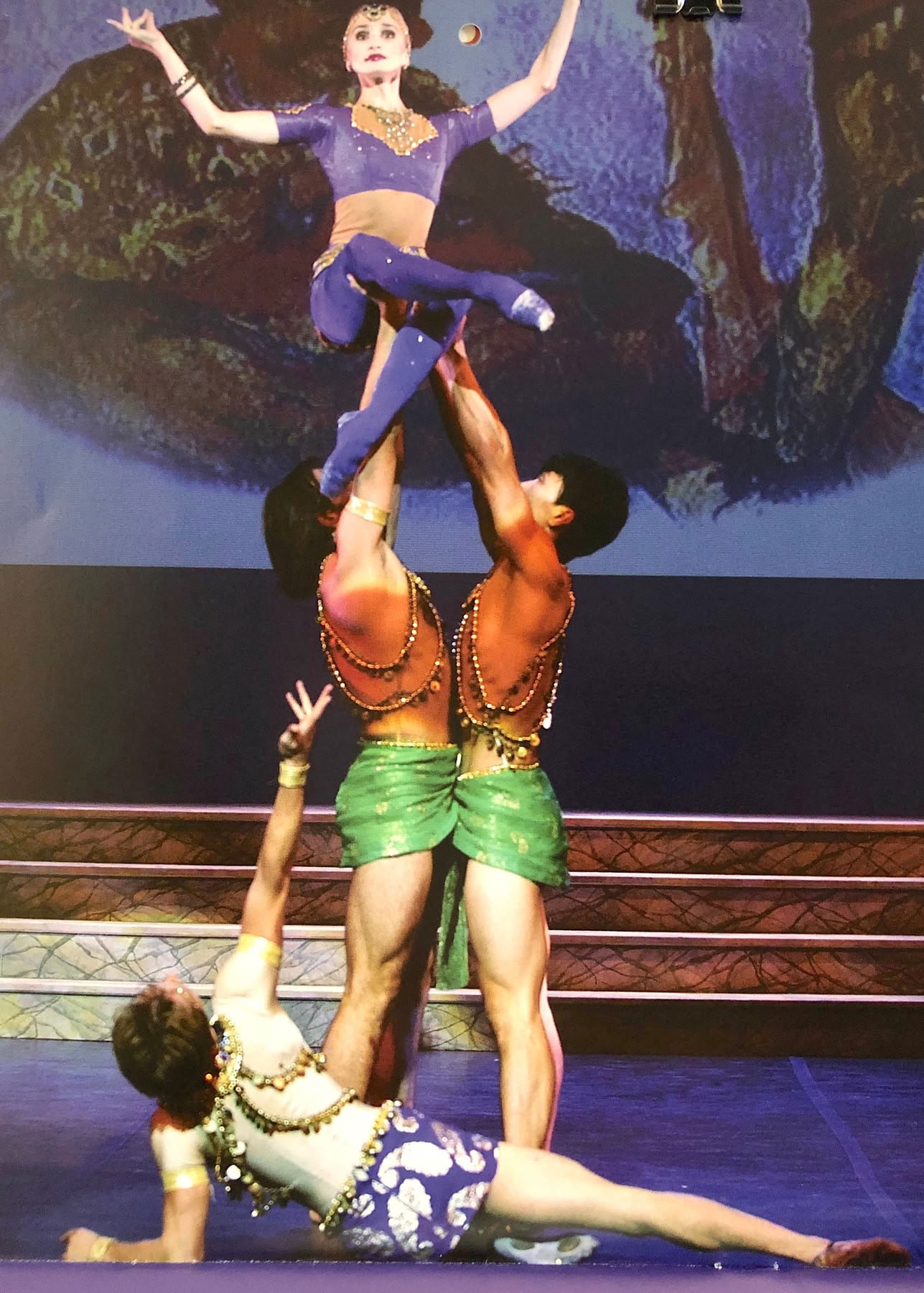
Sarasota also drew out his taste for the eccentric. In The Ringling Fantasy the circus aerialist Dolly Jacobs “came on stage on a white horse and flew into the air”, on wires rigged by her husband. For Last Call, he met the pop sculptor Jack Dowd, whose life-size figures populate a New York bar, and said, “Let me do this on stage.” The sculptures shared the Van Wezel stage with dancers, and the figure of John F. Kennedy Jr. arrived with his roller skates over his shoulder. A neighbour on Bird Key, the AC/DC singer Brian Johnson, brought him a musical based on Helen of Troy; the board approved it, and $750,000 was raised, against more than $4 million for a Broadway version, until AC/DC’s management decided the Sarasota version “was not compatible with their production guidelines”. Both men, de Warren says, were “bitterly disappointed but remained friends forever”. And when he revived his Othello in 2006, he reworked the music for the final scenes to fix the problem Princess Anne had politely noted in London, when she “thought the death scene was too long”.
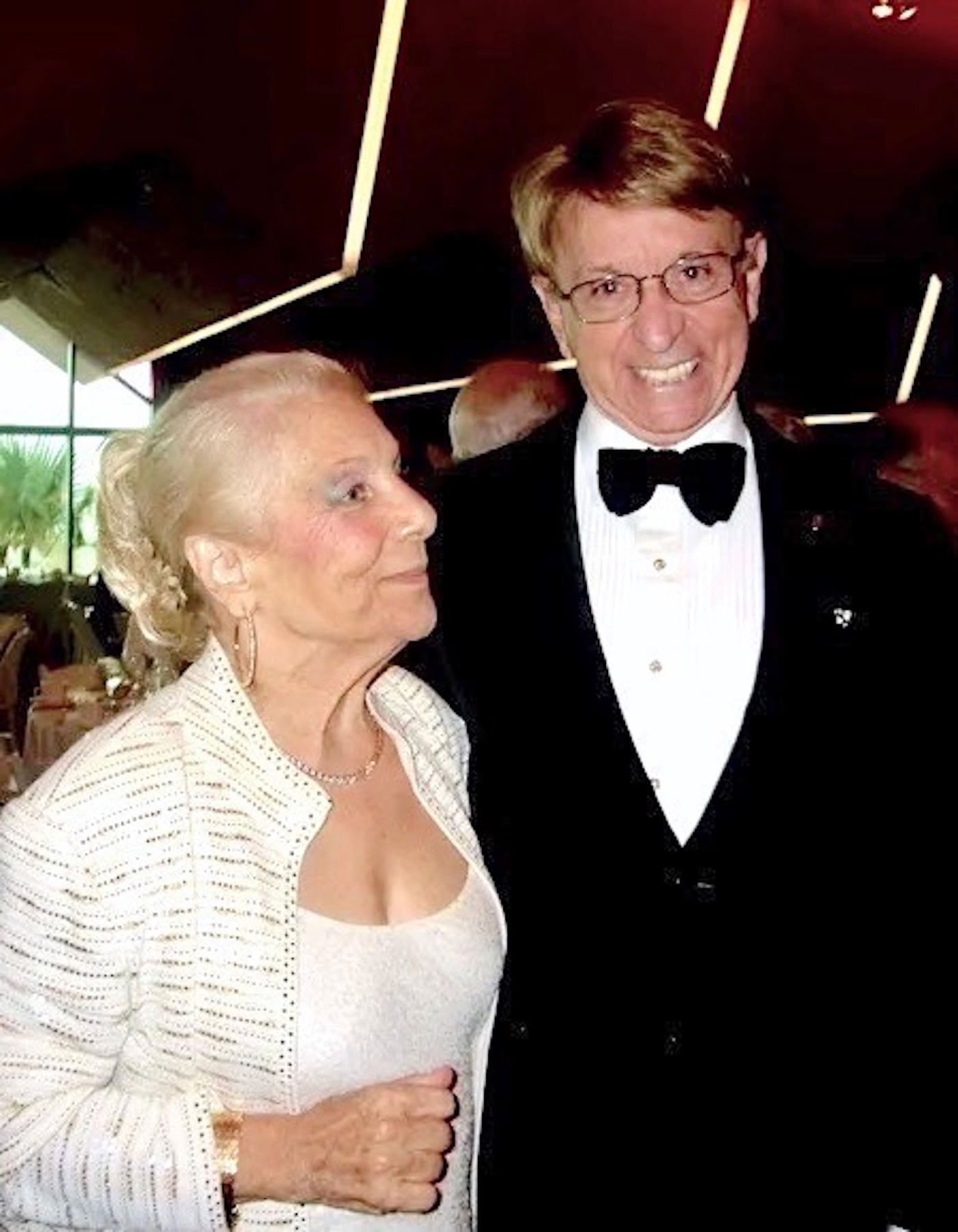
Empress Farah visited in 2001 for his Zal and Rudabeh, drawn from the Shahnameh. When he retired, the Herald Tribune quoted his prima ballerina Lauren Strongin: “It’s like losing a father. I wouldn’t be the dancer I am if not for Mr. de Warren.” The city gave him its key.
Curtain call
My Life in Dance has the faults of a self-published memoir: dates and names jostle, some chapters read as lists of achievements, and the author’s reverence for patrons occasionally smothers his sense of mischief. Anyone who wants the full critical story of the Royal Ballet or La Scala must look elsewhere. But as an eyewitness account of ballet in the second half of the twentieth century, from the Royal Ballet’s Ondine to the corridors of La Scala, it is absorbing, and its best pages are very good indeed. Ballet people will recognise their world; others will simply enjoy the company.