Baku International Arts Festival brings English National Ballet, Akram Khan and Kentridge
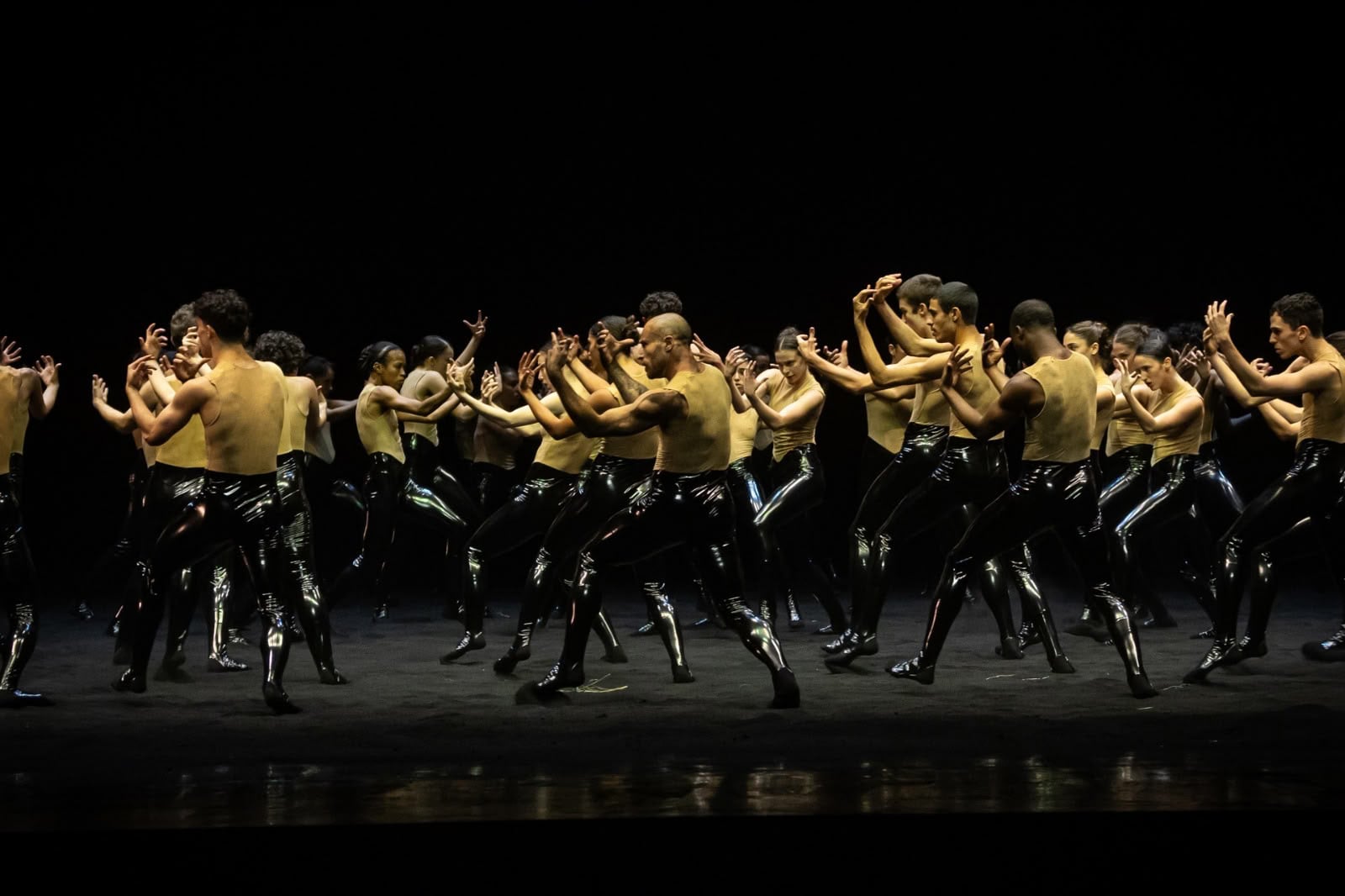
Akram Khan’s Thikra, Shahar Binyamini’s Bolero X, Forsythe and Pite from English National Ballet and Maillot’s LAC make up a dance programme that runs from 31 October to 7 November.
The second Baku International Arts Festival (BIAF) opened in the Azerbaijani capital on 28 October and runs until 8 November, with more than 20 events across concerts, ballet and theatre productions, film screenings, meet-the-artist sessions and masterclasses. It brings together artists from Azerbaijan, the United Kingdom, Israel, Canada, Monaco, Russia, the United States, France and beyond.
This year’s edition puts particular emphasis on collaboration between internationally renowned artists and Azerbaijani performers, ensembles and educational institutions, among them the Baku Choreography Academy, the Azerbaijan State Academic Opera and Ballet Theatre and the Baku Music Academy. Venues include the Muslim Magomayev Azerbaijan State Academic Philharmonic Hall, the Azerbaijan National Drama Theatre, the Heydar Aliyev Center, the Azerbaijan State Musical Theatre, the Heydar Aliyev Palace, the Museum of Stone Chronicle and the Old City, Icherisheher.
Shostakovich at the heart of the music programme
The festival opened on 28 October at the Philharmonic Hall with a concert dedicated to Dmitri Shostakovich, whose 120th anniversary is being marked worldwide this year. His life was closely linked with Azerbaijan, and the festival says he directly influenced the formation of the national school of composition. The programme included his First Concerto for piano, trumpet and orchestra, which the composer himself played in Baku in the summer of 1934 with Alexander Gauk conducting. This time the soloists were Lukas Geniušas (piano) and Tine Thing Helseth (trumpet), with the Baku State Chamber Orchestra and the BIAF Festival Orchestra under the violinist Dmitry Sitkovetsky, whose musical family has deep roots in the city.
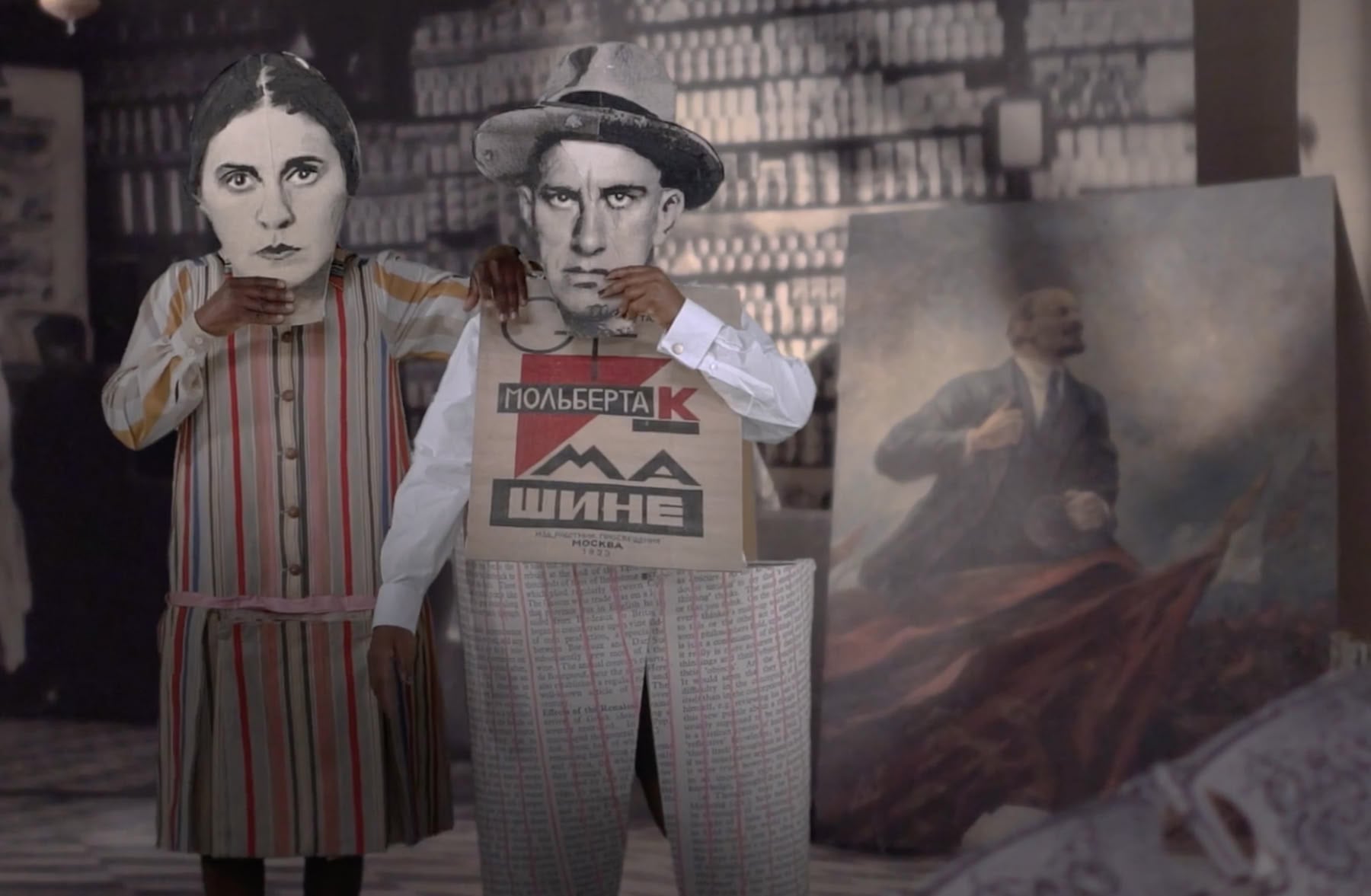
On 30 October, the South African artist William Kentridge’s animated film Oh To Believe in Another World was screened while the BIAF Festival Orchestra played Shostakovich’s Symphony No. 10 live under Sitkovetsky. Kentridge made the film using collage, puppets and masked actors, building a dream-like ‘abandoned Soviet museum’ around the symphony. Composed in 1953, the work has a particular Baku connection: its themes reflect the composer’s secret declaration of affection for his student, the Azerbaijani pianist and composer Elmira Nazirova. After the interval came the Concerto for Piano and Orchestra on Arabian Themes (1957) by Fikret Amirov and Nazirova, with Farhad Badalbeyli, rector of the Baku Music Academy, as soloist. Badalbeyli knew both Shostakovich and Nazirova personally.
The music programme still has two highlights to come. The violinist David Garrett brings his Millennium Symphony show to the Heydar Aliyev Center on 4 November, his first appearance in Baku, with the biggest hits of the past 25 years in large-scale symphonic arrangements. Maxim Vengerov, a two-time Grammy Award winner, closes the festival at the Philharmonic Hall on 8 November.
Dance: Khan, Binyamini, Forsythe and Pite
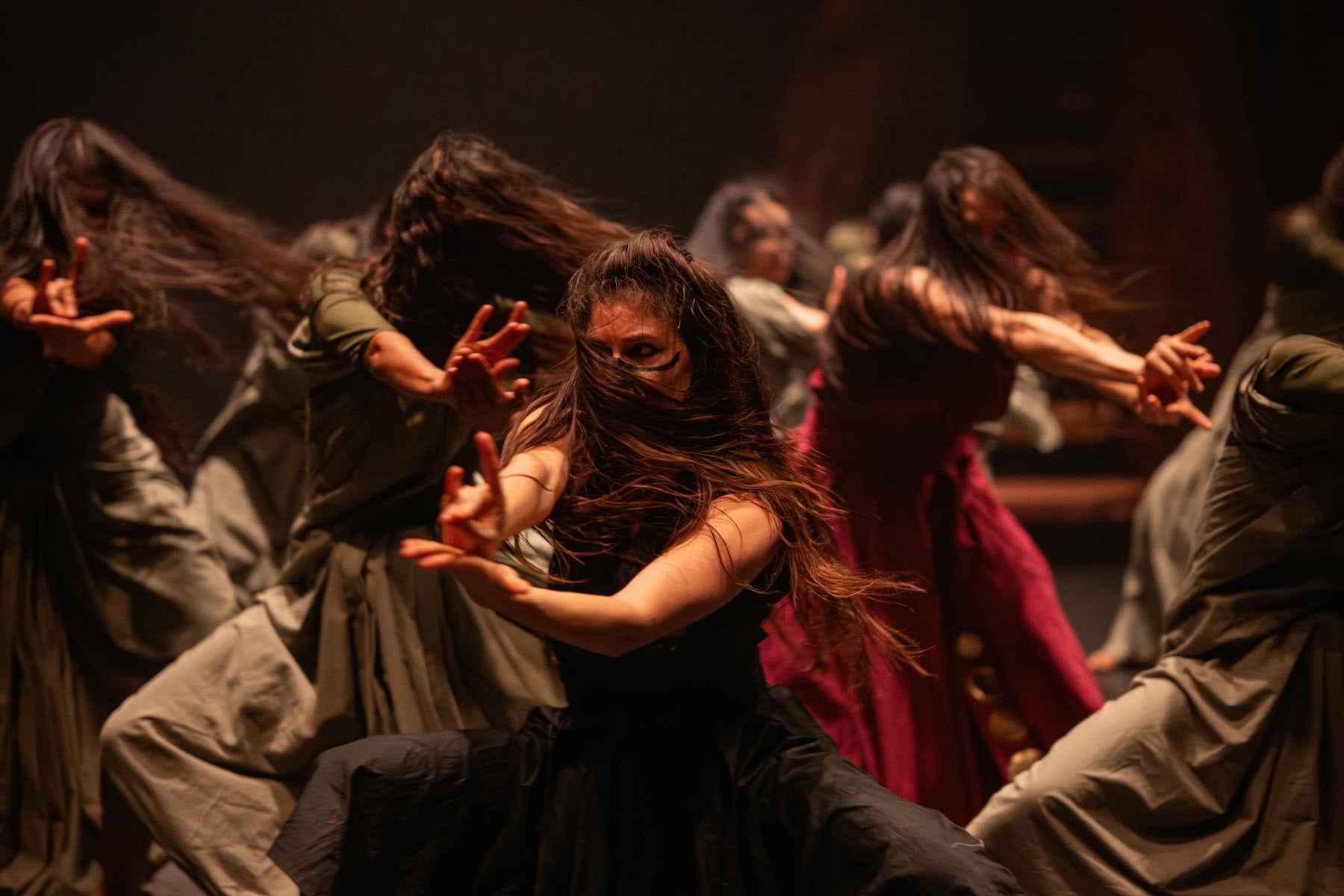
Dance takes over from 31 October, when Akram Khan directs and choreographs Thikra: Night of Remembering at the Azerbaijan State Academic National Drama Theatre, with a second performance on 1 November. Blending kathak with contemporary dance, it has costume and visual design by the Saudi artist Manal AlDowayan, known for her large-scale installation at the Saudi National Pavilion at the 60th Venice Biennale. Thikra – Arabic for ‘memory’ or ‘recollection’ – premiered in the desert landscape of Wadi AlFann (Valley of the Arts) in AlUla in January 2025, commissioned by the Royal Commission for AlUla. It is imagined as an annual gathering at which a tribe of women comes together for one night to awaken the spirits of their ancestors.
On 5 and 6 November, on the same stage, the choreographer Shahar Binyamini presents New Earth and Bolero X with House of Dance Company. A former member of Batsheva Dance Company under Ohad Naharin, Binyamini has worked with companies including the Paris Opera Ballet, Teatro alla Scala and Ballet BC. New Earth, premiered at Austria’s Bregenzer Frühling festival in 2025, is a hypnotic, almost primal piece in which crawling movements coalesce into continuously disintegrating patterns. Bolero X, created for Ballet BC in 2023, reimagines Ravel’s score as a large-scale ensemble work for up to 50 dancers, exploring the tension between individuality and collective power.
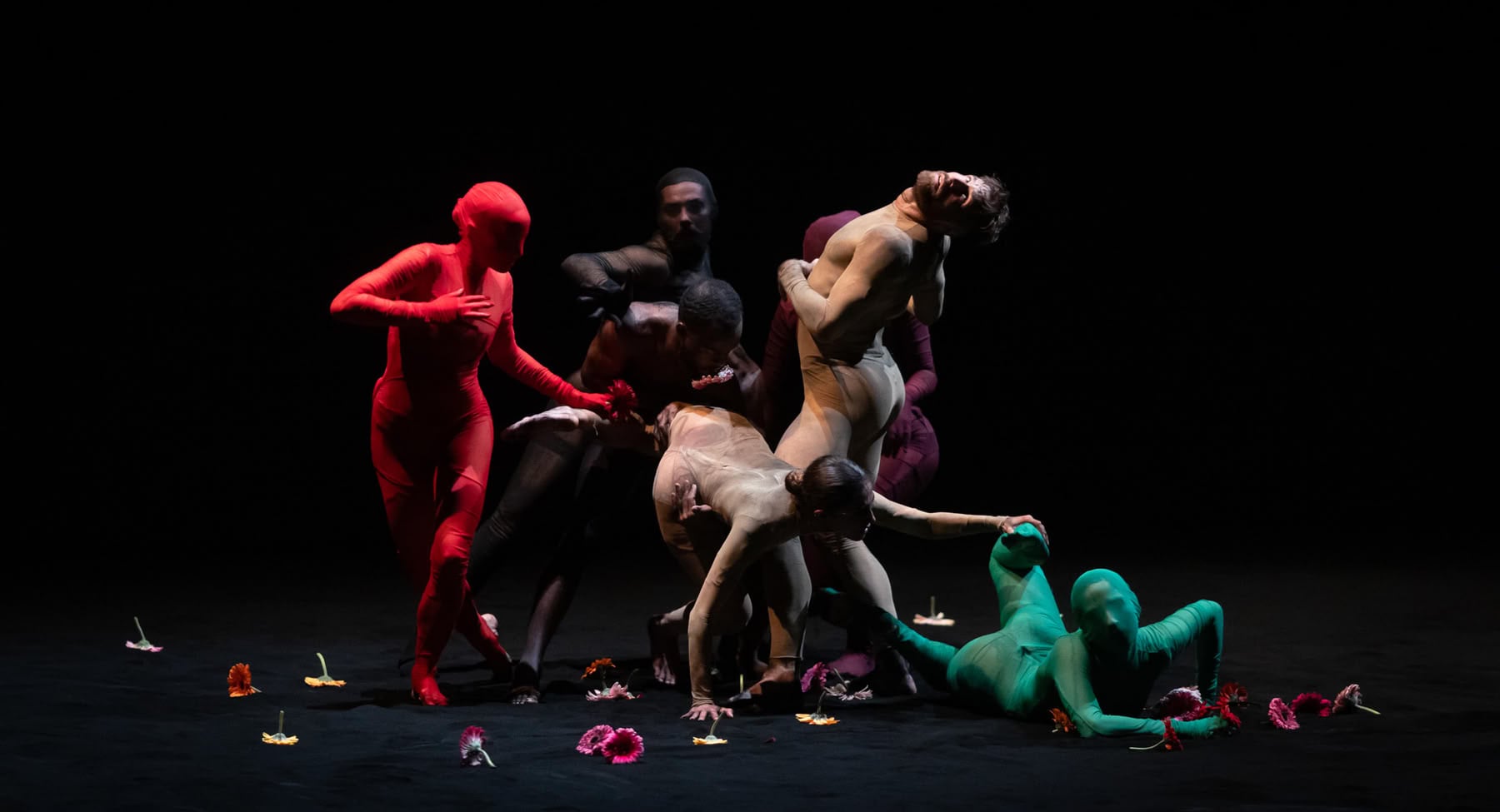
Binyamini will also select and mentor dancers from the Azerbaijan State Academic Opera and Ballet Theatre and the Baku Choreography Academy, integrating them into the Baku stagings through intensive training sessions – one of the festival’s core principles of close collaboration between visiting artists and Azerbaijani performers.

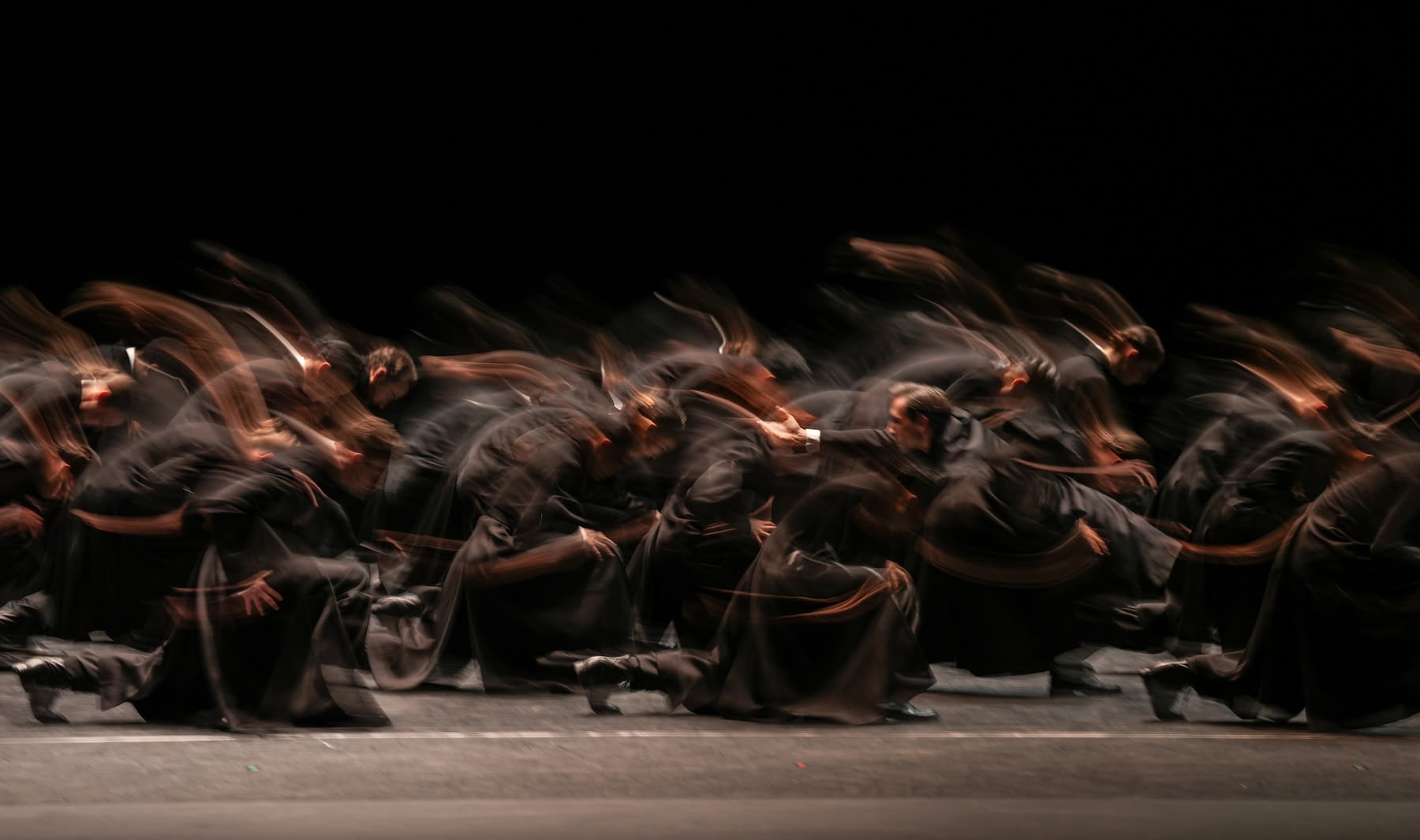
On 6 and 7 November, English National Ballet appear in Baku for the first time, at the Azerbaijan State Academic Musical Theatre, with Masters in Motion: Forsythe / Pite. The double bill pairs Crystal Pite‘s Body and Soul (Part 1) – a hypnotic study of conflict and connectedness that grows from an intimate duet into surging crowds – with William Forsythe‘s Playlist (EP), in which classical technique and athleticism meet pop, R&B and house, with tracks by Barry White, Natalie Cole and Khalid.
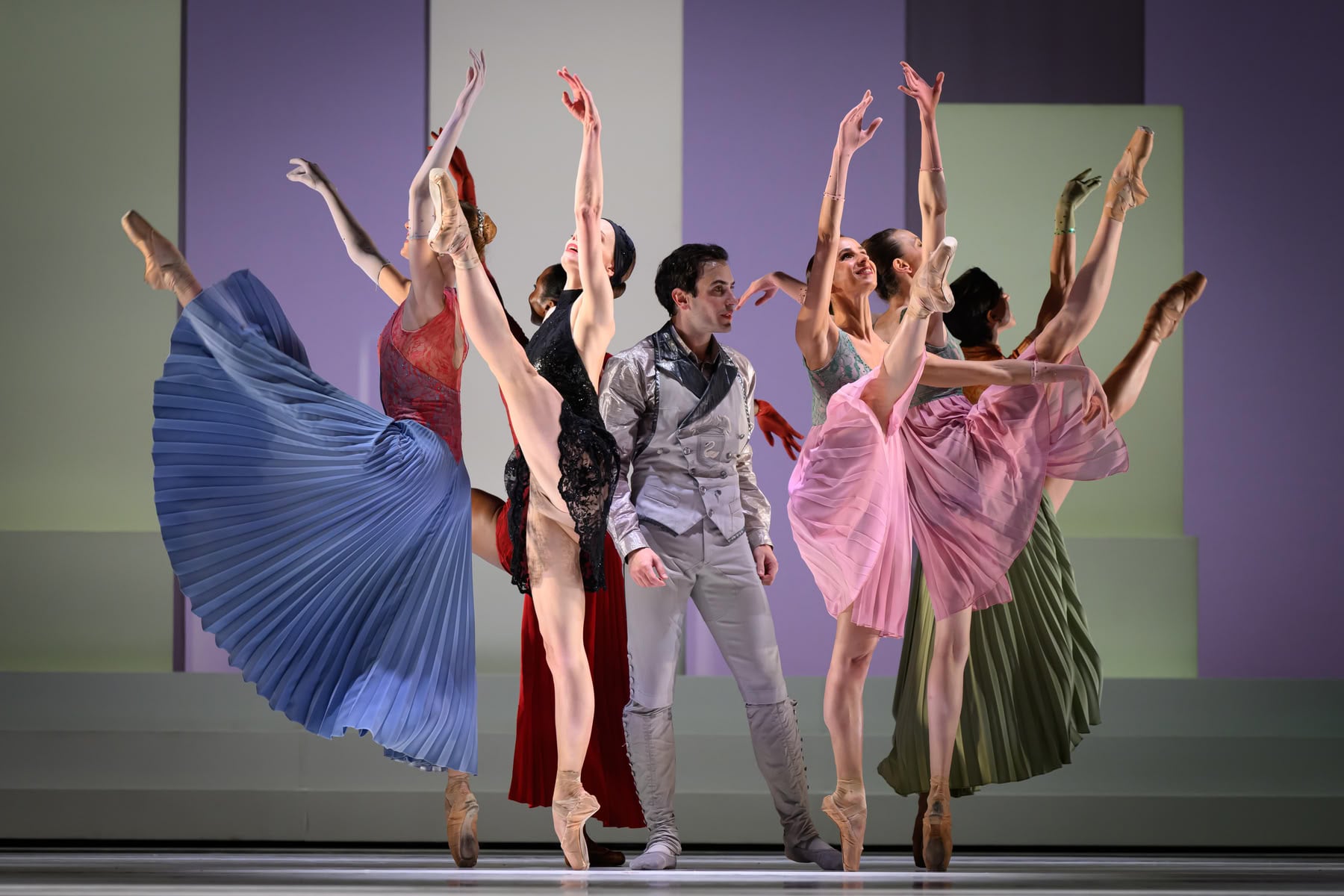
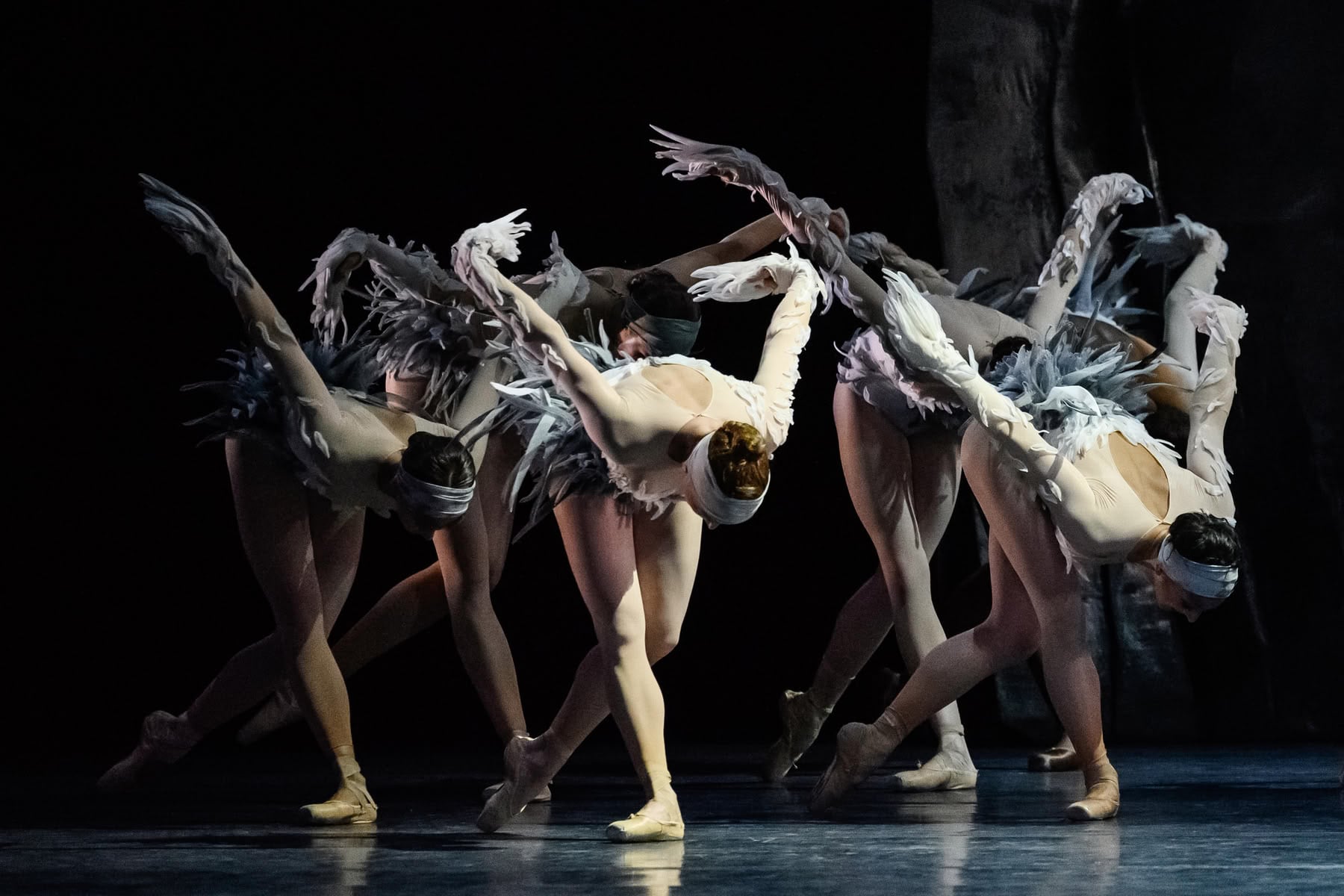
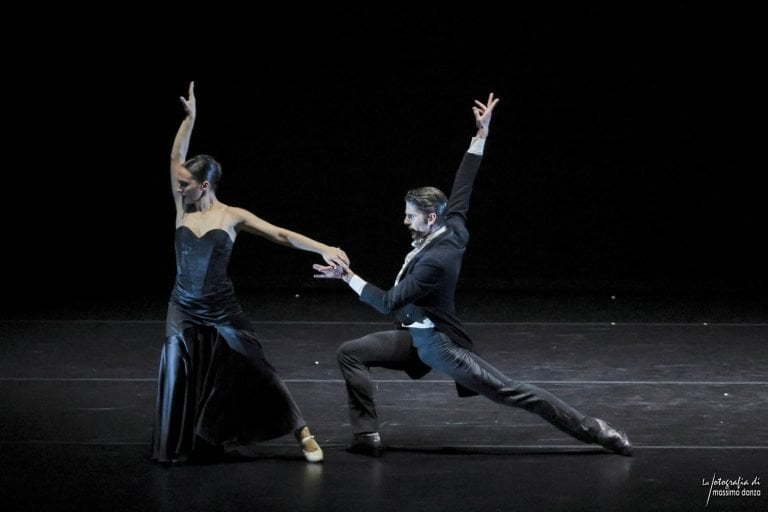
Les Ballets de Monte-Carlo, direct heirs of Diaghilev’s Ballets Russes, also make their Baku debut, presenting Jean-Christophe Maillot’s LAC at the Heydar Aliyev Palace on 7 November. Maillot, who has directed the company since 1993, keeps Tchaikovsky’s score for Swan Lake but reshapes the narrative into a dark psychological family drama. The work premiered in Monaco in 2011, and the Baku performance falls in a jubilee season, 150 years after the creation of Tchaikovsky’s original.
Theatre: Dodin, Krymov and Gabriadze
The theatre programme opened on 29 and 30 October with Lev Dodin’s production of Chekhov’s The Seagull by the Maly Drama Theatre – Theatre of Europe from St Petersburg, at the Azerbaijan State Academic Musical Theatre. A recent premiere honoured with the Golden Sofit and Golden Mask awards, it features Elizaveta Boyarskaya as Arkadina, Igor Chernevich as Trigorin and Anna Zavtur as Zarechnaya, in a design by Alexander Borovsky built around a lake stage and swaying boats. Dodin says the production is dedicated to people of art and life in art: “Suddenly it became important that we are talking about artists.”
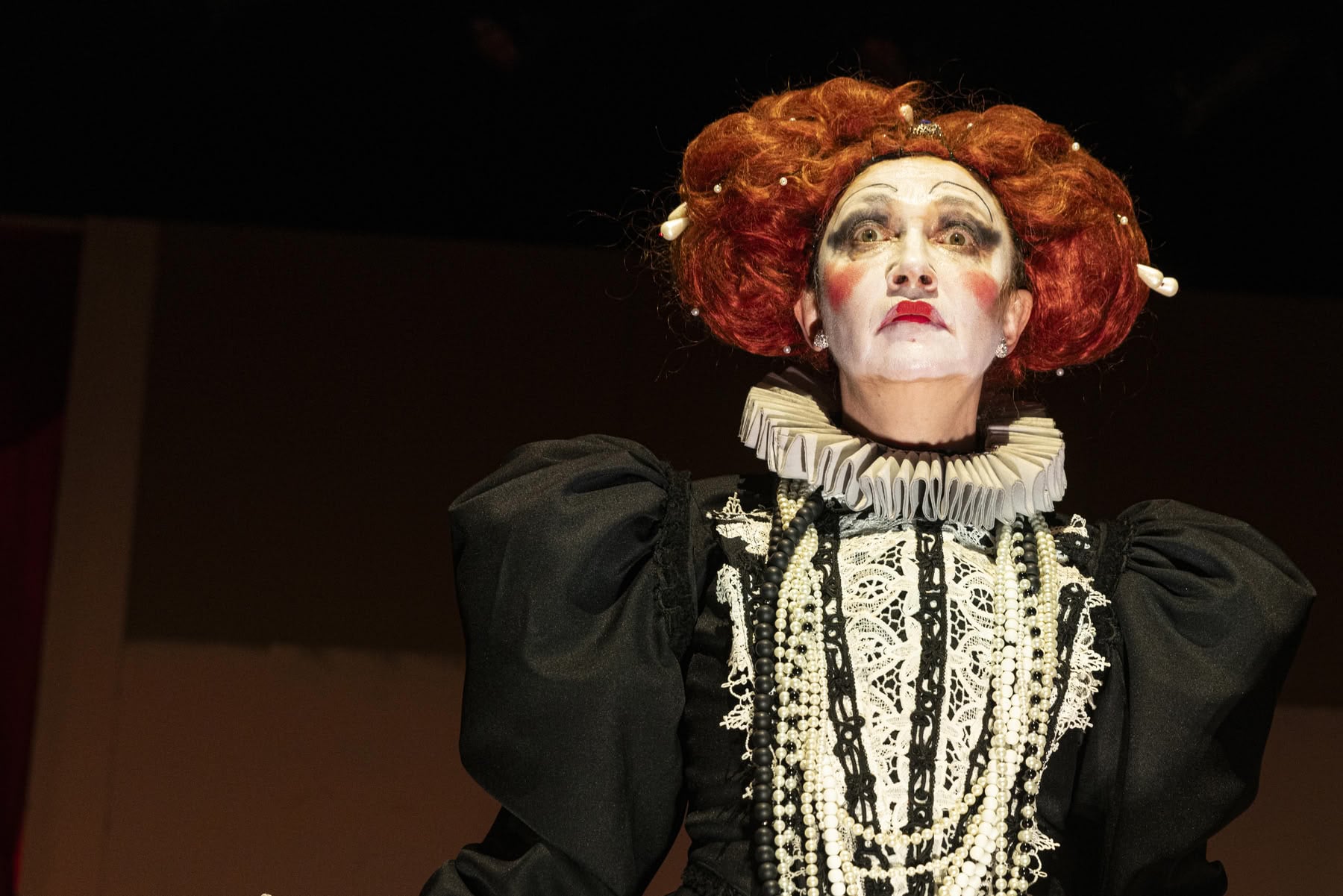
On 1 and 2 November, the same stage hosts Tel Aviv’s Gesher Theatre in Dmitry Krymov’s Bloody Mary, first performed in June 2026. It is neither an adaptation nor an illustration of Schiller’s Mary Stuart, which inspired it, but a new artistic world built from fragments of the plot, with fictional, grotesque, almost circus-like leads played by Sasha Demidov (Queen Elizabeth) and Evgenia Dodina (Mary Stuart).
The Rezo Gabriadze Marionette Theatre presents Alfred and Violetta at the Heydar Aliyev Center on 3 and 4 November. The Georgian artist almost entirely rewrote the piece shortly before his death in 2021, and his son, Leo Gabriadze, completed the final staging. It transposes the love story known from Dumas fils’s La Dame aux Camélias and Verdi’s La Traviata to Tbilisi in the turbulent 1990s. After its premiere at Venice’s Teatro Goldoni in February 2022, the Italian press called Gabriadze “a master of theatrical style in which humour is mixed with heart-breaking pain”.
Beyond the main stages
On 1 November, the choreographer Sharon Eyal offers a closed showing of choreographic excerpts, a public talk and a short film on her aesthetic. On 6 and 7 November, Romeo Castellucci and the composer Scott Gibbons present To Carthage Then I Came at the Museum of Stone Chronicle, the former Siemens brothers’ power station on National Flag Square. Described as a sound ritual on the border of dramatic theatre, concert and visual art, it premiered in Brussels in spring 2026 and has been rebuilt for the venue.
The wider programme includes public talks with artists such as Akram Khan, Manal AlDowayan and Lev Dodin, and a meeting with the British historian Peter Frankopan, author of The Silk Roads: A New History of the World, on Baku as a city at the crossroads of cultures.
The inaugural festival in 2025 presented more than 20 events featuring over 100 artists. The full programme and tickets for the 2026 edition are available at https://www.biaf.az/.