
Review: Wayne McGregor’s Maddaddam – a beautiful, missed opportunity
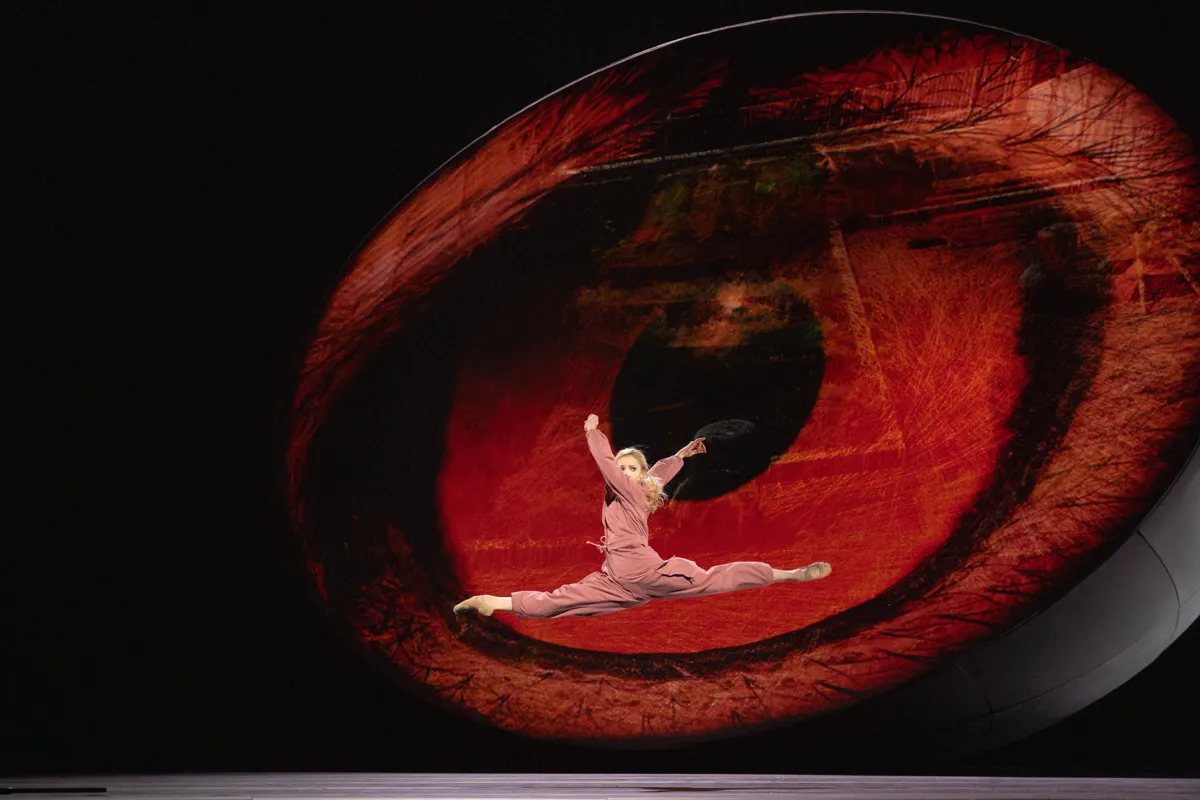
Lucía Piquero sees the Royal Ballet in the European premiere of Wayne McGregor’s Maddaddam – it fails to achieve the emotionally charged embodied power of some of his other work
| Title | Maddaddam |
| Company | The Royal Ballet |
| Venue | The Royal Opera House, London |
| Date | 14 November 2024 |
| Reviewer | Lucía Piquero Álvarez |
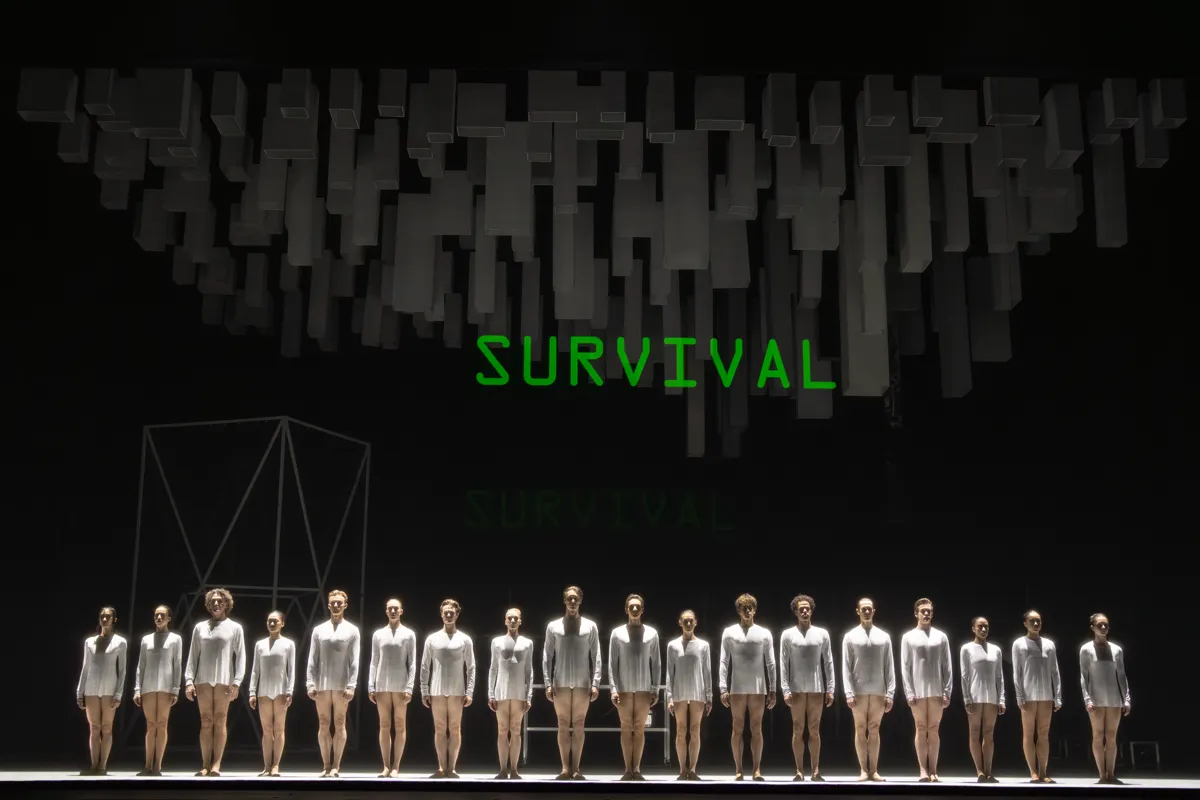
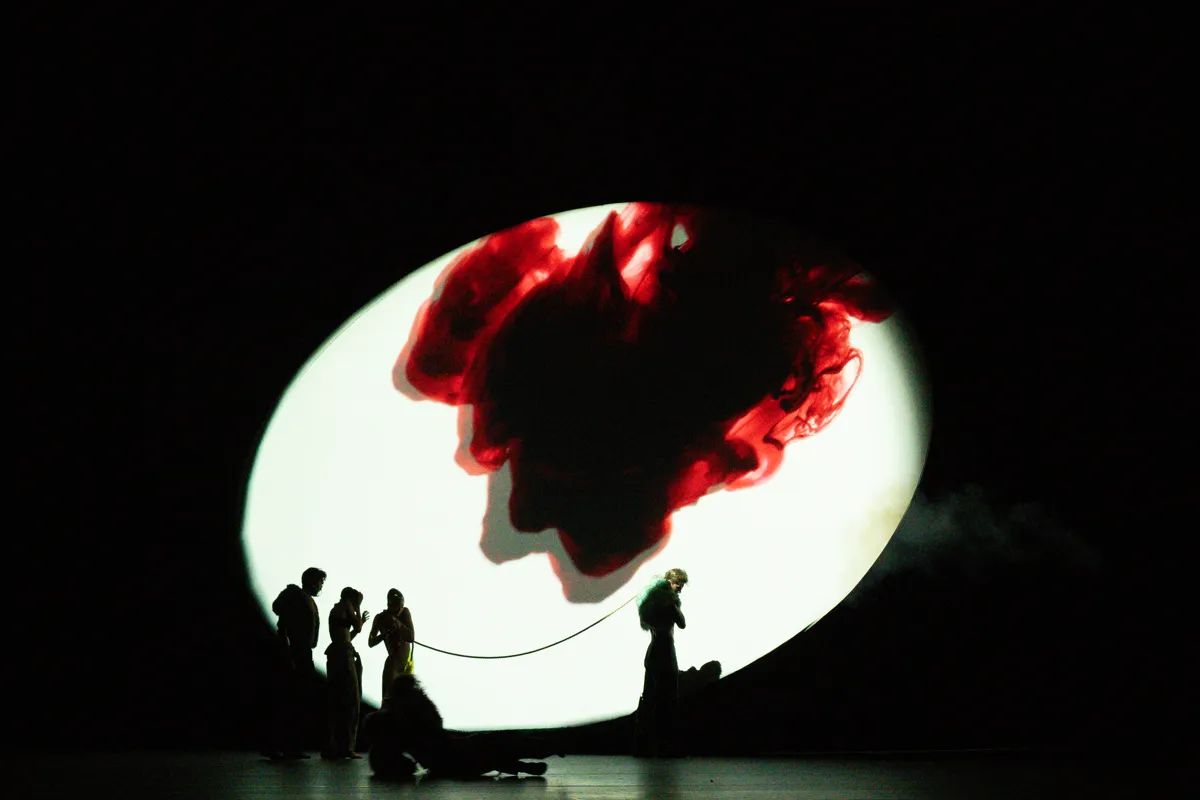
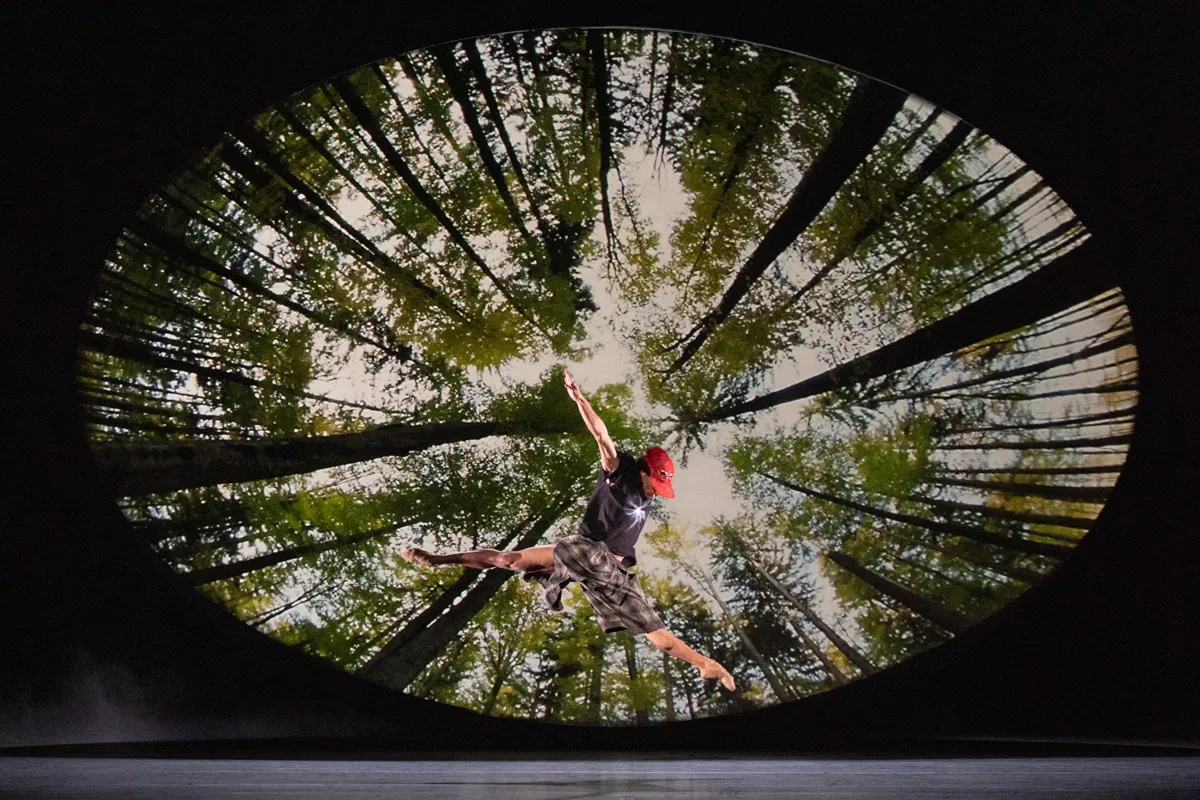
Wayne McGregor and his team set themselves a difficult task in trying to present Margaret Atwood’s trilogy of post-apocalyptic books in a full-length ballet. The beginning moments of opening night already showed a reticence to believe in the power of dance to tell stories – the narrative was first advanced by a distorted child voice-over and a series of very directly meaningful projections (first clichés of the night, a fair few more to follow, perhaps an attempt at making the narrative accessible?). For a team that was engaging with the “purpose of storytelling”, according to the programme, they seem to not trust dance to do the job on its own.
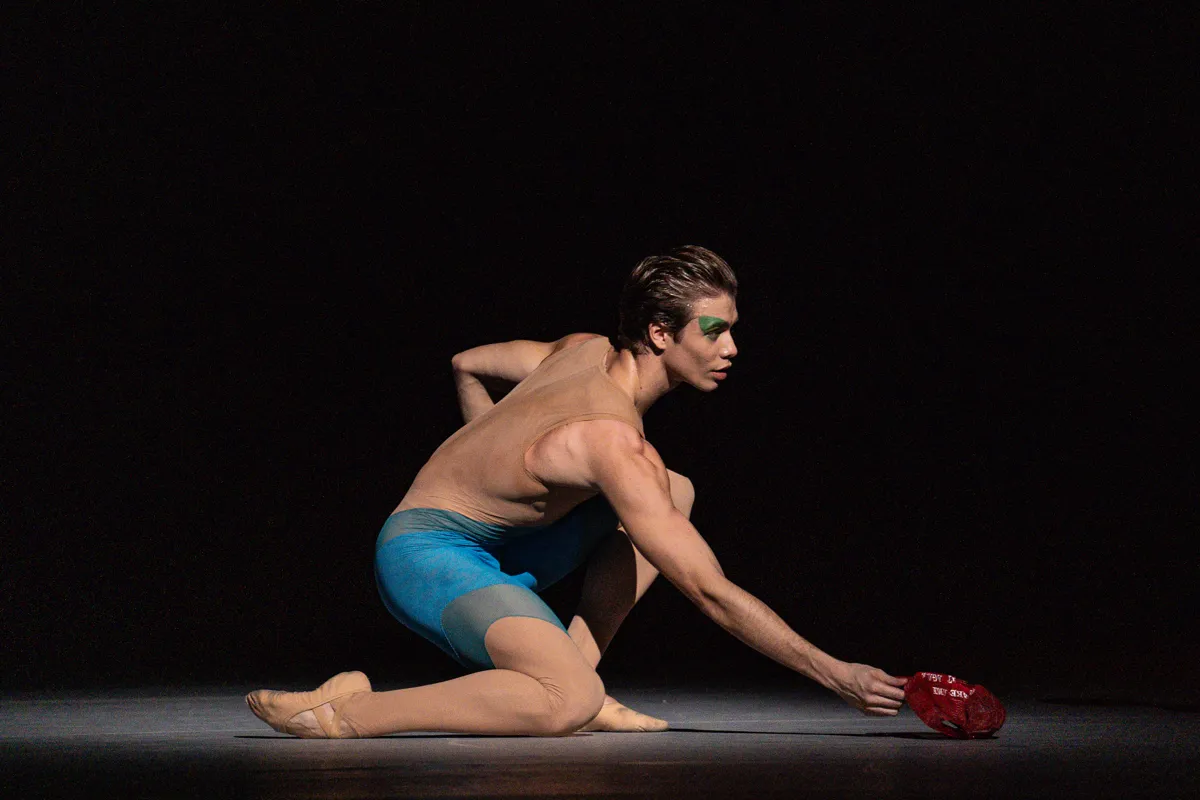
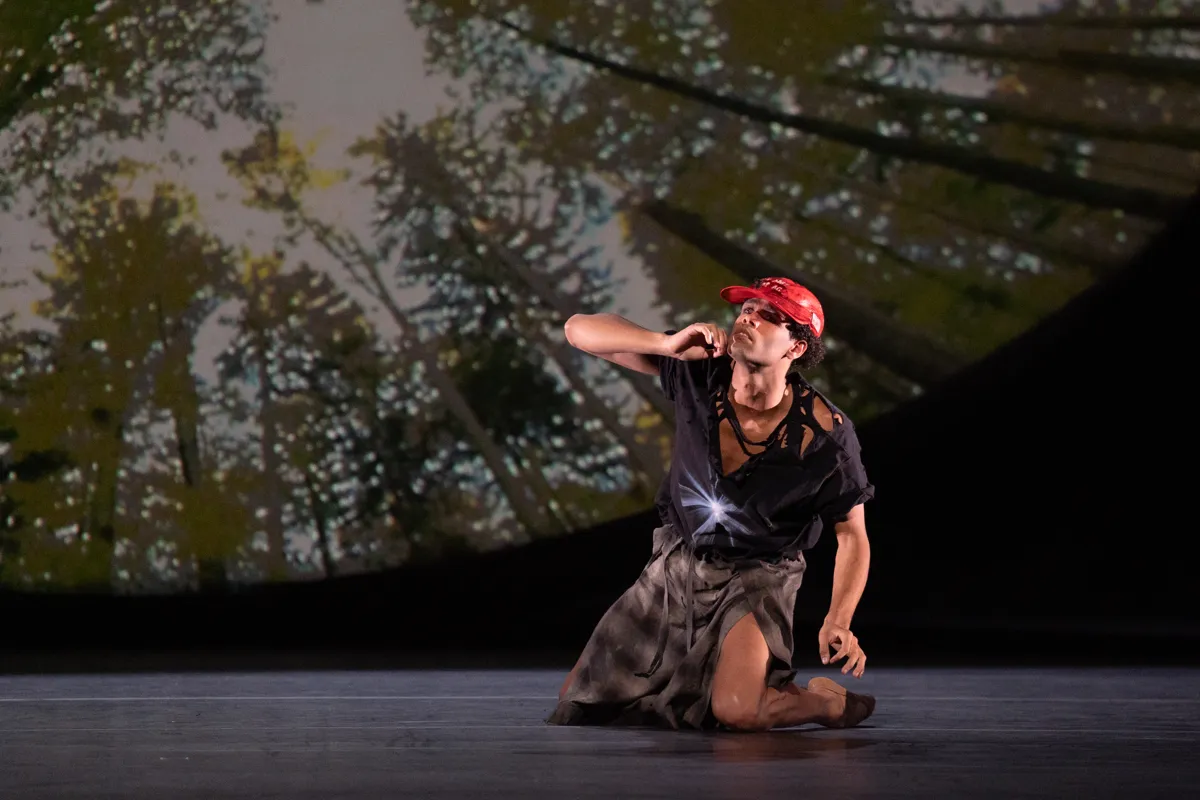
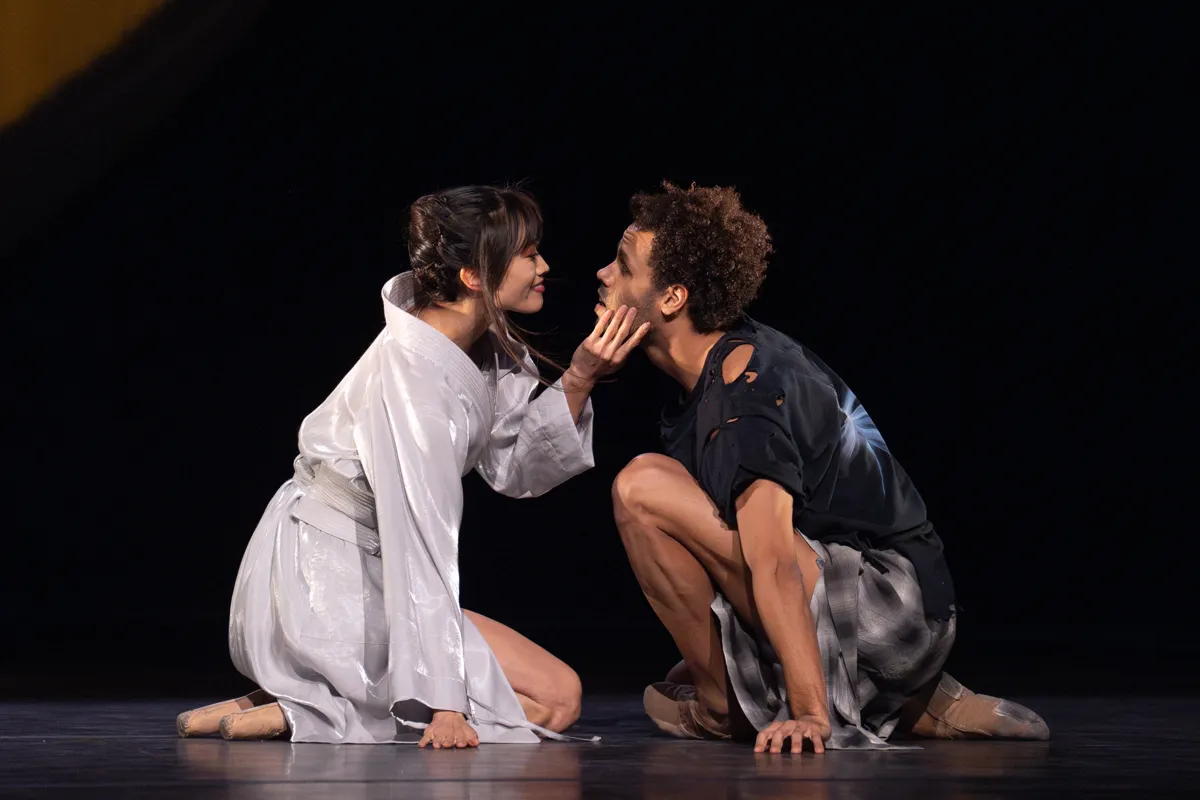
Interestingly, some of the most successful moments in the performance are those where dance is allowed to do just what it does best – be emotional and beautifully ambiguous. One of these moments comes in the form of a solo by Snowman/Jimmy, stunningly performed by Joseph Sissens, which contrasts in meaning with the narrative we are being fed through the voice over. The following pas de trois with Crake (William Bracewell) and Oryx (Fumi Kaneko) is equally beautiful. McGregor’s signature style is less apparent in this work, with a softer, less tense movement quality evident throughout. Generally, this is a loss for the performance, failing to achieve the emotionally charged embodied power of some of his other work. But in this particular section, and especially in Sissens’s solo, the dynamic surrendering of limbs, the freedom of the upper body, and a risky off-balance with a just-on-time recovery, partnered by Richter’s moments of evocative music, make for a poignant experience.
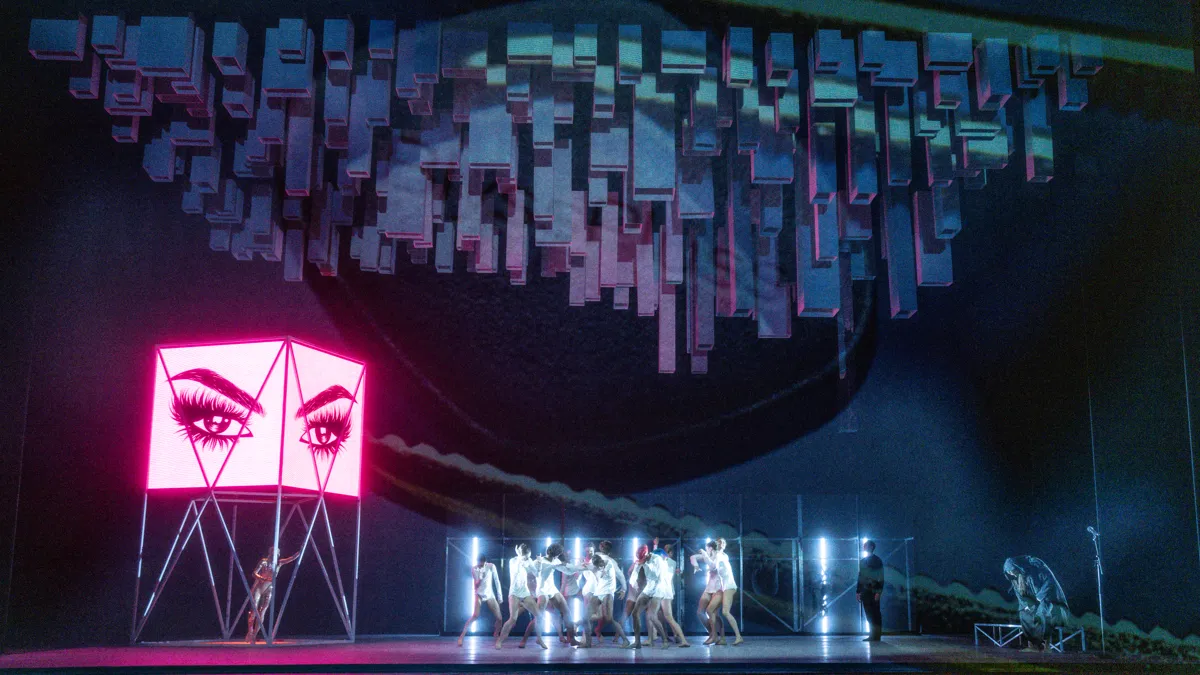
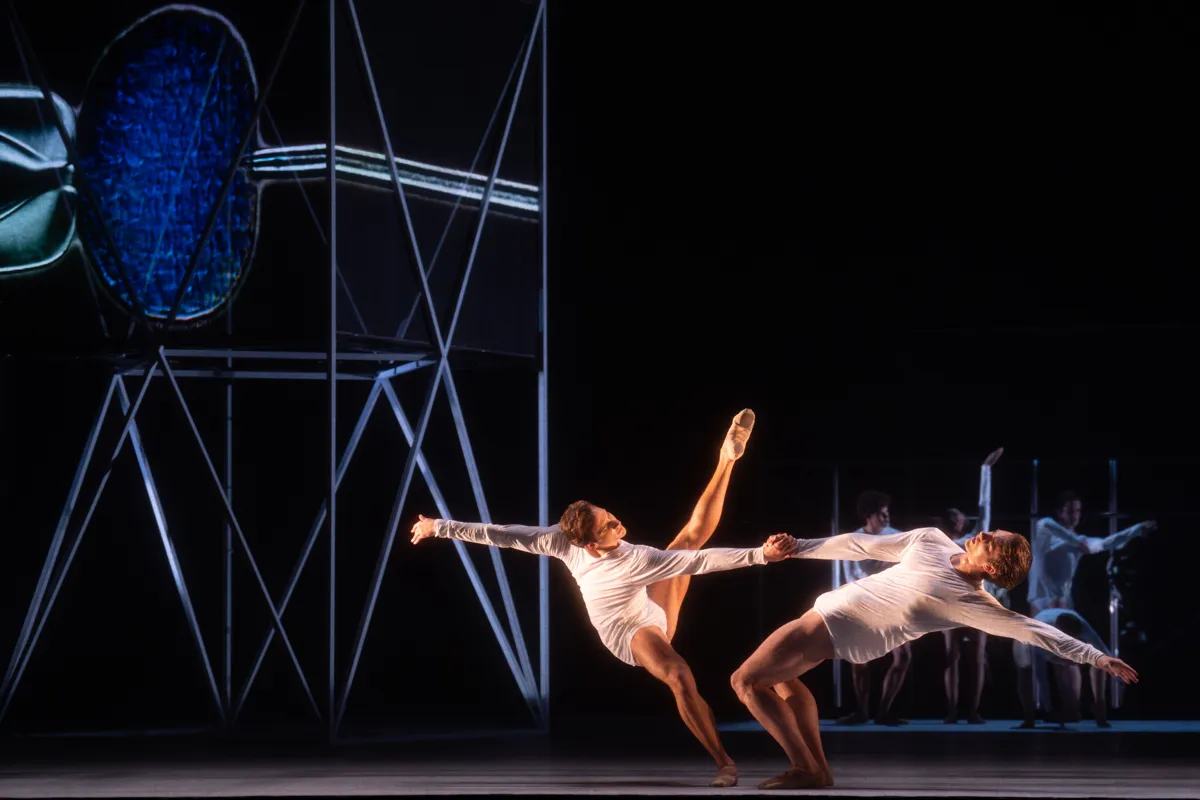
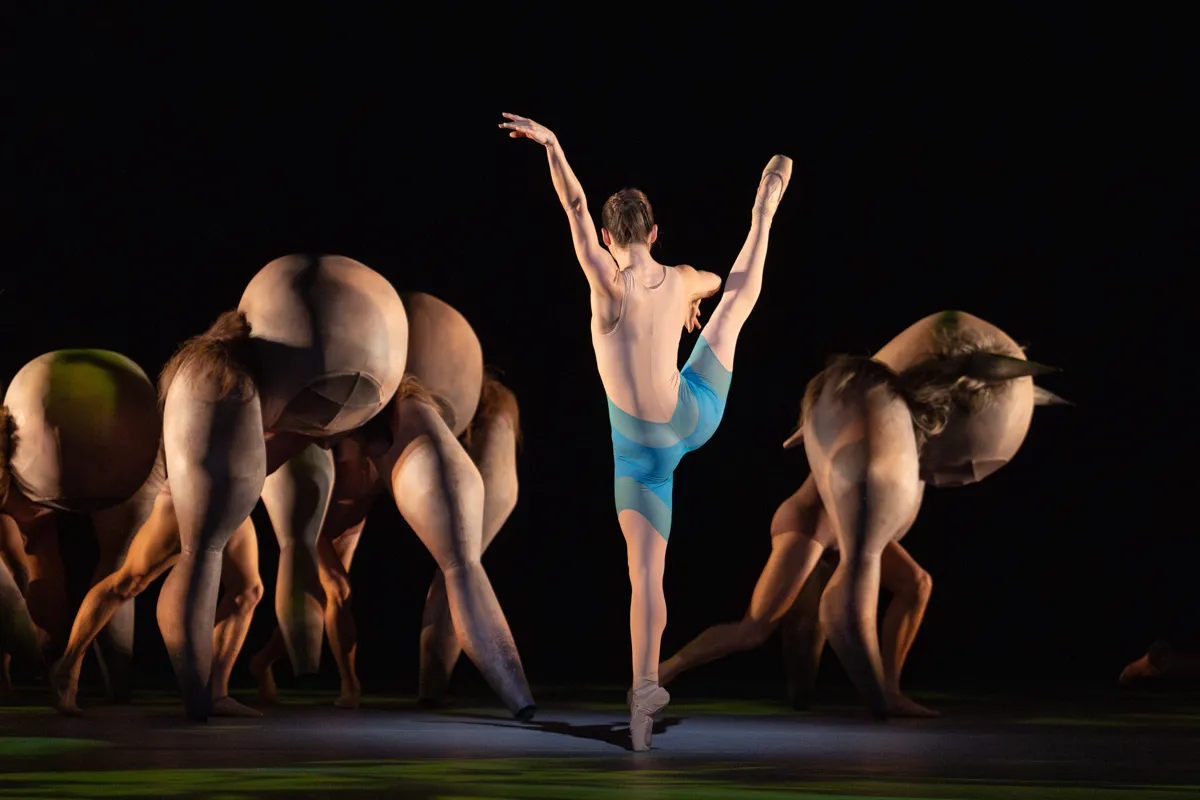
Unfortunately, this moment of elation is rather the best moment of the show and for the rest of it we are treated to an almost caricaturesque, in-your-face type of relationship between movement and meaning. This looks dated, which seems out of character for the choreographer, and is not aided by the rather simplistic narrative pushes from set, projection, or costumes… (like the absurd – almost obscene – design of the genetically modified pigs?!). There is a close attempt at the emotional sublime again towards the end of the performance, but this feeling of elation is extended so long that it gets lost into an abstracted section of almost superfluous dancing.
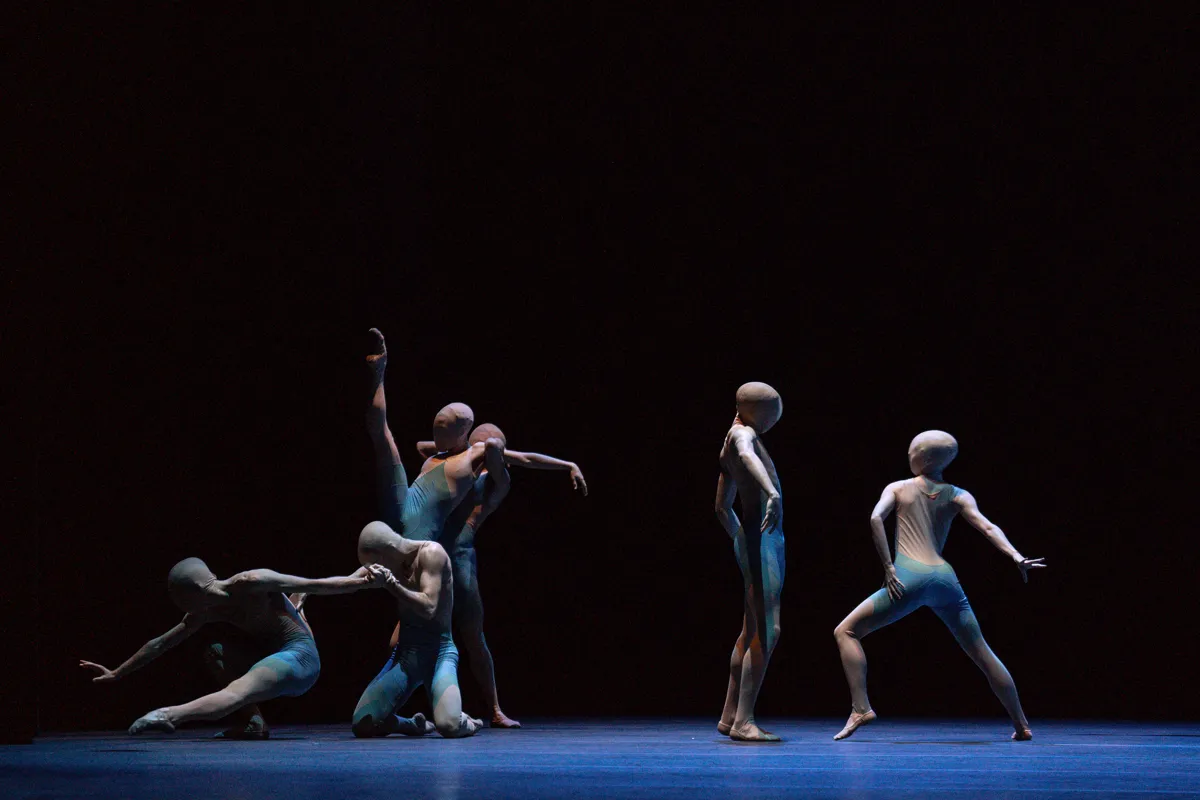
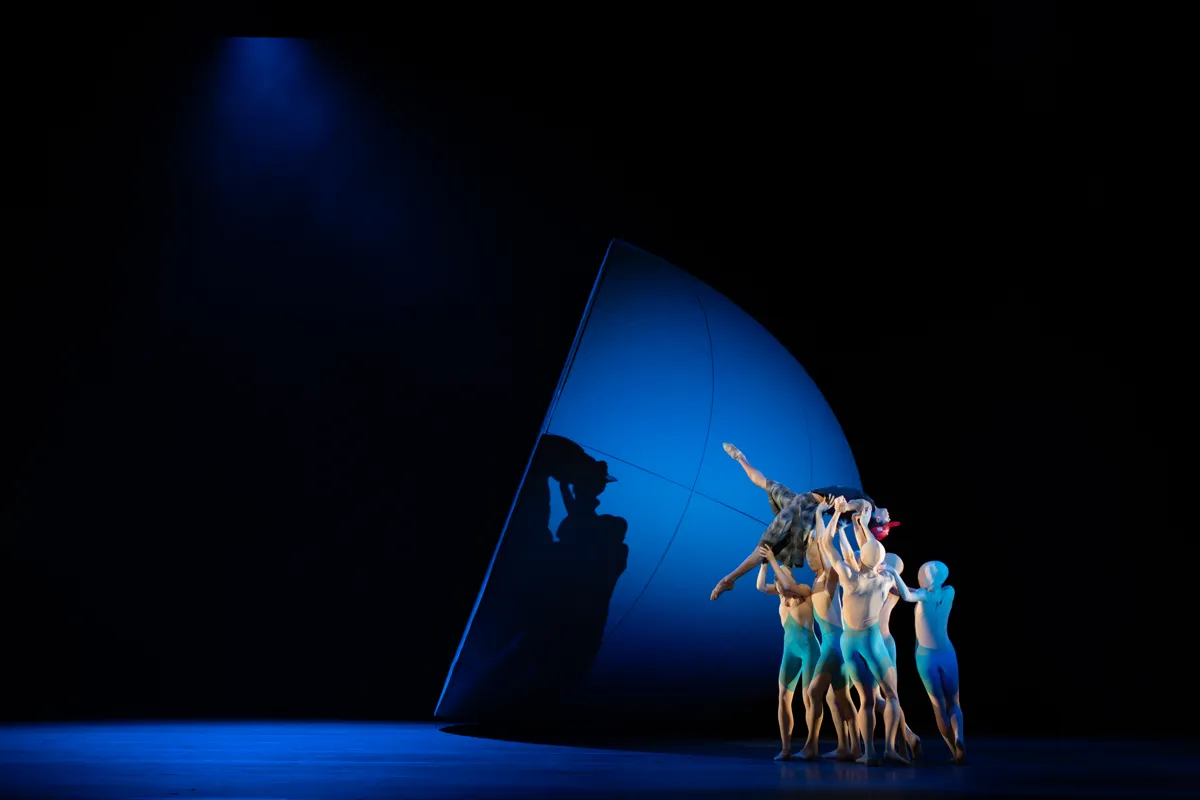
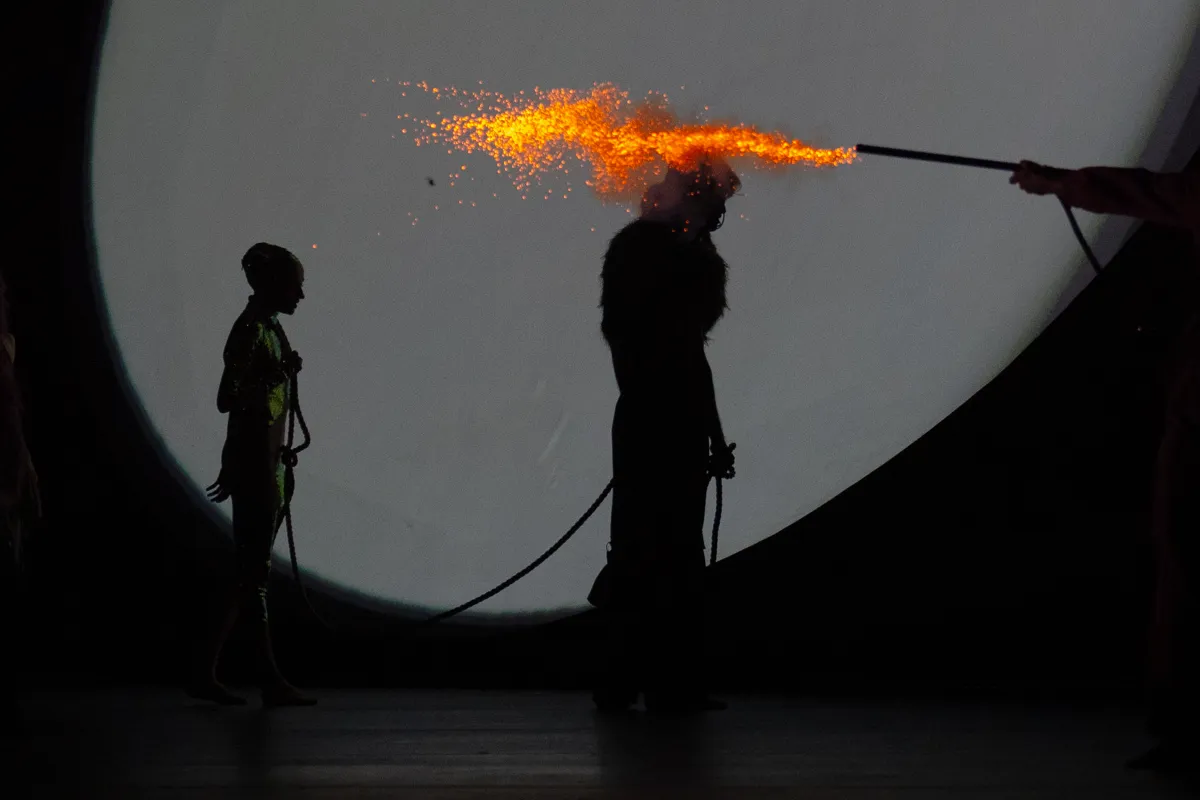
The Royal Ballet dancers give some stunning performances, even in rather awkward moments when they are asked to manage abstracted puppets in a subdued ritualistic section. They cannot be asked to sustain a whole work, though, especially one that misses several points while it attempts to make dance do something it just should not be asked to do – dance cannot be the book. Why not make it question themes of the body inspired by the books, like the gun that the Crakers have access to and its possible implications for humanity? McGregor’s Woolf Works was a masterpiece in this sense.
The biggest miss of the night, I feel, comes from two opportunities to innovate that were not delivered – again perhaps strange for McGregor, often a lead in creative and inquisitive endeavours. A feminist writer and a story where female characters are key, yet we continue to see gendered partnering, switching the focus to male figures, no real sense of empowerment, and giving an embodied voice to flagrant violence against women’s bodies – some of it so brutal it evokes some bad memories in recent ballet past. He could have instead used this opportunity of postapocalyptic dimensions to show us what a feminist form of ballet might look like. Not in its themes, in the shape and style of it. And on that note, a missed opportunity also to explore how a genetically engineered race, supposedly superior to us humans, would move. Somehow, I don’t think this rather conventional use of ballet vocabulary interspersed with literal narrative elements is the answer to any of those questions.
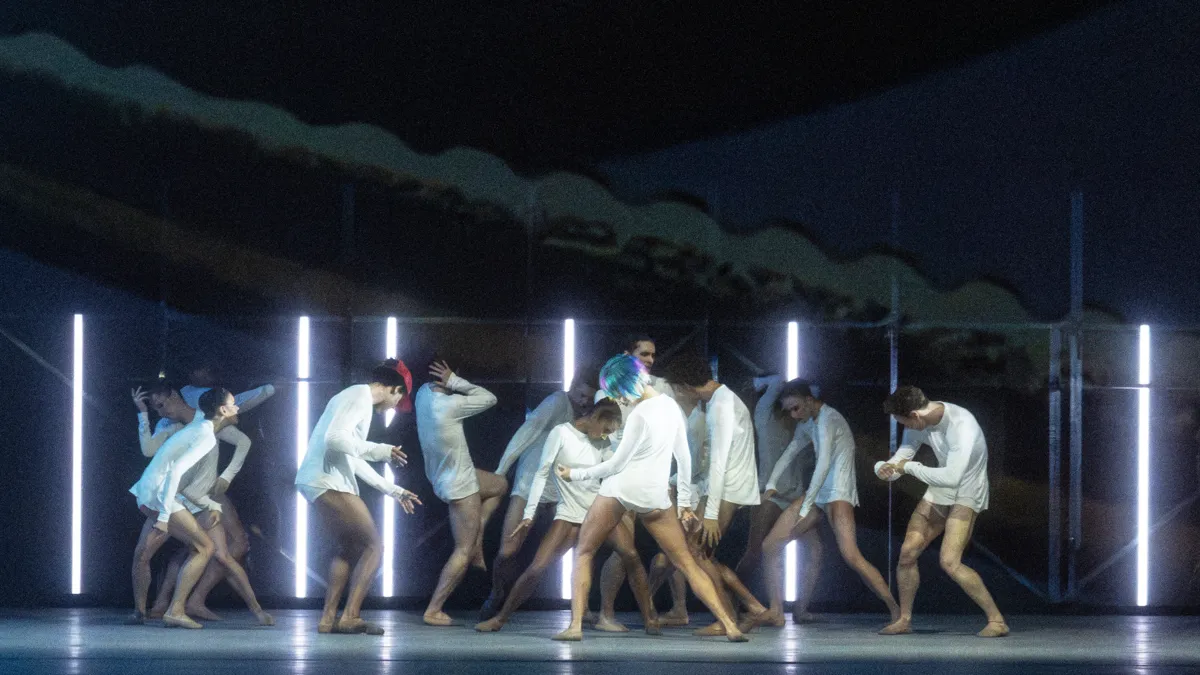
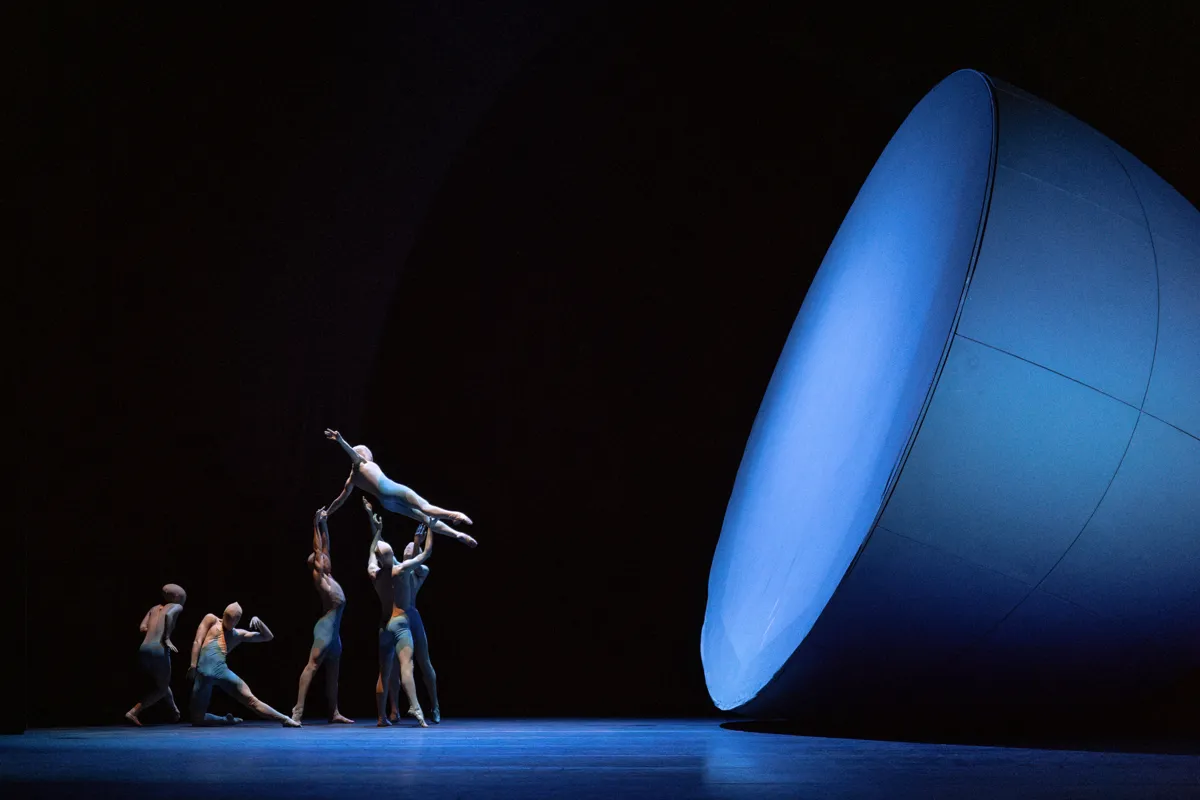
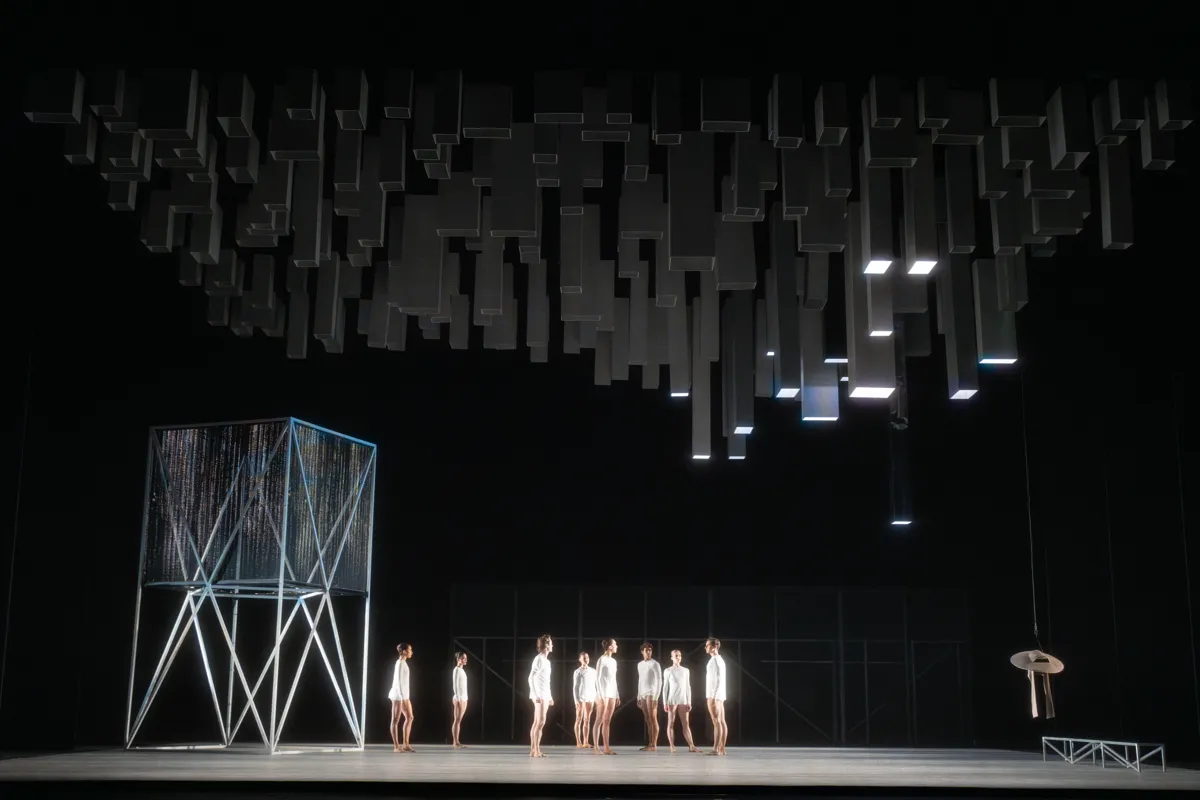
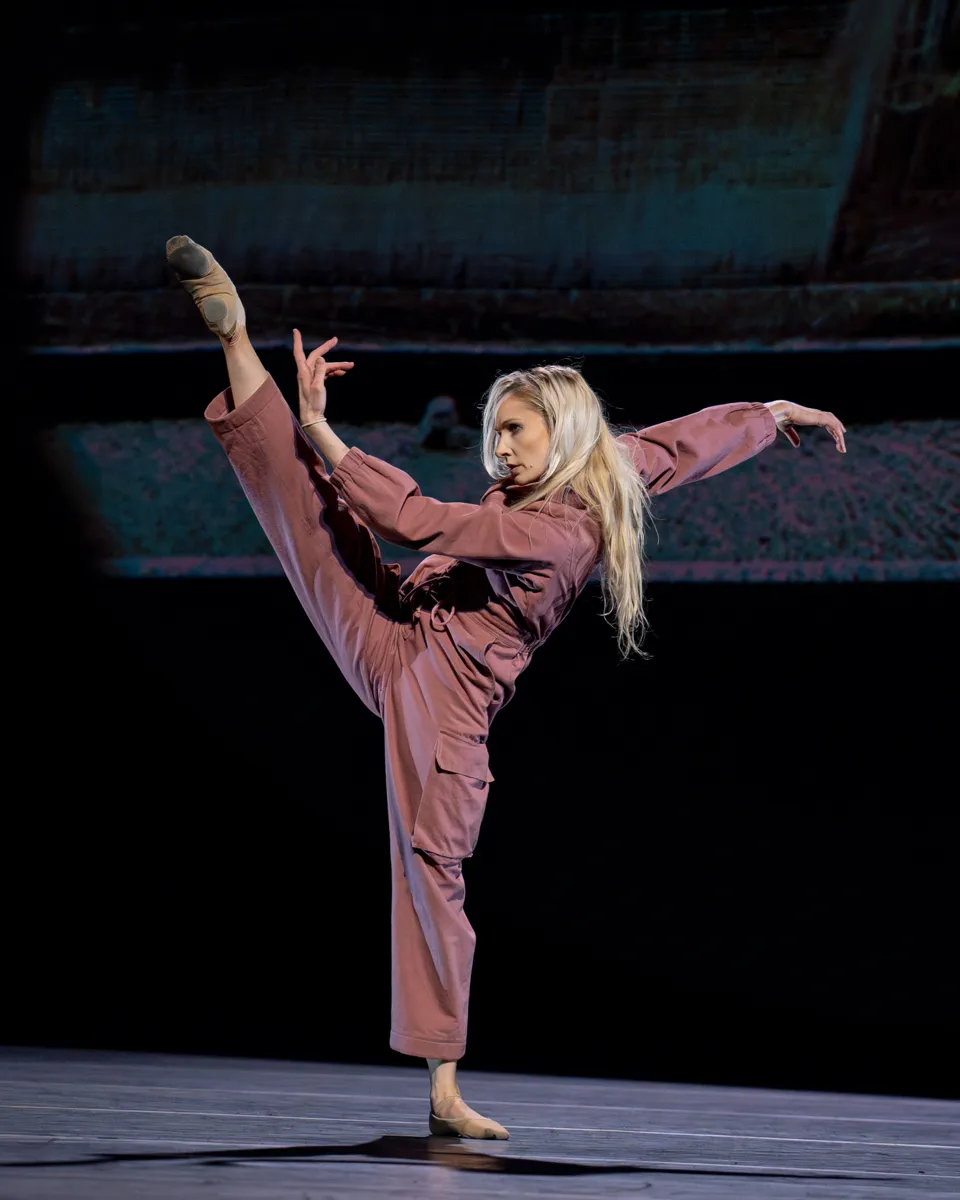
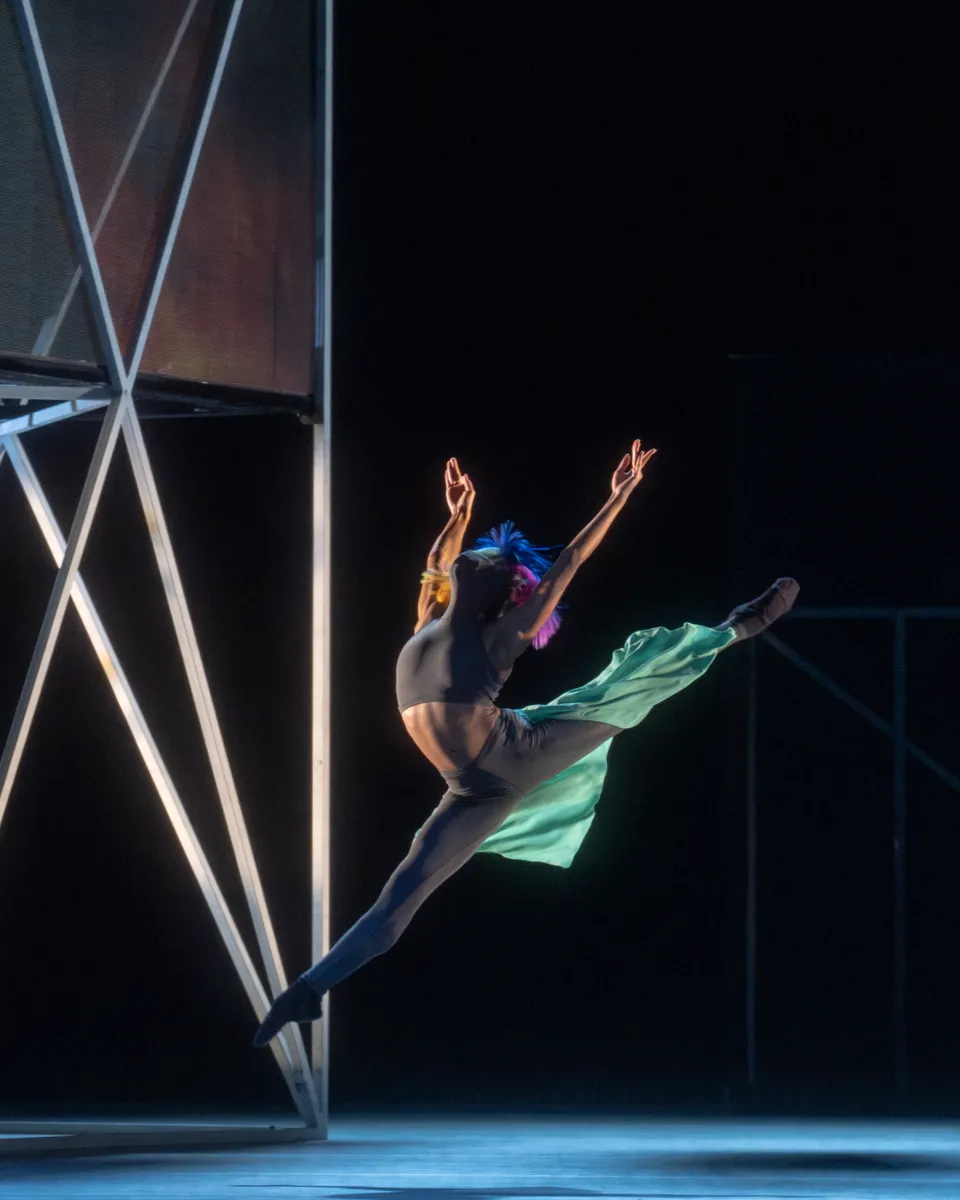
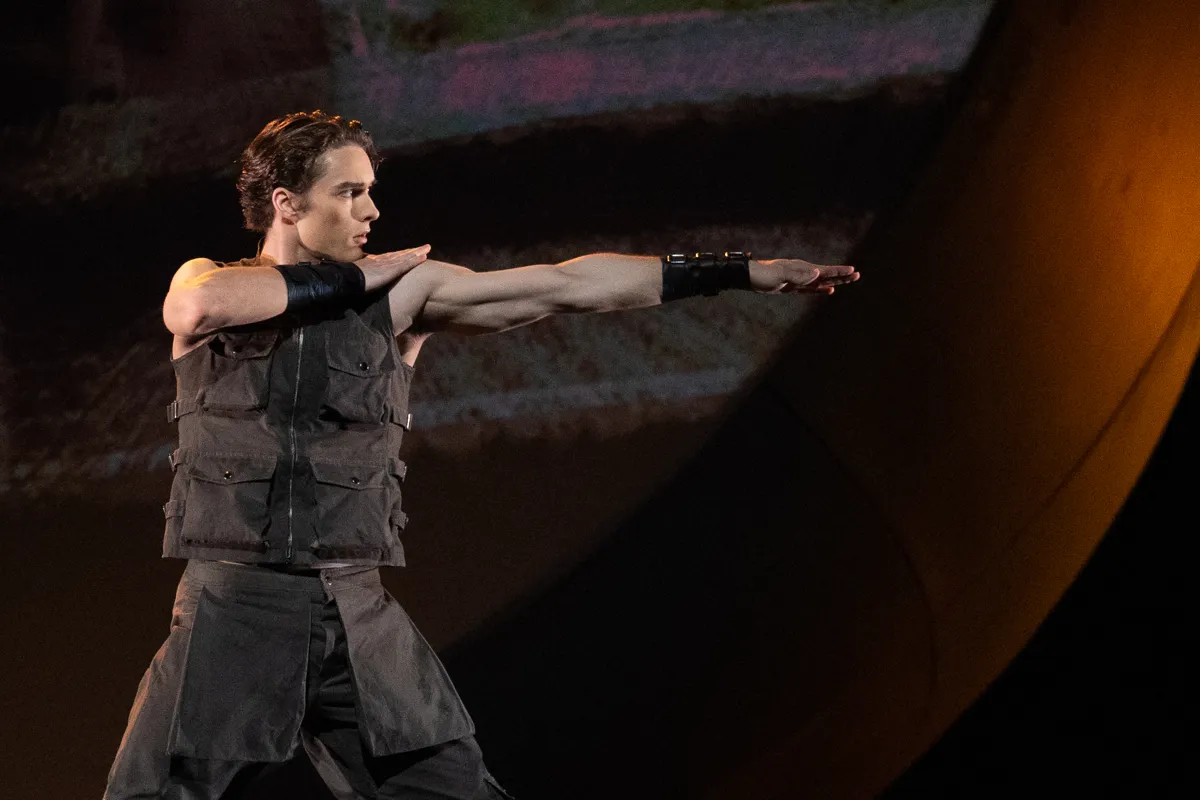
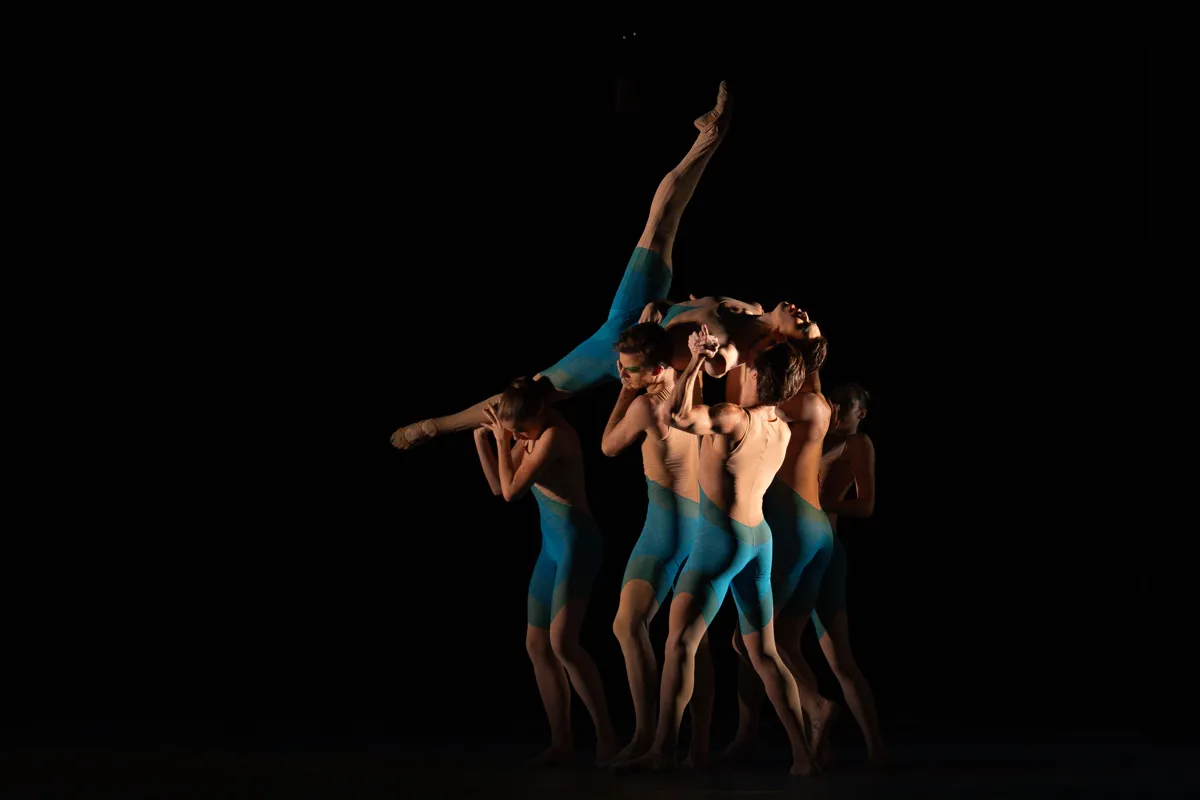
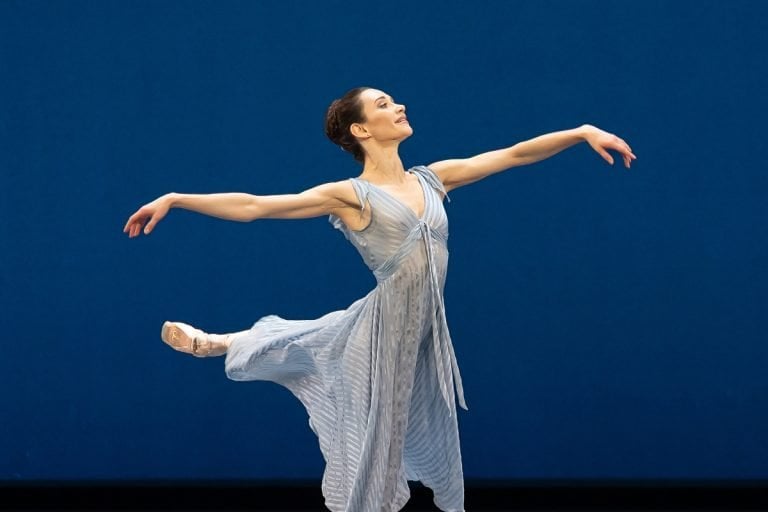
Photo Gallery – Wayne McGregor’s Maddaddam






Lucía Piquero Álvarez was born in Asturias, Spain, where she trained in Classical Ballet and read for a BSc in Psychology. She moved to London where she trained in contemporary dance (LCDS), also getting an MA in Choreography (Middlesex University). Lucía has been an independent dancer and choreographer since 2007, her choreographies have been presented internationally and she has been commissioned by choreographic centres, national companies and festivals.
She was lecturer and head of the Dance Studies Department at the University of Malta, and Senior Lecturer at Dance City (Newcastle), and is currently lecturing at Trinity Laban and English National Ballet School. She completed her PhD at the University of Roehampton. Her main research interest is on embodied emotion and cognition in dance, she has presented in conferences and directed workshops and practice research projects internationally, and published articles and chapters in diverse platforms as well as her own monograph.



This is disappointing. I was hoping for a video. At least it looks good.