Review: The Royal Ballet School Summer Performance – the stars of tomorrow step into the spotlight today

Georgina Butler sees The Royal Ballet School Summer Performance 2025 celebrating tradition, innovation and passion with beloved classical works and bold new pieces, danced by remarkable students.
| Title | Summer Performance 2025 |
| Company | The Royal Ballet School |
| Venue | The Royal Opera House, London |
| Date | 12 July 2025 |
| Reviewer | Georgina Butler |
The Royal Ballet School Summer Performance celebrates tradition, innovation and passion with beloved classical works and bold new pieces, danced by remarkable students.
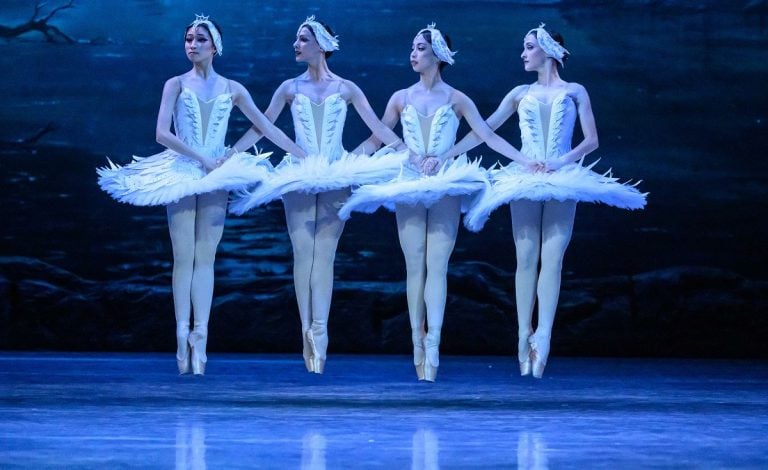
Showcasing exceptional end-of-term excellence, this performance on the main stage of the Royal Opera House, accompanied by the orchestra, is a highlight of the year. For the students, who are aged just eleven to nineteen and not yet professional dancers – something that is all too easy to forget when watching them perform at such a high level in such a prestigious venue. For the school’s staff, who develop the students’ technique, artistry, resilience and sheer joy of dance. For the visiting coaches and choreographers, who guide the students from studio to stage. For the students’ families and friends, who make sacrifices to enable their loved ones to pursue life-changing training. For the generous sponsors and supporters, who believe in the school’s mission and help make up funding shortfalls. And for the curious balletomanes, who look forward to seeing the stars of tomorrow step into the spotlight today.
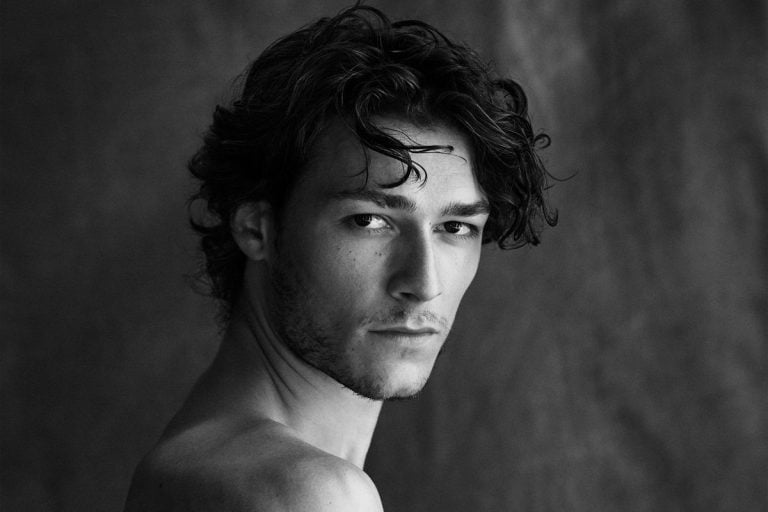
This year’s summer performance rounds off Iain Mackay’s first academic year as artistic director of the Royal Ballet School. Mackay, who was educated at the upper school and reached the rank of principal dancer at Birmingham Royal Ballet, gave an opening speech before the much-anticipated matinee. His words wholeheartedly emphasised the courage and commitment shown every day by the extraordinary, and still very young, students. Without a doubt, the programme Mackay gifted these dancers with permitted them to display their diverse training by delving into ballet’s enduring past and discovering the terpsichorean future. More importantly, they were inspired to dare to dance their hearts out.
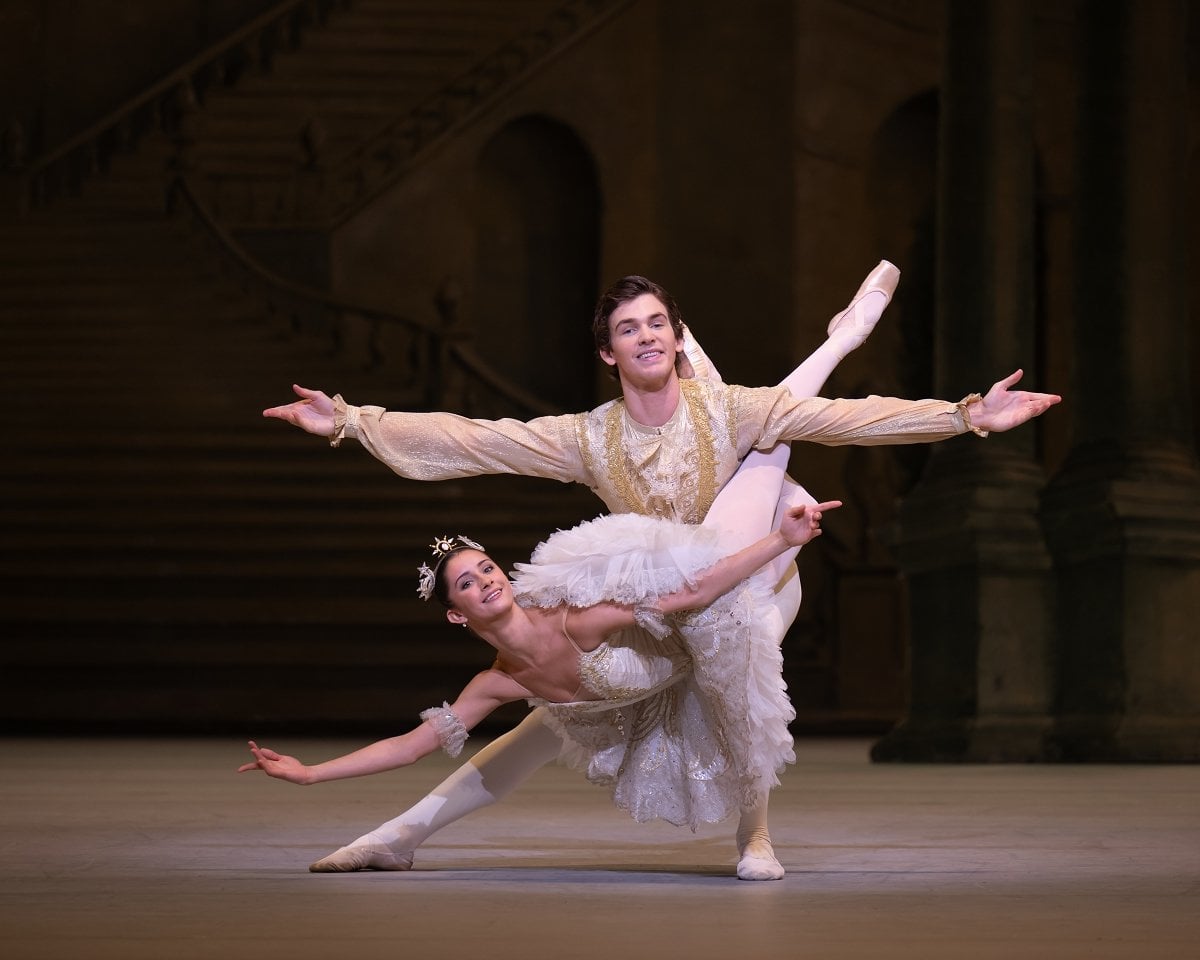
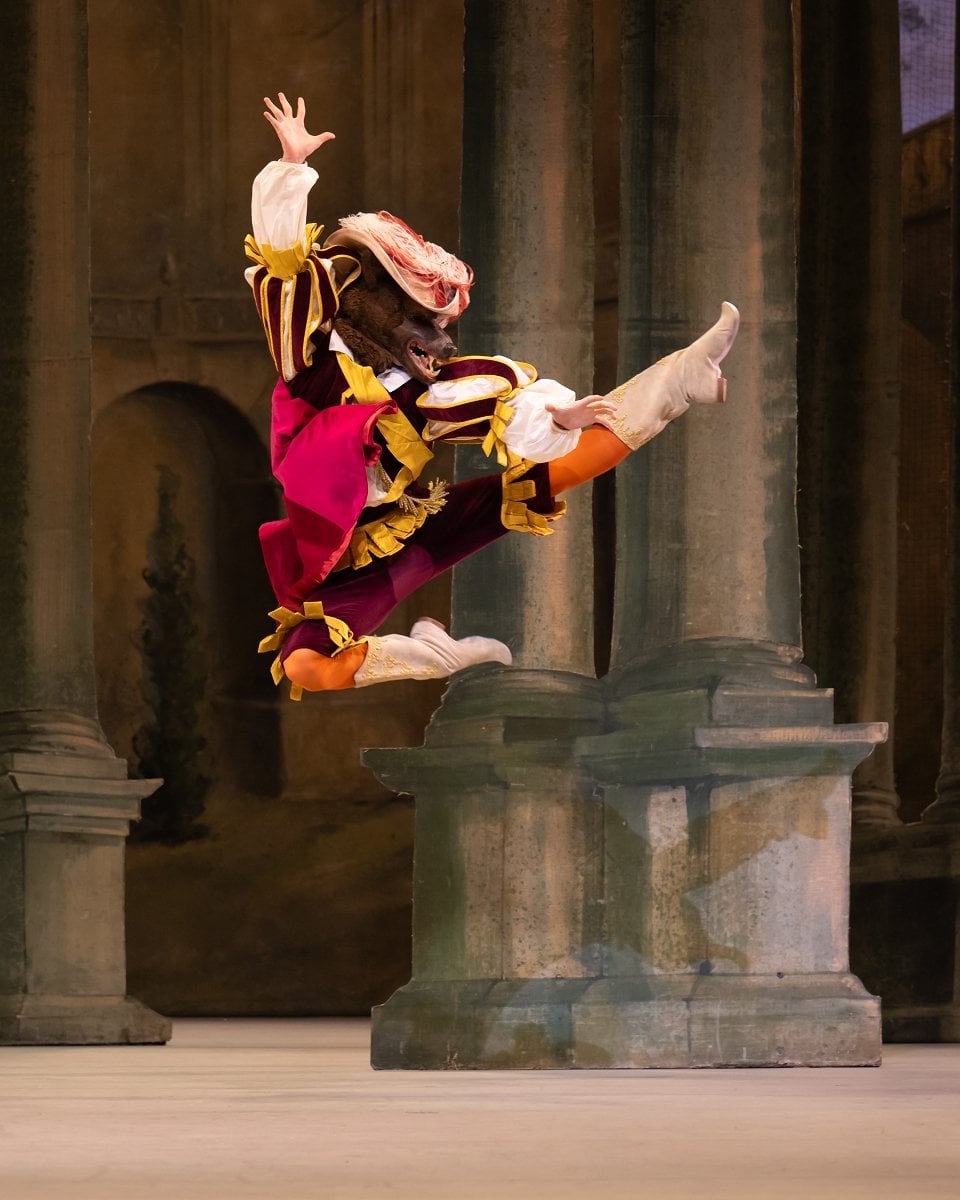
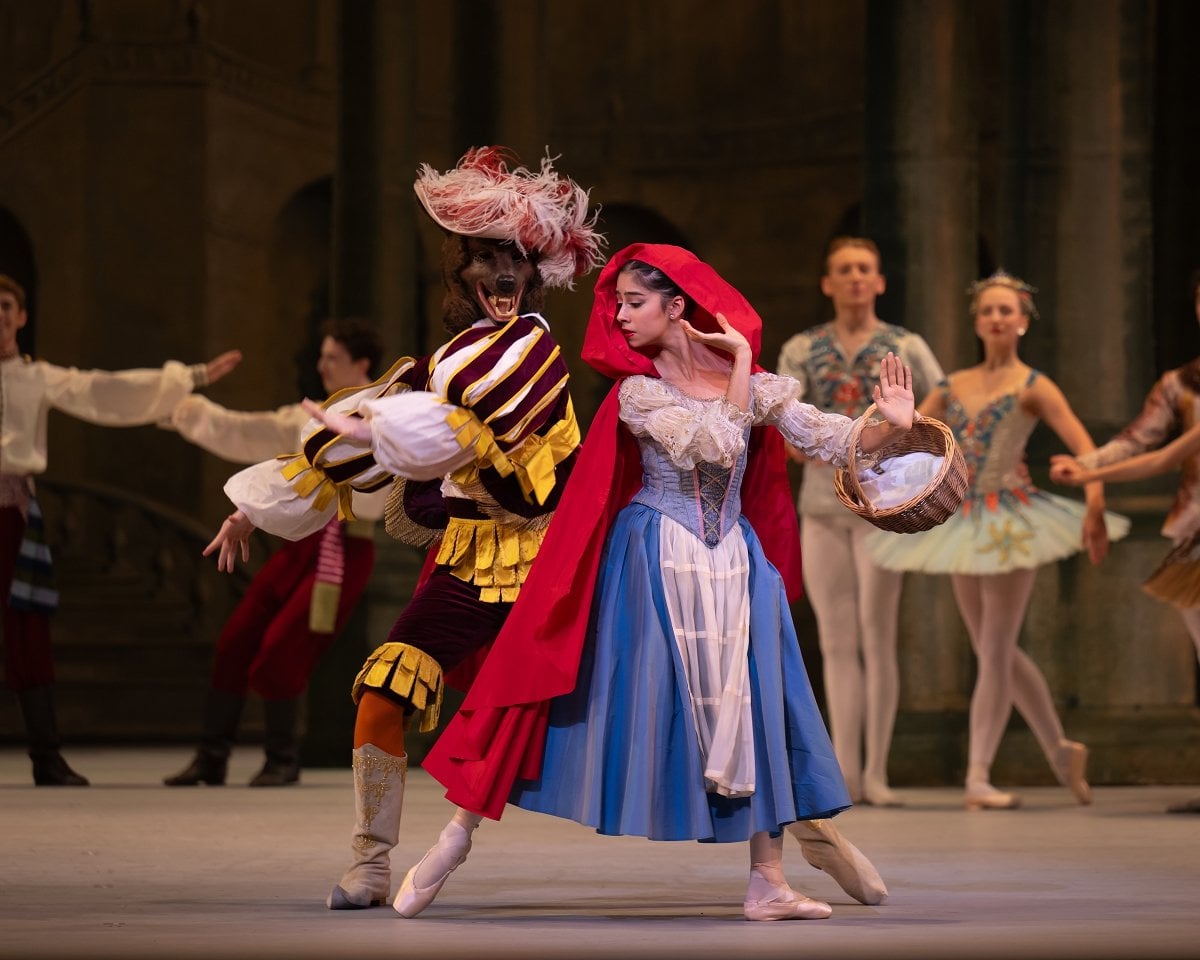


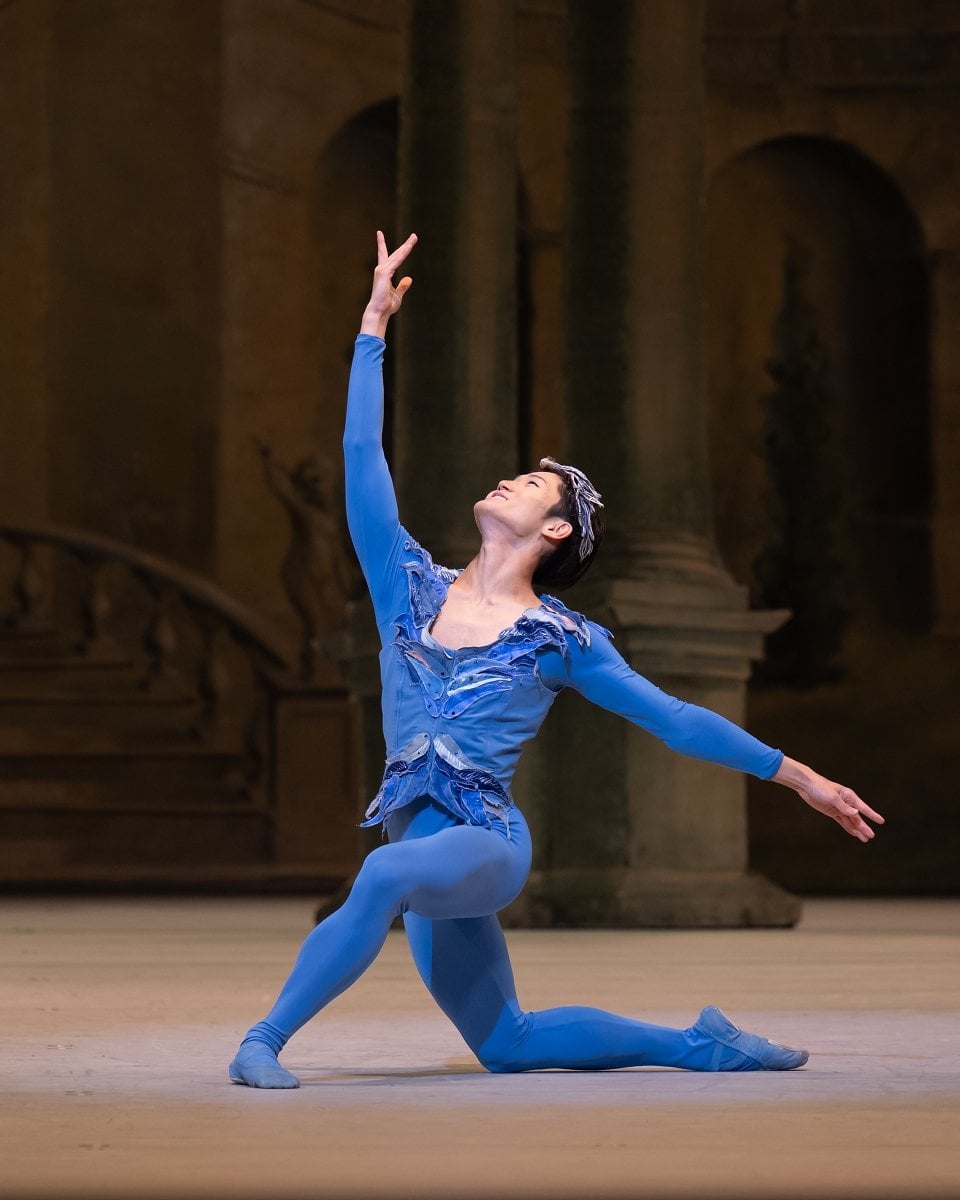
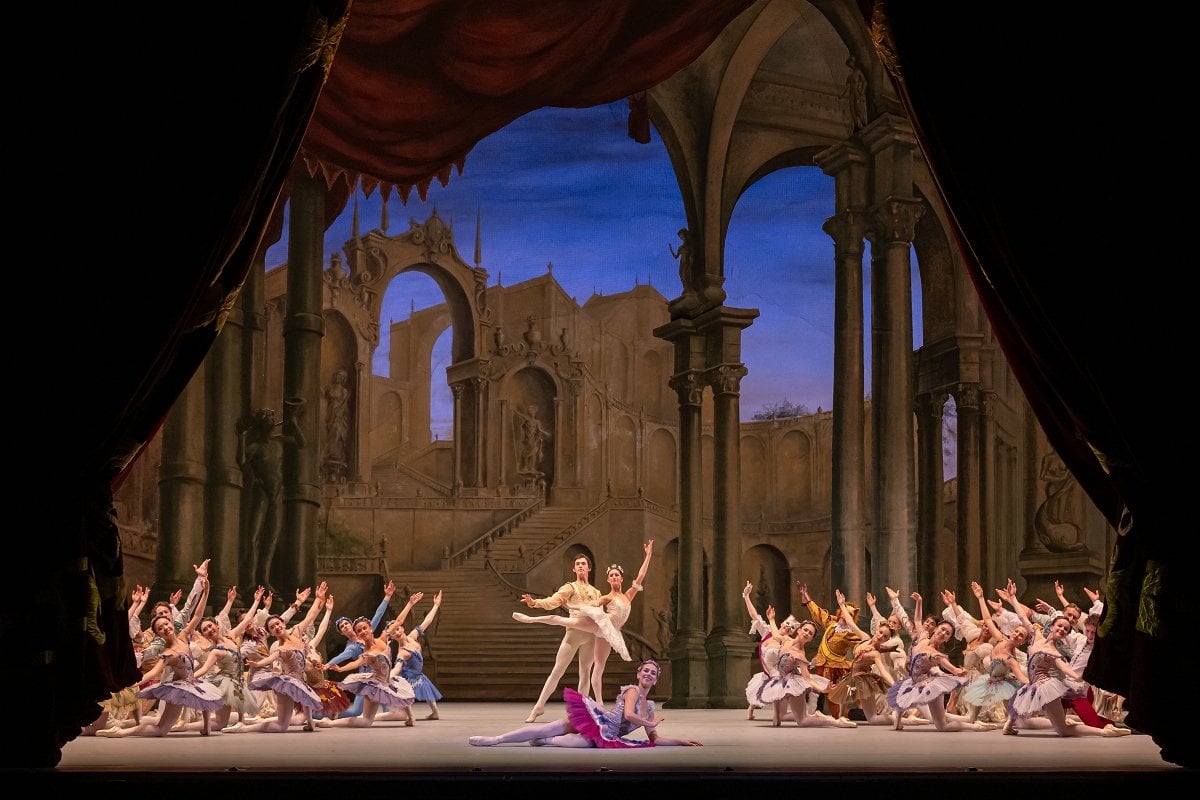

Aurora’s Wedding opened proceedings with the upper school whisking the audience off to the enchanted kingdom that is home to Princess Aurora in Marius Petipa‘s The Sleeping Beauty (1890). This sumptuous spectacle, which was restaged for the school by Anthony Dowell in 2018, fuses the fairies’ solos from the prologue with the divertissements and grand pas de deux from act three. A stately polonaise preceded entrances by all the fairytale characters – Red Riding Hood and the Wolf, White Cat and Puss in Boots, Princess Florine and Bluebird, the fairies accompanied by their cavaliers and attendants. Radiant Aurora (aptly named pre-professional student Aurora Chinchilla, who will join the Royal Ballet as an Aud Jebsen Young Dancer for the 2025/26 season) and Prince Florimund arrived, then all six fairies danced accomplished variations.
Suitably spellbound, we were then treated to the dazzling third-act dances. The roles of Princess Florine, Bluebird and Prince Florimund were each portrayed by two students (one performing the pas de deux, the other performing the solo) for double the dance delight. The auditorium collectively gasped in wonder at the fearless fish dives and regal poise displayed in the grand pas de deux danced by Chinchilla and Joe Parkinson (who will also join the Aud Jebsen Young Dancers programme). By the end of this suite, when the royal court bows down before Aurora and Florimund, the audience was feeling equally reverential. All the students had dreamily sailed through the Royal Ballet’s signature work.


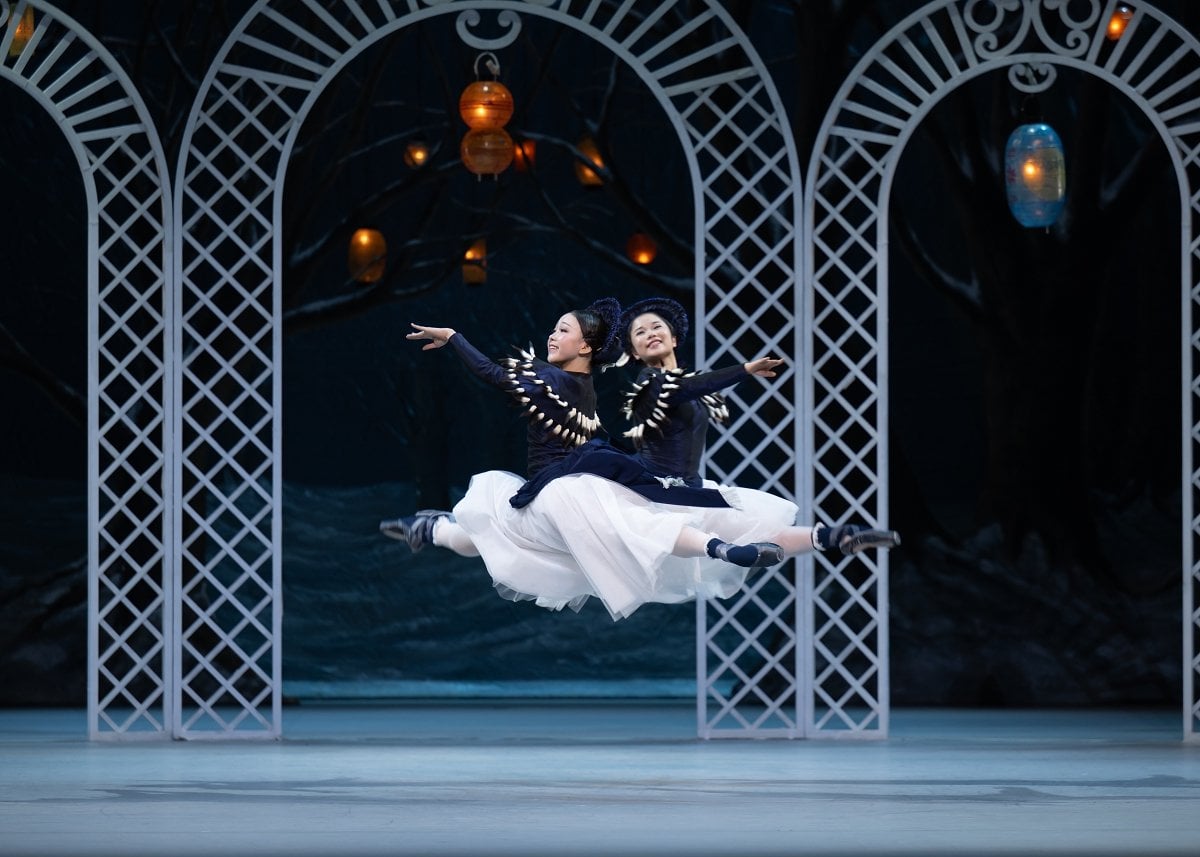
Les Patineurs, the charming 1937 Frederick Ashton ballet that captures the entertaining exploits of an ice-skating party, brought the upper school’s second-year and pre-professional students back to the stage – this time gliding, spinning and leaping on a frozen pond. On a scorcher of a Saturday, there could have been no better way for an appreciative audience to cool off than to be swept away in this glittering snowstorm, staged by former Royal Ballet dancer Vanessa Palmer. Timeless and tasteful – elegant filigree arches border the pond, bare tree branches and glowing lanterns are suspended overhead, the starry night sky glistens with promises – this piece demands the best from every single [ice] dancer. And they delivered: soloists, couples, trios and groups made forming kaleidoscopic patterns on the ice and freezing off-kilter lifts look easy. They all blew us away, as if by a gust of wintery wind. Notably, the Blue Boy (second-year student Wendel Vieira Teles Dos Santos) risked melting the ice with the warmth of his smile and showmanship, not to mention searingly strong technique.


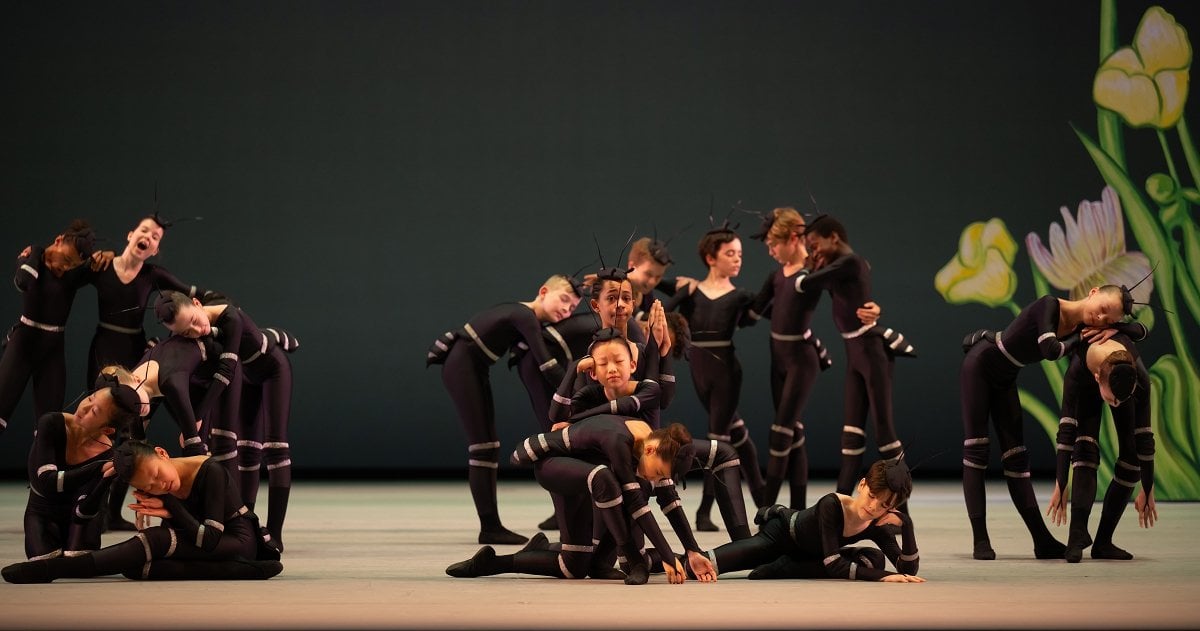
Garden Suite, choreographed by Ruth Brill for the youngest students at White Lodge (the lower school: Years 7, 8 and 9 – students aged eleven to fourteen), exuberantly shows that no matter how small and insignificant you may feel, you must believe in yourself and what you bring to the world. Set in a colourful wildflower garden, to music by Igor Stravinsky, it demonstrates that everyone has a role to play by embodying the escapades of insects and flowers. As the artistic director of London Children’s Ballet, Brill is no stranger to nurturing youngsters and this bright and beautiful classical piece gave all the dancers an opportunity to shine. Giant flowers towered over them, for scale, and a bug’s life was revealed. Ants and grasshoppers squared up to each other. A queen bee, flanked by her two worker bees, made lively demands. Ladybirds, flies, moths and spiders all had their time in the sun. Every insect was cheerfully represented, along with poppies, buttercups, clover and grass.


Sweet Morning Blooms, created by American choreographer Jessica Lang on the upper school’s first-year students, is an attractive neo-classical piece set to music by Joseph Haydn. It opened in darkness, the bodies of the ensemble lying prostrate on the floor. A lead couple entered, wistfully weaving in amongst these horizontal individuals and gently breathing life into them. Costumed completely in white, save for the men’s unitards each having one leg dip-dyed a pastel shade, the ensemble moved through supportive, floor-based partner-work, seemingly sprouting strength as stems before coming into bud. Flowing movement then progressed as they blossomed and bloomed, ultimately becoming one exquisite bouquet.

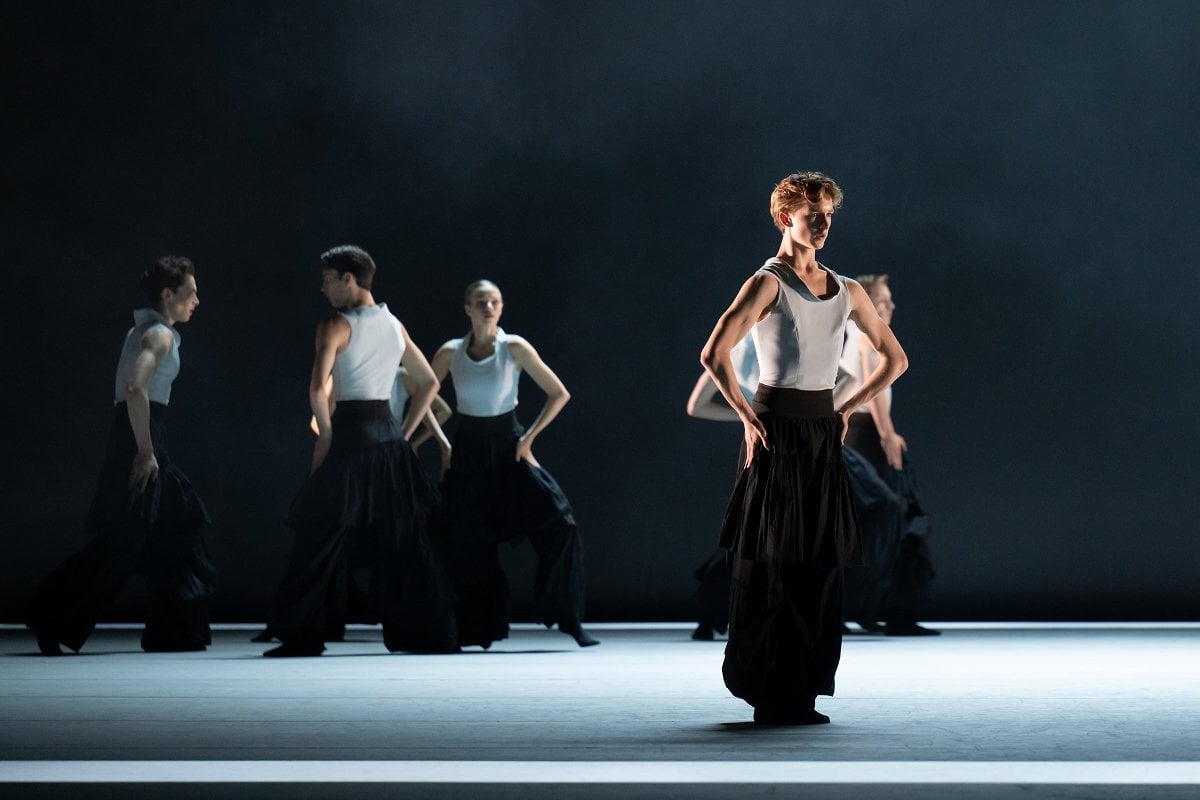

Gridlock, choreographed by Hannah Joseph for the upper school’s second-year students, is a distinctive contemporary offering danced to tense music by Cairo Joseph. The movement is defiant and dynamic – powerful strides, rippling torsos, circling arms, hands on hips, splayed palms held aloft. The ten dancers, identically clad in high-necked grey tops, wide-legged black trousers and black ballet flats, unveiled a sense of individuality within the confines of synchronicity as they confronted and sidestepped each other.
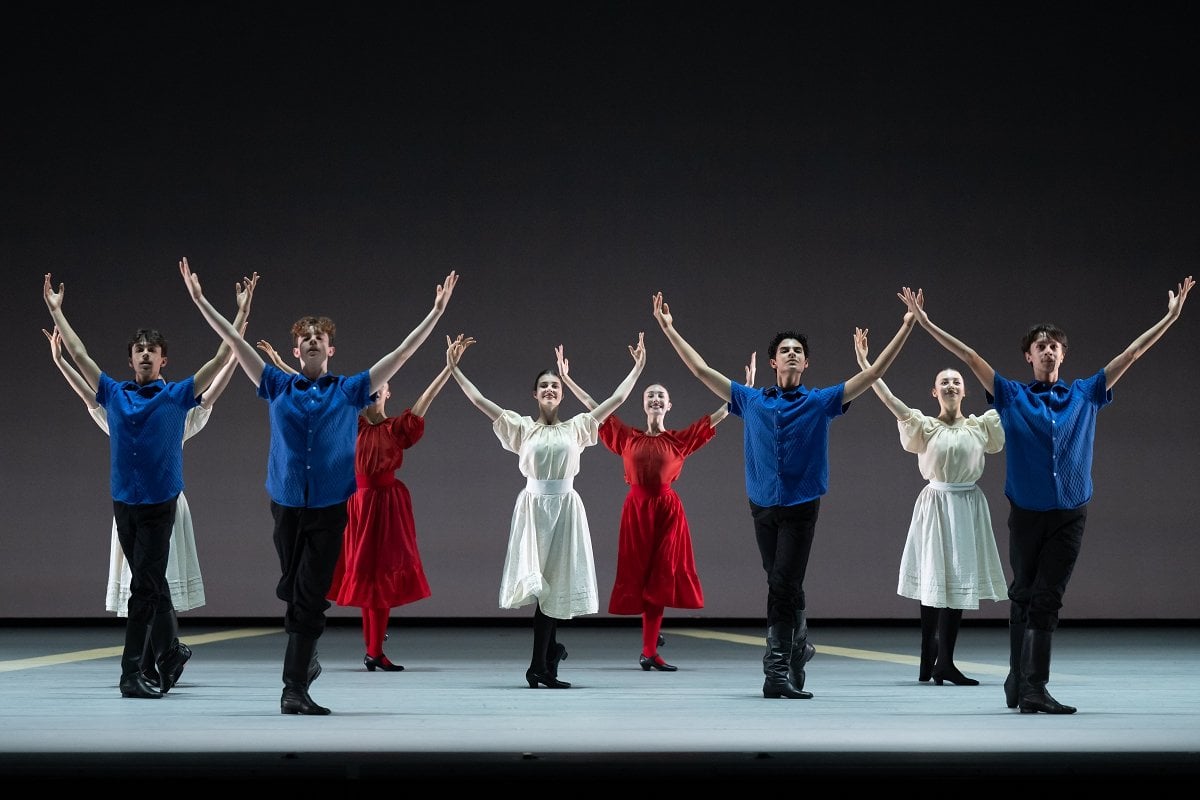
Tracks Uniting, choreographed by Iva Lešić and danced by the older White Lodgers (Years 10 and 11 – students aged fourteen to sixteen), is a riveting, rhythmical folk piece, twinned with a similar creation for the Dutch National Ballet Academy (Lešić is a teacher at the academy). Set to electronic music and featuring flashy lighting, it is composed of percussive movements from a variety of national styles. Boys wearing black trousers paired with either blue or black shirts and girls wearing either red or white dresses, filled the stage with incredible hand-clapping, heel-tapping, thigh-slapping, skirt-shaking energy. Their character-shoe-clad feet propelled them through speedy syncopations as they perpetually journeyed onwards, always on track to reach their next destination.
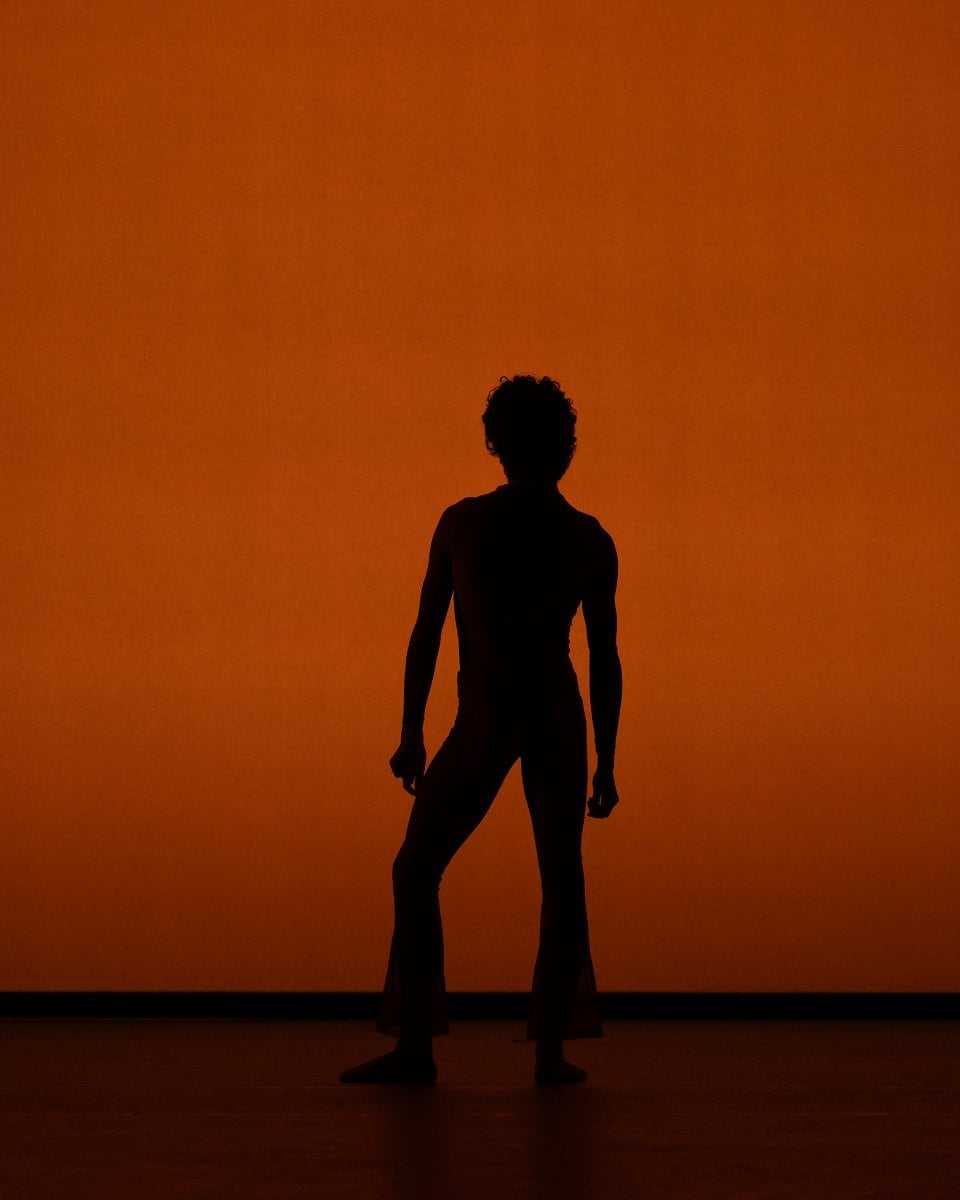
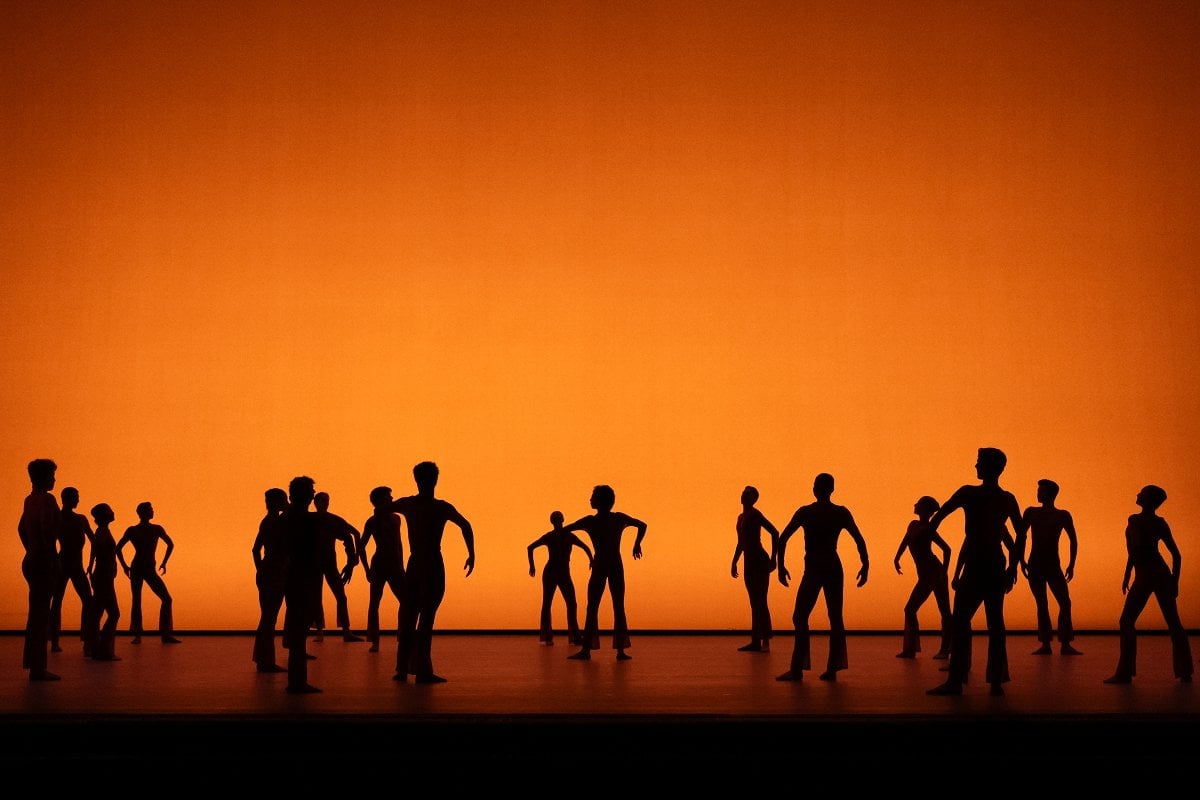
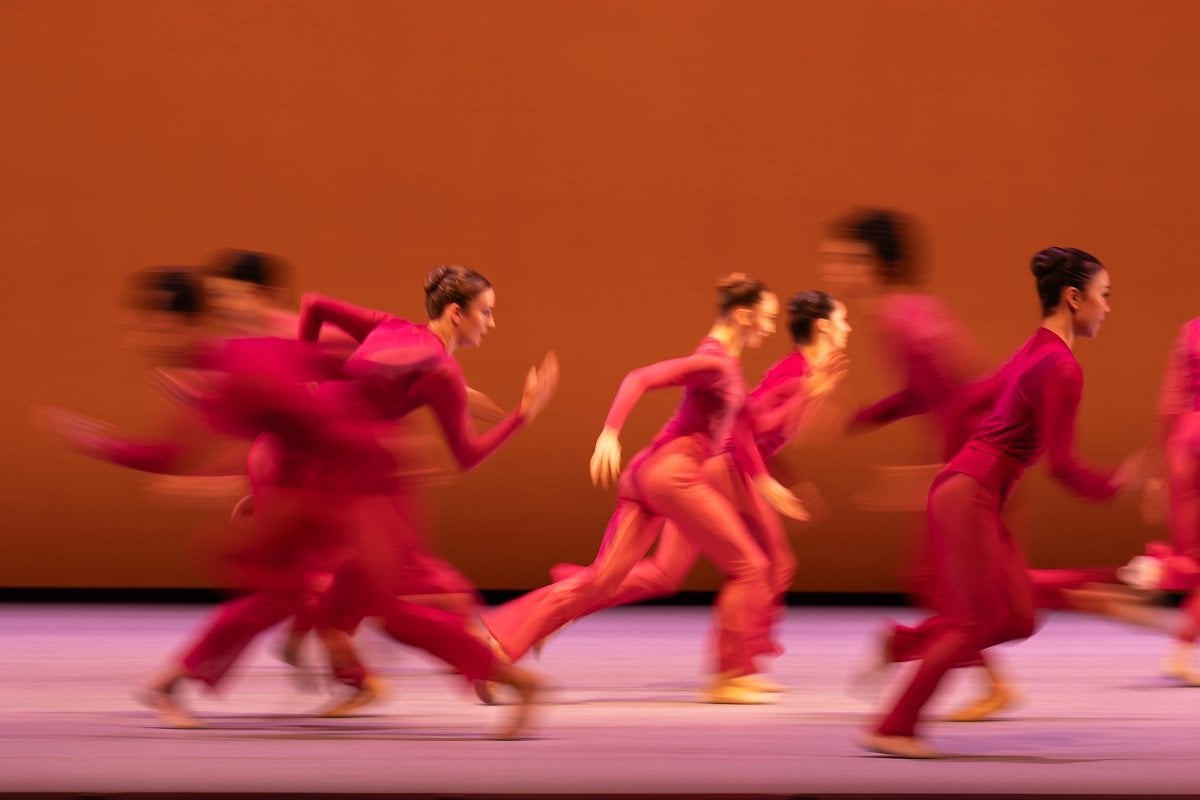

Culmination, choreographed by Arielle Smith and danced by the upper school’s pre-professional students, is an infectiously joyful party piece set to samba-groove music by Quincy Jones. The dancers wore bright pink, semi-transparent jumpsuits and ballet flats. The backdrop progressively incorporated sunset shades (pink, orange, yellow, lilac-blue). The lighting playfully cast silhouettes. The dancing was on ‘joie de vivre’ mode. The vibe was carnival and the style was jazzy, jaunty, athletic and alluring. Personalities popped. Lead dancer Tristan-Ian Massa (also joining the Aud Jebsen Young Dancers programme) was outstanding, but every graduating dancer was thrilling to watch.


The final thrill of this triumphant matinee was the traditional Grand Défilé closing. The entire school – all 213 students – graced the stage together, dancing to Carl Czerny’s Etudes. As the elated audience departed the auditorium, the verdict was clear. The students had danced their hearts out and our hearts were full.
Running time: approximately 3 hours, including two intervals
For more information on training opportunities and ways to support current and future students, visit the Royal Ballet School website and follow the school on Facebook, Instagram and X (formerly Twitter).

Georgina Butler is an editor, a dance writer and a ballet teacher.
Georgina is a first class honours graduate and registered teacher of the Royal Academy of Dance (BA (Hons), RAD RTS). Following further training at the Royal Ballet School, she also holds the ‘Inspire’ professional development certificate for classical ballet teachers.
Outside of dance, Georgina is a graduate of the London School of Economics and Political Science (BSc (Hons) LSE), a qualified journalist (National Council for the Training of Journalists) and a certified editor (Publishing Training Centre).
Georgina is a fellow of Advance HE (FHEA). This is a professional status awarded in recognition of her expertise in teaching and learning and her commitment to enhancing the student experience.