The best dozen dance shows of 2025 – a legacy of memories from Graham Watts’ year in dance
2025 saw a recovery in the number of shows that I saw, rising to 157 (from 135 in 2024) and – accounting for mixed programmes – they contained 216 separate works (rising from 176 in 2024).
Although it is getting much harder to place reviews (competition is tougher and there are less outlets) I managed to publish 123 (up from 87 in 2024) across six different outlets (down from seven in 2024) and in four different languages (English, German, Japanese and Spanish)! This included travel to review performances in Astana, Brno, Dubai, Oslo, Lucerne, Prague (x3), Vilnius, and Warsaw. I didn’t quite meet my target of an overseas review every month.
Gramilano(41) overtook Bachtrack (30) as the main vehicle for my reviews in 2025, with Shinshokan (26) the main printed magazine outlet.
71 shows were reviewed with a star rating (up from 67 in 2024). I gave almost twice as many five stars as last year (11 against 6), which increased my average for the year to 3.56 stars (up from 3.22 stars in both 2024 and 2023).
With 33 shows scoring 4 stars and above (up from 26, last year) it was clearly a good year and here, for what it is worth, are reflections on the twelve most memorable shows of the year. It has been extremely difficult to put these top shows in some kind of order because there is very little to choose between them and frankly, I would be happy to see any of them over and over again.
Liliom by John Neumeier, performed by Czech National Ballet at the State Opera House in Prague on 23/24 October
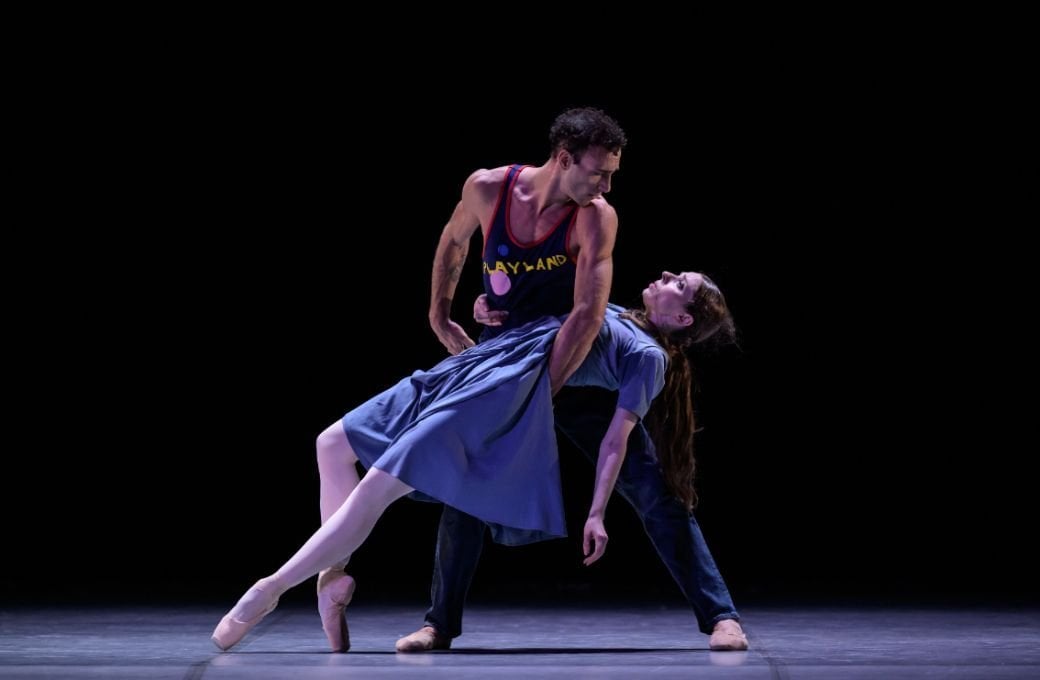
This was the first time that Neumeier has allowed his ballet, made in 2011, to be performed by a company other than his own in Hamburg and his confidence was handsomely repaid with superb performances by Czech National Ballet. The combination of Neumeier’s attention to detail (he was also responsible for the costumes and contributed to the lighting design) and his expressive movement motifs, together with Michel Legrand’s cinematic score, has created another modern masterpiece from Ferenc Molnár’s 1909 play, which had also inspired Rodgers and Hammerstein‘s Carousel. Both casts that I saw were brimming with outstanding performances.
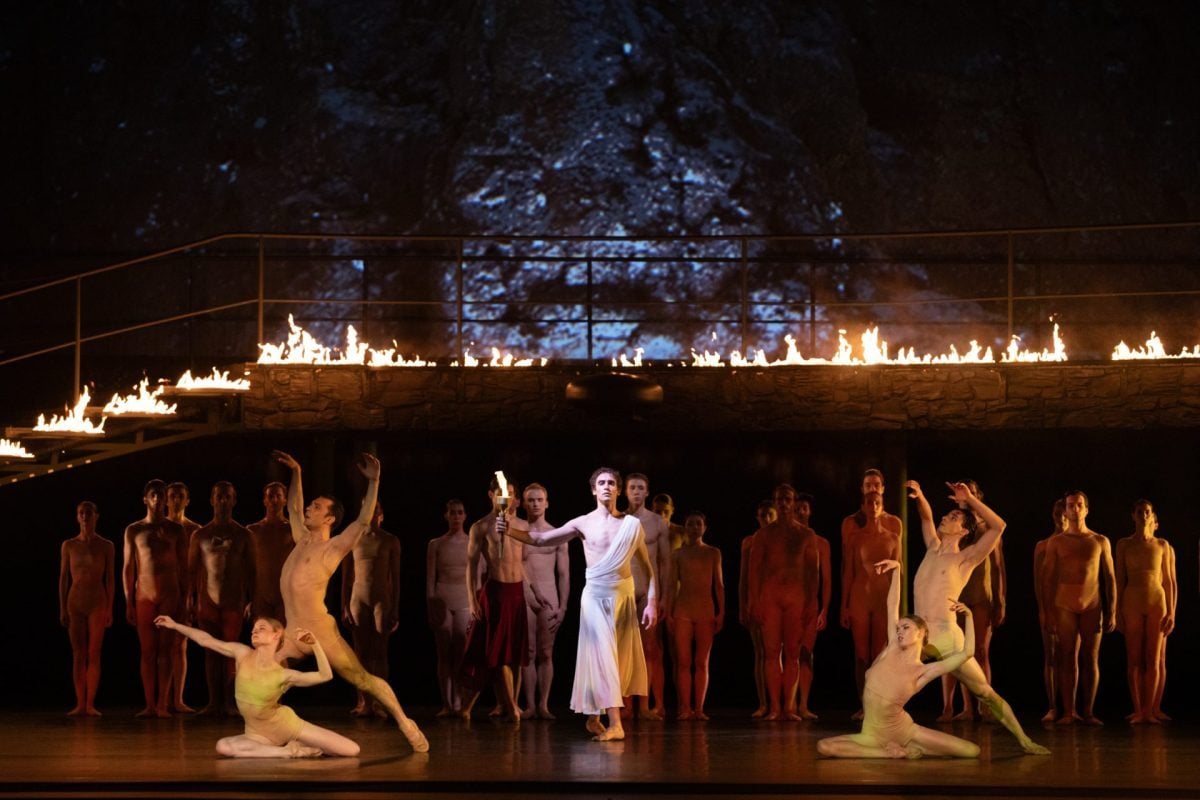
Prometheus by Krzysztof Pastor, performed by Polish National Ballet at Teatr Wielki, Warsaw on 20-22 June

Krzysztof Pastor’s allegory of the relevance of Greek mythology to the troubles of modern times is a thoughtful, spectacular and epic ballet with richness of detail and structure, choreographed to an adventurous and winning choice of music in the juxtaposition of two movements of Philip Glass’ Eleventh Symphony bookending the Mad Rush piano solo; and Mozart’s Requiem in D Minor. The quality of the Polish ensemble is excellent, and Pastor made full use of the theatre’s enormous stage, aided by Tatyana Van Walsum’s imaginative set design, by often having several movement sequences happening simultaneously.
Two Carpets by Alexander Mogilev for Mosaic del Arte, performed by Astana Ballet Theatre at the Astana Ballet Theatre on 17/18 October
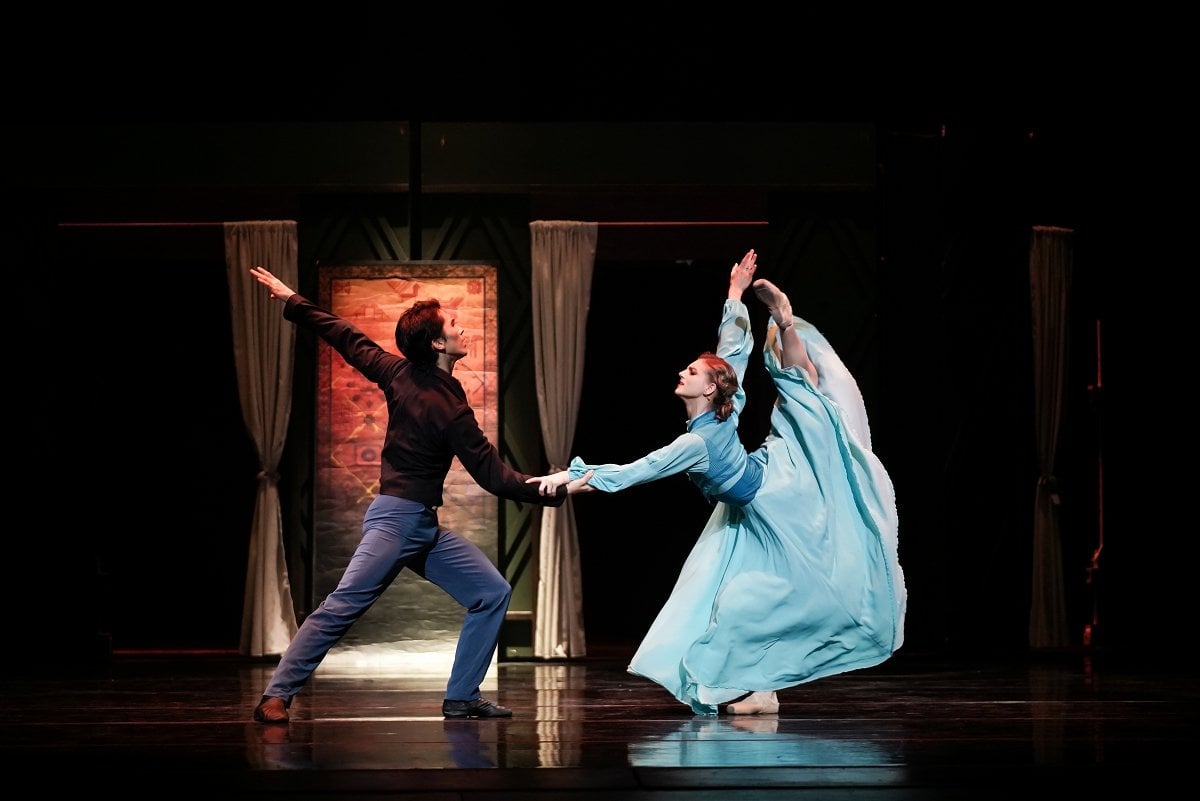
There is a special kudos in this pop-up company (Mosaic del Arte), funded privately, that produces new work of such integrated professionalism and high quality that it would grace any full-time company in a major opera house. This latest venture – the brainchild of Mosaic’s founder and dramaturg, Valery Kopeikin – is a bittersweet love story initially set in late-nineteenth-century Baku, which unfolds in epic, cinematic fashion and takes the audience to St Petersburg, the battlefields of Europe, Vienna and then back to Baku. This outstanding new entry to the global ballet repertoire enjoyed elegance and clarity in tremendous performances by the dancers of the Astana Ballet Theatre.
Song of the Bulbul by Rani Khanam, performed by the Aakash Odedra Company at Sadler’s Wells East, London on 17 July

One of the best things to happen to dance in London in 2025 was the February opening of Sadler’s Wells East, a new 800-seat theatre on the site of the 2012 Olympic Park and the best production in its first year was the London premiere of this extraordinary solo by Aakash Odedra, choreographed by Rani Khanam to music by Rushil Ranjan, telling the bittersweet story of a captive nightingale through its birdsong. Odedra’s arms seemed as delicate as reeds floating in the wind, and he spun with such speed and grace. It was quite a year for Odedra who won two awards for his dancing in June’s National Dance Awards.
Inala by Mark Baldwin for Sisters Grimm, performed by the Inala ensemble at the House of Sisters Grimm on 4 December
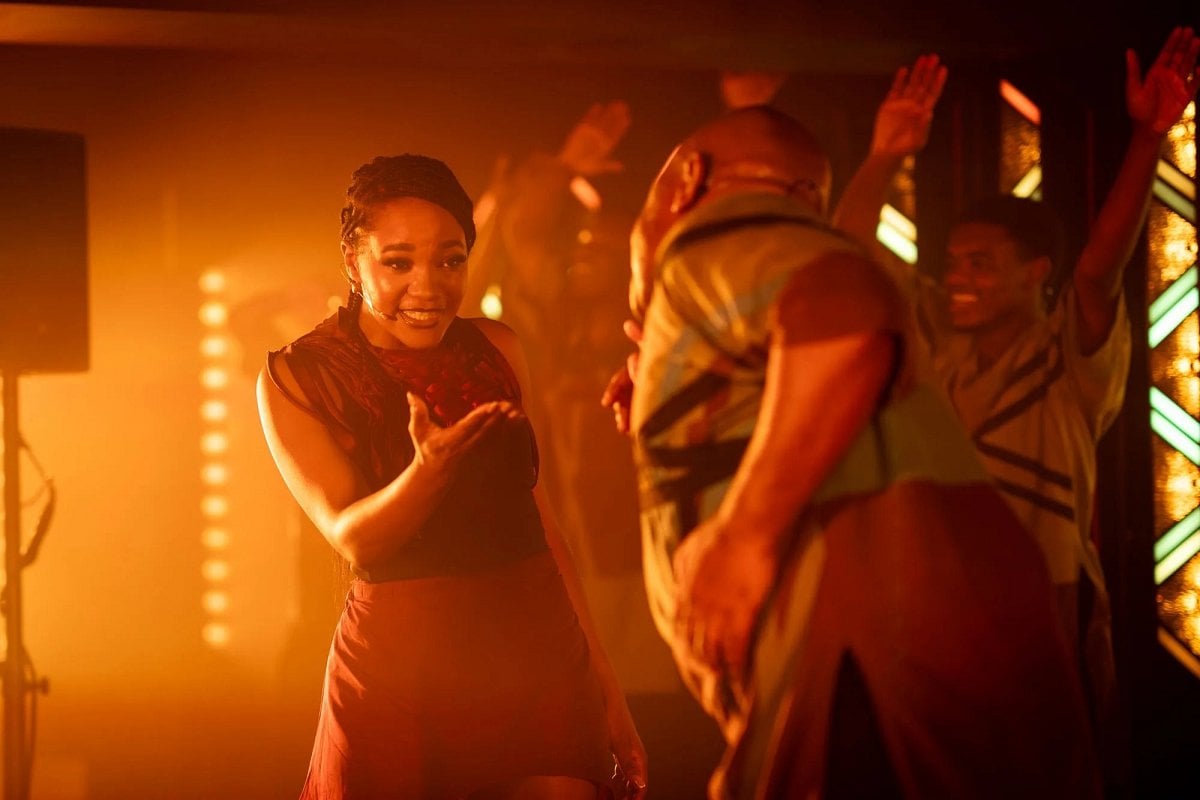
This revival of Inala, the smash hit South African musical, by Sisters Grimm (the multi-talented Ella Spira and Pietra Mello-Pittman) with a scintillating Grammy-nominated score by Spira and the late Joseph Shabalala (founder of the legendary Ladysmith Black Mambazo) opened a new purpose-built London venue, the House of Sisters Grimm in Soho. Their House is much more than a theatre, including an art gallery and an exclusive wine bar which stays open until midnight after every show (where else in London can you enjoy post-show drinks in the theatre)? Inala‘s music is both rhythmically infectious and hauntingly poignant and the performance by this ensemble of multi-talented South African artists is mesmeric, made all the more so by the immersive experience of the venue’s close intimacy. Inala is to be a permanent fixture at the House of Sisters Grimm with current performances scheduled until April 2026.
Giselle by Lola de Ávila after Jean Coralli and Jules Perrot, performed by Lithuanian National Ballet at the National Theatre, Vilnius on 9-11 January
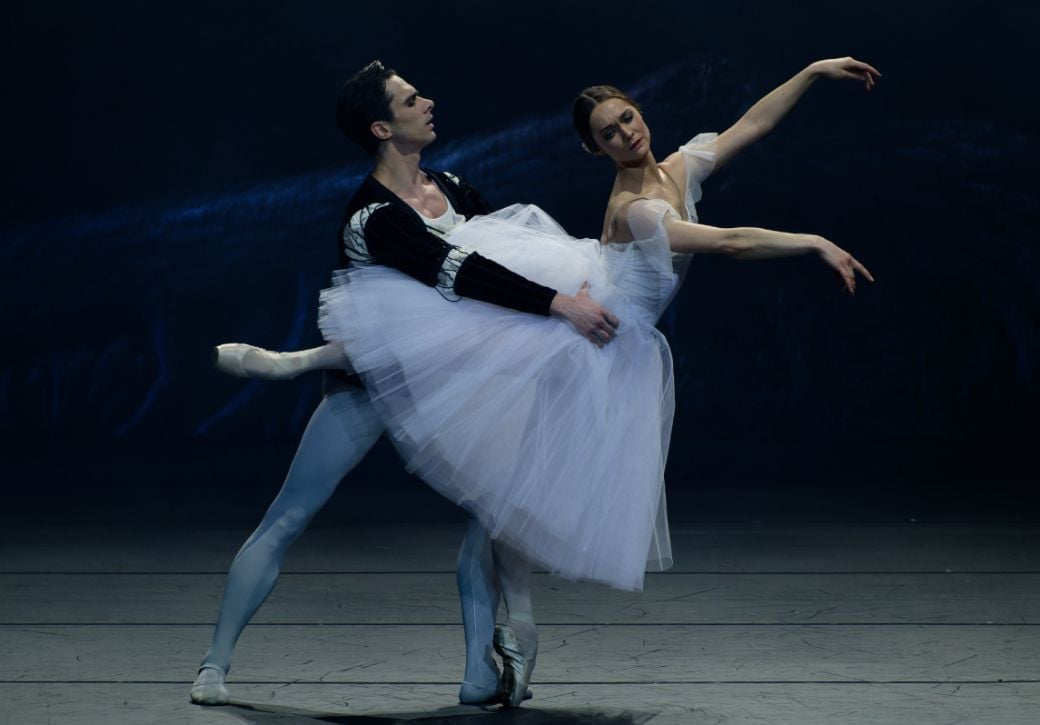
These performances had a special significance as Jurgita Dronina brought her dancing career to a premature but necessary conclusion, coinciding with her appointment as artistic director of Lithuanian National Ballet. It brought her career as a ballerina full circle since her first major role in the same theatre, some 20 years previously, was also as Giselle. Partnered superbly by Francesco Gabriele Frola, this marvellous ballerina exited on a high, at the pinnacle of her artistry. Each performance was outstanding, but the emotional adrenaline of the final farewell elevated it to an unprecedented level of indelible delight.
Giselle by Miyako Yoshida (and Alastair Marriott) after Jean Coralli and Jules Perrot, performed by the National Ballet of Japan at the Royal Opera House, London on 24-26 July
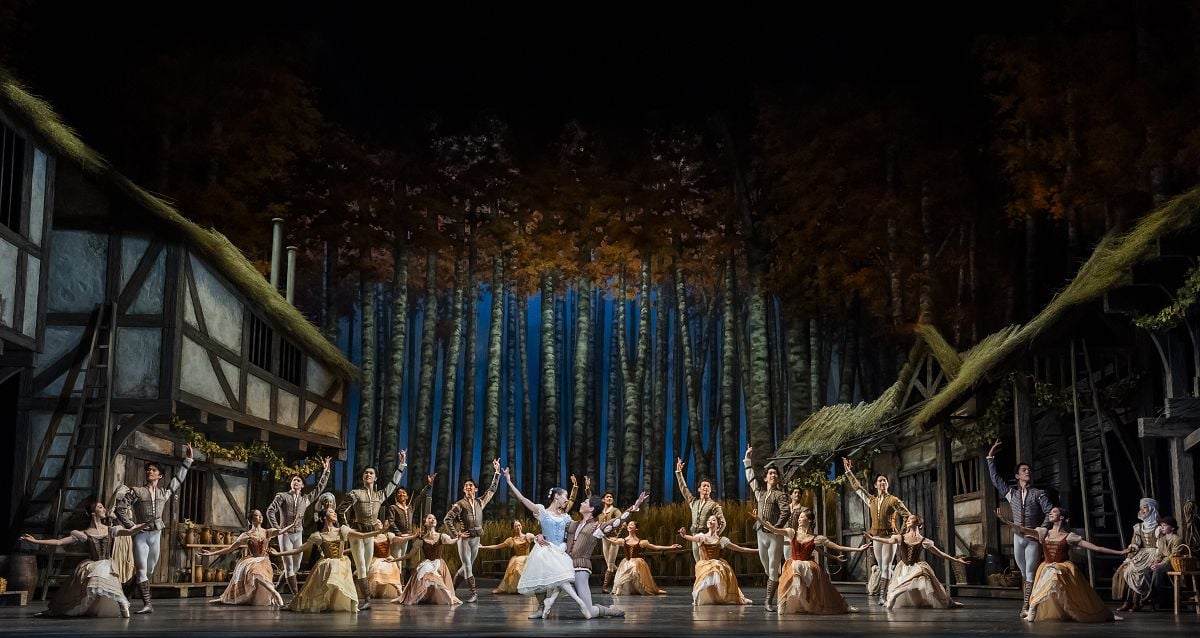
London’s long-awaited first visit of the National Ballet of Japan brought Miyako Yoshida’s own production of Giselle, which was impressive even before accounting for the excellent performances. Dick Bird’s set is conventional, highly imaginative and more substantial than the norm. Alastair Marriott‘s new work for the wilis was outstanding, including some innovative patterning of the ensemble movement. The dancing throughout all the casts was exceptional and a tribute to Yoshida’s inspiring leadership.
Onegin by John Cranko, performed by The Royal Ballet at The Royal Opera House on 22 January

Now celebrating its sixtieth year, Onegin sits firmly within The Royal Ballet’s rich storytelling repertoire, alongside the full-length legacies of Cranko’s close friend, Kenneth MacMillan, and those of the Founder choreographer, Frederick Ashton. Although it was not created on The Royal Ballet, it has become a jewel in the company’s treasure chest with splendid performances on this opening night (Reece Clark, Marianela Nuñez, Akane Takada, William Bracewell and Lukas Bjørneboe Braendsrød) continuing excellently with several casts throughout a run that lasted almost half a year until mid-June.
HOPE – Oh Deer by Mthuthuzeli November and White Rabbit by Phoebe Jewitt – performed by Tanz Luzern at Luzerner Theater on 8/9 November
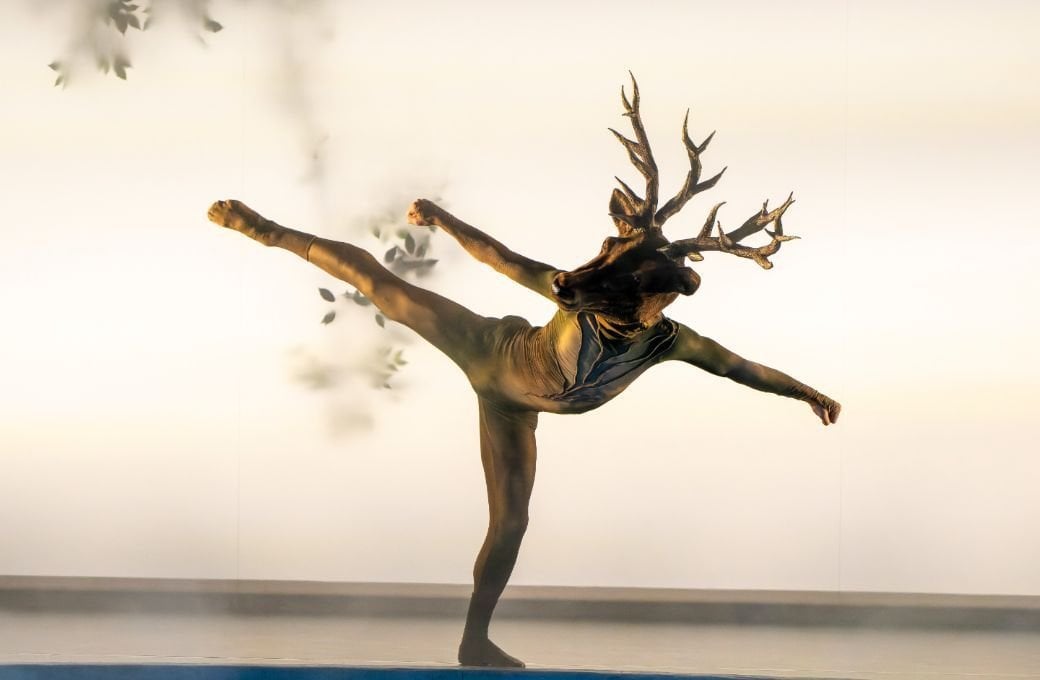
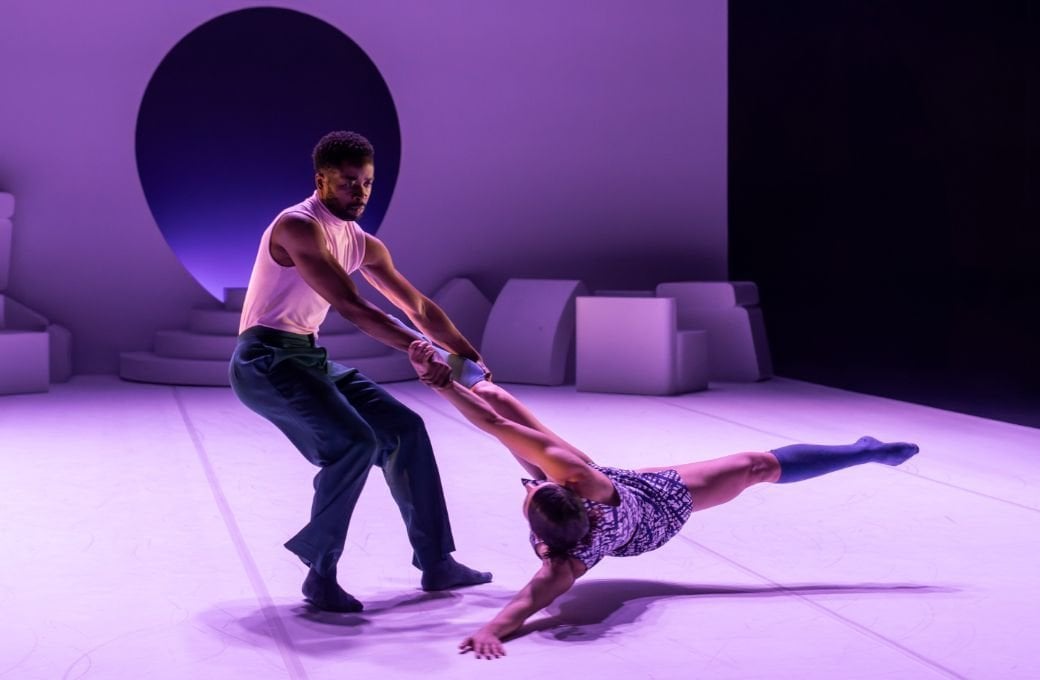
This pair of new thirty-minute works provided further evidence of November’s burgeoning talent and an eye-opening introduction to Jewitt’s choreography. I look for entertainment, excitement, innovation or challenge in any new work and White Rabbit ticked all these boxes with aplomb. Both choreographers moved their ensembles in varying permutations, liberally employing canon, repetition and unified movement, often pulling dancers into immediate harmony from a spread of independent motifs, creating impressive patterns that were invariably performed with pinpoint precision. The choreography in both works was crowned by outstanding duets and both pieces ended strongly.
Romancero del Baile Flamenco by Mercedes Ruiz, performed by Compañía Mercedes Ruiz as part of the London Flamenco Festival at Sadler’s Wells on 3 June

Following on from the contrasting but nonetheless equally theatrical shows of Sara Baras (Vuela) and Manuel Liñán (Muerte de Amor), both of which also had strong claims to be in this list of the best in 2025, Mercedes Ruiz brought flamenco back to its roots in a show that elevated the concept of a tablao into a large proscenium theatre. It would have been easy for the essential intimacy to become lost in the void between performers and their public, but this was emphatically not the case. Ruiz was almost ever-present on stage, demonstrating the complete range of a bailaora’s skills: wearing and manipulating the bata de cola, showing exceptional dexterity with both the mantón and the fan, and giving impressive demonstrations of her rhythmic, percussive skills with the castanets augmented by finger clicking so robust that the sound travelled across the auditorium.
La Bayadère by Jaroslav Slavický after Marius Petipa, performed by the Ballet of the National Theatre Brno at the Dubai Opera House on 16/17 February
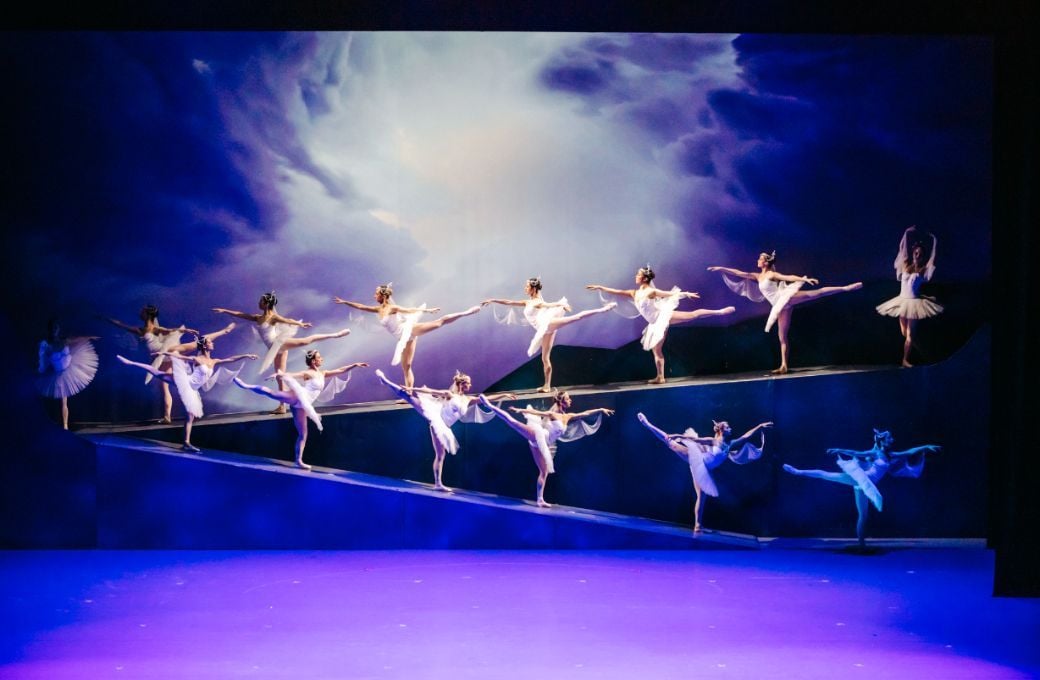
It may no longer be politically correct to say this, but I love this sensational storytelling ballet with its luscious Minkus score, and Jaroslav Slavický’s two-act interpretation simply rattles along. He has retained traditional aspects of the Petipa choreography but with additions that make the story easier to understand for those seeing the ballet for the first time. The corps de ballet was superbly drilled, and the Kingdom of the Shades was beautifully performed with the company enhanced through excellent guest performances by Vadim Muntagirov (returning from a long injury) and Fumi Kaneko. Two other casts led by Alejandro Virelles and Ksenia Ovsyanick and the Brno-based Cuban couple, Adrian Sanchez and Chanell Cabrera, were also sublime.
Maliphantworks4 by Russell Maliphant, performed by the Russell Maliphant Dance Company at the Coronet Theatre on 12 September

A brief evening of Russell Maliphant’s dance is a perfect prescription to cleanse the soul. This pair of solos – Maliphant himself performing In A Landscape followed by Daniel Proietto’s extraordinary and timeless spinning in Afterlight – lasted a total of just 45 minutes, albeit augmented by a looped pair of films in another room, separately featuring movement by Maliphant and Dana Fouras. This programme celebrated several other perfect matches, including Maliphantworks and the Coronet Theatre, Afterlight and Daniel Proietto and the thematic interplay of light and movement in Maliphant’s choreography.
In addition to this top dozen, I have three further honourable mentions.
- My favourite work of musical theatre was the August revival of Brigadoon at Regent’s Park Open Air Theatre, in Rona Munro’s new adaptation with Basia Biñkowska’s set constructed on two levels, the upper tier, high amongst the trees, giving a clear understanding of the hillsides around Brigadoon.
- I was also smitten by Astana Opera’s production of Gioachino Rossini’s rarely performed La scala di seta as part of their Piccolo theatre project, easily my favourite of several operas seen during the year
- And finally, I ended the year by seeing two casts of Matthew Bourne‘s The Red Shoes, which came a little too late to make this list but certainly deserves to be included. Two casts led by Ashley Shaw and Cordelia Braithwaite as Victoria Page were equally superb in Bourne’s fascinating, evocative, theatrical interpretation of Powell and Pressburger’s magnificent film.